
REVIEW · CUSCO
Ultimate Lares Trek & Inca Trail 5 days
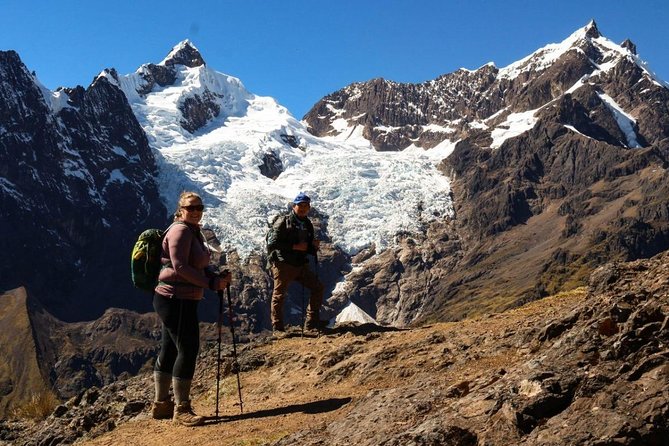
Quiet mountains, then Machu Picchu. This five-day route pairs the peaceful Lares Trek with the Short Inca Trail, giving you remote Andean villages, high mountain passes, hot springs, and a dramatic arrival at the Sun Gate. I especially like the small-group limit of 12 people and the strong focus on local guides, cooks, horsemen, and Quechua communities. I also like that the route avoids the busiest classic Inca Trail sections for most of the trip.
The main drawback is the physical demand. Day two reaches 4,700 meters, or 15,354 feet, and the route includes long climbs and steep descents. You should also confirm the exact meeting time and what entrance fees are covered, since the details list a 4:30 am start while the first pickup is described as around 5:30 am.
Key points before you book
- A quieter route to Machu Picchu: The Lares Valley sees far fewer hikers than the classic Inca Trail, with remote villages and broad mountain views.
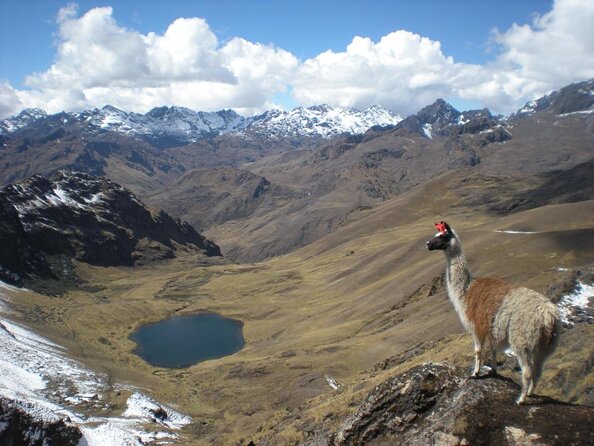
- A serious high point: Condor Pass reaches 4,700 meters, making acclimatization in Cusco important.
- A rewarding Machu Picchu arrival: You enter through the Sun Gate after passing Chachabamba and Wiñay Huayna.
- Excellent camp support: Chefs, porters, horsemen, and guides handle meals, tents, luggage, and daily logistics.
- Comfort at the right moments: You get two nights camping and two nights in three-star hotels at Ollantaytambo and Aguas Calientes.
- Good value at $980: The price covers transport, meals, camping equipment, hotels, guides, porters, and a 7-kilogram duffle bag.
What the five-day route really offers
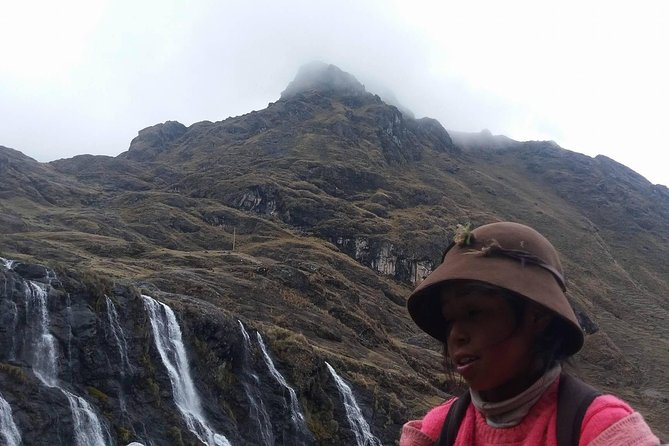
This is not simply a Machu Picchu transfer with a long walk attached. The first three days belong to the Lares Valley, where the appeal is the setting and the people rather than famous ruins at every turn.
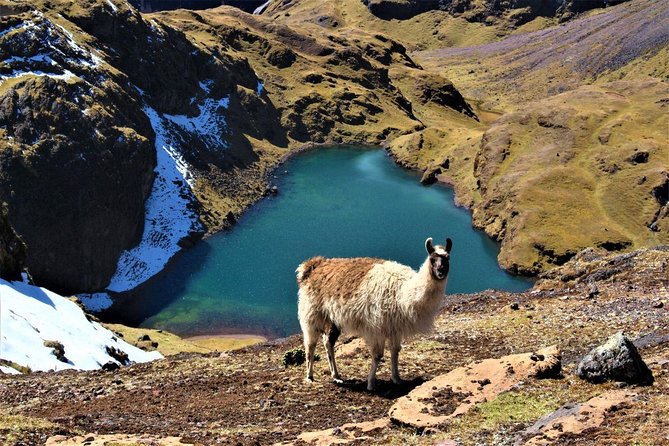
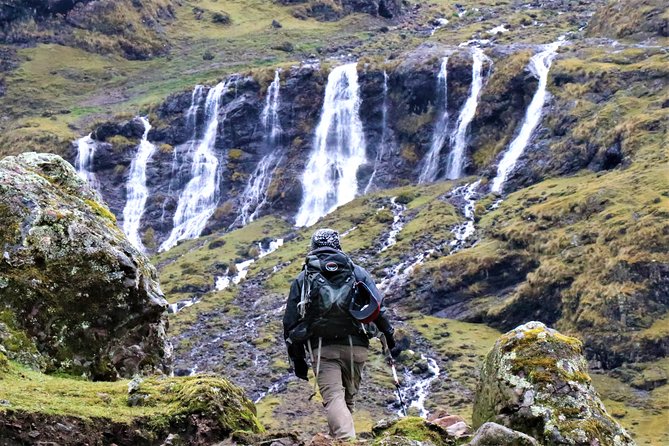
You pass through high valleys, turquoise lakes, farming villages, and areas where Quechua remains the everyday language. Cancha Cancha, your second camp, has no electricity, internet, drainage system, or cellphone service. That lack of connection is not a minor detail. It is the point of the night.
Then the mood changes. The final two days bring trains, Inca sites, the Sun Gate, and the citadel itself. You get both sides of Peru: quiet mountain life and one of the most famous archaeological sites on earth.
The group size matters here. With a maximum of 12 people, the guide can often adjust the pace more easily than on a large departure. Past groups have praised guides such as Manolo, Anthony, Gilbert, Rosmel, Eddy, Sara, and Jose Abad Cortez for their encouragement, clear English, and explanations of Andean culture.
More Inca Trail Treks in Cusco
- Salkantay Trek Challenge – 3 Days / 2 Nights
★ 5.0 · 101 reviews - Choquequirao Trek 4 days and 3 nights
★ 5.0 · 81 reviews - Machu Picchu: 5-Day Salkantay Trek with Panoramic Train
★ 5.0 · 79 reviews
Day one: Lares hot springs and a blue-lake camp
Your morning starts early, with pickup listed between 4:30 and 5:30 am depending on the trip instructions. The drive takes you toward the Sacred Valley, with a stop at a local market before continuing to the Lares hot springs.
The baths are a smart opening to a demanding trek. Pools sit at different temperatures, and the warm water can help loosen muscles before you begin walking. The setting also gives you a gentler first hour than heading straight onto a trail before breakfast.
After breakfast, you hike uphill for about two hours to Kiswarani village. The total walking distance is about 9 kilometers, or 5.5 miles, over roughly four hours. The stated difficulty is easy, but altitude can make an easy trail feel less easy, especially if you have only recently arrived in Cusco.
Lunch comes along the route. You then walk another two hours to camp beside a blue lake at 3,750 meters. Tents, tea, snacks, and dinner are included, so your job is mainly to get warm, eat well, and rest.
The first campsite is also a good place for stargazing and learning about Inca astronomy. The open setting should be beautiful, but remember that nights at this altitude can be cold. Ask about renting a sleeping bag if you do not bring one suitable for high mountain camping.
Day two: Condor Pass at 4,700 meters
Day two is the physical test. You wake with coffee or cocoa tea brought to your tent, eat breakfast, and begin the four-hour climb to Condor Pass.
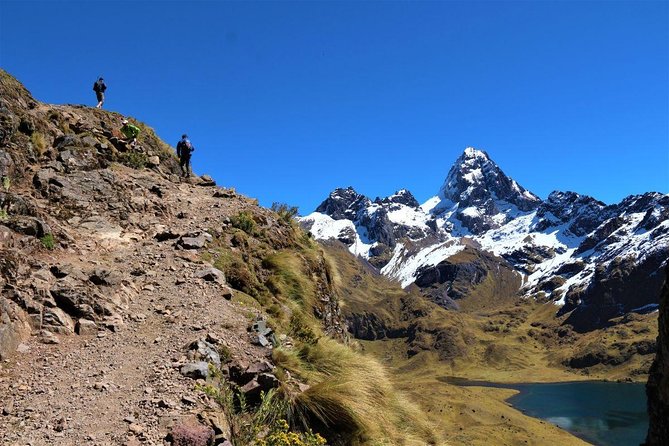
At 4,700 meters, this is a high pass by any standard. The uphill work is followed by a three-hour descent, bringing the day to about 16 kilometers and seven hours of walking. The official rating is moderate to challenging, and that is the rating you should take seriously.
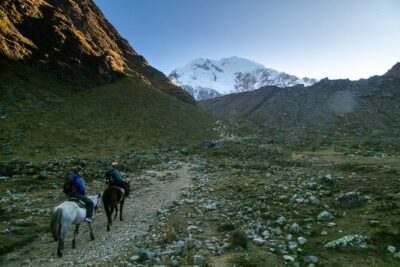
The views from the pass are a major reward. You move through high Andean scenery before descending toward Cancha Cancha, a village at about 3,750 meters. The route is not only about endurance. It lets you see a form of rural life that remains closely tied to animals, farming, altitude, and Quechua traditions.
Cancha Cancha is completely isolated from modern services according to the tour details. There is no electricity, internet, computer access, cellphone coverage, or drainage system. Residents speak Quechua, the language associated with the Inca world.
That makes this one of the most meaningful nights of the trip, but it also requires the right attitude. You will not have a backup restaurant, phone signal, or quick escape from the cold. Bring layers, keep your headlamp handy, and expect a simple evening.
The support crew becomes especially important on this day. A horseman carries camping equipment and supplies, while the cooks prepare meals in difficult conditions. Several people have praised the food as a highlight, with filling breakfasts, multi-course dinners, fresh tea, and even cakes prepared at camp for birthdays or breakfast.
Day three: Down to Huaran and on to Ollantaytambo
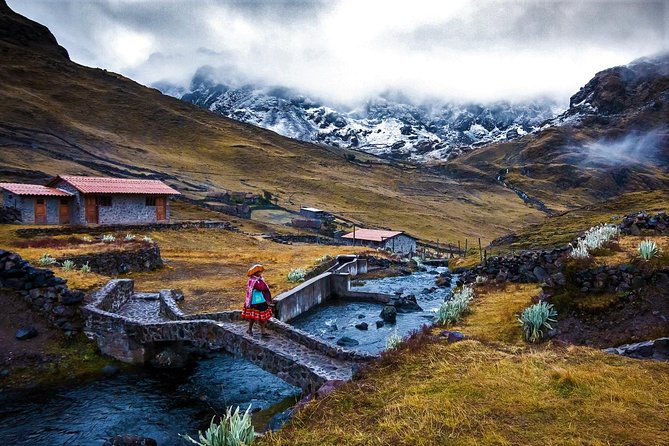
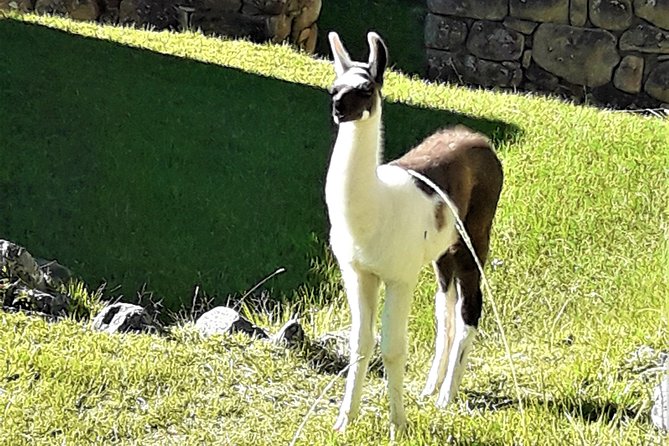
The third morning begins in the village with coffee or tea, llamas, and alpacas nearby. After breakfast, you make a four-hour downhill walk to Huaran at about 2,700 meters.
The distance is around 12 kilometers, or 7.4 miles. The official difficulty is easy, though long descents can be hard on knees and ankles. Trekking poles are optional, but they may be worth renting if downhill walking gives you trouble.
Huaran marks the end of the Lares hiking section. A private bus takes you toward Salineras and Ollantaytambo. The itinerary describes Ollantaytambo as the last living Inca city, and the town is a strong transition point between the remote trek and the Machu Picchu portion.
You have time to walk its old streets and see water channels still in use from Inca times. Dinner is served at a local restaurant, and you sleep in a three-star hotel rather than a tent.
This overnight stop is more than a comfort break. It lets you shower, repack, charge devices if available, and sleep at a lower altitude before the next early start. It also gives you a chance to appreciate Ollantaytambo without rushing straight through on a train connection.
Same trailhead, a longer or shorter day out:
- From Cusco: 7 Lakes Ausangate Trek with Breakfast and Lunch
★ 4.8 · 360 reviews - Cusco: Full-Day Rainbow Mountain & Red Valley Trekking Tour
★ 4.5 · 121 reviews - From Cusco: Rainbow Mountain Trek
★ 4.5 · 98 reviews - Ancascocha Trek To Machu Picchu 4 Days And 3 Nights
★ 5.0 · 77 reviews
Day four: The Short Inca Trail and the Sun Gate
You leave your hotel around 6 am and walk to the station for a train ride of about 90 minutes along the Urubamba River. The train carries you from Ollantaytambo in the highlands to kilometer 104 at Chachabamba, where the Short Inca Trail begins.
Your first archaeological stop is Chachabamba. From there, the hike takes about four hours and includes a visit to Wiñay Huayna, whose name means place that never gets old. A packed lunch and refreshments are provided.
This section feels different from Lares. You now walk on a famous Inca route, with more people and more formal site visits. One useful point from past experience on this route is that the trail can be busy, especially compared with the almost empty Lares Valley.
The reward is the approach to the Sun Gate. You reach it later in the day, then walk downhill for about an hour to Machu Picchu. Arriving in the afternoon may let you see the citadel with fewer people than during the morning rush.
That timing is one of the clever parts of the plan. You do not get the classic early-morning entrance on day four, but you may get a calmer first look before returning early the next day for the main visit.
You spend the night in Aguas Calientes, with dinner and a hotel included. Your legs may be tired, but the hotel is welcome after two mountain camps and a long day of ruins and stairs.
Day five: Early buses and time inside Machu Picchu
The final morning starts early. After breakfast, you take a bus up to Machu Picchu, with the possibility of seeing sunrise if the weather cooperates.
Your guide leads a two to three-hour tour of the citadel. This guided portion matters because the site is large, crowded, and easy to experience as a collection of impressive stones unless someone explains how the terraces, temples, water systems, and ceremonial spaces fit together.
After the tour, you have time to explore on your own. Optional tickets for Huayna Picchu or Machu Picchu Mountain must be arranged well ahead of time. Those climbs are not included in the main package, so tell the operator if you already hold a ticket.
The return plan is straightforward. You take the bus back to Aguas Calientes, have lunch at your own expense, then ride the panoramic train and bus back toward Cusco. The TreXperience team meets you after the train and returns you to your hotel.
This is a long final day, but the transport removes the need to arrange separate trains, buses, and transfers yourself.
Food, camping, and the human side of the trip
The strongest praise goes to the support staff. Chefs such as Oscar, Augusto, Tiburcio, and Vidal are repeatedly credited with preparing generous meals in remote camps. Assistants including Beto, Paulino, and Andreas help keep the kitchen running.
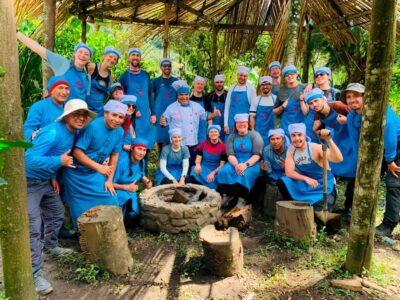
You should expect breakfast, lunch, dinner, and snacks during the trekking days. Four lunches, four dinners, and five breakfasts are included, along with a cooking demonstration using the traditional pachamanca method.
The food is not treated as an afterthought. Past groups describe multi-course meals, plenty of variety, hot tea on waking, and special cakes made in camp. That matters at altitude, where a proper meal can do more for your morale than another energy bar.
Horsemen and porters carry gear and establish camp. The included duffle allowance is up to 7 kilograms for your personal items. Pack that bag with clothing, toiletries, and sleeping gear if needed, while keeping your daypack light.
The tour provides comfortable camping equipment, but sleeping bags, mattresses, and trekking poles are optional extras. Ask for current rental prices before departure. You should not assume every piece of personal trekking equipment is included.
Guides are another major strength. Manolo is praised for his calm encouragement and his repeated reminder to go poco poco, or little by little. Anthony, Gilbert, Rosmel, Eddy, Sara, and Jose Abad Cortez are also singled out for local knowledge, cultural explanations, patience, and strong English.
The exact guide and crew will depend on your departure. Still, the pattern is clear: the people running the trek are a large part of its value.
Is $980 a fair price?
At $980 per person, this is not a budget day trip. It is a five-day supported trek with two camping nights, two hotel nights, meals, train travel, buses, private transfers, guides, cooks, porters, horse support, and Machu Picchu transport.
The price looks reasonable if you would otherwise need to organize each part separately. The route combines two distinct treks, several transfers, high-altitude camping, and the complicated timing required for Machu Picchu.
The value is also tied to the small group size. A maximum of 12 people gives the trip a more personal feel than a large coach-based package, though your actual group may be smaller or could include people joining for only part of the route.
Before paying, clarify three details. Ask exactly which Machu Picchu entrance is included, confirm the pickup time, and check the cost of optional sleeping equipment and mountain permits.
The cancellation terms are strict. The trip is non-refundable and cannot be changed for personal reasons. If bad weather cancels it, or if the minimum group size is not reached, you are offered another date, another experience, or a full refund.
Who should book this trek?
I would choose this route if you want mountain scenery and cultural contact more than a nonstop march from ruin to ruin. It suits hikers who like quiet camps, simple villages, and a demanding high pass before the reward of Machu Picchu.
It can also suit families with fit teenagers. One family group found the combination of encouraging guides, scenic camps, and shared effort especially rewarding. Children must be accompanied by an adult, and everyone should have moderate physical fitness.
Solo hikers can feel comfortable with a professional guide and support crew. One solo woman specifically felt safe and well cared for, with the guide adjusting support to her needs.
I would think twice if you dislike cold camping, early starts, steep climbs, or limited communication. Day two is not a casual walk, and the altitude is more serious than the total mileage suggests.
Bring your current passport, since the passport name, number, expiry date, and country are required at booking and a valid passport is needed on the day. Tell the company about dietary needs when booking. Vegetarian meals are available.
Should you book the Ultimate Lares Trek and Inca Trail?
Book it if you want a quieter road to Machu Picchu, a well-supported mountain trip, and real contact with the high Andes. The Lares section gives you solitude and village life, while the Short Inca Trail supplies the famous ruins and the dramatic Sun Gate arrival.
Skip it if you want a relaxed holiday or if 4,700 meters sounds intimidating. This is a serious trek wrapped in good logistics, not a soft adventure.
For the right hiker, the balance is excellent: remote valleys first, Machu Picchu second, and a capable team handling the hard work behind the scenes.
FAQ
How long is the Ultimate Lares Trek and Inca Trail?
The experience lasts approximately five days.
Where does the tour begin?
The tour begins with pickup from your hotel in Cusco. The meeting information lists a 4:30 am start, while the first-day description says pickup is around 5:30 am, so confirm the exact time before departure.
What is the highest point of the trek?
The highest point is Condor Pass at 4,700 meters, or 15,354 feet.
How far do you walk on the hardest day?
Day two covers about 16 kilometers, or 9.9 miles, and takes approximately seven hours.
How many nights are spent camping?
You spend two nights camping in the mountains.
Where do you sleep on the other two nights?
You stay in three-star hotels in Ollantaytambo and Aguas Calientes.
Are meals included?
Yes. The package includes five breakfasts, four lunches, four dinners, and snacks during the trek.
Is a duffle bag provided?
Yes. A duffle bag for up to 7 kilograms of personal items is carried by horse.
Are Huayna Picchu and Machu Picchu Mountain included?
No. Tickets for Huayna Picchu or Machu Picchu Mountain are optional and must be booked in advance.
Can vegetarians join the trek?
Yes. Vegetarian meals are available, but you should request them when booking.
More 5-Day Experiences in Cusco
- Ausangate Trek 5 Days
★ 5.0 · 74 reviews - Classic Choquequirao Trek – 5 Days / 4 Nights
★ 5.0 · 52 reviews - Salkantay Trek To Machu Picchu 5 Days And 4 Nights
★ 5.0 · 44 reviews - 5-Day: Salkantay Trek to Machupicchu and Humantay Lake
★ 5.0 · 42 reviews
Recently added around Cusco
- Small Group: 4-Day Inca Trail Trek to Machu Picchu★ 5.0 · 33 reviews
- 5 Day – Salkantay trek to Machu Picchu – Group Service★ 4.5 · 27 reviews
- 6 day Rainbow Mountain x Ausangate Trek – FlashpackerConnect★ 5.0 · 30 reviews
- Salkantay Trek: 5 Days to Machu Picchu★ 5.0 · 33 reviews
- Humantay Lake Full-Day Adventure: Scenic Trek and Stunning Views★ 4.5 · 39 reviews
- Salkantay 5-Day Trek To Machu Picchu★ 5.0 · 39 reviews
- Inca Trail Trek to Machu Picchu – 2 Days (Small Group or Private)★ 5.0 · 31 reviews
- Ausangate and Rainbow Mountain Trek – 3 Days / 2 Nights★ 5.0 · 35 reviews
Machu Picchu & Inca Trail Treks, compared.
Machu Picchu: 5-Day Salkantay Trek with Panoramic Train
Read our review →
Ancascocha Trek To Machu Picchu 4 Days And 3 Nights
Read our review →
4 Day Inca Trail Trek to Machu Picchu Multi day tour
Read our review →
Salkantay Trek 4 Days to Machu Picchu by Glamping Sky Lodge Dome
Read our review →
Browse the lists this tour appears in