
REVIEW · CUSCO
Ausangate Trek 5 Days
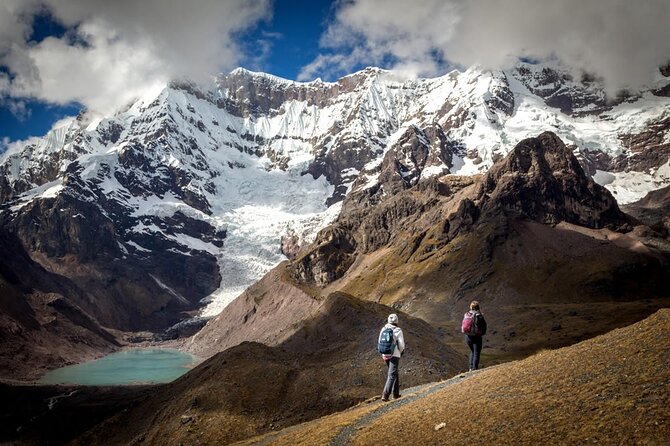
The Andes get serious here. The 5-day Ausangate Trek takes you far beyond Cusco’s busiest routes, with turquoise glacial lakes, high mountain passes, hot springs, and broad views of Ausangate. I especially like the small-group format, capped at 10 people, and the strong local element, including a ceremony with a family that shares food and weaving traditions. The main caution is altitude: you sleep as high as 4,630 meters and cross a 5,200-meter pass.
The $660 price includes camping equipment, horses to carry gear, five lunches, four dinners, and four breakfasts. That is good value for a remote, fully supported trek. Still, this is not a casual walk. You need moderate fitness, warm mountain clothing, and a sensible plan for adjusting to high elevation before you start.
Key points to know before booking
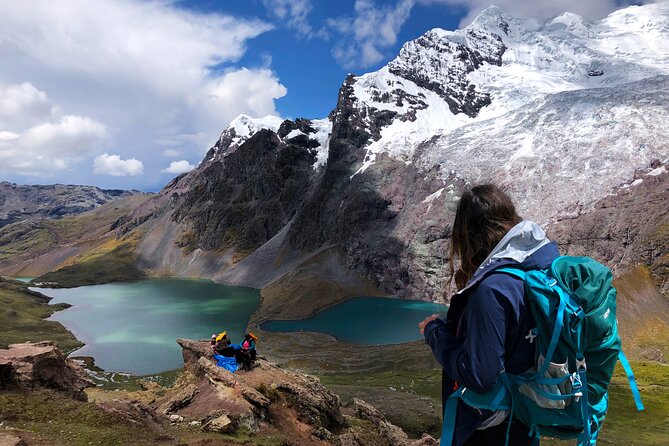
- 5,200-meter Palomani Pass: This is the trek’s highest point, with a steep morning climb and a traditional ceremony for Apu Ausangate.
- Upis and Pacchanta hot springs: You get two chances to soak tired legs while looking toward the mountains.
- Small groups capped at 10: The format allows more personal guidance and a quieter time on the trail.
- Fresh meals in remote camps: The cook and support crew prepare hot food throughout the route, a major comfort at altitude.
- Very little crowding: The route can feel remarkably quiet, with long stretches far from busy tourist paths.
- A local cultural visit on day five: You finish with food, family traditions, and weaving before returning to Cusco.
Why the Ausangate Trek feels different
The Ausangate route is not built around ruins or grand colonial towns. Its appeal is the mountain itself, along with the people and animals that live around it. You move through high valleys, glacial lakes, and small communities where the scale of the Andes becomes clear.
Ausangate is one of the major sacred peaks in the Cusco region. Your guide may explain the idea of the apu, a mountain spirit or powerful mountain presence. On day three, the guide leads a ceremony at Palomani Pass for Apu Ausangate, giving the route a cultural meaning that goes beyond scenery.
I also like the sense of space. The trek passes through areas that see fewer hikers than the Inca Trail or the main routes toward Machu Picchu. You may spend much of the day with only your group, the support crew, grazing alpacas, and the huge slopes around you.
That quiet comes with a tradeoff. Facilities are basic, and the camps are high and cold. This is a true mountain trek, not a comfortable sightseeing circuit with a few short walks added.
A few more treks around Cusco worth a look
- Machu Picchu: 5-Day Salkantay Trek with Panoramic Train
★ 5.0 · 79 reviews - Classic Choquequirao Trek – 5 Days / 4 Nights
★ 5.0 · 52 reviews - Ultimate Lares Trek & Inca Trail 5 days
★ 5.0 · 47 reviews
Day one: From Cusco to Upis and its hot springs
Your guide meets you in Cusco at about 5:00 a.m. A private vehicle takes you toward Tinke, where you can buy last-minute supplies and have breakfast before the trek begins. From there, you continue to Rondoca, the trailhead, and meet the cook and horse driver.
The first walking section takes about two hours before lunch. It is a useful introduction to the route because you begin seeing Apu Ausangate while your body is still getting used to the altitude. After lunch, you continue for several hours toward Upis.
The total distance is listed as 8 kilometers, with about three to four hours of hiking. Elevation rises from roughly 3,800 meters to a camp at 4,200 meters, or about 13,780 feet. That first night is already higher than many people have ever slept.
Upis is a welcome first stop. You can soak in hot springs, drink coca tea, and let your legs loosen before dinner. The springs are not just a pleasant extra. At this altitude, a warm soak can make the evening feel much easier.
Do not underestimate this day because the walking time is short. The early start, long vehicle ride, and rapid gain in elevation can make you tired before the trail feels difficult. Keep your daypack light, sip water, and use the first day to find a steady pace.
Day two: Two high passes and the blue lakes
Day two is the hardest start to the trek for many hikers. The crew wakes you with hot coca tea, followed by breakfast, and then you climb toward Arapa Pass at about 4,850 meters.
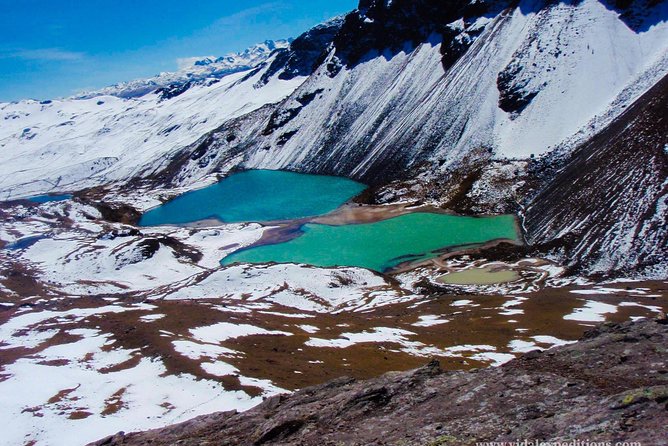
From the pass, you descend for roughly two and a half hours through the valley. The route passes green Puqa Q’ocha before reaching the turquoise waters of Jatun Puqa Q’ocha. Lunch is served beside the lake, with Ausangate in view. This is a good place to pause, eat slowly, and take photographs rather than rush through the scenery.
The afternoon brings another climb to Apacheta Pass, listed at about 4,980 meters. From here, you can see a turquoise lake fed by melting snow from Ausangate. The day finishes with a descent of about an hour to Ausangate Qocha, where you camp.
The figures for this day vary slightly in the itinerary, but expect about 12 kilometers and roughly seven hours of walking. Camp is around 4,630 meters, or 15,190 feet. That is extremely high for sleeping, and the cold can be serious after sunset.
This is where the included support matters. The horses carry equipment, so you are not hauling a full camping load over two high passes. The cooking crew also gives you a hot meal at the end of a long day. Still, you should bring warm layers, gloves, a hat, and a sleeping bag suitable for high mountain nights. A sleeping bag is not included, so plan for that extra rental or packing need.
Day three: Palomani Pass at 5,200 meters
Day three reaches the highest point of the trek. After breakfast, you climb for about two hours to Palomani Pass at 5,200 meters, or roughly 17,060 feet.
At this altitude, the climb can feel slow and demanding. You may take small steps and need frequent pauses. That is normal. A good guide will watch the pace and help you manage the effort, but no guide can remove the effect of thin air.
The ceremony for Apu Ausangate takes place at the pass. It gives you a chance to stop and recognize the spiritual role of the mountain rather than treat the summit only as a photo stop. Afterward, you descend for about an hour to Uchuy Phinaya for lunch.
The afternoon continues for a few more hours to the next camp. The route covers about 13 kilometers, with elevation changing from approximately 4,600 meters to 5,200 meters and then down to about 4,300 meters. Camp is listed at 4,500 meters.
This day rewards patience. The climb is the physical centerpiece of the trip, while the ceremony adds a quieter and more thoughtful moment. If you are sensitive to altitude, this is also the day to take symptoms seriously. Moderate fitness is required, but altitude tolerance cannot be predicted by fitness alone.
Same trailhead, a longer or shorter day out:
- From Cusco: 7 Lakes Ausangate Trek with Breakfast and Lunch
★ 4.8 · 360 reviews - Cusco: Full-Day Rainbow Mountain & Red Valley Trekking Tour
★ 4.5 · 121 reviews - Salkantay Trek Challenge – 3 Days / 2 Nights
★ 5.0 · 101 reviews - From Cusco: Rainbow Mountain Trek
★ 4.5 · 98 reviews
Day four: Glacial lakes and Pacchanta hot springs
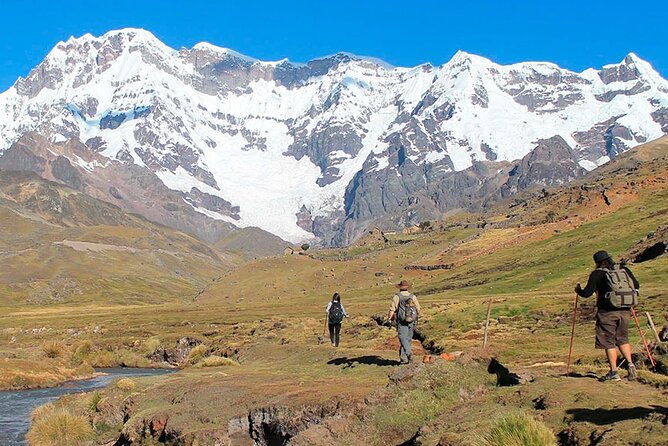
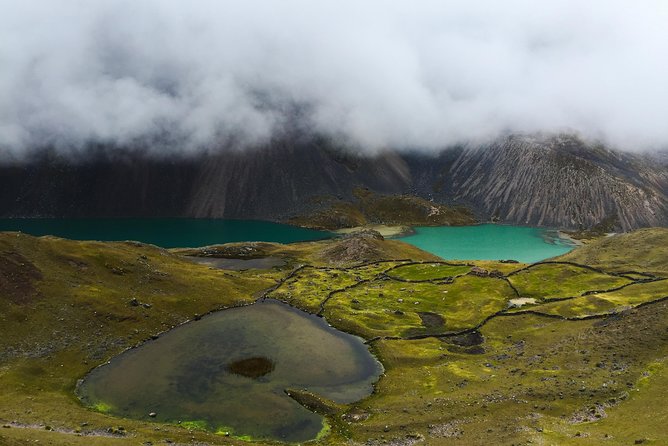
Day four is a little shorter, with about six hours of hiking and 15 kilometers of distance. You cross one more pass and spend much of the day near deep blue lagoons and glacial lakes in changing shades.
The route offers more views of Ausangate, now from a different angle, along with the Pacchanta Valley. The itinerary even allows for a quick cold-water plunge for anyone brave enough. Treat that as optional. At this altitude, the air and water can be cold, and there is no reason to turn a good hiking day into an uncomfortable one.
The reward comes at Pacchanta, a village known for its hot springs. You can soak while looking toward Ausangate, a fitting end to several demanding days on foot. The route descends from a camp elevation of about 4,300 meters, which may make the final stretch feel easier than the earlier high passes.
This day balances effort and recovery well. You still walk a meaningful distance, but the hot springs provide a clear finish line. After sleeping high for several nights, a warm soak can feel like a small luxury.
Day five: Local food, weaving, and the return to Cusco
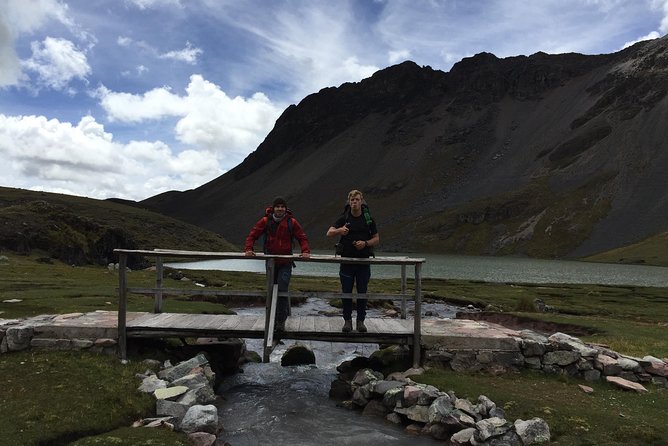
The final day is less about distance and more about culture. After breakfast, you visit a local family, who prepare traditional food and share elements of their daily life. You also learn about local customs and weaving techniques.
I like this ending because it connects the mountains to the people who live around them. The route is not only a test of endurance. It passes through an inhabited cultural region, and the final visit gives you time to understand that more directly.
The final activity lasts about three hours, after which you take a bus back to Cusco. The trip ends without another long hiking day, which is helpful after four nights at altitude.
The meal schedule lists five lunches, four dinners, and four breakfasts. Confirm the exact meal timing with the operator before departure, especially if you have allergies or dietary needs. The supplied information confirms meals are included, but it does not specify special diet arrangements.
The guides and support crew
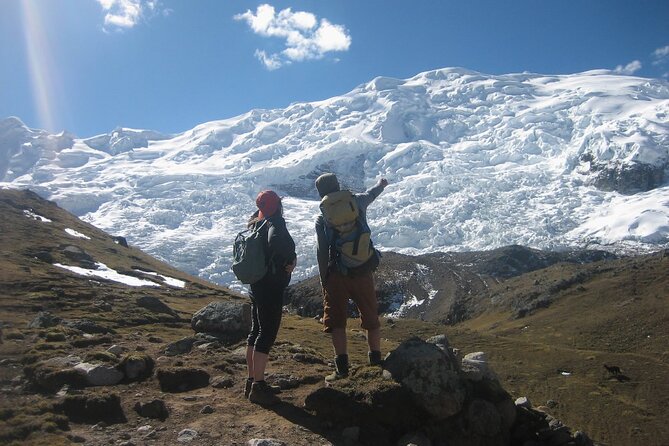
The human side of this trek receives unusually strong praise. Guides named in the feedback include Guillermo and Urbano, also called Chino. Both are described as friendly, encouraging, and strong sources of information about local culture, wildlife, and the terrain.
One especially useful detail is that Urbano has a good eye for photography and may take photos during the trek. That is a nice bonus when you are too busy managing a steep pass to set up your own camera.
The cooking crew is another major strength. Benigno is praised for producing varied, hot meals from a camp kitchen, while assistants such as Euden and José help with the daily work. Angel, the horse driver, handles the gear animals and helps set up and take down camp.
This division of work changes the experience. You still camp in a remote area, but you are not left to cook, carry a full load, or organize every practical detail alone. The support team lets you focus on walking and taking in the scenery.
What the $660 price really covers
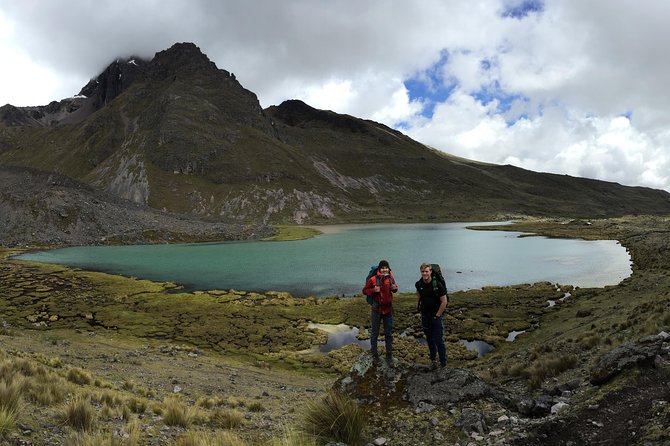
At $660 per person, the tour sits in a reasonable range for a five-day supported trek in the Cusco region. The price includes camping equipment, horses for equipment, five lunches, four dinners, and four breakfasts.
The horses are particularly important value. Carrying gear over passes close to 5,000 meters would make the trek much harder. The included meals also save you from buying food along a route with very few services.
You still need to budget for the 20-sol entrance fee and a sleeping bag. The start is early, around 5:00 a.m., and private transportation is provided at the beginning. The return to Cusco takes place by bus after the final cultural visit.
With a maximum group size of 10, the price also buys a more personal experience than a large coach-style excursion. Some departures may be much smaller. One account describes a group of only two people, though you should not assume every departure will be that small.
How hard is this trek?
The route requires moderate physical fitness, but the altitude is the bigger issue. You climb above 5,000 meters, sleep above 4,000 meters, and walk for up to eight hours on the longest day.
You should be comfortable walking for several hours over uneven mountain paths. You should also be ready for cold nights, exposed passes, and long stretches without ordinary tourist facilities.
Warm clothing matters. One particularly useful comparison from the feedback is that the Ausangate area can feel as cold as the Himalayas at night. Bring the warmest mountain clothing you have, along with gloves, a hat, and reliable layers. Since the sleeping bag is excluded, check exactly what temperature rating you need before setting out.
This trek suits hikers who want scenery, solitude, and cultural contact more than comfort. It is less suitable if you dislike early starts, basic camping, high altitude, or changing weather.
Booking, cancellation, and group details
Confirmation is provided at booking. The tour requires a minimum number of participants, and poor weather can also lead to cancellation. In either case, you are offered another date or experience, or a full refund.
You can cancel for a full refund up to 24 hours before the start time. Changes or cancellations made within 24 hours are not accepted for a refund. Since the tour depends on mountain weather, keep some flexibility in your Cusco schedule if possible.
Should you book the Ausangate Trek?
I would recommend this trek if you want a demanding but well-supported route through some of Peru’s most dramatic high country. The best reasons to book are the quiet trails, the sequence of colored lakes and glaciers, the hot springs, the small groups, and the chance to learn from guides such as Guillermo or Urbano.
I would hesitate if you are not prepared for serious altitude or cold camping. The 5,200-meter pass is a real challenge, and the high camps are not a minor detail.
For fit hikers who want a less crowded alternative to Peru’s famous routes, this is a strong choice. You get practical support, good meals, local cultural contact, and a mountain experience that feels far removed from Cusco. Just arrive prepared for the altitude, pack for freezing nights, and treat the trek as an expedition rather than a standard day tour.
FAQ
How long is the Ausangate Trek?
The trek lasts approximately five days, including four nights of camping and the return to Cusco on day five.
What time does the tour start?
The stated start time is 5:00 a.m. Your guide meets you in Cusco before the private transfer toward Tinke and Rondoca.
What is the highest point on the route?
The highest point is Palomani Pass at about 5,200 meters, or 17,060 feet.
Are meals included?
Yes. The package lists five lunches, four dinners, and four breakfasts.
Is a sleeping bag included?
No. Camping equipment and horses for equipment are included, but you must arrange your own sleeping bag.
How large is the group?
The tour has a maximum of 10 travelers. Individual departures may be smaller, depending on bookings.
Recently added around Cusco
- Small Group: 4-Day Inca Trail Trek to Machu Picchu★ 5.0 · 33 reviews
- 5 Day – Salkantay trek to Machu Picchu – Group Service★ 4.5 · 27 reviews
- 6 day Rainbow Mountain x Ausangate Trek – FlashpackerConnect★ 5.0 · 30 reviews
- Salkantay Trek: 5 Days to Machu Picchu★ 5.0 · 33 reviews
- Humantay Lake Full-Day Adventure: Scenic Trek and Stunning Views★ 4.5 · 39 reviews
- Salkantay 5-Day Trek To Machu Picchu★ 5.0 · 39 reviews
- Inca Trail Trek to Machu Picchu – 2 Days (Small Group or Private)★ 5.0 · 31 reviews
- Ausangate and Rainbow Mountain Trek – 3 Days / 2 Nights★ 5.0 · 35 reviews
Cusco Trekking Tours, compared.
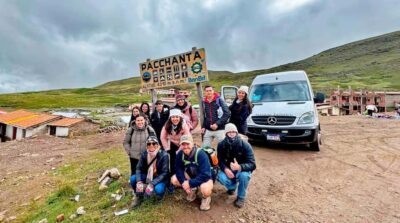
7 Lakes Ausangate Trek with Breakfast and Lunch
Read our review →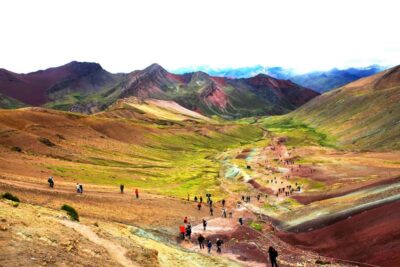
Full-Day Rainbow Mountain & Red Valley Trekking Tour
Read our review →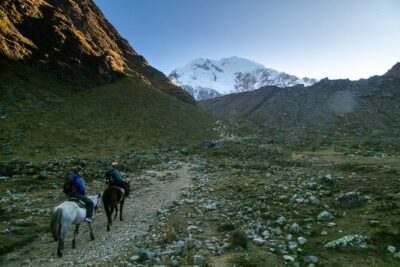
Machu Picchu: 5-Day Salkantay Trek with Panoramic Train
Read our review →
Ancascocha Trek To Machu Picchu 4 Days And 3 Nights
Read our review →
4 Day Inca Trail Trek to Machu Picchu Multi day tour
Read our review →Browse the lists this tour appears in