
REVIEW · PERU
From Cusco: 7 Lagoons of Ausangate Trek with Hot Springs
Seven turquoise lakes, one very early morning. This full-day trip from Cusco gives you soaring Ausangate views, colorful lagoons, and a hot-spring soak for about $43. I like the mix of strenuous hiking and simple local pleasures, especially the typical lunch and the chance to see llamas, alpacas, and vizcachas. The catch is serious altitude: this is a demanding walk, not a quick photo outing.
I also like the route’s sense of place. The lagoons carry Quechua names and sit below snowy Ausangate, a mountain tied to local stories about Pachamama and the River of Stars. You will need warm clothes, water, sunscreen, and a fair level of fitness. One useful tip comes from the experience itself: if the height or trail gets too much, bring cash in case you need a horse.
Key points at a glance
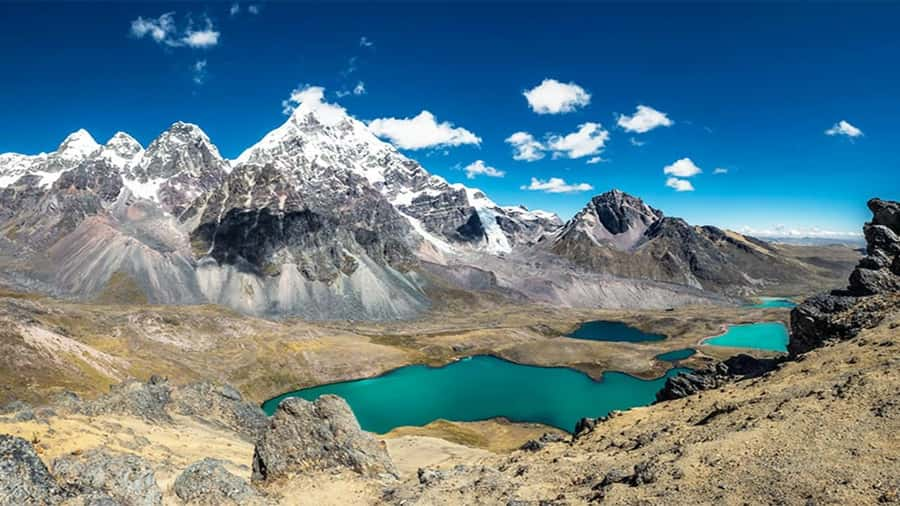
- Seven named lagoons: See Azulcocha, Otorongo, Oq’ecocha, Pucacocha, Pachaspata, Alqacocha, and Q’omercocha at heights from about 4,618 to 4,867 meters.
- A demanding Andean route: The walk is rated moderate, but the altitude makes it far harder than a similar hike at sea level.
- Pacchanta hot springs: Finish the hike with free time in natural hot springs before lunch and the drive back.
- A 4:30 AM start: Early pickup lets you reach the trailhead in time for the day’s walking, but expect a long day that ends around 6:30 PM.
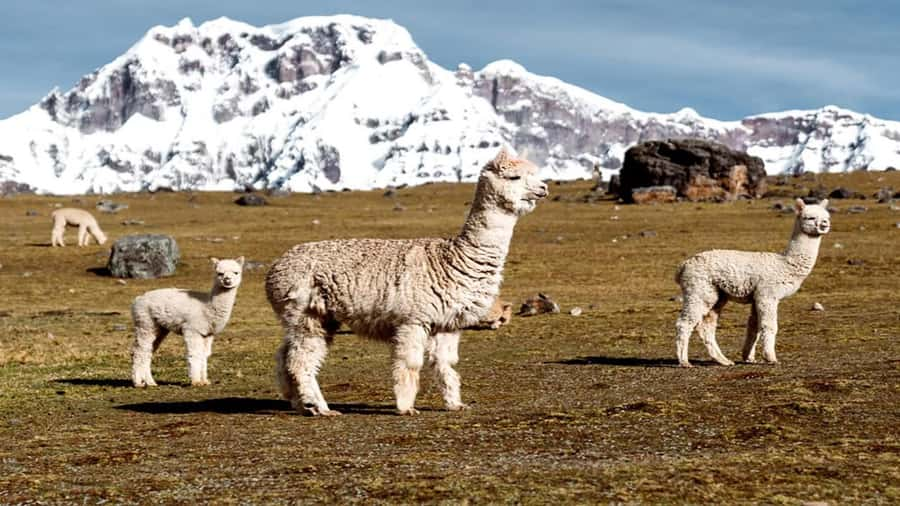
- Local wildlife and culture: Watch for llamas, alpacas, vizcachas, and, with luck, an Andean condor.
- Good value with one extra cost: Transport, breakfast, lunch, and a guide are included for $43, but entrance fees and personal expenses are not.
Why the seven lagoons are worth the effort
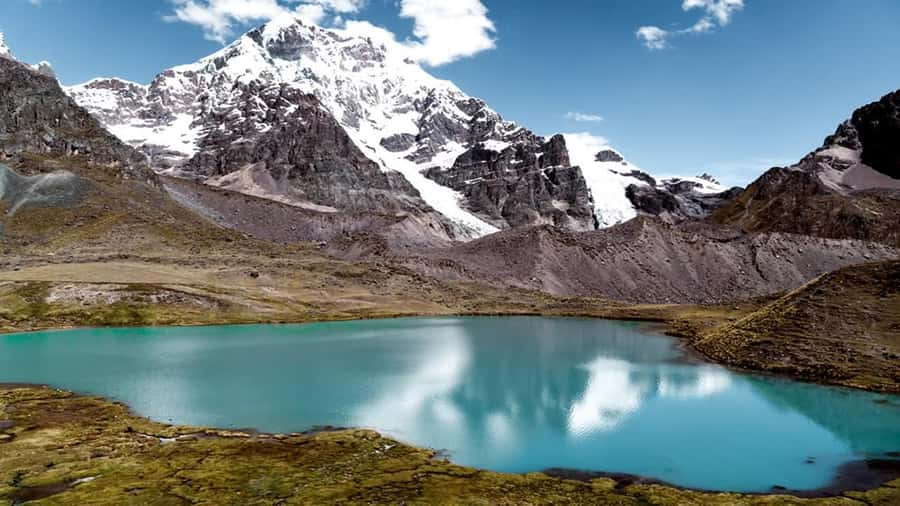
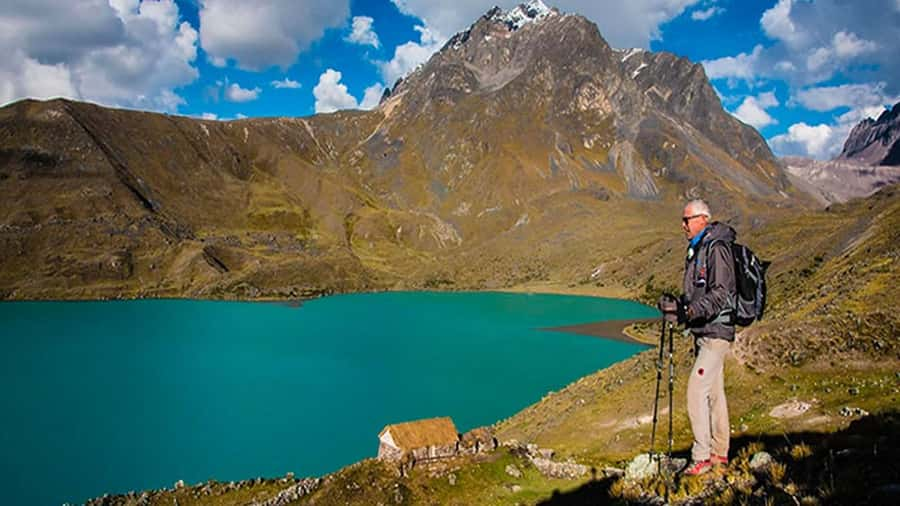
The appeal here is not one famous viewpoint. It is the changing sequence of high mountain water, rocky slopes, snow, and open sky. Each lagoon has its own name, color, and position along the route, so the walk feels like a series of rewards rather than one long climb to a single lookout.
The lagoons are all very high. Azulcocha sits at about 4,618 meters, while Otorongo is around 4,620 meters and Oq’ecocha reaches roughly 4,631 meters. Pucacocha is near 4,670 meters, Alqacocha around 4,752 meters, and Q’omercocha about 4,666 meters.
Pachaspata is the highest of the seven at approximately 4,867 meters. That number matters. Even if you are comfortable with ordinary day hikes, thin air can slow you down, shorten your breath, and make each incline feel much steeper. The route is called moderate, but the altitude is the real test.
I like that the experience does not reduce Ausangate to a backdrop for photographs. The mountain and nearby lakes have a role in Inca and Quechua beliefs. Ausangate is linked with masculine energy that fertilizes Pachamama, or Mother Earth. The waters are said to travel toward the Amazon and return as the River of Stars, known in the West as the Milky Way.
You do not need to share these beliefs to appreciate the setting. Knowing them gives the views more meaning. This is a living cultural area, not merely a collection of turquoise pools.
More Hot Spring Treks in Peru:
- Private Tour Mount Batur Sunrise Trekking and Natural Hot Spring
★ 5.0 · 431 reviews - Mount Batur Sunrise Trek & Natural Hot Spring Experience
★ 5.0 · 95 reviews - 3D/2N Rinjani trekking summit,lake and hot springs.
★ 5.0 · 85 reviews
The 4:30 AM start from Cusco
Pickup begins at 4:30 AM from one of several central points: Cusco Plaza Hostel, Plaza San Francisco, Limacpampa, Plazoleta de San Blas, or Avenida El Sol. The exact pickup point matters, so check it carefully before bed. At that hour, you will want to step outside with your bag already packed.
The drive to Pacchanta takes about two hours. Breakfast is served there, giving you a chance to eat before the walk. That early meal is useful because the day is long and the route is high. Bring snacks as well, since the supplied information recommends them and the schedule leaves many hours between breakfast and the end of the trek.
Transport is included, along with a live guide in English or Spanish. The group size is not specified, so do not assume a small private outing. This is best approached as a guided day excursion with a set schedule.
The weather can be very cold, especially before sunrise. Pack layers rather than relying on one bulky jacket. A hat, comfortable shoes, sunscreen, water, and a camera belong in your day bag. Smoking is not allowed during the activity.
Walking beneath Ausangate
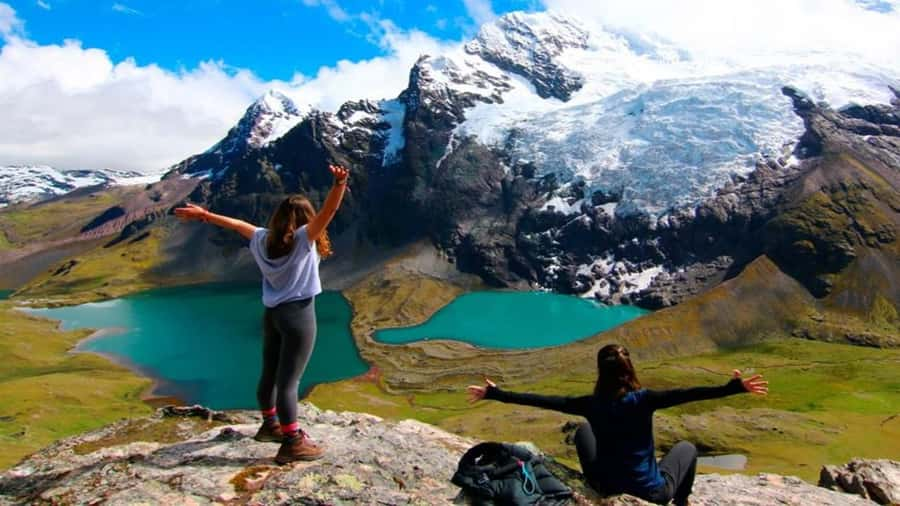
After breakfast, you begin the route near Pacchanta, heading toward the snowy Ausangate area and its seven lagoons. The scenery changes as you gain height, with wide Andean views and the mountain above the route.
Your guide should help keep the group moving and point out the lagoons and surrounding features. A guide is particularly useful here because the altitude can affect people differently. One guide associated with this experience was identified as Ozuna Baby, who paid close attention to the group and offered timely help when it was needed.
That detail is worth taking seriously. A good guide cannot remove the altitude, but close attention can make a hard day safer and less stressful. If you begin feeling unwell, say so early. Do not try to prove anything by silently pushing on.
The route includes stops at the lagoons, giving you time for photographs and views. The water colors may be the main visual draw, but the best moments also come from the scale of the place. Ausangate rises above a broad, open setting where human structures are limited and the mountains feel enormous.
You might see llamas and alpacas along the way. Vizcachas, small mountain mammals, may also appear among the rocks. An Andean condor is possible if luck is on your side, though no wildlife sighting is guaranteed. Keep your camera ready, but do not let the search for animals distract you from footing and breathing.
The seven stops, from Azulcocha to Q’omercocha
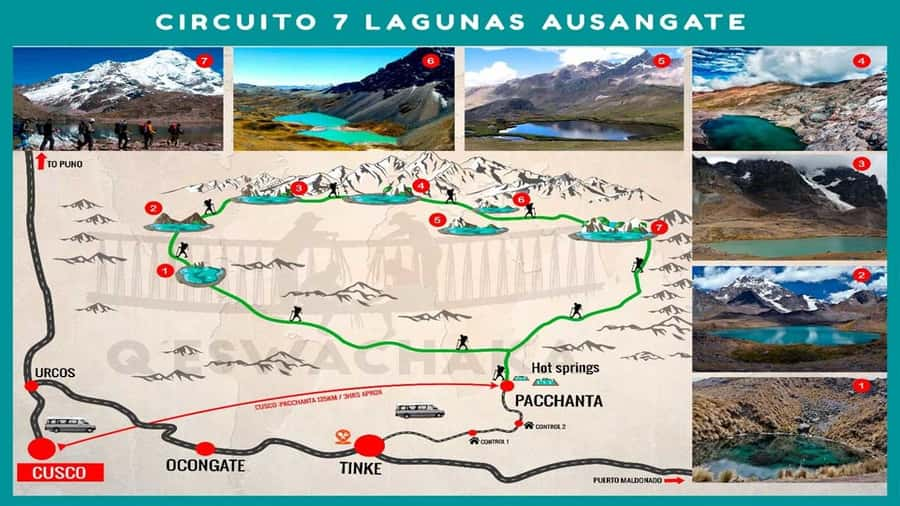
The names can blur together during a tiring day, so here is what to expect from the sequence:
- Azulcocha: At about 4,618 meters, it is one of the lower stops in the group. Its name points to the blue water that gives the circuit much of its appeal.
- Otorongo: Located near 4,620 meters, this is another early high-altitude lagoon and one of the named highlights of the route.
- Oq’ecocha: At approximately 4,631 meters, it continues the gradual rise through the lagoon area.
- Pucacocha: Around 4,670 meters, this stop comes at a height where the thin air may become more noticeable.
- Pachaspata: The highest lagoon, at about 4,867 meters. Reaching it may feel like the day’s hardest achievement.
- Alqacocha: At roughly 4,752 meters, it remains extremely high even after the highest point.
- Q’omercocha: Located near 4,666 meters, it completes the named seven-lagoon circuit before you return toward Pacchanta.
The order and exact walking rhythm can vary with the guide and conditions, but the important point is clear: this is not seven easy roadside stops. You are visiting high mountain water on foot, with the altitude affecting the entire outing.
The review information describes the route as very demanding and warns that it requires preparation. That is the most useful way to think about it. Do not book simply because the photographs look easy. If your fitness is low, or if you have a history of altitude sickness, this is a poor choice.
A few more treks around Peru worth a look
- From Arequipa: Sillar Route Trek
★ 4.2 · 461 reviews - From Cusco: 7 Lakes Ausangate Trek with Breakfast and Lunch
★ 4.8 · 360 reviews - From Arequipa: 2-Day Colca Canyon Trekking Tour
★ 4.8 · 243 reviews - Cusco: Full-Day Rainbow Mountain & Red Valley Trekking Tour
★ 4.5 · 121 reviews
Returning to Pacchanta for hot springs
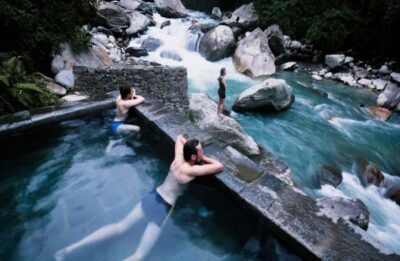
After the lagoon circuit, you return to Pacchanta. This is where the day changes character. Instead of more climbing, you get free time to relax in the hot springs.
The soak is a smart part of the schedule. Your legs have spent hours walking at high altitude, and warm water offers a welcome break before the meal and drive back. Bring suitable swimwear if you plan to use the springs, though the supplied information does not specify changing-room arrangements or how much time you receive there.
The hot springs are not a substitute for preparation. They come at the end of the demanding portion, not before it. If you are hoping for a gentle sightseeing day with a short walk and a long soak, this is not that experience.
Afterward, you eat a typical lunch. Food is included, along with breakfast, so the price covers the main practical needs of a full-day outing. Dinner is not included, but you should return to Cusco around 6:30 PM, leaving the evening open for your own meal.
What $43 really covers
At $43 per person, the package offers strong value if you want an organized trip. Hotel pickup, transport, breakfast, a typical lunch, and a guide are included. Arranging those pieces separately would take time and would likely cost more, especially when you factor in the long drive from Cusco.
The price does not include entrance fees. The amount of the entrance fee is not provided, so budget extra cash rather than assuming the advertised price is your final total. Personal expenses are also separate, and there may not be ATMs available. Cash is important for drinks, tips, small purchases, or a possible horse ride if the altitude overwhelms you.
The horse option deserves a clear explanation. It is mentioned as a practical fallback for people who struggle with the route, not as a standard included feature. The cost is not given, so ask locally before committing. More important, do not wait until you are exhausted to tell your guide you need help.
The free cancellation and reserve-now-pay-later terms add flexibility, but the main value decision is physical. At this price, the tour is inexpensive for the amount of transport and food included. It is not inexpensive if you book it and then discover that your body cannot handle the height.
Who should book this day trip
I would recommend it to you if you want dramatic Andes scenery without committing to a multi-day Ausangate trek. You get a concentrated day of mountain walking, cultural context, local animals, seven lagoons, lunch, and hot springs.
It suits people who are comfortable with long days and moderate-to-demanding walking. You should also be prepared for cold weather, early rising, and a high route where altitude matters more than mileage.
It is not suitable for pregnant women, people with back problems, people with altitude sickness, or people with a low fitness level. Altitude sickness pills are recommended in the practical guidance, but medication does not replace acclimatization or careful judgment.
The area also connects with the Chillca community, known for llama and alpaca herding and for guarding these high mountain places. Longer treks in the region can use lodges or tambos, including Machuracay Tambo, on a route known as the Path of the Apu Ausangate. This one-day trip gives you a taste of that setting without spending nights in the mountains.
There is also a major religious tradition on the northern side of Ausangate. Each year, the Qoyllur Rit’i festival brings Quechua pilgrims toward the Lord of Qoyllur Rit’i at the Sinakara temple. The pilgrimage is recognized on UNESCO’s Representative List of the Intangible Cultural Heritage of Humanity. The day trip does not promise festival access or a visit during the event, but this context helps explain why Ausangate carries such importance.
Practical preparation for a high-altitude day
Pack for changing conditions. Your basic kit should include:
- Comfortable walking shoes
- Warm clothing and a hat
- Water and snacks
- Sunscreen
- A camera
- Cash for entrance fees and personal expenses
Do not judge the morning by the weather in Cusco. The route can be much colder, and the early pickup happens before daylight is fully established. Wear layers so you can adjust as the day changes.
The camera is worth bringing, but protect your energy. Stop for photographs when the guide pauses, and keep your hands free on uneven sections. The wide views are memorable, yet the goal is to complete the route safely, not to collect the perfect image at every stop.
One verified score for the experience was five out of five, with particular praise for the scenery, the vast snowy mountain, and the seven turquoise lagoons. The same account called the walk very demanding and praised Ozuna Baby for helping people who needed support. That is a fair description: the rewards are excellent, but the route asks a lot from you.
Should you book the Ausangate lagoons tour?
Book this trip if you want the biggest mountain scenery your day budget can buy and you are ready for a serious altitude challenge. The combination of seven lagoons, Ausangate views, wildlife, a typical meal, and Pacchanta hot springs makes $43 a good value, even with an extra entrance fee.
Skip it if you want a relaxed excursion, dislike early starts, or have poor fitness or altitude problems. The photographs may look inviting, but this is not a casual stop on a Cusco city tour.
For the right person, the day offers something rare: a demanding walk through a culturally important Andean setting, followed by warm water and a hot meal. Prepare properly, carry cash, listen to your guide, and treat the altitude with respect.
FAQ
How long does the Ausangate seven lagoons tour last?
It is a one-day experience. Pickup begins around 4:30 AM, and you are expected to return to Cusco at approximately 6:30 PM.
Where can pickup take place in Cusco?
Pickup options include Cusco Plaza Hostel, Plaza San Francisco, Limacpampa, Plazoleta de San Blas, and Avenida El Sol.
Which lagoons are included?
The route visits Azulcocha, Otorongo, Oq’ecocha, Pucacocha, Pachaspata, Alqacocha, and Q’omercocha.
How high are the lagoons?
The lagoons range from approximately 4,618 meters to 4,867 meters above sea level. Pachaspata is the highest at about 4,867 meters.
Is food included?
Yes. Breakfast in Pacchanta and a typical lunch are included. Dinner is not included.
Are entrance fees included in the price?
No. Entrance fees and personal expenses are not included, and the entrance fee amount is not specified.
What languages does the guide speak?
The live guide service is available in English and Spanish.
Recently added around Peru
- 5 Day – Salkantay trek to Machu Picchu – Group Service★ 4.5 · 27 reviews
- Small Group: 4-Day Inca Trail Trek to Machu Picchu★ 5.0 · 33 reviews
- 6 day Rainbow Mountain x Ausangate Trek – FlashpackerConnect★ 5.0 · 30 reviews
- Salkantay Trek: 5 Days to Machu Picchu★ 5.0 · 33 reviews
- Salkantay 5-Day Trek To Machu Picchu★ 5.0 · 39 reviews
- Inca Trail Trek to Machu Picchu – 2 Days (Small Group or Private)★ 5.0 · 31 reviews
- Humantay Lake Full-Day Adventure: Scenic Trek and Stunning Views★ 4.5 · 39 reviews
- Ausangate and Rainbow Mountain Trek – 3 Days / 2 Nights★ 5.0 · 35 reviews
Hot Spring Treks, compared.
Private Tour Mount Batur Sunrise Trekking and Natural Hot Spring
Read our review →
Mount Batur Sunrise Trek & Natural Hot Spring Experience
Read our review →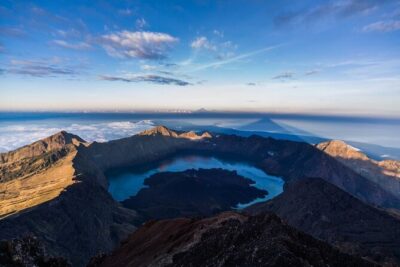
3D/2N Rinjani trekking summit,lake and hot springs.
Read our review →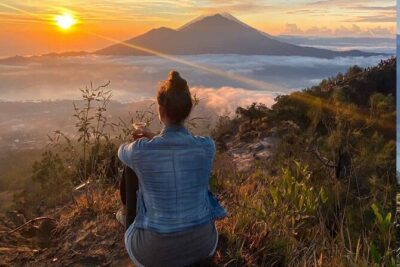
Mount Batur Sunrise Trekking & Natural Hot Spring – All Inclusive
Read our review →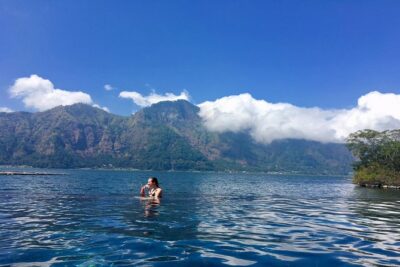
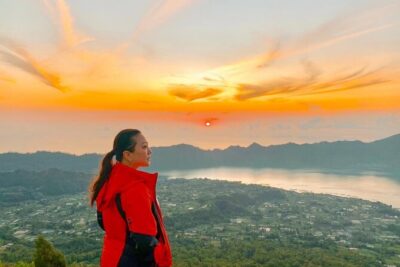
5 Day Annapurna Base Camp Trek & Natural Hot Spring
Read our review →Browse the lists this tour appears in