
REVIEW · AREQUIPA
From Arequipa: Sillar Route Trek
Sillar tells Arequipa’s story in stone. This four-hour outing combines the working Añashuayco Quarry with a short walk through Culebrillas Canyon, giving you both living craft and old rock art. I especially like the chance to meet a stonemason and try cutting the pale volcanic stone, plus the fine views toward Arequipa’s volcanoes and Chilina Valley. The main drawback is that the quarry stop can feel rushed when groups crowd around the photo spots, and the 18 soles entrance fee is separate.
The tour costs about $12 per person, so I see it as an easy-value half-day trip rather than a grand expedition. Guides such as Jose, Mike, Alexandra, Julia, Roni, and Jose Jose have been praised for clear English, useful local advice, and good timing. Bring cash, sunscreen, insect repellent, and sturdy closed shoes.
What makes this half-day outing worth your time
- Añashuayco is a working quarry: You see how sillar is extracted, shaped, and used in Arequipa’s buildings.
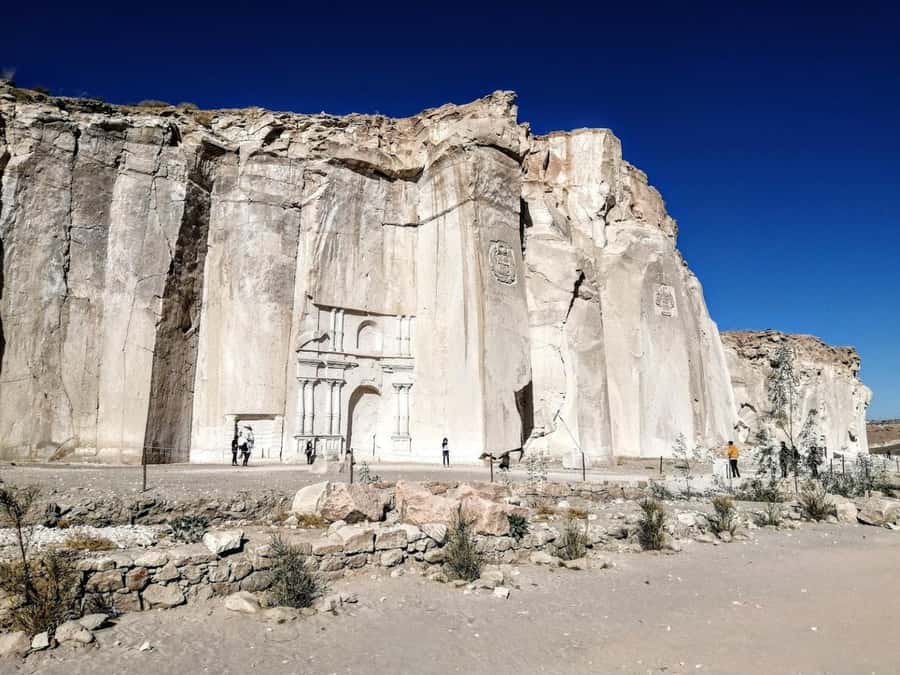
- The mega carving is a memorable photo stop: Local stonemasons created a large stone version of the Church of the Company of Jesus.
- Culebrillas offers the best walk: Its narrow canyon has walls 15 to 20 meters high and old Wari petroglyphs.
- The volcano viewpoint adds context: You can look toward Arequipa’s volcanoes and the Chilina Valley.
- The afternoon departure has special light: The 2 PM option can bring warm sunset tones to the quarry and canyon.
- The price is unusually low: Transportation and a guide are included, but the 18 soles total entrance charge is not.
A practical half-day from central Arequipa
The morning departure begins at 9:15 AM from C. Álvarez Thomas 115, where the operator’s office sits on the corner. Your name is checked against the list, then the guide gives basic instructions before you board the van or tour vehicle.
The route takes roughly four hours. The stated return is around 1:30 PM near Arequipa’s main square, though the exact finish can vary with traffic and the order of the stops. An afternoon departure is also available at 2 PM. That option can return after sunset, and traffic into the city may slow the final drive.
Transportation is part of the price. Vehicles have generally been described as clean and safe, though one passenger found the bus warm and without air conditioning. Group size can reach about 25 people, so this is a shared outing, not a private tour with leisurely stops.
The guide usually speaks Spanish and English. If you are the only English-speaking person in the group, say so early. Guides have made a point of including English speakers, but explanations may otherwise happen mainly in Spanish.
A few more treks around Peru worth a look
- From Cusco: 7 Lakes Ausangate Trek with Breakfast and Lunch
★ 4.8 · 360 reviews - From Arequipa: 2-Day Colca Canyon Trekking Tour
★ 4.8 · 243 reviews - Cusco: Full-Day Rainbow Mountain & Red Valley Trekking Tour
★ 4.5 · 121 reviews
The volcano and Andenerias viewpoint sets the scene
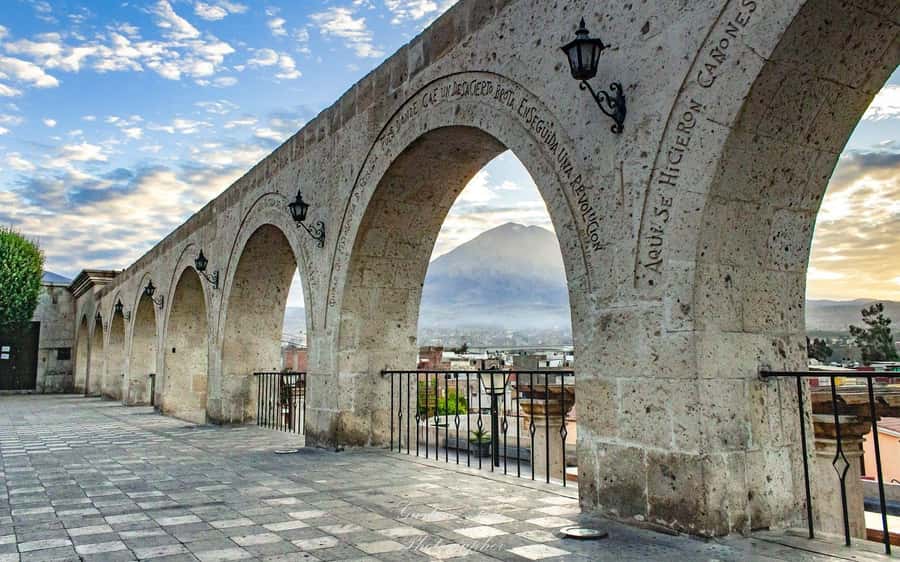
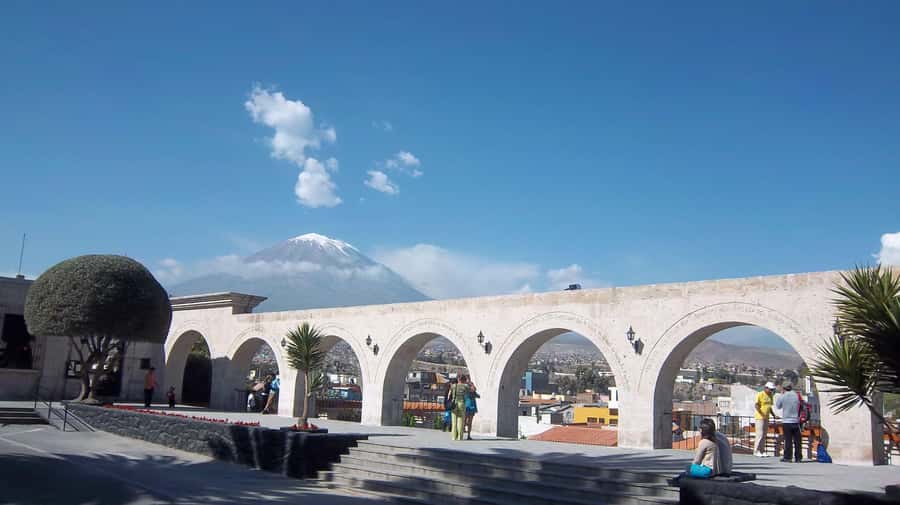
The first viewpoint gives you a broad look at Arequipa’s volcanic setting and the Chilina Valley. It is a short photo stop rather than a long visit, but it helps explain why the city is so closely tied to volcanic stone.
Depending on the season and the day’s route, the guide may use another traditional viewpoint near the beginning instead. The precise order can change. That flexibility can help the operator manage traffic and crowds, but it means the experience may not follow the printed sequence exactly.
This stop is also the least essential for some people. You can visit the Yanahuara area independently, and one passenger felt the viewpoint could be skipped. I still find it useful if this is your first morning in Arequipa because it gives you a quick visual introduction to the volcanoes before the quarry visit.
Do not expect a long guided walk here. You will have time for photographs and an explanation, then continue by road toward Añashuayco.
Añashuayco Quarry shows the work behind Arequipa’s white stone
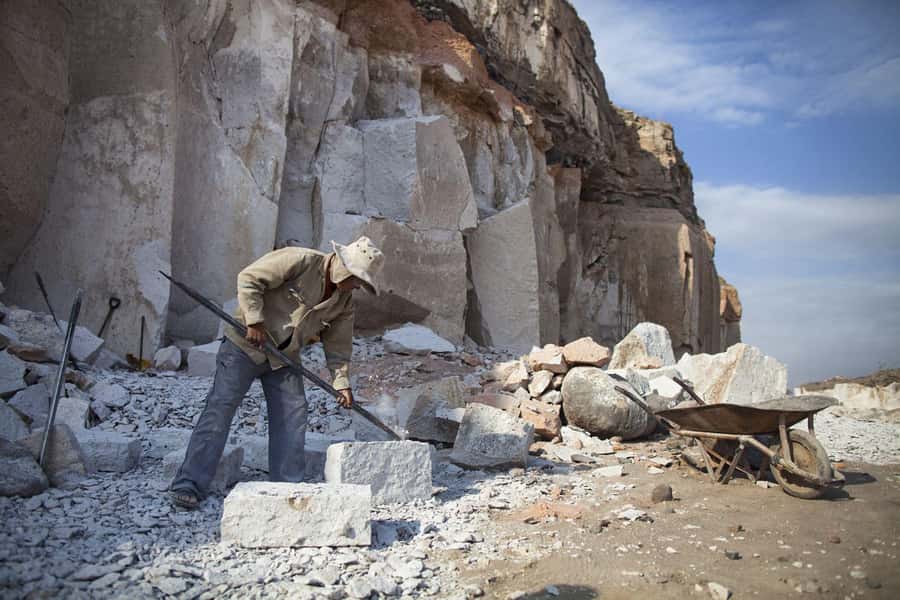
After roughly 45 minutes on the road, you reach Añashuayco Quarry. This is the main cultural stop, and it is far more interesting when you pay attention to the workers rather than only the photo props.
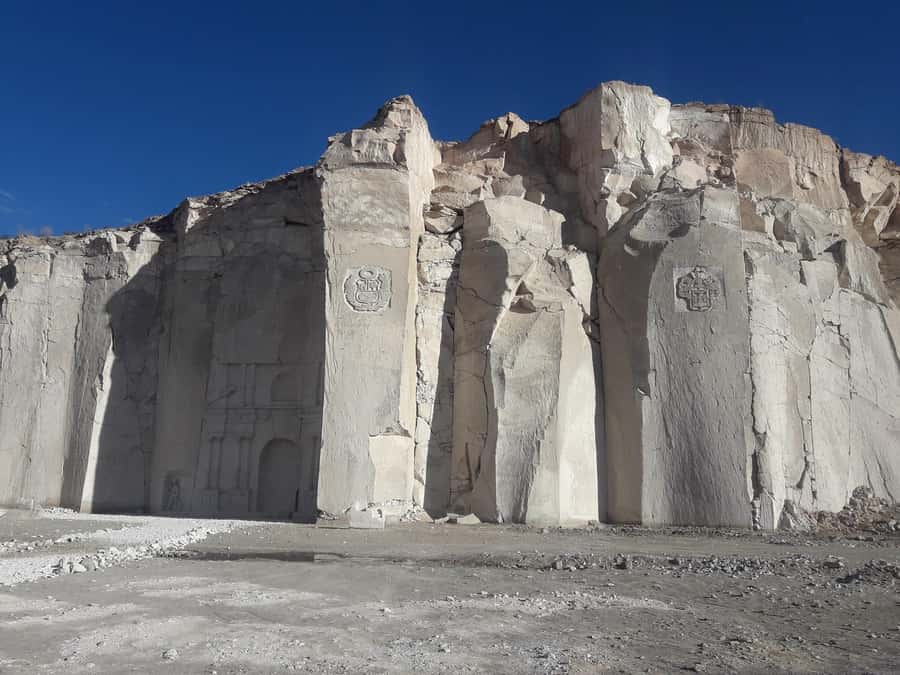
Sillar is the pale volcanic ignimbrite used throughout Arequipa. Its soft color helped give the city its famous appearance, while its workable texture allowed local masons to cut it into building blocks and decorative pieces. Here, the guide explains where the stone comes from, how it is produced, and how it has been used over time.
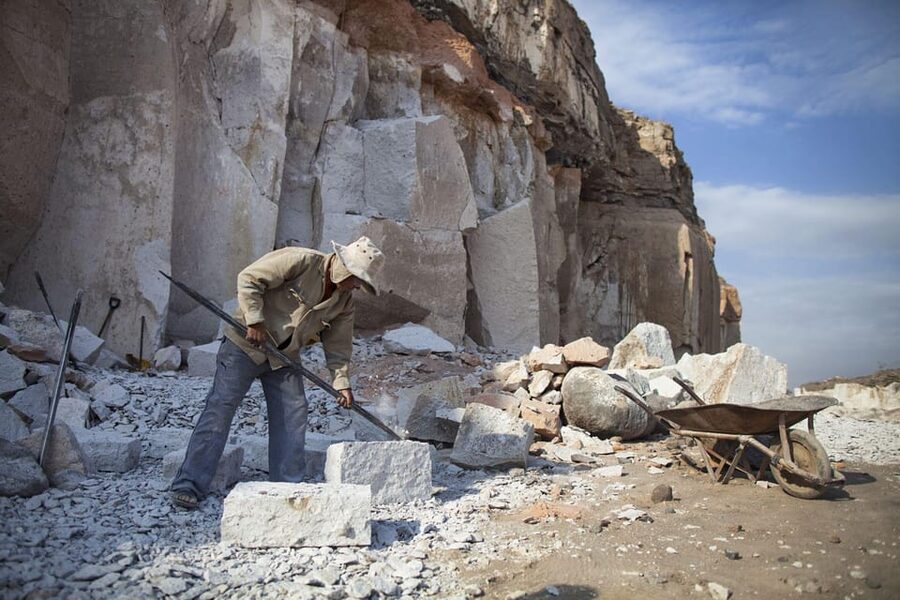
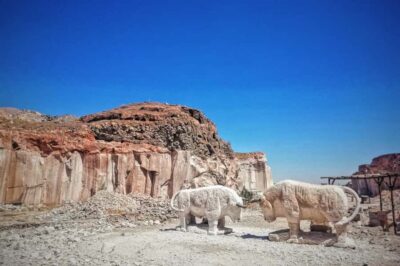
The quarry itself is a huge cut into the rock. Extraction has left tall ignimbrite walls and an open canyon-like setting. It is a working place, not a polished museum, so you may see active stonework and rough ground. That is part of the value. You are looking at a trade that still supports local families and helps explain Arequipa’s architecture.
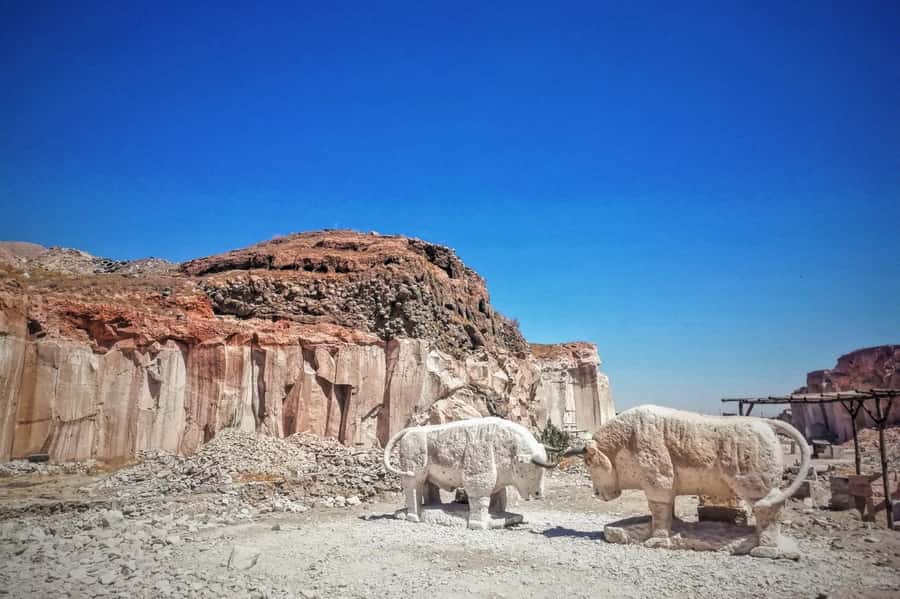
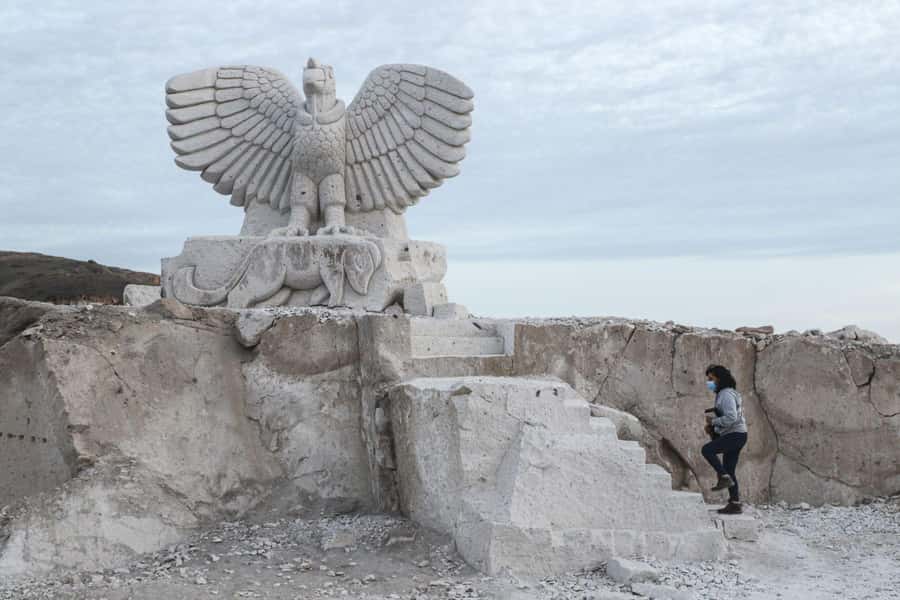
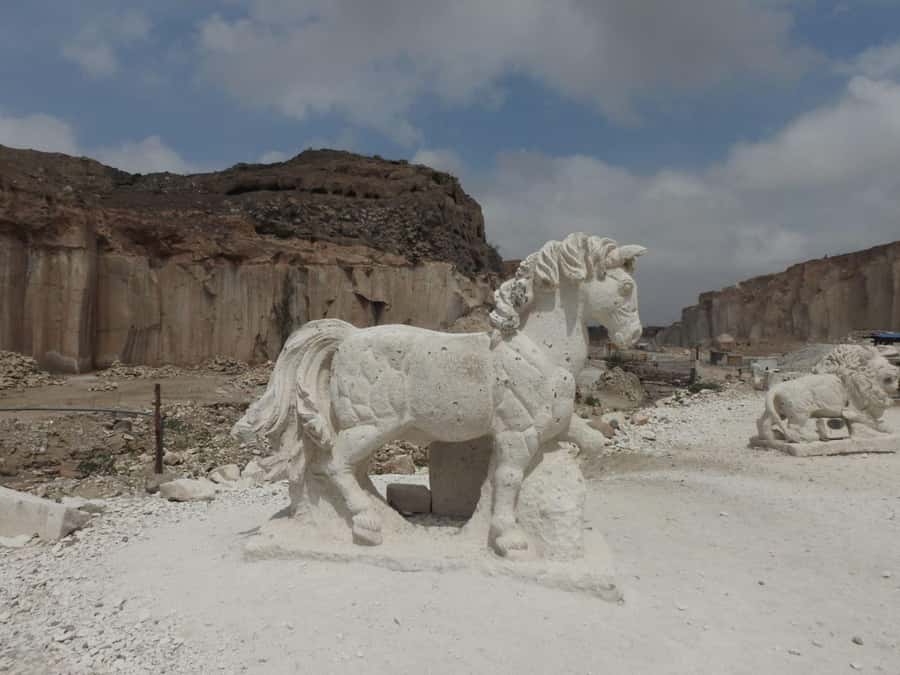
A particularly popular feature is the large carving of the Church of the Company of Jesus. Local stonemasons made it from sillar, turning a working quarry into an outdoor display of their skill. You may also see other stone figures and carved animals. Some people enjoy these for photographs; others find the modern sculptures less compelling than the quarry itself.
The most worthwhile part comes when you meet a stonemason. The guide can explain the daily work, and you may be invited to try cutting one of the blocks yourself. Do not expect to become a master mason in ten minutes, but the brief hands-on task makes the material easier to understand. A block that looked like a simple piece of pale rock suddenly has weight, texture, and a human process behind it.
Allow about 45 minutes here. That sounds generous, but lines for photographs and slow-moving groups can reduce your free time. If you want pictures at the mega carving, take them early and listen for the guide’s meeting point.
Culebrillas Canyon is the strongest part of the route
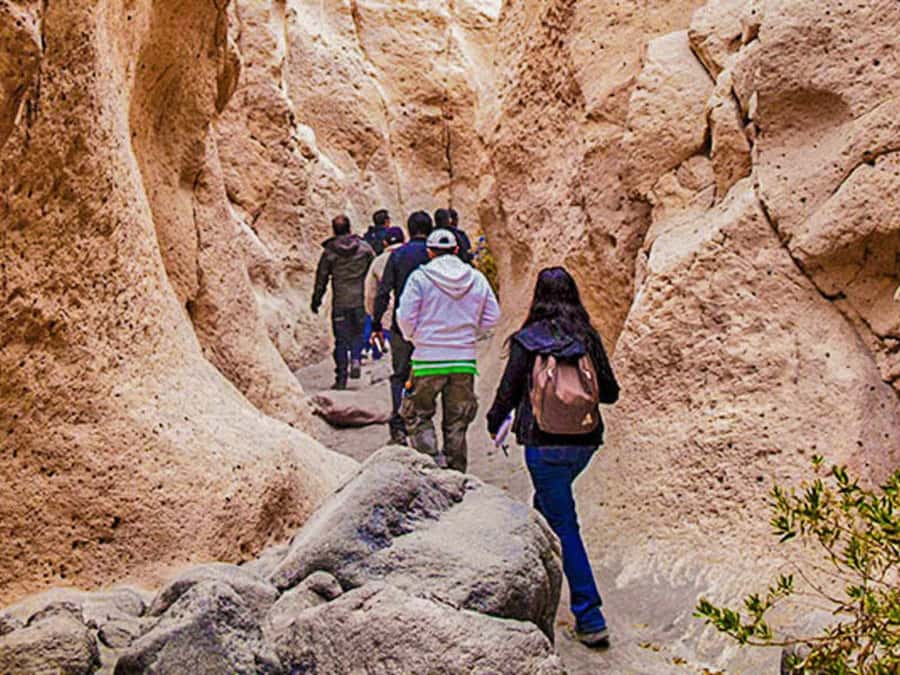
From Añashuayco, the vehicle takes about 20 to 30 minutes to reach Quebrada de Culebrillas. This is where the outing changes from cultural visit to short nature walk.
The walk inside the canyon lasts about 20 to 25 minutes. Water shaped the narrow passage, leaving walls that begin around 15 to 20 meters high and grow taller as you go farther in. The stone walls create a cooler, more enclosed setting than the open quarry, and the scale makes the walk feel more special than its short distance suggests.
The route is not a strenuous trek, but it is still a walk over uneven ground. Wear closed shoes with a good grip. If you have walking difficulties, the narrow canyon may be uncomfortable, and you should not treat the short distance as a guarantee of easy access.
Near the end, you can see petroglyphs linked to the Wari culture and dated to more than a thousand years ago. The drawings are one of the quiet highlights of the tour. They add an older human layer to a route otherwise centered on volcanic stone and modern masonry.
Crowds are the main concern here. Culebrillas is compact, and several groups can arrive at once. One guide improved the experience by reversing the order and starting at the canyon before larger groups arrived. The operator may not always do this, but the guide’s route decisions can make a real difference.
You also see apachetas near the end of the visit. These are small piles of stones placed one on another, associated with gratitude toward nature and good luck. They are a cultural symbol, not just a convenient photo decoration, so listen to the explanation before adding anything yourself.
Same trailhead, a longer or shorter day out:
- Salkantay Trek Challenge – 3 Days / 2 Nights
★ 5.0 · 101 reviews - From Cusco: Rainbow Mountain Trek
★ 4.5 · 98 reviews - 2 Day 1 Night Trek / Colca Canyon
★ 4.5 · 92 reviews - Choquequirao Trek 4 days and 3 nights
★ 5.0 · 81 reviews
The afternoon tour brings warmer light
The 2 PM departure deserves consideration if you care most about atmosphere and photography. The stone can take on warmer tones later in the day, and several people particularly enjoyed the sunset light around the quarry and canyon.
The tradeoff is traffic. The return into Arequipa can be slower in the afternoon, and you may arrive later than the morning group. The morning option is better if you have an evening bus, dinner reservation, or another fixed plan.
The morning trip also gives you a clear four-hour outline, usually returning near the main square around 1:30 PM. I would choose morning for efficiency and afternoon for softer light.
What the $12 price really covers
At about $12 per person, this is one of the easier excursions to recommend on price. You get round-trip transportation, a live guide, three distinct stops, and a short canyon walk without giving up an entire day.
The 18 soles entrance cost is extra and should be paid in cash. This is a small amount, but it matters if you arrive in Arequipa and book the tour before finding an ATM. There is no cash withdrawal stop during the excursion, and stalls or purchases along the way may also require smaller bills.
The low cost comes with a few limits. You share transport, the quarry can feel commercial at times, and the stops follow a tight schedule. You are paying for a well-organized route and local explanation, not a private archaeological trip or a long wilderness walk.
I think the value is strongest for a first visit to Arequipa. In four hours, you see the stone source, learn about a living trade, visit ancient rock art, and get a quick view of the city’s volcanic setting. That is a lot of context for half a day.
Guide quality can shape the whole experience
The guide is important because the sites do not explain themselves. At the quarry, a short explanation about extraction and masonry turns a pile of stone into a cultural visit. At Culebrillas, the guide helps you locate the petroglyphs and understand the apachetas.
English-language guiding has generally been strong. Mike was praised for clear English and helpful restaurant advice. Jose was described as enthusiastic and informative, while Alexandra and Julia handled bilingual explanations well. Roni was also praised for adapting the order of the stops to avoid crowds.
Do not assume every explanation will be delivered at equal length in both languages. In a mixed group, the guide may speak mostly Spanish and then repeat key points in English. Ask politely if you miss something. The guides appear willing to include people, especially when they know who needs English.
The practical details matter too. One guide even helped a passenger make change when only large bills were available. That is a small kindness, but useful in a cash-based stop.
Pack for dust, sun, and a little walking
You do not need hiking gear, but you do need sensible basics:
- Closed shoes for the canyon and quarry ground
- Sunscreen and a hat
- Insect repellent
- Water
- Small bills in soles for the entrance fee and possible purchases
- A phone or camera for the stone carvings, volcano views, and canyon
The route is dry and exposed at several points. Sun protection is more important than the short duration suggests. Insect repellent is also worth carrying, particularly for the canyon section.
The tour is not a demanding hike. Still, you walk inside a narrow canyon for around 20 minutes, and the surface may not suit everyone. If walking is difficult for you, ask about the ground conditions before booking.
Who should book the Sillar Route Trek?
I would choose this experience if you want a low-cost introduction to Arequipa beyond the historic center. It suits you especially well if you like local crafts, unusual geology, short walks, and guided context without committing to a full-day trip.
It also works well on your first or last day in the city. The excursion stays close enough to Arequipa that you do not lose a full day to transport, and the morning schedule can leave your afternoon open.
I would hesitate if you dislike organized group outings, staged stone sculptures, or short photo stops. The quarry is active and authentic, but parts of the visit can feel set up for pictures. You may also find the schedule tight if other groups slow down at the main carving.
For the best experience, choose the afternoon if warm light matters most, or the morning if you need predictable timing. Tell the guide you want English explanations, arrive with cash, and treat Culebrillas as the main event rather than rushing through it.
Should you book it?
Yes, if you want a modestly priced half-day with real local craft, a striking canyon, and a bit of ancient culture. The Culebrillas walk and the chance to see sillar being worked give the trip substance beyond simple sightseeing.
Skip it if you have already visited the quarry and only want a long mountain hike. Otherwise, the combination of transportation, bilingual guiding, three varied stops, and a total price near $12 makes this a sensible Arequipa add-on. Just budget the extra 18 soles, wear proper shoes, and leave room for the tour’s practical, group-based pace.
FAQ
How long does the Sillar Route Trek take?
The experience lasts about four hours. The morning schedule begins around 9:15 AM and usually returns to central Arequipa around 1:30 PM.
Where does the tour begin?
It begins at C. Álvarez Thomas 115 in Arequipa. The meeting point is the operator’s main office on the corner.
Where does the tour finish?
The morning service finishes near Arequipa’s main square, around Av. La Marina.
Is there an afternoon departure?
Yes. A 2 PM departure is available. The afternoon visit may include sunset light, but traffic on the return to Arequipa can be heavier.
What languages does the guide speak?
Guides provide the tour in English and Spanish.
Is transportation included?
Yes. Transportation and a guide are included in the tour price.
Are entrance fees included?
No. The total entrance charge is 18 soles per person and is paid separately.
What should I wear?
Wear closed shoes because the tour includes walking in the canyon and quarry areas. Sunscreen, a hat, and insect repellent are also recommended.
Is the canyon walk difficult?
The walk lasts about 20 to 25 minutes and is not described as strenuous, but the ground can be uneven. People with walking difficulties may find the canyon challenging.
Can I cancel the booking?
You can cancel up to 24 hours before the activity for a full refund. You can also reserve now and pay later.
Recently added around Peru
- 5 Day – Salkantay trek to Machu Picchu – Group Service★ 4.5 · 27 reviews
- Small Group: 4-Day Inca Trail Trek to Machu Picchu★ 5.0 · 33 reviews
- 6 day Rainbow Mountain x Ausangate Trek – FlashpackerConnect★ 5.0 · 30 reviews
- Salkantay Trek: 5 Days to Machu Picchu★ 5.0 · 33 reviews
- Humantay Lake Full-Day Adventure: Scenic Trek and Stunning Views★ 4.5 · 39 reviews
- Salkantay 5-Day Trek To Machu Picchu★ 5.0 · 39 reviews
- Inca Trail Trek to Machu Picchu – 2 Days (Small Group or Private)★ 5.0 · 31 reviews
- Ausangate and Rainbow Mountain Trek – 3 Days / 2 Nights★ 5.0 · 35 reviews
Arequipa Trekking Tours, compared.
4 hours Tour: Route of Sillar with Trek in Culebrillas
Read our review →
Private 3 Day Colca Canyon Trekking tour (superior Service)
Read our review →
2 Day Trek Including Transfer to Puno / Colca Canyon
Read our review →
Browse the lists this tour appears in