
REVIEW · CUSCO
5-Day Salkantay Trek to Machupicchu Sky Lodge Dome
The mountains change every day. This five-day Salkantay Trek combines sharp Andean peaks, Humantay Lagoon, cloud forest, a coffee plantation, and Machu Picchu in one demanding route. I like the private bathroom and hot shower in each dome, and I like the small-group format, limited to 10 people, which should make the long hiking days easier to manage.
The main caution is altitude and stamina. You reach 4,650 meters on Day 2, then walk for several more hours on rough trails and beside the train tracks. I also would confirm every Machu Picchu and train detail before departure, since poor communication about tickets caused serious trouble for one couple. Guide Roberto helped solve that problem, but you should not have to rely on last-minute rescue work.
At $700 per person, the package includes a great deal: transport, meals, a bilingual guide, porters and mules, domes, a hotel in Aguas Calientes, Machu Picchu entry, the uphill bus, and the train to Ollantaytambo. This is a strong choice for an active visitor who wants more than a quick train ride, but it is not a soft adventure.
Key Points at a Glance
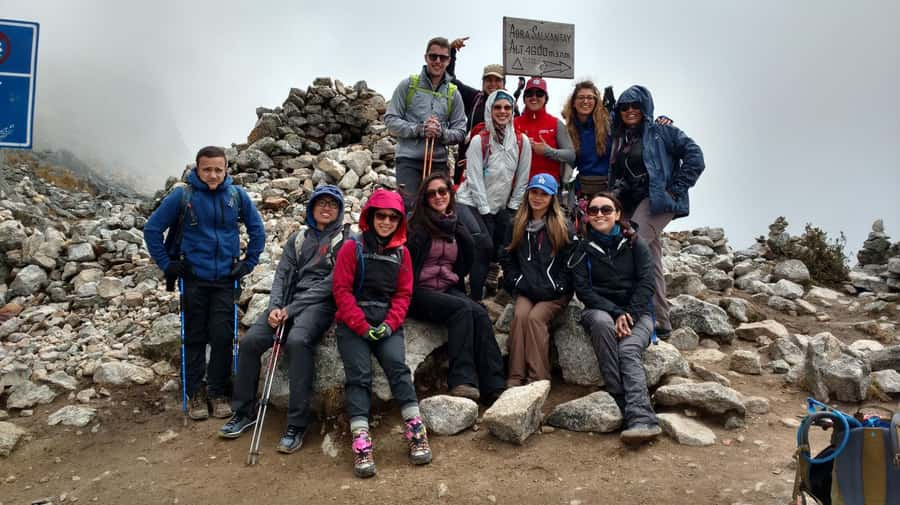
- 4,650-meter Salkantay Pass: The trek reaches its highest point between the snow-covered Salkantay and Tucarhuay mountains.
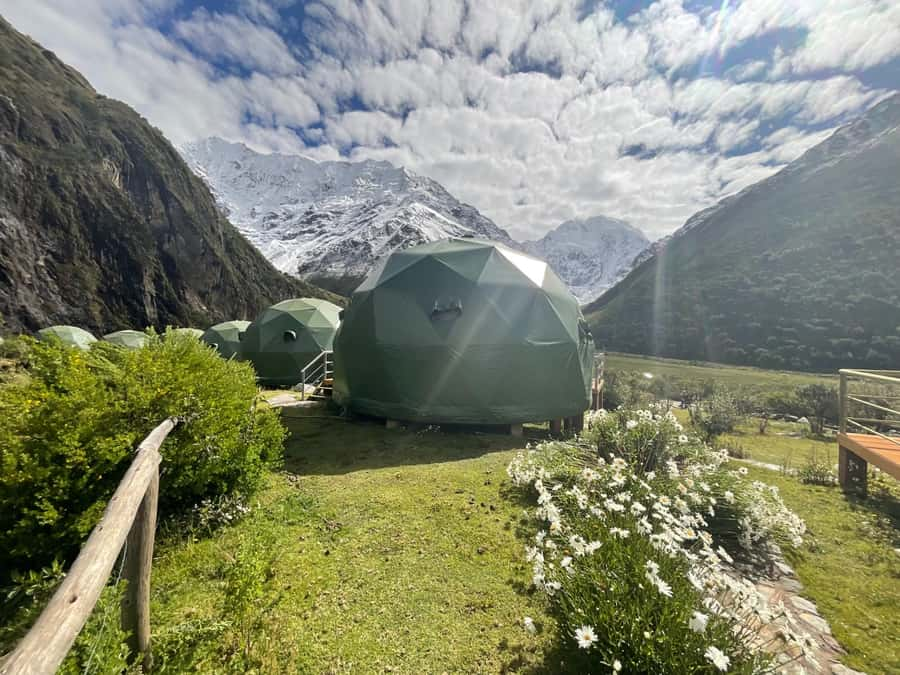
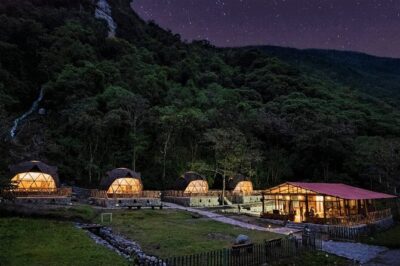
- Sky Lodge domes with private facilities: You sleep in geodesic domes with a private bathroom and hot shower, although the first night can be very cold.
- Coffee plantation stay: At La Playa, you help harvest, roast, and grind coffee.
- First Machu Picchu view from Llactapata: Day 4 brings a view toward Machu Picchu and the Urubamba Valley before the walk to Aguas Calientes.
- Small group and full meal service: The group is limited to 10, with a cook preparing four breakfasts, lunches, dinners, and snacks.
- Bags change hands on Day 4: Your duffel is carried through Day 3, but you must carry your own luggage afterward unless you pay about 20 soles to send it by car and train.
Why Choose the Salkantay Route to Machu Picchu?
The Salkantay route is a good fit if you want Machu Picchu to be the end of a real journey rather than a stand-alone sightseeing stop. Over four hiking days, the scenery shifts from high mountain terrain to humid forest and farmland. That variety is the main reason to choose this trip.
You start near the high Andes, where thin air and open mountain views set the tone. By Day 3, the route has dropped into a warmer region with streams, crops, and coffee. On Day 4, you walk through fruit plantations and follow the railway to Aguas Calientes. The change is not just scenic. It gives you a clear sense of how sharply the climate shifts around Cusco and Machu Picchu.
The route is also a practical alternative to a longer classic Inca Trail trek. You get a demanding mountain walk, an Andean ceremony, a small group, and a guided visit to Machu Picchu without camping for all four nights. The tradeoff is that some of the final walking follows the railway tracks rather than a quiet mountain path.
More Inca Trail Treks in Cusco
- Salkantay Trek Challenge – 3 Days / 2 Nights
★ 5.0 · 101 reviews - Choquequirao Trek 4 days and 3 nights
★ 5.0 · 81 reviews - Machu Picchu: 5-Day Salkantay Trek with Panoramic Train
★ 5.0 · 79 reviews
Day 1: Cusco to Humantay Lagoon and the Domes at Soraypampa
The day begins early, with hotel pickup around 4:30 to 5:00 in the morning. The pickup area is limited to hotels inside Cusco’s monumental zone, so confirm your address before booking. You ride by van for about two hours to Mollepata, where breakfast is provided.
From Mollepata, private transport continues for roughly 40 minutes to Challacancha. This is where the trek begins. The route then heads toward Humantay Lagoon before continuing to Soraypampa and the first dome camp.
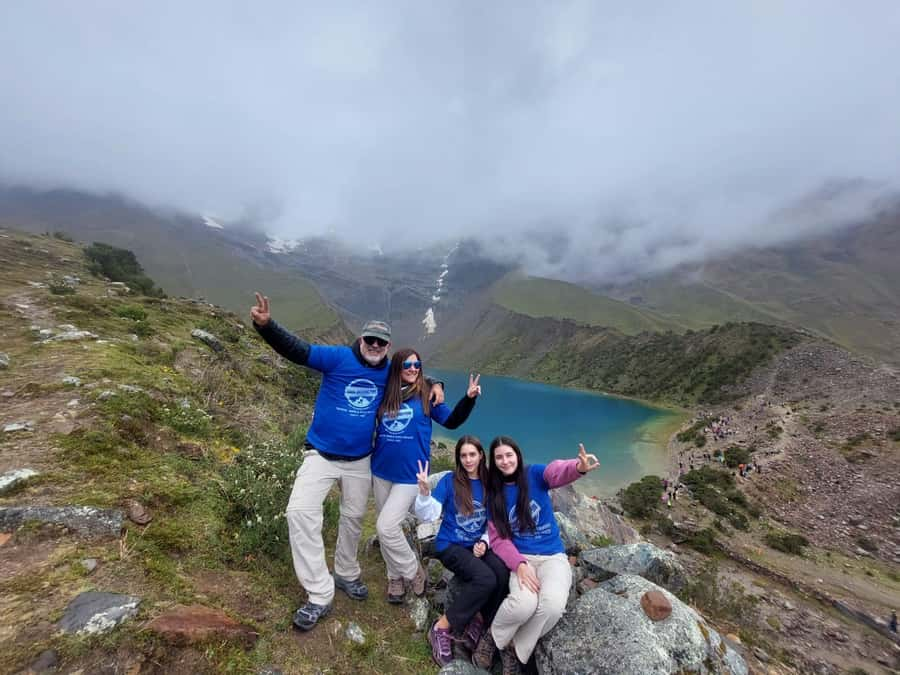
Humantay Lagoon is one of the visual highlights of the whole route. Its mountain setting gives you an immediate reward on the first hiking day, though the climb can feel tough before your body has adjusted to the altitude. You should arrive in Cusco at least two days before the trek. That extra time is not wasted. It gives you a better chance of handling the elevation without turning the first day into a struggle.
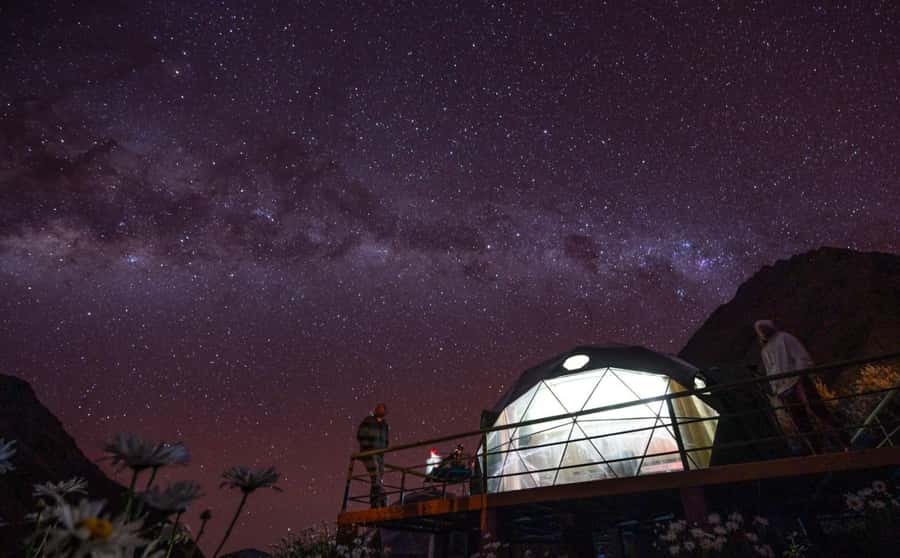
The domes are a major comfort compared with ordinary tent camping. Each has a private bathroom and hot shower, so you can wash up without walking across camp in the cold. Still, do not assume the dome will feel warm all night. One July booking described the first night as extremely cold, even with comfortable beds. Bring proper warm layers, not just a fleece jacket.
The first evening also includes an Andean ceremony offering to Mother Earth. It adds a cultural moment before the tougher mountain day ahead. The cook prepares dinner, and your gear is handled by horsemen and mules. Up to 7 kilos per person can be transported, which lets you hike with a lighter daypack.
Day 2: Salkantay Pass at 4,650 Meters
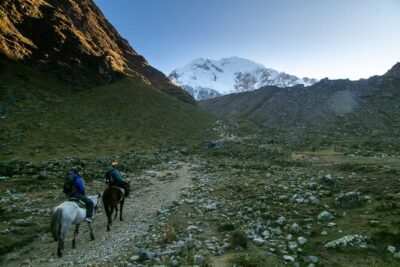
Breakfast is scheduled around 5:30 in the morning, followed by the hardest hiking day. You climb toward the Salkantay Pass, which reaches 4,650 meters, or about 15,200 feet. The pass lies between Salkantay Mountain and Tucarhuay, and the snow-covered peaks provide the day’s major views.
This is the point where preparation matters most. At this altitude, even a normal uphill walk can feel slow. The itinerary notes that you might see snow near the pass, and the mountain conditions can make the route feel exposed and demanding. You need hiking shoes, warm clothing, sunglasses, a sun hat, and water protection for changing weather.
The reward is the scale of the setting. Two large mountain walls frame the pass, and you get a clear sense of why this trek is considered challenging. Take your time. A small group of no more than 10 should help the guide keep the pace manageable, but you still need to speak up if you feel unwell.
After the pass, the route continues downhill toward Chaullay. The second night is again in a dome. This is welcome after the long climb, although the basic dome setup still means you should pack for cold nights. The cook prepares dinner, and the support team carries camping equipment, food, and your permitted luggage.
Day 3: Down to La Playa and a Working Coffee Farm
Day 3 begins around 6:30 in the morning. The route now enters the high jungle, crossing the Lluskamayo River and several streams. The walk to La Playa takes about four hours, making this a shorter and more varied day after the high pass.
The change in climate is the point. You move away from bare mountain terrain and into greener, warmer country, with water crossings and crops along the way. The route feels less severe than Day 2, but wet or uneven ground can still make sturdy footwear useful.
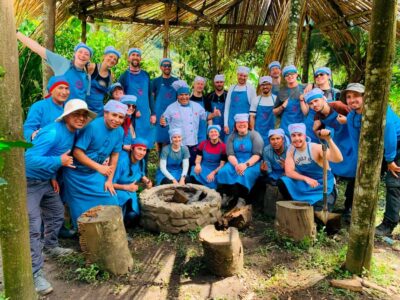
At La Playa, you stay in a geodesic dome at a coffee plantation. This is one of the most distinctive parts of the trip because the farm visit is hands-on. You can help harvest, roast, and grind coffee, learning the basic path from plant to cup. It is a welcome change from simply walking past scenery. You get a closer look at local work and agriculture.
The coffee experience also gives the cook and guide a chance to add local context to the route. If you enjoy food, farming, and practical cultural experiences, this stop may be more memorable than another viewpoint.
Your duffel bag is carried for you through this day. That changes on Day 4, so use the evening to repack carefully. Keep the items you need for Aguas Calientes in a small daypack if possible. If you want to avoid carrying your larger bag from La Playa, the stated option is to send it by car to Hydroelectric and then by train to Aguas Calientes for about 20 soles, paid directly.
Same trailhead, a longer or shorter day out:
- From Cusco: 7 Lakes Ausangate Trek with Breakfast and Lunch
★ 4.8 · 360 reviews - Cusco: Full-Day Rainbow Mountain & Red Valley Trekking Tour
★ 4.5 · 121 reviews - From Cusco: Rainbow Mountain Trek
★ 4.5 · 98 reviews - Ancascocha Trek To Machu Picchu 4 Days And 3 Nights
★ 5.0 · 77 reviews
Day 4: Llactapata, Fruit Farms, and the Railway to Aguas Calientes
The fourth day starts around 6:30 in the morning and heads toward Llactapata. The route includes a section of the original Inca trail and passes through areas where local residents grow crops and harvest fruit. The schedule aims to reach Llactapata early, which is helpful because this is the day with several separate highlights.
From Llactapata, you can see the Urubamba Valley, Salkantay Mountain in the background, and your first view of Machu Picchu. That first glimpse is a strong preview before the next morning’s visit. The moment is not the same as entering the ruins, but it helps you understand the setting and how Machu Picchu sits above the surrounding valley.
The route then continues to Hydroelectric, where lunch is served. After lunch, you walk for about two and a half hours along the railway tracks to Aguas Calientes. The walk passes plantations of coca and bananas, offering a close view of the warmer agricultural zone.
The railway section is practical rather than grand. It is part of the route used to reach Aguas Calientes without taking a train from Hydroelectric. You should expect a long, fairly direct walk, and you need to stay alert around the track area. By this point, you will also be carrying your own luggage unless you paid to send it ahead.
In Aguas Calientes, you sleep in a hotel or hostel rather than a dome. The accommodation is described as acceptable, while the domes receive stronger praise. You can also visit the town’s hot springs for 10 soles. After four days of walking, this is a sensible treat, though the entrance fee is not included.
Day 5: Sunrise at Machu Picchu and the Return to Cusco
The final morning begins around 5:00. After breakfast, you take the first bus at approximately 5:30 for the 25-minute ride up to Machu Picchu. The early departure is designed to place you at the site as the sun rises.
The guide provides a two-hour tour, then you have time to explore independently. The included Machu Picchu entry and uphill bus are important parts of the package, since arranging these separately can be complicated and time-sensitive.
Huayna Picchu is available as an optional climb if booked ahead and if space is available. The climb takes about 1 hour and 45 minutes to reach the top, at 2,720 meters. Machu Picchu Mountain is also listed as an optional choice. Do not count on adding either climb at the last minute. Confirm availability before the trek and make sure the extra climb fits your assigned entry time.
The return train can leave around 2:00, 4:00, or 6:20 in the evening, depending on availability. It takes about two hours to Ollantaytambo, where private transport takes you back to Cusco. That means your return time can vary quite a bit. Keep your final evening flexible and do not schedule a tight onward connection.
Food, Guides, and Camp Comfort
Food is one of the stronger parts of this package. The cook prepares four breakfasts, four lunches, four dinners, and four snacks. Vegetarian and vegan meals are available at no extra cost if requested in advance. Since the route runs through remote areas, a prepared meal service is worth real money and saves you from carrying most of your food.
The tour also includes kitchen equipment, a dining tent, tables, and chairs. These details matter after a cold or wet hiking day. You have a place to eat and rest rather than relying only on your dome.
The named guides and staff add a useful personal element. Roberto received strong praise for helping resolve a Machu Picchu ticket problem, while Abel was described as professional. Chef Mario and chef Exaltación were also singled out for their cooking. That said, communication from the office was not always clear. Before departure, ask for written confirmation of your Machu Picchu entry, bus, and train arrangements.
Is $700 a Fair Price?
At $700 per person, the price is reasonable for what is included. You are paying for four days of meals and support, a professional bilingual guide, transport from Cusco to the trail and back from Ollantaytambo, porters and mules, two dome nights, one night in Aguas Calientes, Machu Picchu entry, the uphill bus, and the train.
The package also saves you from arranging several moving parts yourself. The train, bus, park ticket, hotel, food, and return transport all need to line up. That convenience has value, especially on a route where a missed ticket or wrong train time can disrupt the final day.
Budget for extras. Your first breakfast and last dinner are not included. A sleeping bag and trekking poles are also excluded. The hot springs cost 10 soles, and sending your luggage from La Playa costs about 20 soles. Optional Huayna Picchu or Machu Picchu Mountain tickets cost extra if available.
The price is best for someone who wants an organized trek with comfortable camping. It is less attractive if you prefer to carry your own gear, choose your own restaurants, or control every transport detail.
Who Should Book This Trek?
I would recommend it to a fit adult who wants a serious five-day route and likes variety. You need to handle a high pass, several hours of walking, uneven trails, and the railway walk into Aguas Calientes. The route is especially suitable if you want a private bathroom and hot shower at camp without giving up the feel of a mountain trek.
It is not suitable for people with heart problems, back problems, mobility impairments, or pregnancy. The activity information also says it is wheelchair accessible, but the strenuous trail, high pass, streams, and railway walking do not make this a practical choice for someone who needs a wheelchair. Confirm your needs directly before booking.
The trek works well for visitors who can spend two days acclimatizing in Cusco. It is a poor match for anyone arriving in Cusco and immediately trying to start. The altitude is not a minor detail here.
Final Decision: Book It If You Want a Real Trek
Book this Salkantay trip if you want a demanding route with big mountain views, a hands-on coffee stop, comfortable domes, and a guided Machu Picchu visit. The food, staff, small group, and included transport give the $700 price solid value.
I would book only after confirming the Machu Picchu ticket, entry time, train schedule, and luggage plan. The trek itself offers a memorable progression from Humantay Lagoon and snowy peaks to coffee country and the railway into Aguas Calientes. Just pack for cold, prepare for altitude, and do not mistake a private shower for an easy hike.
FAQ
How long is the Salkantay Trek to Machu Picchu?
The trek lasts five days and four nights.
What is the highest point of the trek?
The highest point is Salkantay Pass at 4,650 meters, or about 15,200 feet.
Where does the tour pick up in Cusco?
Pickup is from hotels located inside Cusco’s monumental zone. Pickup is scheduled around 4:30 to 5:00 in the morning on Day 1.
Are the domes equipped with private bathrooms?
Yes. The luxury domes include private bathrooms and hot showers.
How many people are in the group?
The group is limited to 10 participants.
Are meals included?
Four breakfasts, four lunches, four dinners, and four snacks are included. The first breakfast and last dinner are not included.
Can I request vegetarian or vegan meals?
Yes. Vegetarian and vegan meals are available at no extra charge when requested.
How much luggage can the mules carry?
Horsemen and mules carry equipment, food, and up to 7 kilos of personal luggage per person through Day 3.
Do I carry my own luggage on Day 4?
Yes. From Day 4, you must carry your own bags unless you pay about 20 soles to send luggage by car and train to Aguas Calientes.
Is the Machu Picchu entry ticket included?
Yes. The package includes Machu Picchu tickets and the uphill bus from Aguas Calientes. Optional Huayna Picchu or Machu Picchu Mountain access requires advance booking and availability.
More 5-Day Experiences in Cusco
- Ausangate Trek 5 Days
★ 5.0 · 74 reviews - Classic Choquequirao Trek – 5 Days / 4 Nights
★ 5.0 · 52 reviews - Ultimate Lares Trek & Inca Trail 5 days
★ 5.0 · 47 reviews - Salkantay Trek To Machu Picchu 5 Days And 4 Nights
★ 5.0 · 44 reviews
Recently added around Cusco
- 5 Day – Salkantay trek to Machu Picchu – Group Service★ 4.5 · 27 reviews
- Small Group: 4-Day Inca Trail Trek to Machu Picchu★ 5.0 · 33 reviews
- 6 day Rainbow Mountain x Ausangate Trek – FlashpackerConnect★ 5.0 · 30 reviews
- Salkantay Trek: 5 Days to Machu Picchu★ 5.0 · 33 reviews
- Salkantay 5-Day Trek To Machu Picchu★ 5.0 · 39 reviews
- Inca Trail Trek to Machu Picchu – 2 Days (Small Group or Private)★ 5.0 · 31 reviews
- Humantay Lake Full-Day Adventure: Scenic Trek and Stunning Views★ 4.5 · 39 reviews
- Ausangate and Rainbow Mountain Trek – 3 Days / 2 Nights★ 5.0 · 35 reviews
Machu Picchu & Inca Trail Treks, compared.
Machu Picchu: 5-Day Salkantay Trek with Panoramic Train
Read our review →
Ancascocha Trek To Machu Picchu 4 Days And 3 Nights
Read our review →
4 Day Inca Trail Trek to Machu Picchu Multi day tour
Read our review →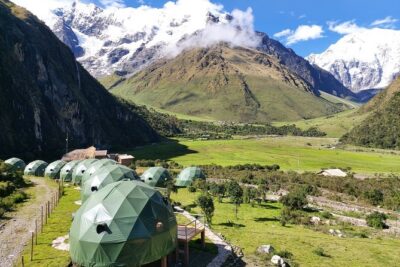
Salkantay Trek 4 Days to Machu Picchu by Glamping Sky Lodge Dome
Read our review →
Browse the lists this tour appears in