
REVIEW · SAPA
2 Night Lao Chai-Ta Van Homestay- Trekking & Fansipan Visit
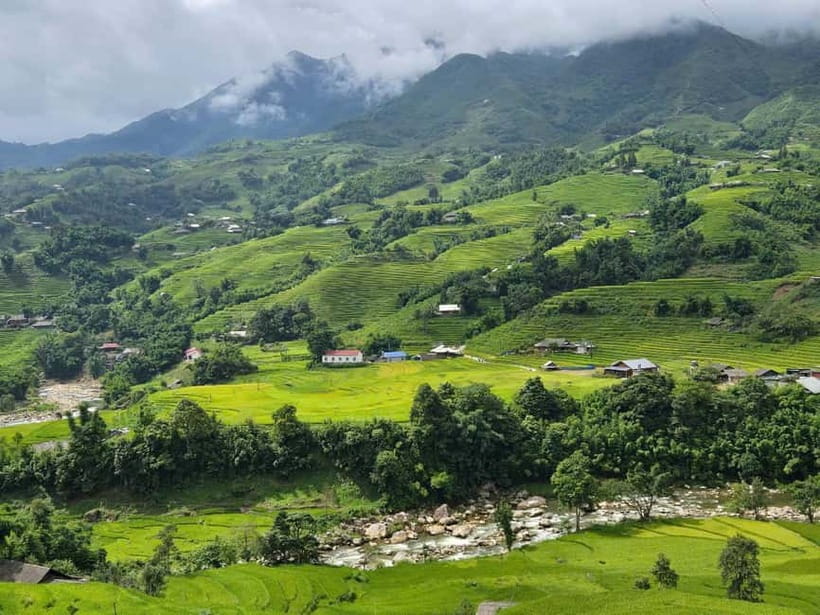
Rice terraces, village meals, and mountain paths make this Sapa trip special. You spend two nights with local families in Lao Chai and Ta Van, walking through the Muong Hoa Valley rather than simply stopping for photos. I especially like the two different homestays and the chance to meet Black Hmong and Day communities. The scenery is the main prize, with streams, suspension bridges, bamboo forest, and terraced fields along the route.
I also like that the trip handles the long Hanoi to Sapa connection, meals, local transport, and a guide for $110 per person. That is a fair package price for three days, but you should prepare for a demanding walk and simple accommodation. The main concern is consistency: some departures have involved shorter walks than promised, extra water costs, and passengers carrying their own large bags.
The best parts of this Sapa experience
- Two village homestays: Sleep first in Lao Chai San with a Black Hmong family, then in Ta Van, where the local culture is different.
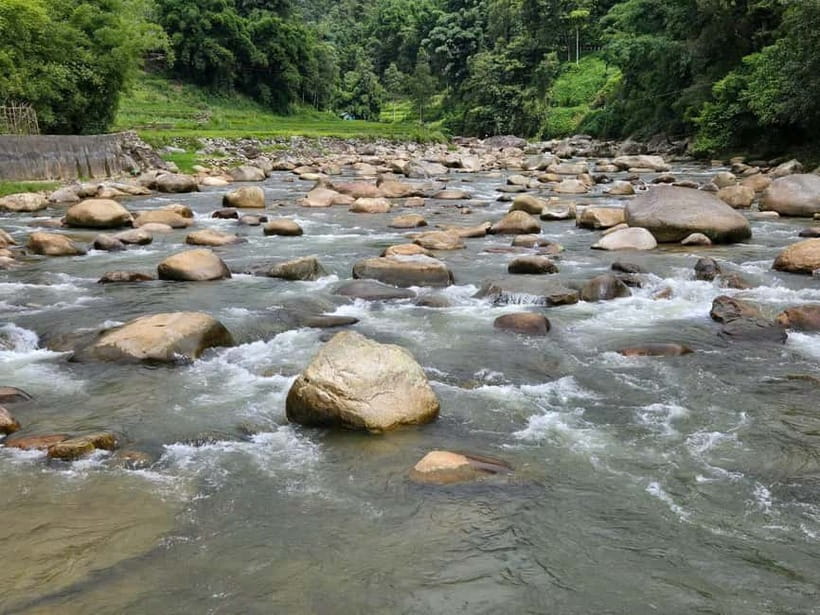
- Muong Hoa Valley on foot: Walk beside the Muong Hoa Stream, across rice terraces, and through mountain villages rather than viewing the valley only from a road.
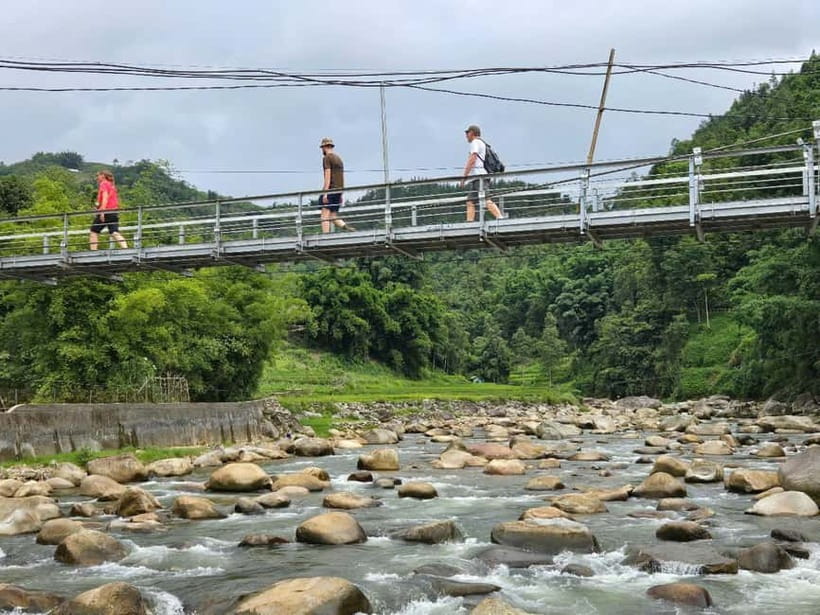
- A real mountain finish: Cross the Giang Ta Chai Suspension Bridge and pass bamboo forest before returning to Sapa.
- Optional Fansipan visit: Replace the final morning trek with a cable car ride to Fansipan Peak at 3,143 meters.
- Meals with local hosts: The package includes three lunches, two dinners, and two breakfasts, with dinner prepared at the homestays.
- Good value, with conditions: The $110 price covers transport, food, accommodation, guiding, and entrance tickets, but not drinks, insurance, tips, or the Fansipan cable car.
Why two homestays make this more than a standard Sapa trek
Many Sapa outings give you a few hours among the terraces and then return you to town. This trip gives you two nights in the valley, which changes the pace. You are not racing back to Sapa after taking a few photographs. You have time for an evening meal, a quiet mountain morning, and conversations with your hosts through the guide.
The first night is in Lao Chai San, a Black Hmong village. The second is in Ta Van, associated here with the Day community. These are not interchangeable stops. Staying in both places gives you a better sense of the different village settings and customs than a quick roadside visit.
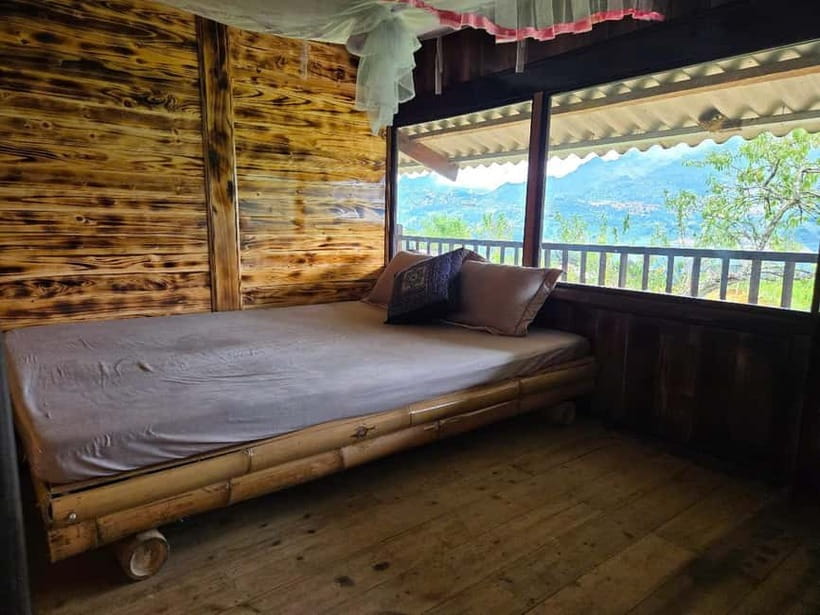
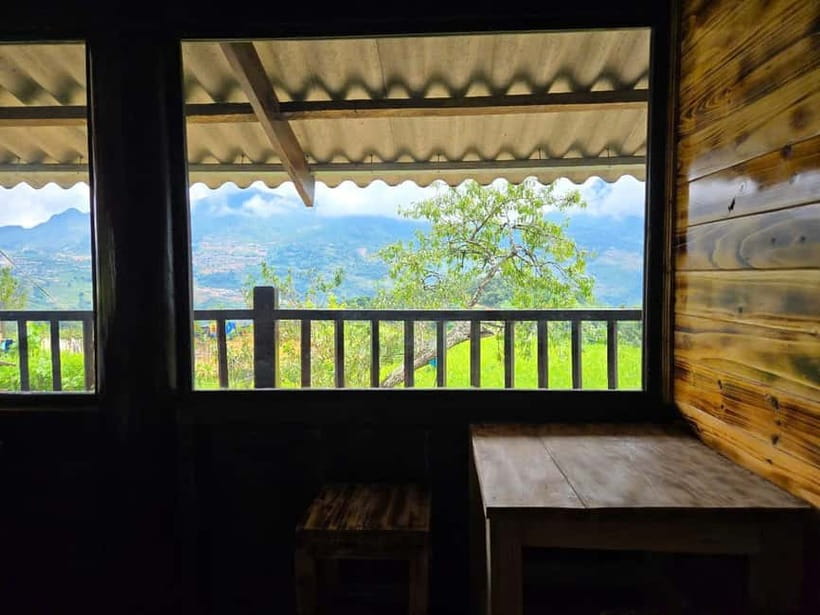
The homestays are basic. Your accommodation is a single mattress rather than a private hotel room, and a private room is not included. That is part of the point, but it also means you should pack with flexibility. If you need hotel-style privacy, this will feel like a compromise. If you want local meals and a closer look at village life, it is one of the strongest parts of the trip.
The food is another useful feature. You receive all listed meals, and you can join the host while dinner is being prepared if you wish. The breakfasts are simple, including pancakes with honey and fruit. Drinks are not included, so keep some Vietnamese dong handy for water, beer, or other purchases.
More Homestay Treks in Sapa
- Number one top rated ethical cultural trekking and homestay by ETHOS
★ 5.0 · 456 reviews - Sa Pa: 2-Day Trekking Trip with Ethnic Minority Homestay
★ 4.7 · 145 reviews - Sapa : 2-Day Trek & Heartwarming Homestay with an Ethnic Family
★ 5.0 · 143 reviews
Day 1: Hanoi to Sapa, then the long walk to Lao Chai San
The day begins at about 6:15 a.m. at 204 Tran Quang Khai Street in Hanoi, unless your booking gives a different meeting point. The limousine bus takes roughly five and a half hours to reach Sapa, with three short breaks.
The ride gives you a look at the Red River Delta before the mountains appear. It is a useful transfer, but it is still a long one. One practical warning comes from the transport arrangements: the vehicle may be described as a limousine, while some passengers have found the sleeper-style seating cramped, especially at around 1.85 meters tall. I would not choose this trip expecting a spacious coach seat.
You reach Sapa at about 1 p.m. After meeting the local representative, you have lunch and receive the trip details. The first walk begins around 2:30 p.m., starting at Y Linh Ho and continuing toward Lao Chai San.
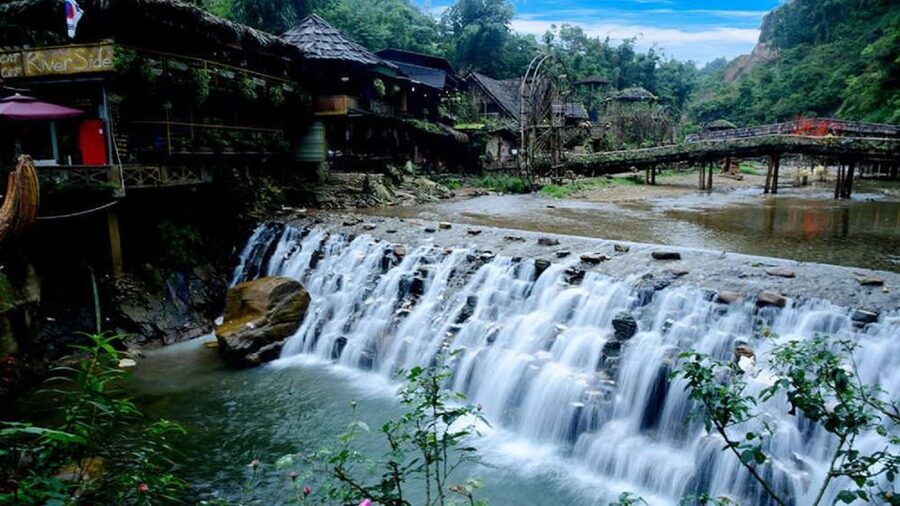
This is the point where the trip earns its keep. You follow paths through rice terraces and along the Muong Hoa Stream, then pass a suspension bridge and a waterfall before climbing toward the homestay. The route combines the features people usually come to Sapa for: high terraces, narrow village paths, running water, and views across the valley.
The wording long trek matters. This is not a gentle stroll after a bus ride. You should have comfortable trekking shoes, sun cream, insect repellent, a hat, and enough fitness for an uphill finish. Rain or wet ground could make the paths harder, although no specific weather conditions are guaranteed.
At the Lao Chai San homestay, you can wash, settle in, and share dinner with the host. Joining the cooking is optional. The evening is deliberately quiet, which is a welcome change after the early Hanoi start and long road transfer.
Day 2: Lao Chai to Ta Van through the Muong Hoa Valley
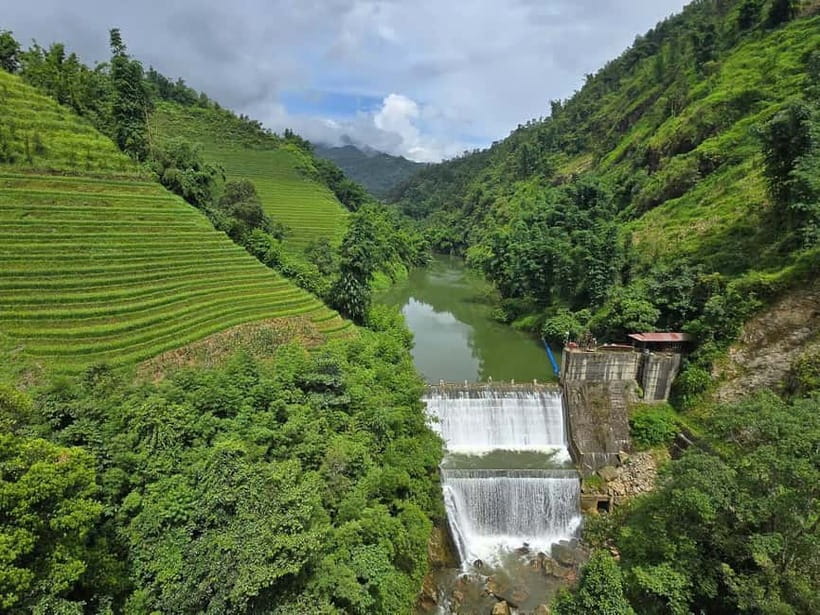
Day two is meant to be the main walking day. After an early breakfast, your guide leads you through the Muong Hoa Valley, with streams, terraces, and village views along the route. You meet local people, stop for photographs, and eat a picnic lunch prepared by the guide.
The planned arrival in Ta Van is around 3 p.m. That leaves time to rest at the homestay, walk near the stream, or have a beer while looking across the mountains. The exact amount of free time depends on the walking pace and how closely the day’s route is followed.
Ta Van works well as the second base because it gives the trip a different setting from Lao Chai. You are not simply returning to the same family each night. Dinner is prepared by the host, and the evening again centers on the home rather than a tourist restaurant.
Here is the most important caution. Some departures have not followed the advertised second-day plan. One group expected an early 6:45 a.m. breakfast and a full, sporty day of walking, but breakfast came at about 9 a.m. and the group walked for only around two and a half hours. The group was also combined with people who had booked a cheaper route.
That does not cancel out the beauty of the valley, but it affects the value. If you are booking this specifically for a strenuous trek, confirm the route, departure time, and group arrangement before leaving Sapa. Ask how many walking hours are planned for day two, not just which villages appear in the description.
Day 3: Giang Ta Chai, bamboo forest, or a Fansipan cable car
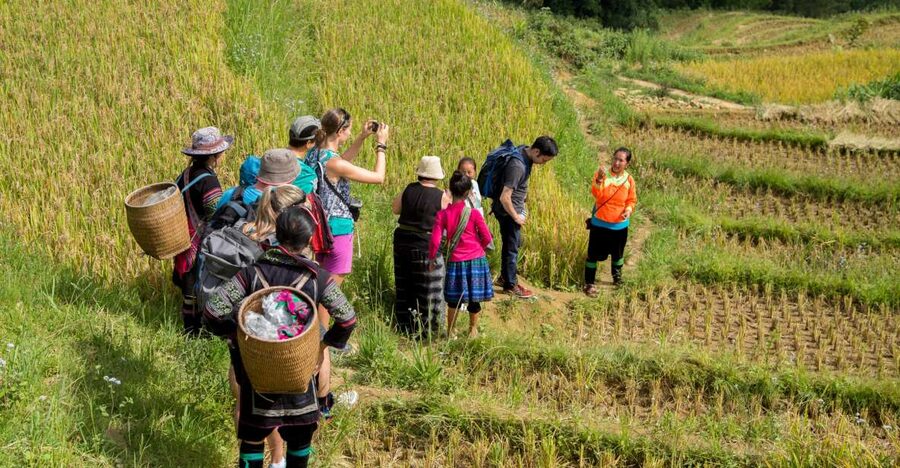
The standard third day starts with breakfast at about 7:30 a.m. The morning walk goes through rice paddies and bamboo forest, with a panoramic view toward Giang Ta Chai village. You then cross the Giang Ta Chai Suspension Bridge.
This final walk is shorter than the main valley trek, but it provides a good closing section. The bridge and bamboo forest add variety, and the route gives you one last look at the terraces before a vehicle brings you back to Sapa for lunch and a shower.
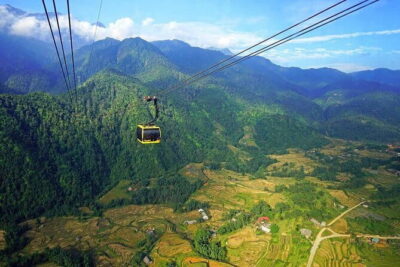
The alternative is Fansipan. After breakfast in Ta Van, a car and guide take you to the cable car station. The cable car brings you to Fansipan Peak, at 3,143 meters, before the car returns you to the restaurant for lunch and the bus journey to Hanoi.
Fansipan is a practical add-on for anyone who wants Vietnam’s highest mountain without a full summit trek. It is not included in the $110 price. The round-trip cable car costs 850,000 Vietnamese dong per person, and the Fansipan option replaces the planned morning walk. You should choose based on your priority: the standard route gives you more village walking, while Fansipan gives you a high-altitude viewpoint with much less physical effort.
After lunch, the return limousine leaves for Hanoi. There are three short breaks, and the bus reaches 204 Tran Quang Khai at about 9 p.m. Dinner on the way back is not included, so keep money available.
More Homestay Treks in Vietnam
- Sapa Valley Trek and Homestay – 3D2N
★ 5.0 · 105 reviews - 2 days authentic trekking tour in Sapa ( Homestay – Less touristy )
★ 5.0 · 68 reviews - From Sapa: 2 Days 1 Night Trek Over Night At Homestay
★ 5.0 · 68 reviews - 3-Day Trek in Amazing Muong Hoa Valley & ethnic Homestay
★ 5.0 · 49 reviews
How difficult is the trekking?
The tour is not suitable for someone with a low fitness level, and it is not suitable for wheelchair users. The first afternoon includes a long walk after a five-and-a-half-hour bus ride, with a climb to the Lao Chai homestay. The second day is intended to be another substantial walk, although the actual distance may vary by group.
You should bring proper trekking shoes rather than casual trainers if the paths are wet or uneven. Sunglasses, a sun hat, warm layers, a scarf, and a cap are recommended because Sapa weather can change quickly. Bring any medication you need, as well as personal spending money.
Pack light, but do not assume someone will always carry your large bag. Two accounts describe passengers carrying their own luggage, despite expecting a different arrangement. Ask the operator directly about bag handling before the trip, especially if you plan to bring a full-size suitcase.
Water is another point to clarify. Bottled water is listed as complimentary on the Hanoi bus, but some people had to pay for water during the trek and did not receive water as expected. Bring a refillable bottle and some cash rather than relying on the package wording.
What the $110 price actually covers
At $110 per person, the package covers a lot:
- Round-trip limousine bus between Hanoi and Sapa
- English-speaking guide in Sapa
- Three lunches, two dinners, and two breakfasts
- Two nights on a single mattress at homestays
- Entrance tickets
- Local transport by minibus or car
That makes the price reasonable for anyone who wants transport and meals arranged. You are paying for access to a village-based route, not a polished hotel experience. The value is strongest if you would otherwise need to organize Hanoi transport, Sapa transfers, food, and a local guide separately.
You still need to budget for drinks, travel insurance, tips, personal purchases, and the Fansipan cable car if you choose it. There is also a holiday surcharge of 700,000 dong per person on April 30, May 1, September 1 through 3, December 24, December 31, and January 1. That fee is paid directly to the guide.
The main value risk is not the base price. It is paying for a more active route and then being placed in a shorter, cheaper group. Confirm the exact walking program, especially if the physical challenge is the reason you chose this experience.
The guide and group experience
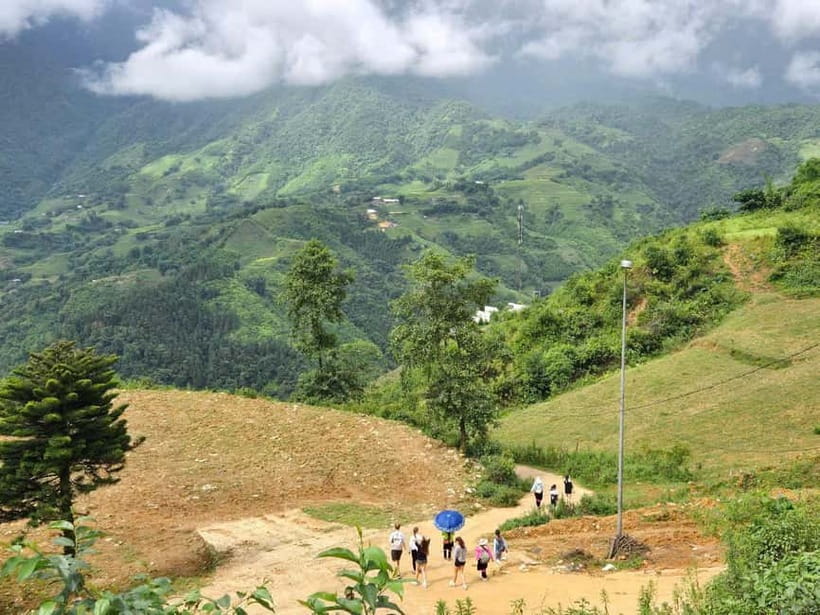
A local English-speaking guide is included, and the guide is central to the trip. The most praised part of the experience is the friendly help and explanation of local life. One guide named Soa received particular praise for answering questions and explaining Sapa and village life clearly.
A good guide also makes the homestays more meaningful. Without interpretation, you may enjoy the scenery but miss the reason local homes, food, farming, and customs matter. The guide is also useful for keeping the route moving and helping with transport connections.
Group organization needs more attention. One person found the excursion well organized overall but warned that you need to contact the operator carefully so you do not board the wrong bus. The return journey has several handoffs, so keep your meeting details, guide contact, and bus instructions close at hand.
Who should book this trip?
I would recommend it to you if you want a first Sapa experience that combines walking, village life, and simple local accommodation. It suits people who value scenery and cultural contact more than private rooms, fixed hotel comforts, or complete control over the schedule.
It is also a good fit if you are coming from Hanoi and want the main transport arranged. The bus journey is long, but it removes the need to arrange separate transfers to Sapa.
I would hesitate if you need a guaranteed strenuous trek, dislike shared accommodation, or are tall and uncomfortable in cramped transport. I would also hesitate if you need every departure time and walking distance to be followed exactly. Ask for written confirmation of the day-two route and whether your group will be combined with another booking.
Cancellation is available up to 24 hours before departure for a full refund. The activity is conducted in English, and pets are not allowed.
Should you book the Lao Chai and Ta Van trek?
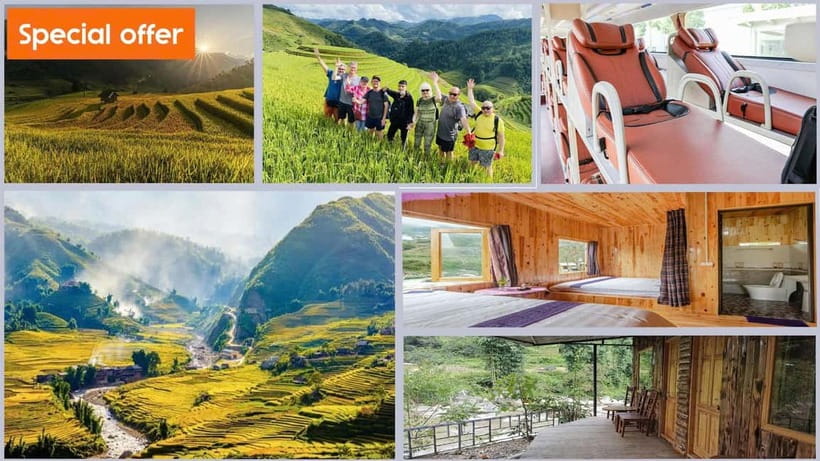
Book it if the idea of sleeping in two village homestays, eating with local families, and walking through the Muong Hoa Valley appeals to you more than hotel comfort. The scenery, friendly guiding, included meals, and $110 price create a strong package.
Before paying, confirm four things: the exact meeting point, the planned walking hours for day two, how you will handle your bags, and whether water is supplied during the trek. Add Fansipan only if you prefer a cable car visit to the final village walk and are ready to pay the extra 850,000 dong.
The trip is best treated as an active, flexible mountain journey, not a tightly controlled luxury tour. With the right expectations, it offers a rewarding look at Sapa beyond the town center.
FAQ
How long is the trip from Hanoi to Sapa?
The limousine bus takes about five and a half hours each way. It makes three short breaks during both the outward and return journeys.
Where does the tour start in Hanoi?
The stated meeting point is 204 Tran Quang Khai Street at about 6:15 a.m. The exact meeting point may vary according to the option booked, so check your booking details.
Where do I stay during the two nights?
You stay on a single mattress in a homestay in Lao Chai San on the first night and in Ta Van on the second night. A private room is not included.
Are meals included?
Yes. The package includes three lunches, two dinners, and two breakfasts. Drinks are not included, and dinner during the return journey to Hanoi is at your own expense.
Is the Fansipan cable car included?
No. The round-trip Fansipan cable car costs 850,000 Vietnamese dong per person. The Fansipan visit is an optional alternative to the standard final morning trek.
What should I bring?
Bring your passport or ID, comfortable trekking shoes, sunglasses, a sun hat, warm clothes, a scarf, sun cream, insect repellent, spending money, and any medication you need.
Is this tour suitable for people with limited mobility?
No. The experience is not suitable for wheelchair users or people with a low level of fitness because it includes long treks, climbs, village paths, and suspension bridges.
More Homestay Treks in Sa Pa
- Muong Hoa Valley Trek & Homestay Experience – 4D3N
★ 5.0 · 42 reviews - Private Hoang Lien National Park & Tribal Village Trek
★ 4.7 · 30 reviews - Sapa: 2-Day Local Guided Valley Trek with Night Homestay
★ 5.0 · 27 reviews - Sapa: Ta Phin Village Trek & Red Dao Herbal Bath
★ 5.0 · 22 reviews
More Fansipan Treks in Sa Pa
- 1 day Fansipan Trekking
★ 5.0 · 180 reviews - 2 Days Fansipan Trekking
★ 5.0 · 84 reviews - 2-Day Fansipan Mountain Trek – Indochina’s Highest Peak
★ 4.3 · 42 reviews - From Sa Pa: Full Day Trek of Fansipan Mountain
★ 4.3 · 10 reviews
Recently added around Sa Pa
- Soob Sapa Trekking Tour★ 4.3 · 3 reviews
- Sapa Trekking – Waterfalls And H’mong Villages★ 5.0 · 2 reviews
- Sapa: Y Linh Ho – Lao Chai, and Ta Van Trekking Day Tour★ 5.0 · 25 reviews
- Sapa Trekking Private Tour With Ethnic Female Tour Guide★ 4.9 · 24 reviews
- Sapa: Trekking Through Terraced Rice Fields & Valley 1 Day★ 4.8 · 4 reviews
- Sapa Trekking Guide Francophone 2 days – 1 night★ 5.0 · 2 reviews
- Sapa: Ta Phin Village Trek with Lunch and Bathing Experience★ 4.7 · 13 reviews
- Sapa small groupe activities: 1 Day trek – Meet the locals★ 4.7 · 3 reviews
Fansipan Treks, compared.

3 Days Luxury Sapa Trek & Fansipan Peak with Dcar
Read our review →
2-Day Fansipan Mountain Trek – Indochina’s Highest Peak
Read our review →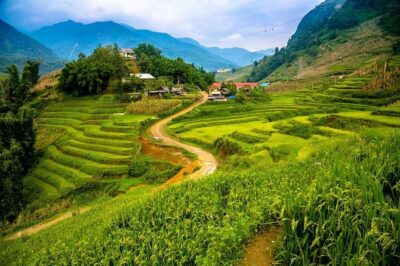
Sapa 2 days 1 night trekking Lao Chai Ta Van – Fansipan mountain by cable car
Read our review →
2-Days Sapa Tour with Fansipan Cable Car Trekking Three Village
Read our review →Browse the lists this tour appears in