
REVIEW · SAPA
Number one top rated ethical cultural trekking and homestay by ETHOS
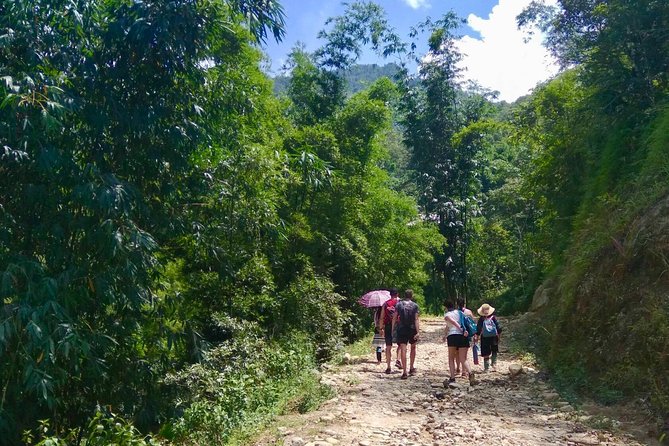
Sapa’s best stories are found on foot. This private ETHOS trek trades crowded viewpoints for rice terraces, bamboo forests, and village paths, with a night in a local homestay. I like the personal format, since your group walks with its own guide, and I like the direct connection with families in the valley. Guides such as Cha, Ha, Ker, My, and Kae have been praised for explaining local customs, plants, and daily life in a warm, personal way.
The main caution is the first day’s distance: about 14 kilometers, or nearly nine miles, with a steep two-kilometer climb. The route is described as moderate rather than extreme, but you need steady fitness and good shoes. Day two is more flexible, yet the experience still depends on weather, uneven paths, and your comfort with a simple village stay.
Key points to know before you book
- A private trek with a minimum of two people: Your group travels on its own rather than joining a large walking party.
- About 14 kilometers on day one: Expect rice terraces, villages, undulating ground, and a steep climb before the homestay.
- A real village homestay: Dinner, breakfast, and time with a host family form the heart of the experience.
- Guides bring the culture to life: Cha, Ha, Ker, My, and Kae have been praised for explaining Hmong and Dao life, plants, family customs, and village routines.
- Day two is built around your pace: You can choose a longer or shorter walk before a taxi returns you to Sapa.
- $93.34 per person includes a lot: Transport, two lunches, dinner, breakfast, water, refreshments, guiding, and accommodation are covered.
Why this Sapa trek feels different
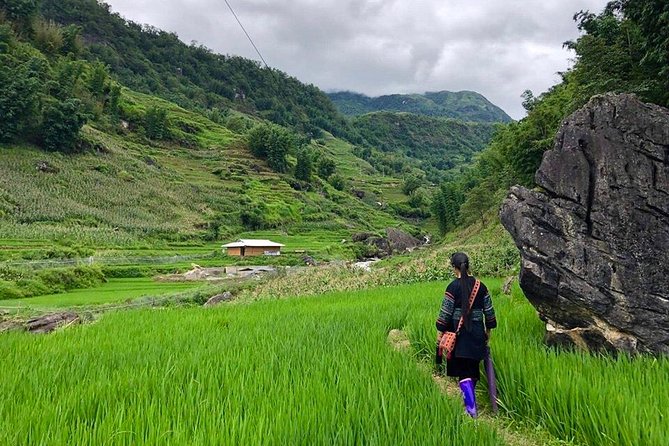
Sapa is famous for its dramatic rice terraces, but a short stop in town can leave you seeing only the polished surface. This two-day trip takes you into the valley and gives you time to walk between villages, speak with local people, and spend the night in a family home.
That extra night matters. A day walk can show you scenery, but a homestay gives the visit a human center. You are not simply passing through a village with a camera. You share a meal, sleep under a local roof, and get a better sense of how families live among the paddies and hills.
ETHOS, or Spirit of the Community, puts that contact at the center of the trip. The experience is presented as ethical cultural trekking, and the strongest part is the link between walking and community life. Your guide does not just point out a terrace or forest. Guides have explained the background of Hmong and Dao communities, introduced families, and talked about plants and ordinary village life.
You should still keep your expectations sensible. This is not a luxury lodge stay or a carefully paved nature walk. It is a private, active trip with a simple homestay and paths that may be steep or rough. That is precisely the appeal for many people, but it is not the right fit if you want a soft adventure with little exertion.
More Homestay Treks in Sapa
- Sa Pa: 2-Day Trekking Trip with Ethnic Minority Homestay
★ 4.7 · 145 reviews - Sapa : 2-Day Trek & Heartwarming Homestay with an Ethnic Family
★ 5.0 · 143 reviews - Sapa Valley Trek and Homestay – 3D2N
★ 5.0 · 105 reviews
Meeting in Sapa at 8:30 in the morning
The day begins at 8:30 a.m. at the ETHOS center, at 79 Nguyen Chi Thanh Street in Sapa. The starting point is near public transportation, and the tour ends back at the same meeting point after the return from the village.
The morning start gives you a full walking day. It also means you should arrive ready to go, rather than treating the first hour as a slow hotel pickup. Since the experience is private, your group can focus on your own pace and interests. If you want more cultural explanation, say so early. If you are worried about the climb, ask your guide how to pace the day.
The guide is an important part of the experience. Names praised in the supplied feedback include Cha, Hoa, Ha, Ker, My, and Kae. Guide assignments can differ, but the recurring strengths are clear: personal stories, useful explanations, friendliness, and a willingness to introduce you to family and village life.
That makes the opening discussion more than a formal briefing. Hoa, for example, was praised for explaining the background before the walking began. This kind of introduction helps you understand what you see later, rather than treating the villages as scenery alone.
Day one: 14 kilometers through terraces and villages
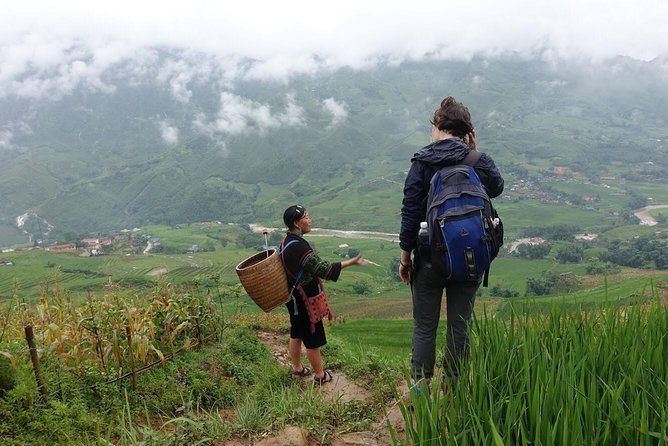
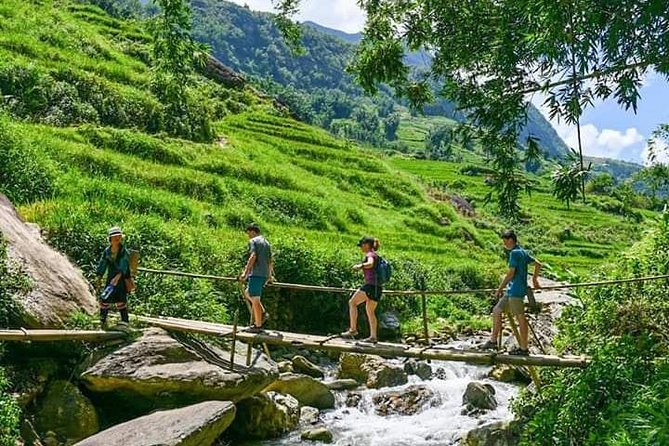
The first six kilometers are described as relatively easy but undulating. You will pass rice terraces and traditional villages, with the route moving through the valley rather than following a single flat track.
Undulating is a polite way of saying that the path goes up and down. It is not the same as a hard mountain climb from the first step, but you will use your legs steadily. Take your time, especially if you have spent the previous days moving around Sapa by road.
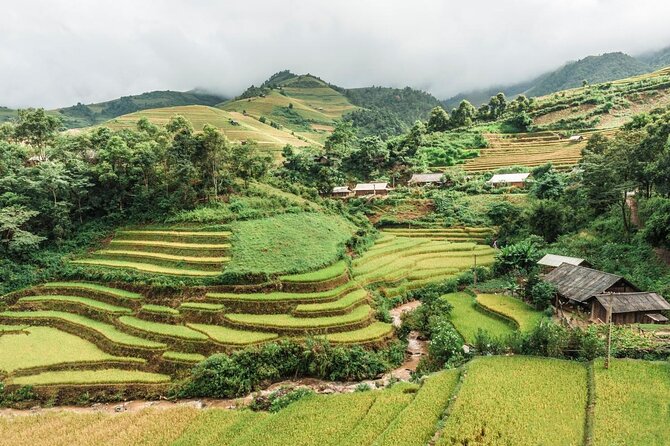
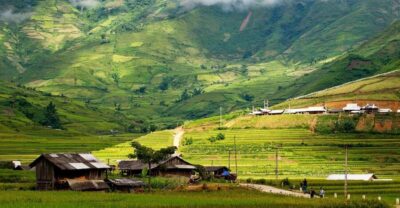
The rice terraces are a major reason to choose this tour. You get changing views as the path crosses hillsides, paddies, and village areas. The scenery is attractive, but the walking gives it scale. You see how paths connect homes and fields, and how villages sit within the working countryside.
After the first six kilometers comes a steep climb of about two kilometers. This is the section to take seriously. The overall fitness requirement is listed as moderate, yet this uphill stretch can feel demanding after several hours on your feet. A good pair of shoes, water, and a steady pace will matter more than speed.
The route also passes bamboo forests. These sections offer a change from open terraces and village lanes, and guides may point out plants or explain how the local environment fits daily life. One of the most praised elements of the trip is the way guides connect the natural setting with people and customs. You are not left to guess what you are looking at.
Lunch is included on both days, with the first lunch tied closely to the host family. The description says you stop to cook and share lunch with your hosts. That detail gives the first day more purpose than a standard picnic stop. You get to take part in a household setting and spend time with people who live in the area.
The exact food and cooking tasks are not specified, so do not book this expecting a particular menu. The value is the shared setting and the chance to learn through ordinary activity. If you have dietary needs, ask ETHOS before booking, since the supplied details do not explain how special diets are handled.
The homestay: simple, social, and central to the trip
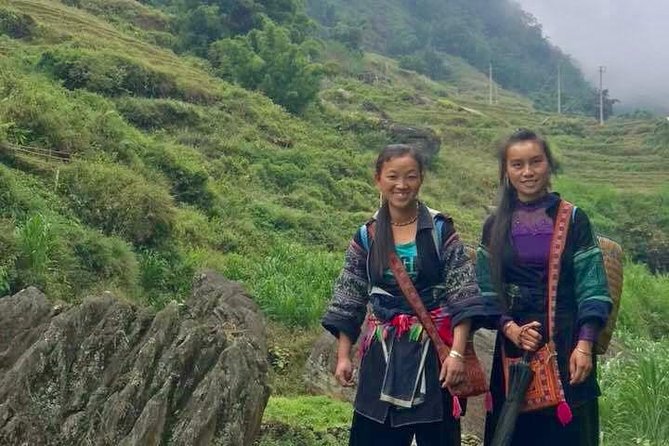
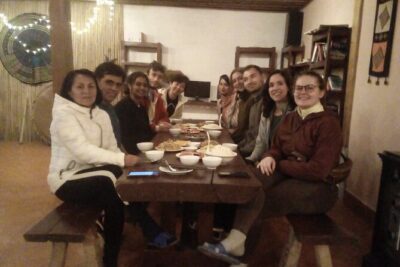
The overnight stay is with a host family in a village among rice paddies. Dinner and breakfast are included, along with the first lunch. Accommodation is described as a homestay, not a hotel, so you should be comfortable with a more basic setup and with sharing space in a family environment.
The best part of a homestay is often the time after the main activity. The walking may show you the valley, but the evening gives you a chance to meet the family and understand the trip as a visit rather than a sightseeing circuit.
Past feedback places strong emphasis on meeting families and seeing ordinary village life. My, for example, was praised for showing how people live in the villages, while Ha was appreciated for explaining family life and local people. Kae was praised for leading the group along paths that would be difficult to find without a local guide.
You should approach the stay with respect and flexibility. Family homes do not operate like tourist hotels, and the experience is better when you accept that difference. Bring only what you need for the overnight portion, keep your belongings manageable, and be ready for a social evening rather than a private resort-style retreat.
The homestay is also where the ethical side of the trip matters most. Money and attention reach a local household, and the exchange is personal. The experience does not reduce village life to a photo stop. You have time to listen, ask questions, and share a meal.
More Homestay Treks in Vietnam
- From Sapa: 2 Days 1 Night Trek Over Night At Homestay
★ 5.0 · 68 reviews - 2 days authentic trekking tour in Sapa ( Homestay – Less touristy )
★ 5.0 · 68 reviews - 3-Day Trek in Amazing Muong Hoa Valley & ethnic Homestay
★ 5.0 · 49 reviews - Muong Hoa Valley Trek & Homestay Experience – 4D3N
★ 5.0 · 42 reviews
Day two: choose your distance before the taxi back
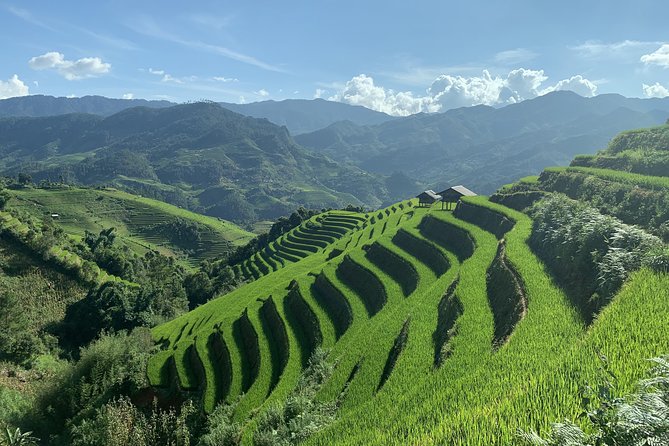
The second morning is less fixed than the first. You continue walking, with flexibility over both distance and challenge, then take a taxi back to Sapa in the afternoon.
This arrangement is useful because your legs may feel the first day. You can choose a gentler outing or ask for more walking if you are comfortable. The supplied details do not give a fixed second-day mileage or a specific destination, so discuss your preference with the guide rather than assuming a standard route.
That flexibility is one of the strongest practical features. A rigid second day could be tiring after the long first walk. Here, your group has room to adjust. The private format also makes it easier to focus on your own ability instead of keeping up with a large group.
The taxi return is included as private transportation. It saves you from retracing the entire route on foot and gets you back to Sapa after the morning walk. Since the tour ends at the original meeting point, the arrangement is straightforward, but you should keep your afternoon reasonably open.
What $93.34 per person really covers
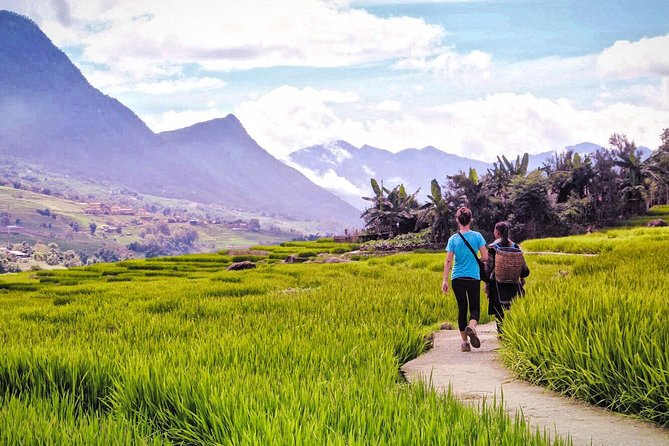
At $93.34 per person, this is not the cheapest way to see Sapa. It is also more than a simple half-day walk because the price covers two days, a private guide, village accommodation, meals, refreshments, and the return transport.
Included are:
- Private transportation
- Homestay accommodation
- Two lunches
- Dinner
- Breakfast
- Water and refreshments
That package gives the price solid value if you want cultural contact and do not want to arrange each part yourself. You are paying for the guide’s local access and interpretation, not only for a route through pretty scenery.
The private format improves the value for couples, friends, or family groups. A minimum of two people is required, and only your group takes part. Solo visitors cannot book this particular arrangement under the stated terms, but two people can share the experience without being folded into a larger party.
Travel insurance is not included. You need to arrange that separately, especially since the route includes a long walking day and the activity depends on suitable weather. If poor weather cancels the trip, ETHOS offers another date or a full refund.
The cancellation terms are worth noting without making them the center of your planning. You can receive a full refund if you cancel at least three full days before the local start time. Changes or cancellations inside that window are not accepted or refunded.
The walking demands and what to pack
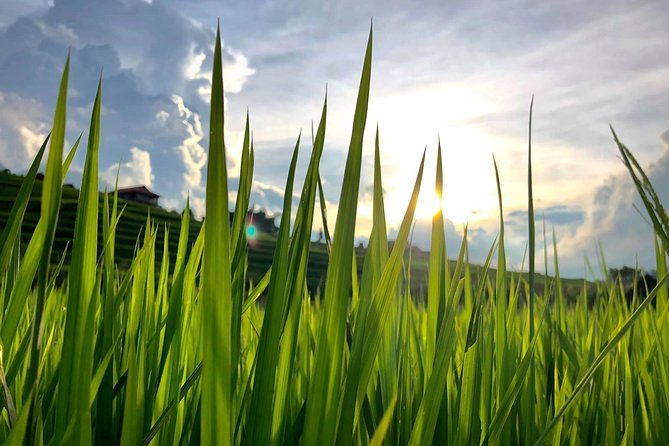
You need moderate physical fitness for this trip. The first day covers around 14 kilometers, and the two-kilometer climb can be steep. The terrain is not described as technical, but the route includes uneven village paths, terraces, forest sections, and hills.
I would prepare for a proper day outdoors:
- Comfortable walking shoes with dependable grip
- Light clothing that can handle changing conditions
- A small overnight bag
- Water, even though water and refreshments are included
- Weather protection
- Travel insurance
You do not need to chase speed. The private setup lets you walk at a sensible rate, and the point is to notice the countryside and talk with your guide. A rushed pace would undercut the cultural side of the trip.
Weather can affect the experience. The tour requires good conditions, and poor weather may lead to a new date or refund. That policy is practical for a route where paths may become harder to manage in wet conditions.
Who will enjoy this experience most
I would choose this trek if you want Sapa to feel like a place with people and working villages, not just a viewpoint. It suits couples, friends, and families with older children who can handle a long walking day.
It is particularly good for you if you value:
- A private guide
- Local family contact
- Hmong and Dao cultural context
- Rice terraces and bamboo forests
- Flexible walking on the second day
- A trip that supports community-based tourism
It is less suitable if you dislike uphill walking, simple accommodation, or uncertain route details. The first day is long, and the second day does not come with a fixed published distance. You should also avoid booking it if your main goal is luxury, fast sightseeing, or a fully scheduled program.
The guide can shape the experience. Cha was praised for insight into local life, Ker for being gracious and fun, and My for showing daily village life. Ha and Kae were also praised for personal explanations and for taking groups along less obvious paths. You cannot guarantee a particular guide, but those accounts show the kind of leadership ETHOS aims to provide.
Should you book the ETHOS two-day trek?
Book it if you want a personal, active introduction to Sapa and are happy to trade hotel comfort for time with a village family. The strongest reasons are the private format, the excellent guide feedback, the shared meals, and the chance to see how terraces, forests, homes, and family life fit together.
Think twice if 14 kilometers and a steep two-kilometer climb sound unpleasant. Ask about your likely route, sleeping arrangements, food needs, and guide availability before paying. For the right person, $93.34 buys far more than a walk: it buys time, context, and a respectful connection with the valley.
FAQ
Where does the tour start?
It starts at the ETHOS, Spirit of the Community center at 79 Nguyen Chi Thanh Street in Sapa, Vietnam.
What time does the tour begin?
The start time is 8:30 a.m.
How long does the experience last?
The experience lasts approximately two days and includes one night in a village homestay.
How far is the first day’s trek?
The first day is approximately 14 kilometers, or about nine miles.
Is the tour private?
Yes. Only your group participates, and a minimum of two people is required for the booking.
What meals are included?
The price includes one dinner, one breakfast, and two lunches.
Is transportation included?
Yes. Private transportation is included, and a taxi brings you back to Sapa on the second afternoon.
What fitness level is needed?
A moderate physical fitness level is recommended. The first day includes undulating ground and a steep climb of about two kilometers.
What happens if bad weather cancels the tour?
You can choose a different date or receive a full refund if the experience is canceled because of poor weather.
Recently added around Sapa
- Soob Sapa Trekking Tour★ 4.3 · 3 reviews
- Sapa Trekking – Waterfalls And H’mong Villages★ 5.0 · 2 reviews
- Sapa Trekking Private Tour With Ethnic Female Tour Guide★ 4.9 · 24 reviews
- Sapa: Trekking Through Terraced Rice Fields & Valley 1 Day★ 4.8 · 4 reviews
- Sapa: Y Linh Ho – Lao Chai, and Ta Van Trekking Day Tour★ 5.0 · 25 reviews
- Sapa Trekking Guide Francophone 2 days – 1 night★ 5.0 · 2 reviews
- Sapa: Ta Phin Village Trek with Lunch and Bathing Experience★ 4.7 · 13 reviews
- Sapa: Ta Phin Village Trek & Red Dao Herbal Bath★ 5.0 · 22 reviews
Homestay & Village Treks, compared.
2-Day Sa Pa Ethnic Homestay Tour & Trek with Limousine Bus
Read our review →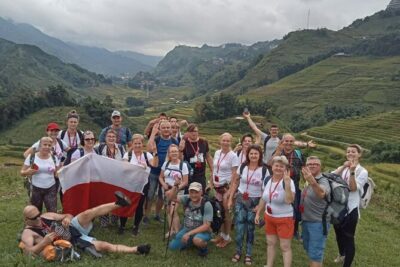
Sapa 3 Day 2 Night Trekking With Hotel & Homestay
Read our review →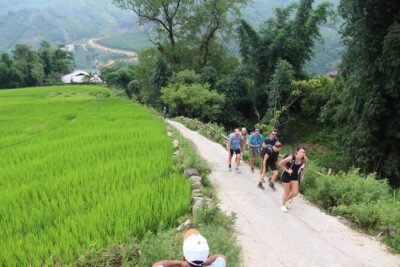
Sapa 2 Days 1 Night Overnight At Local Homestay
Read our review →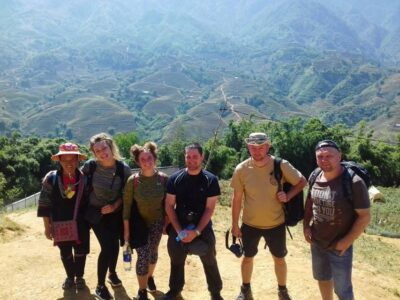
2-Day Trekking Trip with Ethnic Minority Homestay
Read our review →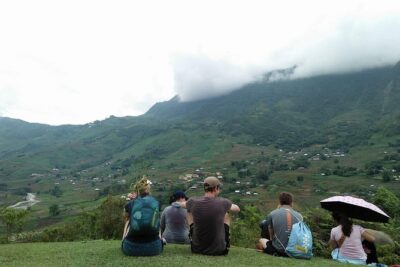
2-Day Trek & Heartwarming Homestay with an Ethnic Family
Read our review →
Browse the lists this tour appears in