
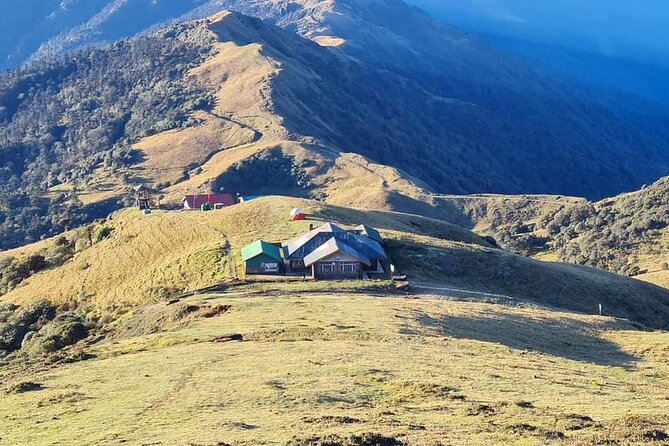
REVIEW · DARJEELING
Singalila Trek from Darjeeling
Four of the world’s highest peaks in one walk. The Singalila Trek gives you a rare chance to see Everest, Kanchenjunga, Lhotse, and Makalu while walking along a ridge between India and Nepal. I like the cross-border route, the small family-run guesthouses, and the way local guides connect you with the area rather than simply leading you from one stop to the next. The main catch is that this is still a serious mountain trek, not a gentle sightseeing outing, and weather can hide the grand views.
I also like that the $476 price includes transport before and after the trek, meals, a sleeping bag, a private room when available, and a trained local guide. That makes the cost easier to understand than a low headline price with every useful extra removed. You should still budget for insurance and possibly a porter, charged at ₹1,400 per day.
Six useful facts before you book
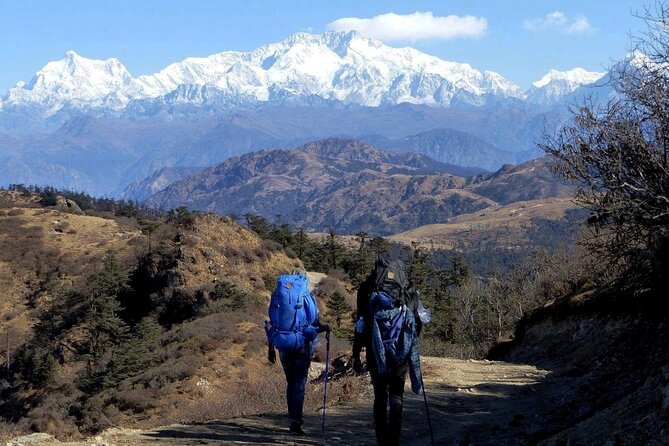
- The four-peak view is weather dependent: Everest, Kanchenjunga, Lhotse, and Makalu may all be visible, but clear skies are never guaranteed.
- The route crosses India and Nepal: You move in and out of Nepal along the ridge, with no Nepal visa required according to the tour information.
- Sandakphu is the key high point: This is the main destination and the place most closely tied to the famous Himalayan panorama.
- Local homestays are part of the appeal: You stay in family-run guesthouses with private rooms, rather than a standard hotel chain.
- The guide makes a real difference: The guide team has included people such as Tenzi, Jigme, and Nhikil, with strong local knowledge of plants, birds, and village life.
- The trek can be adjusted in some cases: Previous outings have included two-day, four-day, and six-day versions, with guides adapting plans to fitness and available time.
Walking the old Singalila Ridge from Darjeeling
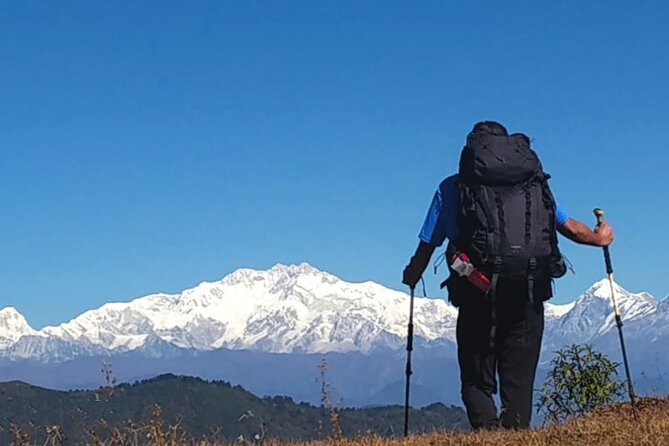
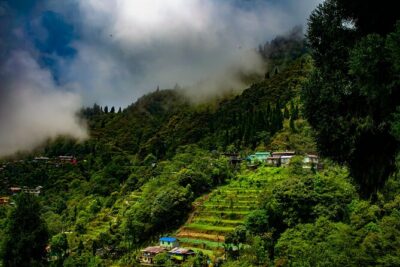
The Singalila Ridge is one of Asia’s older trekking routes, and its appeal comes from the setting as much as the walking. You follow a high mountain ridge near the India-Nepal border, passing through Singalila National Park and reaching Sandakphu, the trek’s major goal.
This is not a route built around polished visitor facilities. The charm comes from simple villages, forest paths, family homes, and long views when the clouds lift. You get a few days away from constant phone use and road noise, though you should not expect total isolation or luxury.
The tour begins at 8:00 am, with pickup offered and transport in a company car before and after the trek. That matters because the journey from Darjeeling to the trailhead is part of the practical challenge. You do not need to arrange every transfer yourself, and the private-tour format means your group can move at its own pace more easily than a large scheduled departure.
The usual starting point is Manebhanjang, described as a Sherpa village. From there, the route enters the high ridge country and Singalila National Park. The exact daily schedule can vary, especially on a private trek, so you should confirm the night-by-night plan before departure.
A few more treks around India worth a look
- Half day trekking (munnar valley Trekking & Tours )
★ 5.0 · 310 reviews - Nag Tibba 2 Days Trek (Pantwari to Pantwari)
★ 5.0 · 274 reviews - Bhrigu Lake and Alpine Meadow Trek
★ 5.0 · 121 reviews
Entering Singalila National Park near Manebhanjang
Manebhanjang is the gateway to the trek and the point where the experience changes from a Darjeeling hill trip into a mountain walk. You begin among Sherpa communities, then move toward forest and ridge trails.
The national park is especially appealing if you enjoy plants and wildlife. Rhododendrons and orchids are important features of the route, and the wooded sections can feel very different from the open mountain viewpoints. Spring is a strong season for flowers, while autumn is often favored for mountain views, according to the practical advice gathered from past outings.
Birdwatching is another pleasant surprise. One guide, Nhikil, was praised for helping identify rare birds and explaining local nature. That detail gives you a clue about the best way to approach this trek: slow down occasionally. If you rush every uphill section, you may miss much of what makes the forest special.
There is also the possibility of seeing a red panda. The chance is described as very small, so you should treat this as a lucky bonus rather than a promise. The same applies to clear views of all four major peaks. Singalila offers the viewpoint, but the weather decides how much you actually see.
The drawback here is simple: forest walking may not deliver the instant mountain drama you expect from photographs. Clouds, trees, and mist can block the horizon. I would consider the forest a major part of the trip, not merely a route to the viewpoint.
Sandakphu and the Himalayan panorama
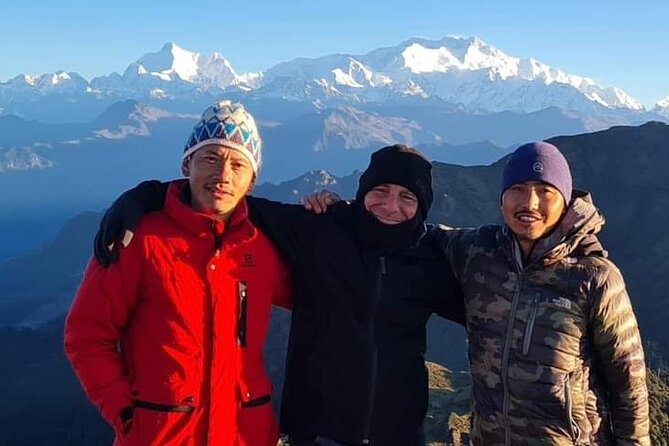
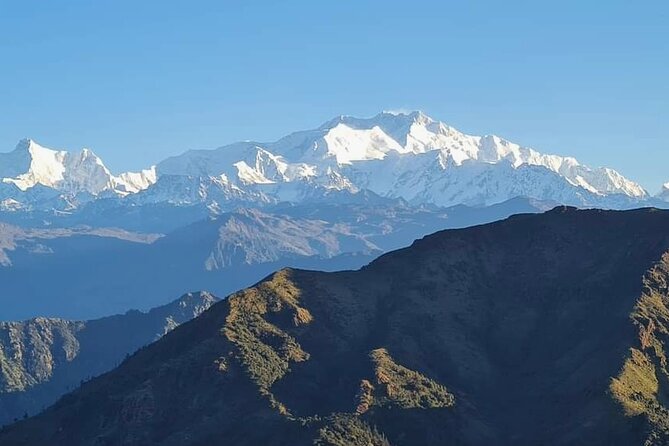
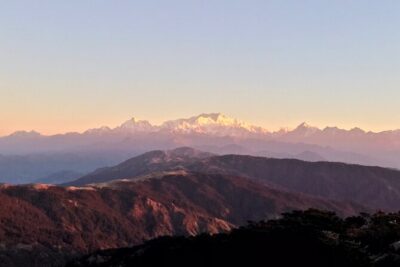
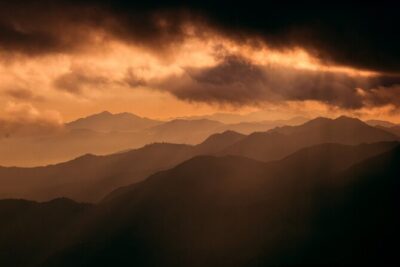
Sandakphu is the central prize of the route. From the high ridge, you may see Everest, Kanchenjunga, Lhotse, and Makalu, four of the five highest mountains in the world. Few walks offer such a concentrated set of famous peaks from one route.
The views are the reason many people choose this trek, but they require patience. Clear skies produced particularly strong outings, while poor weather made the scenery less reliable. Bring the right expectations: you are booking access to a spectacular viewpoint, not a guaranteed postcard.
Sandakphu also gives the trek a clear sense of purpose. The days of climbing, forest walking, and village stops lead toward one defining destination. At the same time, the route is not only about reaching the summit area. The ridge itself, with its shifting border and changing views toward India and Nepal, is part of the experience.
The high altitude is the main physical consideration. The tour description calls for moderate fitness, and basic medical supplies, including high-altitude sickness pills, are included. That should not replace your own preparation or insurance. If you have concerns about altitude, ask the operator how the six-day plan handles acclimatization and what happens if you need to shorten a walking day.
The route has also been offered in reverse form and in shorter versions. That flexibility can help if your time is limited, but it also means the exact level of difficulty depends on the version you book. Ask for daily walking distances, elevation changes, and overnight locations before paying.
Crossing between India and Nepal on foot
One of the unusual features is the repeated movement across the India-Nepal border. You walk in and out of Nepal along the ridge, giving the trek a distinct cross-border character without arranging a separate Nepal itinerary.
The tour information states that no visa is required to enter Nepal on this route. Immigration rules can change, so I would still confirm the current requirement before departure and carry the identification requested by the operator. Do not assume that a border crossing removes every document requirement.
This border setting adds interest without turning the trip into a formal sightseeing tour. You are not stopping at major monuments or cities. Instead, the border is part of daily life on the ridge, with villages and paths that have seen less modern development than Darjeeling.
That simplicity is a major strength for people who want a break from the usual tourist circuit. You get time to watch the route unfold slowly, eat meals prepared in small guesthouses, and see how local communities support life in a high mountain area.
Same trailhead, a longer or shorter day out:
- Har Ki dun Trek by Himalaya Shelter
★ 5.0 · 102 reviews - Wild Elephant Anakulam & Waterfalls Tour(munnar valley Trekking)
★ 5.0 · 98 reviews - Friendship Peak Trek
★ 5.0 · 94 reviews - Half Day Hiking in Munnar Trekking Tour
★ 5.0 · 89 reviews
Homestays, tea, and the value of the $476 price
The $476 per-person price covers about six days and includes several items that can add up quickly on a trek. You receive breakfast, lunch, and dinner, along with generous tea and coffee. A down sleeping bag with a freshly laundered fleece liner is also provided.
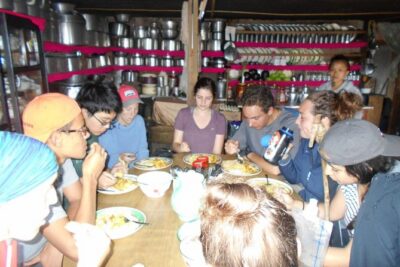
Accommodation is in the best available family-run homestay or guesthouse, with a private room. That phrase is worth reading carefully. This is not a promise of hotel-standard facilities, and conditions may vary from one village to another. The benefit is a more personal, local stay and less need to carry camping equipment.
Transport in a well-maintained company car is included before and after the trek. You also get a government-registered, trained guide from the area. Hiring locally is valuable here because the guide can explain the route, help with practical decisions, and add context about plants, birds, villages, and the border region.
The price looks fair if you use most of what is included. Meals, vehicle transfers, accommodation, sleeping equipment, and guiding are not small extras. The value is weaker if you already have transport arranged, carry your own sleeping bag, or prefer to camp independently.
Two costs remain outside the package. Alcoholic drinks are not included, and neither is trek insurance. Porters cost ₹1,400 per day if you need one. A porter could make the walk more comfortable, especially if you are carrying clothing for changing mountain conditions, but you should arrange this in advance and confirm what the porter will carry.
The guides and the human side of the trek
The strongest part of the experience may be the local guiding. The guide team has included Tenzi, Jigme, and Nhikil, and each name is associated with a different strength in past outings.
Tenzi was praised for careful organization and thoughtful handling of a family group. Jigme was described as calm and friendly, especially on a four-day walk through forest. Nhikil brought strong interest in birds, plants, and local life. These details matter because a mountain guide is more than someone who points out the trail.
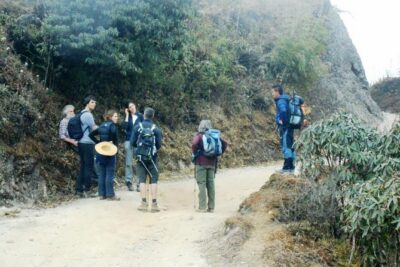
Good guiding is especially useful when fitness levels differ. A guide has adapted walks to suit physical needs and available time, which is one benefit of booking a private activity. Your group is not tied to strangers or to a fixed pace designed for the average person.
Still, the private format does not make the mountains easy. Your guide can adjust the plan, but you remain responsible for being fit enough to walk for several days. If one person in your group is much slower or has altitude concerns, discuss this before arrival.
Food, comfort, and what to pack
All main meals are included, with tea and coffee available in generous amounts. On a cold ridge trek, that is practical rather than decorative. Warm drinks give you a reason to pause and help make simple guesthouse evenings more comfortable.
The tour does not provide alcohol, so do not count on buying drinks as part of the package. More importantly, ask about any dietary restrictions when you book. The supplied information confirms meals are included, but it does not specify menus or special-diet arrangements.
The sleeping bag and fleece liner reduce the amount of bulky gear you need to bring. You should still pack warm layers, waterproof clothing, sturdy footwear, and personal medicines. The supplied medical kit includes basic items and high-altitude sickness pills, but it is not a replacement for personal medical preparation.
Because the weather can change the whole feel of the route, pack for both wet and cold conditions. A clear day at Sandakphu can be magnificent, while a misty day may feel damp and quiet. Both are part of the trek, but you will enjoy either one more if your clothing is up to the job.
Who will enjoy this trek most
This is a good match for you if you want mountain scenery but also care about local contact and simple accommodation. It suits people who prefer a private guide, small-group pace, and a route with more character than a standard day trip from Darjeeling.
It also works well for families and friends who want to adjust the plan around fitness. Past trips have included family groups, couples, and friends, with durations ranging from a day walk to a full six-day journey. The operator has shown flexibility, but you should not assume every version includes the same route or high point.
The trek is less suitable if you want guaranteed views, polished hotels, or a completely fixed schedule. It may also disappoint you if you are looking for a soft adventure with minimal uphill walking. Moderate fitness is required, and altitude adds a separate challenge.
Nature enthusiasts have an extra reason to choose it. Rhododendrons, orchids, birds, and the possibility of red panda sightings make the forest sections meaningful even when clouds cover the peaks.
Booking details, weather, and cancellation
Confirmation is provided at booking, and a mobile ticket is available. Pickup is offered, with the listed start time at 8:00 am. Since this is a private activity, only your own group participates.
The trek requires suitable weather. If conditions force cancellation, you can choose another date or receive a full refund. The same applies if the minimum number of participants is not met. You can cancel for a full refund up to 24 hours before the start time, but changes or cancellations inside that period are not accepted.
I would also confirm the precise meeting point, the daily walking schedule, the current border requirements, and porter arrangements before leaving Darjeeling. Those questions are more useful than simply asking if the trek is difficult.
Should you book the Singalila Trek?
You should book this trek if your priority is a memorable Himalayan route with four major peaks, local guiding, and a genuine village stay. The included transport, meals, sleeping bag, private room, and guide make $476 a reasonable package price, especially for a private six-day outing.
You should pause if your fitness is uncertain, you need hotel comforts, or you would be upset by clouds blocking Everest and the other peaks. Ask for the exact route and elevation plan, pack seriously for mountain weather, and consider the extra cost of a porter and insurance.
For the right person, the reward is not just one big viewpoint. It is the combination of forest, flowers, border paths, quiet villages, warm tea, and the chance that the clouds finally open over the highest mountains on earth.
FAQ
How long does the Singalila Trek from Darjeeling last?
The advertised experience lasts approximately six days. Shorter versions, including two-day and four-day outings, have also been arranged.
Which mountains can you see?
The route can provide views of Mount Everest, Kanchenjunga, Lhotse, and Makalu. Clear weather is required, so the views are not guaranteed.
Does the trek cross into Nepal?
Yes. The route moves in and out of Nepal along the Singalila Ridge. The tour information states that no Nepal visa is required for this crossing.
Are meals and accommodation included?
Yes. Breakfast, lunch, dinner, tea, and coffee are included. Accommodation is in the best available family-run homestay or guesthouse, with a private room.
Is a porter included?
No. Porters are optional and cost ₹1,400 per day during the trekking days.
What happens if bad weather cancels the trek?
You can choose a different date or receive a full refund if poor weather causes the experience to be canceled.
Recently added around India
- Prashar Lake Trek★ 5.0 · 7 reviews
- Kasol + Kheerganga Trek 3D/2N, all inclusive with BanBanjara★ 3.5 · 3 reviews
- Jogini Waterfall Trek from Manali★ 5.0 · 2 reviews
- 8 Days Markha Valley Trek: Shared Tour with Meals Included★ 5.0 · 3 reviews
- Ladakh One Day Trek- Gyamtsa to Phyang Village★ 5.0 · 4 reviews
- Ladakh Sham Valley Trek★ 5.0 · 7 reviews
- 1 Day Activity Adventure Trekking Kerala★ 5.0 · 5 reviews
- Kolukkumalai Trekking with Night stay in Tent★ 5.0 · 2 reviews
Darjeeling Trekking Tours, compared.
Tiger Hill Darjeeling Nature Walk (3 Hours Guided Trekking Experience)
Read our review →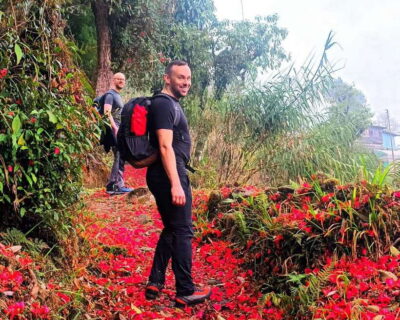
Browse the lists this tour appears in