
REVIEW · INDIA
Friendship Peak Trek
High altitude makes every step count. This private eight-day Friendship Peak Trek gives experienced hikers a guided route into the Pir Panjal range, with camping, cooked meals, technical gear, and a serious summit attempt at 17,348 feet. I like the private format, which lets your group move at its own pace, and I like that the package includes snow boots, tents, sleeping bags, safety equipment, a cook, and trained trek leaders.
The main caution is simple: this is not a first Himalayan trek. You need previous high-altitude experience, strong fitness, and the patience to accept a weather delay or an unsuccessful summit attempt. You also carry your personal bag, so the price does not buy you a completely hands-free climb.
Key Details Before You Book
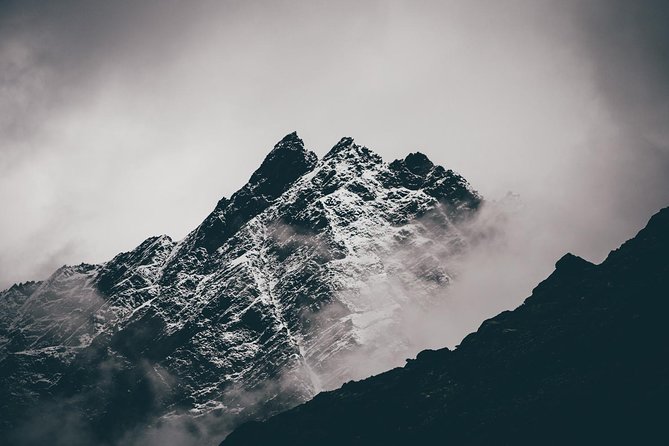
- The summit reaches 17,348 feet: Expect thin air, cold conditions, snow, and a demanding summit day.
- Two nights in Manali are included: You stay in a hotel or guesthouse before and after the mountain section.
- The route uses staged camps: Bakarthatch, Advance Base Camp, and Camp 1 allow time for acclimatization.
- Your group is private: Only your party joins the activity, with a guide, cook, helpers, and porters for shared supplies.
- Technical gear is supplied: Snow boots, helmet, gaiters, ice axe, tents, sleeping bags, mats, and safety equipment are included.
- The best seasons are May to June and September to October: Even then, weather can affect the summit plan.
Why Friendship Peak Is More Than a Scenic Hike
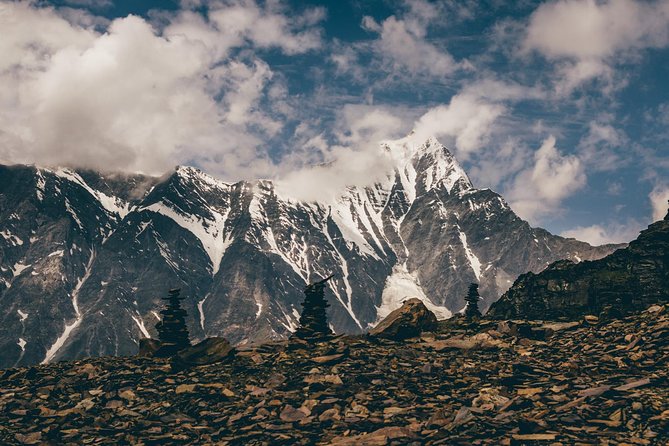
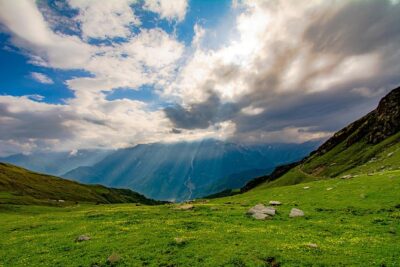
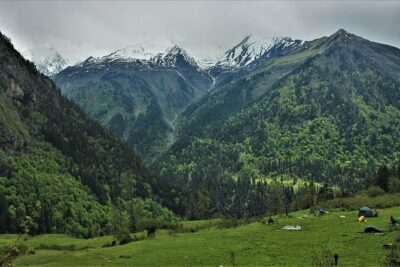
Friendship Peak sits in Himachal Pradesh’s Pir Panjal range, above Manali. The route passes through alpine meadows, dense forest, and several streams before the terrain becomes more severe and snow equipment becomes important.
The reward is not just the summit photograph. From high on the route, you may see the Pir Panjal, Dhauladhar, and Great Himalayan ranges. Peaks named in the trip details include Hanuman Tibba, Shitidhar, Indra Asan, and Deo Tibba.
That variety gives the trek a good rhythm. Lower sections offer forest and meadow scenery, while the upper route shifts toward snow, exposure, and mountaineering technique. You get a fuller Himalayan experience than on a short valley walk, but you also accept more discomfort and risk.
The route is not described with exact daily distances or elevation gains, so you should ask for those before paying. At this height, distance alone does not tell you how difficult a day will feel.
A few more treks around India worth a look
- Half day trekking (munnar valley Trekking & Tours )
★ 5.0 · 310 reviews - Nag Tibba 2 Days Trek (Pantwari to Pantwari)
★ 5.0 · 274 reviews - Bhrigu Lake and Alpine Meadow Trek
★ 5.0 · 121 reviews
Day 1: Arriving in Manali and Getting Settled
The first night is in Manali, with hotel or guesthouse accommodation included. This gives you time to arrive, meet the team, check equipment, and prepare for the trail.
Manali is also a useful place to notice how your body feels before the trek begins. Do not treat this night as an excuse for a late arrival and a rushed start. The next morning involves a drive to Solang, followed by a mountain hike.
The supplied information does not specify airport transfers, so pickup should be confirmed before booking. Pickup is offered, but the exact point and timing are not stated.
Day 2: Solang to Bakarthatch
The mountain section begins with a drive from Manali to Solang. From there, you trek toward Bakarthatch, your first camping area.
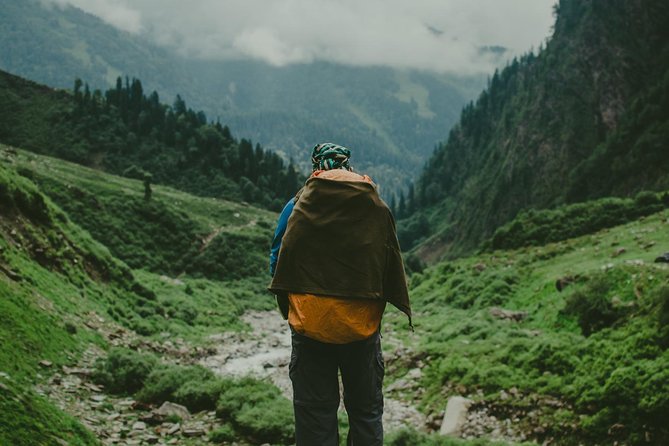
This is an important transition day. You leave the road behind and begin walking through the Pir Panjal terrain, with forest, meadows, and streams forming much of the early scenery. The route gives you a chance to settle into the pace before the highest sections arrive.
Lunch begins the included trek meals, followed by food prepared by the camp cook. Food quality has been one of the strongest points in the available feedback, with repeated praise for generous meals, dependable timing, and capable kitchen staff. That matters more than it sounds. On a hard mountain day, a hot meal is part of your energy plan, not just a pleasant extra.
You carry your own personal bag, so pack carefully. Porters carry common supplies, but your own clothing, water, and personal equipment remain your responsibility.
Day 3: Bakarthatch to Advance Base Camp
The third day moves from Bakarthatch to Advance Base Camp. By now, the route should feel less like a forest trek and more like an approach to a high mountain objective.
Advance Base Camp is a useful staging point because it places you closer to the summit route without rushing directly upward. The change in altitude can be demanding, so move steadily and follow the guide’s advice rather than trying to prove your speed.
Camping at this height also tests your comfort with basic mountain living. You sleep in twin-sharing tents, using the provided sleeping bag and mat. The camping setup saves you from carrying a full load of equipment, but it does not remove the cold, early starts, or limited personal space that come with an expedition-style trek.
Same trailhead, a longer or shorter day out:
- Har Ki dun Trek by Himalaya Shelter
★ 5.0 · 102 reviews - Wild Elephant Anakulam & Waterfalls Tour(munnar valley Trekking)
★ 5.0 · 98 reviews - Half Day Hiking in Munnar Trekking Tour
★ 5.0 · 89 reviews - Singalila Trek from Darjeeling
★ 5.0 · 79 reviews
Day 4: Load Ferry to Camp 1 and Back
Day 4 is a load ferry day. You carry supplies to Camp 1, then return to Advance Base Camp.
This may look less exciting than a summit push, but it serves a real purpose. Carrying equipment upward and returning to sleep lower helps the team prepare for the higher camp. It also lets you see part of the summit route without committing to a long stay at altitude.
The phrase load ferry also tells you something about the character of this trip. It is not simply a walk from one campsite to the next. The schedule includes mountain logistics, acclimatization, and preparation for a technical summit attempt.
You should ask how much of your personal gear you will need to carry on each day. The package includes porters for common supplies, but personal bag portage is specifically excluded.
Day 5: Acclimatization and Moving to Camp 1
The fifth day combines acclimatization with a move to Camp 1. Your body now has more time to adjust before the main summit attempt.
This is one of the most valuable parts of the schedule. A rushed itinerary might look efficient on paper, but high altitude rewards patience. A slower plan gives the team more time to judge energy levels, cold tolerance, and weather conditions.
Camp 1 puts you in position for the summit attempt. It may also be the least comfortable night of the trek, since you are higher and closer to the snow route. The exact campsite facilities are not provided, so expect camping rather than lodge comforts.
The expedition includes snow boots, helmet, gaiters, and an ice axe. Safety equipment includes static rescue rope, harnesses, carabiners, pulleys, snow stakes, and related gear. A mountaineering-course-certified trek leader with first-aid and special rescue training is also included. These details do not make the route safe for everyone, but they show that the summit section requires more than ordinary hiking.
Day 6: Summit Attempt and Return to Base Camp
The summit attempt is the defining day. From Camp 1, you aim for Friendship Peak at 17,348 feet, then return to Base Camp.
You should prepare for a long, cold, physically demanding day. The exact start time, route length, and technical sections are not stated, so ask the operator for a full summit-day briefing. Conditions can change quickly at this elevation, and the guide may turn the group around if weather, snow, visibility, or fatigue creates too much risk.
A summit is never guaranteed. That is especially important here because the package includes a reserve day, and the cancellation terms note that poor weather may force a change of date. The reserve day improves your odds, but it does not promise success.
The strongest feedback about this trip focuses on supportive trek leaders, good food, proper organization, and encouragement during difficult summit pushes. One account describes a participant nearly giving up before the trek leader helped four people reach the top. That is a useful picture of the human side of the climb: strong leadership can help you manage a hard moment, but it cannot replace fitness or preparation.
If you reach the summit, the views should be the high point of the trek. The panorama includes several major ranges and named Himalayan peaks. Still, keep your expectations practical. Weather may hide much of the view, and the summit itself is not the whole experience. The descent back to Base Camp is also tiring and requires care.
Day 7: The Reserve Day You Hope Not to Need
Day 7 is held as a reserve day. It may be used for a delayed summit attempt or for weather-related changes to the mountain schedule.
A reserve day is a good sign in a high-altitude itinerary. It gives the team room to respond to real conditions instead of forcing the schedule to match a printed timetable. You should not assume that it will be a free rest day.
If the summit goes ahead on Day 6, the reserve day may still be used for recovery or schedule adjustments. The exact plan depends on conditions and the guide’s judgment.
Day 8: Returning to Solang and Manali
The final day takes you from Base Camp back to Solang, followed by the drive to Manali. The trip includes the final night in Manali, with dinner included according to the meal plan.
This return gives you a softer landing after the mountain section. A hotel night is valuable after several nights in tents, particularly if you have been cold, tired, or dealing with wet clothing.
The plan ends in Manali rather than at the summit, which is helpful for arranging onward travel. Still, do not schedule a tight connection immediately after the trek. A delayed summit attempt or slow descent could change the timing.
The Gear and Support Package
The equipment list is one of the strongest reasons to consider the $898.79 price. You receive tents on a twin-sharing basis, sleeping bags, sleeping mats, snow boots, a helmet, gaiters, and an ice axe.
The team also carries safety equipment for snow and rope work. Forest permits and camping charges are included where applicable, as are IMF fees for foreign nationals. Food begins with lunch on Day 2 and continues through dinner on the last day in Manali.
The support staff includes an expedition guide, cook, helpers, porters for common supplies, and a trek leader with mountaineering-course, first-aid, and special rescue training. Feedback repeatedly praises the kitchen staff and the supportive, professional approach of the leaders. That is particularly useful on a private trek, where the quality of the team has a direct effect on your day.
You still need to bring suitable personal clothing and manage your own personal bag. Travel insurance is not included, and the package does not cover expenses outside the stated inclusions.
Is $898.79 Good Value?
At $898.79 per person, this is not a cheap mountain holiday, but it is more than a guided walk. The price covers two hotel or guesthouse nights, camping equipment, meals on the trek, snow gear, permits and camping charges where applicable, trained staff, porters for common supplies, and a private group arrangement.
You are also paying for preparation. The load ferry, acclimatization day, reserve day, and staged camps all require additional staff, food, transport, and equipment. Those elements make the price easier to understand than a basic trekking package with only a guide and tent.
The value is strongest if you need supplied gear and want a private group rather than a large fixed batch. It is weaker if you already own all the equipment, want a short scenic hike, or expect porters to carry your personal backpack.
Group discounts may be available, and pickup is offered. Confirm both before booking, along with the exact vehicle arrangements, baggage rules, and personal equipment list.
Fitness and Experience: Read This Twice
The operator requires a strong fitness level and recommends at least two or three challenging treks, plus 20 to 25 total trekking days in the Himalayas or similar mountain ranges.
The fitness benchmark is also clear: jog or run 5 kilometers in 25 to 30 minutes, or walk 10 kilometers continuously on level ground with three or four short breaks. A slight incline is better preparation.
These numbers are a screening guide, not a guarantee. High altitude affects people differently, and the summit includes cold, snow, and possible rope work. You should be comfortable walking for several hours, carrying your personal bag, sleeping in tents, and continuing when the route becomes physically uncomfortable.
This trip suits experienced hikers who want a supported summit attempt without joining a large public group. It does not suit a first-time trekker, someone looking for a relaxed Manali excursion, or anyone who cannot commit to serious training.
What the Feedback Tells You About the Operator
The most consistent praise centers on four things: food, trek leaders, staff support, and organization. People repeatedly describe the meals as excellent, the kitchen staff as dependable, and the guides as encouraging and professional.
Bikat Adventures also receives praise for handling small requests and keeping food and snacks on schedule. That practical care matters when you are tired, cold, and far from a road.
The feedback covers several Bikat treks, not only Friendship Peak, so you should not treat every comment as a precise account of this route. Still, the Friendship Peak-specific comments are positive, with the food, guides, and end-to-end planning receiving particular approval.
Booking, Weather, and the Fine Print
This is a private activity, so only your group participates. Confirmation is received at booking, and the start area is near public transportation.
The experience is non-refundable and cannot be amended for any reason after cancellation. That makes travel insurance especially important, although insurance itself is not included.
Poor weather is the main exception. If the experience is canceled because conditions are unsafe, you are offered another date or a full refund. Before paying, confirm the seasonal departure date, personal gear requirements, pickup details, and the exact summit-day plan.
Should You Book the Friendship Peak Trek?
You should book this trek if you already have high-altitude experience, train seriously, and want a private expedition with equipment, meals, camps, and trained support included. The staged itinerary is sensible, and the supplied snow gear removes a major cost and packing burden.
You should skip it if this would be your first Himalayan trek, if you dislike carrying a personal bag, or if you need a guaranteed summit. Friendship Peak is a demanding objective, not a scenic stroll from Manali.
For the right person, the package offers solid practical value. You get the Pir Panjal’s forests, meadows, streams, snow route, and high mountain views, with a team handling the major logistics. Just arrive fit, insure the trip, and remember that on a mountain, reaching a safe turnaround point can be the correct success.
FAQ
How high is Friendship Peak?
Friendship Peak reaches 17,348 feet.
How long is the trek?
The experience lasts approximately eight days, including two nights in Manali.
Is this trek suitable for beginners?
No. Prior high-altitude trekking experience is required. The stated preparation includes two or three challenging treks and 20 to 25 total trekking days in the Himalayas or similar ranges.
What fitness level is required?
You should be able to jog or run 5 kilometers in 25 to 30 minutes, or walk 10 kilometers continuously on plain terrain with three or four short breaks. A slight incline is preferred.
What equipment is included?
The package includes tents, sleeping bags, sleeping mats, snow boots, a helmet, gaiters, and an ice axe. It also includes technical safety equipment such as ropes, harnesses, carabiners, pulleys, and snow stakes.
What happens if bad weather cancels the experience?
If poor weather causes cancellation, you are offered a different date or a full refund. The experience otherwise cannot be canceled or amended for a refund.
Recently added around India
- Prashar Lake Trek★ 5.0 · 7 reviews
- Kasol + Kheerganga Trek 3D/2N, all inclusive with BanBanjara★ 3.5 · 3 reviews
- Jogini Waterfall Trek from Manali★ 5.0 · 2 reviews
- 8 Days Markha Valley Trek: Shared Tour with Meals Included★ 5.0 · 3 reviews
- Ladakh Sham Valley Trek★ 5.0 · 7 reviews
- Ladakh One Day Trek- Gyamtsa to Phyang Village★ 5.0 · 4 reviews
- 1 Day Activity Adventure Trekking Kerala★ 5.0 · 5 reviews
- Kolukkumalai Trekking with Night stay in Tent★ 5.0 · 2 reviews
India Trekking Tours, compared.
Half day trekking (munnar valley Trekking & Tours )
Read our review →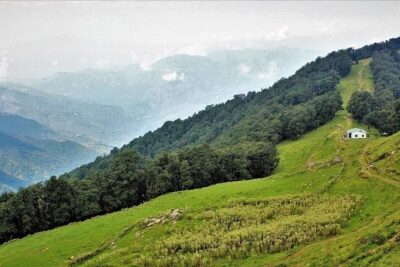
Wild Elephant Anakulam & Waterfalls Tour(munnar valley Trekking)
Read our review →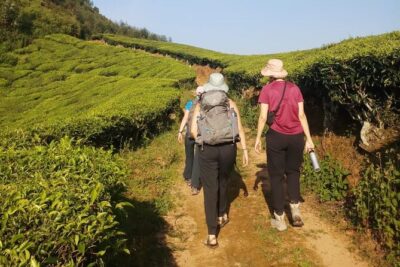
Browse the lists this tour appears in