
REVIEW · RISHIKESH
Har Ki dun Trek by Himalaya Shelter
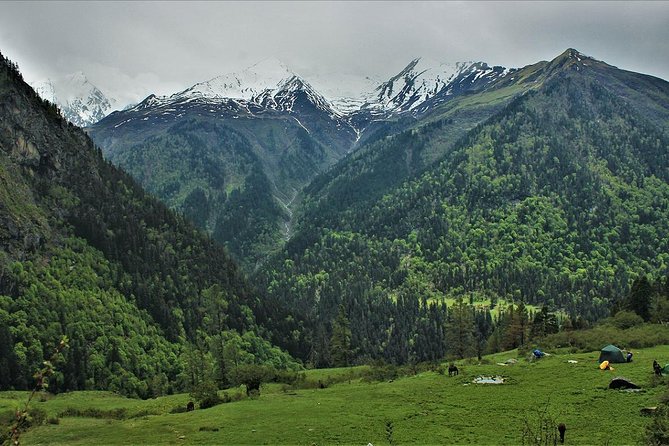
Mountain paths reward the well-organized. This 7-day Har Ki Dun trek takes you from Dehradun into Uttarakhand’s remote valleys, with guided walks, camping equipment, meals, transport, and a small group capped at 11 people. You pass through Sankri and Osla before reaching Har Ki Dun at 3,510 meters, with an optional-feeling side trip to Marinda Tal at 3,794 meters.
I like the fact that the price includes the hard-to-arrange parts: transport from Dehradun, cooks, meals, tents, sleeping gear, forest charges, and guides. I also like the small-group format, plus the warm service repeatedly associated with guides such as Surendra Rana, Sonu, Rocky Rana, and Megha. The main drawback is the long road journey, with eight hours in the vehicle on both the first and final days.
What makes this trek worth considering
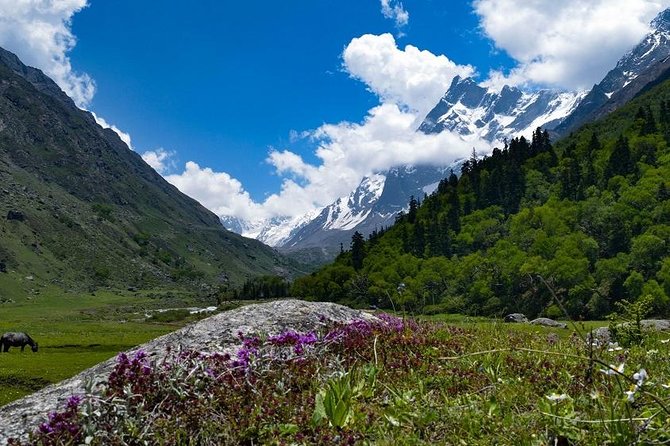
- Har Ki Dun at 3,510 meters: Reach a high Himalayan valley framed by snow-covered peaks and glaciers.
- A small group of up to 11: Expect more personal guidance than on a large commercial departure.
- Meals from Day 1 dinner to Day 7 breakfast: A cook travels with the group, reducing the need to plan food.
- Camping gear supplied: Tents and sleeping equipment are included, a major help for visitors flying or traveling light.
- A real village connection: Osla offers a chance to see local mountain life and seasonal work.
- Marinda Tal at 3,794 meters: The higher lake visit adds a tougher and more exposed-feeling day to the route.
Dehradun to Sankri: eight hours on the road
The trip begins early, at 6:30 a.m., near the Egg and Maggi stall on Saharanpur Road in Dehradun. That meeting point is close to public transport, but you need to arrange your own journey to Dehradun and your own lodging there if you arrive before the trek.
Day 1 is not a walking day. It is a full eight-hour drive to Sankri, the mountain settlement that serves as the gateway to the trek. That sounds simple, but it shapes the whole experience. You spend the first day getting into the hills rather than quickly reaching a trailhead.
I would treat this as a transfer day, not a wasted day. The long approach helps explain why Har Ki Dun feels more remote than a short day hike from a city. It also means you should arrive rested and ready for an early start, rather than planning a late-night arrival in Dehradun.
At Sankri, the included arrangements provide a place to stay before the trail section begins. Feedback about the Sankri stay has been especially positive, with warm gear and a comfortable base often singled out as useful. Do not expect a city hotel experience. The value is having a practical mountain stop before the walking begins.
A few more treks around India worth a look
- Half day trekking (munnar valley Trekking & Tours )
★ 5.0 · 310 reviews - Nag Tibba 2 Days Trek (Pantwari to Pantwari)
★ 5.0 · 274 reviews - Bhrigu Lake and Alpine Meadow Trek
★ 5.0 · 121 reviews
Sankri to Osla: the first proper trail day
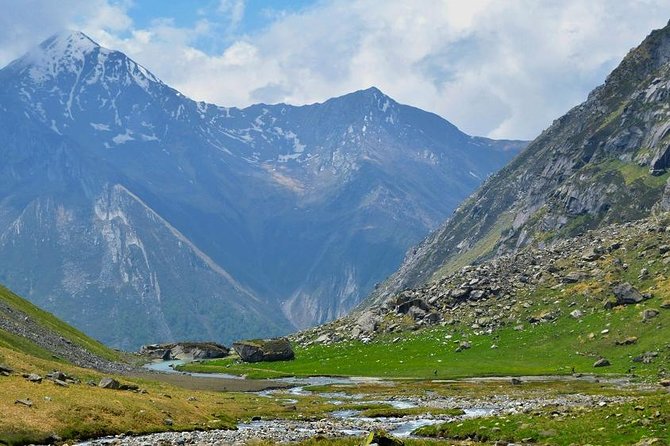
Day 2 starts with a one-hour drive, followed by a five- to six-hour trek to Osla at about 2,700 meters. This is where the rhythm changes from road travel to steady foot travel.
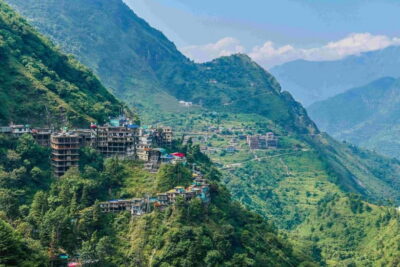
Osla is more than a place to sleep. It is one of the cultural highlights of the route, giving you a closer look at village life in the mountains. The trek also starts to feel properly remote here, with fewer road comforts and more reliance on the support team.
You should expect the elevation to matter. A five- to six-hour walk at this height is manageable for someone with moderate fitness, but it is not a casual stroll. Walk at a steady pace, drink regularly, and avoid turning the first trail day into a race.
The included guide is valuable here. A guide does more than point out the path. The route passes through remote terrain, and the group needs someone who can judge pace, weather, trail conditions, and the needs of different people. Names repeatedly associated with the operation include Surendra, Sonu, Rocky, and Megha, though your assigned team may differ.
Osla to Kalkatidhar: a shorter day at 3,300 meters
Day 3 covers about three hours from Osla to Kalkatidhar, rising to approximately 3,300 meters. Compared with the previous day, the shorter walking time gives you more room to settle into the altitude.
Kalkatidhar is a camping stop rather than a sightseeing town. Its value comes from location. You are now higher in the valley, closer to the route’s main reward, and surrounded by the quiet that makes this trek appealing.
A shorter day does not automatically mean an easy day. The increase from 2,700 meters in Osla to 3,300 meters in Kalkatidhar can affect breathing and energy. I would use the extra time to eat, rest, and keep your kit dry instead of treating the camp as a place for strenuous side trips.
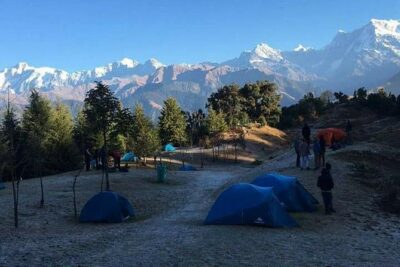
Camping support is part of the package. The operator supplies tents and sleeping equipment, and several accounts praise the warmth of the gear. One particularly useful detail is that the sleeping bags and tents were considered suitable even in temperatures around minus 10 degrees Celsius, though you should still pack proper warm clothing and never treat supplied equipment as a substitute for personal preparation.
Meals are another strong point. Food is included from dinner on Day 1 through breakfast on Day 7, and the cook’s work has drawn repeated praise. The menu is not presented as restaurant dining, but the ability to receive hot meals in a high mountain camp is a real comfort.
Har Ki Dun and Marinda Tal: the high point of the route
Day 4 is the main outing: from Kalkatidhar to Har Ki Dun at 3,510 meters and onward to Marinda Tal at 3,794 meters, before returning to Kalkatidhar. This is the day that gives the trek its name and its strongest mountain views.
Har Ki Dun is known for its broad valley setting, snow-capped mountains, and glacier views. The route has a more open, dramatic feel here than around the lower villages. You are not simply walking to a viewpoint, you are moving through a high valley with mountains on several sides.
Marinda Tal takes you higher still. The extra 284 meters of elevation may not look large on paper, but altitude makes every climb more demanding. Some departures treat the lake walk as optional, and that is sensible. If you feel tired, are struggling with altitude, or if the guide advises against continuing, Har Ki Dun itself is already a worthwhile goal.
The guide’s presence matters most on this day. The route is longer, the elevation is higher, and the group returns to camp rather than moving onward. Good pacing and careful decisions are more important than reaching every possible point.
Plan for a full mountain day, even though an exact duration is not given. Carry only what you need for the outing, keep your waterproof layer accessible, and protect your phone from cold and moisture. Conditions can change quickly in mountain country, so flexibility is part of the deal.
Same trailhead, a longer or shorter day out:
- Wild Elephant Anakulam & Waterfalls Tour(munnar valley Trekking)
★ 5.0 · 98 reviews - Friendship Peak Trek
★ 5.0 · 94 reviews - Half Day Hiking in Munnar Trekking Tour
★ 5.0 · 89 reviews - Singalila Trek from Darjeeling
★ 5.0 · 79 reviews
Returning through Osla and Sankri
Day 5 retraces the route from Kalkatidhar to Osla in about three hours. The return is not merely a repeat. Walking downhill gives you a different view of the valley, and the lower elevation should feel easier for many people.
Osla is also a useful pause before the final push toward the road. You have already spent time at altitude, so the return night provides a chance to recover before the longer walking and driving combination on Day 6.
Day 6 takes four to five hours on foot from Osla to Sankri, followed by a one-hour drive. This is another reason to pack sensibly. A heavy personal bag becomes tiresome after several days, while unnecessary items provide little benefit on the trail.
Mule support has been praised as part of some departures, but the supplied details do not clearly state that every person receives a mule or that personal luggage transport is always included. Ask the provider exactly what baggage support applies to your departure before you pack.
The final day is another eight-hour drive from Sankri back to Dehradun. The activity ends at the original meeting point, so do not schedule a tight onward connection that same evening. Mountain roads and group transfers need breathing room.
What the $231 price really covers
At $231 per person, this is a strong package if you need a guided, supported trek rather than a bare trail permit. The value comes from several costs being bundled together:
- Transport from Dehradun on Day 1 through the return on Day 7
- Guide and cook fees
- Meals from Day 1 dinner through Day 7 breakfast
- Camping equipment rental
- Forest entry charges
- Insurance for Indian citizens
That list matters because remote treks can become expensive when each item is arranged separately. Renting tents and sleeping equipment also saves you from carrying bulky gear across India, especially if this is one trek within a wider trip.
The price does not include your transport to Dehradun, accommodation in Dehradun, personal medicine, phone calls, tips, or personal expenses. It also does not cover transport support beyond what is specifically included. I would budget for these extras before booking, particularly if you need a hotel near the starting point.
The insurance note is important. It applies to Indian citizens only, so international visitors should arrange suitable personal travel and trekking insurance independently.
Guides, food, and the practical side of camp life
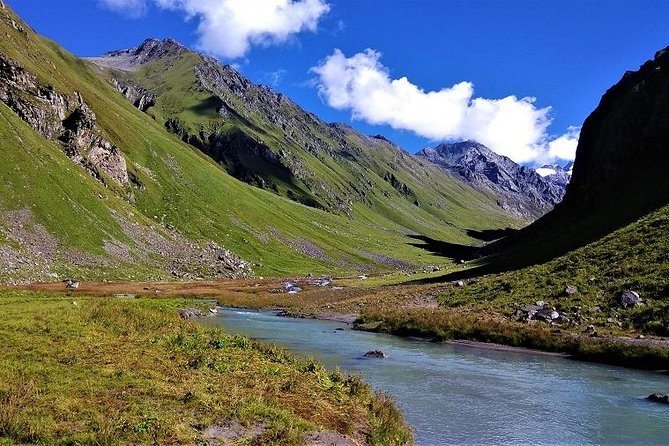
The strongest praise is directed at the staff. Surendra Rana is described as experienced and reassuring, while Sonu, Rocky Rana, and Megha are repeatedly linked with friendly, careful support. That does not guarantee a particular guide, but it does suggest that the company’s ground team is a major part of the experience.
Food is another clear strength. Reports describe it as varied, tasty, and unexpectedly good above 10,000 feet. Special diet requests have also been accommodated on some departures, but you should raise your needs before the trek rather than relying on a last-minute request.
The food is not always perfect. One account described it as fine at times and very good at others. That is a fair expectation for a camp kitchen. You are paying for dependable meals in a remote area, not a daily menu of restaurant dishes.
The environmental side deserves attention. One piece of feedback raised concern about plastic waste being left in the mountains. I would bring a reusable water bottle, keep all wrappers in your own bag, and ask the crew about waste collection. A responsible trek depends on both the operator and the people in the group.
Who will enjoy this seven-day route
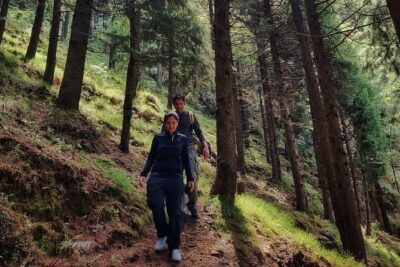
This trip suits you if you want a guided introduction to Himalayan trekking without buying a full set of camping equipment. Moderate physical fitness is required, and you should be comfortable with five- to six-hour walking days, high altitude, uneven mountain trails, and basic camp conditions.
It is also a good choice for first-time trekkers who want a structured route. The guide, cook, transport, meals, and small group remove much of the planning burden. Several accounts describe the route as a rewarding first Himalayan trek.
It may not suit you if you dislike long vehicle transfers or want private rooms every night. Two days are dominated by eight-hour drives, and most of the middle section depends on camping. You should also think carefully about the altitude if you have not previously walked above 3,000 meters.
The small-group limit of 11 is a real advantage. It can make the walking pace easier to manage and allows the guide to notice when someone is struggling. Departure sizes may be smaller than the cap, but you should not assume a private trek unless that is confirmed.
Booking details and cancellation
Confirmation is provided when you book, and the activity starts at 6:30 a.m. from the stated Dehradun meeting point. Mobile tickets make it easier to keep the booking information available while you travel.
Free cancellation is available if you cancel at least 24 hours before the local start time. Cancellations within 24 hours are not refunded, and changes inside that window are not accepted.
Should you book the Har Ki Dun trek?
I would book this trek if you want a reasonably priced, organized route into a remote Himalayan valley and value support more than luxury. The included transport, meals, camping gear, and forest charges make the $231 price easy to justify.
Before paying, confirm your Dehradun lodging, baggage arrangements, dietary needs, insurance, and the exact plan for Marinda Tal. If you can handle the long road days and moderate-to-demanding mountain walking, Himalaya Shelter offers a practical way to reach Har Ki Dun with less guesswork and a good chance of attentive support.
FAQ
Where does the Har Ki Dun trek begin?
It begins at 6:30 a.m. near the Egg and Maggi stall on Saharanpur Road in Lakkhi Bagh, Dehradun, Uttarakhand.
Where does the trek end?
The activity ends back at the original Dehradun meeting point after the return from Sankri.
How long is the Har Ki Dun trek?
The experience lasts approximately seven days.
What altitude does Har Ki Dun reach?
Har Ki Dun is listed at 3,510 meters. The route also includes Marinda Tal at 3,794 meters.
Are meals included?
Yes. Meals are included from dinner on Day 1 through breakfast on Day 7.
Is camping equipment provided?
Yes. Camping equipment rental is included in the price.
What is the cancellation policy?
You receive a full refund if you cancel at least 24 hours before the local start time. Cancellations or changes made within 24 hours are not accepted and are not refunded.
Recently added around India
- Prashar Lake Trek★ 5.0 · 7 reviews
- Kasol + Kheerganga Trek 3D/2N, all inclusive with BanBanjara★ 3.5 · 3 reviews
- Jogini Waterfall Trek from Manali★ 5.0 · 2 reviews
- 8 Days Markha Valley Trek: Shared Tour with Meals Included★ 5.0 · 3 reviews
- Ladakh Sham Valley Trek★ 5.0 · 7 reviews
- Ladakh One Day Trek- Gyamtsa to Phyang Village★ 5.0 · 4 reviews
- 1 Day Activity Adventure Trekking Kerala★ 5.0 · 5 reviews
- Kolukkumalai Trekking with Night stay in Tent★ 5.0 · 2 reviews
Rishikesh Trekking Tours, compared.
Browse the lists this tour appears in