
REVIEW · INDIA
Ladakh Sham Valley Trek
Small trek, big mountain views. The Sham Valley Trek packs three passes, village homestays, streams, barley fields, and Ladakh’s dry mountain scenery into a manageable three-day route from Leh. I like its private format and the chance to sleep in local homestays rather than standard hotels. I also like that transport, meals, a guide, and walking sticks are included.
The main catch is altitude. This is called the Baby Trek, but it is not a stroll through a city park. The trail can feel hot and tiring, especially on exposed climbs with little shade or water. You need a moderate level of fitness, and you should take the high elevation seriously.
Key points at a glance
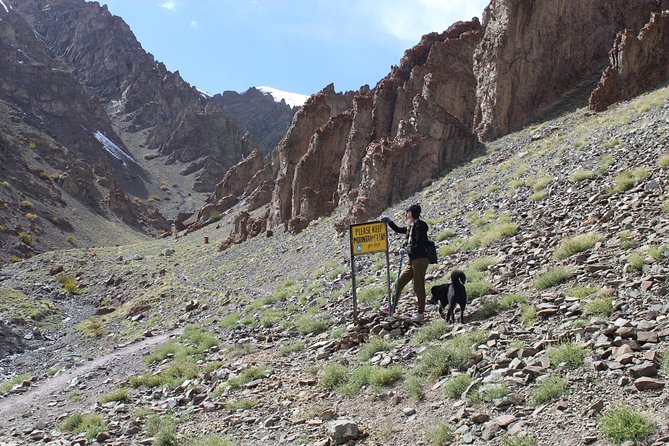
- Three passes in three days: Cross Phobe La, Chagatse La, Tsermangchen La, and Mebtak La, with the highest points around 3,750 meters.
- Homestays in Yangthang and Hemis Shukpachen: Sleep in simple local accommodation and experience two very different village settings.
- Private group format: Only your own party takes part, giving you more control over pace and arrangements.
- Meals and transport included: The package covers private vehicle transfers, breakfast, dinner, packed lunches, a guide, and walking sticks.
- A beginner route with real effort: The trail is among Ladakh’s easier treks, but heat, steep sections, and altitude still demand preparation.
- Strong local support: Guide Sonam is praised for patience and experience, while organizer Fida Hussain Tangrong has arranged custom trips and supported solo visitors.
What the Sham Valley Trek actually offers
The Sham Valley Trek is a compact introduction to trekking around Ladakh. You begin near Leh, travel by taxi to Likir, and walk west through a dry mountain region marked by high passes, small settlements, streams, and cultivated fields.
The route is often called the Baby Trek because it is shorter and less demanding than many Ladakh routes. That nickname can mislead you. You still climb to elevations between roughly 3,580 and 3,750 meters, and the air is thin enough to make an ordinary uphill walk feel serious.
I would choose this trek if you want a first taste of Ladakh on foot without committing to a week-long route. It also works well as a warm-up before a harder trek, provided you already have enough time in the region to handle the altitude.
The tour costs $400 per person. That price is not simply paying for walking. It includes a private vehicle, a trek guide, two nights of homestay accommodation, breakfasts, dinners, packed lunches, and walking sticks. For a private three-day arrangement with transport at both ends, the value is reasonable, especially if your group can use the group discount.
You still need to budget for bottled water, tips, porters, ponies, insurance, and medical emergencies. The package does not cover those items, so do not treat the listed price as your complete trip budget.
A few more treks around India worth a look
- Half day trekking (munnar valley Trekking & Tours )
★ 5.0 · 310 reviews - Nag Tibba 2 Days Trek (Pantwari to Pantwari)
★ 5.0 · 274 reviews - Bhrigu Lake and Alpine Meadow Trek
★ 5.0 · 121 reviews
Day 1: Likir, two passes, and Yangthang
After breakfast, a private taxi takes you from the Leh area to Likir, about 58 kilometers away. The stated meeting point is Kushok Bakula Rimpochee Airport, with an 8:00 am start. Pickup is offered, but confirm the exact pickup arrangement when booking, since the route begins from Likir rather than from the airport itself.
Likir sits at about 3,650 meters and serves as the trailhead. From here, the route heads west toward Phobe La at approximately 3,580 meters. The numbers can seem odd because the starting village is already high, but the trail still has repeated rises and falls. This is not a flat walk.
The first day deserves respect because the route is exposed. There is little shade and limited water along the way, so carry what you need for the day. The dry setting gives you broad views of bare ridges and open valleys, but it also leaves you fully exposed to the sun. A hat, sunscreen, and long sleeves are practical choices.
After Phobe La, you continue toward Sumdo village and then climb steadily to Chagatse La at about 3,630 meters. Crossing two passes on the first day gives the trek an honest start. You get a good sense of Ladakh’s high-country terrain quickly, but you may also feel the altitude more than expected.
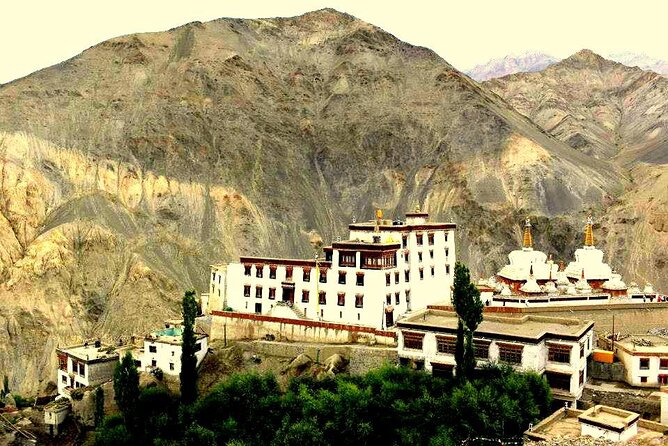
The Ridzong Monastery lies about an hour south of Yangthang. The itinerary places it near the first night’s destination, though it does not clearly state whether a monastery visit is included. Ask about this before departure if Ridzong is important to you.
You spend the night in a homestay in Yangthang. This is one of the best parts of the route for anyone who prefers local accommodation to polished hotels. Standards can vary, but the available description of the homestays is especially positive, with the accommodation described as high quality for this type of route.
Expect the first day to feel harder than its beginner label suggests. The distance is not the only issue. Sun, dry air, exposed trail, and repeated climbs all add up. Keep your pace steady and avoid treating the first morning like a race.
Day 2: Tsermangchen La and green Hemis Shukpachen
Day two is described as an easier walking day. The route first descends a little from Yangthang, crosses a stream, and then climbs west toward Tsermangchen La at approximately 3,750 meters.
The pass is higher than the previous day’s crossings, but the approach and descent are gentle. That makes the day more comfortable in terms of trail angle, even though the altitude remains high. You still need to walk slowly, especially on the final approach to the pass.
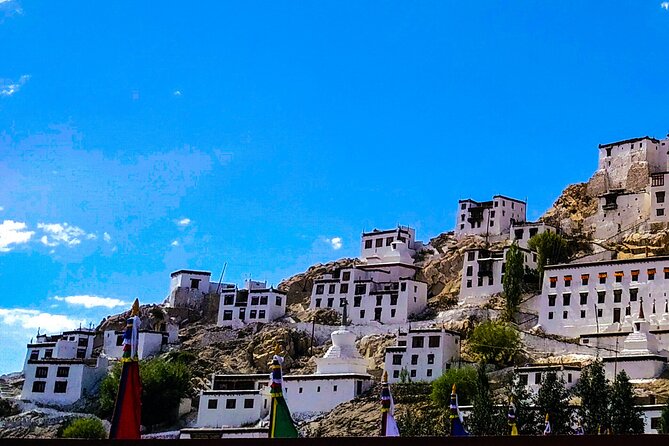
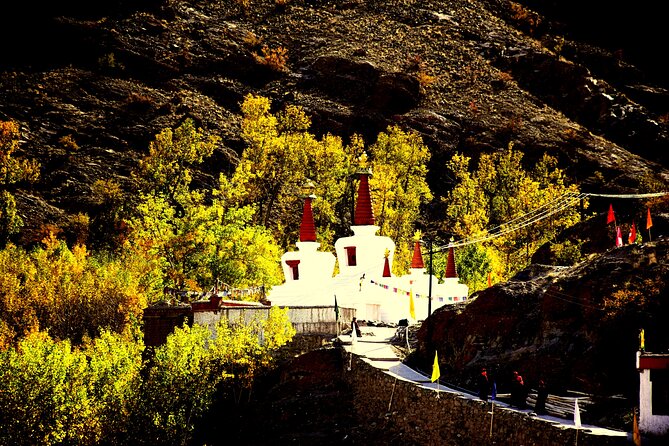
After a short rest at Tsermangchen La, you descend to Hemis Shukpachen. The village is known for its cedar grove, streams, willows, and barley fields. After the stark, rocky surroundings of the first day, this pocket of green can feel like a complete change of scene.
That contrast is a major reason to choose the Sham Valley route. You are not walking through the same dry view for three days. The trail moves between bare slopes and settled valleys where water supports trees and crops. The streams and fields also show how carefully village life depends on scarce mountain water.
You spend the second night in another homestay at Hemis Shukpachen. This is a useful middle night because the walking is gentler and the village setting offers a calmer break after the exposed first day.
Your packed lunch is included, but bottled water is not. Take that distinction seriously. The route includes streams, yet you should not assume that natural water is safe to drink. Arrange your water supply with the guide or organizer before setting out each morning.
Day 3: Mebtak La and the return to Leh
The final day begins with another relatively easy section. From Hemis Shukpachen, the trail rises between two small hills before turning south and climbing steeply to Mebtak La at about 3,750 meters.
The word steeply matters. Even though the day is described as fairly easy overall, the final climb to Mebtak La may be the most demanding part of the trek for some walkers. Prayer flags mark the pass, giving you a clear goal and a classic high-altitude stopping point.
From Mebtak La, the trail descends through a gorge to Ang village. Your driver then meets you in the Ang area and takes you back to Leh. The supplied route information uses both Ang and And, so confirm the exact meeting village and spelling with the operator before departure. That small check can prevent confusion at the end of a long walk.
The return drive gives you a useful advantage over a longer trek. You finish the walking after three days and return to Leh rather than continuing into a remote camping route. If your schedule is tight, this makes the Sham Valley Trek a practical choice.
Same trailhead, a longer or shorter day out:
- Har Ki dun Trek by Himalaya Shelter
★ 5.0 · 102 reviews - Wild Elephant Anakulam & Waterfalls Tour(munnar valley Trekking)
★ 5.0 · 98 reviews - Friendship Peak Trek
★ 5.0 · 94 reviews - Half Day Hiking in Munnar Trekking Tour
★ 5.0 · 89 reviews
Homestays, meals, and local support
The homestays are central to the experience. They keep the trek connected to village life and avoid the need for camping equipment, tents, and a larger support crew. You receive accommodation in Yangthang and Hemis Shukpachen, with breakfast and dinner included.
Do not expect hotel service. A homestay is valuable because it is simple and local, not because it offers resort comforts. The information provided does not specify room layouts, bathrooms, heating, or bedding, so ask the operator about those details if they matter to you.
Lunch is supplied as a packed meal. This keeps the walking schedule flexible and avoids a long midday stop. It also means you should carry a small personal snack if you need extra food during climbs, since the exact contents and size of the packed lunch are not specified.
The package includes a trek guide and walking sticks. A good guide matters here because the route combines several passes with altitude and limited shade. Sonam is specifically praised as experienced, kind, and patient. That is useful information for anyone nervous about keeping pace or managing a first high-altitude trek.
The organizer, Fida Hussain Tangrong, has also handled custom arrangements and helped solo visitors fit into suitable plans. This tour itself is private, however, so only your own group participates. That gives you more privacy and may allow the guide to adjust the pace within the agreed schedule.
How difficult is this beginner trek?
The Sham Valley Trek is easier than many Ladakh treks, but easy is a relative word. You should have a moderate level of fitness and be comfortable walking uphill for several hours across uneven mountain trails.
The biggest challenge is not technical climbing. There is no mention of ropes, scrambling, or specialist equipment. The issue is the combination of elevation, sun, dry conditions, and repeated climbs.
Day one is likely to feel the toughest because it includes two passes and an exposed route. Day two has a higher pass but gentler gradients. Day three is mostly manageable, with a sharper climb before Mebtak La.
I would not book this immediately after arriving in Leh unless your wider itinerary allows you to adjust to the altitude first. The tour information does not promise an acclimatization program, so you need to plan that part yourself. If you already know that high altitude affects you strongly, speak with your doctor before booking.
Bring sturdy walking shoes, sun protection, layers, personal medication, and enough water capacity for the day. The operator supplies walking sticks, but you can still bring your own if you prefer a familiar pair.
Is $400 a fair price?
For three days, $400 per person sits in the reasonable range for a private, guided trek with transport and meals included. The value improves if you are splitting the experience with a small private group and using the available group discount.
The price covers the expensive practical pieces: private transportation from Leh to Likir and back from the trail, a guide, two nights of accommodation, and meals. It also saves you from arranging separate transport and homestays in remote villages.
The price does not cover bottled water, porter support, ponies, insurance, medical emergencies, or tips. Those exclusions are normal enough for a short trek, but they matter if you want luggage carried or prefer not to manage your own daypack.
This is best viewed as a supported walking trip rather than a luxury package. You pay for organization, local help, and a straightforward route through several valleys. You should not book it expecting premium accommodation or every expense to be handled.
Who should book this route?
I would recommend the Sham Valley Trek to first-time trekkers who want a short Ladakh experience with real passes and village stays. It suits people who want scenery and local contact but do not want to camp for a week.
It is also a good choice for independent visitors who want a private arrangement without organizing each transfer themselves. Solo visitors may be able to arrange a suitable private plan through the operator, but confirm the price and group details before paying.
This is less suitable if you want a relaxed sightseeing tour with very little exertion. The Baby Trek name should not persuade you to ignore the altitude. It is also not ideal if you need guaranteed hotel facilities, constant shade, or included bottled water.
The experience has earned praise for its guides, organization, personal service, and homestays. Sonam’s patience and Fida Hussain Tangrong’s ability to arrange trips around individual needs are useful strengths, particularly for first-time trekkers.
Free cancellation is available up to 24 hours before the 8:00 am start for a full refund. Poor weather or failure to reach the minimum number of participants can lead to a new date, another experience, or a full refund. Changes made within 24 hours are not accepted.
Should you book the Sham Valley Trek?
Book it if you want three active days, several high passes, local homestays, and a private guide without signing up for a long expedition. The route gives you a clear taste of Ladakh’s mountain villages, dry ridges, streams, and cultivated valleys.
Think twice if you are not ready for altitude, exposed walking, or simple accommodation. The best way to enjoy this trek is to treat it as a genuine mountain route in a short format, not as a gentle sightseeing outing. With sensible pacing, adequate water, and realistic fitness expectations, it offers strong value and a memorable introduction to trekking around Leh.
FAQ
Where does the Sham Valley Trek start?
The walking route starts at Likir, about 58 kilometers from Leh. The listed meeting point is Kushok Bakula Rimpochee Airport, with an 8:00 am start and pickup offered.
How long does the Sham Valley Trek last?
The trek lasts approximately three days. You walk from Likir to Yangthang on day one, continue to Hemis Shukpachen on day two, and finish at Ang before returning to Leh on day three.
What accommodation is included?
Two nights of homestay accommodation are included, one in Yangthang and one in Hemis Shukpachen.
Are meals included?
Breakfast, dinner, and packed lunch are included. Bottled water is not included.
Is the trek suitable for beginners?
Yes, it is considered one of the easier treks in Ladakh and is also called the Baby Trek. You still need a moderate fitness level because the route reaches about 3,750 meters and includes uphill walking.
What is included in the tour price?
The price includes private transportation, a trek guide, walking sticks, homestay accommodation, breakfast, dinner, and packed lunches. Tips, porters, ponies, insurance, medical emergencies, and bottled water are excluded.
Recently added around India
- Prashar Lake Trek★ 5.0 · 7 reviews
- Kasol + Kheerganga Trek 3D/2N, all inclusive with BanBanjara★ 3.5 · 3 reviews
- Jogini Waterfall Trek from Manali★ 5.0 · 2 reviews
- 8 Days Markha Valley Trek: Shared Tour with Meals Included★ 5.0 · 3 reviews
- Ladakh One Day Trek- Gyamtsa to Phyang Village★ 5.0 · 4 reviews
- 1 Day Activity Adventure Trekking Kerala★ 5.0 · 5 reviews
- Kolukkumalai Trekking with Night stay in Tent★ 5.0 · 2 reviews
- Gokarna Beach Trek★ 5.0 · 9 reviews
India Trekking Tours, compared.
Half day trekking (munnar valley Trekking & Tours )
Read our review →
Wild Elephant Anakulam & Waterfalls Tour(munnar valley Trekking)
Read our review →
Browse the lists this tour appears in