
REVIEW · DARJEELING
Singalila Ridge Trek, Darjeeling
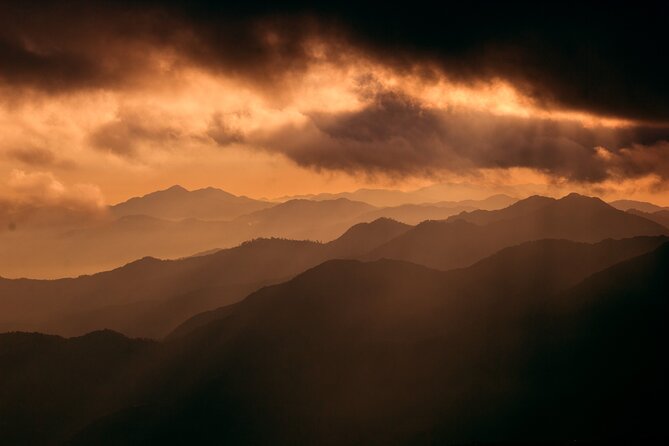
Four Himalayan giants share one view. The Singalila Ridge Trek links forest paths, village homestays, open meadows, and high ridges near Darjeeling, with clear-day views toward Kanchenjunga, Everest, and Makalu. I like the unusual India-Nepal border walking and the chance to spend time in small mountain villages rather than rushing from one viewpoint to another. I also like that the price includes transport, accommodation, meals, permits, and a mountain guide.
The tradeoff is real: this is an active trek, not a gentle sightseeing tour. Several days involve six to eight hours of walking, and the route includes steep climbs, long descents, uneven trails, and one 21-kilometer day. A previous account praised the guide but described sections of trail as damaged and partly washed away, so you should expect natural trail conditions rather than a polished footpath.
Five things to know before booking
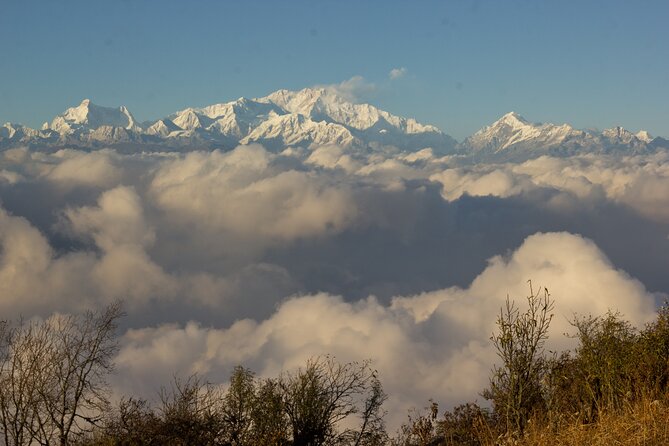
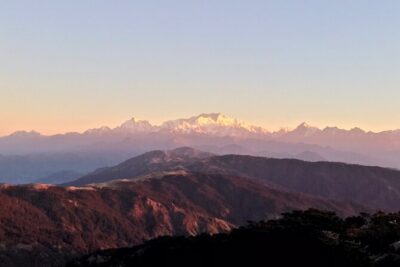
- The best mountain views come from Sandakphu and the ridge to Phalut: On a clear day, Kanchenjunga, Everest, Makalu, and other peaks appear in one broad panorama.
- You cross between India and Nepal without a fence: The trail passes through both sides, marked by occasional border pillars.
- The 21-kilometer Phalut day is the hardest on paper: Much of it is a rewarding ridge walk, but the distance still demands stamina.
- Red panda sightings are possible, not promised: The forest between Kaiyakata and Kalapokhri offers one of the better chances on this route.
- The trek finishes at Rimbik, not Darjeeling: Transport onward can be arranged, but you should plan your next journey from Rimbik Bazar.
- The $550 price covers the main essentials: Seven breakfasts and lunches, eight dinners, lodging, permits, private transport, taxes, and a guide are included.
Why Singalila Ridge is different from a standard Darjeeling trip
Darjeeling is famous for tea, mountain railways, and sunrise views. Singalila adds something quite different: several days on foot through high forests and small settlements along the India-Nepal border.
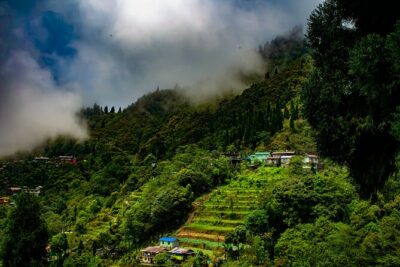
The route combines several types of scenery. You walk through rhododendron forest, narrow stands of malingo bamboo, open grassland, and cultivated mountain villages. The changing scenery matters because this is not a single long climb to one viewpoint. Each day has its own character.
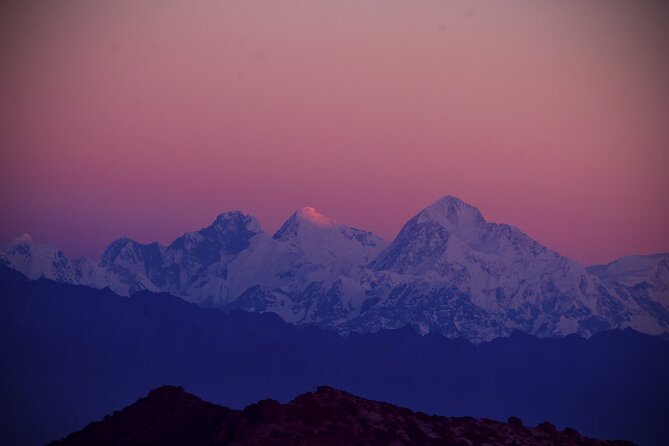
The main prize is the high ridge between Sandakphu and Phalut. This section gives you an open view toward some of the world’s highest mountains. Kanchenjunga is the star, often appearing in the distinctive Sleeping Buddha formation. On especially clear mornings, Everest and Makalu join the view.
You should keep your expectations sensible. Mountain weather can close the views, and the experience requires good conditions. The operator states that poor weather may lead to a changed date or a full refund. That is useful protection for an outdoor trip, but it also tells you how dependent the experience is on the sky.
A few more treks around India worth a look
- Half day trekking (munnar valley Trekking & Tours )
★ 5.0 · 310 reviews - Nag Tibba 2 Days Trek (Pantwari to Pantwari)
★ 5.0 · 274 reviews - Bhrigu Lake and Alpine Meadow Trek
★ 5.0 · 121 reviews
Day 1: Tea gardens, Mirik, and the Simana viewpoint
The opening day introduces the Darjeeling hills before the main walking begins. Gopaldhara Tea Estate is a pleasant first stop, with about 30 minutes to look across the tea garden and take a break. It is a small stop, but a good one. You get a quick sense of the local economy and the steep, carefully planted hills around Darjeeling.
The route also includes Mirik, a small town known for Sumendu Lake. The available schedule does not give a fixed stop length there, so think of Mirik as part of the transfer rather than a full sightseeing visit.
At Simana View Point, you may see the Sleeping Buddha formation of Kanchenjunga if the air is clear. The stop is listed at about 20 minutes, which is enough for a look and photographs but not a long wait for the clouds to move.
This first day appears more like a scenic transfer and orientation day than a trekking day. Confirm the exact pickup arrangement when booking, since the stated trek meeting point is Mane Bhanjang, while the first day includes stops around the Darjeeling and Mirik area.
Day 2: Mane Bhanjang and a village lunch in Jaubari
Mane Bhanjang is one of the most interesting places on the route because the village sits on the India-Nepal border. One side is in India and the other is in Nepal, with no large fence dividing the settlement.
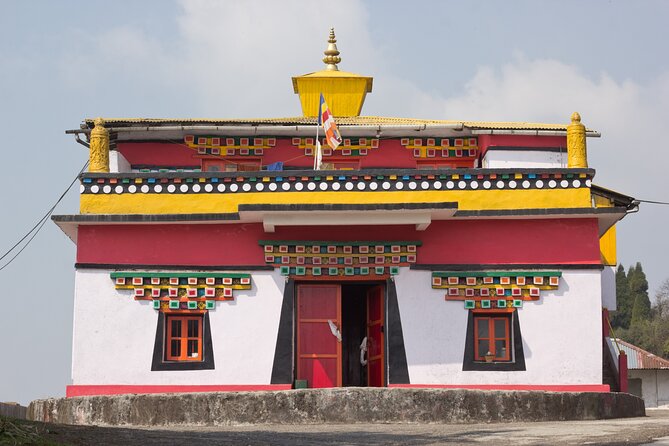
The day includes a visit to a Buddhist stupa with a bird’s-eye view over the village. You then walk through a small forest area to Jaubari, where farming is central to village life. Lunch takes place at a villager’s home, followed by time to interact with local residents.
This is the sort of day that gives the trek its human scale. The mountains are impressive, but the village visit helps you understand how people live along the route. You are not simply stopping for a photograph and moving on. You have time to sit down, eat, and see a working mountain community.
The schedule allows about six hours. That includes walking and village activities, so the day should feel easier than the high ridge sections. It is still worth treating it as preparation. Your legs will be better off if you start the trek rested, with your personal gear kept light.
Day 3: Chitrey, Lamaydhura, and the first serious climb
The main trek begins in Singalila National Park. The first section climbs steeply through thick forest, reaching Chitrey after about 45 minutes. Buddhist prayer flags and a large chorten mark the stop.
Chitrey is an early reward. From here, you can see the Sleeping Buddha shape of Kanchenjunga and another group of Himalayan peaks when conditions cooperate.
From Chitrey, the trail enters dense malingo bamboo forest toward Lamaydhura, a small hamlet. This is also where the border-crossing character becomes clear. You may walk on the Indian side, then the Nepali side, with only border pillars marking the division.
After Lamaydhura, the views toward Kanchenjunga improve. The day lasts about seven hours, and the steep opening climb sets the tone. You should bring walking shoes with reliable grip and be prepared for muddy or damaged sections. One previous account described parts of the trail as washed away, while praising the guide’s handling of the route.
Same trailhead, a longer or shorter day out:
- Har Ki dun Trek by Himalaya Shelter
★ 5.0 · 102 reviews - Wild Elephant Anakulam & Waterfalls Tour(munnar valley Trekking)
★ 5.0 · 98 reviews - Friendship Peak Trek
★ 5.0 · 94 reviews - Half Day Hiking in Munnar Trekking Tour
★ 5.0 · 89 reviews
Day 4: Tumling, Kalapokhri, and the climb to Sandakphu
This is one of the most varied and demanding days. The route passes the hamlet of Tumling, then includes an early start for sunrise before the walk toward Sandakphu.
The trail first descends to Gairibas, a small settlement on the India-Nepal border. From there, it climbs to Kaiyakata and continues through dense forest toward Kalapokhri.
Kalapokhri is marked by a small pond at the start of the hamlet. The forest section between Kaiyakata and Kalapokhri is important for wildlife watchers because red panda sightings are considered possible here. Do not treat that as a guarantee. The value is in walking through suitable forest, not in expecting an animal to appear on schedule.
After Kalapokhri, the route is more gradual for about two kilometers to Bikeybhanjan. The final four kilometers to Sandakphu are steep. The day takes about seven hours, and the climb can feel harder because you have already covered downhill and forest sections.
Sandakphu is the highest peak in West Bengal. Reaching it gives the trek its major physical goal, but the view is the real reward. The stop includes admission to the park, and the high point offers a broad Himalayan outlook.
Day 5: A 21-kilometer ridge walk to Phalut
The sunrise from Sandakphu is worth an early start. Kanchenjunga may catch the first light, and Everest can also look striking in the morning sun.
The walk to Phalut covers about 21 kilometers, making it the longest day of the trek. That number deserves attention. The route is often described as a ridge walk across meadows, which makes the scenery open and memorable, but a beautiful trail can still leave you tired after many hours.
For much of the route, you continue to see Kanchenjunga, Everest, Makalu, and other peaks. The mountain views are not limited to a single lookout. They accompany you along the ridge toward Thakung.
After Thakung, the trail enters rhododendron forest and continues to Sabargram, where a forest check post marks the area. Spring is especially attractive when the rhododendrons bloom, but the route remains appealing outside the flowering season because of the forest and open ridge walking.
The day takes about eight hours. If you are choosing this trek because of the scenery, this is likely the day you will remember most. If you are uncertain about your fitness, this is also the day to take seriously.
Day 6: Phalut sunrise and the forest route to Gorkhey
Phalut Top is about 20 minutes from the accommodation area, so another early start gives you a chance to see sunrise before breakfast. The short walk is much easier than the previous day’s long crossing.
After returning and preparing for the day, the trail descends toward Gorkhey. Much of the route passes through malingo bamboo forest, giving you a cooler and more enclosed walking experience after the exposed ridge.
Gorkhey is one of the prettiest villages on the trek. Two streams, Gorkhey Khola and Rammam Khola, meet near the village, and the afternoon is left open for a village walk or quiet time beside the water.
This is a useful change of pace. The itinerary still lists about six hours, but the emphasis shifts from high peaks to forest and village life. You can use the afternoon to recover, wash clothes, or simply sit near the river instead of trying to turn every hour into another excursion.
Day 7: Samanden, Rammam, and Srikhola
You wake near the sound of Gorkhey Khola and Rammam Khola. After breakfast, the route heads toward Sepi through Samanden village.
The trail descends to a stream, climbs to Rammam, then becomes flatter before dropping toward Srikhola. Rammam is described as one of the most picturesque villages in the area, and it provides another chance to see mountain life at close range.
The day is listed at about six hours. It is not simply a downhill walk, since the stream crossing and climb to Rammam add variety. The descent toward Srikhola also means you should take care with footing, especially if the trail is wet.
The repeated references to rivers and village paths are important. This part of the trek is less about collecting high points and more about the quiet transition from the exposed ridge to inhabited valleys.
Day 8: Rimbik and the end of the trail
The final walking day is short by comparison. After breakfast, you walk for about 30 minutes to cross a river bridge and reach the vehicle road. Rimbik is roughly another hour away on foot.
The trek ends at Rimbik Bazar, the largest village in the area. From here, onward transport can be arranged. Darjeeling is listed as the next destination, with time suggested for exploring its local attractions.
Do not assume the trek ends at your Darjeeling hotel. The official end point is Rimbik, so confirm your onward vehicle before setting out. This is a small planning detail, but it matters after seven days of walking.
What the $550 price includes
At $550 per person, the price is reasonable for an eight-day guided trek if you value having the major arrangements handled together. It includes private transportation, accommodation, permits, taxes, an experienced mountain guide, seven breakfasts, seven lunches, and eight dinners.
That package reduces the number of separate costs you need to manage. You are not paying only for a guide and a route. You are also covering lodging, most meals, park and permit charges, and transport connected with the trip.
The exclusions matter. Camera fees for still and video equipment are not included. Personal expenses, extra porter hire, travel insurance, and personal trekking gear are also your responsibility.
I would budget extra for those items and ask about accommodation standards before departure. The route uses mountain villages and homestay-style lodging, so you should not expect the same facilities as a Darjeeling hotel.
Guide quality, group size, and practical concerns
The group limit is 20 people. That is large enough to create a social walking group, but it may feel less personal than a small private trek. Ask how many people are expected on your date if guide attention is a major concern.
Guide quality is especially important here because the route includes steep climbs, forest paths, border sections, and trails that may be worn or partly washed away. One account specifically praised the guide as exceptional, even while noting rough trail conditions. That is the sort of praise that matters on a mountain route.
A separate booking complaint described a deposit problem involving another company, Ashmita Travel. The response made clear that the complaint did not concern Smile Panda Tours. Still, use ordinary caution with any payment: check the company name, confirm the payment instructions in writing, and keep receipts.
A positive account of a Sikkim trip praised Smile Panda Tours guide Chayan for friendly help and careful support. That does not prove how your Singalila trek will operate, but it does give you a useful name to ask about when discussing guide arrangements.
You need moderate physical fitness. The itinerary includes several six to seven hour days, an eight-hour day, steep sections, and the 21-kilometer walk from Sandakphu toward Phalut. Insurance is not included, so arrange your own coverage before departure.
Who should book this trek?
I would recommend it to you if you want a proper Himalayan walking experience without arranging every permit, meal, bed, and transfer yourself. It suits people who enjoy forests, village contact, changing scenery, and long days outdoors.
It is also a strong choice if mountain views matter more to you than luxury. The ridge between Sandakphu and Phalut offers the visual reward, while Gorkhey, Rammam, Jaubari, and other settlements provide the cultural side of the trip.
I would hesitate if you want a relaxed holiday with short walks. The steep Sandakphu climb, the long Phalut day, and variable trail conditions require patience. You should also be comfortable with simple mountain accommodation and personal gear.
The cancellation terms are fairly strict close to departure. You can receive a full refund if you cancel at least three full days before the start time. Cancellations or changes inside that period are not refunded or accepted, except that poor weather may lead to another date or a full refund.
Should you book the Singalila Ridge Trek?
Book it if you want big Himalayan views combined with village walking, and you are ready for a demanding but rewarding route. The combination of Kanchenjunga, Everest, and Makalu views, India-Nepal border paths, rhododendron forest, bamboo trails, and river villages gives this trek a strong sense of place.
Skip it if your main goal is comfort or easy sightseeing. The route is long, weather-sensitive, and sometimes rough underfoot. For a fit walker who packs sensibly and accepts simple conditions, $550 represents good value because the main logistical pieces are already in place.
FAQ
How long is the Singalila Ridge Trek?
The trek lasts approximately eight days.
Where does the trek start?
The stated meeting point is Mane Bhanjang, West Bengal, India.
Where does the trek finish?
The trek finishes at Rimbik Bazar in Rimbick, West Bengal.
Is transportation included?
Yes. Private transportation is included, and onward transport from Rimbik can also be arranged.
What meals are included?
The package includes seven breakfasts, seven lunches, and eight dinners.
Is accommodation included?
Yes. Accommodation is included in the tour price.
Is a guide included?
Yes. An experienced mountain guide is included.
Does the price include permits and park fees?
Yes. Permits, all fees, and taxes are included.
How physically fit do I need to be?
You should have a moderate level of physical fitness. The schedule includes several six to eight hour walking days, steep climbs, and a 21-kilometer day.
Can I cancel for a full refund?
Yes, if you cancel at least three full days before the experience start time. Cancellations made less than three full days in advance are not refunded.
What happens if bad weather cancels the trek?
If poor weather causes cancellation, you will be offered a different date or a full refund.
Recently added around India
- Prashar Lake Trek★ 5.0 · 7 reviews
- Kasol + Kheerganga Trek 3D/2N, all inclusive with BanBanjara★ 3.5 · 3 reviews
- Jogini Waterfall Trek from Manali★ 5.0 · 2 reviews
- 8 Days Markha Valley Trek: Shared Tour with Meals Included★ 5.0 · 3 reviews
- Ladakh Sham Valley Trek★ 5.0 · 7 reviews
- Ladakh One Day Trek- Gyamtsa to Phyang Village★ 5.0 · 4 reviews
- 1 Day Activity Adventure Trekking Kerala★ 5.0 · 5 reviews
- Kolukkumalai Trekking with Night stay in Tent★ 5.0 · 2 reviews
Darjeeling Trekking Tours, compared.
Tiger Hill Darjeeling Nature Walk (3 Hours Guided Trekking Experience)
Read our review →
Browse the lists this tour appears in