
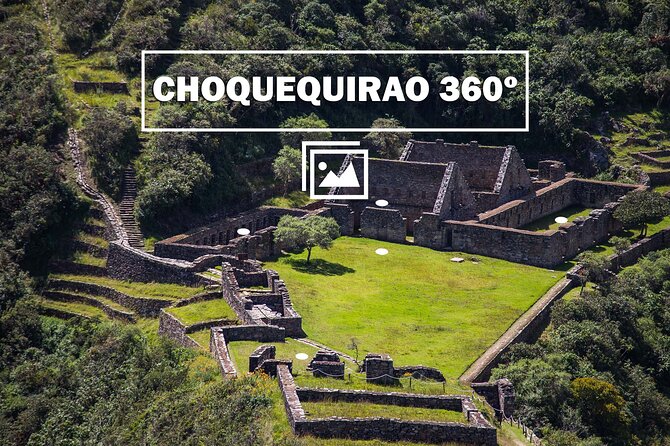
REVIEW · CUSCO
Choquequirao Trek 4 days and 3 nights
This is Peru’s trek for people who like a challenge. The four-day Choquequirao route trades easy access for dramatic Apurimac Canyon views and an Inca site where you may have long stretches to yourself. I like the included chef and porter support, which lets you concentrate on walking, and I like the small-group format, advertised for up to 12 people, though the booking details also list a maximum of 16.
The main drawback is the terrain. You descend for hours on the first day, then climb hard toward Choquequirao, with a long final uphill to Capuliyoc. This is not a casual sightseeing outing. You need moderate fitness, an early start, and a good attitude about dust, basic camps, and tired legs.
The Choquequirao Trek at a Glance
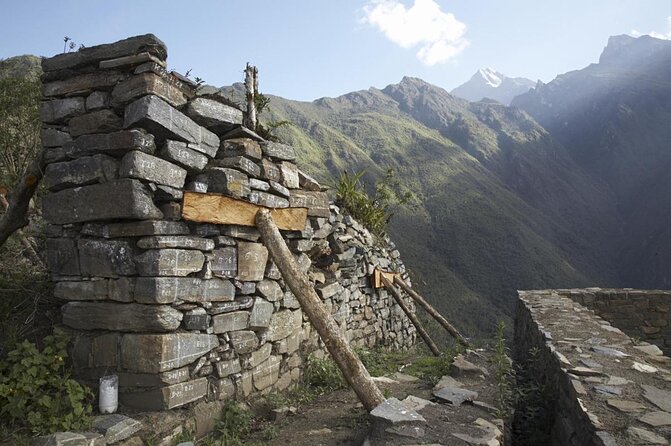
- A true low-crowd Inca experience: Choquequirao is reached by foot, not by train or road, and the route is far quieter than the famous Machu Picchu approach.
- Four days of serious walking: Expect steep descents, long climbs, and roughly six to eight hours of hiking on the active days.
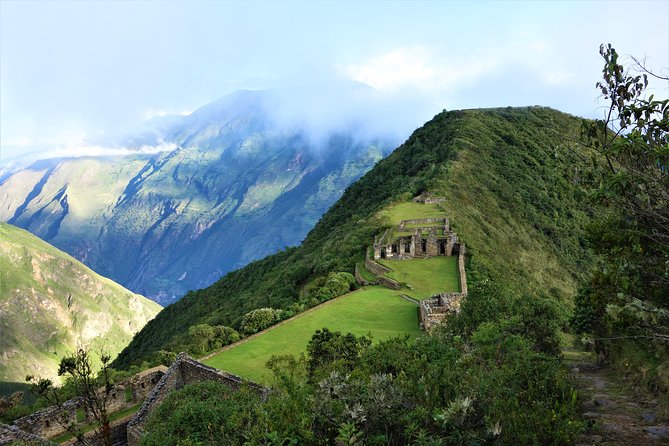
- The Apurimac Canyon is the visual star: Day one moves from high Andean country into warmer, greener terrain with big canyon views.
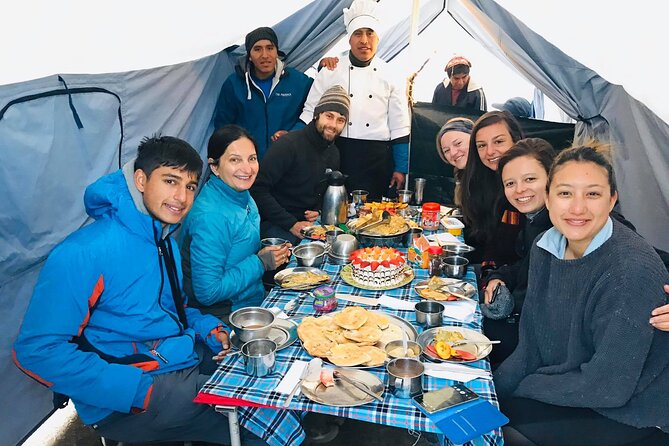
- Your support team carries the load: A personal porter carries up to 7 kilograms of your belongings, while a chef prepares breakfast, lunch, and dinner.
- Saywite adds a worthwhile finish: After the final climb, private transport takes you to the mysterious carved stone site before returning to Cusco.
- The price covers a lot: At $698 per person, transport, guides, meals, camping support, and hotel pickup are included, but sleeping bags, mattresses, and trekking poles cost extra.
Why Choquequirao Feels Different from Machu Picchu
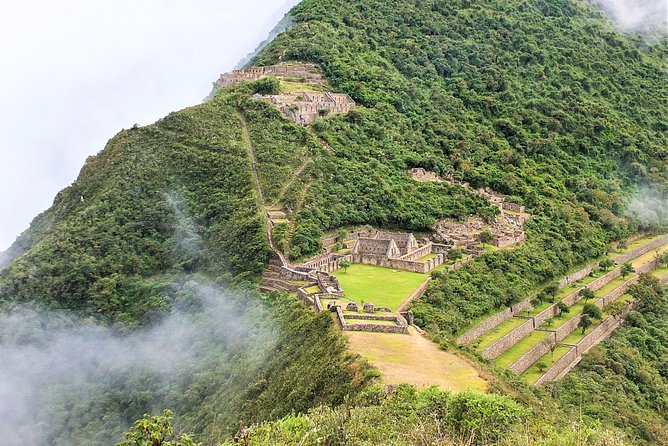
Choquequirao is often described as a lost city of the Incas, but the useful point for you is simpler: reaching it takes effort. There is no short train ride and no quick bus transfer to the entrance. The approach is a demanding footpath through the Apurimac Canyon, with big changes in elevation and climate.
That effort keeps the crowds down. You may have substantial time at the archaeological site without the steady flow found at Machu Picchu. One of the strongest parts of this trip is the sense of space: mountains, birds, flowers, distant waterfalls, and the ruins themselves do the talking.
I also like that the route gives you more than a single ruin. The first day brings highland views and canyon scenery. Later, the trail moves through warmer vegetation and forested slopes. The changing surroundings make the long walking days feel less repetitive.
Still, do not confuse quiet with easy. The trail includes extended downhill sections that can be rough on knees, followed by climbs that test your lungs. Your guide can set the pace, but no guide can remove the hills.
More Inca Trail Treks in Cusco
- Salkantay Trek Challenge – 3 Days / 2 Nights
★ 5.0 · 101 reviews - Machu Picchu: 5-Day Salkantay Trek with Panoramic Train
★ 5.0 · 79 reviews - Ancascocha Trek To Machu Picchu 4 Days And 3 Nights
★ 5.0 · 77 reviews
Day One: Capuliyoc to Santa Rosa
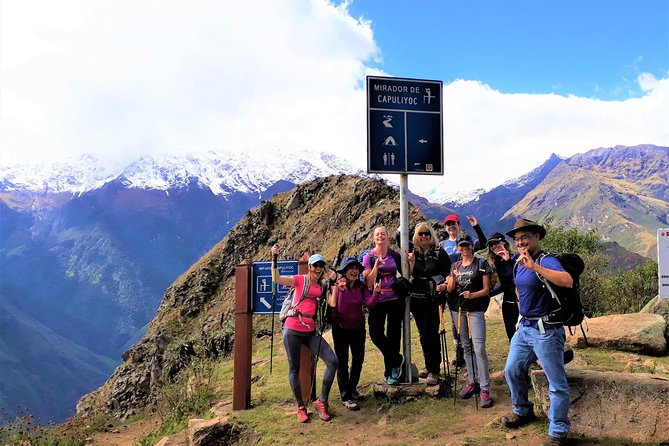
Your day begins very early, with pickup in Cusco between 4:30 and 5:00 a.m. The transfer crosses the Andes toward Capuliyoc, where you have breakfast before starting on foot. The early departure is necessary because the first hiking day is long, and the drive itself takes several hours.
Capuliyoc sits at about 2,911 meters, or 9,550 feet. From here, the trail drops toward Chiquiska. The descent takes about four hours before lunch, covering roughly 10.8 kilometers. This is where the Apurimac Canyon begins to command your attention.
The views change as you lose altitude. You start in the highlands, then move toward warmer, denser vegetation. That shift is one of the best features of the route, but it also means you should not dress for only one type of weather. Layers are more useful than one heavy jacket.
After lunch at Chiquiska, you continue downhill for about two more hours to Santa Rosa, where you camp at around 1,478 meters. The day totals about six hours of hiking and is rated moderate, although the downhill strain may feel harder than that label suggests.
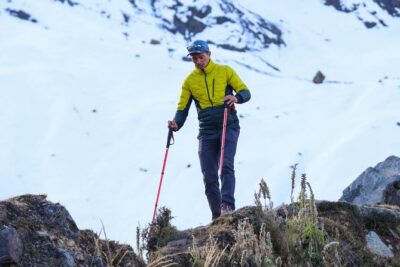
I would take trekking poles seriously here. They are not included, but they can help with balance and reduce pressure on your knees during the long descent. A sleeping bag and mattress are also optional extras, so check what camping equipment you already have before you arrive.
Day Two: The Climb Toward Marampata and Choquequirao
The supplied schedule repeats the first day’s description under day two, so you should use the pre-departure briefing to confirm the exact camp-to-camp plan. The intended route is the climb from the lower canyon area toward Marampata and then onward to Choquequirao.
This is the section where the trek earns its reputation. You trade the first day’s descent for a sustained uphill effort. The reward is the approach to Marampata, a high settlement and camping area near the archaeological site. From there, Choquequirao is close enough to feel like a real destination rather than a distant promise.
Your guide matters most on a day like this. A good guide can set a steady pace, explain where to stop, and keep the group together without turning the walk into a race. Past groups have praised guides such as Elias and Sebastian for patience, encouragement, and a friendly manner. Those qualities count when the slope keeps going.
The support crew also makes a major difference. Chef Leandro was praised for producing varied meals, with no repeated dishes during one four-day trip. Oscar received similar praise for adapting meals to dietary and taste needs. You should still report vegetarian or other dietary requirements at booking.
The advertised maximum group size is inconsistent: the main description says 12, while the additional information says 16. Ask the operator which group size applies to your date. Either way, this is intended to be a small-group trek rather than a huge procession.
Day Three: Choquequirao Inca Citadel
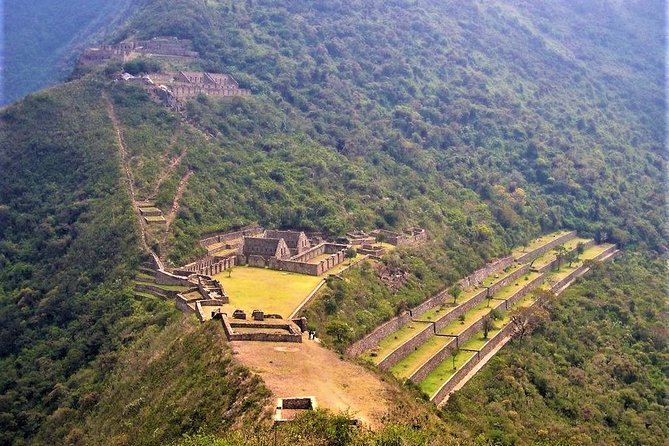
The third day is the emotional center of the trip. You wake near the ruins and can watch the sunrise before breakfast. That timing matters. Early light brings a quieter visit and gives you time to appreciate the site without rushing through it.
Choquequirao is not just a single viewpoint or a small ruin beside the trail. It is an extensive archaeological complex spread across steep ground. The setting is part of the experience: the site looks out over the canyon and mountains, while the route around it gives you a sense of how much work went into building in such a difficult place.
Your guide is especially valuable here. Guides including Elias have been praised for explaining the archaeology and local culture in a way that adds meaning to the stones. You can walk through ruins on your own, but a strong explanation helps you understand why the location mattered and how the terraces and structures fit together.
The day’s published details need careful reading. They describe about eight hours of hiking and include downhill walking, followed by an uphill section to camp. The listed distance is given as 8 kilometers and 11.32 miles in different places, which cannot both be correct. Ask for the current route distance during the briefing.
The important point is that this is not a lazy ruin visit. After time at Choquequirao, you continue through a setting filled with flowers, birds, and distant waterfalls, then camp lower down near Chiquiska. The day combines the main archaeological visit with more strenuous trail work.
Same trailhead, a longer or shorter day out:
- From Cusco: 7 Lakes Ausangate Trek with Breakfast and Lunch
★ 4.8 · 360 reviews - Cusco: Full-Day Rainbow Mountain & Red Valley Trekking Tour
★ 4.5 · 121 reviews - From Cusco: Rainbow Mountain Trek
★ 4.5 · 98 reviews - Ausangate Trek 5 Days
★ 5.0 · 74 reviews
Day Four: The Final Climb and Saywite
The last morning starts with breakfast and the final four-hour uphill walk to Capuliyoc. After several days of climbing and descending, this finish can feel surprisingly demanding. It is also satisfying: you are walking back to the point where the adventure began under your own power.
At Capuliyoc, you have lunch and say goodbye to the guide, cook, porter, and mule team. The personal porter allowance is up to 7 kilograms, so pack carefully and keep your daypack light. You remain responsible for the items you carry yourself.
Private transport then takes you to Saywite, an archaeological site known for its large carved stone. The visit gives the final day a second cultural stop instead of ending with only a drive back to Cusco. You have time to explore before hotel drop-off at about 5 p.m.
The published day-four distance and hiking-time figures appear inconsistent, listing 8 kilometers, 11.32 miles, and eight hours alongside a four-hour uphill walk. Treat the four-hour climb as the useful planning figure, and confirm the final schedule with the guide.
Food, Guides, and Camp Support
This is where the $698 price begins to make sense. The package includes round-trip transport, hotel pickup, a professional English-speaking guide, four breakfasts, four lunches, three dinners, a chef, and porter support. You are not simply paying for access to a trail. You are paying for a working camp operation in a remote place.
The food receives unusually strong praise. Meals were described as fresh, varied, cleanly prepared, and far more ambitious than basic trail fare. Names such as Leandro, Oscar, Balbino, and Julio Cesar appear in praise of the cooking, though the actual crew assigned to your departure may be different.
Guides also receive high marks for patience, humor, safety, and cultural explanations. Elias was praised for being kind and talkative without overwhelming the group. Sebastian was praised for steady encouragement. These are useful traits on a difficult trek, where a calm guide can help you manage both physical strain and nerves.
The porter and mule support should not be overlooked. Boris, in particular, was praised for carrying equipment efficiently and keeping a cheerful attitude. You should still pack responsibly and avoid treating the 7-kilogram allowance as an excuse to bring everything from your hotel room.
Is $698 Good Value?
For four days and three nights, $698 is a fair price if you value support and convenience. You receive transportation from Cusco and back, meals, a guide, camping logistics, hotel pickup, and personal gear carriage. Organizing those pieces independently would be difficult, especially because the route is remote and the transport connections are not simple.
The price is less attractive if you already own camping equipment, prefer to carry everything yourself, or want a bare-bones trek. You also need to budget for optional sleeping gear, a mattress, and trekking poles if you do not bring your own.
The included pre-departure briefing at 6 p.m. the night before is useful. Use it to ask about the exact route, group size, equipment rental, current distances, weather, and the day-two schedule. The written itinerary contains duplicated and conflicting details, so this is not a minor formality.
Who Should Book This Trek?
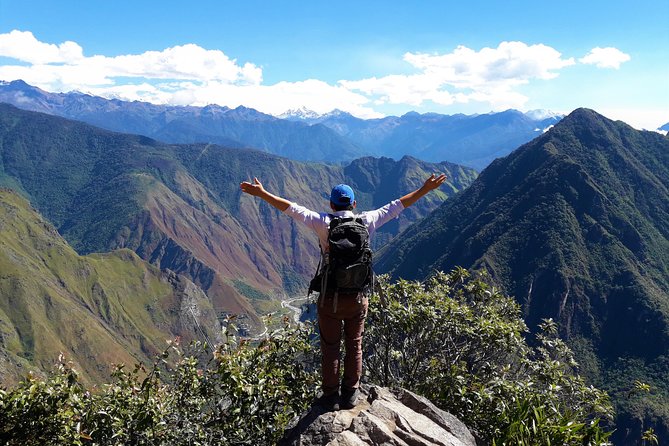
I would recommend it to fit hikers who want a quieter Inca site and do not mind earning the visit. It suits you if you enjoy long days outdoors, changing scenery, simple camps, and a guide-led experience with meals handled for you.
It is less suitable if you want a relaxed holiday, dislike steep paths, or have little experience with sustained walking. The tour asks for a moderate fitness level, and I would take that seriously. You do not need to be an elite athlete, but you should be comfortable walking for six to eight hours and handling repeated climbs.
Children must be accompanied by an adult. Vegetarian food is available, and you should provide dietary requirements when booking. Bring a valid passport, since passport name, number, expiry date, and country are required for all participants.
Free cancellation is available up to 24 hours before the start time. Weather or minimum-group problems can lead to a different date or a full refund. That policy is helpful, but the route itself still depends on sensible preparation.
Should You Book the Choquequirao Trek?
Book this trek if you want solitude, big canyon scenery, and a serious Inca adventure. The strongest reasons are the low-crowd setting, capable support crew, excellent camp cooking, and the chance to reach Choquequirao by a demanding but memorable route.
I would not book it simply because the price looks reasonable or because you want an easy alternative to Machu Picchu. The hills are real, the schedule starts before sunrise, and the written distances need clarification. Attend the briefing, bring good footwear and layers, consider trekking poles, and pack within the 7-kilogram porter limit.
For the right hiker, this is one of those rare Peruvian journeys where the walk is not just the way to reach the attraction. The walk is the attraction.
FAQ
How long is the Choquequirao Trek?
The trek lasts four days and three nights, with pickup from Cusco early on the first morning and return to your hotel at about 5 p.m. on the final day.
What time does the tour start?
Pickup begins between 4:30 and 5:00 a.m. The meeting time listed for the experience is 4:30 a.m.
Is transportation included?
Yes. Transportation is included from the beginning of the tour through the return journey, including hotel pickup and private transport to Saywite on the final day.
Are meals included?
Yes. The package includes four breakfasts, four lunches, and three dinners. A chef prepares the meals, and vegetarian options are available if requested at booking.
How much luggage can the personal porter carry?
The personal porter can carry up to 7 kilograms of your personal belongings. You will still need a daypack for items you want during the walking day.
Are sleeping bags, mattresses, and trekking poles included?
No. These items are optional extras. The operator can provide guidance about them, but they are not part of the listed inclusions.
What happens if bad weather cancels the trek?
If poor weather causes cancellation, you will be offered another date or a full refund. The same applies if the minimum number of participants is not reached.
More 4-Day Experiences in Cusco
- 4 Day Inca Trail Trek to Machu Picchu Multi day tour
★ 5.0 · 70 reviews - Salkantay Trek 4 Days to Machu Picchu by Glamping Sky Lodge Dome
★ 5.0 · 68 reviews - Salkantay Trek to Machu Picchu in 4 days
★ 4.5 · 50 reviews - 4-Day Lares Trek to Machu Picchu from Cusco
★ 5.0 · 47 reviews
Recently added around Cusco
- 5 Day – Salkantay trek to Machu Picchu – Group Service★ 4.5 · 27 reviews
- Small Group: 4-Day Inca Trail Trek to Machu Picchu★ 5.0 · 33 reviews
- 6 day Rainbow Mountain x Ausangate Trek – FlashpackerConnect★ 5.0 · 30 reviews
- Salkantay Trek: 5 Days to Machu Picchu★ 5.0 · 33 reviews
- Humantay Lake Full-Day Adventure: Scenic Trek and Stunning Views★ 4.5 · 39 reviews
- Salkantay 5-Day Trek To Machu Picchu★ 5.0 · 39 reviews
- Inca Trail Trek to Machu Picchu – 2 Days (Small Group or Private)★ 5.0 · 31 reviews
- Ausangate and Rainbow Mountain Trek – 3 Days / 2 Nights★ 5.0 · 35 reviews
Machu Picchu & Inca Trail Treks, compared.
Machu Picchu: 5-Day Salkantay Trek with Panoramic Train
Read our review →
Ancascocha Trek To Machu Picchu 4 Days And 3 Nights
Read our review →
4 Day Inca Trail Trek to Machu Picchu Multi day tour
Read our review →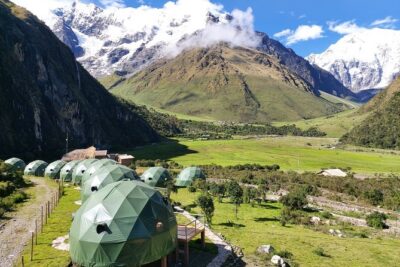
Salkantay Trek 4 Days to Machu Picchu by Glamping Sky Lodge Dome
Read our review →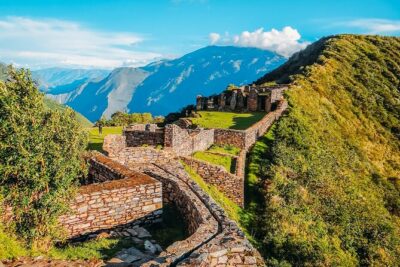
Browse the lists this tour appears in