
REVIEW · CUSCO
Salkantay Trek Standard 5D/4N
Mountain passes, cloud forest, and Machu Picchu all fit into five demanding days here. The Salkantay Trek Standard 5D/4N links Cusco with Humantay Lake, the 4,600-meter Salkantay Pass, coffee country, and Machu Picchu in one organized trip. I especially like the small group limit of 15 people, which should make camp meals, trail questions, and daily coordination easier than on a large departure. I also like that transport, meals, camping equipment support, a cook, guide, and Machu Picchu entry are arranged in advance.
The main caution is the physical strain. You climb to high altitude on the first two days, walk for as long as eight hours on Day 2, and finish with a three-hour walk from Hydroelectric to Aguas Calientes. The nonrefundable booking rule also matters, especially since one customer described losing money after canceling during transport unrest in Peru. Read the terms carefully before paying.
Key points to know before you book
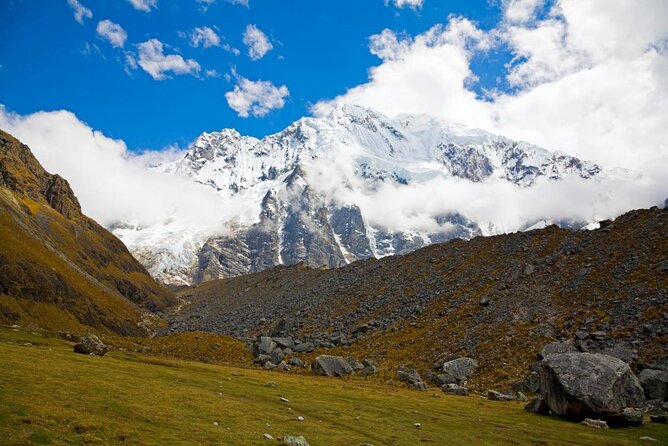
- Humantay Lake reaches 4,200 meters: The first day gives you a dramatic goal, but altitude makes this more than a casual outing.
- Salkantay Pass reaches 4,600 meters: Day 2 is the hardest physical section, with an eight-hour walking day.
- Three nights are spent camping: A dining tent, kitchen, tables, chairs, cook, guide, and assistants are included.
- The scenery changes sharply: You move from snow peaks and high mountain air into cloud forest, streams, orchids, and coffee plantations.
- Machu Picchu is visited on Day 5: The package includes entry and a guided visit, but the bus between Aguas Calientes and the site costs extra.
- The group is capped at 15: That is small enough for personal attention without paying for a fully private trek.
Why this five-day route earns attention
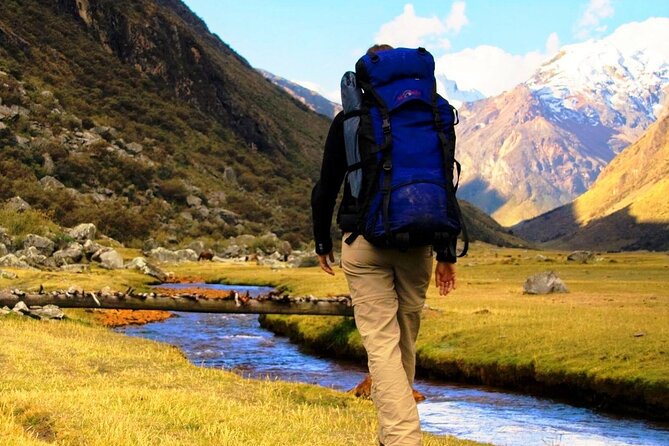
The Salkantay route gives you a fuller slice of the Andes than a direct train journey to Machu Picchu. You begin among high peaks and glacial lakes, then descend through forest and farming areas before reaching the Inca site.
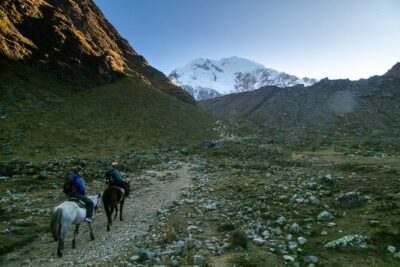
That change is the heart of the trip. On Day 1, you are looking at Salkantay’s snowy summit. By Day 3, the setting includes rivers, waterfalls, bromeliads, orchids, and coffee plants. The route feels like a journey through several climate zones, not simply a long walk to Machu Picchu.
The trip also removes much of the usual planning work. A bilingual guide leads the walking, a cook handles four breakfasts, lunches, and dinners, and horsemen carry the camping equipment. You still need to carry your personal belongings, but you are not expected to haul the group kitchen or tents over the pass.
The published satisfaction figures are strong, with a 4.8 rating from 48 reviews and recommendation from 94 percent of customers. That is encouraging, but it should not hide the tough schedule or the firm cancellation rule. This is a good organized option for someone who values logistics and scenery, but it is not a soft adventure.
More Inca Trail Treks in Cusco
- Salkantay Trek Challenge – 3 Days / 2 Nights
★ 5.0 · 101 reviews - Choquequirao Trek 4 days and 3 nights
★ 5.0 · 81 reviews - Machu Picchu: 5-Day Salkantay Trek with Panoramic Train
★ 5.0 · 79 reviews
Day 1: Mollepata, Humantay Lake, and Salkantaypampa
The day begins very early, with pickup at 4:00 a.m. from Portal de Comercio 145 in Cusco. You travel to Mollepata for breakfast, then continue to Soraypampa at about 3,900 meters above sea level.
That early start is tiring, but it serves a purpose. You reach the trailhead with the walking day ahead of you rather than losing much of the morning on the road. At Soraypampa, horsemen and horses take the camping equipment, and you begin the hike toward Humantay Lake.
Humantay Lake sits at about 4,200 meters. The elevation is the key issue here. The distance alone may not tell you how difficult the walk feels, because thin air can turn an ordinary uphill section into slow work. Take the pace set by the guide, use the breaks, and do not treat the first day as a race.
After visiting the lake, you return to Soraypampa for lunch prepared by the cook. The route then continues to Salkantaypampa, your first camp. From there, you have views toward the snowy Salkantay peak, followed by afternoon tea and dinner.
I like the way this day combines a clear landmark with a proper camp routine. You see one of the route’s most recognizable natural sights, then have a meal and a fixed place to rest. The drawback is that you are sleeping at altitude after a demanding opening walk, so a good night’s rest is not guaranteed.
Three nights of camping are included, along with a roomy dining tent, kitchen, chairs, and dining tables. Those items matter more than they sound. After several hours on the trail, a place to sit and eat out of the weather is a useful comfort, not a luxury.
Day 2: The 4,600-meter Salkantay Pass
Day 2 is the test of the trek. You wake to coca tea and breakfast, then climb for about three hours to Salkantay Pass at 4,600 meters.
This is the highest point of the trip. The pass gives you a strong mountain setting and a sense of achievement, but altitude is not something you can solve through enthusiasm. If you are already struggling on Day 1, tell the guide early. The tour includes a first aid kit, but it is still your responsibility to be honest about how you feel.
From the pass, you walk toward Wayrac Machaq for lunch. The day lasts about eight hours, so the meal break is important. The route then changes character as you descend into the high jungle.
This transition is one of the route’s best features. Large trees reach over streams, with bromeliads and orchids attached to their branches. The cool, open mountain environment gradually gives way to thicker vegetation and a more sheltered trail.
The contrast also explains why this route is worth the effort. You are not walking through the same scenery for five days. The high pass is exposed and severe, while the lower sections bring water, forest, and plant life.
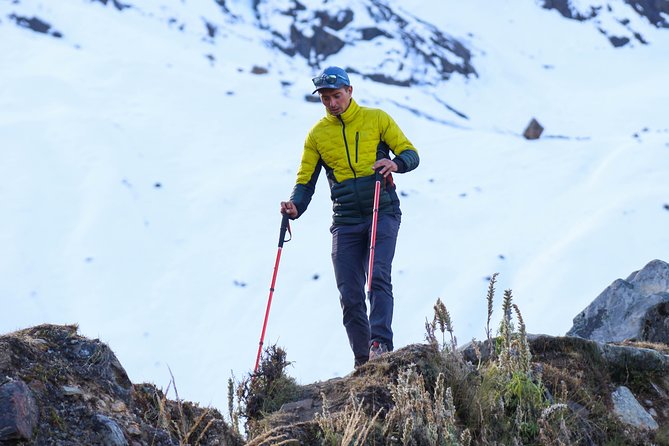
Still, Day 2 is long. You should prepare for a full walking day, not a relaxed sightseeing transfer. The tour provides meals and support, but no sleeping bag or walking poles. You can rent or bring those items separately, and both are worth considering for a multi-night mountain trip.
Day 3: Cloud forest, coffee, and the Lucmabamba camp
The third morning begins with breakfast and another early start. You spend roughly three hours walking through cloud forest, with rivers and waterfalls along the route. After lunch, you walk for about three more hours to Lucmabamba.
This is a more varied and likely more forgiving day than the pass crossing, though six hours of walking remains substantial. The forest setting gives you a welcome change after the exposed high country.
At Lucmabamba, you can take part in activities connected with coffee plantations and processing. This is a valuable part of the experience because it connects the scenery to local agriculture. You are not only passing through green hills. You get a look at how coffee is handled in the area.
Ziplining is available if you book it in advance, but it costs extra. That detail matters because the activity is not part of the base package, and availability may depend on prior arrangements.
You can also arrange a visit to Cocalmayo hot springs, located about 30 minutes from the campsite. Transportation and entrance fees are not included. This could be a pleasant way to break up the walking, but it adds both cost and logistics to an already full day.
I would decide about Cocalmayo before departure rather than trying to organize it tired and at the last minute. Ask the operator exactly how transport will work, since the supplied details only confirm that extra transportation and admission are separate.
Same trailhead, a longer or shorter day out:
- From Cusco: 7 Lakes Ausangate Trek with Breakfast and Lunch
★ 4.8 · 360 reviews - Cusco: Full-Day Rainbow Mountain & Red Valley Trekking Tour
★ 4.5 · 121 reviews - From Cusco: Rainbow Mountain Trek
★ 4.5 · 98 reviews - Ancascocha Trek To Machu Picchu 4 Days And 3 Nights
★ 5.0 · 77 reviews
Day 4: Llactapata views and the long walk to Aguas Calientes
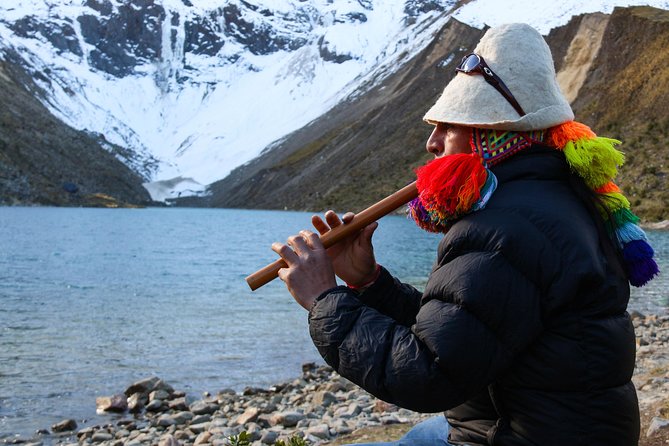
After breakfast, you walk toward Llactapata. The reward is a view of Machu Picchu and the surrounding area from a different angle. Seeing the destination before reaching it gives this day a useful sense of direction.
From Llactapata, the route descends to Hydroelectric for lunch. Then comes another three-hour walk to Aguas Calientes, also called Machu Picchu Pueblo. By this point, your legs have already handled several long days, so the final stretch may feel longer than the clock suggests.
The reward is a bed. Your fourth night is in a hostel in Aguas Calientes rather than in a tent. That change is welcome before the Machu Picchu visit, especially because Day 5 begins early.
The route into Aguas Calientes is not a quick finish. Make sure your personal bag is manageable, and use the support system properly. The horses carry camping equipment, but the supplied information does not say that they carry every personal item. Ask your operator what luggage you should bring and what the horsemen will transport.
Day 5: Early Machu Picchu visit and the return train
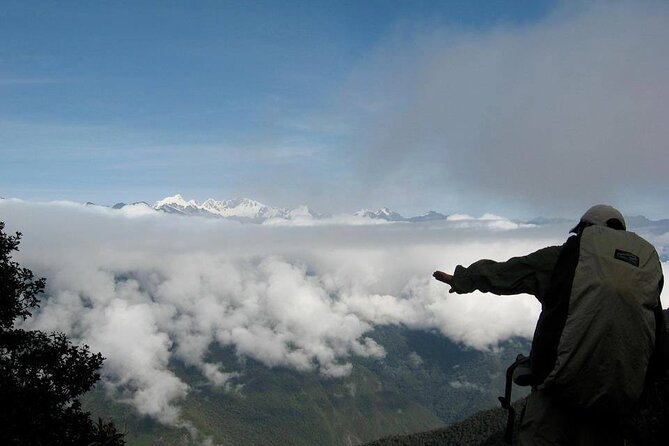
After breakfast, you take the early buses to Machu Picchu for sunrise. The entry fee is included, and a professional bilingual guide leads the visit.
The bus is not included in the package, so plan for that extra expense. The description says that the up or down bus is excluded, which means you should confirm whether you want to walk one way, pay for one direction, or purchase both rides. After four days of trekking, many people will prefer to save their legs for the site itself.
The guided visit is the final major feature of the trip. You have already approached Machu Picchu on foot, seen it from Llactapata, and spent the night nearby. That slow arrival gives the ruins more context than simply stepping off a train and entering the site.
Huayna Picchu and Machu Picchu Mountain are not included. If you want either additional mountain entrance, it must be arranged separately and should be checked before booking. Do not assume the standard Machu Picchu ticket covers these options.
After the visit, you take the train from Aguas Calientes to Ollantaytambo, followed by transportation to Cusco. The return train is included, as is the onward transfer from Ollantaytambo. The experience ends back at the original meeting point.
What the package includes, and what it leaves out
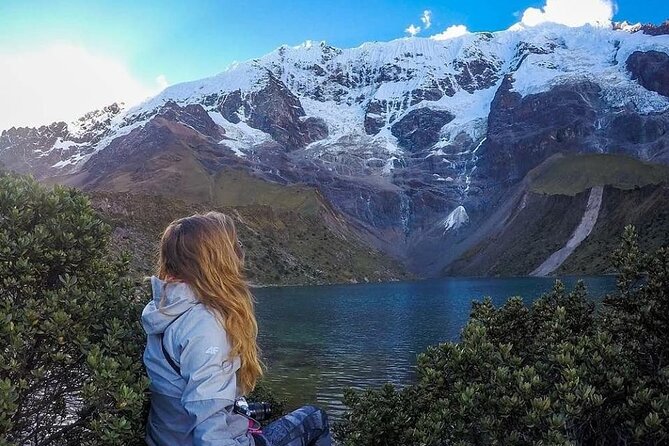
The value here comes from bundling the difficult pieces. You receive transport from Cusco to Mollepata, Machu Picchu entry, three nights of camping, one hostel night, four breakfasts, four lunches, and four dinners.
You also receive a professional bilingual guide, cook, assistants, camping kitchen, dining tent, tables, chairs, first aid kit, return train, and the final transfer to Cusco. For a five-day trip through changing terrain, that is a substantial amount of organization.
The omissions are just as important:
- Bus tickets between Aguas Calientes and Machu Picchu
- Sleeping bag
- Walking poles
- Ziplining
- Cocalmayo transportation and entrance
- Huayna Picchu or Machu Picchu Mountain entry
No price is provided here, so I cannot judge the exact fare. I can say how to judge its value: compare the total cost after adding your sleeping bag, poles, Machu Picchu bus, and any optional activities. The package is most useful if you want one company handling meals, camps, guides, trains, and transfers.
The strict cancellation terms deserve special attention. The booking is nonrefundable and cannot be changed for any reason. One customer described canceling during a period of strikes and transport violence, then receiving no cash refund. The operator said a future-use voucher had been offered, but you should not rely on that as a guaranteed remedy. Buy only when your dates and ability to walk are firm.
Who should book this trek?
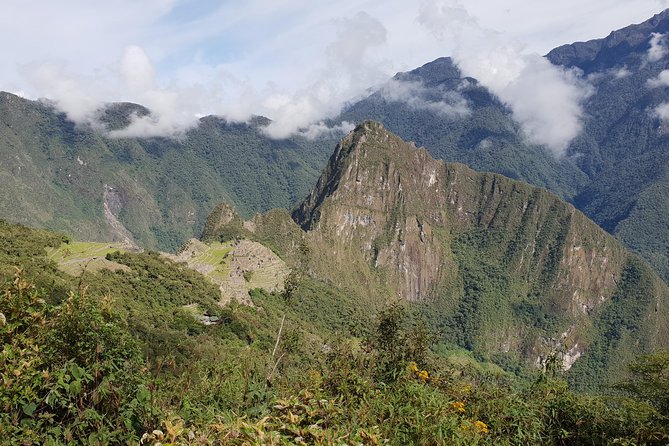
I would recommend it to fit hikers who want a guided route and prefer not to arrange separate camps, cooks, transport, and Machu Picchu entry. The maximum group size of 15 is a useful middle ground. You get the social feel of a group without joining a huge procession.
It suits someone who wants scenery more than comfort. You camp for three nights, cross a 4,600-meter pass, and walk up to eight hours in one day. The hostel night and organized meals soften the experience, but they do not turn it into an easy holiday.
I would be cautious if you are new to altitude, dislike early starts, or need flexible cancellation. The first pickup is at 4:00 a.m., the highest walking comes quickly, and the final booking terms are firm.
FAQ
How long is the Salkantay Trek Standard 5D/4N?
The experience lasts five days and four nights, including three nights camping and one night in a hostel in Aguas Calientes.
What time does the tour start?
Pickup begins at 4:00 a.m. from Portal de Comercio 145 in Cusco.
How high does the trek go?
The route reaches Humantay Lake at about 4,200 meters and Salkantay Pass at about 4,600 meters above sea level.
Is Machu Picchu entry included?
Yes. Entrance to Machu Picchu and a guided visit are included.
Is the bus from Aguas Calientes to Machu Picchu included?
No. The up or down bus is not included and must be paid for separately.
Are meals included?
Yes. The package includes four breakfasts, four lunches, and four dinners.
Are Huayna Picchu and Machu Picchu Mountain included?
No. Entrance to Huayna Picchu and Machu Picchu Mountain is not included.
Should you book the Salkantay Trek Standard 5D/4N?
Book it if you want a well-supported mountain route with major scenery, organized meals, camping help, and Machu Picchu at the finish. Humantay Lake, the 4,600-meter pass, cloud forest, coffee country, Llactapata, and the train back to Cusco give you a lot in five days.
Skip it if you want a relaxed schedule, private comfort, or flexible cancellation. The strongest reasons to choose this trip are its route variety, small group size, and practical support. The strongest reasons to hesitate are the altitude, long walking days, extra costs, and nonrefundable terms. Go in prepared, and this can be a rewarding way to reach Machu Picchu by foot rather than simply arriving there.
Recently added around Cusco
- 5 Day – Salkantay trek to Machu Picchu – Group Service★ 4.5 · 27 reviews
- Small Group: 4-Day Inca Trail Trek to Machu Picchu★ 5.0 · 33 reviews
- 6 day Rainbow Mountain x Ausangate Trek – FlashpackerConnect★ 5.0 · 30 reviews
- Salkantay Trek: 5 Days to Machu Picchu★ 5.0 · 33 reviews
- Humantay Lake Full-Day Adventure: Scenic Trek and Stunning Views★ 4.5 · 39 reviews
- Salkantay 5-Day Trek To Machu Picchu★ 5.0 · 39 reviews
- Inca Trail Trek to Machu Picchu – 2 Days (Small Group or Private)★ 5.0 · 31 reviews
- Ausangate and Rainbow Mountain Trek – 3 Days / 2 Nights★ 5.0 · 35 reviews
Machu Picchu & Inca Trail Treks, compared.
Machu Picchu: 5-Day Salkantay Trek with Panoramic Train
Read our review →
Ancascocha Trek To Machu Picchu 4 Days And 3 Nights
Read our review →
4 Day Inca Trail Trek to Machu Picchu Multi day tour
Read our review →
Salkantay Trek 4 Days to Machu Picchu by Glamping Sky Lodge Dome
Read our review →
Browse the lists this tour appears in