
REVIEW · AREQUIPA
3-Day Colca Canyon trek with Professional Guide
The canyon earns every sore muscle. This three-day trek from Arequipa gives you time to see condors at Cruz del Condor, walk through farming communities, and spend two nights below the canyon rim rather than rushing through in two days. I especially like the small group of up to 10 people and the extra night in the canyon, which makes the experience feel less like a race. I also like that guides such as Marcos, Ghersy, César, Jonathan, and Jean Carlos have been praised for their local knowledge, easygoing manner, and care with group pace.
The main catch is simple: this is a serious hike. The first descent is steep and exposed, and the final climb begins before sunrise. You need decent fitness, proper hiking shoes, and ideally trekking poles. The $98 price is appealing, but you should budget separately for the $20 park entrance, $5 hot springs, and 45 soles for lunch on the final day.
Key points before you book
- Start time: 3:00 a.m. from Arequipa, followed by a long transfer toward the canyon.
- Cruz del Condor offers both canyon views and a chance to watch Andean condors fly.
- The first day descends for about four hours, with steep sections and little shade.
- Sangalle Oasis brings a welcome change of pace, with natural pools and a relaxed afternoon.
- The final climb starts very early, often in darkness, before the group heads to Chacapi hot springs.
- Meals and two nights of lodging are included, but park fees, hot springs, and final-day lunch are extra.
Why three days works better than two
Colca Canyon is not a quick viewpoint stop. The canyon is vast, and the route combines steep walking, high-altitude scenery, small farming settlements, and a warm oasis far below the rim. A two-day schedule can show you the main sights, but it leaves little room to settle into the place.
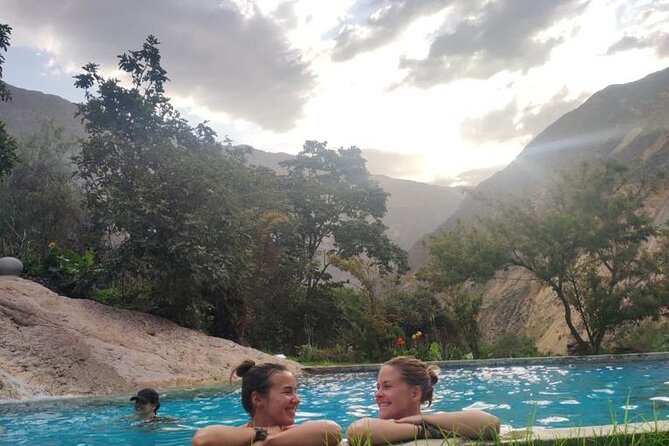
I like the three-day format because you get two nights inside the canyon. That matters after the first long descent. Instead of seeing Sangalle only as a place to sleep, you can spend part of the afternoon by the natural pools and enjoy the gardens and quiet around the lodges.
The extra time also gives your guide more room to set a sensible pace. Marcos was praised for keeping the group together without making the walk feel hurried. Other guides, including Ghersy and César, were singled out for explaining local history, plants, animals, and Peruvian culture along the way.
This is still hard work. Three days does not make the canyon easy. It simply spreads out the effort and gives you a more pleasant middle day.
More Three-Day Treks in Peru:
- Salkantay Trek Challenge – 3 Days / 2 Nights
★ 5.0 · 101 reviews - Private 3 Day Colca Canyon Trekking tour (superior Service)
★ 5.0 · 58 reviews - Ausangate and Rainbow Mountain Trek – 3 Days / 2 Nights
★ 5.0 · 35 reviews
The 3:00 a.m. start from Arequipa
Your day begins at 3:00 a.m., so organize your bag and clothing the night before. The early departure is not a minor detail. It allows the group to reach Cruz del Condor in time for the morning visit and gets you onto the trail before the day becomes too hot.
The journey from Arequipa leads toward the Colca Valley and its high mountain surroundings. The supplied information does not give a precise transfer time, so you should expect the first morning to feel long before the hiking even begins. Still, the early start has a clear purpose, especially for the final day when you climb before sunrise.
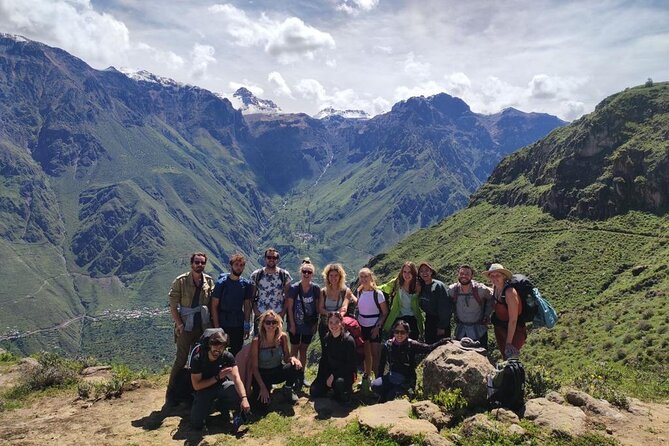
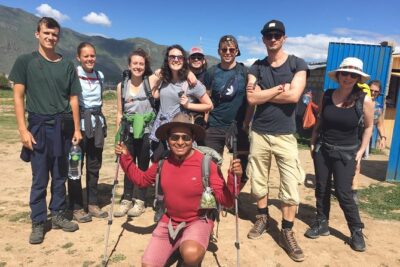
The operator uses groups capped at 10 people. That is a useful size for a narrow, steep trail. You are less likely to feel lost in a large crowd, and the guide can keep a closer eye on different walking speeds. The pace on one trip was described as comfortable for keeping everyone together, which is exactly what you want on a route with such a demanding finish.
The buses have also received praise for being comfortable, and drivers were noted for handling steep mountain roads safely. That part of the journey matters more here than it would on an ordinary sightseeing tour.
Day one: condors, canyon walls, and a steep descent
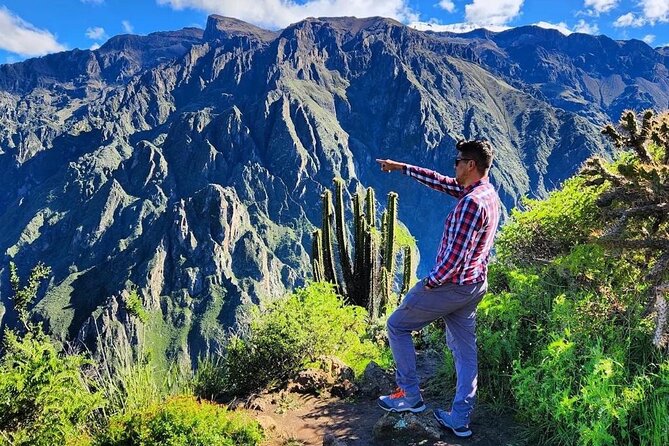
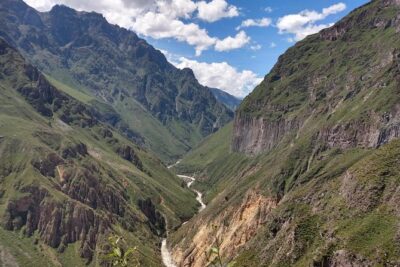
The first major stop is Mirador Cruz del Condor. From here, you can look across the enormous Colca Canyon and watch for Andean condors riding the air currents. The viewpoint gives you two kinds of drama at once: the birds overhead and the canyon dropping away below.
You can also see the mountains around the Colca Valley and begin to understand the scale of the route ahead. This is not just a photo stop. It helps you read the canyon before you enter it.
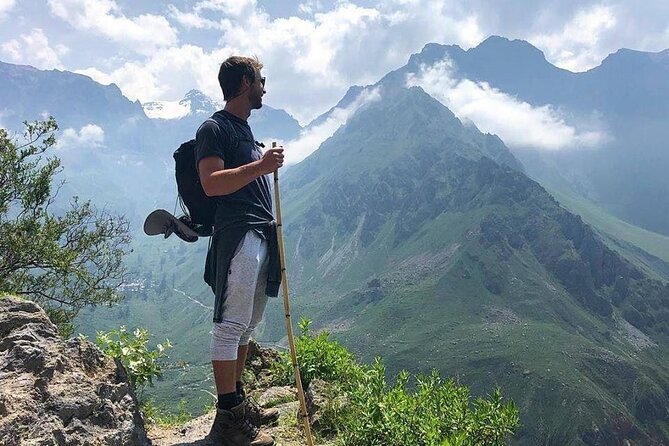
After the viewpoint, you walk downhill for about four hours. The descent is one of the hardest parts for your knees and feet, especially because the trail can be steep and exposed. One account described hot conditions with almost no shade, so carry water and protect yourself from the sun.
This is where proper equipment earns its place. Wear shoes made for hiking, not casual trainers, and consider poles for balance and for reducing strain on the descent. The path is not described as technical climbing, but the combination of steep ground, heat, and duration makes it demanding.
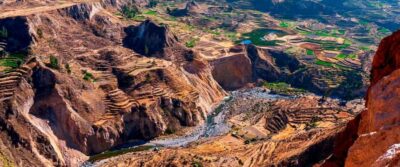
Along the way, you pass small communities where agriculture and livestock remain part of daily life. The route gives you a view of rural Colca that a bus tour cannot provide. You may see terraces, cultivated land, and homes connected to the canyon’s traditional economy, though the exact views vary with the route and conditions.
You spend the night in a small village with canyon views and a friendly local atmosphere. Accommodation is basic, but the rooms and cabins have been described as clean and comfortable. Some people paid extra for private rooms, so ask about that option before you go if privacy matters to you.
Day two: walking through local communities to Sangalle
The second day is the reward for surviving the first. You continue for about four hours through small communities, with more chances to see agriculture and livestock close up. The walk is still active, but it is less punishing than the final climb and gives you time to notice how people live far below the rim.
The cultural value here is quiet rather than staged. You are moving through working communities, not visiting a set built for tourists. Your guide can add useful context about local customs, plants, animals, and farming practices. The guides Marcos, Ghersy, César, Jonathan, and Jean Carlos were all praised for explaining the region clearly and making the walk enjoyable.
Around midday, you reach Sangalle Oasis. Its natural pools are the main attraction, and they are perfectly timed after the dry, exposed trail. You can spend the afternoon relaxing in the water and enjoying the lush setting at the bottom of the canyon.
Do not expect a resort. The lodges are simple, but the gardens and cabins have earned warm praise, especially at Posada Gloria and Tropical Lodge in Sangalle. The appeal is the setting and the chance to unplug, not luxury service.
The food is another strong point. Two lunches, two dinners, and three breakfasts are included, and the meals have been described as generous and satisfying. That is important on a route where you are using plenty of energy. You should still bring personal snacks if you know you eat often, but the included meals appear to be more than a token provision.
This is also your best chance to enjoy the canyon without watching the clock. You can take in the views, rest sore legs, and let the heat ease before the next morning’s climb.
More Guided Treks in Peru:
- Full-Day Trek to Humantay Lake from Cusco with Guide
★ 4.5 · 66 reviews - Bali: Mount Batur Sunrise Trek With Guide and Breakfast
★ 4.8 · 3,461 reviews - From Chania: Full-Day Samaria Gorge Trek Excursion & Guide
★ 4.6 · 3,191 reviews - La Palma: Tajogaite Volcano Guided Trek
★ 4.8 · 1,810 reviews
Day three: the pre-dawn climb and Chacapi hot springs
The final morning begins very early. You climb out of the canyon while it is still dark, then watch the light change as morning arrives. The early start is physically demanding, but it also gives the walk a special rhythm. One account particularly enjoyed walking in darkness and seeing the sunrise.
The ascent is the section you need to respect most. Going uphill for hours places a different strain on your legs than the first-day descent, and the gain in elevation can make the effort feel slow. Your guide should help set a workable pace, but you need to be honest about your fitness and take steady breaks when needed.
Once you finish the climb, the group heads to Chacapi hot springs. The stop lasts about an hour and offers a sensible way to loosen up after the trail. The hot spring admission is not included and costs $5 per person.
Lunch on the final day is also separate, priced at 45 soles. Add these costs before deciding that the tour price covers everything. The extra amount is still reasonable, but it is better to know about it before departure.
Guides, group size, and the feel of the trek
The guide can make or break a demanding route, and this experience has a strong record in that area. Marcos was praised for his information about plants and animals and for keeping a comfortable group pace. Ghersy was described as friendly, helpful, and excellent at making the trek enjoyable.
César received similar praise for his humor and broad understanding of the canyon and Peru. Jonathan was noted for giving people freedom to walk at their own speed while still providing useful information about the area and wildlife. Jean Carlos was praised for his hospitality and for creating a positive group atmosphere.
Names matter here because the guide is not just pointing out a viewpoint. You spend long hours walking together, eating together, and managing a difficult route. A good guide can explain what you are seeing, keep the pace sensible, and notice when the group needs a rest.
The maximum group size is 10. That is small enough for personal attention but large enough that the social atmosphere will depend on the mix of people on your departure. If you prefer complete privacy, this is not a private trek unless you arrange that separately.
What the $98 price really covers
At $98 per person, the tour offers good value if you want transport, a guide, lodging, and meals arranged in one package. You receive two lunches, two dinners, and three breakfasts, plus the organized trek and accommodation for two nights.
The price does not include everything. Plan for:
- $20 per person for park entrance
- $5 per person for Chacapi hot springs
- 45 soles for lunch on the final day
You may also pay extra for a private room. That option was used by at least one couple, while the standard lodging is basic but described as clean and comfortable.
The value is strongest for people who do not want to arrange transport, meals, village lodging, and trail logistics on their own. You are paying for structure and support as much as for the walking itself. The package also appears to include safe transport on steep roads and the chance to continue to Puno in some arrangements, with luggage stored at the trek’s starting point. Confirm that transfer and luggage arrangement directly if you need it, since it is not presented as a universal part of the basic tour.
Who should choose this trek
I would recommend it to you if you enjoy active trips, want more than a viewpoint, and can handle a long descent followed by a very early ascent. It suits people who value local communities, simple lodges, good meals, and time to sit quietly in a natural setting.
It is also a good choice if you dislike rushed schedules. The two nights below the rim give you room to enjoy Sangalle rather than simply pass through it.
You should think twice if you have limited hiking fitness, dislike steep trails, or struggle with early starts. The tour requires a moderate fitness level, but that phrase should not be read as effortless. The heat, lack of shade, steep descent, and final climb add up.
Practical preparation for the trail
Pack light, but do not cut the essentials. Hiking shoes and poles are the most useful equipment mentioned directly by people who completed the route. Add sun protection, water, and layers suitable for a pre-dawn start and a hot afternoon.
Keep your luggage plan clear before departure. One arrangement allowed luggage to be stored at the location where the trek began, which is useful if you are continuing onward to Puno. Confirm the details when booking rather than assuming every departure includes the same transfer service.
Because the start time is 3:00 a.m., prepare clothing, shoes, and snacks the night before. You will appreciate every minute of extra sleep. If you want a private room, request it early and ask about the added charge.
Free cancellation is available if you cancel at least 24 hours before the start time. A cancellation inside that window is not refunded, and changes are not accepted. The departure also requires a minimum number of people, so the operator may offer another date or a full refund if that minimum is not met.
Should you book the three-day Colca Canyon trek?
I would book this tour if you want a well-supported, active introduction to Colca Canyon and prefer three days to a rushed two-day route. The strongest reasons are the small group, experienced guides, included meals, two nights in the canyon, and the excellent contrast between condor viewpoint, rural trail, oasis pools, and hot springs.
I would not choose it if you want an easy sightseeing outing. The canyon demands effort, especially on day one and the final morning. Bring proper footwear, expect heat, budget for the extra fees, and treat the 3:00 a.m. start as part of the deal.
For fit hikers who want scenery, local life, and a little time to breathe, the $98 base price offers a lot. Just remember that the best part of the trip is earned one steady step at a time.
FAQ
How long is the Colca Canyon trek?
The experience lasts approximately three days. The first day includes about four hours of downhill walking, the second includes about four hours of walking to Sangalle Oasis, and the third includes an early climb followed by a visit to Chacapi hot springs.
What time does the tour start?
The stated start time is 3:00 a.m.
Is the park entrance included?
No. The park entrance costs $20 per person and is not included in the tour price.
Are the Chacapi hot springs included?
No. Admission to the hot springs costs $5 per person.
Are meals included?
Yes. The package includes three breakfasts, two lunches, and two dinners. Lunch on the final day is not included and costs 45 soles.
How large is the group?
The tour has a maximum of 10 participants.
How fit do I need to be?
You should have a moderate level of physical fitness. The route includes a steep four-hour descent, walking in hot conditions with limited shade, and a very early climb out of the canyon.
Recently added around Peru
- Small Group: 4-Day Inca Trail Trek to Machu Picchu★ 5.0 · 33 reviews
- 5 Day – Salkantay trek to Machu Picchu – Group Service★ 4.5 · 27 reviews
- 6 day Rainbow Mountain x Ausangate Trek – FlashpackerConnect★ 5.0 · 30 reviews
- Salkantay Trek: 5 Days to Machu Picchu★ 5.0 · 33 reviews
- Humantay Lake Full-Day Adventure: Scenic Trek and Stunning Views★ 4.5 · 39 reviews
- Salkantay 5-Day Trek To Machu Picchu★ 5.0 · 39 reviews
- Inca Trail Trek to Machu Picchu – 2 Days (Small Group or Private)★ 5.0 · 31 reviews
- Ausangate and Rainbow Mountain Trek – 3 Days / 2 Nights★ 5.0 · 35 reviews
Arequipa Trekking Tours, compared.
4 hours Tour: Route of Sillar with Trek in Culebrillas
Read our review →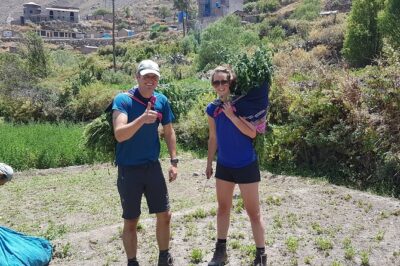
Private 3 Day Colca Canyon Trekking tour (superior Service)
Read our review →
2 Day Trek Including Transfer to Puno / Colca Canyon
Read our review →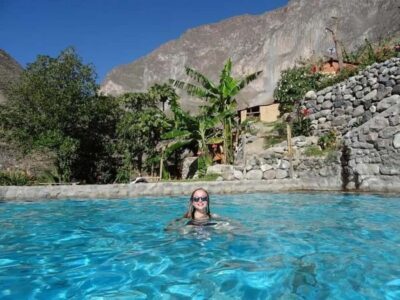
Browse the lists this tour appears in