
REVIEW · AREQUIPA
2 Day Trek Including Transfer to Puno / Colca Canyon
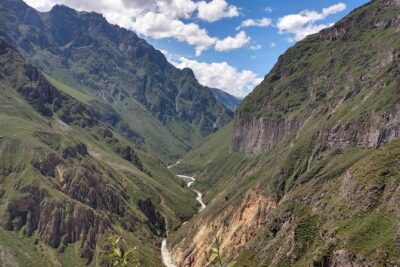
Colca Canyon rewards effort. This two-day trek combines dramatic canyon views, a chance to watch Andean condors, an overnight stay in warm Sangalle, and a useful transfer onward to Puno. I especially like the small group limit of 12 and the fact that your luggage can be transported while you hike.
I also like that the route includes several memorable stops beyond the trail, from Chivay’s traditional streets to camelids in the Salinas y Aguada Blanca National Reserve. The main consideration is the physical demand: day two begins in darkness with about three hours of steep uphill walking, and the online price may offer weaker value than booking locally in Arequipa.
Key points to know before booking
- The trek begins at 3:00 or 3:30 a.m. You spend about six hours reaching Cabanaconde and the Condor’s Cross area before starting the descent.
- The first day is mostly downhill. Expect around three hours from roughly 3,300 meters to about 2,100 meters, followed by more walking toward Sangalle.
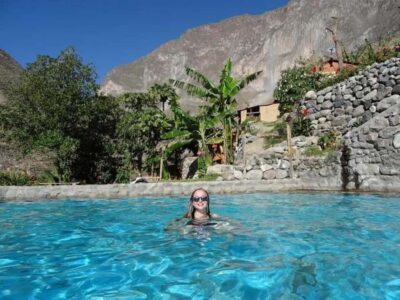
- Sangalle is the reward at the bottom. You sleep in a simple bungalow and can use a warm swimming pool after the hike.
- The second day is the hard one. A pre-dawn climb takes around three hours and rises roughly 950 to 1,200 meters, depending on the route description and exact point measured.
- Your journey ends in Puno, not Arequipa. The transfer leaves Chivay in the afternoon and reaches central Puno at about 6:30 p.m.
- Budget extra for mandatory and optional costs. The Colca Canyon entrance is PEN 70, the hot springs cost PEN 15, and the final lunch or buffet costs about PEN 30.
Why this two-day route makes sense
This trip is designed for people who want to see Colca Canyon without returning to Arequipa afterward. That onward transfer is the practical advantage. After the trek, you go through Chivay and continue to Puno, saving a separate travel day and avoiding the need to arrange another bus.
The price is listed at $179 per person. That includes dinner, lunch, two breakfasts, overnight accommodation, and the transfer from Chivay to Puno. It does not include the PEN 70 Colca Canyon entrance fee, the PEN 15 hot springs ticket, or the final lunch in Chivay.
The value depends heavily on how you book. One person on the trip paid less than half the online price after arranging the same route through a local Arequipa office. That does not guarantee that every local booking will be cheaper, but it is a strong reason to compare prices before paying online. At $179, I would expect the included transport and organization to matter a lot.
This is not a luxury outing. Food is described as acceptable rather than memorable, and the overnight lodging is basic. The tradeoff is a well-organized route with luggage transport, a small group, and a direct connection to Puno.
More Two-Day Treks in Peru:
- From Arequipa: 2-Day Colca Canyon Trekking Tour
★ 4.8 · 243 reviews - 2 Day 1 Night Trek / Colca Canyon
★ 4.5 · 92 reviews - From Arequipa Trek : 2-Days of Hiking in the Colca Canyon
★ 4.5 · 35 reviews
The early departure from Arequipa
Your day begins around 3:00 or 3:30 a.m. with pickup at your hotel or hostel in Arequipa. The drive to Cabanaconde takes about six hours, so this is a serious start rather than a relaxed morning tour.
You stop in Chivay around 7:30 a.m. for breakfast. Chivay is known for traditional houses and colorful surroundings, and the Plaza de Armas provides a short chance to stretch your legs. The stop lasts about 30 minutes, so do not expect a full town visit.
The long drive matters because you need to reach the canyon trailhead early enough to complete the descent before evening. Bring a small daypack with water, sun protection, warm layers, and only what you need for the trail. Luggage transport is available, which is a major help on the uphill return.
Condor’s Cross and the canyon rim
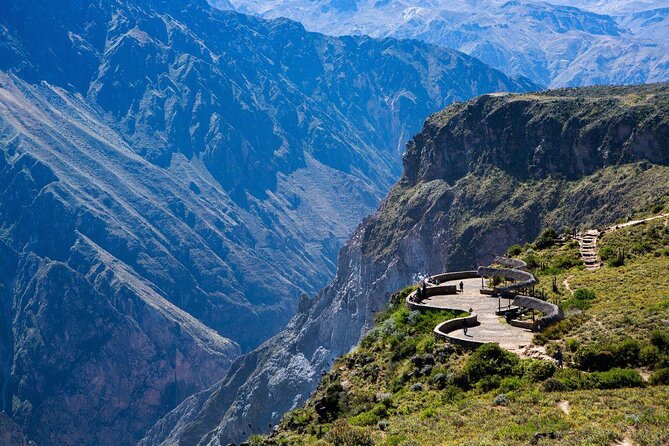
Condor’s Cross is one of the strongest parts of the route. The viewpoint is known for sightings of Andean condors, birds with wingspans of more than three meters and a weight of up to 12 kilograms.
You have about 30 minutes at the viewpoint. That may be enough for a sighting, but nature does not work to a timetable. Keep your expectations sensible. The stop gives you a good chance to watch the birds and look into the canyon, but a condor is never guaranteed to appear exactly when your group arrives.
After the viewpoint, the bus continues about 20 minutes to the start of the trail. From there, you begin the long descent from approximately 3,300 meters toward the canyon floor.
The three-hour descent to San Juan de Chuccho
The first hiking section drops about 1,200 meters and takes roughly three hours. Downhill walking can sound easy until you spend hours on uneven ground under strong sun. Your knees and ankles may feel the strain, especially if you are not used to mountain trails.
San Juan de Chuccho is the first substantial village stop. It has vegetation and fruit trees, giving the route a welcome change from the dry upper canyon. Lunch is served here, and you have time to rest before continuing.
The food is part of the practical appeal, but you should not expect restaurant-level meals. The included food is generally considered adequate, while one home-cooked lunch with fresh natural juice received especially warm praise. Bring a few snacks in case the meal timing does not suit you.
A few more treks around Peru worth a look
- From Arequipa: Sillar Route Trek
★ 4.2 · 461 reviews - From Cusco: 7 Lakes Ausangate Trek with Breakfast and Lunch
★ 4.8 · 360 reviews - Cusco: Full-Day Rainbow Mountain & Red Valley Trekking Tour
★ 4.5 · 121 reviews - Salkantay Trek Challenge – 3 Days / 2 Nights
★ 5.0 · 101 reviews
Cosñirhua, Malata, and the final walk to Sangalle
After lunch, the path continues through the small settlements of Cosñirhua and Malata. This is where the trip feels more connected to the canyon communities rather than being only a viewpoint excursion.
The walking continues toward Sangalle, at about 1,900 meters. The full first day lasts close to 11 hours when transport, stops, and hiking are counted. Arrival is expected around 5:00 p.m., so the day is long even though the trail is mostly downhill.
Sangalle is often called an oasis because of its lower altitude and warmer conditions. The warm swimming pool is the welcome feature here. After several hours on the trail, a soak can ease tired legs, although the lodging itself is simple.
You sleep in a bungalow at Cielo Azul Lodge or a similar basic oasis property. Facilities may be modest, and hot water is not guaranteed. Think of this as a clean place to rest in a remote setting, not a resort night.
Dinner is included. You should pack light for this overnight stop and leave your main luggage to be transferred, if the arrangement is confirmed with your guide.
The pre-dawn climb back to Cabanaconde
Day two starts around 5:00 a.m., often before sunrise. You climb for about three hours toward Cabanaconde with torch lights. This is the most demanding part of the route.
The ascent gains roughly 950 meters according to the supplied trip details, while another description places the total rise closer to 1,200 meters. Either way, you should treat it as a serious climb. The difficulty comes from the steep grade, the early hour, and the altitude, not simply the distance.
The sunrise can make this section special. As the light improves, you may get broad views across the canyon and see the route from a new angle. Still, do not let the scenery distract you from pacing yourself. Walk slowly, drink water, and keep your backpack light.
A moderate fitness level is required. This is not a suitable choice if you want gentle sightseeing or if steep mountain walking is a concern. The guide can provide structure and encouragement, but no guide can remove the climb.
Breakfast in Cabanaconde follows the ascent. After eating, the group travels toward Chivay, with views of pre-Inca terraces, archaeological remains, and colonial towns along the way. These are seen during the transfer rather than explored through long visits, so the experience is more visual than archaeological.
Chacapi hot springs and the road to Puno
Around noon, you reach Chivay and have the option of visiting the Chacapi hot springs. Entry costs PEN 15 and is not included. The pools range from about 30°C to 60°C, so you can choose a temperature that suits you.
The hot springs are a sensible extra after the climb, but they also add time and cost. If you are exhausted or eager to reach Puno, you may prefer to skip them. A typical local lunch in Chivay is also optional and costs about PEN 30, often as a buffet.
The afternoon transfer to Puno is one of the trip’s biggest practical benefits. The road climbs and descends through high terrain, reaching about 4,830 meters before dropping toward Puno at 2,325 meters. Pack a warm layer because the high point can feel cold, even after a warm morning in the canyon.
You pass through Pampa Cañahuas in the Salinas y Aguada Blanca National Reserve. This area is home to llamas, alpacas, vicuñas, and guanacos. The formal stop is only about 10 to 15 minutes, but the route offers more chances to see volcanoes and camelids for over an hour.
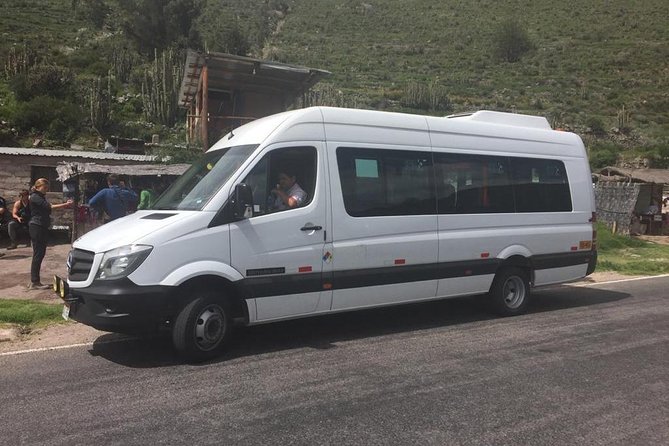
Arrival in Puno is scheduled for about 6:30 p.m. Drop-off is available at hotels or hostels in the city center. You may need to change buses during the transfer, so keep your valuables and essential items with you rather than in stored luggage.
Food, lodging, and luggage
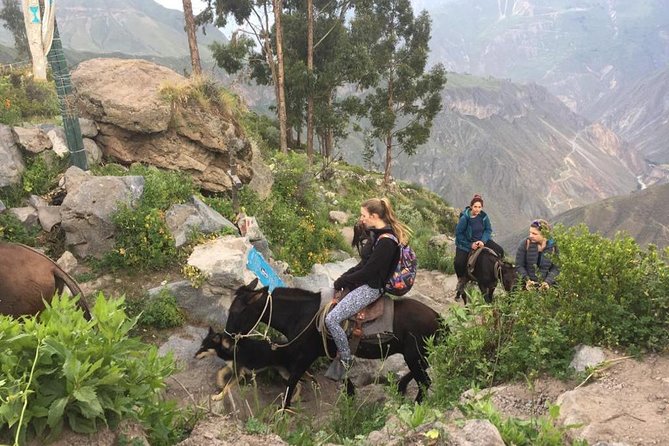
The included meals reduce the amount of planning you need in a remote area. You receive dinner, lunch, and two breakfasts, but the quality is basic. I would carry snacks, especially if you prefer a larger breakfast before the uphill section.
The overnight accommodation is the weak point for comfort. Previous descriptions call the oasis lodging somewhat shabby, with basic facilities and no guaranteed hot water. For one night, that may be acceptable, especially because the warm pool and canyon setting are the real reasons to sleep in Sangalle.
The luggage arrangement is one of the more useful details. Your large bag can be transported while you hike, so you do not need to carry everything down and back up the canyon. Confirm the exact luggage limit and handoff with the guide at the start, since the supplied details do not specify a weight allowance.
What the small group changes
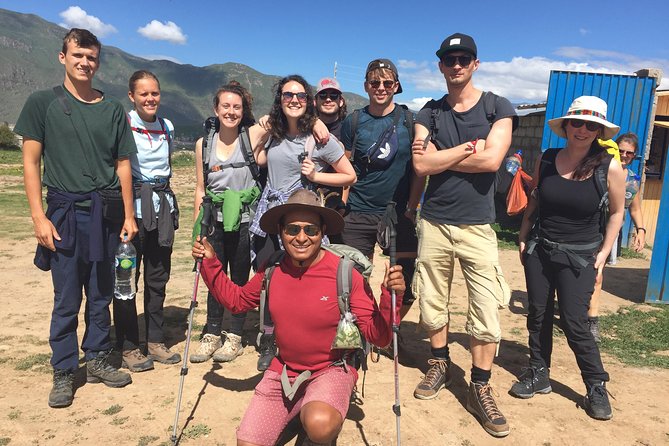
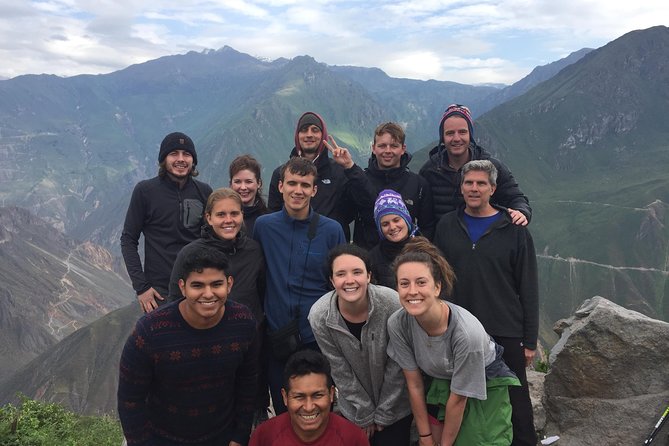
The maximum group size is 12 people. That is small enough for a guide to keep an eye on the pace and help with the route, yet large enough that you will not be walking alone.
A small group also helps during the early start, bus transfers, and luggage arrangements. The trip has several moving parts, including a bus change on the way to Puno, so organization matters.
This is still a shared tour. You will follow a set timetable and may need to wait for other walkers during the climb. If you want a private pace or frequent long stops, a private guide would be a better fit, though the price would likely differ.
How to prepare for the altitude and effort
Arequipa is already high, and the route reaches much higher ground before dropping into the canyon. The steep changes in altitude are part of the experience, but they also make pacing important.
Wear sturdy walking shoes with good grip. Bring a headlamp or torch for the pre-dawn climb, even though the group uses lights. Pack sunscreen, a hat, water, warm clothing for the high passes, and light clothes for warm Sangalle.
Keep your overnight items compact. A heavy backpack will make the uphill section much worse. Since luggage transport is part of the arrangement, use it.
The route is best for someone with a moderate fitness level who is comfortable walking for several hours. You should not book it simply because the price looks attractive. The scenery is excellent, but the physical work is real.
Booking, cancellation, and who should choose it
The experience is non-refundable and cannot be changed for personal reasons, so check your dates carefully. If poor weather causes cancellation, you are offered another date or a full refund. Service animals are allowed.
I would choose this trip if you want a focused Colca Canyon experience and need to reach Puno afterward. It suits an active visitor who accepts simple lodging, basic meals, early mornings, and a demanding climb in exchange for condors, canyon villages, Sangalle, and an efficient onward transfer.
I would hesitate if you want comfort, flexible timing, or a gentle introduction to the canyon. I would also compare the $179 price with local offices in Arequipa before booking. The route can be excellent value when the transfer and organization solve a real transport problem, but the online price may be high for basic accommodation and meals.
Should you book this Colca Canyon trek?
Book it if you want the full canyon route in two days and are continuing to Puno. The strongest features are the scenery, the condor viewpoint, the small group, luggage assistance, and the chance to sleep in Sangalle.
Skip it if steep walking is not for you, or if you expect polished rooms and memorable meals. Before paying, compare local prices, budget at least PEN 85 for the canyon fee and hot springs, and prepare for the second day as a serious mountain climb rather than a casual walk.
FAQ
How long is the experience?
The trip lasts approximately two days, beginning in Arequipa and ending in Puno.
What time does pickup begin?
Pickup begins around 3:00 a.m., with the itinerary also listing a departure window of 3:00 to 3:30 a.m.
Where does the first day of hiking begin?
The hike begins near Cabanaconde, after the group visits Chivay and Condor’s Cross.
How long is the first day’s hike?
The downhill section takes about three hours, followed by additional walking through San Juan de Chuccho, Cosñirhua, and Malata toward Sangalle.
How difficult is the second day?
The second day includes about three hours of uphill trekking from Sangalle to Cabanaconde. A moderate physical fitness level is required.
Where do you sleep overnight?
You sleep in a bungalow in Sangalle, at Cielo Azul Lodge or a similar accommodation.
Is the Colca Canyon entrance fee included?
No. The entrance fee is PEN 70 per person.
Are the Chacapi hot springs included?
No. The hot springs are optional and cost PEN 15 per person.
Is lunch in Chivay included?
No. The final lunch in Chivay is optional and costs about PEN 30 per person.
Does the tour end in Puno?
Yes. The transfer from Chivay reaches Puno at about 6:30 p.m., with drop-off at a hotel or hostel in the city center.
Recently added around Peru
- 5 Day – Salkantay trek to Machu Picchu – Group Service★ 4.5 · 27 reviews
- Small Group: 4-Day Inca Trail Trek to Machu Picchu★ 5.0 · 33 reviews
- Salkantay Trek: 5 Days to Machu Picchu★ 5.0 · 33 reviews
- 6 day Rainbow Mountain x Ausangate Trek – FlashpackerConnect★ 5.0 · 30 reviews
- Humantay Lake Full-Day Adventure: Scenic Trek and Stunning Views★ 4.5 · 39 reviews
- Salkantay 5-Day Trek To Machu Picchu★ 5.0 · 39 reviews
- Inca Trail Trek to Machu Picchu – 2 Days (Small Group or Private)★ 5.0 · 31 reviews
- Ausangate and Rainbow Mountain Trek – 3 Days / 2 Nights★ 5.0 · 35 reviews
Arequipa Trekking Tours, compared.
4 hours Tour: Route of Sillar with Trek in Culebrillas
Read our review →
Private 3 Day Colca Canyon Trekking tour (superior Service)
Read our review →
Browse the lists this tour appears in