
REVIEW · AREQUIPA
Arequipa: Colca Canyon Trekking 2 days and 1 night + food
Wake before dawn for Peru’s great canyon walk. This two-day trip combines the famous Cruz del Condor viewpoint with a demanding descent into the Colca Canyon, a night at the warm Sangalle oasis, and a tough climb back to Cabanaconde. I like the mix of big scenery and village life, and I like that transport, a bilingual mountain guide, several meals, and lodging are included. The main caution is simple: this is not an easy walk, and the basic refuge may feel rougher than the $150 price suggests.
The guides can make a real difference here. Alix was praised for clear explanations and for finding solutions when members of the group struggled, while Carlos and Alex were described as supportive and attentive. You should also expect shared rooms, limited solar electricity, no internet, and a long first day on steep mountain paths.
Key points before you book
- The trek begins around 3:00 to 3:30am from Arequipa, so you will need to be ready for an early start and a full day outside.
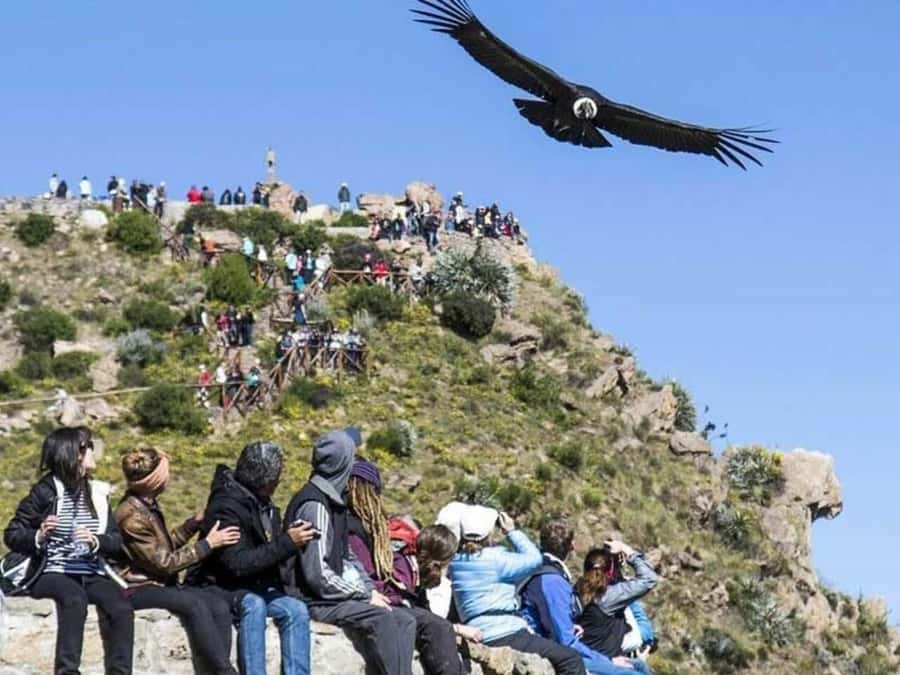
- Cruz del Condor comes first, giving you a chance to see Andean condors before the walking begins.
- Day one descends into the canyon, with roughly four hours to San Juan de Chucho and about three more hours to Sangalle.
- Day two starts around 5:00am with a three-hour climb, the hardest section for many people.
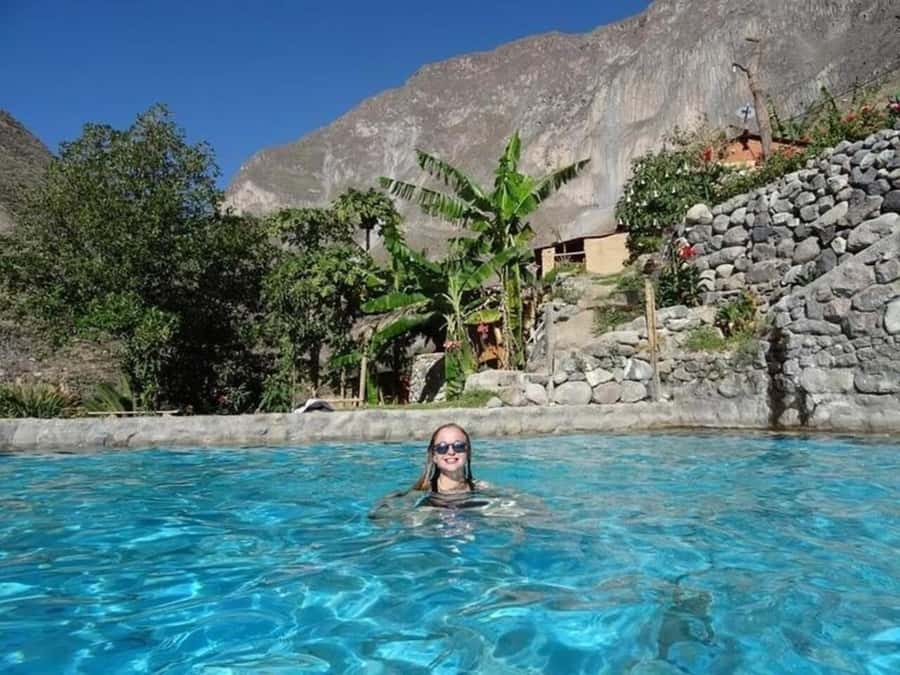
- Sangalle is a true off-grid stop, with shared rooms, solar lighting, no internet, and pools beside the Colca River.
- The $150 price covers the core trip, but you still need cash for the tourist ticket, hot springs, second-day lunch, and any extra services.
Why this Colca Canyon route is worth your time
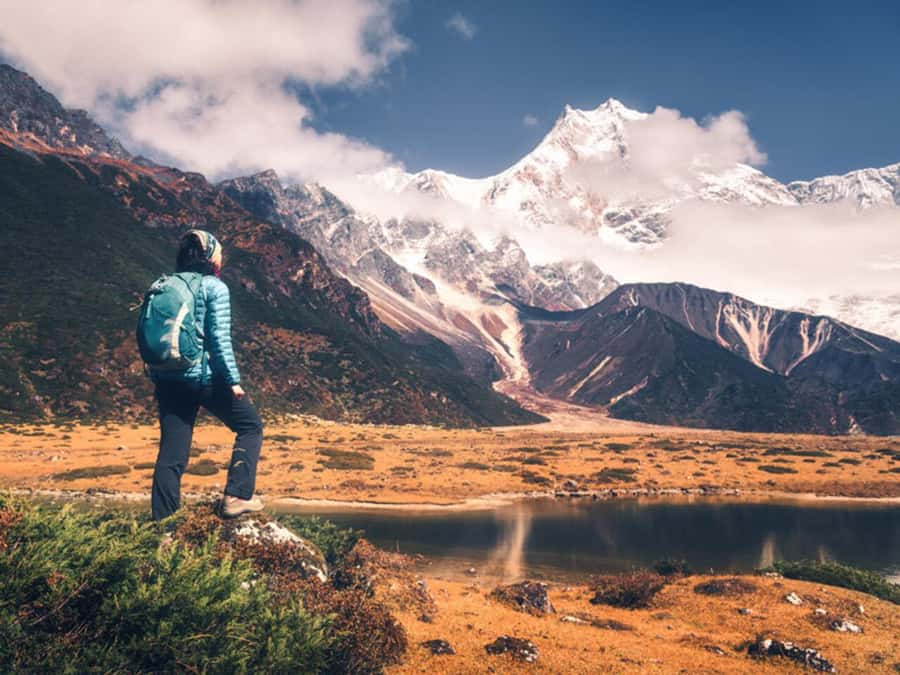
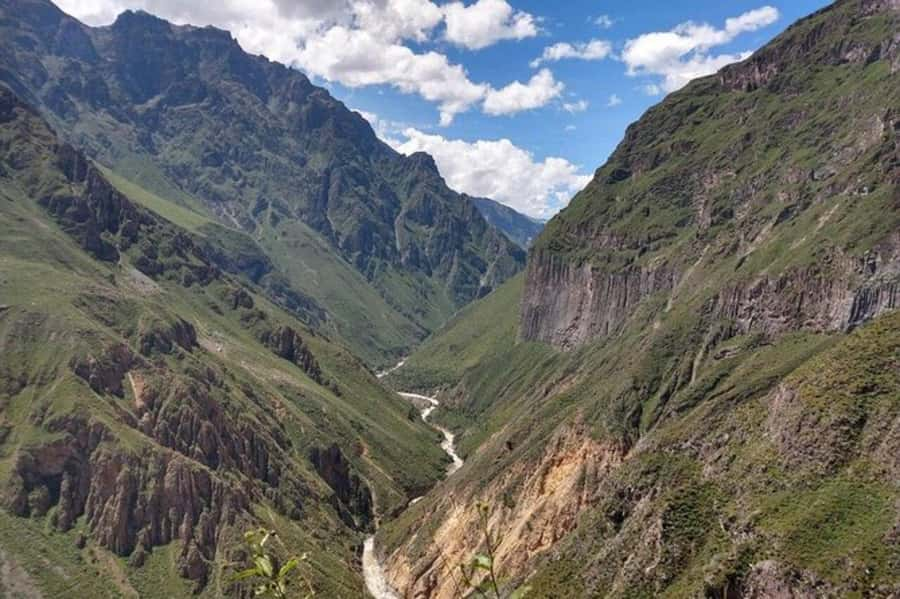
The Colca Canyon is not a quick viewpoint visit. This route lets you see it from above, walk through its interior, sleep at the bottom, and climb back out the next morning. That change in scale is the point. From the rim, the canyon looks immense. Down below, the route brings you past small settlements, dry mountain slopes, cultivated areas, and the river valley.
You also get more than a physical challenge. The route passes through Cabanaconde, San Juan de Chucho, Cosñirhua, and Malata. These villages give the walk a human setting rather than making it feel like a pure wilderness outing. A small museum in Malata adds a cultural stop during the descent.
I especially like the contrast between the two days. Day one is about losing altitude and reaching Sangalle. Day two is about earning your breakfast with a long uphill climb, then returning to Arequipa through high plateaus, wetlands, volcano viewpoints, alpaca herds, llamas, and vicuñas.
Still, you need to read the physical demands honestly. The tour information warns of hikes of up to six hours per day in mountainous terrain above 3,000 meters. The route description gives approximately four hours of walking to San Juan and another three hours to Sangalle, followed by about three hours uphill the next morning. Timing can vary, but this is a serious trek.
More Food and Drink Stops in Peru:
- Etna Sunset Tour: Volcano trek, Cave & tasting from Catania
★ 4.8 · 1,290 reviews - From Catania: trek on Mount Etna, Lava Cave & tasting Tour
★ 4.8 · 563 reviews - Catania: Mount Etna Sunset Trekking with Wine Tasting
★ 5.0 · 140 reviews
The 3:00am departure from Arequipa
Pickup takes place near the main square of Arequipa between 3:00 and 3:30am. That early departure is not a minor detail. You will spend about three hours on the road to Chivay, usually arriving around 6:00am for breakfast.
The early start helps fit the canyon into two days, but it also means your first day begins with a sleep deficit. Pack your day bag the night before and keep your passport or ID, water, sunscreen, a hat, and a warm layer easy to reach. The provided list also recommends comfortable clothing, hiking shoes, sunglasses, a towel, sandals, swimwear, a change of clothes, cash, and a charged smartphone.
Breakfast is served at a tourist restaurant in Chivay. After eating, you continue for about another hour toward Cruz del Condor. The road portion is long, but it allows the tour to cover a great deal of the Colca region without requiring an extra night.
Cruz del Condor and the first canyon views
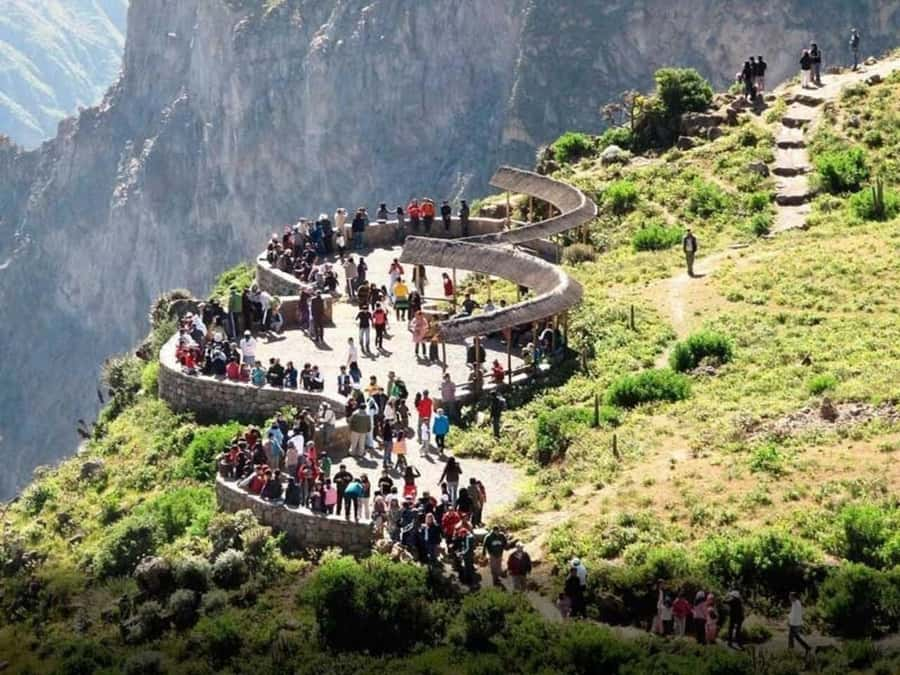
Cruz del Condor is the first major stop, and it gives you an immediate sense of the canyon’s scale. From the viewpoint, you can look into the canyon and watch for Andean condors riding the air currents. Their flight is the reason many people make this stop, but the view itself is also important because it shows the canyon’s shape before you walk inside it.
Bring your sunglasses and hat here. The viewpoint is exposed, and you will be standing outside after a very early morning. Your guide can also provide context in English or Spanish, depending on the language selected for your booking.
After Cruz del Condor, the vehicle passes through Cabanaconde and La Pampa de San Miguel. At La Pampa de San Miguel, the road trip gives way to the hike. This transition is useful: you see the canyon from the rim, then begin to understand its depth on foot.
Descending through villages to San Juan de Chucho
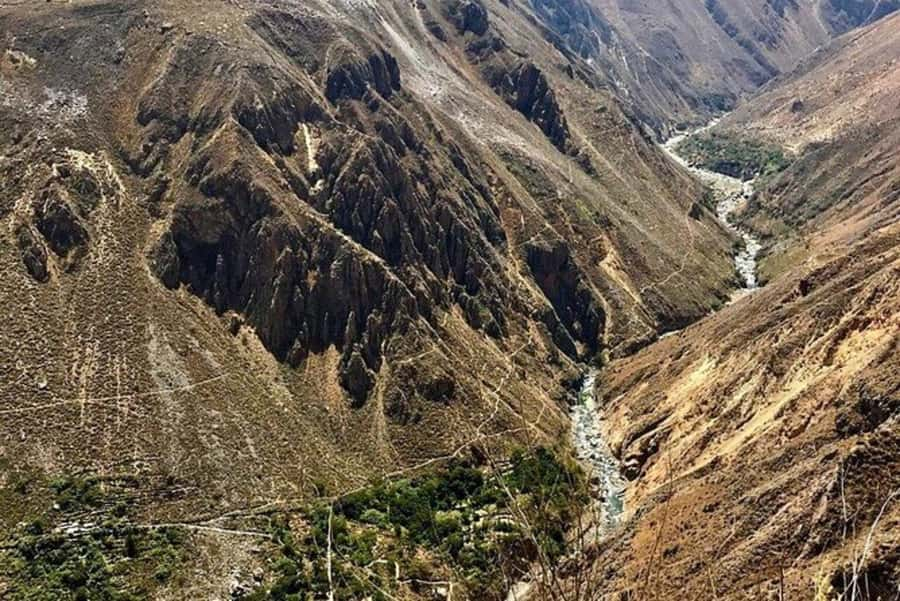
The descent into the canyon takes about four hours to San Juan de Chucho. Do not treat the downhill section as an easy warm-up. Descending for hours can be hard on your knees and feet, especially on uneven mountain paths. Good hiking shoes matter more than stylish gear here.
The walk brings views of the villages you will pass and the canyon walls around you. This is one of the best parts of the route because the scenery changes as you lose height. You are no longer simply looking at the Colca Canyon from a platform. You are moving through it.
Lunch is served in San Juan de Chucho. That meal is included, along with breakfast on the first day, breakfast on the second day, and dinner on the first day. Having lunch arranged at this point saves you from carrying a full day’s supply of food, though you should still carry water and personal snacks if needed.
The walking estimates deserve attention. The published schedule says about four hours to San Juan, then about three hours to Sangalle. Elsewhere, the physical warning describes hikes of up to six hours per day. I would plan for a long and tiring first day rather than relying on the shortest estimate.
A few more treks around Peru worth a look
- From Siracusa: Etna Tour – Trek, Wine and Food
★ 4.8 · 50 reviews - Ancona: Urban Trek Tour with Wine and Food Tasting
★ 4.5 · 4 reviews - 2-Day SAPA Trekking – Villages-Homestay-Ethnic-Local Food-Market
★ 5.0 · 2 reviews
Cosñirhua, Malata, and the final walk to Sangalle
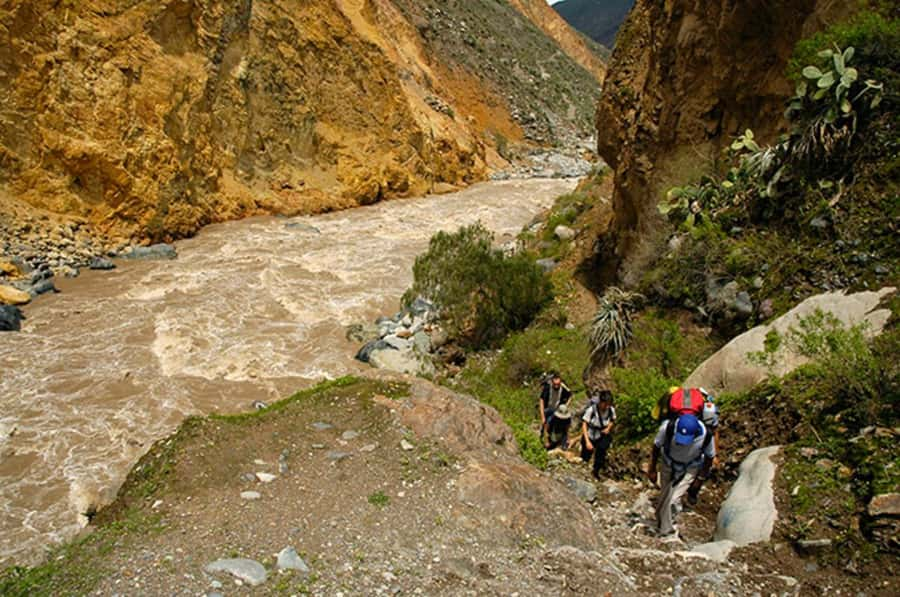
After lunch, you continue toward Sangalle for about three hours. The route passes through Cosñirhua and Malata, where you can see more of the settled side of the canyon. Malata includes a small museum, giving the afternoon a cultural pause before the final descent or walk toward the oasis.
Sangalle sits in the heart of the canyon beside the Colca River. Its warm pools are the reward at the end of the first day. You can change into swimwear, use the pools, and let tired legs rest before dinner.
The word oasis can sound more polished than the actual accommodation. The refuge is rustic and eco-friendly, with electricity supplied by solar panels. Once darkness arrives, lights are available for only a couple of hours. There is no internet, and phones cannot be charged. Rooms are shared unless you pay extra for a private room.
The basic facilities are part of the experience, but they are also the main weakness. A room may have issues with dampness or mold, and bathroom operation can be unreliable. I would bring sandals, a towel, and a charged phone, then accept that Sangalle is a place to disconnect rather than a comfortable hotel night.
Dinner is included. After that, the stars and quiet become the evening entertainment. If you need constant electricity, a private bathroom, or reliable internet, this overnight stop will test your patience. If you want one night away from screens in the middle of the canyon, it may be exactly what you hoped for.
The 5:00am climb back to Cabanaconde
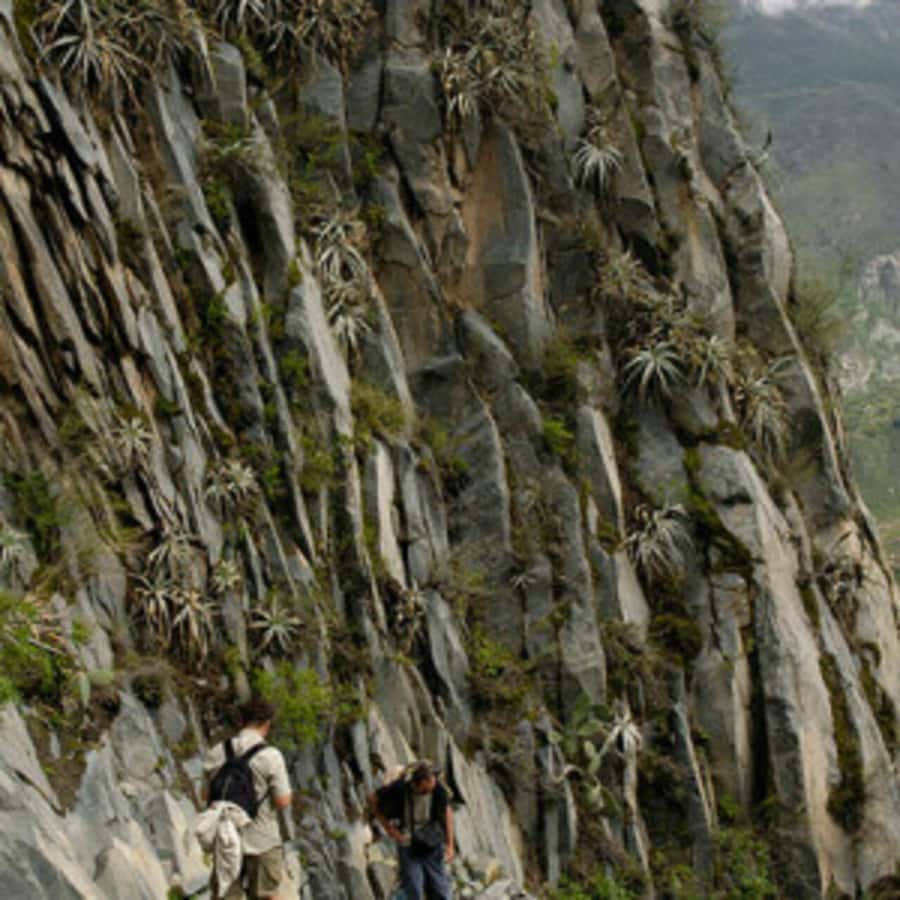
The second day starts at approximately 5:00am. The climb to Cabanaconde takes about three hours, and this is likely to be the toughest part of the trip. You have already spent the previous day walking, so the early start and steep ascent demand real stamina.
The tour is not suitable for people with low fitness, mobility impairments, back problems, or altitude sickness. It is also not recommended for people over 70. Those limits are worth taking seriously. A person who is comfortable with easy walks may still find the second day too demanding. One participant who was used to easy hiking could not complete the climb and needed a mule taxi arranged by guide Alex.
That detail is useful because it shows two things at once. First, you should not underestimate the ascent. Second, the guides may help find a practical solution if someone cannot continue. Alix was also praised for helping people who struggled and for explaining the surroundings along the way. A mule or taxi service is not listed as included, so any emergency alternative should be treated as an extra cost.
At Cabanaconde, you have breakfast and wait for the vehicle. This is a welcome break after the climb. You may feel that breakfast has been well earned.
Thermal baths, Chivay, and the return road
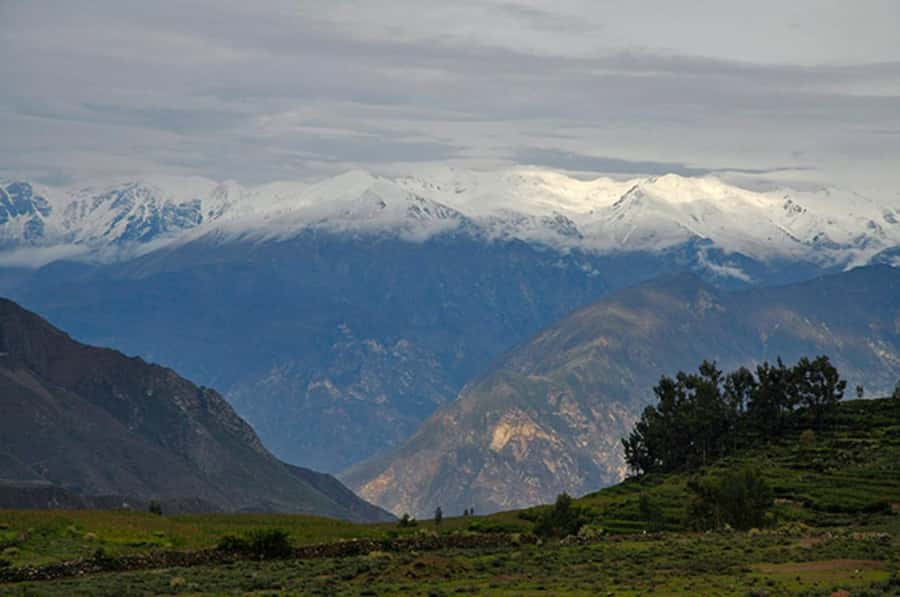
The vehicle takes you back toward Chivay, stopping at places of interest for photos and views. At about 11:30am, you visit the thermal baths. Entry costs S/. 15 in cash and is not included in the tour price. Bring swimwear and a towel if you want to use the pools.
The hot springs are well placed in the schedule. After the second-day climb, warm water can be a pleasant way to loosen tired muscles. You should not count on a long, private spa session. This is a group stop within a full return journey.
Lunch in Chivay follows around 12:30pm and is paid separately. Keep soles available, because the tourist ticket, hot springs, and lunch are all outside the advertised price. The return to Arequipa begins around 1:30pm.
The road back includes a stop at the volcano viewpoint, with the highest point reaching 4,910 meters above sea level. That altitude is a reminder that this trip is not only about the canyon floor. The route also crosses high Andean terrain, and you may feel the difference after the lower, warmer conditions at Sangalle.
At the Tocra wetlands, you can look for wild birds and see herds of alpacas and llamas. At Pampa Cañahuas, the route enters the Aguada Blanca and Salinas National Reserve, where vicuñas may be seen. These stops break up the long ride and add wildlife and high-altitude scenery to the canyon trek.
Arrival in Arequipa is expected around 5:30pm. It is a full second day, even though much of it is spent in the vehicle.
What the $150 price really covers
At $150 per person, the tour offers solid value if you want a packaged route from Arequipa. Included are hotel pickup near the main square, round-trip transport, a bilingual high-mountain guide, two breakfasts, one lunch, one dinner, and one night at the Sangalle lodge.
The price removes several planning tasks. You do not need to arrange separate transport between Arequipa, Chivay, Cabanaconde, and the canyon. You also have a guide for the mountain route and scheduled meals at key points.
However, your real budget must be higher. The tourist ticket costs:
- S/. 20 for Peruvian nationals
- S/. 5 for Peruvian national students
- S/. 40 for Latin Americans
- S/. 70 for foreign visitors
You also need S/. 15 for the hot springs, money for second-day lunch, and cash for any service not listed. A private room at the refuge costs extra. If you need mule transport or another solution during the climb, that is not included either.
For the right person, the price is reasonable because transport and guiding are substantial parts of a two-day canyon trip. It is less appealing if you expect hotel-level accommodation or want every expense covered.
Guides, language, and the human side of the trip
A strong guide matters on a route like this. The tour operates in English and Spanish, and the guide is described as a bilingual high-mountain guide. That is important for safety, pacing, and understanding the villages and terrain.
Alix received especially strong praise for offering useful explanations and quickly finding solutions when some people struggled to finish. Carlos and Alex were also described as supportive, with Alex arranging a mule taxi when one participant could not complete the second-day climb.
You should still make your own fitness assessment. A helpful guide cannot remove the physical work. What a good guide can do is explain the route, keep an eye on the group, offer encouragement, and respond sensibly when conditions change.
What to pack for a more comfortable night
Pack light, but do not pack too little. You need equipment for both a hot canyon oasis and a cold, high-altitude road journey.
Bring:
- Passport or ID card
- Sturdy hiking shoes
- Sandals for the pools and lodge
- Swimwear and a towel
- A change of clothes
- Sunglasses, a hat, and sunscreen
- Comfortable hiking clothes
- Cash in soles
- A fully charged smartphone
Because phones cannot be charged at Sangalle, use your battery carefully. Do not count on internet access. Alcohol and drugs are not allowed.
I would also keep personal essentials in a small day bag rather than buried in the vehicle luggage. The route includes long periods of walking, and you will want quick access to sun protection, water, and dry clothing.
Who should book this trek?
You should book this experience if you want a demanding canyon walk with a guide, not simply a scenic day trip from Arequipa. It suits people who enjoy long hikes, basic accommodation, early mornings, and a clear sense of physical achievement.
It is also a good choice if you value variety. You get condors, canyon views, village paths, a museum, river-side pools, thermal baths, wetlands, llamas, alpacas, and vicuñas in two days.
You should skip it if your idea of hiking is a gentle stroll. The descent is long, the climb out is serious, and the altitude can add strain. You should also think twice if shared rooms, unreliable bathroom facilities, and limited solar electricity would spoil the trip for you.
Should you book the Colca Canyon two-day trek?
Book it if you want the Colca Canyon from the inside, and if you are ready for a hard climb on day two. The guides appear to be a major strength, the included transport and meals make the planning easy, and the route offers far more than a viewpoint stop.
Before paying, check that you can handle several hours of mountain walking above 3,000 meters. Budget for the tourist ticket, hot springs, lunch, and possible extras. If you can accept the basic refuge and arrive prepared, this is a memorable, high-value way to experience the canyon near Arequipa.
FAQ
How long is the Colca Canyon tour?
The tour lasts two days and one night, with return to Arequipa scheduled for approximately 5:30pm on the second day.
What time does pickup begin in Arequipa?
Hotel pickup near the main square takes place between approximately 3:00 and 3:30am on the first day.
Is the tour available in English?
Yes. The tour is offered with Spanish and English language support.
How difficult is the trek?
The route includes mountain hiking of up to six hours per day at altitudes above 3,000 meters. The itinerary also describes approximately four hours of walking to San Juan, three more hours to Sangalle, and about three hours of ascent to Cabanaconde on day two.
Where do you sleep?
You sleep at the Sangalle lodge, also described as an Oasis refuge. Rooms are shared, and a private room may be available for an extra cost.
Is there electricity at the lodge?
The lodge uses solar panels. Lights operate for only a couple of hours after dark, and cell phones cannot be charged there.
Are meals included?
The price includes breakfast on the first day, breakfast on the second day, lunch on the first day, and dinner on the first day. Lunch on the second day is not included.
Is the tourist ticket included?
No. The tourist ticket must be paid in cash. The listed prices range from S/. 5 for national students to S/. 70 for foreign visitors.
Are the hot springs included?
No. The hot springs cost S/. 15 in cash.
Who should not take this tour?
The tour is not suitable for people with back problems, mobility impairments, altitude sickness, or a low level of fitness. It is also not recommended for people over 70 years old.
More Two-Day Treks in Peru
- From Arequipa: 2-Day Colca Canyon Trekking Tour
★ 4.8 · 243 reviews - 2 Day Trek Including Transfer to Puno / Colca Canyon
★ 4.5 · 38 reviews - From Arequipa Trek : 2-Days of Hiking in the Colca Canyon
★ 4.5 · 35 reviews - Inca Trail Trek to Machu Picchu – 2 Days (Small Group or Private)
★ 5.0 · 31 reviews
More Evening Experiences in Peru
- 2 Day 1 Night Trek / Colca Canyon
★ 4.5 · 92 reviews - From Cusco: 5-Night Trip with Salkantay Trek & Machu Picchu
★ 4.7 · 6 reviews - PARACAS|| Sunset trekking in the Paracas National Reserve
★ 3.3 · 3 reviews - 2 day 1 night trek / Colca Canyon
★ 3.0 · 3 reviews
Recently added around Peru
- 5 Day – Salkantay trek to Machu Picchu – Group Service★ 4.5 · 27 reviews
- Small Group: 4-Day Inca Trail Trek to Machu Picchu★ 5.0 · 33 reviews
- 6 day Rainbow Mountain x Ausangate Trek – FlashpackerConnect★ 5.0 · 30 reviews
- Salkantay Trek: 5 Days to Machu Picchu★ 5.0 · 33 reviews
- Humantay Lake Full-Day Adventure: Scenic Trek and Stunning Views★ 4.5 · 39 reviews
- Salkantay 5-Day Trek To Machu Picchu★ 5.0 · 39 reviews
- Inca Trail Trek to Machu Picchu – 2 Days (Small Group or Private)★ 5.0 · 31 reviews
- Ausangate and Rainbow Mountain Trek – 3 Days / 2 Nights★ 5.0 · 35 reviews
Arequipa Trekking Tours, compared.
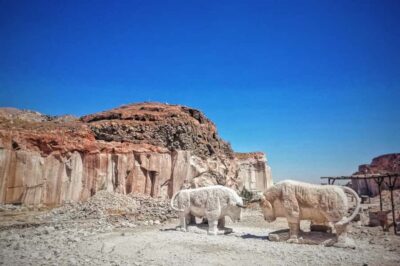
4 hours Tour: Route of Sillar with Trek in Culebrillas
Read our review →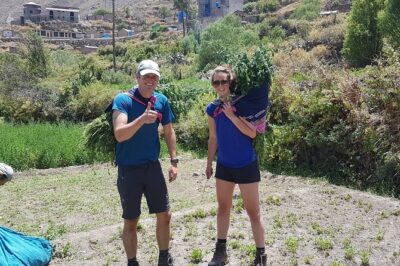
Private 3 Day Colca Canyon Trekking tour (superior Service)
Read our review →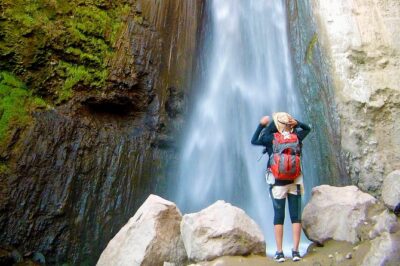
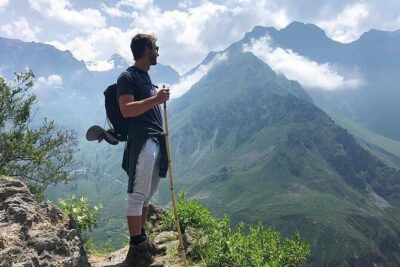
2 Day Trek Including Transfer to Puno / Colca Canyon
Read our review →Browse the lists this tour appears in