
REVIEW · POKHARA
Pokhara: 4-Day Mardi Himal Trek
Mountain mornings are worth the early alarm. This four-day Mardi Himal trek gives you rhododendron forests, Gurung and Magar villages, and superb views of Machhapuchhre and the Annapurna range without requiring a long expedition. I especially like the private group format and the steady care provided by guides such as Ramit, Kaji, Prabit, and Lalit. The main catch is that four days makes this a demanding schedule, with long climbs and a fast rise from Pokhara to more than 4,000 meters.
I also like the way the route changes character each day. You begin among terraced fields and forest, pass simple tea houses, and finish above the tree line with sunrise over Fishtail, Annapurna South, and Mardi Himal. Still, you should read the package details carefully: the $139 price includes different benefits depending on whether you choose Standard or Full, and meals are included only in the Full Package.
Key points to know before you go
- Sunrise at about 4,200 to 4,300 meters: The early climb from High Camp brings the trek’s best mountain views, but the altitude makes it hard work.
- Five-hour opening hike: After a 1.5-hour drive from Pokhara to Kande, you walk for roughly five hours to Forest Camp.
- Forests before high mountain views: Rhododendron woodland, birds, butterflies, small waterfalls, and changing weather keep the lower trail interesting.
- Base Camp is weather dependent: The optional section to about 4,500 meters may be closed in snow, rain, or slippery conditions.
- Good guide support: Guides regularly praised for care and pacing include Ramit, Kaji, Prabit, Lalit, Shishir, Santosh, Jeevan, and Gobinda.
- Budget carefully: Porter service costs $20 per day, drinks and personal expenses are extra, and Standard Package meals are not included.
What the $139 Mardi Himal trek really offers
At $139 per person, this trek can be a strong value if you understand what is covered. Hotel pickup and drop-off in Pokhara, a licensed English-speaking guide, permits, TIMS fees, government taxes, transport, trekking equipment, staff costs, and tea-house accommodation in the Standard Package are included.
The Full Package adds breakfast, lunch, and dinner. The Standard Package does not include meals, so ask for the exact package price and inclusions before you pay. One practical point is especially important: a room charge may not be interpreted the same way by everyone, so confirm whether your accommodation cost is fully covered at each stop.
You can also use the luggage storage service if you are leaving larger bags in Pokhara. Trekking poles and a sleeping bag are provided, which saves you from buying or renting every piece of equipment before the hike. Solo hikers may need to share a room during busy periods because tea houses have limited space.
The price does not include soft drinks, alcoholic drinks, toiletries, laundry, phone calls, boiled water, travel insurance, rescue insurance, or porter service. A porter costs $20 per day. Bring enough cash for the mountain stops, especially if you want extra drinks or local food.
More Mardi Himal Treks in Pokhara
- Private Mardi Himal Trek
★ 5.0 · 42 reviews - From Pokhara: 4-Day Mardi Himal Base Camp Trek
★ 4.9 · 31 reviews - Mardi Himal Trek
★ 5.0 · 30 reviews
Day 1: Kande to Forest Camp through thick forest
Pickup begins around 8:00 am from places such as Lakeside, Baidam, Pame, or nearby parts of Pokhara. The drive to Kande takes about 1.5 hours and gives you a pleasant start, with views of fields, forests, the Seti River, and distant peaks.
The road portion matters because it removes a lower section of walking and lets you reach the forest trail sooner. There is usually time for a midday tea-house stop before the hike begins. From Kande, expect around five hours on foot to Forest Camp.
This first walk passes through woodland and hillside scenery rather than dramatic high peaks. That is part of its appeal. You get a gradual introduction to the route, with birds, butterflies, and changing forest cover. Depending on the season, the trail may also feel damp, muddy, or busy with insects. In the rainy months, leeches and mosquitoes are a real possibility.
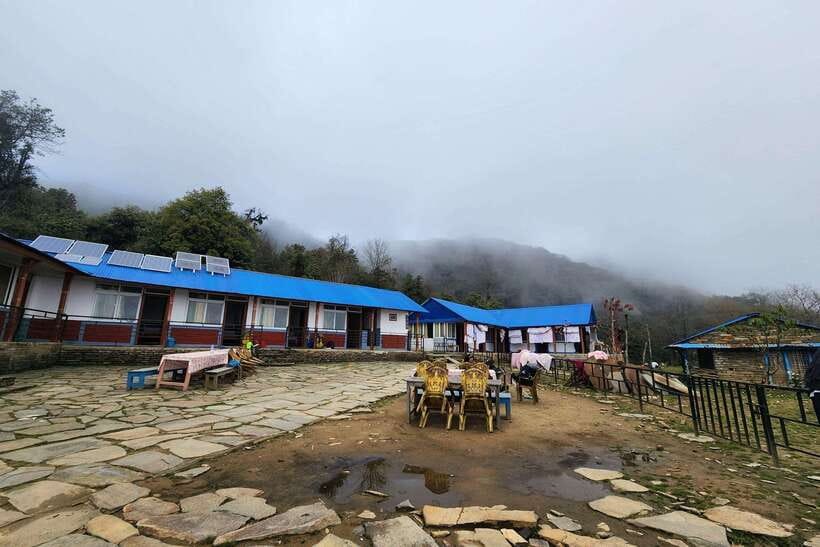
Forest Camp is a simple mountain overnight stop. Tea-house accommodation is practical rather than polished, and conditions can vary. Carry the supplied sleeping bag, and pack a small personal first-aid kit even though staff support and trekking equipment are included.
Day 2: Forest Camp to High Camp and the hardest climb
Day two is the big uphill day. You leave Forest Camp after breakfast and walk for about five hours toward Mardi Himal High Camp. The route cuts through dense forest before opening to broader mountain views as you gain height.
The trail is not technical, but it is strenuous. Much of the route uses long flights of steps, and the altitude begins to make each climb feel slower. A reasonable level of fitness helps, especially because the itinerary compresses a route that is often taken at a gentler pace over five or six days.
The supplied details use both 3,550 meters and 4,000 meters for High Camp, so you should ask the operator to confirm the exact overnight elevation. That difference matters when you are planning for cold, sleep, and altitude. The itinerary also lists High Camp as the night stop, while the written day plan describes a return to Forest Camp on day three.
Your guide is important here. Ramit, Kaji, Prabit, and other guides were repeatedly praised for adjusting walking speed, checking comfort, arranging tea-house stops, and watching for altitude symptoms. Lalit was especially careful when a partner developed altitude sickness, helping the pair continue safely. This is the kind of support you want when the route gets steep and the air gets thin.
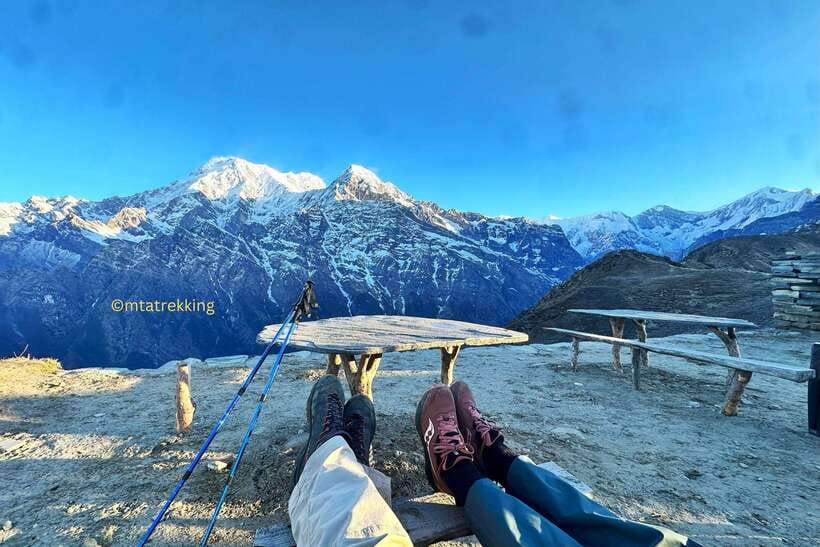
High Camp is rewarding because the forest begins to fall away and the mountain views improve. It is also the most basic night of the trip. You may find limited hot water, weak or absent phone service, and no shower. Toilet paper is not always available, so bring your own.
Day 3: Sunrise above the clouds at Mardi Himal Viewpoint
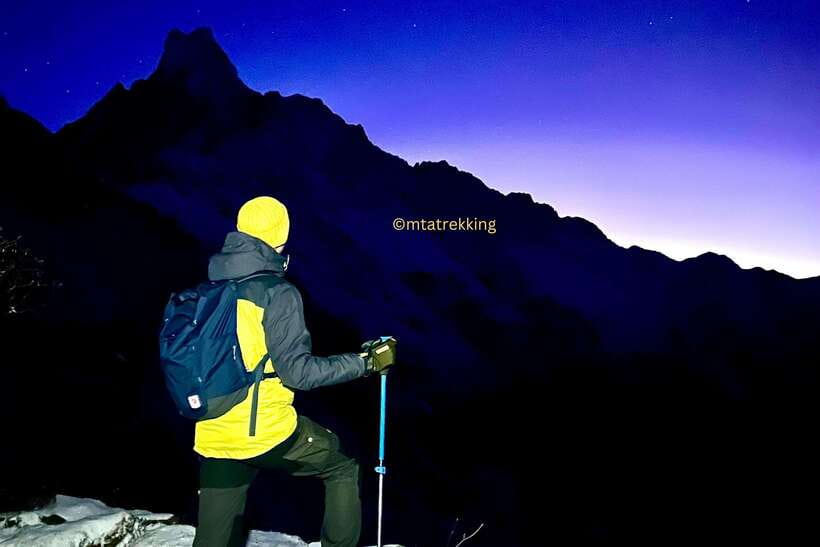
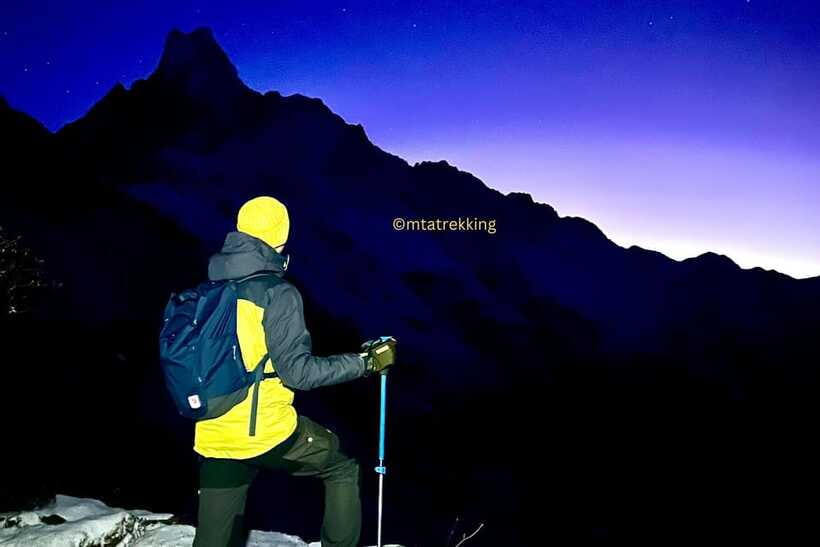
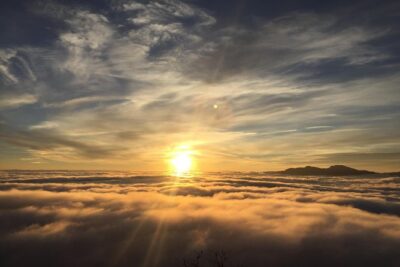
The alarm comes at about 4:00 am. After a short preparation, you walk for roughly 1.5 to 2 hours from High Camp to the sunrise viewpoint. The viewpoint is described as about 4,200 or 4,300 meters, so confirm the intended stop with your guide.
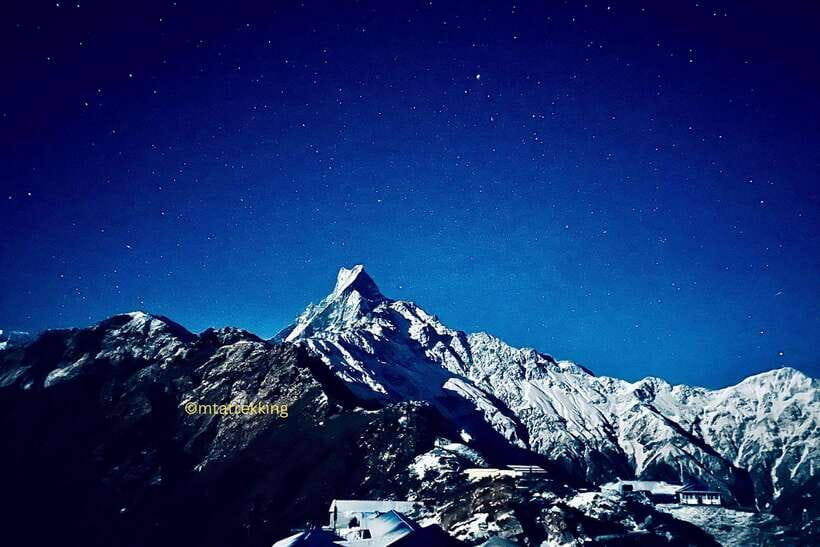
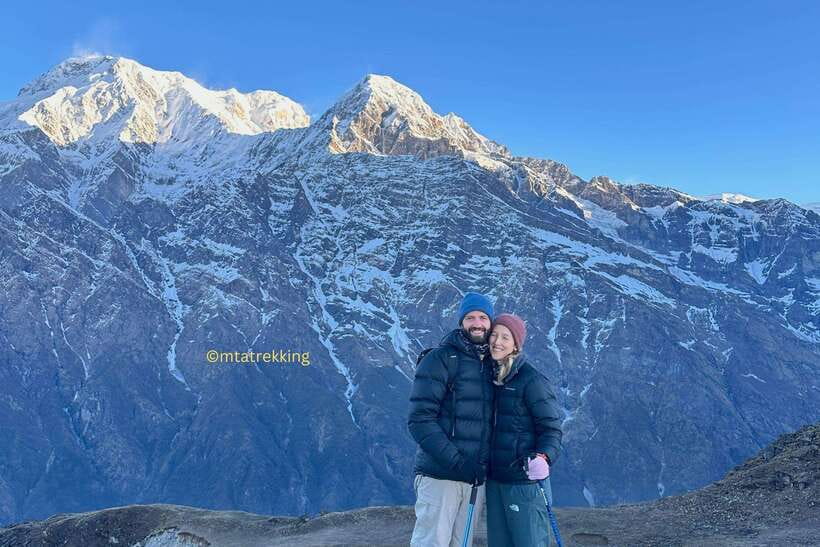
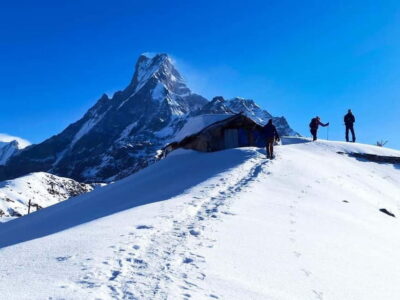
This is the emotional high point of the trek. If skies are clear, you see first light on Machhapuchhre, the sharply shaped Fishtail mountain, along with Annapurna South, the wider Annapurna range, and Mardi Himal. The changing light gives these peaks a different character every few minutes, so this is a good place to slow down and keep your camera ready.
The climb is not technical, but darkness, cold, steep steps, and altitude make it more serious than the distance suggests. Carry a flashlight or headlamp, warm layers, gloves if you have them, water, and a snack. Sun protection still matters at this height, even in cold air.
If weather and snow conditions allow, you may continue toward Mardi Himal Base Camp at about 4,500 meters. This is optional, and your guide may advise against it. During January and February, heavy snow can make the upper trail steep and slippery. Crampons and careful walking may be needed, and the route beyond the viewpoint has limited safety infrastructure.
That decision is a strength of the trip when handled properly. Reaching a higher point is not worth ignoring snow, poor visibility, or altitude symptoms. After breakfast, you descend. The return walk keeps Fishtail and the Annapurna peaks in view, so the lower section does not feel like a dull repeat.
There is some uncertainty in the supplied schedule about the third night. The day plan says you return to Forest Camp, while the itinerary mentions Low Camp. Ask for the confirmed overnight stop before departure. It affects the length of the descent and the next morning’s transport.
Same trailhead, a longer or shorter day out:
- Poon hill Trek 3 days
★ 5.0 · 176 reviews - Trekking in Annapurna/Langtang/Everest/Upper Mustang regions
★ 5.0 · 161 reviews - Pokhara: 4-Day Ghorepani, Poonhill & Ghandruk Mountain Trek
★ 5.0 · 132 reviews - Ghorepani – Poon Hill Trek 3N-4D
★ 5.0 · 125 reviews
Day 4: Forest paths, Kalimati, and the drive to Pokhara
The final walking section heads toward Kalimati, at roughly 1,800 meters, with a stated route through Low Camp and then onward. Expect forests, bird calls, small waterfalls, bridges, and a cooler, calmer feel than the high trail.
This is a pleasant way to end. Machhapuchhre remains visible in good weather, and the changing vegetation reminds you how quickly Nepal’s mountain zones shift with altitude. The hike toward Kalimati takes around three hours according to the itinerary.
At Kalimati, you board a jeep or SUV for the return to Pokhara. The drive takes about 1.5 to 2 hours. Road conditions can affect timing, so do not schedule an important flight or fixed activity immediately afterward without allowing extra time.
The drop-off points include Pokhara, Baidam, and Lakeside. Pickup and drop-off are included, but you should provide your exact location if it is outside the listed areas.
The mountain communities and tea-house life
The Mardi Himal route is not only about peaks. You pass through areas connected with Gurung and Magar communities, and your guide can help explain local customs, work, food, and trekking life. Guides have arranged stops for local experiences such as wild honey and fresh milk from a farm near High Camp.
Tea houses are simple but social. You can expect basic rooms and meals when using the Full Package, with food such as rice, vegetables, tea, and other local dishes. One useful tip is to favor fresh, cooked food at higher altitude and avoid frozen or questionable items. Ginger, lemon, honey tea, and chai are especially welcome on cold uphill days.
Mountain accommodation has limits. Hygiene may be basic, showers may not be available, and heating or phone service can be unreliable. A sleeping bag is a valuable comfort item even when bedding is supplied.
Fitness, altitude, and seasonal conditions
The word moderate can be misleading here. The trail is non-technical, but you still climb many steps, gain height quickly, and walk for several hours on most days. The compact four-day schedule suits someone with decent fitness who can manage long uphill sections.
The best times are spring, from March to May, and autumn, from September to November. These periods usually offer more stable weather and clearer mountain views. April and November can be especially rewarding for visibility, though mountain weather can still change quickly.
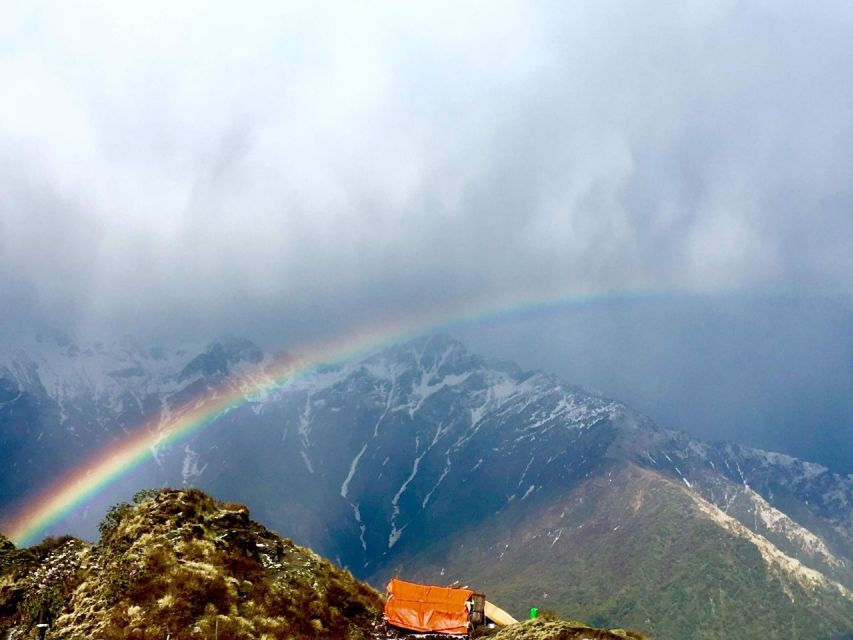
Summer monsoon conditions may bring cloud, rain, mud, leeches, and reduced views. One August trek had comfortable walking but cloudy weather obscured the summits. Winter brings cold and possible snow, especially above the viewpoint. January and February require extra caution on the Base Camp section.
Altitude is the main safety issue. The viewpoint is above 4,200 meters, and Base Camp is around 4,500 meters. Tell your guide immediately if you develop a headache, nausea, dizziness, unusual tiredness, or breathing trouble. The trek is not suitable for people with altitude sickness, pregnant women, or people over 70 years old according to the stated restrictions.
What to pack for this four-day route
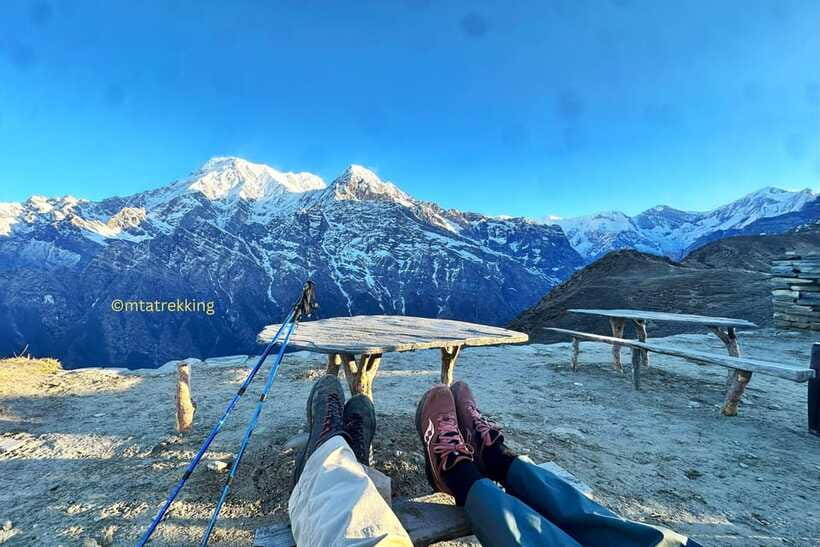
Pack light, but do not cut corners on warmth or sun protection. You should bring:
- Warm clothing and extra layers
- Sunglasses, a sun hat, and sunscreen
- A flashlight or headlamp
- Comfortable trekking shoes
- Personal toiletries and toilet paper
- A small first-aid kit
- Cash for drinks, food if using Standard Package, and personal expenses
- Any prescribed medicine
- A reusable water bottle
Trekking poles and a sleeping bag are provided, but ask how and when you will receive them. Bring a rain layer during the monsoon season and extra care for wet conditions.
Guide care and the value of a private group
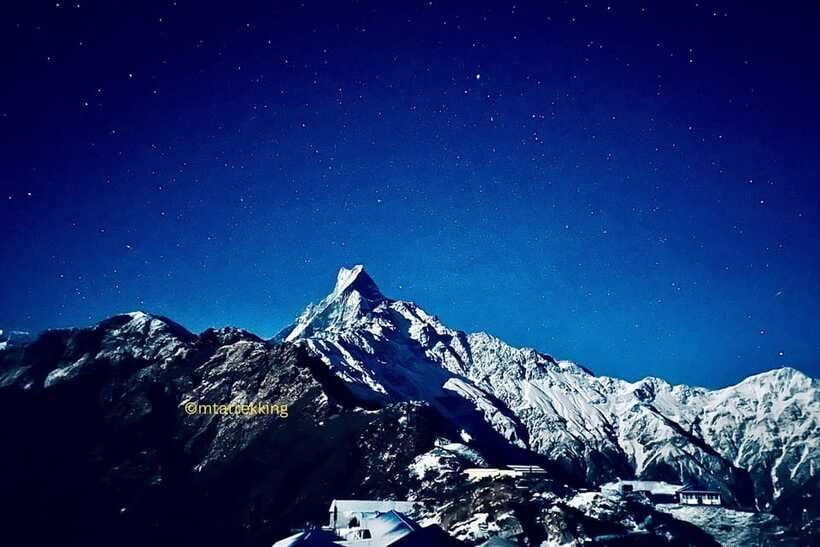
The strongest part of this experience is the personal guide support. Ramit was praised for checking comfort, sharing local stories, and taking photographs. Kaji was described as warm, funny, attentive to food choices, and careful with logistics. Prabit handled transport, rooms, meals, and pacing in a calm way, while Shishir adjusted progress when needed.
A private group gives you more control than a large departure. You can walk at a suitable pace, stop for tea, and discuss whether to continue toward Base Camp. The guide still makes the final safety call when weather or snow becomes a concern.
The transport also receives very strong marks, with 98 percent of ratings giving it a perfect score. That matters on Nepal’s mountain roads, where a clean, comfortable jeep can make the difference between a pleasant start and a tiring one.
Who should book the Mardi Himal trek?
Book this trek if you want a short Himalayan route with major mountain views, forest walking, local tea houses, and organized transport from Pokhara. It is a good choice if you have limited time and prefer a private group with guide support.
Think twice if you want a relaxed stroll. The four-day version is compact, and the long staircase climbs can surprise first-time hikers. If you prefer more time to adjust to altitude, ask whether the route can be extended to five or six days.
At $139, the package offers good value when the included services match your needs. Before booking, confirm the Standard or Full Package, meal coverage, exact overnight points, High Camp elevation, room arrangements, and the plan for Base Camp. If you accept basic tea-house conditions and prepare for a demanding third day, this is a memorable way to see the Annapurna region without committing to a much longer trek.
FAQ
How long is the Mardi Himal trek?
The experience lasts four days. Walking times are about five hours on the first and second days, up to three hours for the sunrise and upper route, and about three hours on the final descent, not including transport or breaks.
What is the highest point on the trek?
The Mardi Himal Viewpoint is listed at about 4,200 to 4,300 meters. Mardi Himal Base Camp is around 4,500 meters and is optional, depending on weather and snow conditions.
Are meals included in the $139 price?
Meals are included only with the Full Package. The Standard Package does not include breakfast, lunch, or dinner, so confirm which package you are purchasing.
Is accommodation included?
Tea-house accommodation is included with the Standard Package according to the supplied details. Solo visitors may need to share a room during busy periods, and you should confirm any room charges before departure.
Is this trek suitable for beginners?
It can suit beginners who have a good level of fitness and are prepared for long uphill walks and many steps. The quick gain in altitude makes it more demanding than the word moderate might suggest.
What happens if the weather is bad?
The guide decides whether it is safe to continue beyond the viewpoint. Snow, monsoon rain, poor visibility, and slippery conditions can make the Base Camp section unsafe.
What languages does the guide speak?
Live guides are available in English and Hindi. The experience is arranged as a private group with pickup and drop-off in Pokhara.
More 4-Day Experiences in Pokhara
- 4-Day Private Poon Hill Trekking Tour
★ 5.0 · 58 reviews - Pokhara: 4-Day Private Trek Tour
★ 4.9 · 43 reviews - Pokhara: 4-Day Beautiful Ghorepani Poon Hill & Ghandruk Trek
★ 4.8 · 21 reviews - Pokhara: 4-Day Poon Hill and Ghandruk Guided Trek
★ 5.0 · 14 reviews
Recently added around Pokhara
- Pokhara: Majestic Mardi Base Camp Guided Trek with HotSpring★ 5.0 · 6 reviews
- Pokhara: 9-Day Annapurna Base Camp Trek with Poon Hill★ 5.0 · 6 reviews
- Pokhara: 5-Day Trek to Annapurna Base Camp and Hot Springs★ 5.0 · 4 reviews
- Pokhara: 5-Day Ghorepani and Poon Hill Private Trek★ 5.0 · 4 reviews
- Pokhara: 7-Day Annapurna Base Camp Trek & Hot Spring★ 4.0 · 3 reviews
- Pokhara:4-Day Ghorepani Poon Hill Guided Trek via Ghandruk★ 5.0 · 3 reviews
- Pokhara: 4-Day Poon Hill and Ghandruk Guided Trek★ 5.0 · 14 reviews
- Pokhara: 4-Day Ghorepani, Poonhill & Ghandruk Village Trek★ 5.0 · 6 reviews
Mardi Himal Treks, compared.
Mardi Himal Trek – 8 Days | Hidden Gem of the Annapurnas
Read our review →
Browse the lists this tour appears in