
REVIEW · PERU
3-day trek to the Colca Canyon from Arequipa ending in Puno
A canyon this deep rewards slow footsteps. This three-day route from Arequipa combines a condor viewpoint, village walks, simple local lodging, and a final transfer to Puno, so you see far more than a roadside lookout. I especially like the overnight stay with a family in San Juan de Chuccho and the chance to walk through smaller canyon communities such as Cosñirhua and Malata.
I also like the clever route design: you descend into the canyon, spend time at Sangalle Oasis, then climb to Cabanaconde before continuing across the high country to Puno. The main caution is timing. A very early start, a three-hour uphill finish, and possible delays on the pickup can mean missing some viewpoints or reaching breakfast hungry.
Key points at a glance
- Cruz del Cóndor comes early: You reach the famous viewpoint after a 3:00 a.m. pickup from Arequipa, with the best chance to see condors riding the morning air.
- The canyon is explored on foot: The route descends from Cabanaconde to San Juan de Chuccho, then crosses villages before reaching Sangalle.
- Two nights are local and basic: Expect a family-run lodge in San Juan and simple accommodation at the oasis, not polished hotel rooms.
- Sangalle provides a welcome pause: After walking there, you get a free afternoon and access to its pools.
- Day three is physically demanding: The ascent from Sangalle begins at 5:00 a.m. and takes about three hours.
- The trip ends in Puno: Stops include thermal baths, Patapampa, Toccra Pampa, Patahuasi, and Lagunillas Lagoon.
Why this Colca Canyon route is worth considering
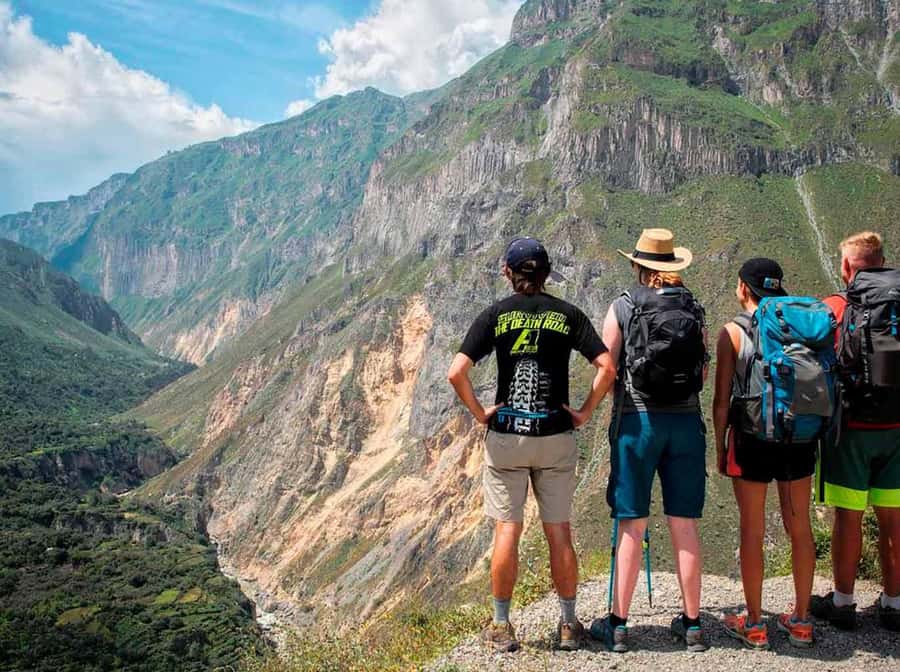
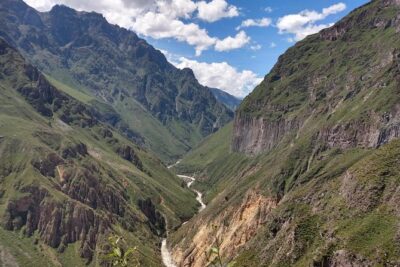
Colca Canyon is one of the deepest canyons in the world, but its appeal is not only the scale. The best part of this trip is the change in pace. You begin in a vehicle, watching the high Andean scenery pass by, then leave the road at Cabanaconde and walk into the canyon itself.
That shift matters. A quick viewpoint visit shows you the canyon from above. This trek lets you notice terraces, small settlements, changing vegetation, and the effort needed to live in a steep valley. You also spend the night inside the canyon rather than returning to Arequipa the same day.
The route costs $175 per person. That includes tourist transport, hotel pickup, an English or Spanish-speaking official guide, three breakfasts, two lunches, two dinners, two nights of lodging, and transport to Puno. You still need to budget for the mandatory Colca tourist ticket, listed at 70 soles, the optional thermal baths at 15 soles, and the final lunch in Chivay.
For a three-day trip that replaces a separate transfer to Puno, the price can be good value. It works best if you actually want to walk and spend time in the canyon. If your main goal is simply seeing condors, a shorter Colca visit would be less tiring.
More Three-Day Treks in Peru:
- Salkantay Trek Challenge – 3 Days / 2 Nights
★ 5.0 · 101 reviews - Private 3 Day Colca Canyon Trekking tour (superior Service)
★ 5.0 · 58 reviews - 3-Day Colca Canyon trek with Professional Guide
★ 5.0 · 40 reviews
The 3:00 a.m. departure and Cruz del Cóndor
The first day begins very early, with pickup from your Arequipa hotel at about 3:00 a.m. The route heads toward Chivay, where breakfast comes before the morning visit to Cruz del Cóndor.
This viewpoint is one of the main reasons people visit Colca Canyon. From here, you look into the canyon and watch Andean condors use rising air to gain height. The timing is useful because the birds are commonly seen during the morning period, but you should not treat the stop as a guaranteed wildlife show. Nature keeps its own schedule.
The early departure has two sides. It gets you to the viewpoint at a suitable time, but it also makes the first day long. Pack water and a small snack even though meals are included. One recorded problem on this route involved a late departure, which shortened the time at Cruz del Cóndor and caused another planned viewpoint stop to be missed.
That is worth taking seriously. A pickup shared by several people can lose time if someone arrives late or if the vehicle returns to collect them. The tour is more enjoyable when the group leaves promptly, so be ready at the stated meeting point or hotel pickup time.
From Cabanaconde down to San Juan de Chuccho
After Cruz del Cóndor, the vehicle continues to Cabanaconde. This is where the walking section begins. The first descent to San Juan de Chuccho takes about three and a half hours.
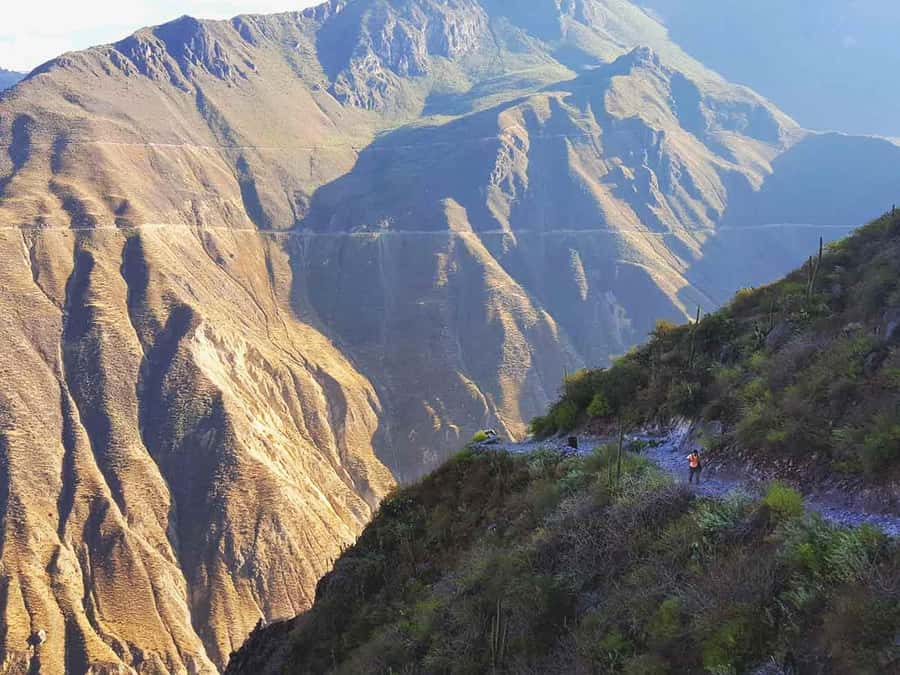
You are not simply walking along a flat trail between attractions. The route takes you into the canyon, so the descent is the day’s main physical task. Good footwear matters, and trekking poles could be useful, though they are not listed as included equipment. Bring enough drinking water for the walk, since buying supplies inside the canyon can cost more and options are limited.
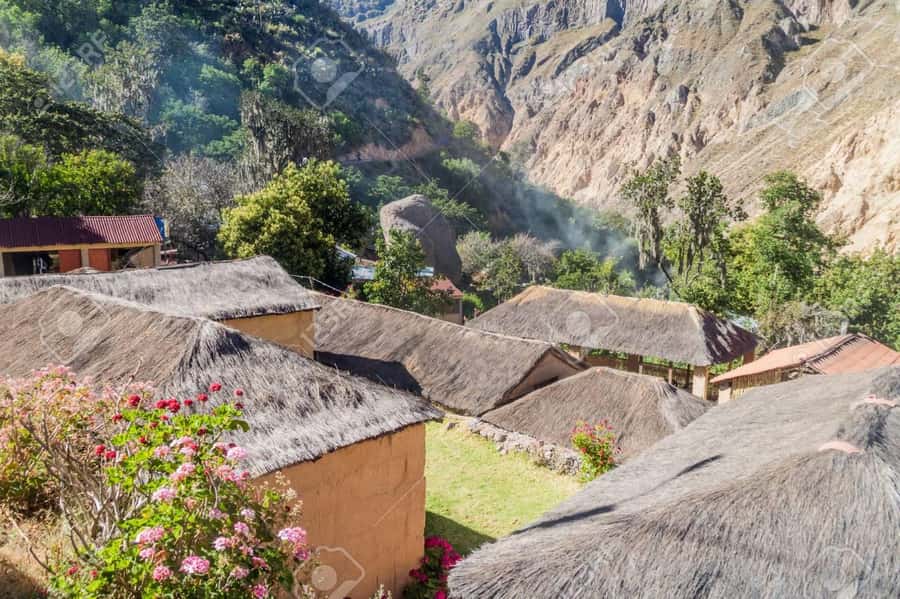
San Juan de Chuccho gives the first real sense of local life. You have free time to visit local people, look at agricultural terraces, and see how settlements fit into the canyon walls. The terraces are more than pretty scenery. They show how farming has been adapted to steep ground and limited space.
That afternoon is also your chance to slow down. After an early start and a long descent, you will appreciate having time without another major transfer. The accommodation is at a local family home in basic dormitories. This is an authentic and practical arrangement, but you should not expect private rooms or hotel-style facilities.
Dinner is included, and the family lodging gives the first night a local character that a standard hotel outside the canyon could not provide. If you need a high level of comfort after hiking, this is one of the places to adjust expectations.
Crossing Cosñirhua and Malata to Sangalle
Day two begins after breakfast with a walk toward Sangalle Oasis. The route takes about three hours and passes through Cosñirhua and Malata.
These small towns are important because they make the canyon feel lived in rather than empty. You get glimpses of settlements connected by footpaths and local roads, with the guide explaining the area along the way. The trip is not only about taking photographs from a famous lookout. It gives you time to see the communities within the canyon.
Sangalle is often called an oasis because of its green setting and pools at the canyon’s lower level. After reaching the accommodation, lunch is provided, then you have a free afternoon. This is the gentlest part of the itinerary and a useful break before the demanding climb the next morning.
The pools are a major attraction, but the entrance details should be checked with the guide. The general activity information lists hot spring access at 15 soles, while the day-three Chacapi Thermal Baths are listed separately at 15 soles. Do not assume every pool or bath is included in the $175 price.
The second night is again in simple accommodation. That keeps costs down and places you close to the trail, but the tradeoff is basic comfort. Pack a small personal wash kit and keep your belongings compact. You will be changing from walking clothes to evening clothes in a simple lodge rather than a full-service hotel.
A few more treks around Peru worth a look
- From Arequipa: Sillar Route Trek
★ 4.2 · 461 reviews - From Cusco: 7 Lakes Ausangate Trek with Breakfast and Lunch
★ 4.8 · 360 reviews - From Arequipa: 2-Day Colca Canyon Trekking Tour
★ 4.8 · 243 reviews - Cusco: Full-Day Rainbow Mountain & Red Valley Trekking Tour
★ 4.5 · 121 reviews
The 5:00 a.m. climb from Sangalle
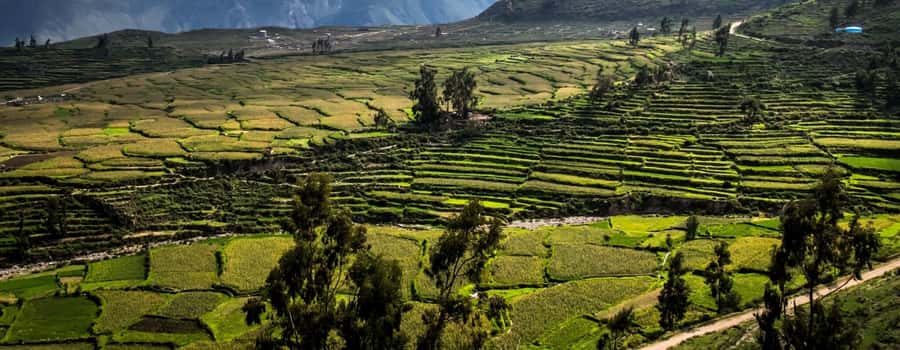
The hardest section comes on day three. The ascent from Sangalle to Cabanaconde starts at about 5:00 a.m. and takes roughly three hours.
This early climb is the point where the tour demands honest preparation. You descend into the canyon on day one, but the route out is not a short stroll. The uphill walk can feel especially tough because breakfast is served after you reach Cabanaconde.
Bring a snack for the climb. This is one of the most useful tips for the entire trip. The included food covers the scheduled meals, but the timing leaves you walking for about three hours before breakfast. Water and a simple energy food will make the morning easier.
Once in Cabanaconde, breakfast provides a proper recovery before the road journey begins. The order of the day makes sense: finish the climb first, eat afterward, then return to transport. Still, anyone who dislikes early starts or sustained uphill walking should consider a shorter Colca option.
The guide can make a major difference here. José received particularly warm praise for his help and for explaining Peru’s plants, animals, and wider culture. A good guide turns the uphill section into more than a test of stamina, but the physical effort remains yours.
From Chivay to Puno by the high road
After breakfast in Cabanaconde, transport takes you back toward Chivay. The route includes towns, viewpoints, and a stop at Chacapi Thermal Baths, where you have about 40 minutes to relax. The bath entrance is listed at 15 soles and is optional.
Chivay is the lunch stop, but that final lunch is not included. Keep cash available and allow for this extra cost when comparing the tour price with other Colca packages. After lunch, you change to another tourist bus for the journey to Puno.
This transfer is one of the strongest practical features of the trip. Instead of returning to Arequipa and arranging a separate ride to Puno, you continue across the high country. It turns the trek into both a canyon experience and a useful point-to-point journey.
The road stops add variety:
- Patapampa and the Pampas Apachetas: This is the highest point on the route, with views toward mountains and volcanoes.
- Toccra Pampa: A place to watch alpacas and vicuñas in their natural area.
- Patahuasi: A scheduled stop with health facilities.
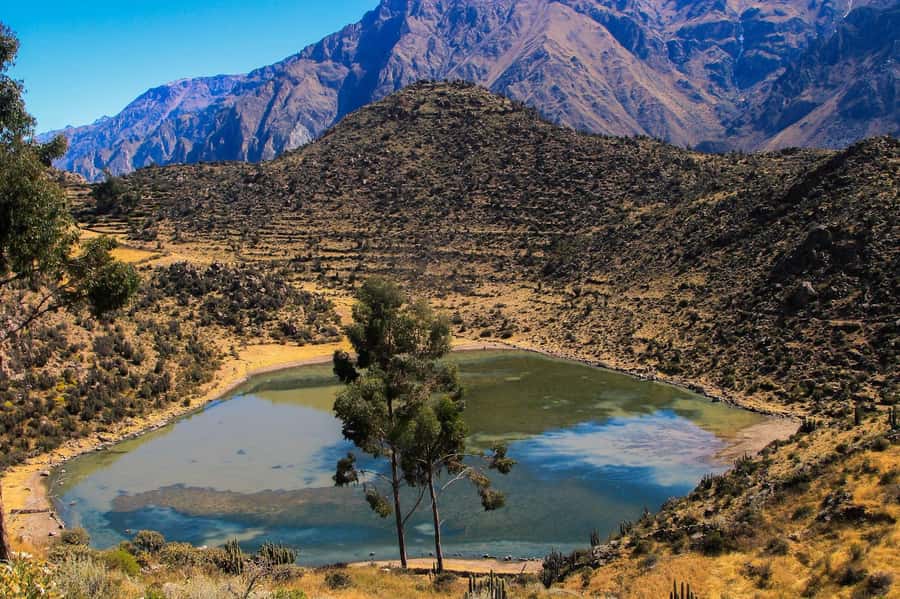
- Lagunillas Lagoon: A chance to see migratory birds.
- Puno: The tour ends here at about 7:00 p.m.
The final day is long, but it does not waste the transfer. You get scenery and short stops instead of sitting on a bus without interruption. Still, reaching Puno at night leaves little energy for plans after arrival. Keep your evening simple.
What the $175 price really includes
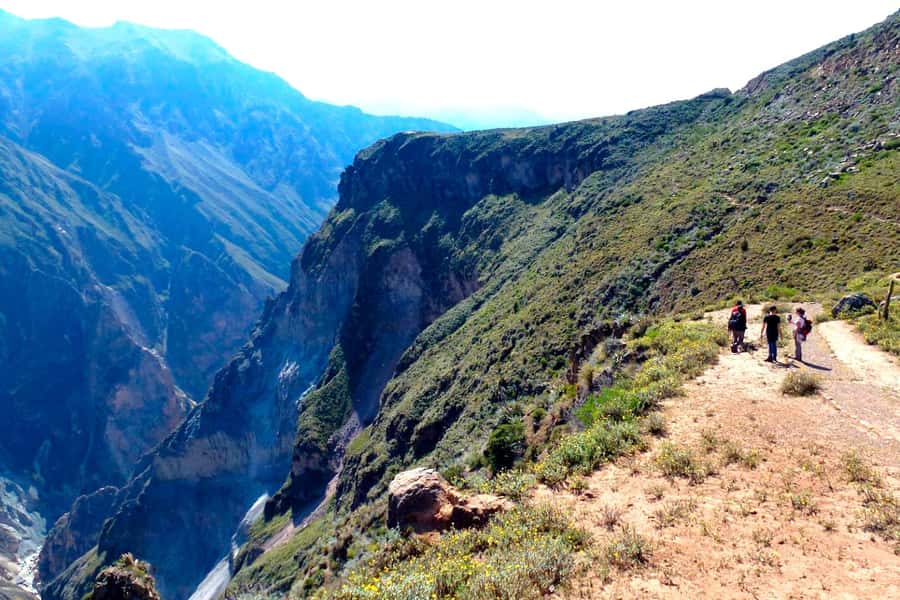
The listed price covers the major structure of the trip: transport, guide, meals, lodging, and transfer to Puno. That is useful because arranging the canyon trek and the onward journey separately can take more time and may cost more once meals and local transport are added.
The food package includes three breakfasts, two lunches, and two dinners. The missing meal is lunch in Chivay on the final day. The mandatory Colca tourist ticket costs 70 soles, and the optional thermal bath costs 15 soles. These extras are not large compared with the full price, but you should count them before booking.
The lodging is best understood as functional local accommodation. You get two nights, one at a family home in San Juan de Chuccho and one at Sangalle. The positive side is location and local contact. The less comfortable side is basic dormitory-style sleeping and fewer chances to buy supplies cheaply.
Carry extra water money. One account from this route found water expensive at the first lodging and later discovered a cheaper shop nearby. Prices can vary, but the practical lesson is clear: ask where the nearest shop is before paying the first price offered.
Who will enjoy this trek most
I would recommend this trip to you if you want to walk inside Colca Canyon rather than only look at it from a bus or viewpoint. It suits people who enjoy local lodging, village visits, simple meals, and a route that ends somewhere useful.
It is also a good fit if you are heading to Puno and want the canyon to form part of your overland journey. The final transfer saves backtracking and adds high-altitude stops that would not fit into a canyon-only program.
You should think twice if you want a relaxed holiday. The first day starts at 3:00 a.m., the third day starts at 5:00 a.m., and the climb from Sangalle is real work. You should also be comfortable with basic accommodation and bringing snacks for the early ascent.
The mixed feedback on duration is fair. Some people will value the extra time in the canyon, while others may feel that two days would cover the essential walking. The three-day version makes the most sense when you value the local nights and need to continue to Puno.
Practical details before you book
The tour offers English and Spanish guiding. The guide is central to the experience, especially during the village walks and the long climb. The strongest personal praise went to José, who was credited with explaining Peru’s fauna, flora, and culture clearly.
You need to wait at the meeting point half an hour before departure if that is the pickup instruction for your booking. The details also state that hotel pickup is provided, so confirm the exact pickup arrangement with the operator before the morning of departure. That small check can prevent confusion at 3:00 a.m.
Free cancellation is available up to 24 hours before departure, and you can reserve while paying later. Those terms help if your Arequipa plans depend on weather, transport, or altitude adjustment.
The cancellation flexibility does not change the physical demands. Wear suitable walking shoes, carry water, pack a snack, and keep your luggage manageable. You will move between vehicle, trail, family lodging, oasis accommodation, and a second bus.
Should you book this Colca Canyon trek?
Book it if you want a slow, on-foot look at Colca Canyon and need to reach Puno afterward. The family stay, village route, condor viewpoint, Sangalle pools, and high-country transfer give you a fuller experience than a short canyon excursion.
Skip it if condors are your only priority, if you dislike basic lodging, or if a three-hour pre-breakfast climb sounds miserable. In that case, a shorter Colca visit may suit you better.
For the right person, $175 is a reasonable price for the transport, meals, guide, two nights, and point-to-point connection. Just protect the schedule by arriving early, carry food for the final climb, and confirm the pickup details before you go.
FAQ
How long is the tour?
The tour lasts three days and ends in Puno at approximately 7:00 p.m. on the third day.
Where does the tour begin?
It begins in Arequipa, with pickup from your hotel listed at about 3:00 a.m. You are also instructed to wait at the main square half an hour before departure, so confirm the exact meeting point.
Where does the trek end?
The walking section ends at Cabanaconde on the third morning, but the full tour continues by vehicle and ends in the city of Puno.
How long is the walk to San Juan de Chuccho?
The walk from Cabanaconde to San Juan de Chuccho takes approximately three and a half hours.
How long is the climb from Sangalle to Cabanaconde?
The ascent takes approximately three hours and begins at about 5:00 a.m. on the third day.
Are meals included?
Yes. The price includes three breakfasts, two lunches, and two dinners. Lunch in Chivay on the final day is not included.
Is the Colca tourist ticket included?
No. The mandatory Colca tourist ticket costs 70 soles.
Are the thermal baths included?
No. The optional entrance to the thermal baths is listed at 15 soles. The Chacapi Thermal Baths visit allows about 40 minutes.
What languages does the guide speak?
The tour provides a live guide in English or Spanish.
Recently added around Peru
- Small Group: 4-Day Inca Trail Trek to Machu Picchu★ 5.0 · 33 reviews
- 5 Day – Salkantay trek to Machu Picchu – Group Service★ 4.5 · 27 reviews
- 6 day Rainbow Mountain x Ausangate Trek – FlashpackerConnect★ 5.0 · 30 reviews
- Salkantay Trek: 5 Days to Machu Picchu★ 5.0 · 33 reviews
- Humantay Lake Full-Day Adventure: Scenic Trek and Stunning Views★ 4.5 · 39 reviews
- Salkantay 5-Day Trek To Machu Picchu★ 5.0 · 39 reviews
- Inca Trail Trek to Machu Picchu – 2 Days (Small Group or Private)★ 5.0 · 31 reviews
- Ausangate and Rainbow Mountain Trek – 3 Days / 2 Nights★ 5.0 · 35 reviews
Peru Trekking Tours, compared.
7 Lakes Ausangate Trek with Breakfast and Lunch
Read our review →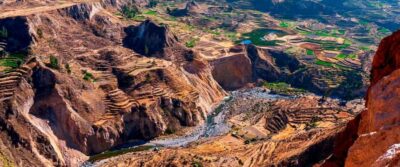
Full-Day Rainbow Mountain & Red Valley Trekking Tour
Read our review →
Browse the lists this tour appears in