
REVIEW · SAPA
Trekking Through Rice Terraced Fields – 1Day
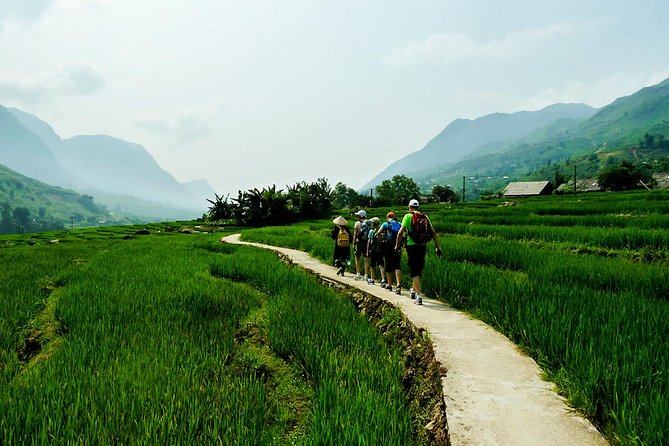
Rice terraces do the talking here. This half-day trek links mountain scenery, village paths, and local culture around Sapa, with a guide from the area leading you through Y Linh Ho, Lao Chai, and Ta Van.
I like the small maximum group of 15 and the chance to learn about Hmong marriage customs, farming, house building, and village life from a local guide. I also like that lunch, village fees, bottled water, and the ride back to Sapa are included for $45.
The main caution is the route itself. It can run about 11 to 12 kilometers, with steep, muddy, and slippery sections. One guide may make the walk feel easy for a family, while another day and different weather can leave you with sore legs.
What makes this Sapa trek worth considering
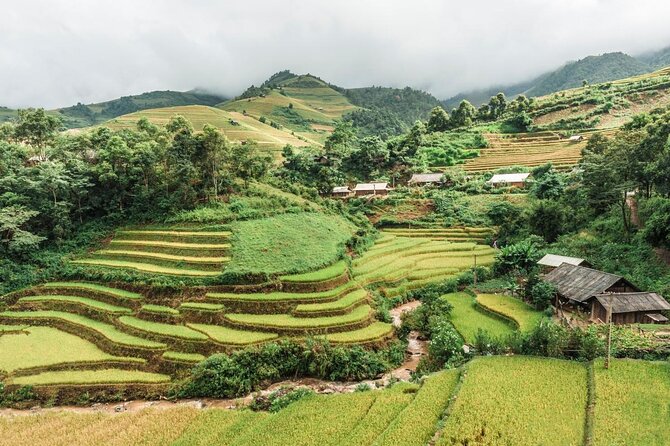
- A proper walk through rice terraces: You spend much of the day on foot rather than simply stopping at viewpoints by car.
- Three village areas: The route passes through Y Linh Ho, Lao Chai, and Ta Van, with special attention to Hmong and Giay life.
- Local guides with personal ties: Guides including Chu, Sang, Vang, Mai, Du, and Mau have been praised for their warmth, language skills, and insight.
- Lunch and return transport included: You do not need to arrange your own meal or find your way back from Ta Van.
- A moderate but demanding route: The advertised duration is five to six hours, but the walking distance can reach about 12 kilometers.
- A strong overall record: The experience has a 4.9 rating from 173 reviews, with 99 percent recommending it.
Setting out from Sapa at the start of the day
The meeting point is Trekking Tour Sapa09 on Thác Bạc Street in Sapa Town, with pickup offered from a hotel in town or a meeting point near the main church. The published details give both 9 a.m. and 9:30 a.m. as start times, so I would confirm the exact pickup time when you book.
The first transfer takes you about 2 kilometers down the road toward Cat Cat. This saves your legs for the rural paths ahead, though the trip is not designed as a sightseeing drive. The point is to reach the walking route quickly.
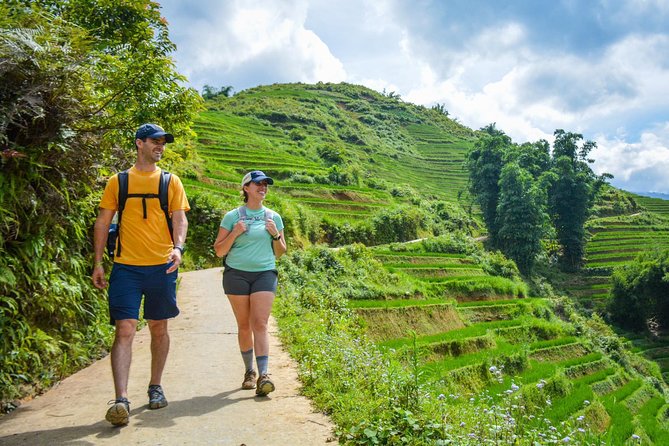
Your group can include up to 15 people, though several people have had much smaller groups, including private outings with only two participants. A smaller group gives you more time to ask questions and makes it easier to match the walking pace to the people in your party.
The guides are one of the strongest parts of the experience. Chu has been praised for adjusting the walk for a family with a three-year-old, while Mau was patient with children aged 6 to 12. Sang has been praised for her English and thoughtful explanations, and Mai for being both personable and easy to understand.
That said, the quality of interpretation may depend on your guide and how actively you ask questions. One person found the guide friendly but quiet, with little information offered without prompting. If you want detail about rice farming or local customs, ask early and keep the conversation going.
A few more treks around Sapa worth a look
- Sa Pa: Muong Hoa Valley Trek and Local Ethnic Villages
★ 4.6 · 864 reviews - Sapa: Eco Adventure Terrace Fields and Local Villages Trek
★ 4.9 · 636 reviews - Number one top rated ethical cultural trekking and homestay by ETHOS
★ 5.0 · 456 reviews
Y Linh Ho: the first two hours among terraces and mountain paths
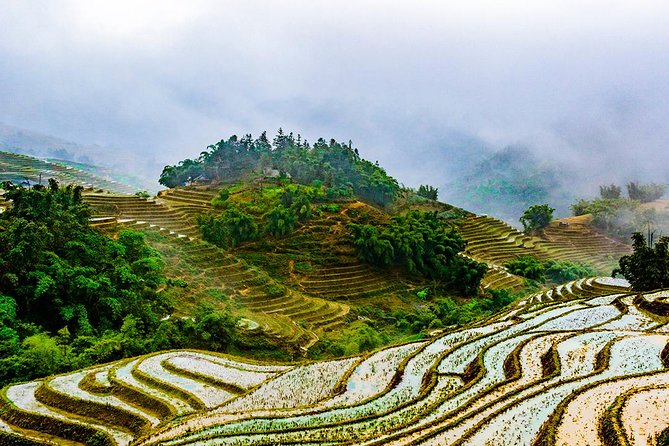
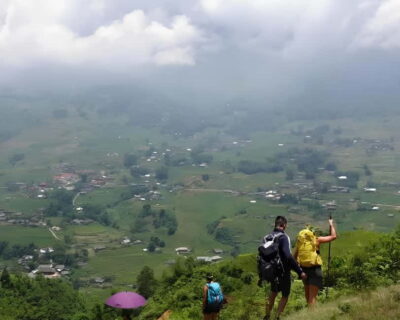
Y Linh Ho is the first named stop, and you spend about two hours in this area. The walking begins with the kind of views that bring people to Sapa: layered rice terraces, steep hills, and a broad valley framed by mountains.
The scenery changes with the season and weather. On a clear day, you can expect strong views across the valley. In wet conditions, the same paths may become slippery, and the soil can cling to your shoes. Good grip matters much more here than stylish walking shoes.
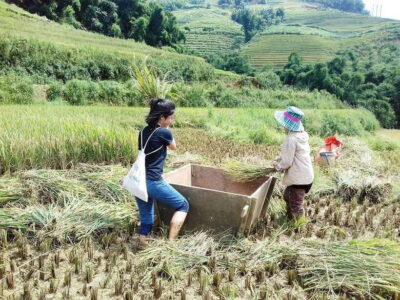
This part of the route gives your guide room to explain how farming fits into daily life. The cultural material covered on the walk includes rice cultivation, work in the fields, traditional houses, and the way local families build and use their homes.
The walk is not simply a procession from one photo stop to another. You pass working countryside and village areas, with domestic animals such as oxen, ducks, and chickens appearing along the way. Those small details help you understand that the terraces are not just scenic decoration. They are part of the local economy and daily routine.
The path can also be the toughest part for anyone unused to hills. One account describes a 12-kilometer mountain route, while another puts the walk at about six miles. The exact distance may vary with the route and with choices made during the day, but you should prepare for a serious walk rather than a gentle stroll.
Lao Chai and the Black Hmong: lunch with a cultural lesson
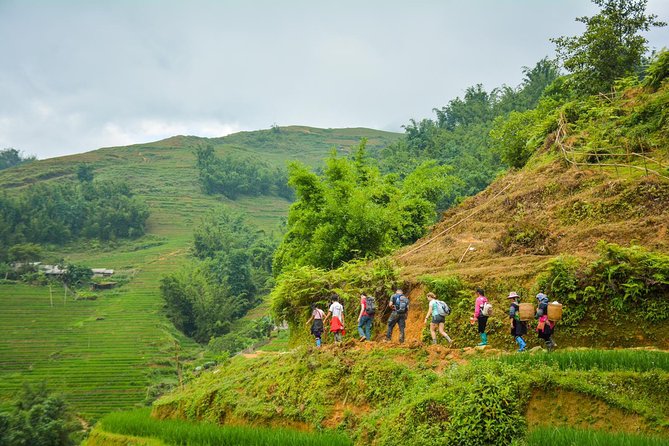
After the first section, the route continues to Lao Chai, a village associated with the Black Hmong. You spend about two hours here, making it the longest named section of the tour.
This is where the cultural side of the day becomes especially useful. Your guide may explain Hmong work, rice farming, marriage traditions, and house-building methods. The value comes from hearing how customs connect to ordinary life rather than receiving a quick list of facts.
The Hmong communities around Sapa have distinct clothing, customs, and village traditions. A local guide can also help you understand differences between the ethnic groups encountered on the route. The tour is promoted as covering Hmong, Giay, and Red Dao communities, though the named stops and detailed itinerary focus most clearly on the Black Hmong at Lao Chai and the Giay at Ta Van.
Lunch is included and consists of local food with vegetables and meat, with a vegetarian option available. You should expect a simple meal rather than a restaurant designed for fine dining. Some people found lunch very good, while one person considered it mediocre, so the food should be treated as a practical and pleasant part of the day, not the main reason to book.
Extra drinks are not included. You receive one small bottle of water, but I would bring more, especially in warm weather or if you normally drink a lot while walking. Beer and other drinks at the restaurant cost extra.
You may also encounter local children or people selling handmade items. This can feel awkward if you are not prepared for it. A polite refusal is fine, and buying a small bag or key ring is your choice, not an obligation. If you do buy something, remember that the item represents time and work, not just a souvenir transaction.
Ta Van Village and the Giay community
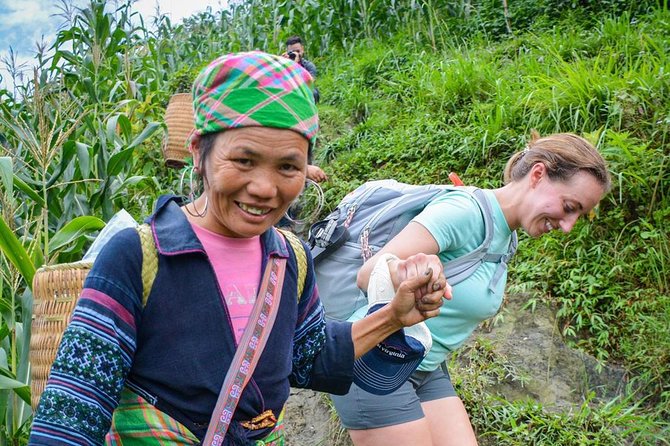
The final walking section leads to Ta Van Village, where you meet the Giay minority. This part lasts about one hour, so it is shorter than Y Linh Ho and Lao Chai, but it gives the day a clear cultural finish.
Your guide explains differences between the ethnic groups and helps connect the villages you have seen. This is useful because the route is not only about reaching the next viewpoint. It gives you a chance to compare communities, building styles, farming practices, and local traditions across the valley.
Ta Van is also where the walking portion ends and transport takes you back toward Sapa. The ride back is included, which matters after several hours on uneven ground. You do not have to arrange a taxi or work out your own return from the valley.
One unusual detail is that some guides may be willing to adjust the finish if you want more walking and the conditions allow it. One person declined the car ride and continued on foot to a homestay, turning the outing into an 11-kilometer round trip. Do not count on this as part of the standard tour, but you can ask your guide if you want a longer route.
Same trailhead, a longer or shorter day out:
- From Sapa: 1-Day Guided Trek to Lao Chai & Ta Van with Lunch
★ 4.9 · 416 reviews - Sa Pa Full Day Trekking Tour
★ 5.0 · 414 reviews - Sapa 1 Day Long Trek: Trek to Hau Thao and Sa Seng Villages
★ 4.6 · 344 reviews - Explore Sapa by TrekkingAdventures, Mountain,Rice fields
★ 4.9 · 229 reviews
How difficult is the five to six-hour walk?
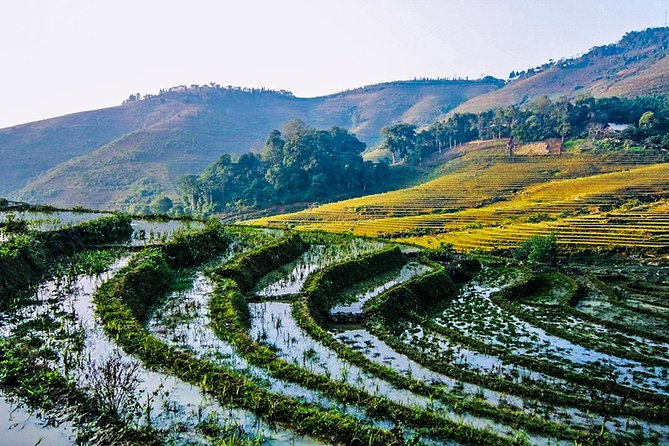
The tour describes itself as moderate, but that word needs a little context. You should be comfortable walking for several hours, climbing and descending hills, and handling uneven village tracks.
The rice terraces can require short but steep climbs. One person specifically noted climbing up a rice paddy, while another described the route as long and difficult. That does not mean the walk is extreme for everyone. People of average fitness completed it, and families with young children had positive days with patient guides.
Still, I would not choose this outing if you have mobility issues or dislike muddy paths. The route is not suitable for someone who needs smooth, level ground. Good walking shoes with a strong grip are essential, especially after rain. Trekking boots are a sensible choice.
Bring sun protection, extra drinking water, and a small bag for personal items. The tour provides one bottle of water, but that is not a full day’s supply for everyone. You should also leave room in your plan for tired legs the following morning.
The value of $45 per person
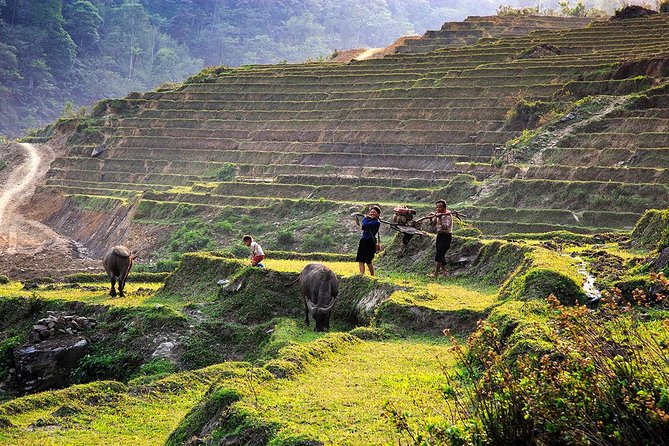
At $45, the price is fair if you want both scenery and interpretation. You are paying for a local guide, village entrance fees, lunch, one bottle of water, and transport back to Sapa. That removes several small costs and makes the day simpler to manage.
The strongest value is the access to local explanation. You could walk in the same valley without a guide, but you would miss much of the context about Hmong marriage customs, rice work, homes, and differences between the communities.
The value is less clear if you only want photographs. The rice terraces and mountain views are the main attraction, and you might be able to find a cheaper independent route if you are confident navigating on your own. One person felt the guide added little because information was not offered unless requested.
For most people, I would see the guide as worthwhile, but I would make your expectations clear at the beginning. Ask about the route, distance, rice cultivation, and the communities you will visit. The more curious you are, the more useful the day is likely to be.
Who will enjoy this experience most?
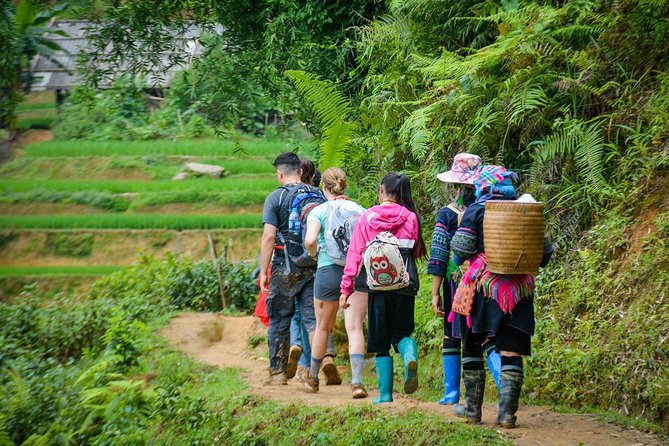
I would recommend this trek to you if you want to see Sapa on foot and learn about local life at the same time. It suits people who enjoy mountain views but do not want a purely scenic tour with no cultural contact.
It also works well for families, provided everyone can handle a moderate walk. The patient guides described by families are a real advantage, but children still need to cope with uneven paths and several hours outside.
This is less suitable for anyone with mobility problems, limited walking fitness, or a strong dislike of mud and steep ground. It is also not ideal if you want a carefully scripted lecture. The guides appear strongest when you engage with them and ask questions.
The best guide experience seems to combine local knowledge, good English, and a relaxed personality. Chu, Sang, Vang, Mai, Du, Mau, and Me have all been praised for different strengths, including patience, humor, local insight, and route support. You cannot usually choose your guide, but the repeated praise for the guiding team is encouraging.
Booking details that matter
Confirmation arrives at the time of booking, and free cancellation is available up to 24 hours before the start time. Cancel later than that and you will not receive a refund, while changes inside the 24-hour window are not accepted.
The activity ends back at the meeting point after transport returns you to Sapa. Pickup is offered, and the tour has a mobile ticket, so you do not need to carry a printed voucher.
Because the published information gives both 9 a.m. and 9:30 a.m. as the start, confirm the meeting time directly after booking. That small check is worth making, especially if you are staying outside central Sapa or arriving by train or bus.
Should you book this Sapa rice terrace trek?
Book it if you want a full, active day of valley scenery, village paths, and conversation with a local guide. The excellent rating, strong recommendation rate, included lunch and transport, and repeated praise for guides such as Chu and Sang make $45 a reasonable price.
Skip it if you want a short, easy walk or if you have mobility limits. Also think twice if you expect a highly detailed talk without asking questions. For the right person, this is one of the better ways to see Sapa beyond the main town: bring grippy shoes, extra water, a curious attitude, and enough energy for the hills.
FAQ
Where does the trek start?
It starts at Trekking Tour Sapa09 on Thác Bạc Street in Sapa Town. Pickup is also offered from a hotel in Sapa Town or from the area in front of the main church.
What time does the tour begin?
The meeting information lists a 9:30 a.m. start, while the itinerary says the tour starts at 9 a.m. Confirm the exact time when booking.
How long does the experience last?
The trek takes approximately five to six hours.
Which villages are included?
The route includes Y Linh Ho, Lao Chai, and Ta Van. Lao Chai is associated with the Black Hmong, and Ta Van with the Giay community. The tour also describes contact with Hmong, Giay, and Red Dao ethnic groups.
How far do you walk?
The distance can be around 11 to 12 kilometers, though the exact route may vary. Some people have extended the walk beyond the standard route.
Is the trek difficult?
It is described as moderate, with hills, steep sections, and uneven paths. Mud and slippery ground are possible, so it requires a moderate level of physical fitness.
Is lunch included?
Yes. Lunch includes local food with vegetables and meat, and a vegetarian option is available.
Is transport back to Sapa included?
Yes. Transport back to Sapa is included after the walking portion ends.
What happens if I cancel?
You receive a full refund if you cancel at least 24 hours before the start time. Cancellations or changes made less than 24 hours before the tour are not accepted for a refund.
Recently added around Sapa
- Soob Sapa Trekking Tour★ 4.3 · 3 reviews
- Sapa Trekking – Waterfalls And H’mong Villages★ 5.0 · 2 reviews
- Sapa Trekking Private Tour With Ethnic Female Tour Guide★ 4.9 · 24 reviews
- Sapa: Trekking Through Terraced Rice Fields & Valley 1 Day★ 4.8 · 4 reviews
- Sapa: Y Linh Ho – Lao Chai, and Ta Van Trekking Day Tour★ 5.0 · 25 reviews
- Sapa Trekking Guide Francophone 2 days – 1 night★ 5.0 · 2 reviews
- Sapa: Ta Phin Village Trek with Lunch and Bathing Experience★ 4.7 · 13 reviews
- Sapa small groupe activities: 1 Day trek – Meet the locals★ 4.7 · 3 reviews
Sapa Trekking Tours, compared.
Muong Hoa Valley Trek and Local Ethnic Villages
Read our review →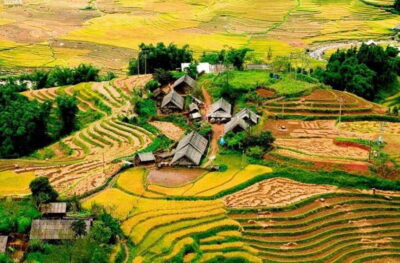
Eco Adventure Terrace Fields and Local Villages Trek
Read our review →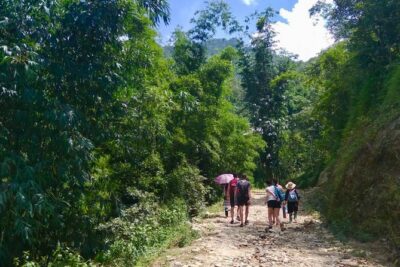
Number one top rated ethical cultural trekking and homestay by ETHOS
Read our review →
1-Day Guided Trek to Lao Chai & Ta Van with Lunch
Read our review →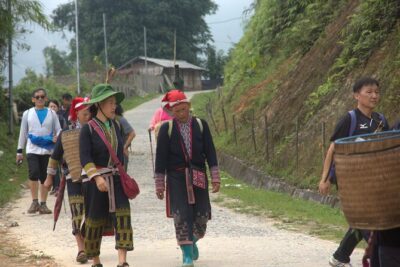
Sapa 1 Day Long Trek: Trek to Hau Thao and Sa Seng Villages
Read our review →
Explore Sapa by TrekkingAdventures, Mountain,Rice fields
Read our review →
EXPLORE SAPA: 2D1N TREKKING & HMONG CULTURE WITH DINH
Read our review →Browse the lists this tour appears in