
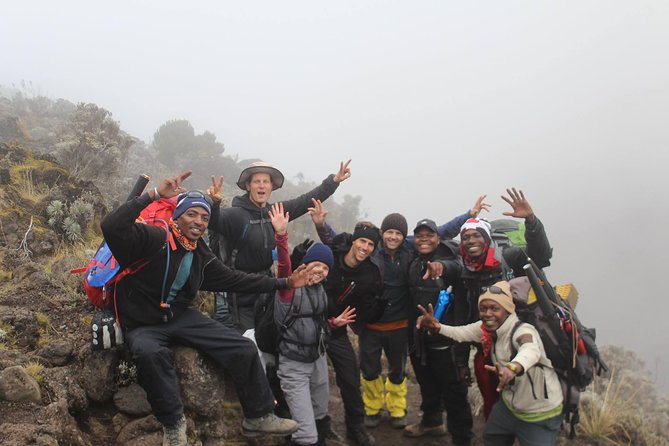
REVIEW · MOSHI
Kilimanjaro Trek 7 Days – Machame Route
Kilimanjaro rewards patience, not speed. This seven-day Machame Route trek gives you Kilimanjaro’s best-known scenery, from rain forest and heather to volcanic desert and the Arctic summit zone. I like the route’s gradual altitude pattern and the care built into the package, including park fees, meals, tents, airport transfers, and an experienced mountain crew. The main drawback is summit day: you hike through the night, face cold and wind, and then descend for many hours.
I also like the private format, since your group is not merged with strangers on the mountain. The $2,890 price is not small, but it covers many costs that can quietly add up on Kilimanjaro. You still need to budget for tips, personal gear, flights, visas, insurance, and some hotel meals and drinks.
Key points at a glance
- Machame’s changing habitats: Walk from tropical rain forest through heath, moorland, alpine desert, and finally the Arctic summit zone.
- A useful acclimatization day: The route climbs to Lava Tower at 4,603 meters, then drops to Barranco Camp, helping you spend time high before sleeping lower.
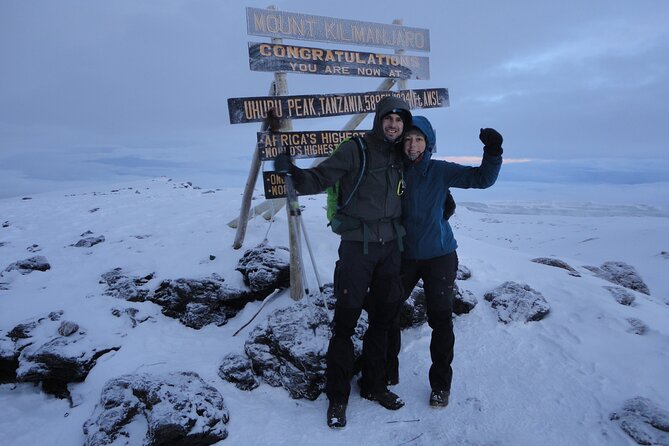
- A real summit night: You begin around midnight from Barafu Camp and reach Stella Point near sunrise before continuing to Uhuru Peak.
- Camping with practical support: A sleeping tent, dining tent, mattress, tables, chairs, lanterns, meals, and a portable flush toilet are included.
- A private trek with a full crew: Guides, cooks, and porters support your group, with fair wages included in the tour fees.
- Strong guest satisfaction: The supplied record shows a 5 out of 5 rating, 100 percent recommendation, and 13 reviews.
Why the Machame Route is Kilimanjaro’s popular choice
Machame is often called the Whiskey Route, a nickname that separates it from the easier-sounding Marangu, or Coca-Cola, Route. The name hints at a tougher, more adventurous trail. You should not read it as a technical climbing route, though. The Barranco Wall is steep and impressive, but the description calls it non-technical.
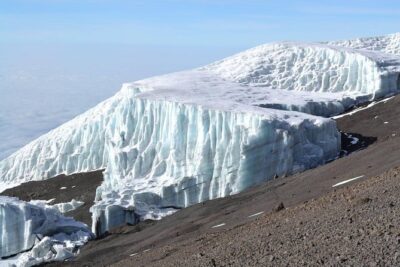
The route is popular for good reason. You move through several distinct ecological zones in only a week. The first day begins under wet tropical vegetation. By the second day, the forest gives way to heather and open moorland. Later, twisted giant senecio plants appear in the alpine desert, and the final push takes you into a cold, spare Arctic zone.
I find that variety more rewarding than simply measuring the trip by distance. You are not walking through the same scenery for seven days. Each camp feels like a new stage in the mountain’s story.
This is also a private activity, so only your group participates. That can make a difference on a difficult trek. Your guide can focus on your group’s pace, energy, and comfort instead of trying to manage a large mixed party.
More Kilimanjaro Climbs in Moshi
- Best Kilimanjaro Adventure 7 days Machame route Trekking
★ 5.0 · 42 reviews - Kilimanjaro 7 Day Private Trekking Experience
★ 5.0 · 40 reviews - 6 Days Machame Route Kilimanjaro Climbing Trekking Tour
★ 5.0 · 34 reviews
What the $2,890 price really covers
At $2,890 per person, this is a serious purchase. The useful question is not simply if it is expensive, but what you are getting for the money.
The package includes Kilimanjaro National Park entry fees, camping fees, forest fees, rescue fees, and 18 percent VAT on tour fees and services. Those charges are part of the basic cost of climbing the mountain, not optional extras.
You also get one hotel night before the trek and one night afterward in Moshi, with breakfast included. Transfers to and from the mountain gates are covered, as are round-trip airport transfers from Kilimanjaro International Airport.
On the mountain, the package includes:
- Three meals a day during the climb
- Six breakfasts, six dinners, and seven lunches as listed
- Sleeping tent and dining tent
- Sleeping mattress with 1.5-inch foam
- Tables, chairs, and lanterns
- Professional guides, cooks, and porters
- Portable flush toilet with a toilet tent
- Oxygen tank for emergencies
That is a solid amount of practical support. I especially value the dining tent, since eating inside a sheltered space is a welcome break after a wet or cold walking day. The portable toilet also gives you more privacy than a basic shared camp arrangement.
You still need to pay tips for guides, porters, cooks, and waiters. Personal equipment is extra, with listed rental prices of $40 for a sleeping bag, $35 for a duffle bag, $40 for hiking boots, and $10 for walking sticks. Hotel lunches, dinners, and drinks are also excluded, along with flights, visas, insurance, camera costs, and laundry.
The fair-wage wording is worth noting. A large support crew makes this trek possible, and your budget should include tips on top of the advertised price. Ask the operator before departure how tipping is handled so you can carry the right amount of cash.
Day 1: Machame Gate to Machame Camp
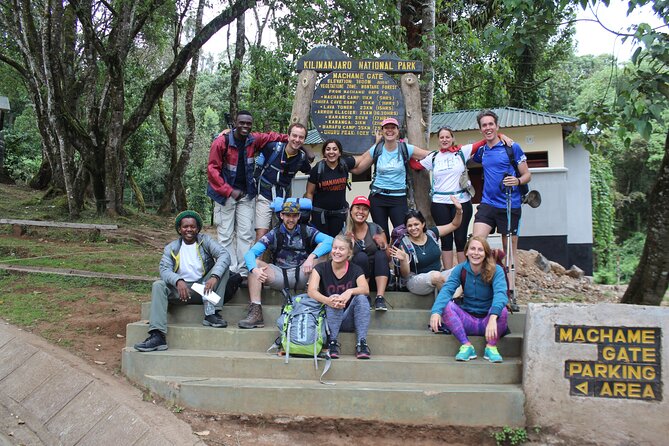
Your morning starts with an 8:30 pickup from the hotel in Moshi. The drive to Machame Gate takes about an hour and passes through Machame village on the mountain’s lower slopes.
At the gate, you register and begin walking through dense rain forest. The trail winds upward along a ridge for about 11 kilometers, with five to seven hours of hiking before you reach Machame Camp at 2,833 meters.
This is a steady first day rather than a dramatic summit-style test. The rain forest gives you shade and a sense of entering a protected mountain world. The drawback is that forest trails can feel damp and muddy, especially if conditions are wet. Good boots and patience matter more here than speed.
Your camp is already high enough for the first night to feel different from Moshi. Take the evening seriously. Eat, drink, and sleep as much as you can, since the next days keep climbing.
Day 2: Machame Camp to Shira Cave Camp
Day two covers only about five kilometers, but it still takes four to six hours because the trail rises over rocky ground. You leave the forest behind and climb toward heath, heather, and open moorland.
The trail reaches the Shira Plateau, then crosses a large river gorge before arriving at Shira Cave Camp. This change in scenery is one of the pleasures of Machame. The trees thin out, the views open, and the mountain begins to feel much bigger.
The short distance does not mean an easy day. At altitude, a modest climb can take real effort. I would treat the hours as a chance to settle into the pole pole rhythm often used on Kilimanjaro, walking slowly and steadily rather than trying to impress your guide on day two.
Same trailhead, a longer or shorter day out:
- Kilimanjaro Trekking 7Days 6Night Lemosho Route
★ 5.0 · 23 reviews - 8 Day Kilimanjaro Trek via Lemosho Route
★ 5.0 · 17 reviews - Top 6 Days Mt. Kilimanjaro Bike trek Tour by Marangu-Kilema Route
★ 5.0 · 15 reviews - 6 Days Mount Kilimanjaro Trek Marangu Route
★ 5.0 · 15 reviews
Day 3: Lava Tower and Barranco Camp
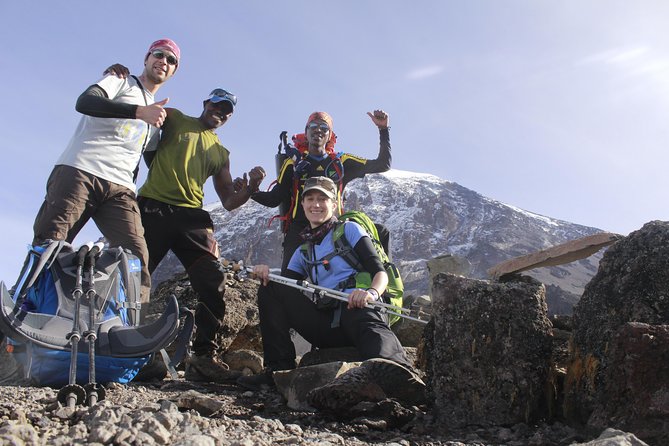
This is one of the most important days for acclimatization. You climb toward Lava Tower, a 300-foot volcanic rock formation at 4,603 meters. After lunch, you descend through the striking Senecio Forest to Barranco Camp at 3,953 meters.
The walking distance is described in two parts: about seven kilometers to Lava Tower in four to five hours, followed by three kilometers to Barranco Camp in two to three hours. You gain altitude during the day, but you finish at a lower elevation than the high point.
That high-then-low pattern is valuable. You spend time above 4,500 meters without sleeping there, giving your body a chance to adjust before the summit attempt. It can also be a tiring day, and the descent does not feel like a free ride. Your knees and feet still work hard.
The Senecio Forest gives this section a memorable character. These giant plants make the alpine desert feel strange and almost otherworldly without requiring technical climbing. Barranco Camp also places you close to the next day’s big feature, the Barranco Wall.
Day 4: Over the Barranco Wall to Karanga Camp
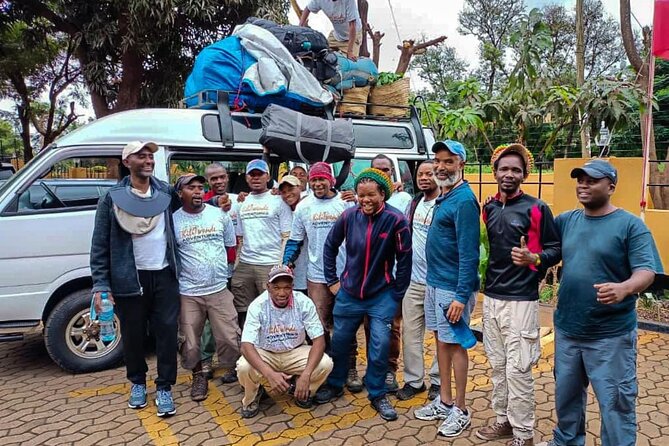
The day begins by descending to the base of the Great Barranco Wall. From there, you climb the steep cliff, rising nearly 900 feet.
The wall is described as non-technical, but do not mistake that for easy. You need balance, careful foot placement, and a calm head. The route then crosses hills and valleys before dropping into Karanga Valley and crossing the Karanga River.
Karanga is the final water point mentioned on the route. From the valley, you climb again to Karanga Camp, arriving in time for lunch. A shorter acclimatization walk follows later in the afternoon.
This is a compact five-kilometer day with four to five hours of hiking, yet it can feel demanding because of the repeated ups and downs. I like the shorter schedule here. It gives you time to recover, eat, and prepare for the high camps ahead.
Day 5: Karanga Camp to Barafu Camp
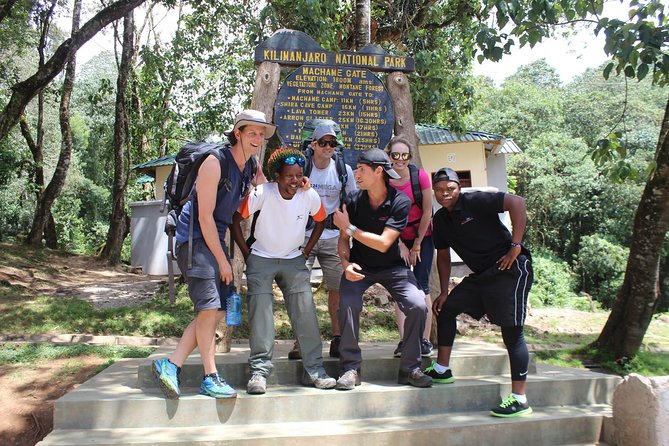
From Karanga, the trail passes the junction connecting with the Mweka Trail and continues over rocky ground to Barafu Hut at roughly 4,673 meters, based on the route description’s elevation profile.
You have now completed the Southern Circuit, which gives views toward the summit from several angles. In clear weather, you may also see Mawenzi and Kibo, the two main peaks associated with Kilimanjaro.
The walking distance is only four kilometers and takes about four to five hours. The short day is intentional. You arrive at Barafu, rest, eat an early dinner, and prepare for the midnight start.
Barafu is not a place to plan extra activity. Use the afternoon to check your clothing, water, headlamp, snacks, and camera. Try to sleep, even if excitement or altitude makes that difficult. Your next effort will be the hardest part of the trek.
Day 6: Uhuru Peak and the long descent
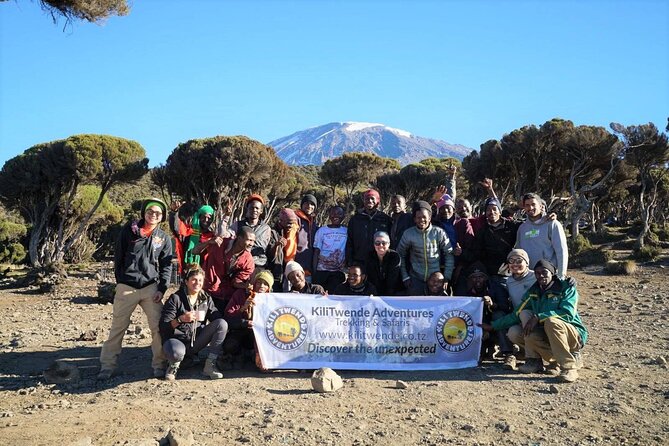
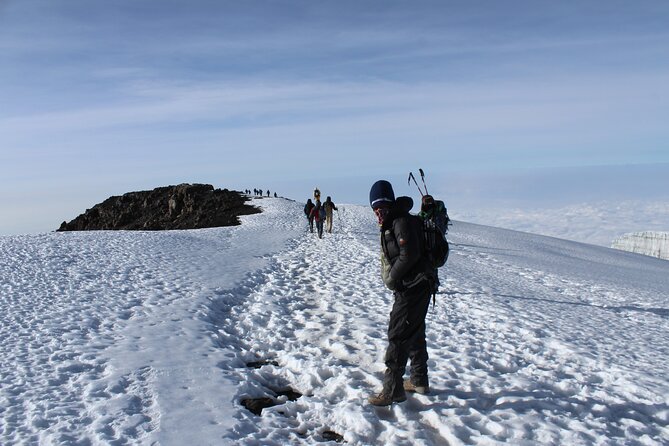
Summit day begins around midnight. You climb in darkness for several hours, taking short breaks in cold and windy conditions. The route reaches Stella Point at 18,900 feet around sunrise, then continues to Uhuru Peak at 5,895 meters, the highest point in Africa.
The listed ascent takes seven to eight hours and covers about five kilometers. Those numbers look modest, but this is where altitude, cold, darkness, and fatigue combine. The summit push is primarily a test of patience and endurance.
At Uhuru Peak, you have time for photographs before descending to Barafu. Do not linger too long. The summit is the goal, but the descent is still a major part of the day.
From Barafu, you continue down to Mweka Camp at about 3,100 meters. This section covers around 12 kilometers and takes another four to six hours through rain forest. The total day can reach eight hours or more, depending on how the timing is counted.
This is the day I would use to judge your own readiness. You do not need technical climbing experience, but you do need moderate physical fitness and the ability to keep moving for a long time. A supportive guide and patient crew can help, yet no crew can remove the cold, altitude, or distance.
Day 7: Mweka Camp to Moshi
The final day feels easier, but your legs may disagree. After breakfast, you descend for about three hours and 10 kilometers to Mweka Gate through rain forest.
At the gate, you sign out with the national park authority and collect your summit certificates. A vehicle then takes you back to your hotel in Moshi.
This return is more than a transfer. It gives you a proper endpoint after the summit effort. You can shower, eat, and rest at the hotel, though lunch, dinner, and drinks there are not included.
Food, camping, and crew support
The package provides three meals each day on the mountain. The strongest practical feedback connected with Kilitwende centers on food, personal care, organization, and the friendliness of the crew. One solo climber also had dietary restrictions accommodated, so you should raise any food needs before arrival rather than waiting until camp.
The tents and dining setup make this closer to supported camping than a bare-bones hike. Still, you are sleeping outdoors at high altitude. Do not expect hotel comfort simply because a dining tent and portable toilet are included.
Several names appear in guest accounts connected with Kilitwende, including Bobby, Robert, John, Bob, Nate, Jerry, Joseph, and Sadhi. Because guide assignments can change, confirm your own lead guide and crew before departure. The important point is the repeated praise for patient support, good organization, and a friendly approach.
Who should book this trek?
I would recommend this route to a fit hiker who wants scenic variety and a stronger sense of adventure than the shorter, more direct options. It suits you if you are comfortable with camping, long walking days, early starts, and a midnight summit push.
It is also a good choice if you want a private group and a package that handles the main logistics. The included hotel nights, airport transfers, park fees, meals, equipment, and crew reduce the number of details you must arrange yourself.
You should think carefully before booking if your fitness is low, if you dislike cold nights, or if you expect a relaxed sightseeing holiday. The listing says moderate physical fitness is required, but the summit day is considerably tougher than that phrase may suggest.
Booking details and cancellation
Confirmation is received when you book, and pickup is offered. The listed start time is 8:30 am, though the summit day begins around midnight as part of the planned schedule.
Cancellation is free if you cancel at least 24 hours before the experience start time. Cancellations or changes made inside that window are not refunded or accepted. If poor weather forces cancellation, you are offered another date or a full refund.
Should you book the seven-day Machame Route?
I would book it if you want Kilimanjaro’s most varied scenery, a private trek, and strong logistical support in one package. The route’s climb to Lava Tower followed by descent to Barranco is especially useful, and the seven-day schedule gives you more adjustment time than a compressed ascent.
The price is fair only if you make use of the inclusions and remember the extra costs. Add tips, gear rentals, flights, insurance, visas, and hotel meals to your real budget.
My practical advice is simple: train for long uphill and downhill days, confirm the equipment you will rent, ask how tips are distributed, and arrive ready to walk slowly. If you can accept the midnight summit, the cold, and the long final descent, this Machame trek offers a well-supported path to one of Africa’s great high points.
FAQ
How long is the Kilimanjaro Machame Route trek?
The trek lasts approximately seven days. It includes six nights on the mountain schedule, with one hotel night before and one hotel night after the trek.
What is included in the $2,890 price?
The price includes park, camping, forest, and rescue fees, 18 percent VAT on tour fees and services, guides, cooks, porters, tents, mattress, dining equipment, meals during the climb, hotel accommodation before and after, mountain transfers, airport transfers, a portable flush toilet, and an emergency oxygen tank.
Is the Machame Route a private tour?
Yes. This is a private activity, so only your group participates.
What fitness level is required?
The tour requires a moderate physical fitness level. Summit day includes a midnight start, several hours of climbing to Uhuru Peak, and a long descent to Mweka Camp.
Are flights and personal equipment included?
No. International and domestic flights, visas, insurance, camera costs, laundry, and personal gear are not included. Listed rental prices include $40 for a sleeping bag, $35 for a duffle bag, $40 for hiking boots, and $10 for walking sticks.
Can I cancel for a full refund?
Yes, if you cancel at least 24 hours before the experience start time. Cancellations made less than 24 hours in advance are not refunded. If poor weather causes the operator to cancel, you are offered a different date or a full refund.
More 7-Day Experiences in Moshi
- 7-Day Kilimanjaro Trekking Tour via Machame Route
★ 5.0 · 12 reviews - Machame Route 7-Day Private Kilimanjaro Trek
★ 5.0 · 9 reviews - 7 Days Kilimanjaro Trekking Machame Route
★ 5.0 · 8 reviews - 7 Day Trek To The Roof Of Africa Kilimanjaro via Machame Route
★ 5.0 · 5 reviews
Recently added around Moshi
- Mt Kilimanjaro Trek, 6 Days – Umbwe Route★ 5.0 · 4 reviews
- 7 Day Trek To The Roof Of Africa Kilimanjaro via Machame Route★ 5.0 · 5 reviews
- Mount Kilimanjaro Trek 7-Days: Lemosho Route★ 5.0 · 2 reviews
- 7-Days Tour Mount Kilimanjaro Trekking via Machame Route★ 5.0 · 2 reviews
- 8 Day Kilimanjaro Trek via Lemosho Route★ 5.0 · 17 reviews
- 6-Day Kilimanjaro Machame Route – A Stunning Trek to Uhuru Peak★ 5.0 · 7 reviews
- Trek To Mount Kilimanjaro★ 5.0 · 12 reviews
- Unforgettable 8 Days Lemosho Route Trekking on Kilimanjaro★ 5.0 · 4 reviews
Kilimanjaro Climbs, compared.
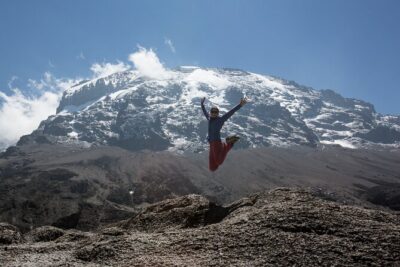
8-Day Small-group Lemosho Kilimanjaro Summit Trekking
Read our review →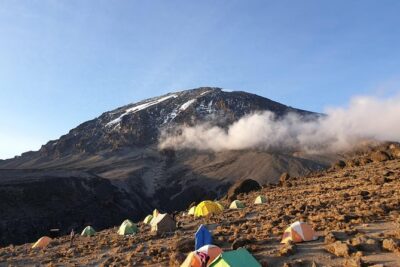
Best Kilimanjaro Adventure 7 days Machame route Trekking
Read our review →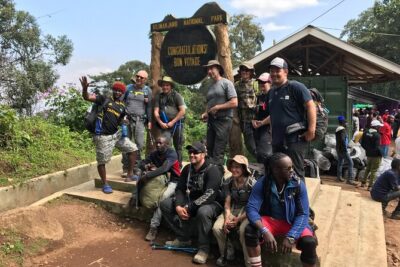
Kilimanjaro 7 Day Private Trekking Experience
Read our review →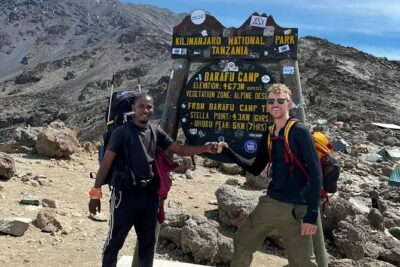
6 Days Machame Route Kilimanjaro Climbing Trekking Tour
Read our review →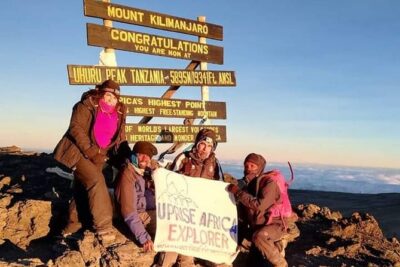
Kilimanjaro Trekking 7Days 6Night Lemosho Route
Read our review →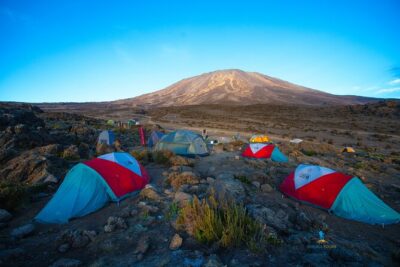
Top 6 Days Mt. Kilimanjaro Bike trek Tour by Marangu-Kilema Route
Read our review →Browse the lists this tour appears in