
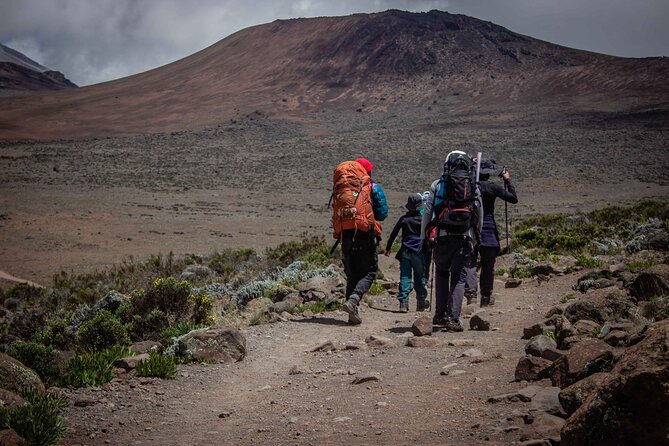
REVIEW · MOSHI
6 Days MARANGU ROUTE (Kilimanjaro Trekk)
Africa’s highest summit demands patience and preparation. This six-day Marangu Route trek gives you a clear path to Uhuru Peak, with park fees, meals, accommodation, camping equipment, safety gear, and a professional guide included in the $1,980 price. I like the built-in acclimatization day at Horombo Hut, and I like the steady change from rainforest to alpine desert and arctic terrain.
The strongest praise centers on the guide team. Sanke is described as careful about health and mood, while William and Rama receive credit for calm support and safe summit attempts. The main consideration is the route itself: six days is better than a rushed schedule, but the summit day remains very demanding, and the published details mix Marangu huts with references to camping and the Machame Route. Confirm the exact setup before paying.
Key points to know before booking
- Six days gives you an acclimatization day: Day 3 at Horombo Hut lets you rest or walk to Zebra Rocks before the summit push.
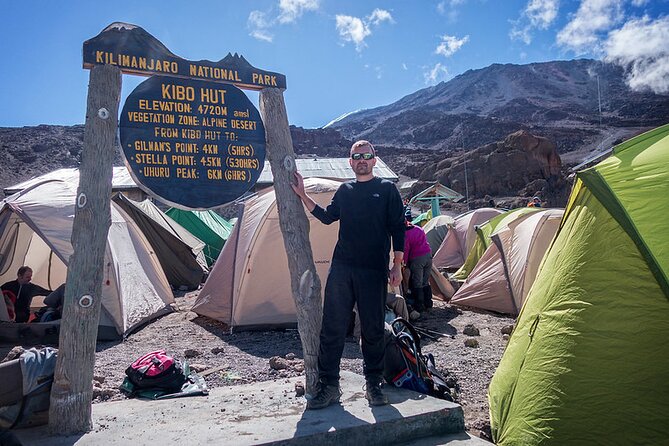
- You sleep in mountain huts: Mandara, Horombo, and Kibo are named as overnight stops, although the package also lists camping equipment.
- The route crosses several ecological zones: Expect rainforest, heathland, alpine desert, and the cold upper mountain near Kibo and Uhuru Peak.
- The summit day is long and serious: You start in the early morning, reach Uhuru Peak around sunrise, then descend to Kibo and Horombo.
- Guides receive the highest praise: Sanke, William, and Rama are specifically named for health checks, encouragement, organization, and safe support.
- The price includes major trek costs: Park fees, meals, accommodation, safety equipment, taxes, and a professional guide are included, but insurance, visa, gear, and tips are extra.
What the $1,980 price really covers
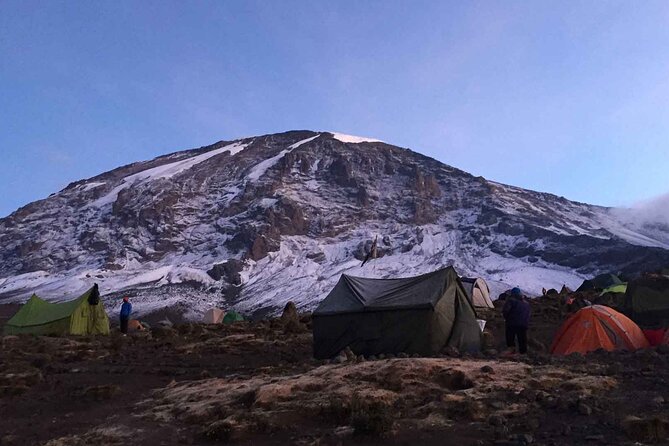
At $1,980 per person, this is not a cheap mountain walk. Kilimanjaro requires park access, staff, food, sleeping arrangements, safety planning, and several days at altitude. The package includes park fees, meals, all listed taxes and fees, accommodation, safety equipment, camping equipment, and a professional guide.
That list gives the price real weight. Park fees alone can make a Kilimanjaro trek costly, and the staff support is not a small extra. You are paying for a managed expedition rather than simply paying for a trail transfer and a map.
Still, read the inclusions closely. Personal gear is not included, and neither are travel insurance, a visa, or tips. You need to budget separately for warm clothing, hiking equipment, insurance, and gratuities. The listing also uses both camping language and hut names. Ask the operator if you will sleep in huts, tents, or a mixture of both.
Pickup is offered, and the tour is based in Moshi. The stated start time is 9:00 am, but that should not be confused with the summit schedule. Summit morning begins in the early hours, so confirm where and when the first day’s pickup takes place.
More Kilimanjaro Climbs in Moshi
- Best Kilimanjaro Adventure 7 days Machame route Trekking
★ 5.0 · 42 reviews - Kilimanjaro 7 Day Private Trekking Experience
★ 5.0 · 40 reviews - 6 Days Machame Route Kilimanjaro Climbing Trekking Tour
★ 5.0 · 34 reviews
Day 1: Marangu Gate to Mandara Hut
Your trek begins at Marangu Gate, where you complete park formalities and meet the guide and porters. The first walk covers about 8 kilometers and takes roughly eight hours according to the schedule, though the description calls it a relatively easy day.
The setting changes quickly as you enter the rainforest. Expect dense plant life, damp air, and the first sense that Kilimanjaro is not one single type of mountain. The trail begins in a warm, green zone, far removed from the cold summit you are aiming for.
Mandara Hut sits at about 2,700 meters. This is an important first night because your body starts responding to altitude almost immediately. Keep your pace easy. The aim is not to prove how fast you can walk, but to arrive with enough energy for the next five days.
The Marangu Route is sometimes called the easier route because of its gradual trail and hut accommodation. That label can mislead you. The summit is still high, the air is still thin, and the final climb is still hard. A gentler first day helps, but it does not remove the main challenge.
Day 2: Heathland and the walk to Horombo Hut
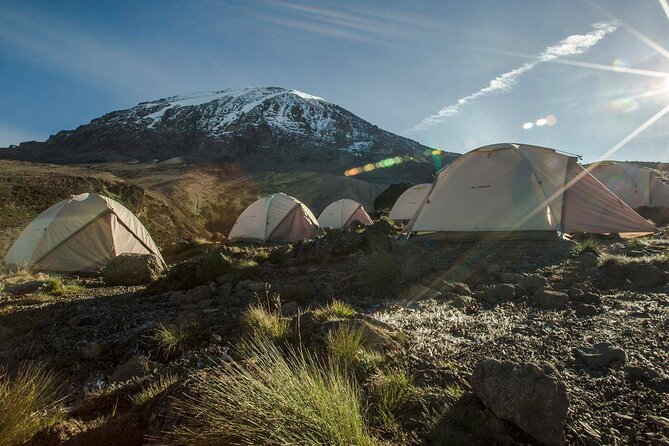
After breakfast, you leave the rainforest and enter heathland. The change in plant life helps mark your progress, while views toward Mawenzi Peak give you one of the route’s memorable mountain scenes.
This day covers about 12 kilometers and ends at Horombo Hut, around 3,700 meters above sea level. The distance is manageable for a fit hiker, but the altitude begins to matter more here. You may notice that ordinary tasks require more effort. Walk slowly, drink regularly, and follow the guide’s pace.
Horombo is more than a sleeping stop. It is the base for the trek’s main acclimatization break. The hut provides a practical place to pause before the route climbs toward Kibo, where conditions become much colder and more exposed.
The views of Mawenzi are a major reward. The peak’s sharp volcanic form gives the trek a stronger sense of scale. You are no longer simply walking through forest. You are moving between the great volcanic features of Kilimanjaro.
Day 3: The useful pause at 3,700 meters
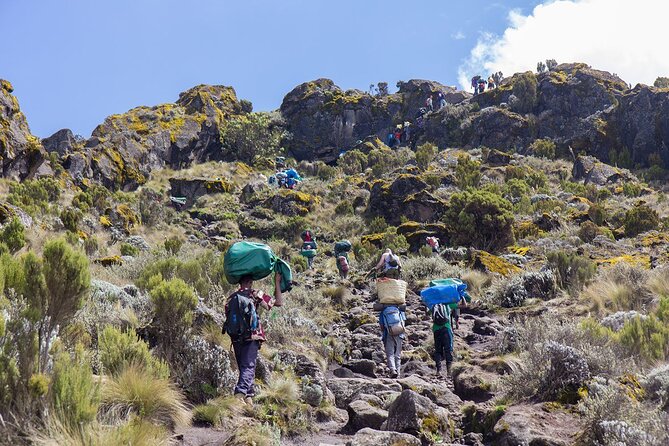
Day 3 is one of the best features of this itinerary. You remain at Horombo Hut and give your body time to adjust. You can take a shorter walk to Zebra Rocks for views, or rest at the hut.
That extra day matters. The trek reaches high altitude quickly, and a rest day can make the next stages feel more manageable. It also gives you a chance to check your condition honestly. If you have a headache, unusual tiredness, or feel unwell, tell the guide rather than hiding it.
The walk to Zebra Rocks offers a way to stay active without making a major ascent. If you feel good, the outing can help you get used to walking above 3,700 meters. If you do not feel good, resting is the wiser choice. A summit attempt is not won by forcing one extra walk.
This is where the quality of the guide team becomes especially important. Sanke is praised for checking health and mood carefully, which is exactly the kind of attention you want at this point. William is also credited with giving nervous hikers the encouragement needed to commit to the six-day route.
Same trailhead, a longer or shorter day out:
- Kilimanjaro Trekking 7Days 6Night Lemosho Route
★ 5.0 · 23 reviews - 8 Day Kilimanjaro Trek via Lemosho Route
★ 5.0 · 17 reviews - Top 6 Days Mt. Kilimanjaro Bike trek Tour by Marangu-Kilema Route
★ 5.0 · 15 reviews - 6 Days Mount Kilimanjaro Trek Marangu Route
★ 5.0 · 15 reviews
Day 4: Horombo Hut to Kibo Hut
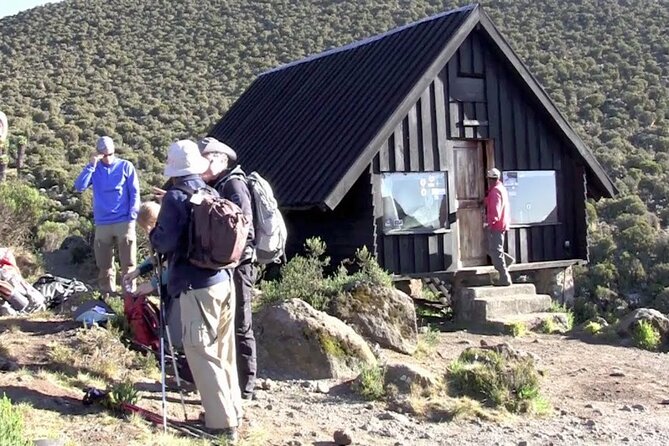
The route now leaves the more welcoming heathland and crosses the saddle between Mawenzi and Kibo. Kibo Hut sits at about 4,700 meters, in the alpine desert zone.
The scenery becomes spare. Plants thin out, the ground feels harsher, and the air offers less help with every step. This is a day for patience. The schedule allows around eight hours, but the clock matters less than maintaining a steady pace.
You should think of Kibo Hut as a staging point rather than a place to relax for long. The summit attempt begins soon after arrival, with an early start designed to reach Uhuru Peak near sunrise. Eat what you can, prepare your clothing and gear, and conserve energy.
This is also the point where the six-day length shows its value. A shorter itinerary would give you less time to adjust before reaching 4,700 meters. The route remains demanding, but the extra day at Horombo gives you a better chance to arrive at Kibo in reasonable shape.
Day 5: The summit push to Uhuru Peak
Summit morning is the hardest part of the trek. You begin in the early hours and climb toward Uhuru Peak, the highest point in Africa, at 19,340 feet according to the tour information.
The climb is both physical and mental. Darkness, cold, steep ground, and thin air make every step feel important. You need to keep moving without racing. Your guide’s job is especially valuable here, since pace, encouragement, and health checks can make the difference between a safe attempt and an exhausted one.
The schedule aims to reach the summit around sunrise. That timing can give you dramatic views and a powerful sense of arrival, but do not treat the sunrise as more important than your health. If you become seriously unwell, descending is the correct choice.
After celebrating at Uhuru Peak, you return to Kibo Hut and then continue to Horombo Hut. This makes for a very long day, even though the schedule lists approximately eight hours. The descent is physically tiring because your legs have already done their hardest work. Keep food and water accessible, and save enough energy for the walk to Horombo.
Rama is praised for supporting a safe Uhuru Peak attempt, while the wider team receives credit for getting people up and back down safely. That is the right measure of a Kilimanjaro operation. Reaching the top matters, but returning safely matters more.
Day 6: Returning through rainforest to Marangu Gate
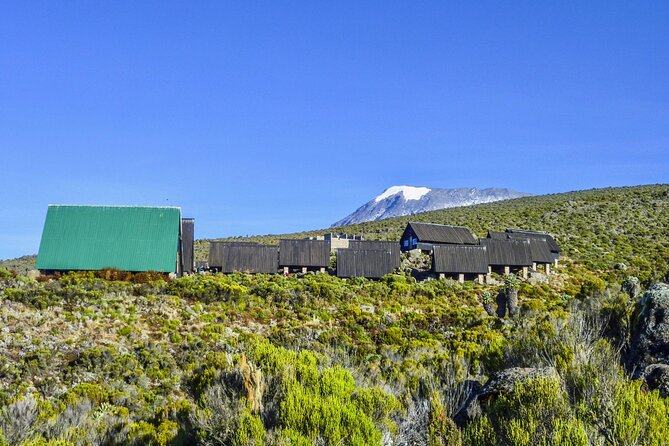
The final day takes you from Horombo Hut down to Marangu Gate. The route passes back through heathland and rainforest, covering about five hours in the schedule.
The descent gives you a different view of the route. Areas that felt dry and severe above Horombo gradually become greener and more familiar. You might spot colobus monkeys or birds in the lower sections, although wildlife sightings are not guaranteed.
At the gate, you receive summit certificates and say goodbye to the guides and porters. That ending has practical meaning as well as ceremony. The staff have carried equipment, prepared meals, guided the route, and helped manage the summit attempt. Tips are not included, so plan for them separately.
The final walk can feel easy compared with summit day, but tired knees may disagree. Use trekking poles if you have them, take care on the descent, and do not rush simply because the finish is close.
The Marangu Route experience: huts, camping, and comfort
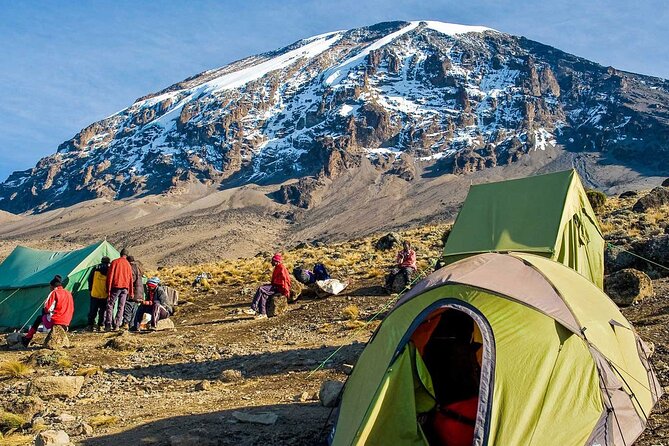
The route is presented as a hut-based trek, with Mandara, Horombo, and Kibo named as overnight stops. At the same time, the package includes camping equipment and describes a deluxe camping style with spacious tents and meals.
That mismatch needs clarification. Marangu is commonly associated with hut accommodation, while the supplied details also refer to camping and even describe the Machame Route in the overview. Those are not the same route experience. Before booking, ask the provider to confirm:
- Which route you will actually walk
- Whether nights are in huts, tents, or both
- What bedding or sleeping equipment is supplied
- Whether meals are served in huts or in a camp dining area
- What safety equipment is included
This does not automatically make the tour poor. It simply means the written details need tightening. Clear answers will help you pack correctly and avoid surprises.
Guides, porters, and the human side of the climb
The most convincing part of the experience is the repeated praise for the staff. Sanke is described as professional and attentive to health and mood. William is credited with giving people the confidence to attempt six days. Rama is praised for support during the Uhuru Peak effort.
Those details matter because Kilimanjaro is not just a route-finding exercise. At altitude, you need someone who notices when your pace changes or your mood drops. You also need a guide who can keep the group moving while taking symptoms seriously.
The operation is described as well organized, with friendly and professional guides helping people reach the summit and return safely. That is especially important for first-time high-altitude hikers. You should still ask about guide-to-group ratios, porter arrangements, and emergency procedures, since those details are not provided here.
The maximum group size is listed as 100 people. That is a large possible group, though your actual party may be smaller. Ask how groups are divided on the trail. A smaller walking group may feel more personal, while a larger operation can offer broader staff support.
Who should choose this six-day trek?
I would point this tour toward an active person who wants a structured Kilimanjaro attempt without rushing through the mountain. The rest day at Horombo is a strong reason to choose six days rather than a shorter plan.
It also suits first-time summit hikers who want a professional guide and an organized package. The reviews describe people who were initially unsure about managing six days, then found encouragement from William and the team.
You should think carefully if you dislike basic mountain accommodation, long walking days, or cold, high-altitude conditions. This is not a sightseeing excursion with a summit added at the end. The final climb can be exhausting, and the descent after Uhuru Peak makes Day 5 especially demanding.
People seeking the most scenic route should also compare options. The overview refers to the Machame Route, but the itinerary is for Marangu. Confirm the route before booking, since scenery, sleeping arrangements, and daily rhythm differ.
Practical details before you commit
Confirmation is provided at booking. Pickup is offered in Moshi, and the start time is listed as 9:00 am. The experience is near public transportation, and the operator says most participants can take part.
You must arrange your own visa, travel insurance, and personal gear. Tipping is also excluded. Because the summit is remote and physically demanding, insurance deserves special attention. The supplied information does not specify coverage limits or evacuation terms, so ask the operator and insurer directly.
Cancellation is free if you cancel at least 24 hours before the local start time. Cancellations made within 24 hours are not refunded, and late changes are not accepted.
Should you book the Marangu Route?
I would consider booking this trek if you value a slower six-day schedule, an acclimatization day, and active guide support. The strongest evidence in its favor is the praise for Sanke, William, Rama, and the wider team, especially their attention to health, encouragement, organization, and safe returns.
I would not pay until the route and accommodation questions are settled. The material combines Marangu, Machame, huts, and signature camping in a way that could confuse even an experienced hiker. Ask for a written day-by-day confirmation of the route, sleeping arrangements, group size, and included equipment.
If those details are clear, the $1,980 price can offer solid value because major park and operating costs are covered. If the answers remain vague, compare another operator first. Kilimanjaro is too demanding for unclear planning.
FAQ
Where does the six-day Kilimanjaro trek begin?
The trek begins at Marangu Gate in Kilimanjaro National Park. The experience is based in Moshi, Tanzania, and pickup is offered.
What is included in the tour price?
The price includes park fees, safety equipment, meals, all fees and taxes, camping equipment, a professional guide, and accommodation.
What is not included?
Visa costs, travel insurance, personal gear, and tipping are not included.
Where do you stay during the trek?
The itinerary names Mandara Hut, Horombo Hut, and Kibo Hut as overnight stops. The package also mentions camping equipment, so you should confirm the exact sleeping arrangements with Spirit of Kilimanjaro.
Is there an acclimatization day?
Yes. Day 3 is spent at Horombo Hut for acclimatization. You can rest or take a short walk to Zebra Rocks.
What is the cancellation policy?
You can receive a full refund if you cancel at least 24 hours before the experience start time. Cancellations or changes made less than 24 hours before the start are not accepted or refunded.
More 6-Day Experiences in Moshi
- 6-Day Rongai Route Trek in Mount Kilimanjaro
★ 5.0 · 8 reviews - 6-Day Kilimanjaro Machame Route – A Stunning Trek to Uhuru Peak
★ 5.0 · 7 reviews - 6 Days Kilimanjaro Trekking – Machame Route
★ 5.0 · 6 reviews - Mt Kilimanjaro Trek, 6 Days – Umbwe Route
★ 5.0 · 4 reviews
Recently added around Moshi
- Mt Kilimanjaro Trek, 6 Days – Umbwe Route★ 5.0 · 4 reviews
- 7 Day Trek To The Roof Of Africa Kilimanjaro via Machame Route★ 5.0 · 5 reviews
- Mount Kilimanjaro Trek 7-Days: Lemosho Route★ 5.0 · 2 reviews
- 7-Days Tour Mount Kilimanjaro Trekking via Machame Route★ 5.0 · 2 reviews
- 8 Day Kilimanjaro Trek via Lemosho Route★ 5.0 · 17 reviews
- 6-Day Kilimanjaro Machame Route – A Stunning Trek to Uhuru Peak★ 5.0 · 7 reviews
- Trek To Mount Kilimanjaro★ 5.0 · 12 reviews
- Unforgettable 8 Days Lemosho Route Trekking on Kilimanjaro★ 5.0 · 4 reviews
Kilimanjaro Climbs, compared.
8-Day Small-group Lemosho Kilimanjaro Summit Trekking
Read our review →
Best Kilimanjaro Adventure 7 days Machame route Trekking
Read our review →
Kilimanjaro 7 Day Private Trekking Experience
Read our review →
6 Days Machame Route Kilimanjaro Climbing Trekking Tour
Read our review →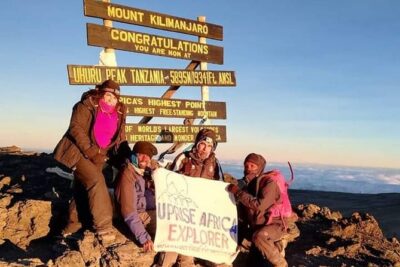
Kilimanjaro Trekking 7Days 6Night Lemosho Route
Read our review →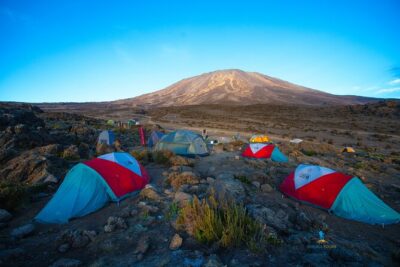
Top 6 Days Mt. Kilimanjaro Bike trek Tour by Marangu-Kilema Route
Read our review →Browse the lists this tour appears in