
REVIEW · SAPA
Mountain Views And Villages Trek
Sapa opens up from above. This $38 day trek combines a climb toward a 1,900-meter mountain peak with broad views of Sapa, the Muong Hoa Valley, and its famous rice terraces. I like the mix of scenery and village life, and I also like that lunch, an English-speaking guide, village fees, and transport back to Sapa are included.
The main caution is the trail. The first uphill section takes about an hour and can become slippery, especially after rain. I would also prepare for persistent souvenir sellers around parts of the route and lunch stop, since that can take some of the ease out of an otherwise worthwhile day.
Key points to know before booking
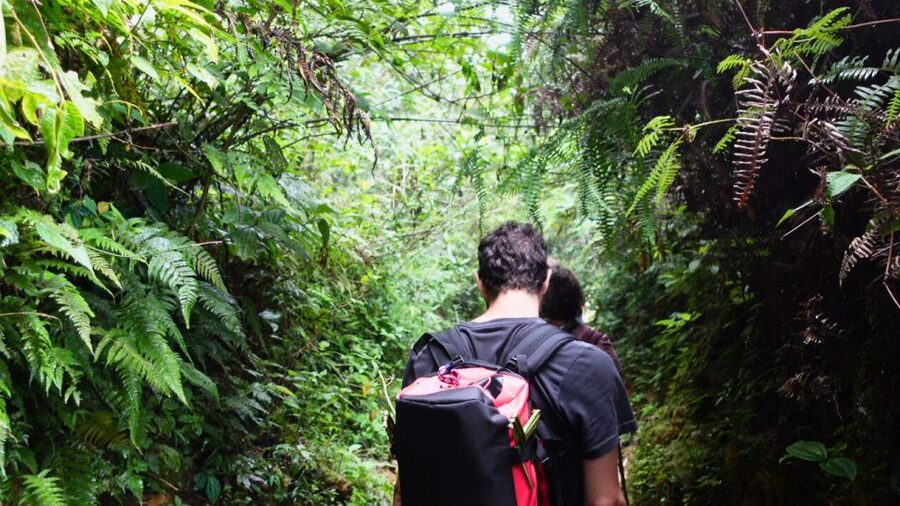
- The climb begins with a 1-kilometer uphill trail: Expect a real walk, not a casual viewpoint visit.
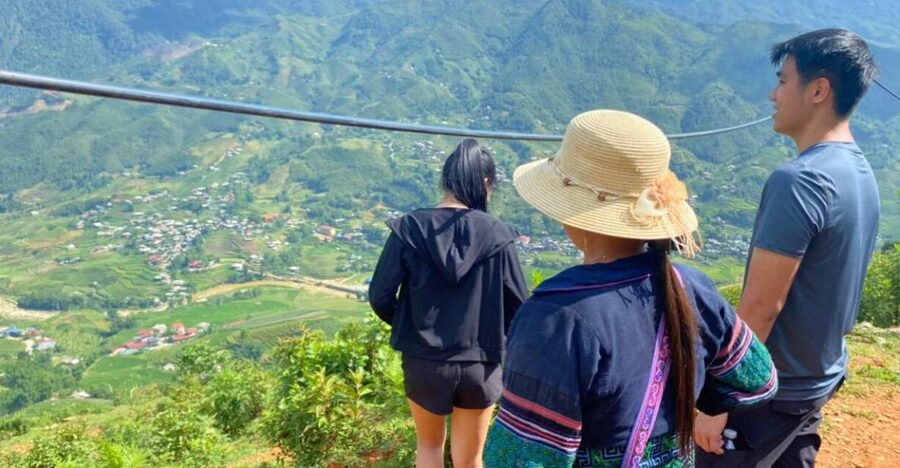
- Sa Seng mountain reaches about 1,900 meters: The reward is a wide view over Sapa, the Muong Hoa Valley, and its river.
- Hang Da and Hau Thao show daily Black Hmong life: You may see buffalo, pigs, rice work, houses, and village activity.
- Lunch is at a local family restaurant: Food is included, but choices may be limited and portions may not suit everyone.
- The route finishes near Giang Ta Chai around 15:30: Transport returns you to Sapa from the main road.
- Good footwear matters: Bring shoes with grip, rain gear, sunscreen, water money, and insect repellent.
A six-hour route from Sapa to the high ridges
The day usually begins with pickup in Sapa around 9 AM. You can wait in your hotel lobby, or meet near Sapa church if that is easier. The exact starting time depends on availability, so check the schedule before planning anything later in the day.
After a short introduction, you head toward the mountain route. The walk includes an uphill section of roughly one kilometer, with about an hour of steady effort before reaching the higher ground around Sa Seng mountain. The itinerary also identifies Ham Rong Mountain for an 80-minute hiking and photo stop, so the naming of the first mountain section may vary slightly depending on the route used that day.
You should think of this as a proper half-day trek that happens to include lunch and village visits. It is not a gentle stroll through flat rice fields. The climb is manageable for many active walkers, but the combination of uneven ground, wet conditions, and downhill sections later can make the day tiring.
The tour is not recommended for people over 70, and that is useful guidance rather than a minor footnote. If you have knee trouble, poor balance, or little experience walking on mountain paths, you may prefer a shorter Sapa viewpoint walk.
A few more treks around Sa Pa worth a look
- Sa Pa: Muong Hoa Valley Trek and Local Ethnic Villages
★ 4.6 · 864 reviews - Sapa: Eco Adventure Terrace Fields and Local Villages Trek
★ 4.9 · 636 reviews - Number one top rated ethical cultural trekking and homestay by ETHOS
★ 5.0 · 456 reviews
The 1,900-meter viewpoint above Muong Hoa
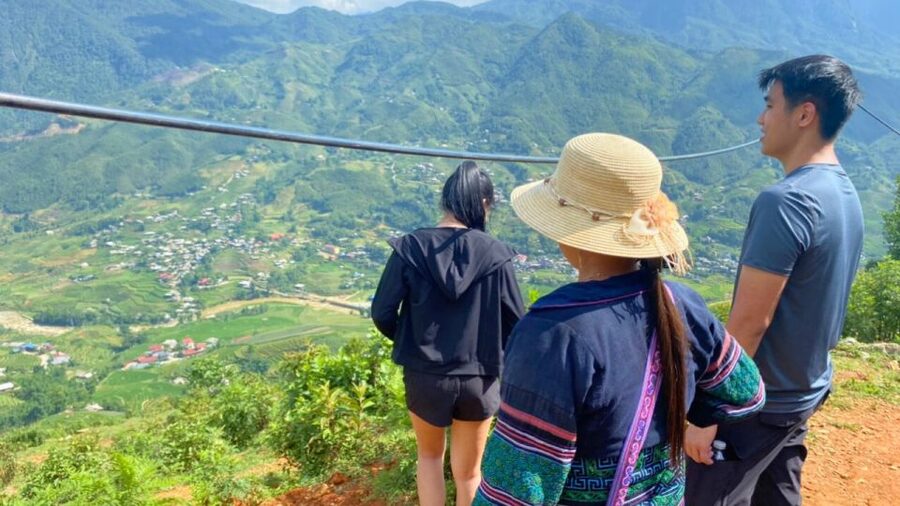
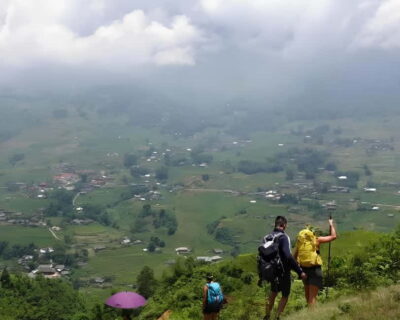
The strongest part of the day is the view from the high point. From around 1,900 meters, you can look across Sapa town and down into the Muong Hoa Valley, with the valley river cutting through the scene below.
The rice terraces are the reason many people come to this part of Vietnam, but their appearance changes with the season. Depending on when you visit, you might see planted green fields, freshly harvested plots, or water reflecting the sky. The guide can add useful context about how rice is grown and how the terraces support village life.
I like that the view is tied to the work below it. You are not simply stopping at a lookout, taking a picture, and moving on. The guide explains rice farming and local customs, giving the terraces a human purpose. You get a better sense that these are working fields, shaped and maintained by families over many years.
Bring a camera, but do not forget to look away from the screen. The broad view is the headline, yet the smaller details matter too: mountain paths, rooftops, animals, and people working below. Weather can change quickly in the mountains, so carry rain gear even if Sapa looks dry when you leave.
Down to Hang Da and its Black Hmong homes
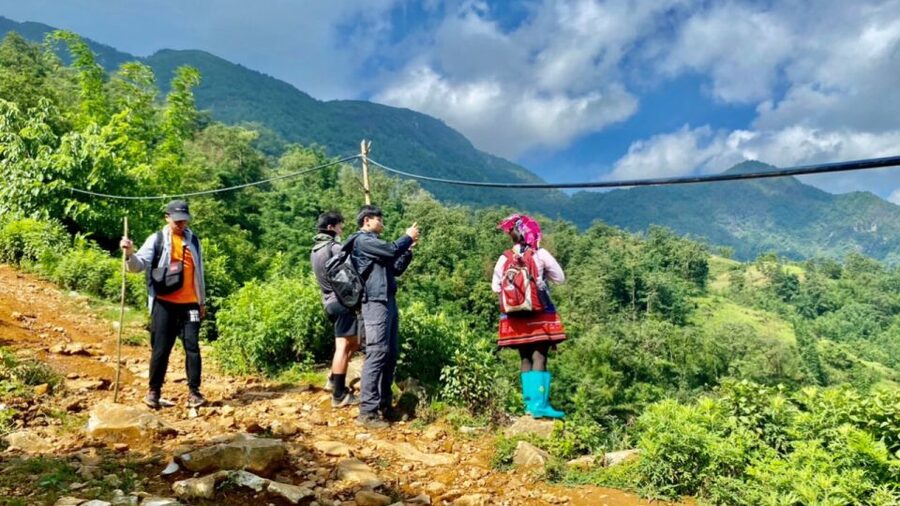
After the high viewpoint, the route descends toward Hang Da, a Black Hmong village. This is where the walk shifts from mountain scenery to daily life.
You may encounter buffalo, pigs, and other local animals along the way. These are not arranged attractions. They are part of the village setting, and children may be nearby while adults work around homes and fields. That makes the stop feel more grounded than a museum display, but you should still take photographs with care and follow your guide’s advice around animals and private homes.
The guide explains Black Hmong customs, including marriage traditions, rice cultivation, and house construction. Those subjects are especially useful because they connect directly to what you see. A house is not just a pretty building, and a terrace is not just a photo background. The explanations help you understand how homes, farming, family life, and the mountain environment fit together.
The experience is cultural rather than staged as a formal performance. You should not expect a long presentation or a large set of organized activities. Instead, the value comes from walking through the village and asking questions while you observe ordinary surroundings.
There is one social issue to handle with patience. Hmong women may walk alongside the group or assist on difficult parts of the trail, sometimes holding a visitor’s hand for support. That help can be kind and practical, especially on slippery ground, but it may also lead to pressure to buy handmade goods later. You are allowed to say no politely. A friendly thank you is enough, and you should not feel that accepting help requires a purchase.
Lunch at Manh Dien Restaurant
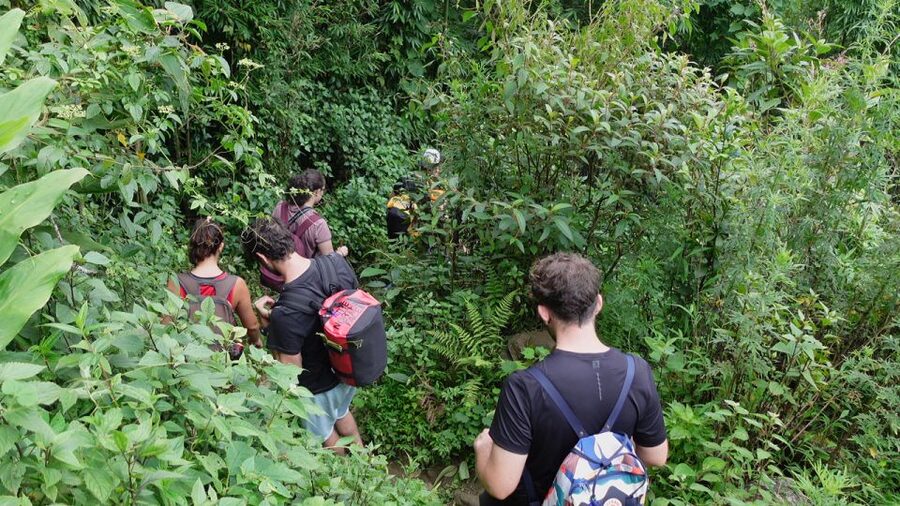
The lunch stop is at Manh Dien Restaurant, described as a local family-run place. One meal is included in the tour price, which keeps the day simple and avoids the need to search for food in the villages.
The meal may include rice or noodles, with tofu and chicken selected for the table. Food preferences can be a weak point here. If you dislike tofu, or if you need a larger meal, the included serving may not feel generous. A direct account of the experience described a shared chicken portion that was not enough for two people, with limited choice between rice and noodles.
I would treat lunch as a basic included meal rather than a major food experience. If you eat a lot, bring a small snack from Sapa. Extra drinks are not included, so carry cash for bottled water, beer, or other purchases.
The lunch setting also appears to be a place where local sellers may approach visitors. You may find several people, including children, offering goods. That can feel uncomfortable when you are trying to eat. Set your spending decision before the tour begins, and remember that you do not have to buy anything.
Same trailhead, a longer or shorter day out:
- From Sapa: 1-Day Guided Trek to Lao Chai & Ta Van with Lunch
★ 4.9 · 416 reviews - Sa Pa Full Day Trekking Tour
★ 5.0 · 414 reviews - Sapa 1 Day Long Trek: Trek to Hau Thao and Sa Seng Villages
★ 4.6 · 344 reviews - Explore Sapa by TrekkingAdventures, Mountain,Rice fields
★ 4.9 · 229 reviews
Hau Thao and the rhythm of village work
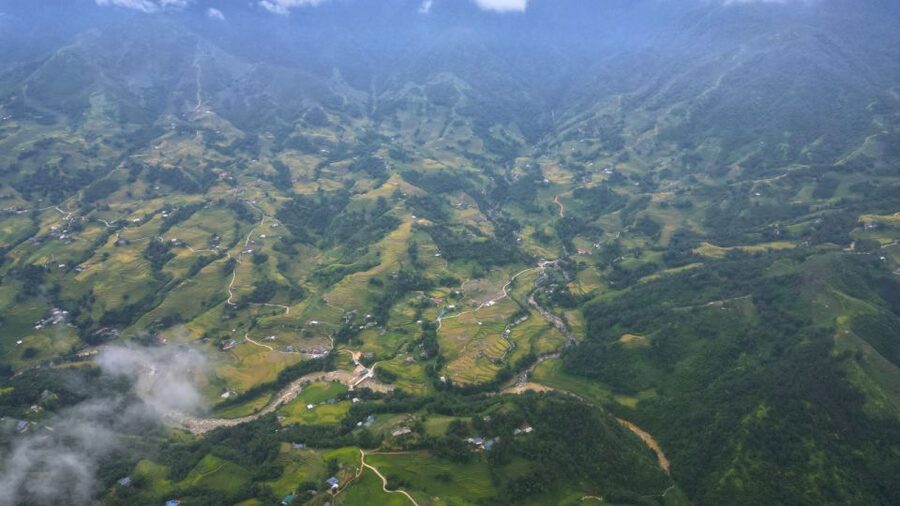
After lunch, the route continues along a smaller road toward Hau Thao, another Black Hmong village. This section is less about reaching a single viewpoint and more about seeing how the villages connect.
Depending on the farming calendar, you might see rice planting or harvesting. The timing matters because the valley looks and feels different at each stage of the crop cycle. You may also see people carrying out routine work around their homes, fields, and animals.
The guide’s explanations about marriage customs are a useful part of the visit. Customs can be easy to misunderstand when you only see them from a distance, so having someone explain their local meaning adds value. The same applies to house-building methods and farming techniques. Ask questions, but keep them respectful and avoid turning private family life into a photo opportunity.
I would not expect every moment here to be dramatic. Some of the best parts may be quiet: walking a village road, watching work in a field, or noticing how homes are positioned around the hills. The pace gives you time to see more than the usual Sapa postcard view.
The return through Giang Ta Chai
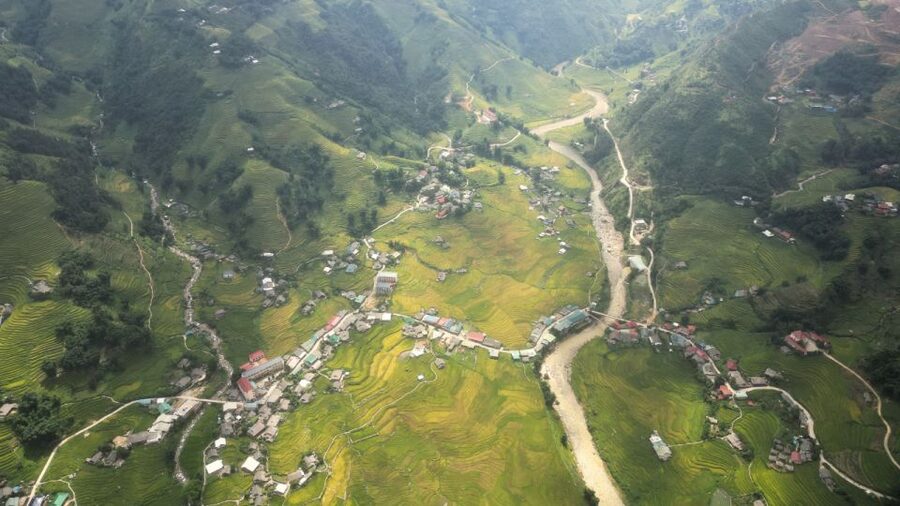
The route eventually reaches Giang Ta Chai, where transport waits on the main road. You are expected back in Sapa around 15:30, giving you the rest of the afternoon for a shower, dinner, or onward plans.
This finish is practical, but it is worth understanding that you do not walk all the way back into central Sapa. Transport takes you from the village area to town, and that ride is included.
The luggage advice is handy. If you have a Sapa hotel, leave your bags there before the trek. If you do not, the operator says luggage can be left at its office at 09 Thac Bac Street, with a shower available after the tour. That can be especially useful if you are catching an evening bus or train.
The company also says it can help arrange bus or train tickets between Hanoi and Sapa. That is an optional service, not part of the trek itself, but it may help if you are building a larger northern Vietnam route.
What the $38 price really covers
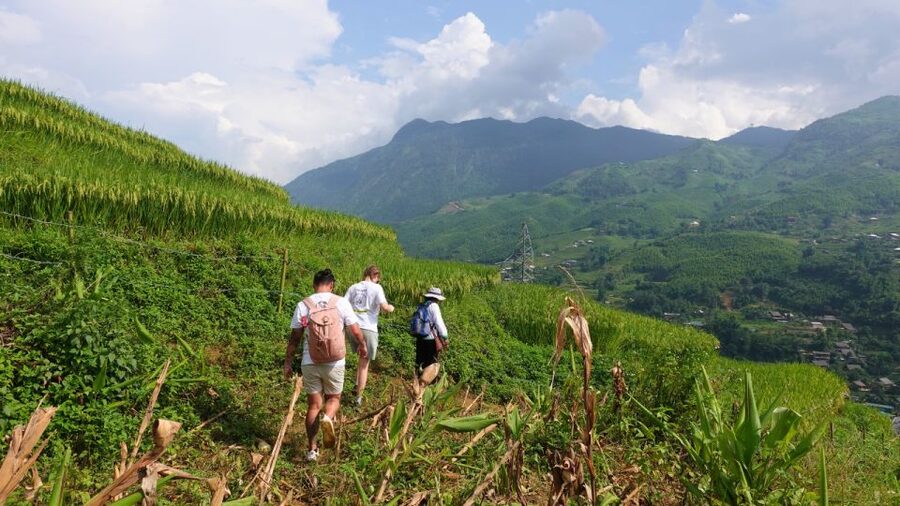
At $38 per person, this is a reasonable value if you want several Sapa experiences in one day. You are paying for a guide, lunch, village entry fees, a small bottle of water, and the ride back to town. Buying those pieces separately could be less convenient, even if a very independent visitor might spend less overall.
The value depends on what you want from the day. If your priority is a high viewpoint, cultural explanation, and a planned route, the price makes sense. If you mainly want a quiet walk through rice terraces without group stops or sales activity, a private guide or a self-arranged walk may suit you better.
The small bottle of water is not enough for everyone, especially in warm weather. Buy more before departure or budget for drinks along the route. The included lunch also helps keep the price fair, but it should not be treated as a flexible restaurant meal with a wide menu.
The experience has a 4.3 rating from three submitted ratings, which gives only a limited picture. I would place more weight on the clear practical details: the route is scenic, the guide adds cultural context, the climb can be slippery, and the social pressure to buy goods is a real consideration.
Shoes, weather, and what to pack
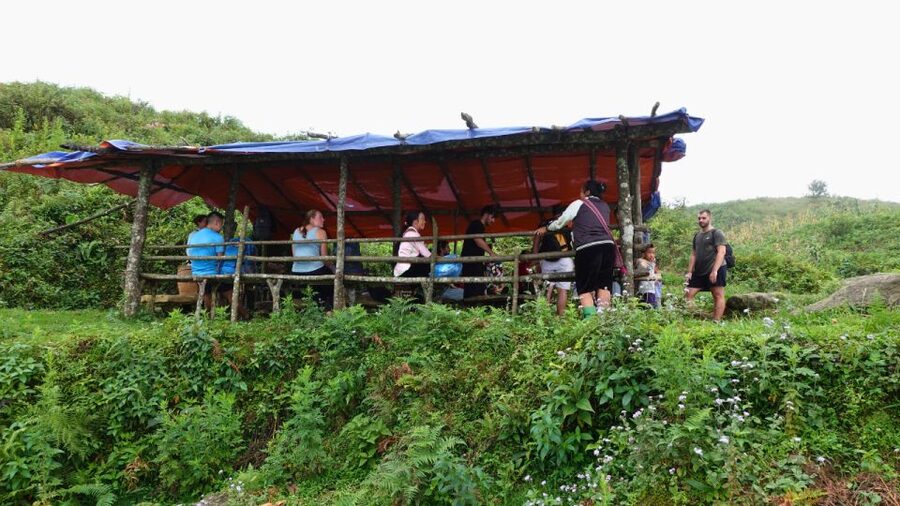
Your footwear can make or break the day. Bring comfortable shoes with firm grip, not smooth-soled trainers or casual sandals. One poor choice can turn the downhill sections into a nervous shuffle.
Pack:
- Rain gear, even if the morning is clear
- Warm shoes and comfortable clothing
- Sunscreen and insect repellent
- A camera
- Extra drinking money
- A small snack if you prefer larger meals
The tour provides only one small bottle of water per person. You may want additional water, particularly during the climb. Alcohol and drugs are not allowed, and baby strollers are unsuitable for the route.
The trail is most demanding during the early climb, but wet ground can remain a problem on the descent. Take your time, use available support when needed, and do not rush for the sake of keeping up with a faster group.
Who should book this Sapa trek?
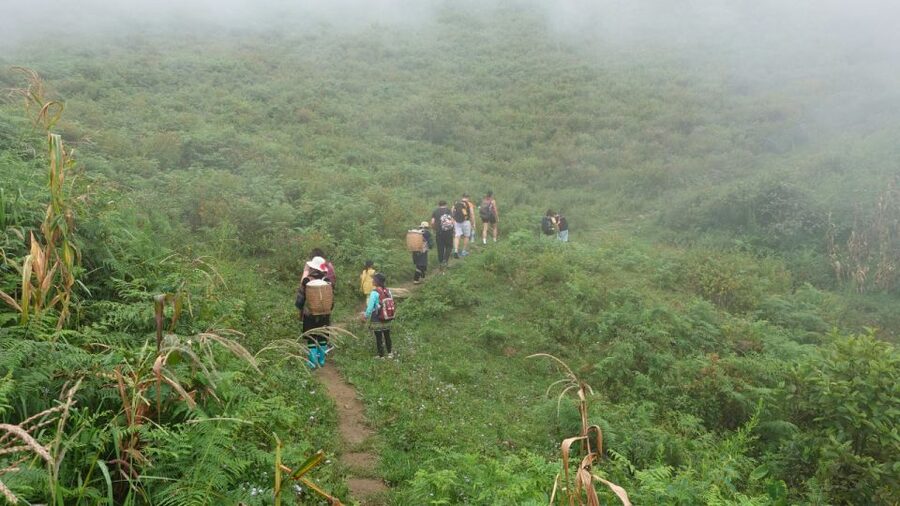
I would recommend this trek to an active visitor who wants more than a viewpoint and more than a village photo stop. It suits you if you like walking, want an introduction to Black Hmong culture, and appreciate having transport and lunch arranged.
It is also a good fit for a first visit to Sapa. In one day, you see the town from above, the Muong Hoa terraces, Hang Da, Hau Thao, and the road near Giang Ta Chai. The guide helps connect those places with farming, homes, customs, and village life.
I would hesitate if you dislike uneven trails, sales approaches, or shared meals with limited choices. The group nature of the experience may also disappoint you if you are hoping for a private, slow-paced cultural visit.
Free cancellation up to 24 hours before departure and the reserve-now, pay-later option make planning easier. Still, I would only book once you have checked the weather and confirmed that the walking level suits you.
Should you book the Mountain Views And Villages Trek?
Book it if you want a good-value Sapa day built around mountain views and Black Hmong villages, and you are ready for a real hike rather than a gentle outing. The high viewpoint, rice terraces, animal encounters, and cultural explanations give the day a strong range of experiences.
Go in with realistic expectations. Wear serious shoes, bring extra water and a snack, and expect some pressure to buy souvenirs near the villages and lunch stop. If you can handle those drawbacks, this is a useful introduction to the scenery and village life around Sapa for $38.
FAQ
How long does the Mountain Views And Villages Trek last?
The experience lasts one day. Pickup is around 9 AM, and the group is expected to return to Sapa around 15:30.
Where does the tour start?
Pickup is available in Sapa town. You can also meet at the Sapa church, and hotel pickup instructions ask you to wait in the lobby five minutes before the scheduled time.
How difficult is the walking route?
The route includes about a 1-kilometer uphill trail and roughly an hour of challenging walking toward the mountain summit. The trail can become slippery, so comfortable shoes with good grip are important.
What is included in the price?
The $38 price includes lunch, an English-speaking guide, village entry fees, one small bottle of water per person, and transport back to Sapa after the village section.
Are drinks included?
Only one small bottle of water per person is included. Extra drinks, including bottled water and beer, cost extra.
Can I cancel the booking?
You can cancel up to 24 hours in advance for a full refund. The activity also offers a reserve-now, pay-later option.
Recently added around Sa Pa
- Soob Sapa Trekking Tour★ 4.3 · 3 reviews
- Sapa Trekking – Waterfalls And H’mong Villages★ 5.0 · 2 reviews
- Sapa: Y Linh Ho – Lao Chai, and Ta Van Trekking Day Tour★ 5.0 · 25 reviews
- Sapa Trekking Private Tour With Ethnic Female Tour Guide★ 4.9 · 24 reviews
- Sapa: Trekking Through Terraced Rice Fields & Valley 1 Day★ 4.8 · 4 reviews
- Sapa Trekking Guide Francophone 2 days – 1 night★ 5.0 · 2 reviews
- Sapa: Ta Phin Village Trek with Lunch and Bathing Experience★ 4.7 · 13 reviews
- Sapa small groupe activities: 1 Day trek – Meet the locals★ 4.7 · 3 reviews
Sapa Trekking Tours, compared.
Muong Hoa Valley Trek and Local Ethnic Villages
Read our review →
Eco Adventure Terrace Fields and Local Villages Trek
Read our review →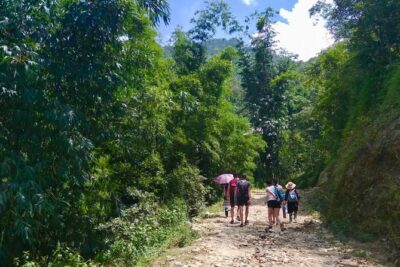
Number one top rated ethical cultural trekking and homestay by ETHOS
Read our review →
1-Day Guided Trek to Lao Chai & Ta Van with Lunch
Read our review →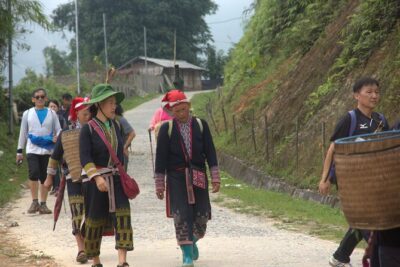
Sapa 1 Day Long Trek: Trek to Hau Thao and Sa Seng Villages
Read our review →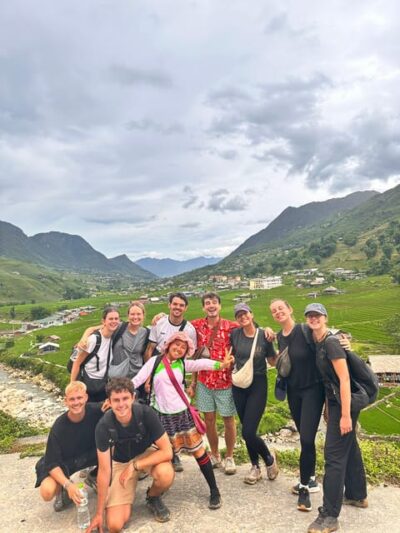
Explore Sapa by TrekkingAdventures, Mountain,Rice fields
Read our review →
EXPLORE SAPA: 2D1N TREKKING & HMONG CULTURE WITH DINH
Read our review →Browse the lists this tour appears in