
REVIEW · SAPA
From Sapa: 2-Day Trekking Tour with Local Villages
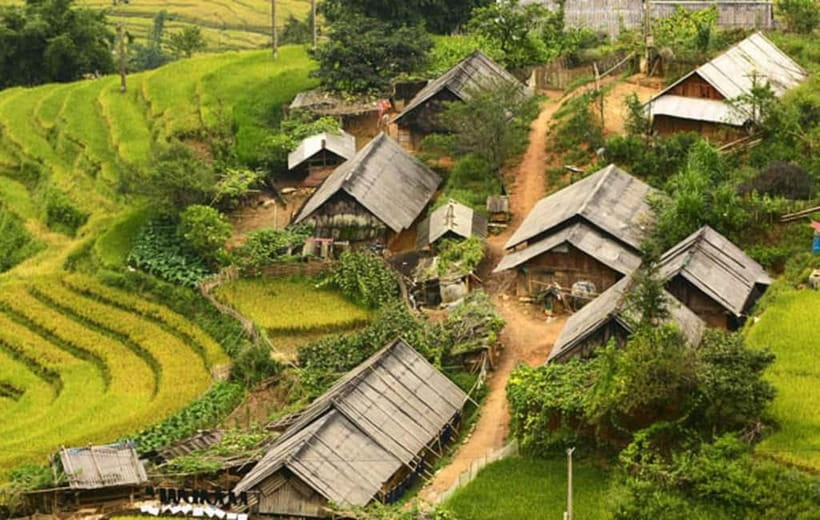
Mud makes the views better. This two-day walk links Sapa with H’mong, Dzay, and Red Dzao villages, combining rice terraces, forest paths, a waterfall, and a night in Ta Van. I especially like the local homestay and the chance to learn about village life from a local guide. The $99 price also covers meals, entrance tickets, transport back to Sapa, and two days of guiding.
The main caution is the trail underfoot. One section can be muddy and slippery, even though the overall walking is described as moderate and not too strenuous. Bring proper shoes, expect changing weather, and leave your city clothes behind for a day.
What makes this Sapa trek worth considering
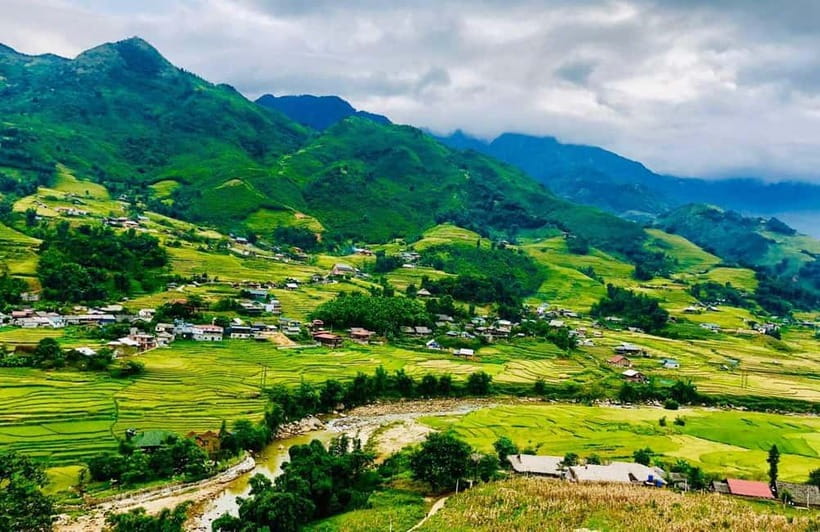
- Three mountain cultures in two days: Visit H’mong villages at Y Linh Ho and Lao Chai, the Dzay community in Ta Van, and Red Dzao and H’mong villages near Giang Ta Chai and Su Pan.
- A real overnight stay: Sleep in a Ta Van homestay with dinner, breakfast, towels, slippers, and blankets provided.
- A scenic second day: Walk through bamboo forest to a waterfall and rattan bridge before taking a jeep back to Sapa.
- A guide who adds personality: Si Si is described as funny, friendly, and able to answer questions about local culture.
- Useful all-in pricing: The fee includes two lunches, dinner, breakfast, village-area tickets, lodging, guiding, and return transport.
- A moderate but weather-sensitive walk: The route suits reasonably active visitors, but mud and slippery ground can change the feel of the first day.
Sapa to Y Linh Ho: starting among the terraces
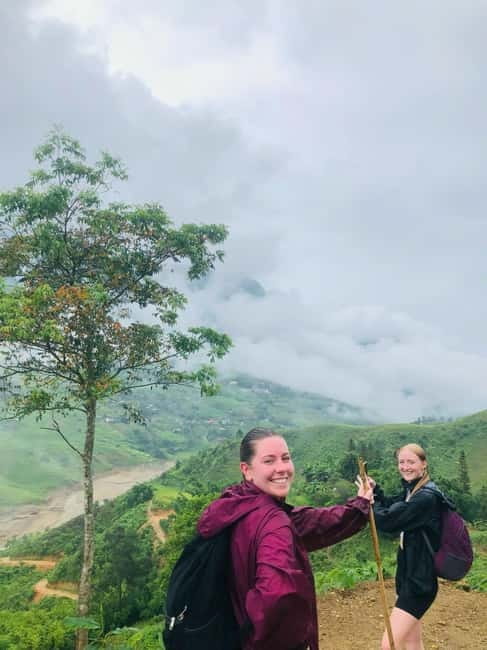
The trek begins at 8:45 AM, giving you a full morning and afternoon on foot. From Sapa, the route heads toward Y Linh Ho, a H’mong village set among the famous rice terraces and mountain views of the region.
Y Linh Ho is not simply a photo stop. The village gives you an early look at how H’mong communities are connected to farming, steep ground, and seasonal weather. The appeal here is the setting, but the guide is important too. A local guide can explain what you are seeing rather than leaving you to take pictures without context.
You should expect uneven paths and changing surfaces. The first day has been described as muddy and slippery, so your footwear matters more than your camera. Comfortable shoes are listed as essential, but sturdy shoes with good grip are the sensible choice. A hat, sunscreen, insect repellent, and a light change of clothes will also help.
The route is classed as moderate. That does not mean it is a paved country walk. Mud, slopes, and weather can make a moderate route feel tiring, especially if rain has passed through. Local people may help along the way, as happened during one particularly slippery walk, but you should still be prepared to manage your own balance.
More Two-Day Treks in Sa Pa:
- EXPLORE SAPA: 2D1N TREKKING & HMONG CULTURE WITH DINH
★ 4.9 · 191 reviews - Sa Pa: 2-Day Trekking Trip with Ethnic Minority Homestay
★ 4.7 · 145 reviews - Sapa : 2-Day Trek & Heartwarming Homestay with an Ethnic Family
★ 5.0 · 143 reviews
Lao Chai and lunch beside the river
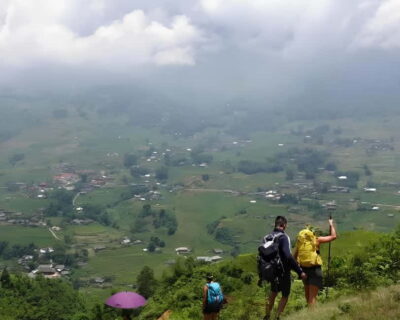
From Y Linh Ho, you continue to Lao Chai, another H’mong village. The walk follows a peaceful part of the valley near the river, with rice terraces and broad mountain views providing the main scenery.
Lunch is included and may be served with a local family or near the riverbank. That flexibility is useful because it keeps the meal tied to the route rather than sending you away to a separate restaurant. You get a pause in the middle of the walk, not just food squeezed into a hurried schedule.
The tour includes two lunches, one on each day. The meals received particular praise for being plentiful and varied, which matters on a walking tour. You will want a proper meal after a morning on muddy paths, and the included food means you do not need to spend extra money searching for lunch along the way.
Lao Chai also provides a quieter contrast with Sapa. The town is the base for mountain excursions, but the villages give you more time to notice farming patterns, homes, rivers, and the pace of daily life. You will not find a long list of formal attractions here. The value is in moving through the area on foot.
Ta Van homestay: the best part of day one
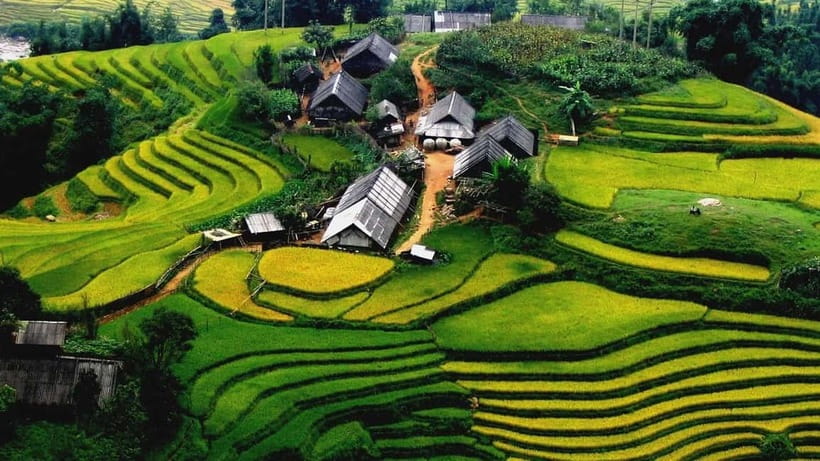
After lunch, the trek continues to Ta Van, a Dzay village and your overnight base. This is where the tour shifts from a daytime walk to a more personal village stay.
A homestay is a useful choice because it gives the second half of the day a local setting. Instead of returning to Sapa, you stay near the route and share a homemade dinner in the village. The evening can feel social, with time to relax and play board games, and the guide may help keep the group entertained.
The accommodation sounds more comfortable than the bare-bones image some people attach to mountain homestays. A clean, comfortable room and a good view are part of the experience described, and one arrangement included a small house to itself. Still, you should pack lightly and simply. The homestay supplies towels, slippers, blankets, and basic bedding, but you need clothes and socks for one day.
Dinner is included, and the meal is homemade. That does not mean a restaurant menu or hotel service. It means the food is part of the evening and the setting. For many people, that is one of the strongest reasons to choose this tour over a day trip.
The Dzay culture in Ta Van gives you another point of comparison with the H’mong communities visited earlier. Your guide can help explain differences in local traditions and daily life. Si Si, when assigned to the tour, is described as friendly, funny, and good at answering cultural questions. That kind of conversation can turn a pleasant walk into a more meaningful one.
Breakfast, Giang Ta Chai, and the rattan bridge
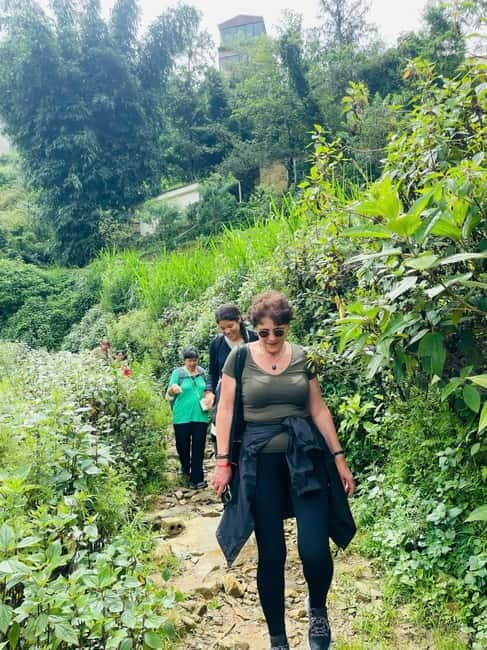
Breakfast is served at about 8:00 AM, followed by a trekking start at 8:45 AM. The schedule gives you a clear morning routine, and you should be ready to walk soon after eating.
The second day covers about 8 kilometers and visits Giang Ta Chai and Su Pan. The route includes Red Dzao and H’mong communities, giving you another chance to compare local customs and village settings. The exact experience will depend on weather, trail conditions, and the pace of the group, but the day is built around walking rather than rushing from one vehicle stop to another.
A waterfall and rattan bridge are among the most distinctive features of this section. The bridge adds a little adventure to the route, while the waterfall provides a natural break and a memorable place to pause. The tour also passes through bamboo forest on the way toward the main road.
The second day may feel easier than the first if conditions are dry, but do not treat the 8-kilometer distance as nothing. You are still walking on rural trails, and the route includes forest and village paths rather than smooth pavement. Sensible shoes and a small amount of water remain important.
A few more treks around Sa Pa worth a look
- Sa Pa: Muong Hoa Valley Trek and Local Ethnic Villages
★ 4.6 · 864 reviews - Sapa: Eco Adventure Terrace Fields and Local Villages Trek
★ 4.9 · 636 reviews - Number one top rated ethical cultural trekking and homestay by ETHOS
★ 5.0 · 456 reviews - From Sapa: 1-Day Guided Trek to Lao Chai & Ta Van with Lunch
★ 4.9 · 416 reviews
Returning to Sapa by jeep
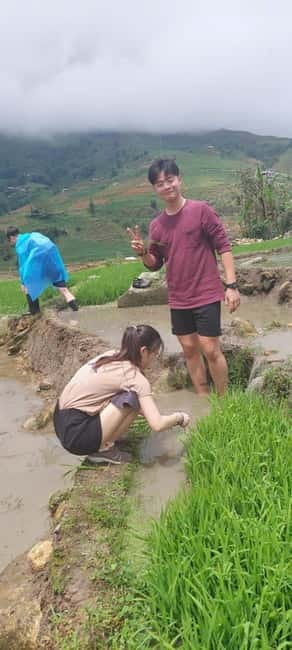
After the bamboo forest, you reach the main road and take a jeep back to Sapa. This is a practical ending. You get the best part of the route on foot, then avoid a long return walk when your legs are already tired.
The tour finishes in Sapa by about 3:00 PM. That timing leaves part of the afternoon free, though the exact amount of energy you have left may depend on the weather and trail conditions. The return transport is included, so you do not need to arrange your own ride from the countryside.
The included transport is especially useful for anyone staying in Sapa and planning another activity afterward. It also makes the two-day format more efficient than arranging separate village transfers. You walk through the valley, then return by vehicle from the main road instead of retracing your steps.
What $99 includes, and what it does not
At $99 per person, this is a solid package if you want a guided overnight trek rather than a simple village transfer. The price includes:
- One night in a homestay
- Two lunches
- One dinner
- One breakfast
- Tickets for the tourist area
- A local guide for both days
- Bus pickup and return transport to Sapa
That bundle removes several small costs that can quickly add up. You are paying for food, lodging, guiding, and transport, not just the walk itself. The local guide is the key value item because the route passes through several communities and the cultural side is a major part of the experience.
Personal expenses are not included, and holiday surcharges may apply. The available information does not give a group size or specify every meal choice, so you should not expect a custom private itinerary based on this description alone. The focus is a shared, structured route through several villages.
Two strong points make the price easier to justify. First, the overnight stay gives you more time in the area than a one-day outing. Second, the route covers five named villages and several different communities without requiring you to organize multiple excursions.
How hard is the trek?
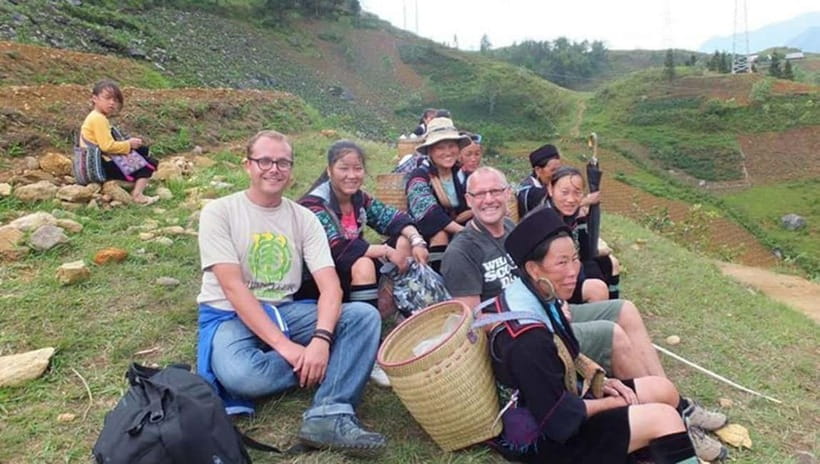
The official level is moderate, while one account describes the walks as easy and not too strenuous. Both descriptions can be true. The distance and pace may be manageable for a reasonably active person, but slippery ground adds difficulty that cannot be measured by kilometers alone.
You should be comfortable walking outdoors for several hours. You also need to cope with changing weather, uneven trails, and a homestay rather than a full-service hotel. The route is not suitable for children under 8, pregnant women, or people with mobility impairments.
Pack only what you need for one night. Bring comfortable shoes, a hat, sunscreen, insect repellent, a camera, clothes, and socks for one day. The homestay provides towels, slippers, and blankets, so there is no reason to carry bulky bedding.
The weather can change the character of the trek. In dry conditions, the rice terraces and village paths should feel easier to enjoy. In wet conditions, the same route can become slippery and messy. That is part of the mountain setting, but it is also the main practical drawback.
The cultural side: H’mong, Dzay, and Red Dzao
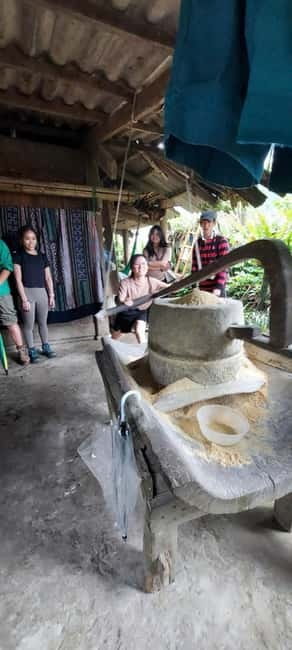
The tour works best when you treat the villages as living communities, not a series of backdrops. Y Linh Ho and Lao Chai introduce you to H’mong communities, Ta Van focuses on the Dzay, and Giang Ta Chai and Su Pan bring in Red Dzao and H’mong connections.
Having a local guide helps you ask respectful questions and understand differences between the communities. Si Si is a strong example of the kind of guide who can shape the experience, with a friendly manner and answers to cultural questions. Guide quality matters here because the scenery is easy to see, but cultural details are easier to miss.
You should also keep your expectations realistic. The tour does not promise a formal cultural performance or a museum-style presentation. Instead, the culture comes through the villages you pass, the homestay, the meals, and conversations along the way.
That approach feels more grounded than a quick photo stop. It also requires you to be observant and polite. Follow your guide’s advice, respect local homes, and remember that the villages are communities first and attractions second.
Who should book this two-day Sapa route?
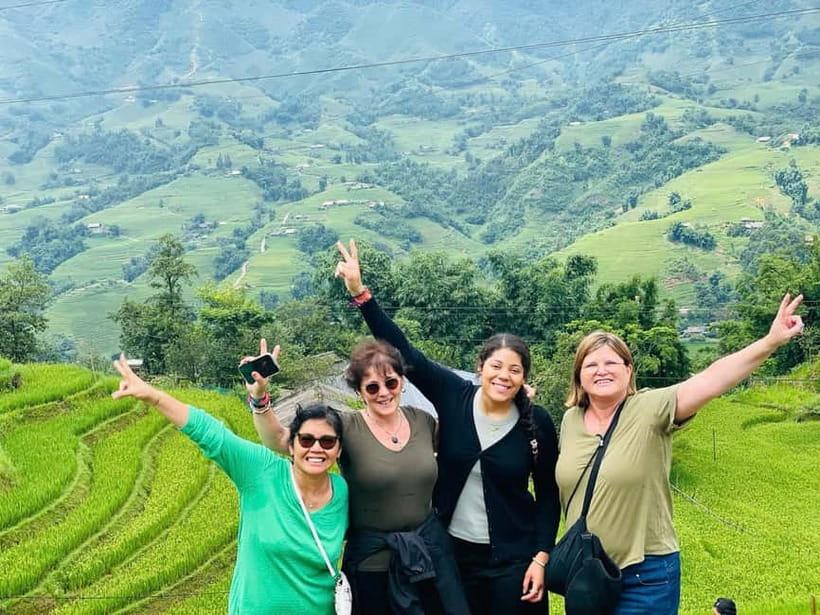
I would choose this trek if you want a compact introduction to the Sapa region and prefer walking to riding between viewpoints. It suits you if you like mountain scenery, village life, simple accommodation, and a planned route with meals included.
It is also a good fit for first-time visitors who want cultural contact without arranging every detail themselves. The guide, homestay, food, entrance tickets, and return transport are already combined, which makes the trip easy to manage.
I would think twice if you dislike muddy trails, shared rural accommodation, or changing weather. The homestay is comfortable according to the available details, but it is still a homestay. You also should not book if the walking restrictions apply to you.
The cancellation policy allows a full refund up to 24 hours ahead, giving you some flexibility if your plans change. The tour is offered in English, and the meeting schedule starts early enough that you should be ready to walk at 8:45 AM on both days.
Should you book it?
Book this tour if you want village access and a homestay, not just Sapa viewpoints. The combination of H’mong, Dzay, and Red Dzao communities, a waterfall, rattan bridge, bamboo forest, and included meals gives you a lot for $99.
The deciding issue is trail comfort. If muddy ground and a moderate walk sound manageable, this is a well-priced way to see the countryside and spend a night outside town. If you need smooth paths, private hotel comfort, or a completely predictable schedule, choose a gentler Sapa outing instead.
FAQ
How long is the tour?
The experience lasts two days. It begins in Sapa at about 8:45 AM on the first day and returns to Sapa by about 3:00 PM on the second day.
Which villages does the tour visit?
The route visits Y Linh Ho, Lao Chai, Ta Van, Giang Ta Chai, and Su Pan.
Which ethnic communities are included?
You visit H’mong, Dzay, and Red Dzao communities during the two-day route.
Where do you stay overnight?
You stay for one night in a local homestay in Ta Van village.
What meals are included?
The package includes two lunches, one dinner, and one breakfast.
Is the trek difficult?
The trek is rated moderate. The trail can become muddy and slippery, and you should be prepared for changing weather.
What does the homestay provide?
The homestay provides towels, slippers, and blankets. You should bring clothes and socks for one day.
Is the tour suitable for children?
It is not suitable for children under 8 years old.
Can you cancel for a full refund?
Yes. You can cancel up to 24 hours in advance for a full refund.
Recently added around Sa Pa
- Soob Sapa Trekking Tour★ 4.3 · 3 reviews
- Sapa Trekking – Waterfalls And H’mong Villages★ 5.0 · 2 reviews
- Sapa Trekking Private Tour With Ethnic Female Tour Guide★ 4.9 · 24 reviews
- Sapa: Trekking Through Terraced Rice Fields & Valley 1 Day★ 4.8 · 4 reviews
- Sapa: Y Linh Ho – Lao Chai, and Ta Van Trekking Day Tour★ 5.0 · 25 reviews
- Sapa Trekking Guide Francophone 2 days – 1 night★ 5.0 · 2 reviews
- Sapa: Ta Phin Village Trek with Lunch and Bathing Experience★ 4.7 · 13 reviews
- Sapa small groupe activities: 1 Day trek – Meet the locals★ 4.7 · 3 reviews
Sapa Trekking Tours, compared.
Muong Hoa Valley Trek and Local Ethnic Villages
Read our review →
Eco Adventure Terrace Fields and Local Villages Trek
Read our review →
Number one top rated ethical cultural trekking and homestay by ETHOS
Read our review →
1-Day Guided Trek to Lao Chai & Ta Van with Lunch
Read our review →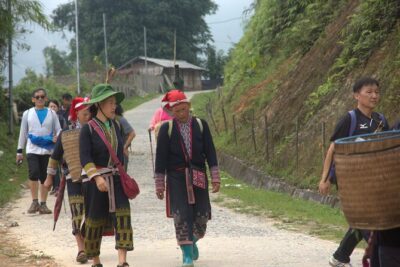
Sapa 1 Day Long Trek: Trek to Hau Thao and Sa Seng Villages
Read our review →
Explore Sapa by TrekkingAdventures, Mountain,Rice fields
Read our review →
EXPLORE SAPA: 2D1N TREKKING & HMONG CULTURE WITH DINH
Read our review →Browse the lists this tour appears in