
REVIEW · SAPA
Discover the Beauty of Sa Pa: A One-Day Trek
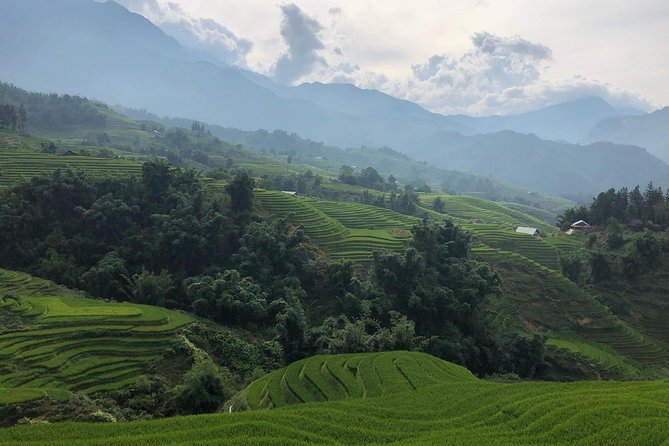
Mud is part of the Sa Pa story. This 5 to 6-hour trek takes you through the Muong Hoa Valley, past rice terraces, mountain slopes, and villages where Black Hmong families maintain long-standing farming traditions. I like the beautiful village-to-village route and the chance to learn about local life from guides who know the area well. Lunch, bottled water, entrance tickets, and transport back to Sa Pa are included, which makes the $19 price especially appealing.
I also like the small maximum group of 15 people. Guides named ZiZi, Lin, and Su have been praised for their care and explanations, with one outing feeling almost private because only one person joined. The main caution is simple: this is a proper hike, not an easy country walk. Rain can turn the trail slippery and muddy, and the route may be too demanding for anyone with limited fitness or mobility.
Key points to know before you go
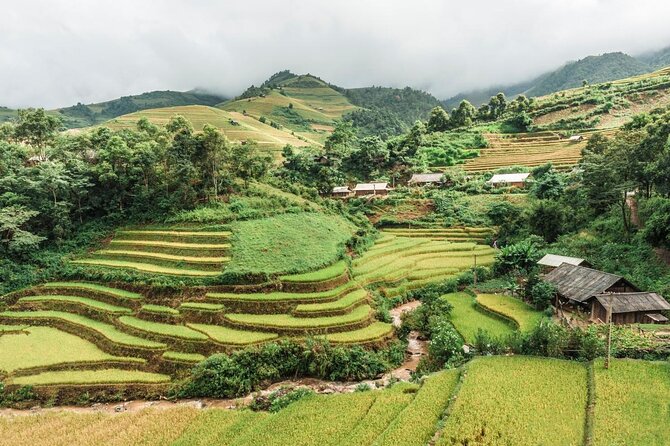
- The route crosses three distinctive villages: Y Linh Ho, Lao Chai, and Ta Van, all set around the Muong Hoa Valley.
- The scenery is the main prize: Expect rice terraces, mountain views, streams, valleys, and changing conditions in the hills.
- The trek can be physically hard: Several people found the route slippery, muddy, and tiring, especially in rain.
- Local guides add real value: ZiZi, Lin, and Su have been praised for explaining ethnic groups, farming, village life, and local customs.
- Lunch and the return ride are included: You only need to arrange your personal insurance and any tip.
- The $19 price is strong value: It covers food, water, entrance tickets, luggage storage in Sa Pa, and transport back to town.
Setting out from central Sa Pa
The trek begins at Saigonese Trekking House, 02 Nguyễn Chí Thanh, in Sa Pa. Pickup is offered, and one guide has collected guests on foot from nearby accommodation, but you should confirm the exact pickup plan when booking. The activity ends back at the same meeting point.
The route lasts about five to six hours. That is long enough to see several villages without turning the outing into a multi-day walk, but it is still a serious half-day effort. You will spend much of the time on rural paths rather than paved streets, with uneven ground and changing trail conditions.
The group limit of 15 is useful. A smaller group gives you more room to hear the guide and ask questions, while still keeping the price low. Group discounts are available, so this can work well for families or friends traveling together, though people with very different fitness levels may find the pace difficult to match.
Sa Pa weather deserves respect. Rain and fog can arrive quickly, and heavy rain may make sections muddy and slippery. One difficult outing included an accident involving an older family member, although the guide responded with care and helped turn a worrying moment into a better experience. If your group includes children, older adults, or anyone who is unsteady on their feet, ask about the day’s route and conditions before setting out.
A few more treks around Sapa worth a look
- Sa Pa: Muong Hoa Valley Trek and Local Ethnic Villages
★ 4.6 · 864 reviews - Sapa: Eco Adventure Terrace Fields and Local Villages Trek
★ 4.9 · 636 reviews - Number one top rated ethical cultural trekking and homestay by ETHOS
★ 5.0 · 456 reviews
Y Linh Ho and the first hour in Muong Hoa Valley
Y Linh Ho is the first listed stop, with about an hour to take in the village and its setting. It lies in the Muong Hoa Valley, surrounded by quiet countryside and mountain scenery. This is where the trek begins to feel different from a standard sightseeing tour: the focus shifts from viewing Sa Pa to moving through the places where people live and farm.
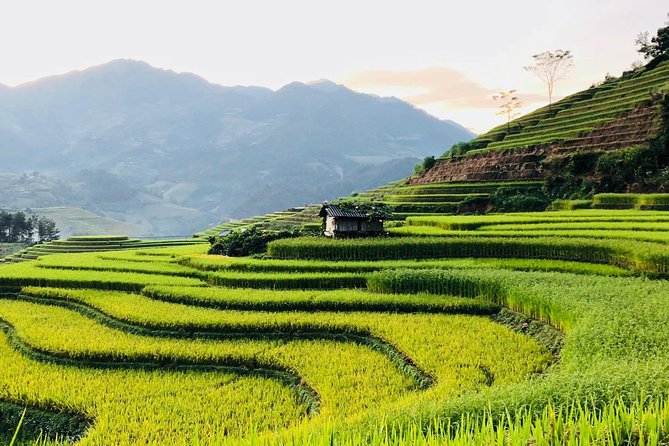
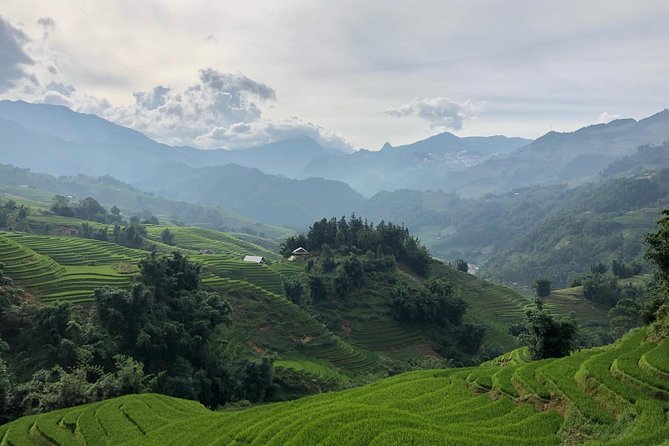
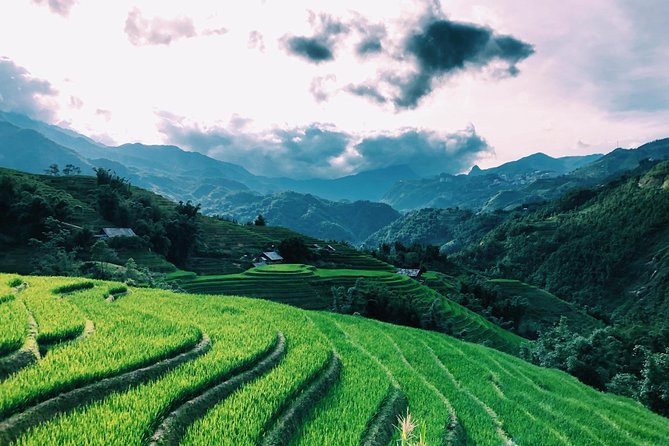
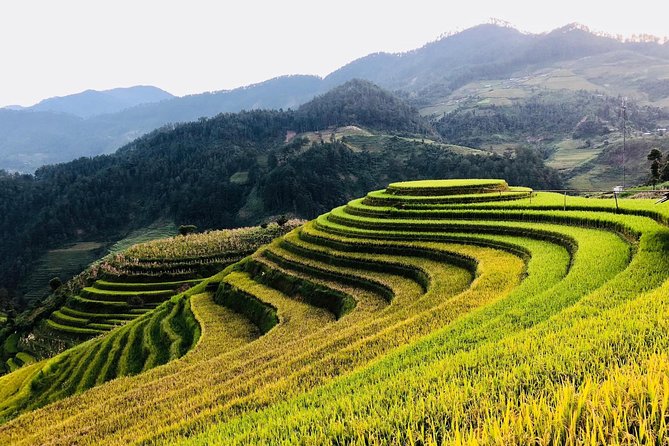
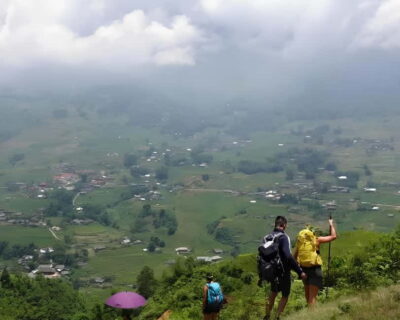
The valley is known for its cascading rice terraces. Their appearance changes with the season and the weather, so you may see different shades and textures depending on when you visit. Fog can soften the mountain views, while rain can make the terraces and paths look dramatic but also much harder to walk.
Y Linh Ho is home to members of the Black Hmong ethnic minority. The guide helps put the village in context by explaining traditional lifestyles, farming, and customs. This conversation is one of the strongest reasons to choose a guided trek rather than simply walking through the valley alone.
You should approach village visits with care. This is a residential area, not a staged cultural show. Listen to your guide, be polite when taking photographs, and remember that the people you see are going about ordinary work and family life.
The first section may also set the tone for the physical challenge. Wet paths can be slick, and you may need to place your feet carefully. Good shoes matter more here than fashionable clothing. Bring something that can handle mud and has a firm grip.
Lao Chai, rice terraces, and Hmong life
From Y Linh Ho, the route continues to Lao Chai, about seven kilometers southeast of Sa Pa town. Lao Chai sits in the Muong Hoa Valley and is one of the most scenic parts of the walk. The village draws you in with its position among terraces, slopes, and open mountain views.
The stop lasts about an hour. That gives you time to look across the valley, hear explanations about farming, and learn how the village has developed over generations. Traditional agriculture remains central to the local way of life, and the guide can help you understand how the fields shape the daily routine.
I would pay close attention to the guide here. One of the best parts of this tour is not simply seeing a pretty valley, but learning why the terraces exist and how local families use the land. Guides have explained the different ethnic groups and their ways of living, which adds meaning to what you are seeing.
Lin has received particularly warm praise for giving detailed explanations of the tribes and local life. ZiZi has also been credited with working hard to show the villages even during heavy rain and fog. The exact guide is not guaranteed, but these examples show the kind of personal interpretation the experience aims to provide.
Lao Chai is also where the gap between a scenic walk and a real trek becomes clear. You may be walking through wet fields, along narrow paths, or over uneven ground. One person described the route as physically hard even while enjoying the views. That is useful advice: plan for effort, not just photographs.
The route can be rewarding in poor weather, but the trade-off is obvious. Fog may hide the distant peaks, and rain can make walking uncomfortable. The operator says the experience requires good weather, so a cancellation may be offered if conditions are unsuitable. If the trek does run in light or changing rain, pack accordingly rather than expecting dry paths.
Ta Van and a quieter village finish
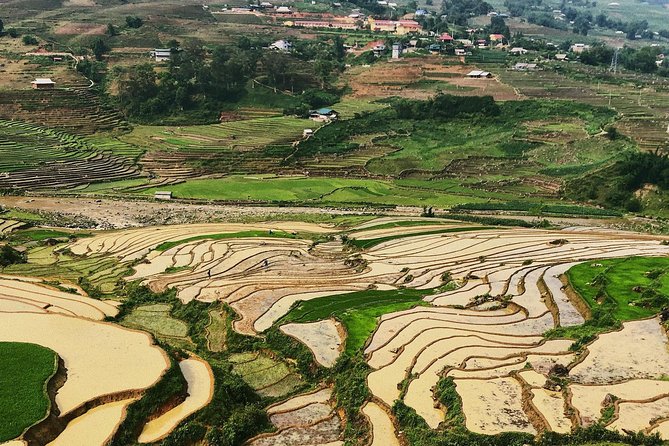
Ta Van is the final main stop, with about 30 minutes set aside for the visit. It is described as a small community where people live along the foot of the mountain, in valleys, and beside streams. The setting gives you a closer look at village life after the broad views around Lao Chai.
The shorter stop does not make Ta Van unimportant. It provides another chance to see how homes and farms fit into the terrain and to speak with local people through the guide’s interpretation. The village is known for its friendly, peaceful atmosphere, but you should not expect a formal performance or a long list of organized activities.
This part of the trek may feel especially pleasant after the more demanding sections. You have already crossed much of the valley, and Ta Van gives the outing a calm closing point before transport returns you to Sa Pa.
Some walking tours in the area attract local women who accompany visitors and later ask for money or encourage purchases. One person found this uncomfortable and felt the approach was too focused on getting cash. That does not cancel out the cultural value of the visit, but it is worth knowing that village encounters may include commercial pressure. Carry small notes only if you wish to buy something, and do not feel obliged to purchase anything.
Same trailhead, a longer or shorter day out:
- From Sapa: 1-Day Guided Trek to Lao Chai & Ta Van with Lunch
★ 4.9 · 416 reviews - Sa Pa Full Day Trekking Tour
★ 5.0 · 414 reviews - Sapa 1 Day Long Trek: Trek to Hau Thao and Sa Seng Villages
★ 4.6 · 344 reviews - Explore Sapa by TrekkingAdventures, Mountain,Rice fields
★ 4.9 · 229 reviews
What the $19 price really covers
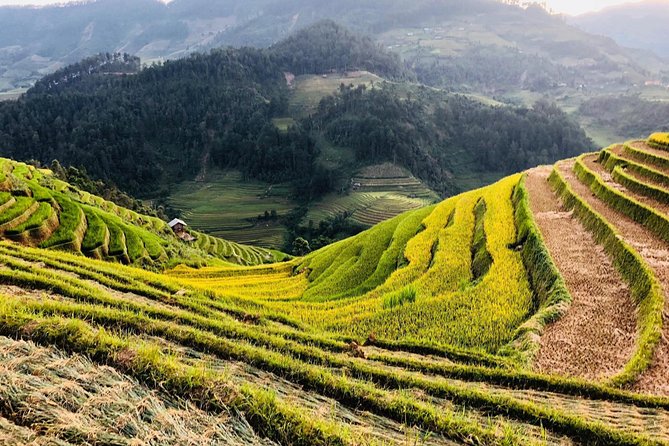
At $19 per person, this is an inexpensive way to see the Muong Hoa Valley with a guide. The price includes lunch, bottled water, entrance tickets, and transportation back to Sa Pa Town. Luggage storage is also available in Sa Pa if you tell the operator in advance.
That package matters because individual costs can add up quickly. You are not paying only for a walk. You are also getting local interpretation, food during a five to six-hour outing, access to the route, and a ride back after the hardest part is finished.
Lunch has received praise, including from someone who found it delicious. The available details do not specify the menu, so you should not book this expecting a particular dish or special dietary arrangement unless you confirm it first. Bottled water is included, but you may still want extra water for a demanding day, especially in warm conditions.
The price is best for people who want practical coverage rather than luxury. You should not expect private transport, a polished resort-style schedule, or a soft trail. The value comes from the route, the guide, the food, and the access to rural communities.
Guides, group size, and the human side of the walk
A guide can make or break a Sa Pa trek. The scenery is impressive, but without explanation, you may see terraces and houses without understanding how they connect to local life. This experience puts cultural context at the center of the walk.
Guides named ZiZi, Lin, and Su have all been praised for different strengths. ZiZi worked hard to help people see the villages through fog and rain. Lin gave detailed explanations about ethnic groups and their customs. Su was punctual and helped a family after an accident on a slippery section.
Those details matter because conditions in Sa Pa can change the mood of a day. A thoughtful guide can slow the pace, explain what you are seeing, and help you manage a difficult section. Still, a guide cannot remove every risk from a wet mountain path. You remain responsible for bringing suitable footwear and judging your own limits.
The maximum group size is 15. You may get a much smaller group, and one person ended up walking alone with the guide, which created an almost private experience. There is no promise that this will happen, but the group limit prevents the outing from becoming a large procession.
How hard is the trek?
The honest answer is that you need moderate physical fitness. Several descriptions make clear that this is not a gentle stroll. You may get muddy and wet, and rainy conditions can make the trail slippery enough to require real concentration.
You do not need to be an athlete, but you should be comfortable walking for several hours over uneven rural ground. If you dislike mud, struggle with balance, or have a medical condition that affects walking, this may not be the right outing.
Families can book it, but age alone is not the key issue. A family group that includes young children or people over 70 should think carefully about the route and weather. An accident involving an older family member shows why a private assessment matters before the day begins.
Wear shoes with dependable grip and clothing that can get dirty. The supplied information does not list specific equipment, so I would ask the operator about current trail conditions and bring the basics you normally need for a wet hike. Keep your phone protected from rain, and do not rely on clear mountain views.
Booking, cancellation, and who gets the most from it
Confirmation arrives at booking, and the activity is near public transportation. Free cancellation is available until 24 hours before the start time. Inside that period, changes are not accepted and the payment is not refunded.
Weather can affect the schedule. If the operator cancels because conditions are poor or because the minimum number of people is not met, you can choose another date or experience, or receive a full refund. The operator does not state the minimum group number in the supplied details, so keep some flexibility in your Sa Pa plans.
This trek suits you best if you want:
- A low-cost way to reach the Muong Hoa Valley
- Rural scenery instead of only town views
- Cultural explanations from a local guide
- A moderate-to-hard half-day walk
- Included lunch and return transportation
- A small or medium-sized group rather than a large coach outing
It is less suitable if you want a smooth, easy path, guaranteed sunshine, private transport, or a fully controlled cultural experience. You should also think twice if you need step-free access or cannot manage slippery ground, since no accessibility details are provided.
Should you book this Sa Pa trek?
I would book this tour if your priority is value, scenery, and contact with village life. The combination of Y Linh Ho, Lao Chai, and Ta Van gives you a fuller picture of the Muong Hoa Valley than a quick viewpoint stop, and the included lunch, water, tickets, luggage storage, and return ride make $19 hard to criticize.
I would book only with sensible expectations. The trek can be muddy, wet, and physically demanding, and poor weather may reduce the views. Ask about trail conditions, wear proper shoes, and tell the operator in advance about luggage, older family members, or mobility concerns. If you are ready for a real walk rather than a paved excursion, this is a strong, affordable introduction to Sa Pa’s valleys and communities.
FAQ
Where does the trek start?
The trek starts at Saigonese Trekking House, 02 Nguyễn Chí Thanh, TT. Sa Pa, Sa Pa, Lào Cai, Vietnam.
Where does the activity end?
The activity ends back at the meeting point in Sa Pa.
How long does the trek last?
The experience lasts approximately five to six hours.
Which villages are included?
The route includes Y Linh Ho, Lao Chai, and Ta Van villages.
Is lunch included?
Yes. Lunch, bottled water, entrance tickets, and transportation back to Sa Pa Town are included.
Can I store luggage in Sa Pa?
Yes. Luggage storage is available in Sa Pa Town, but you should inform the operator in advance.
What happens if the weather is poor?
If the experience is canceled because of poor weather, you will be offered a different date or experience, or a full refund.
Recently added around Sapa
- Soob Sapa Trekking Tour★ 4.3 · 3 reviews
- Sapa Trekking – Waterfalls And H’mong Villages★ 5.0 · 2 reviews
- Sapa Trekking Private Tour With Ethnic Female Tour Guide★ 4.9 · 24 reviews
- Sapa: Trekking Through Terraced Rice Fields & Valley 1 Day★ 4.8 · 4 reviews
- Sapa: Y Linh Ho – Lao Chai, and Ta Van Trekking Day Tour★ 5.0 · 25 reviews
- Sapa Trekking Guide Francophone 2 days – 1 night★ 5.0 · 2 reviews
- Sapa: Ta Phin Village Trek with Lunch and Bathing Experience★ 4.7 · 13 reviews
- Sapa: Ta Phin Village Trek & Red Dao Herbal Bath★ 5.0 · 22 reviews
Sapa Trekking Tours, compared.
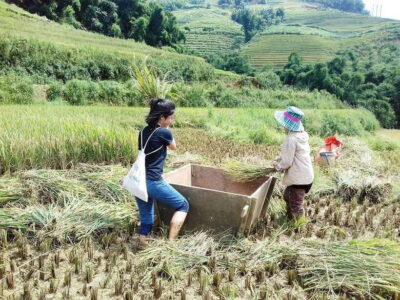
Muong Hoa Valley Trek and Local Ethnic Villages
Read our review →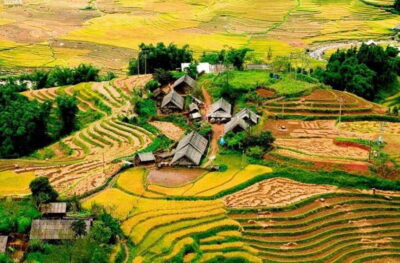
Eco Adventure Terrace Fields and Local Villages Trek
Read our review →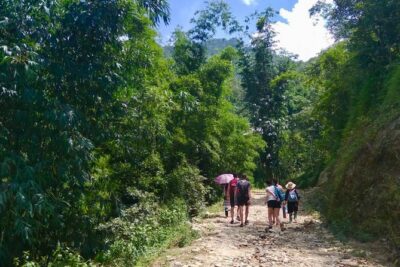
Number one top rated ethical cultural trekking and homestay by ETHOS
Read our review →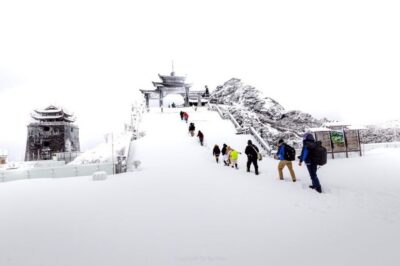
1-Day Guided Trek to Lao Chai & Ta Van with Lunch
Read our review →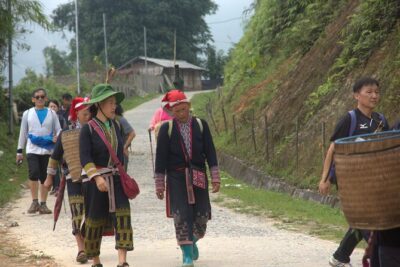
Sapa 1 Day Long Trek: Trek to Hau Thao and Sa Seng Villages
Read our review →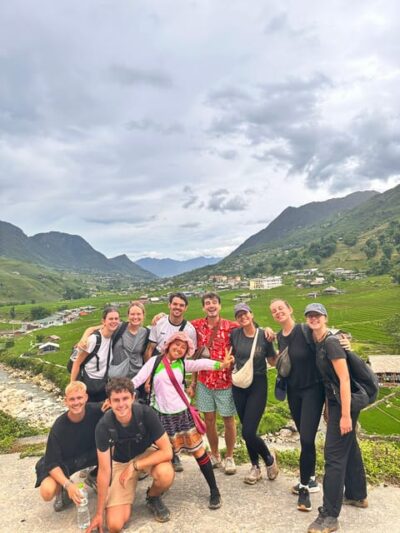
Explore Sapa by TrekkingAdventures, Mountain,Rice fields
Read our review →
EXPLORE SAPA: 2D1N TREKKING & HMONG CULTURE WITH DINH
Read our review →Browse the lists this tour appears in