
REVIEW · SAPA
AUTHENIC 2D1N Trek & Bungalow Retreat with Dinh Hmong Family
Mountain mornings come with muddy shoes. Dinh’s 2-day, 1-night trek from Sapa gives you rice terraces, village paths, Hmong traditions, and a warm family welcome without the price of a polished resort. I especially like the chance to learn directly from Dinh, a local Hmong guide, and the overnight stay with her family. The homemade meals and cooking session add real value, too. The main drawback is the walking: 18 kilometers over uneven, sometimes steep ground is not a soft stroll.
You will spend the first day crossing the Muong Hoa Valley from Sapa toward Y Linh Ho, Lao Chai, and Ta Van. The second day brings bamboo forest paths, Giang Ta Chai waterfall, and Red Dao villages. I also like that the tour includes the return ride to Sapa, so you can focus on the walk instead of working out a mountain taxi plan. Still, this is a group trek, and the homestay is simple rather than hotel-like.
Key points to know before booking
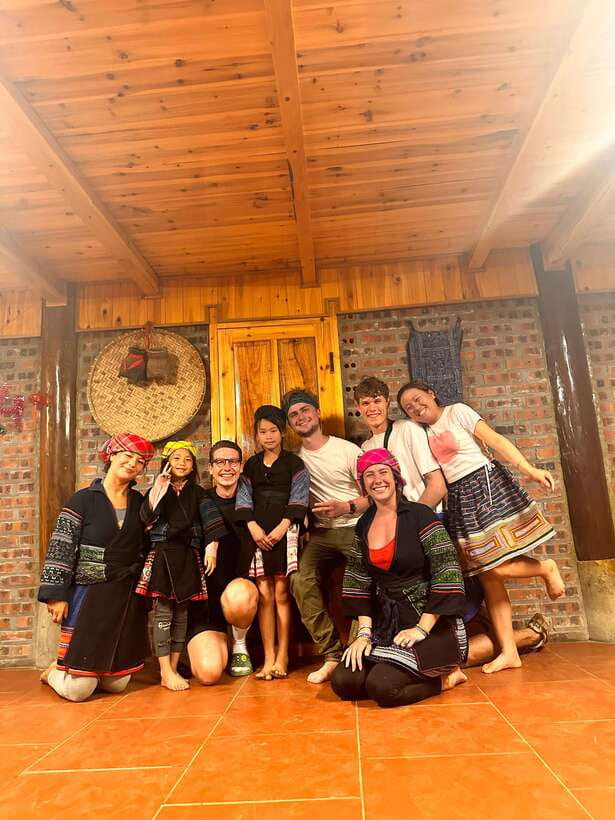
- Dinh and her sister lead the experience: You meet them in Sapa, then learn about Hmong family life, farming, marriage customs, and local traditions from people who live there.
- The trek covers about 18 kilometers: Day 1 takes roughly 5.5 hours, and Day 2 takes about 4 to 5 hours.
- The family homestay is the heart of the trip: You can rest, take a hot shower, help prepare dinner, meet local children, and sleep in a simple bungalow-style setting.
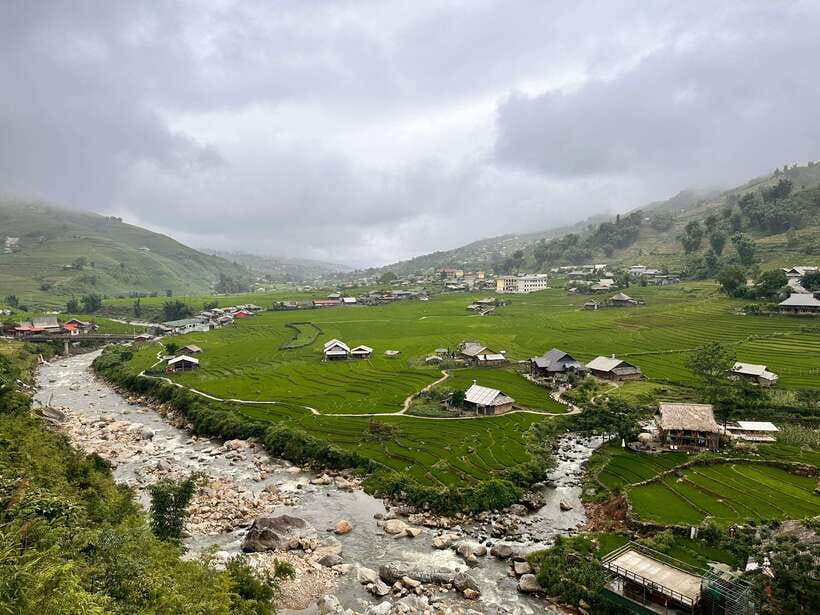
- Muong Hoa Valley supplies the big scenery: Rice terraces, mountain views, buffalo, bamboo forest, and waterfalls fill the route.
- The food is part of the cultural experience: Two lunches, dinner, and breakfast are included, with meals prepared by local families.
- The $48 price is strong value: You receive a guide for two days, village fees, four meals, one night’s lodging, drinking water, and transport back to Sapa.
Starting from Sapa at 9:00 AM
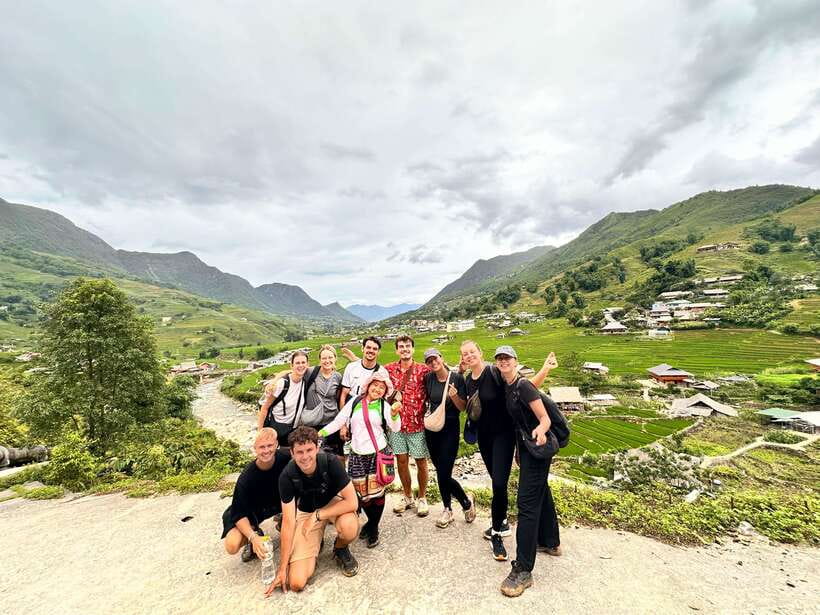
Your day begins at 9:00 AM with pickup at your hotel in Sapa Town or a meeting outside the local main church. That later start is useful if you have just arrived by overnight train or bus and need a little time to wake up. It also keeps the first morning relaxed rather than turning the tour into a race.
After introductions, you leave Sapa on foot and head down toward Y Linh Ho. The route quickly shifts from town streets to mountain paths, with views across the Muong Hoa Valley. You should expect uneven ground, slopes, and sections that require care, particularly if the weather has made the paths slippery.
The tour description does not give a fixed group size, so you should expect to walk with other people without assuming a private experience. Dinh and her sister provide English and Vietnamese guiding, and the group format helps keep the cost low. It can also mean that walking speeds vary, so patience is useful.
Bring shoes with a solid grip. Sneakers may work in dry weather, but comfortable walking shoes are the safer choice. A hat, sunscreen, snacks, and a camera are also recommended. Each person receives one large bottle of water per day, but you should not treat that as your only water supply if you usually drink a lot while walking.
More Two-Day Treks in Sa Pa:
- EXPLORE SAPA: 2D1N TREKKING & HMONG CULTURE WITH DINH
★ 4.9 · 191 reviews - Sa Pa: 2-Day Trekking Trip with Ethnic Minority Homestay
★ 4.7 · 145 reviews - Sapa : 2-Day Trek & Heartwarming Homestay with an Ethnic Family
★ 5.0 · 143 reviews
Y Linh Ho and the first rice terraces
Y Linh Ho is one of the first places where the scale of the valley becomes clear. You walk above and beside rice fields cut into the mountain slopes. The exact appearance changes with the season. At some times of year, the fields are bright green. During planting or harvest, you may see local people working the terraces.
This is not scenery you simply observe from a viewpoint. You move through the farming area on foot, and that makes the valley feel more connected to daily life. Buffalo may appear along the route, adding a practical reminder that these fields are working farmland, not a decorative park.
The path can be demanding here. The route is described as moderate, but moderate in Sapa still means hills, uneven steps, and occasional steep sections. If you have back problems, limited mobility, vertigo, or a strong fear of heights, this is not the right outing. The tour is also not suitable for pregnant women or people over 70 years old.
A Hmong family lunch near the trail
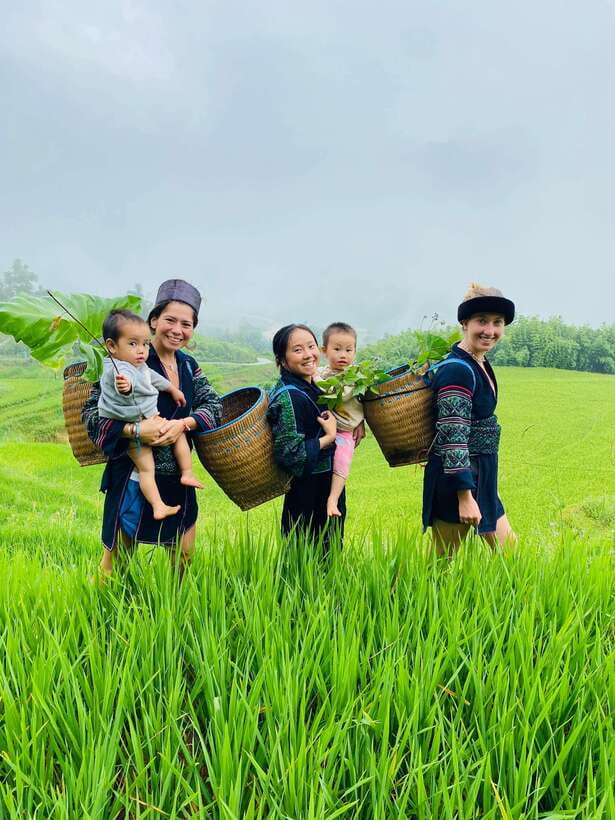
Lunch takes place at a small restaurant run by a local Hmong family. This is a useful part of the day because it gives you a proper break before the longer afternoon stretch. The tour includes two lunches, but the exact dishes are not specified in advance, so you should expect local food rather than a fixed restaurant menu.
I like this arrangement more than stopping at a large tourist restaurant. The setting is small and family-run, and the meal supports people living along the route. It also gives you time to ask Dinh about food, farming, and village life while your legs recover.
Personal snacks are not included, so pack something familiar if you need a quick energy boost. Personal drinks and extra purchases also cost more. The supplied water covers the basic plan, but carrying a little extra is sensible on a warm day.
Lao Chai, Ta Van, and two mountain communities
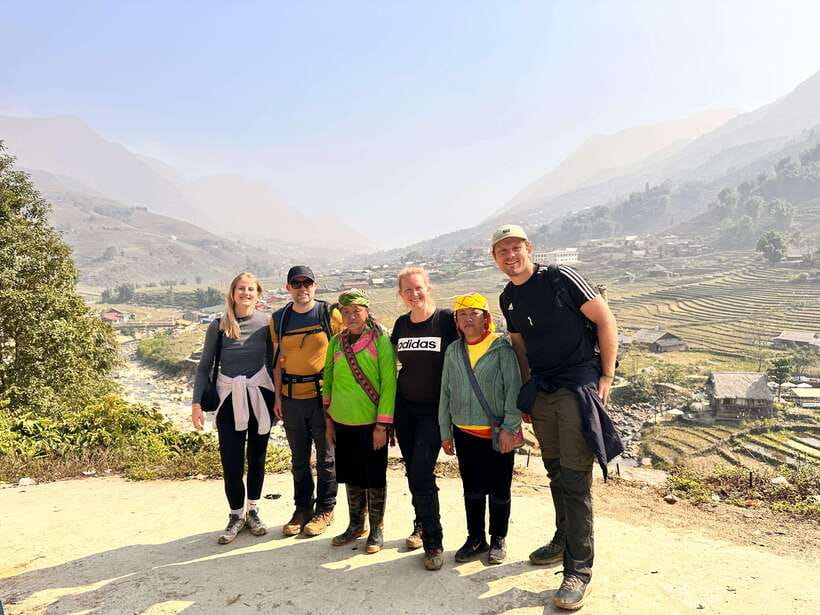
After lunch, you continue toward Lao Chai, described as one of the oldest and largest Hmong villages in the area. The village section is where the cultural side of the walk becomes stronger. Dinh can explain Hmong customs, including distinctive marriage traditions, as well as differences between the Hmong and Giay communities.
You then continue toward Ta Van, where Hmong and Giay families live. Depending on the season, you may see people planting rice or bringing in a harvest. That timing matters. Sapa’s views are impressive, but watching the work behind the terraces helps you understand why the valley looks the way it does.
The path between villages is also a chance to leave the busiest routes behind. One strong point of this tour is the emphasis on smaller paths and local homes rather than only the most photographed stops. Still, the phrase off the beaten path should not make you expect isolation. This is a group excursion in a popular Sapa area, and other walkers may be nearby.
A few more treks around Sa Pa worth a look
- Sa Pa: Muong Hoa Valley Trek and Local Ethnic Villages
★ 4.6 · 864 reviews - Sapa: Eco Adventure Terrace Fields and Local Villages Trek
★ 4.9 · 636 reviews - Number one top rated ethical cultural trekking and homestay by ETHOS
★ 5.0 · 456 reviews - From Sapa: 1-Day Guided Trek to Lao Chai & Ta Van with Lunch
★ 4.9 · 416 reviews
An evening at Dinh’s family homestay
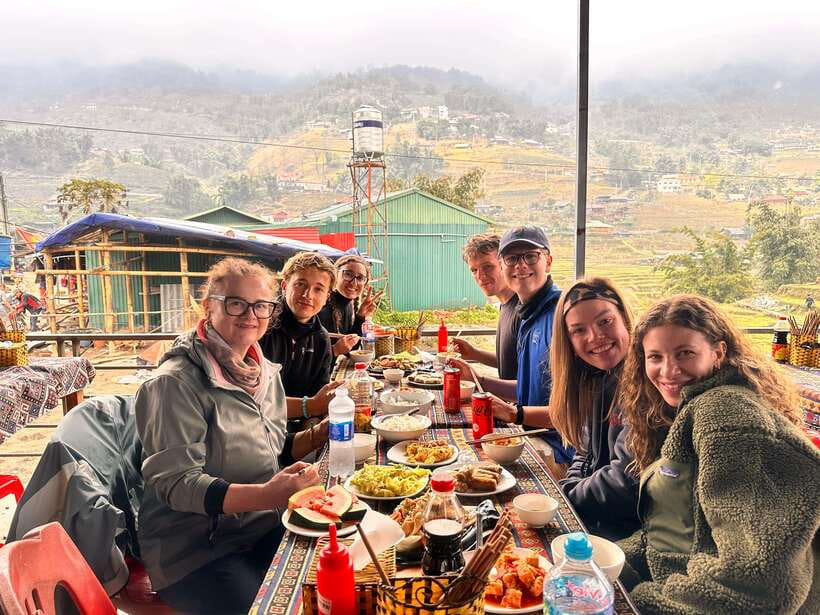
Arriving at the homestay gives you a welcome change of pace. You can rest, take a hot shower, and enjoy the mountain setting before dinner. The accommodation is described as simple, clean, cozy, and comfortable, with basic amenities. Some of the accommodation is presented as a bungalow-style stay with views over rice fields.
This is not a luxury hotel. You should choose it for family contact and setting, not for room service or a long list of facilities. The appeal is waking in a quiet valley, hearing nature around you, and sharing a meal in a home connected to the community.
In the evening, you can help prepare a traditional dinner with Dinh’s family. The cooking activity makes the meal more than a plate placed in front of you. You get to see some of the work behind local food and spend time with your hosts in an informal setting.
Dinh also shares her story of supporting the education of 10 local children. Her students may perform a traditional dance as a welcome, and you can spend time playing with the children. There may also be local rice wine, known as Happy Water, and drinking games. You can join in or keep your evening quiet. No one should feel pressured to drink, and it is wise to pace yourself after a full day of walking.
A morning among bamboo and waterfalls
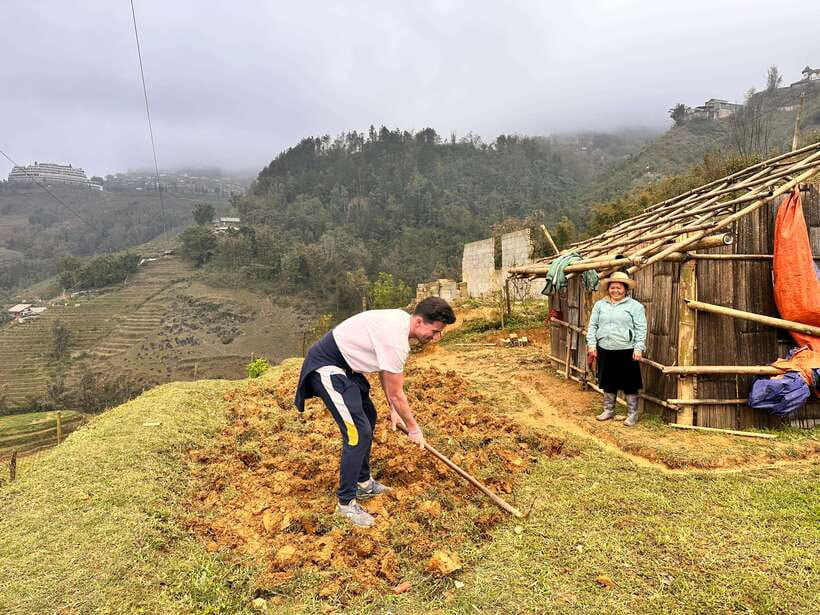
The second day begins with hot coffee or tea and breakfast at the homestay. This slower morning is one of the best features of an overnight trip. You are not rushing out after a quick photo session. You have time to enjoy the view and let your legs loosen before walking again.
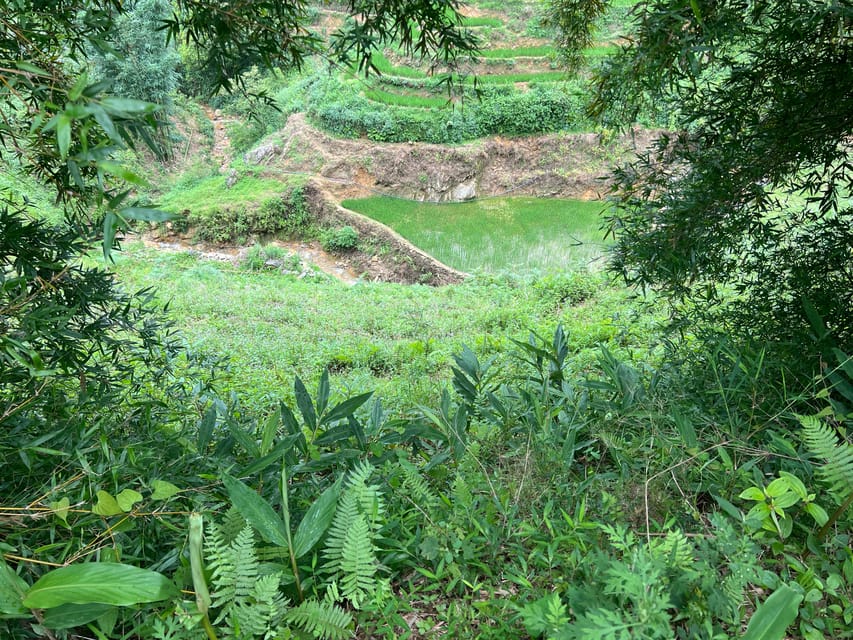
The route then passes through bamboo forest and terraced rice fields on the way to Giang Ta Chai waterfall. The forest gives the second day a different feel from the open valley views of Day 1. The waterfall provides a refreshing stop, and swimming is possible if you want to enter the cool water.
You should ask about conditions before swimming and bring suitable clothing if that is part of your plan. The supplied information confirms that swimming is an option, but it does not promise changing facilities or a particular water level. The safest approach is to treat the waterfall as a scenic stop first and a swimming spot second.
The second day covers about 7 to 8 kilometers and takes roughly 4 to 5 hours. It is shorter than Day 1, but not effortless. Your legs may still be tired from the previous afternoon, so the first day’s pace and your footwear will matter.
Entering the Red Dao area
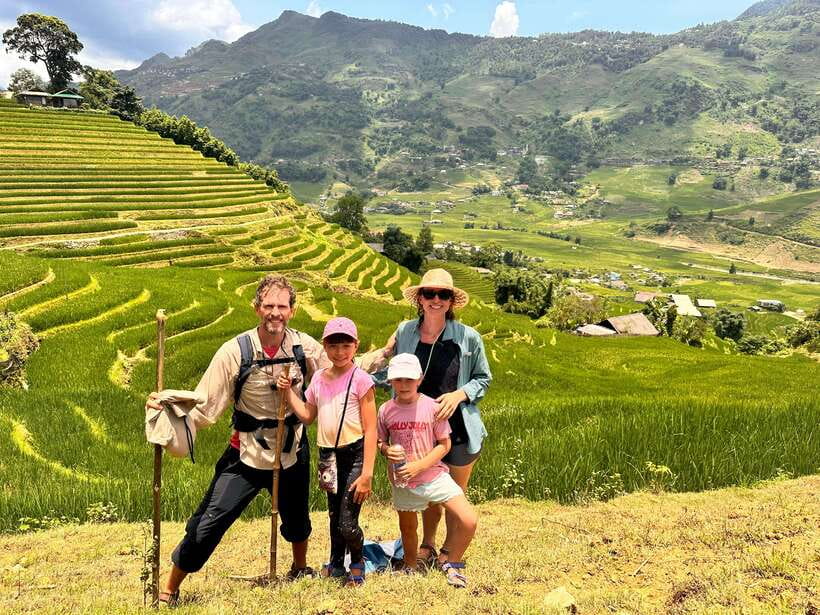
After Giang Ta Chai, the route enters an area associated with the Red Dao ethnic group. This adds another cultural layer to the trip. You have already learned about Hmong and Giay communities, and now you can compare traditions and village life with what you saw on the first day.
The tour specifically highlights Hmong marriage customs, but the broader value comes from learning that northern Vietnam is home to several ethnic communities with their own identities. Dinh’s role is important here because she can explain differences in a direct, personal way rather than leaving you to guess from clothing or architecture.
Eventually, you reach the main road and have a final lunch with a local family. Afterward, transportation takes you back to Sapa. The tour ends between about 2:00 and 3:30 PM, giving you a useful afternoon buffer for a train, bus, or another Sapa activity, though you should avoid booking a tight connection until you know your exact return time.
What the $48 price really covers
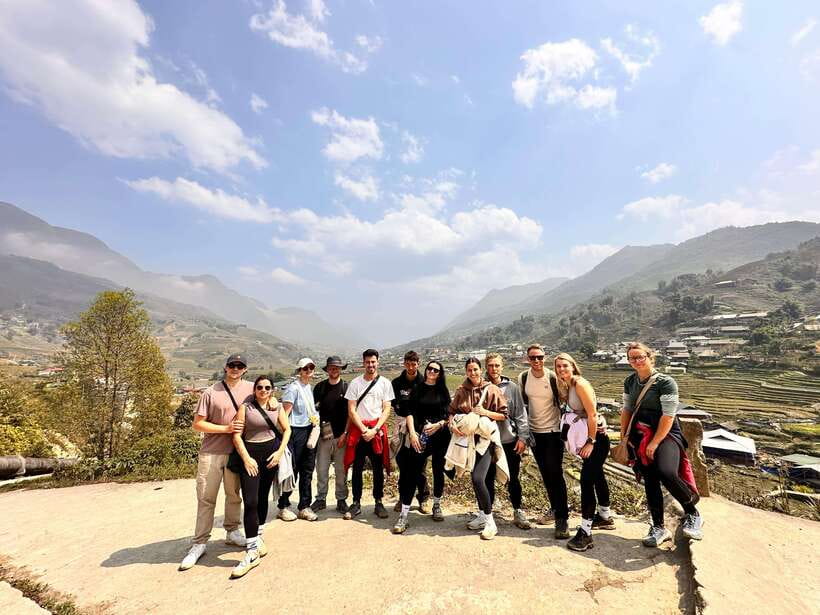
At $48 per person, this is a good-value package if you intend to trek and stay overnight in the Muong Hoa area anyway. The price includes:
- An English-speaking local guide for two days
- Entry fees for four villages
- Two lunches
- One dinner
- One breakfast
- One night with Dinh’s family
- One large bottle of water per person per day
- Transport back to Sapa
- A free T-shirt at the end of the journey
The strongest value comes from combining guiding, food, lodging, village fees, and return transport in one price. You do not have to arrange separate transfers or pay entry fees as you go.
The price does not include snacks, extra drinks, souvenirs, or personal expenses. You should also clarify any accommodation preference when booking. The homestay is intentionally basic, so if you need hotel-level privacy or facilities, this experience may feel too simple.
Who will enjoy this trek most
I would recommend this experience if you want a personal introduction to Hmong life rather than a quick trip to a viewpoint. It suits people who enjoy walking, local food, family-run accommodation, and conversations about culture.
It is also a good match if you want a balanced trip. You get active sections through rice terraces and bamboo forest, but you also receive long meal breaks, an evening at the homestay, and a peaceful morning before the second walk.
You should think twice if you dislike uneven paths, shared group outings, basic accommodation, or changing mountain conditions. The route is called moderate, but that should not be confused with easy. The tour is not suitable for pregnant women, people with back problems, mobility impairments, vertigo, or a fear of heights.
Children under three can join free, but you need to inform the provider in advance. The tour is available in English and Vietnamese, and booking before 1:00 PM on the first day is important if you want the full itinerary.
Should you book Dinh’s 2-day Sapa trek?
Book it if your priority is authentic family hospitality, strong valley scenery, and a real walking route at a reasonable price. Dinh’s personal connection to the Hmong community, the cooking session, the student dance, and the family meals give the trip more meaning than a simple hike between photo stops.
Skip it if you want a private guide, luxury rooms, a short walk, or tightly controlled timing. For fit visitors who can handle mountain paths and appreciate a basic homestay, this is one of the better-value ways to connect Sapa’s scenery with local life.
FAQ
How long is the trek?
The full route covers about 18 kilometers over two days and one night. Day 1 covers about 9 to 12 kilometers and takes roughly 5.5 hours. Day 2 covers about 7 to 8 kilometers and takes around 4 to 5 hours.
Where does the tour start?
The tour starts at 9:00 AM. Dinh meets you at your hotel in Sapa Town or in front of the local main church.
Which villages are included?
The route includes Y Linh Ho, Lao Chai, Ta Van, and a Red Dao area. Village entry fees for four villages are included.
What meals are included?
The package includes two lunches, one dinner, and one breakfast. Lunch is served at local family-run restaurants, and dinner is prepared with the homestay family.
Is the homestay a hotel?
No. The accommodation is a simple, authentic family homestay with basic amenities. It is described as clean, cozy, and comfortable, with some bungalow-style accommodation and valley views.
Can you swim at the waterfall?
Swimming is possible at Giang Ta Chai waterfall. The tour information does not specify changing facilities or water conditions, so bring suitable clothing and check conditions with the guide.
Is this a private tour?
No. This is a group tour, so you trek with other people. The group size is not specified.
What should you bring?
Bring comfortable walking shoes, a hat, sunscreen, snacks, water, and a camera. Each person receives one large bottle of drinking water per day, while personal snacks and extra drinks are not included.
Recently added around Sa Pa
- Soob Sapa Trekking Tour★ 4.3 · 3 reviews
- Sapa Trekking – Waterfalls And H’mong Villages★ 5.0 · 2 reviews
- Sapa Trekking Private Tour With Ethnic Female Tour Guide★ 4.9 · 24 reviews
- Sapa: Trekking Through Terraced Rice Fields & Valley 1 Day★ 4.8 · 4 reviews
- Sapa: Y Linh Ho – Lao Chai, and Ta Van Trekking Day Tour★ 5.0 · 25 reviews
- Sapa Trekking Guide Francophone 2 days – 1 night★ 5.0 · 2 reviews
- Sapa: Ta Phin Village Trek with Lunch and Bathing Experience★ 4.7 · 13 reviews
- Sapa: Private trek to Muong Hoa Valley★ 5.0 · 4 reviews
Sapa Trekking Tours, compared.
Muong Hoa Valley Trek and Local Ethnic Villages
Read our review →
Eco Adventure Terrace Fields and Local Villages Trek
Read our review →
Number one top rated ethical cultural trekking and homestay by ETHOS
Read our review →
1-Day Guided Trek to Lao Chai & Ta Van with Lunch
Read our review →
Sapa 1 Day Long Trek: Trek to Hau Thao and Sa Seng Villages
Read our review →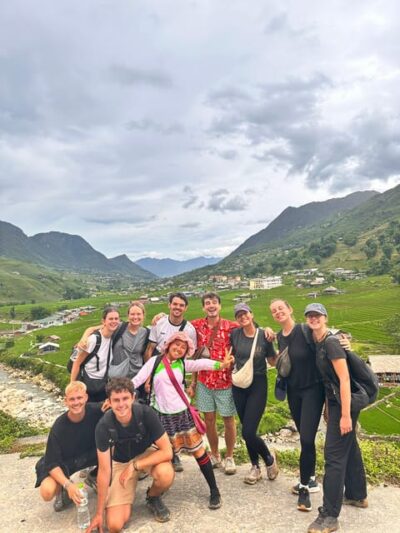
Explore Sapa by TrekkingAdventures, Mountain,Rice fields
Read our review →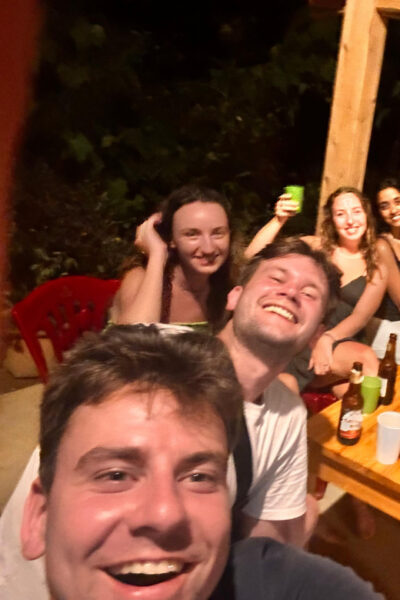
EXPLORE SAPA: 2D1N TREKKING & HMONG CULTURE WITH DINH
Read our review →Browse the lists this tour appears in