
REVIEW · SAPA
Full Day Trekking in Sapa
Get beyond Sapa’s main streets. This private six-hour trek takes you from town into Loa Chai and nearby rural villages, where rice terraces, farm animals, handicrafts, and home cooking become the main event. I especially like the custom route planning and the chance to share lunch at a local home. The main consideration is that the trek can be challenging, and the weather may hide the mountain views.
I also like the guide, Thào Thikhu, often called Khu, who is praised for her warm humor, clear English, and help on rough sections of the path. Since you arrange the difficulty and route in advance through WhatsApp, this is not a fixed walk for everyone. That flexibility is a real advantage, but you should be honest about your fitness level before setting out.
Key Points Before You Book
- Routes are adjustable: Choose an easy, moderate, or harder trek, with common paths or quieter local tracks.
- Loa Chai is central to the day: The village offers rice fields, handicrafts, farm animals, local food, and a close look at rural life.
- Lunch is part of the experience: Stop at a local home for a freshly prepared meal halfway through the walk.
- Khu receives especially strong praise: Her English, humor, cultural explanations, and patient help on difficult ground are major strengths.
- The tour is private: Only your own group takes part, which makes it easier to adjust the pace and route.
- Weather matters: Poor conditions can lead to a new date or a full refund, and mist may obscure the mountain views.
Why This Sapa Trek Feels Different
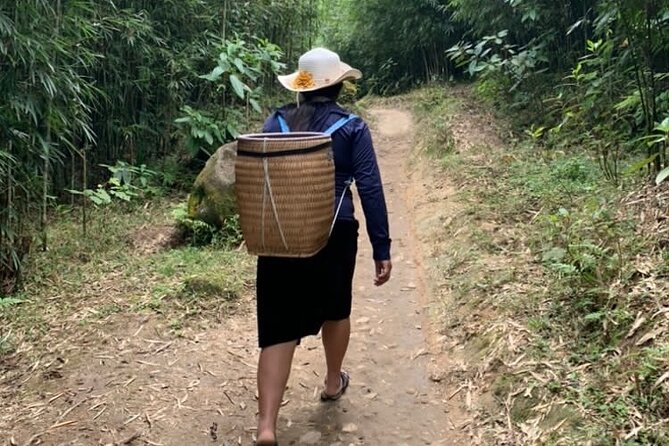
Sapa is famous for its rice terraces, but the best way to understand the area is to walk through the villages that support them. A road viewpoint gives you a picture. A trek gives you the working details: animals in family compounds, paths between fields, handcrafts made for sale, and the changing rhythm of village life.
This tour is built around that closer view. You are not simply driven to a lookout, given a few minutes for photographs, and returned to town. You walk from Sapa toward the rural communities where the guide grew up, with time to ask questions and exchange stories along the way.
The private format matters. A fixed group tour has to suit the slowest walker and the fastest walker at the same time. Here, you can discuss the route before the day begins and request something very easy, very hard, or somewhere between. That makes the experience useful for couples, families, and small groups with different abilities.
Still, flexible does not mean effortless. Even an easier route may include uneven ground, slopes, and rougher sections. The tour descriptions and firsthand accounts make clear that some paths can be demanding. Good shoes and a sensible choice of route will improve the day more than any expensive equipment.
More Full-Day Treks in Sapa:
- Sa Pa Full Day Trekking Tour
★ 5.0 · 414 reviews - From Sapa: Guided Full-Day Trekking with Lunch and Drop-Off
★ 4.2 · 86 reviews - Sapa Trekking Tour Full Day
★ 5.0 · 65 reviews
Starting at 8:00 am From Sapa
The tour begins at 8:00 am, with pickup from your hotel or an agreed meeting point. Starting early gives you a full morning and afternoon on the trail, rather than trying to squeeze village life into a short outing.
Before the walk, use WhatsApp to explain what you want. Tell Khu if you care most about rice terraces, local paths, wildlife, handicrafts, food, or a gentler pace. Also say plainly if steep or rough trails are a concern. The point of the pre-tour conversation is to shape the day around your group.
Because the activity is private, you will not be tied to the pace of strangers. That is helpful if one person wants to stop for photographs or if your group needs more time on a steep stretch. It also lets the guide choose between more familiar paths and less-used routes.
The exact route is not fixed, so you should not book this expecting a precise list of timed stops. The advantage is freedom. The trade-off is that your final day depends on your discussion with the guide, the weather, and the group’s ability.
Walking From Town Toward Loa Chai
The first major part of the route takes you away from Sapa town toward Loa Chai Village, where Khu grew up. The change from the busy center to the countryside is one of the tour’s strongest features. You begin to see the area as a place where people live and work, not only as a scenic stop on a sightseeing circuit.
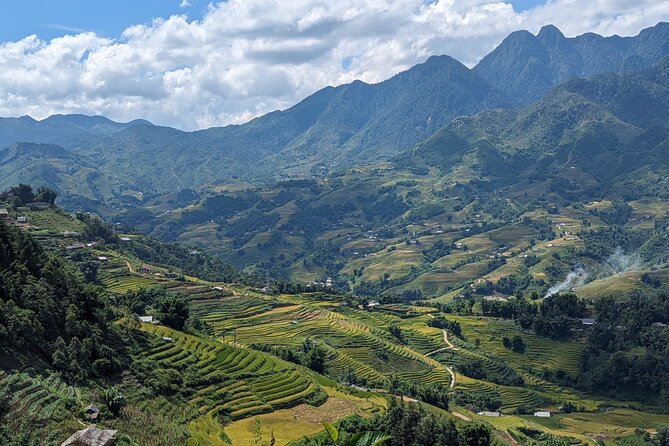
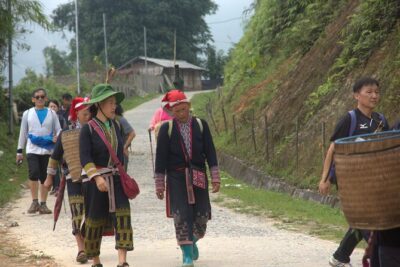
Loa Chai brings several parts of the experience together. You can see rice fields, learn about village life, browse handmade goods, and stop to look at local animals. Buffalo, chickens, ducks, and pigs may appear along the way. Those details sound simple, but they give the walk its character. You are seeing the practical side of farming and family life.
The rice fields are not just scenery. The guide can explain how rice is grown, and the timing of your visit may affect what you see. One account describes the harvest in full swing, making the fields especially interesting because the work was visible rather than merely explained.
The views can be dramatic, but Sapa weather is changeable. Clear conditions may open the mountains and valleys around you. Mist and cloud can cover much of the view. That is a real limitation if your main goal is a perfect mountain photograph, though a good guide can still make the village, farming, and cultural parts worthwhile in poor visibility.
Rice Terraces, Buffalo, and Working Village Life
The walk through and around the rice fields is where you get the clearest sense of place. Depending on the route and season, you may see buffalo near the fields and family animals around village homes. You may also pass small local businesses and handicraft sellers.
Khu’s role is important here. The value is not simply pointing out a buffalo or a rice terrace. It is explaining how these features fit into daily life and answering questions in English. Her English is praised as excellent, and her style is described as both informative and entertaining.
The guide can also take you away from the most common route. One particularly useful part of the experience is the option to leave a busier trail for a quieter path with fewer tour groups. That gives you more breathing room and makes the walk feel less like a line of sightseeing stops.
Do not expect complete solitude. Sapa’s well-known villages attract many organized outings, and some paths may overlap with other groups. The quieter route option helps, but it cannot remove the popularity of the area. Ask about this before starting if avoiding crowds is a high priority.
The scenery also changes with effort. Easier walks may focus on accessible village paths and gentler sections. Harder choices can bring more demanding terrain and different views. There is no single best route here. The right one is the route that matches your legs and interests.
A few more treks around Sapa worth a look
- Sa Pa: Muong Hoa Valley Trek and Local Ethnic Villages
★ 4.6 · 864 reviews - Sapa: Eco Adventure Terrace Fields and Local Villages Trek
★ 4.9 · 636 reviews - Number one top rated ethical cultural trekking and homestay by ETHOS
★ 5.0 · 456 reviews - From Sapa: 1-Day Guided Trek to Lao Chai & Ta Van with Lunch
★ 4.9 · 416 reviews
A Home-Cooked Lunch Halfway Through

Around the middle of the six-hour outing, you stop for lunch at a local home. The plan describes a meal at the guide’s friend’s house, while the guide may also host the meal at her own home. Either way, lunch is intended to be prepared locally and served as a break from the trail.
This is more meaningful than a restaurant stop in central Sapa. You get time to sit down, eat, and continue the conversation in a home setting. It also gives the day a natural pause before the second half of the walk.
The food receives strong praise, with particular appreciation for the home-cooked meal. One account also calls Khu a good cook. The exact dishes are not specified, so you should not book this expecting a particular menu or a formal dining experience. Think of it as a practical local meal that restores your energy and adds a personal touch.
If you have food restrictions, ask about them before the tour. The available information does not confirm special dietary arrangements, so it is best to raise the issue in your WhatsApp planning conversation rather than assume.
Lunch also affects the pace. A six-hour tour is not six hours of nonstop walking. The meal, stops for views, animal sightings, handicrafts, and conversation all form part of the day. That is good news for most people, but anyone seeking a hard endurance hike should clarify how much walking they want.
Handicrafts and Souvenirs Along the Way
The villages are known for handicrafts, and you have opportunities to purchase handmade goods during the route. This can be a pleasant part of the day because you are seeing items in the communities where they are made or sold, rather than only in a shop aimed at visitors in town.
You will need to make your own judgment when buying. The tour gives you the chance to purchase local products, but it does not promise a particular craft, fixed prices, or a dedicated workshop demonstration. If shopping interests you, tell the guide before you set out so she can include suitable stops.
The guide’s local connection adds useful context. You can ask how an item is made, who produces it, or how it is used. That conversation may make a small souvenir more meaningful than a hurried purchase at a market.
There is also a practical point: buying goods is optional, but carrying purchases for the rest of the trek may be inconvenient. If you plan to shop, keep your purchases light or ask about the best time to buy.
The Final Loop Back to Your Hotel
After lunch and the remaining village paths, the route loops back toward Sapa and your hotel. This is a sensible finish after a long walk. You do not need to arrange a separate ride from a distant village or retrace the entire route on foot.
The return also lets the day feel like a complete outing rather than a one-way transfer. You leave town, walk through the countryside, pause for a meal, and return by a different or connecting path.
Expect the final section to feel different depending on your chosen route. A harder trek may leave your legs tired, while an easier version may feel more like an extended countryside walk. Khu is specifically praised for helping with rougher portions of the trail, which is reassuring if you are comfortable walking but less confident on uneven ground.
Still, do not treat this as a casual city stroll. The word trekking is justified. Tell the guide if your group needs frequent breaks, and do not choose the hardest option simply because it sounds more rewarding. Sapa’s paths can be beautiful without being punishing.
The Guide: Thào Thikhu, Known as Khu
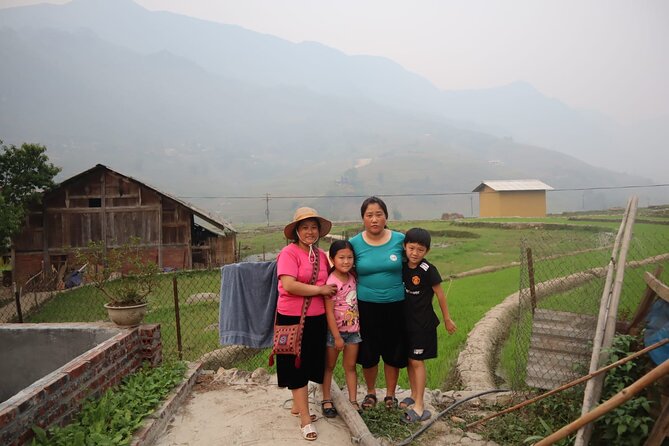
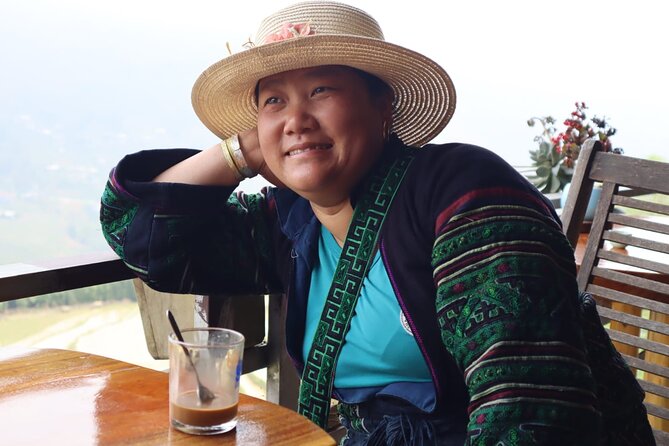
The guide is one of the strongest reasons to consider this experience. Thào Thikhu, often called Khu, grew up in Loa Chai and speaks English through years of talking with people from different countries. That background gives the day a personal connection to the villages rather than a script learned only for sightseeing.
Khu is praised for her happy manner, humor, and enthusiasm. Those qualities matter on a six-hour walk. A guide who can keep conversation moving and make explanations lively will help the hours pass, especially when clouds cover the views.
She is also praised for explaining village history and culture, sharing information about rice growing, and helping people through difficult sections. The balance of warmth and practical care is important. You want someone who can tell a good story, but you also need someone who notices when a path is rough.
The private arrangement may sometimes include friends helping with the trek. One account describes Khu arriving with two friends. The main point is that the group remains private, but you should confirm the exact guide team when arranging your pickup.
Price, Private Value, and Who Should Book
At $24, this is a strong value if the advertised pickup, private guiding, route planning, village walk, and local lunch arrangements are all part of your booking. A private six-hour outing at that price gives you more control than a large group trek, particularly when your party has specific fitness needs.
The value comes less from the distance covered and more from the access and attention. You are paying for a local guide who can adjust the route, explain rural life, lead you along village paths, and help you manage the tougher sections. The meal and hotel return add convenience.
This tour suits you best if you want:
- A private experience rather than a fixed group outing
- Rice terraces and village life instead of only town sightseeing
- A guide with a personal connection to Loa Chai
- Flexible difficulty and route choices
- A local lunch and opportunities to see handicrafts
- A walk that can include cultural conversation as well as scenery
It may be less suitable if you want a guaranteed clear-weather panorama, a fully fixed itinerary, or a short and easy stroll with no rough ground. The tour requires good weather, and poor conditions can lead to a new date or a full refund.
Most people can participate, but the wording does not provide a detailed accessibility assessment. If you have mobility limits or need a specific trail surface, discuss that before booking. Free cancellation is available when you cancel at least 24 hours before the 8:00 am start. Cancellations inside that window are not refunded, and changes are not accepted.
Should You Book the Sapa Village Trek?
I would choose this trek if you want Sapa to feel like a lived-in mountain region, not just a photo stop. The flexible route, private format, home-cooked lunch, and Khu’s local connection give it more personality than a standard point-to-point walk.
Book it after an honest conversation about fitness and route difficulty. If you want the hardest trail, say so. If you want an easy day with plenty of stops, say that instead. Also keep your expectations realistic about weather. Even under cloud, the village life, animals, food, and conversation can carry the day, but clear mountain views are never guaranteed.
FAQ
Where does the trekking tour take place?
The tour begins in Sapa and continues through rural villages and rice fields, including Loa Chai Village, where the guide grew up.
What time does the tour start?
The stated start time is 8:00 am.
How long does the trekking experience last?
The tour lasts approximately six hours.
Is hotel pickup available?
Yes. Pickup is offered from your hotel or an agreed meeting point.
Can I choose an easier or harder route?
Yes. The route can be adjusted for different difficulty levels, from very easy to very hard, depending on your group.
Is this a private tour?
Yes. Only your group participates in the activity.
What might I see during the trek?
You may see rice fields, buffalo, chickens, ducks, pigs, handicraft sellers, rural homes, and village paths around Sapa.
Is lunch included during the trek?
The itinerary includes a lunch stop at a local home, described as a meal at the guide’s friend’s house. The meal is intended to provide energy for the second half of the walk.
What happens if the weather is poor?
The experience requires good weather. If it is canceled because of poor conditions, you can receive a full refund or choose a different date.
Recently added around Sapa
- Soob Sapa Trekking Tour★ 4.3 · 3 reviews
- Sapa Trekking – Waterfalls And H’mong Villages★ 5.0 · 2 reviews
- Sapa Trekking Private Tour With Ethnic Female Tour Guide★ 4.9 · 24 reviews
- Sapa: Trekking Through Terraced Rice Fields & Valley 1 Day★ 4.8 · 4 reviews
- Sapa: Y Linh Ho – Lao Chai, and Ta Van Trekking Day Tour★ 5.0 · 25 reviews
- Sapa Trekking Guide Francophone 2 days – 1 night★ 5.0 · 2 reviews
- Sapa: Ta Phin Village Trek with Lunch and Bathing Experience★ 4.7 · 13 reviews
- Sapa small groupe activities: 1 Day trek – Meet the locals★ 4.7 · 3 reviews
Full-Day, compared.
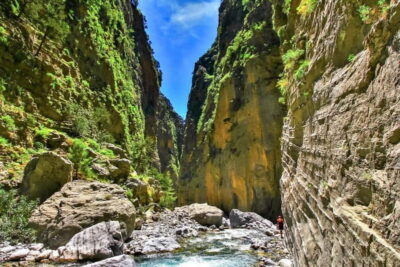
Full-Day Samaria Gorge Trek Excursion & Guide
Read our review →
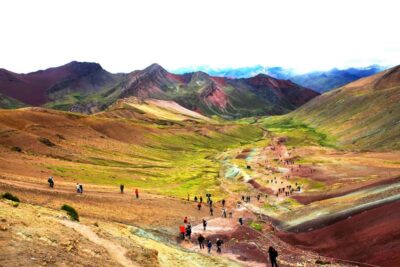
Full-Day Rainbow Mountain & Red Valley Trekking Tour
Read our review →
Cat Ba National Park Full Day Trekking Tour to Viet Hai Village
Read our review →
Guided Full-Day Trekking with Lunch and Drop-Off
Read our review →Browse the lists this tour appears in