
REVIEW · SAPA
From Sapa: Guided Full-Day Trekking with Lunch and Drop-Off
Rice terraces, mountain air, and muddy paths await. This six-hour trek gives you a close look at Muong Hoa Valley, Y Linh Ho, Lao Chai, and Ta Van without the cost of a private excursion. I especially like the local guide who stays with you on the route, and the included lunch and bus ride back to Sapa make the day simple to manage. The main catch is the trail itself: at about 10 kilometers, it can be hard and slippery after rain.
You will walk through the Hoang Lien Son mountain area and pass homes and stilt houses linked to the Black H’mong and Red Dao communities. The scenery is the star, but the cultural explanation may vary. One visitor found the guide kind and helpful, while another felt the tour offered little information about the villages and mostly felt like hiking with occasional answers to questions.
Key points to know before you book
- About 10 kilometers of walking: Expect a real mountain trek, not a gentle town stroll. Muddy sections can make it harder.
- Three village areas in one morning: The route passes Y Linh Ho, Lao Chai, and Ta Van, with rice terraces and stilt houses along the way.
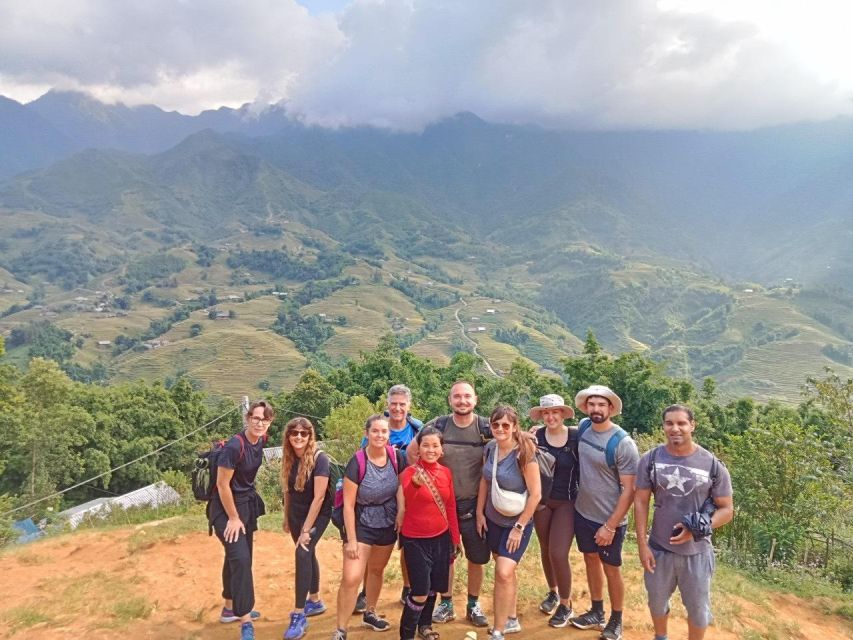
- Local English-speaking guide: Your guide leads the walk, answers questions, and stays with the group through the difficult sections.
- Lunch and return transport included: You eat at a local restaurant, then walk about 1 kilometer to the bus back to Sapa.
- Strong value at $22: The price covers the guide, entrance ticket, lunch, and one-way bus ride, but not drinks or personal purchases.
- Weather matters: Wear proper hiking shoes, bring warm clothing from October to March, and expect mud during wet weather.
What the six-hour Sapa trek is really like
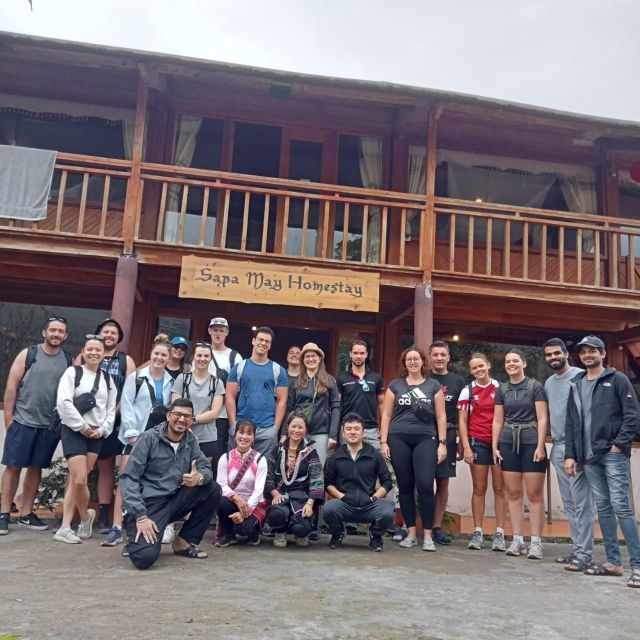
The day begins between 8:00 and 8:30 in Sapa town. The guide picks you up at your hotel in central Sapa, or meets you at the agreed meeting point, then walks with you to the departure point at Sapa Retreat Condotel.
At around 9:00, the route leaves Sapa and heads toward Y Linh Ho. The published timing allows about three hours for the first major section, covering roughly 8 kilometers before reaching Ta Van. That pace tells you something useful: you will spend most of the morning walking, not stopping for long guided talks at every site.
The total route is described as about 10 kilometers. The difference between the morning distance and total distance likely reflects the final walk to the bus after lunch, but you should still prepare for a full morning on your feet. If you are used to regular hiking, the walk may be manageable. If your idea of exercise is strolling around Sapa’s market, this could feel demanding.
The guide is an important part of the experience. You receive an English-speaking local guide, and the guide goes with you throughout the route. One particularly useful detail from the feedback is that local women sometimes walk along the more difficult sections and offer help. They may also show you handmade products for sale. You are not required to buy anything, though a small purchase or tip may be appreciated if you accept their help.
More Full-Day Treks in Sa Pa:
- Sa Pa Full Day Trekking Tour
★ 5.0 · 414 reviews - Full Day Trekking in Sapa
★ 5.0 · 73 reviews - Sapa Trekking Tour Full Day
★ 5.0 · 65 reviews
Y Linh Ho and the first rice terraces
Y Linh Ho is the first main stop, reached after leaving Sapa and walking about 1.5 kilometers toward the village. You get time for photographs, a guided visit, and the first clear views of the terraced fields.
This is where the walk begins to feel different from a standard sightseeing outing. Instead of viewing the terraces from a distant lookout, you follow paths near the fields and along the Muong Hoa Stream. The route brings you into the agricultural setting itself, with mountain slopes and carefully cut rice terraces around you.
The exact condition of the paths depends heavily on the weather. In dry weather, the trail should be easier to manage. After rain, expect mud and dirty sections, and possibly slippery footing. Wear shoes with a firm grip rather than casual trainers with smooth soles.
The itinerary allows about 1.5 hours around Y Linh Ho, though this includes walking time rather than a long stationary visit. You should think of the village as part of a moving route. There may be pauses for views and photographs, but this is not a museum-style stop with a fixed presentation.
Following Muong Hoa Stream toward Lao Chai
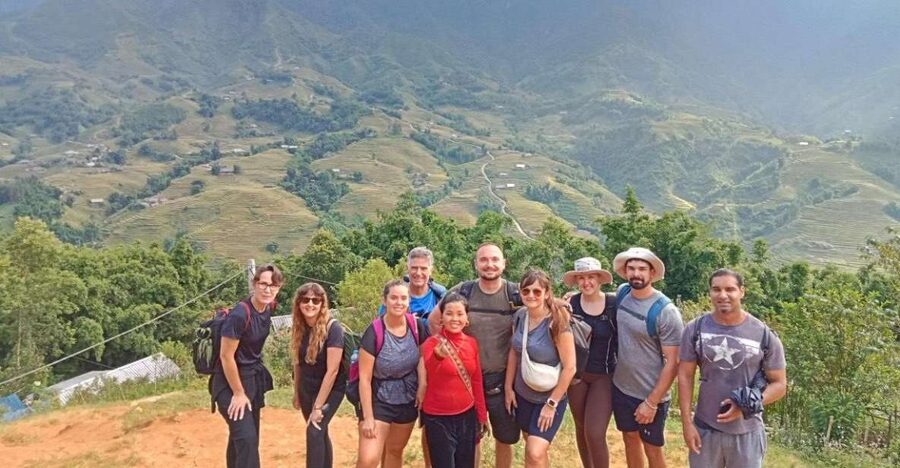
From Y Linh Ho, the path continues through the Muong Hoa Valley toward Lao Chai. The stream, rice terraces, and Hoang Lien Son scenery provide the main visual appeal. You will walk through open sections where the views stretch across the valley, then pass closer to homes and cultivated land.
Lao Chai is associated with the Black H’mong community. The route offers a chance to see the setting where local families live and work, rather than simply visiting a staged cultural display. You may see traditional stilt houses and village paths, though the information provided does not promise entry into private homes or a formal cultural performance.
The mountain views are especially good along this stretch. The Hoang Lien Son range gives the valley its dramatic backdrop, and the changing height of the trail creates different views of the terraces. Bring your phone or camera, but keep it protected from rain. A small waterproof bag is practical here, especially if you are carrying sunscreen, insect repellent, and a water bottle.
The cultural side needs a little caution. Your guide speaks English and is expected to explain the route, but the amount of village history and local detail may vary. One person found the tour informative and helpful, while another said there was little explanation of the three villages unless questions were asked. I would prepare a few questions before setting out, especially about farming, house styles, and the Black H’mong and Red Dao communities.
Lao Chai and the Hoang Lien Son mountain views
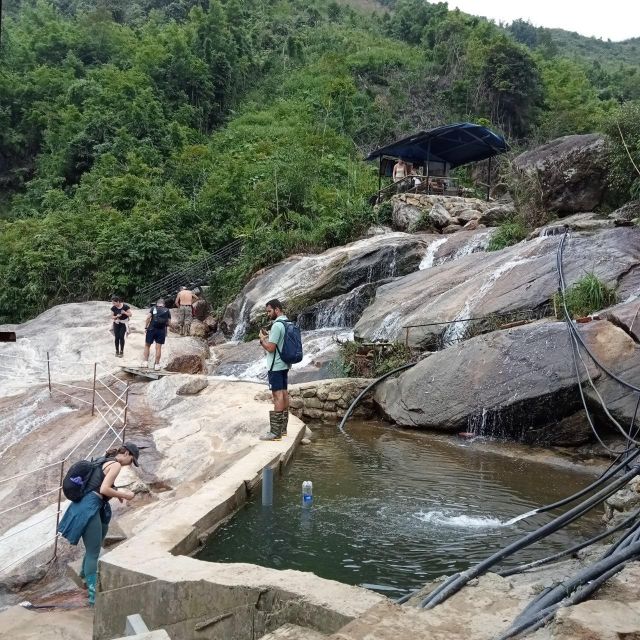
The route through Lao Chai gives you another photo stop and more walking among the terraces. The Hoang Lien Son mountain area is not a single lookout point here. You experience it by moving through the valley, with the mountains visible along the way.
The scenery earns the strongest praise. Several comments describe the views as beautiful, and that matches the structure of the day: much of the time is spent outside, passing fields and village homes rather than sitting in a vehicle. If you want a quick scenic visit, this tour may feel too long. If you want to walk through the countryside, the time is well used.
There is also a practical social detail. Local women may accompany you over difficult parts of the trail and offer handmade goods. This can feel helpful, but it can also create pressure to buy if you are not expecting it. You can politely decline. The important thing is to understand this part of the route in advance, so you are not surprised when extra sellers join the walk.
At this stage, you may be tired. The trail has uneven ground, and rain can turn parts of it into slippery mud. The experience is not suitable for wheelchair users, people with mobility impairments, or children under five. It is also not recommended for people over 80, according to the activity information.
More Guided Treks in Sa Pa:
- From Sapa: 1-Day Guided Trek to Lao Chai & Ta Van with Lunch
★ 4.9 · 416 reviews - Sa Pa: 6-Hours Muong Hoa Valley Trek with Local Ethnic guide
★ 4.5 · 178 reviews - Sapa 1 day trek with local guide to the village by Comlam
★ 5.0 · 148 reviews - SAPA: 2-DAY 1-NIGHT TREKKING & CULTURE WITH HMONG GUIDE LINH
★ 4.9 · 126 reviews
Ta Van Village, stilt houses, and lunch
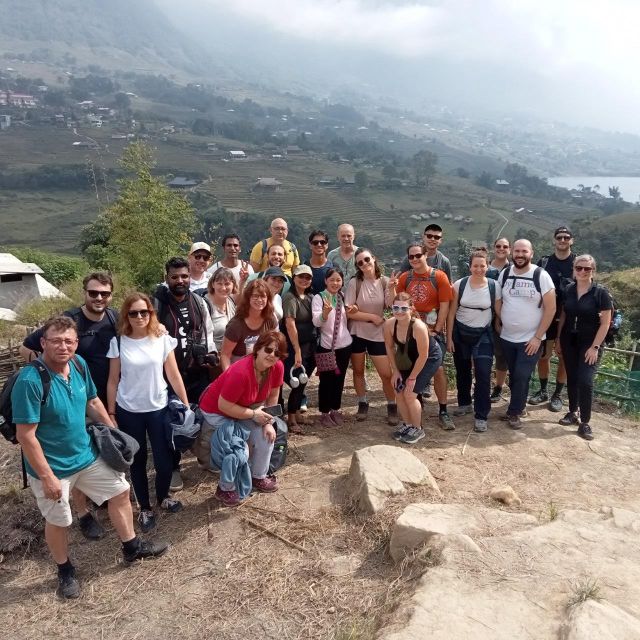
After about three hours of walking and roughly 8 kilometers, you reach Ta Van Village. The stop is planned for around 11:30, followed by lunch at about 12:30.
Ta Van is known here for its terraced fields and stilt houses with distinctive ethnic architecture. The village gives you a slower moment after the most demanding part of the walk. You can look at the houses, take photographs, and enjoy the shift from open mountain paths to a settled village area.
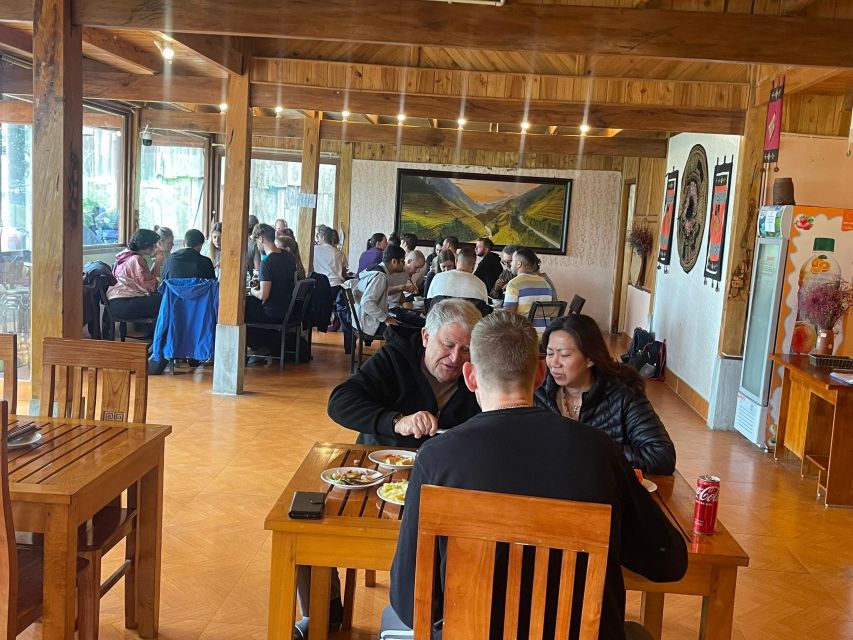
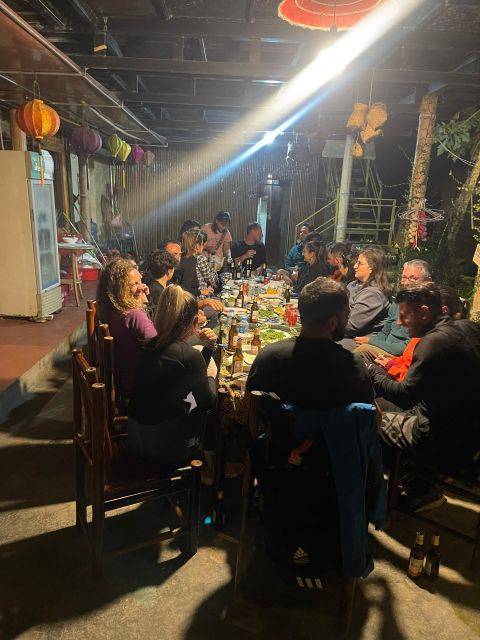
Lunch is included at a local restaurant. The feedback describes the meal as good and plentiful, which is useful after a long morning outside. Drinks are not included, so budget for water, beer, wine, or other beverages. You should bring water with you as well, since the tour requires sustained walking and the supplied information does not promise drinks along the route.
The two-hour lunch and break period is generous on paper. It gives you time to eat and rest before the final transfer, though the actual pace can depend on the group and the restaurant. Do not assume this is a second major sightseeing stop. The day’s main activity is the trek, and lunch is your recovery period.
The final 1-kilometer walk and bus back to Sapa
After lunch, the guide leads you about 1 kilometer to the bus. This last walk matters because you do not board directly beside the restaurant. If your feet are sore, the short distance may feel longer than expected.
The bus ride back to Sapa takes about 30 minutes. Drop-off is scheduled between 2:30 and 3:00, although the activity information also says the tour ends around 2:00 to 2:30. Treat the timing as an approximate early-to-mid-afternoon finish rather than a precise appointment.
The bus returns you to your hotel or another place in Sapa town where you want to stop. One-way transport from Ta Van is included, which is useful because arranging your own ride from the valley could add both cost and delay.
This transport arrangement also keeps the day from becoming overly complicated. You walk in one direction through the valley, eat, then return by vehicle. You do not need to retrace the trail, and you do not spend the afternoon waiting for transport.
Is $22 good value for this Sapa experience?
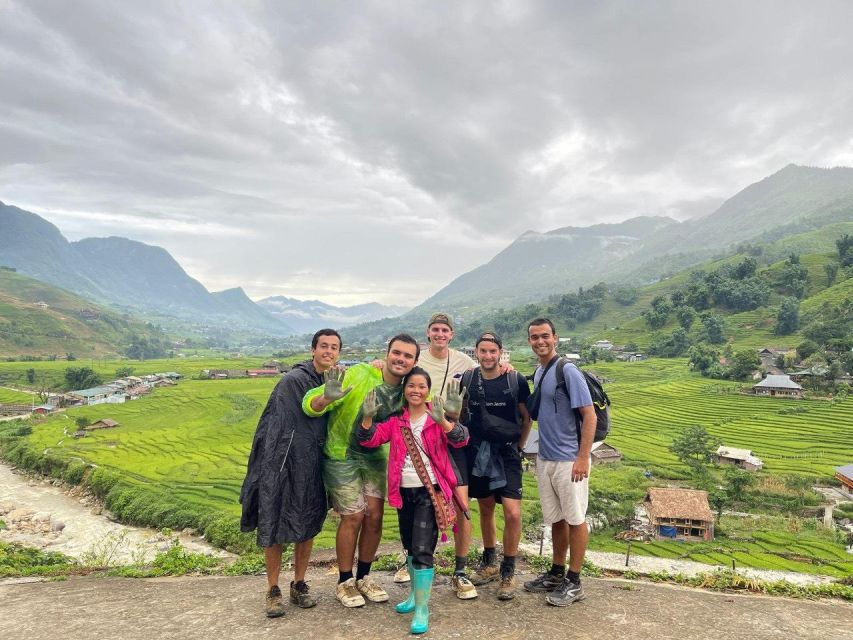
At $22 per person, this is a strong-priced day for what is included. You receive a local English-speaking guide, entrance admission, lunch, and the bus ride back to Sapa. For a visitor who wants the main Muong Hoa Valley route without arranging several separate services, that package is practical.
The value is best if you already plan to spend a day hiking around Sapa. A private guide would normally offer more flexibility and, potentially, more detailed cultural conversation, but this tour keeps the cost low. The tradeoff is that the route and pace are set, and the guide’s level of explanation may not satisfy someone looking for a detailed cultural tour.
The price does not cover drinks or personal expenses. You may also want to budget for handmade goods if you decide to buy something from the local sellers who sometimes accompany the group. Do not feel that buying is part of the ticket. It is not listed as an included requirement.
Free cancellation is available up to 24 hours before departure for a full refund, and you can reserve now and pay later. Those terms are useful if your Sapa plans depend on weather, since rain can change the character of the trail.
What to wear and carry for the trail
Your footwear may decide how much you enjoy this day. The route can be muddy and slippery, so choose hiking boots or sturdy shoes with good grip. Comfortable clothing is essential, and warm layers are needed from October through March.
I would bring:
- Water and a little cash for drinks or personal purchases
- Sunscreen and insect repellent
- A light waterproof layer
- A small day bag
- A phone or camera protected from rain
Large luggage and oversized bags are not allowed. Keep your load light. You will appreciate that advice after several hours of uneven walking.
The tour is not suitable for children under five, people with mobility impairments, wheelchair users, or people over 80. It is also a poor choice if you are not comfortable walking around 10 kilometers on mountain paths. The guide and local helpers can assist at difficult points, but they cannot turn the route into an easy walk.
Who will enjoy this trek most?
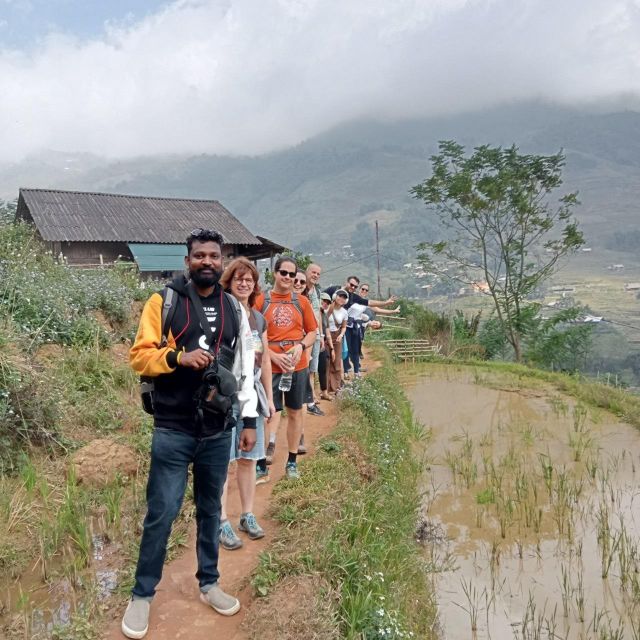
I would choose this tour if you want a low-cost way to see Sapa’s famous terraces on foot and you are happy with a fairly active morning. The scenery, village setting, included lunch, and simple bus return make it a useful introduction to the Muong Hoa Valley.
It suits you especially well if you value views and local contact more than a tightly scripted cultural lecture. You will pass through Y Linh Ho, Lao Chai, and Ta Van, see Black H’mong and Red Dao communities, and spend much of the day outside.
I would look elsewhere if you need a gentle walk, detailed interpretation at every village, or a private schedule. The mixed feedback about explanations is worth taking seriously. Ask questions as you go, and remember that the guide may focus more on leading the hike safely than giving a long talk at each stop.
Should you book this Sapa trek?
Book it if you have sturdy footwear, reasonable fitness, and a full day free for mountain walking. At $22, the guide, lunch, admission, and return bus offer good value, and the rice terraces around Muong Hoa Valley are the clear reward.
Skip it if rain, mud, or a 10-kilometer route would make the day unpleasant. Also skip it if your main goal is a detailed lesson in local culture. For an active visitor who wants scenic countryside, village paths, and an easy return to Sapa, this is a sensible choice.
FAQ
How long is the Sapa trekking tour?
The activity lasts about six hours. Pickup begins around 8:00 to 8:30, and the tour generally finishes in the early to mid-afternoon.
How far will I walk?
The hike is around 10 kilometers in total. The route includes approximately 8 kilometers before reaching Ta Van, followed by about 1 kilometer to the bus after lunch.
Which villages does the route visit?
The walk passes through Y Linh Ho and Lao Chai, then reaches Ta Van Village. Lao Chai is associated with the Black H’mong community, and the route also describes the livelihoods of Black H’mong and Red Dao people.
Is lunch included?
Yes. One lunch at a local restaurant is included. Drinks such as water, beer, and wine are not included.
Is transport back to Sapa included?
Yes. After lunch, you walk about 1 kilometer to the bus. The bus ride back to Sapa takes around 30 minutes, and drop-off is available at your hotel or another stop in Sapa town.
What should I wear?
Wear comfortable clothes and sturdy hiking shoes or boots with good grip. Warm clothing is recommended from October through March.
Can I take luggage on the trek?
No. Large bags and luggage are not allowed. Bring only a small day bag with the items you need for the walk.
Is the tour suitable for children and people with limited mobility?
The tour is not suitable for children under five, wheelchair users, people with mobility impairments, or people over 80. The trail can be hard and muddy, especially after rain.
Can I cancel the booking?
You can cancel up to 24 hours in advance for a full refund. The activity also allows you to reserve now and pay later.
Recently added around Sa Pa
- Soob Sapa Trekking Tour★ 4.3 · 3 reviews
- Sapa Trekking – Waterfalls And H’mong Villages★ 5.0 · 2 reviews
- Sapa Trekking Private Tour With Ethnic Female Tour Guide★ 4.9 · 24 reviews
- Sapa: Trekking Through Terraced Rice Fields & Valley 1 Day★ 4.8 · 4 reviews
- Sapa: Y Linh Ho – Lao Chai, and Ta Van Trekking Day Tour★ 5.0 · 25 reviews
- Sapa Trekking Guide Francophone 2 days – 1 night★ 5.0 · 2 reviews
- Sapa: Ta Phin Village Trek with Lunch and Bathing Experience★ 4.7 · 13 reviews
- Sapa small groupe activities: 1 Day trek – Meet the locals★ 4.7 · 3 reviews
Full-Day, compared.
Full-Day Samaria Gorge Trek Excursion & Guide
Read our review →
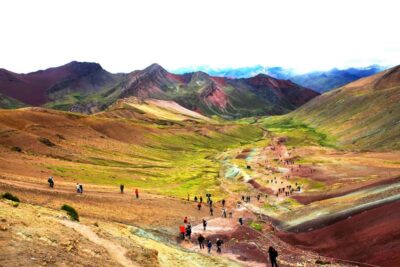
Full-Day Rainbow Mountain & Red Valley Trekking Tour
Read our review →
Cat Ba National Park Full Day Trekking Tour to Viet Hai Village
Read our review →
Browse the lists this tour appears in