
REVIEW · INDIA
Kedarkantha Trek
Snow, forests, and a high summit await. The Kedarkantha Trek gives you five days in the Uttarakhand Himalayas, beginning with a long road journey from Dehradun and ending with a descent from the 12,500-foot summit area. I like the fact that tents, sleeping bags, mattresses, toilet tents, meals, forest fees, transport, and first aid are included. I also like the clear shape of the trip: villages and pine woods first, high camps next, then a summit morning and return to Sankri.
The main caution is the demanding road and hiking schedule. Day 1 can take about 14 hours, and summit day climbs from 11,250 to 12,500 feet before dropping to Hargaon. You need moderate physical fitness, patience with basic camping, and a willingness to start early and spend long hours outside.
Key things to know before you book
- The Dehradun to Sankri drive takes about 14 hours, so the first day is mostly transport rather than hiking.
- Juda sits at about 9,100 feet, reached by a roughly 4-kilometer walk from Sankri.
- The summit section reaches around 12,500 feet, with a steep climb from the base camp area.
- Camping equipment is supplied, including tents, sleeping bags, mattresses, and toilet tents.
- Meals cover four breakfasts, four dinners, and three lunches, but Day 1 breakfast and lunch are not included.
- The strongest appeal is the winter mountain setting, with pine and oak forest, open hills, snow views in season, stars, and wide views toward the Har ki Dun valley.
Why Kedarkantha works for a first Himalayan trek
Kedarkantha is a sensible introduction to Himalayan trekking because the route has a clear five-day rhythm. You begin in Dehradun, travel to Sankri, walk through forest to Juda, continue to base camp, make the summit attempt, and descend. The stages are easy to understand, even if your legs may object by day four.
The route also gives you several kinds of mountain scenery in a short period. You pass villages and streams, walk under pine and oak, cross open green hills, and reach higher ground with broad views. In winter, snow can change the character of the trail completely. One trip account describes snowfall, a snow blizzard, and clear mountain views all within the same five-day outing, which tells you to prepare for fast-changing conditions.
I especially like that the experience is not only about reaching a peak. The overnight camps offer time to watch the stars, drink tea, and enjoy the quiet. Small tea stops have become a memorable part of the route for many people, and they matter more than they sound like they should when the air is cold and the trail has been steep.
The tradeoff is comfort. This is camping, not a mountain hotel stay. You receive the basic equipment needed for the route, but toilet tents, shared camp routines, and cold nights are part of the deal.
A few more treks around India worth a look
- Half day trekking (munnar valley Trekking & Tours )
★ 5.0 · 310 reviews - Nag Tibba 2 Days Trek (Pantwari to Pantwari)
★ 5.0 · 274 reviews - Bhrigu Lake and Alpine Meadow Trek
★ 5.0 · 121 reviews
Day 1: Dehradun to Sankri, a long road into the mountains
The group is collected in Dehradun at about 6:30 am. From there, private transport heads toward Sankri, roughly 220 kilometers away along National Highway 123. The drive can take around 14 hours, so you should treat this as a full travel day.
That long transfer is tiring, but it also provides useful context. You leave the city behind and move toward mountain villages, streams, forest, and higher country. By the time you reach Sankri, the trek feels more real because the roads have already taken you far from ordinary city life.
Breakfast and lunch on this first day are not included. Pack food and water, or budget for them separately. Dinner is included, and the trip covers four dinners overall.
This is the day that requires the most mental adjustment. A 6:30 am pickup followed by many hours on the road is not a gentle opening. If you are prone to motion sickness or simply dislike long drives, plan accordingly. The benefit is that the trekking days can then begin from Sankri rather than spending another morning on transport.
Day 2: Sankri to Juda through pine and oak forest
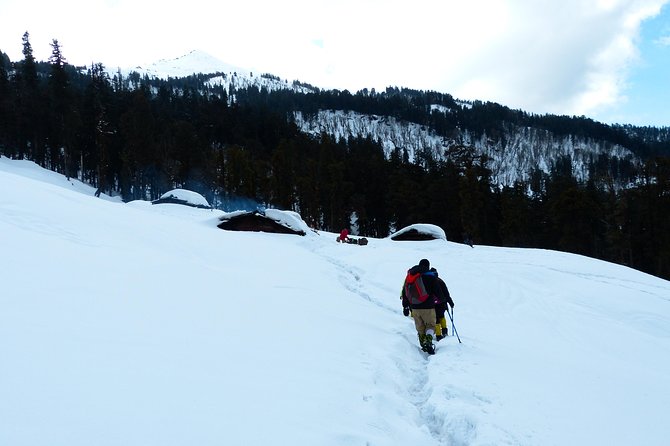
After breakfast, the walking begins. The route from Sankri to Juda is about 4 kilometers, with Juda located at approximately 9,100 feet. The stated walking time is around four hours, which allows for a steady pace, rests, and the effect of gaining altitude.
This section introduces the character of the trek. You walk along trails near villages and streams, then enter dense pine and oak forest. Depending on season and conditions, the ground may be green, muddy, rocky, or covered in snow. The forest keeps the route visually interesting, although tree cover can also make some sections feel less open than you may expect from a Himalayan trip.
Juda is important because it is your first high camp and a useful place to adjust to altitude. The rise from Sankri is not extreme by Himalayan standards, but you should still walk steadily and drink water. Do not race ahead to prove anything. The mountain will still be there after a slower lunch break.
Wildlife is part of the setting. The route is described as habitat for boars, martens, and hares. You may find signs of animals or catch sight of one, but wildlife sightings are never guaranteed. The better reason to pay attention is the change in sound. Streams, wind through the trees, and quiet forest stretches create a different experience from a city-based tour.
Camping equipment is provided, including tents, sleeping bags, mattresses, and toilet tents. That makes the trip easier to arrange, especially if you do not already own trekking gear. You should still ask about personal clothing and footwear before departure, since supplied camping equipment does not remove the need for warm layers and suitable shoes.
Day 3: Juda to Kedarkantha Base Camp
The next section covers about 4 kilometers from Juda to Kedarkantha Base Camp. The route is described as fairly straightforward and visible, with an estimated walking time of roughly two and a half hours at a moderate pace.
On paper, this is one of the easier walking days. In practice, altitude and the previous day’s effort can make a short distance feel longer. You may find the trail less tiring than summit day, but you should save energy rather than treating the shorter schedule as a chance to hurry.
The base camp gives you the first proper chance to prepare for the summit attempt. Organize your daypack, keep your warm layers handy, and make sure your water is ready. The next day includes the highest point of the trip, so you will appreciate not having to search through a large bag in the cold.
Meals are part of the package here. Breakfast, lunch, and dinner are covered according to the stated meal plan, with three lunches included across the trek. Food quality can make a big difference on a camping trip. Strong feedback about this route has focused on hot, tasty meals served on time, including suitable food for a Jain participant on one trip. You should still confirm any dietary needs with Outdoor Monks before setting out.
The base camp night is also a good time to enjoy the sky. Clear mountain air can bring excellent stars, but clouds and weather may change the view. Expect possibility, not a guarantee.
Same trailhead, a longer or shorter day out:
- Har Ki dun Trek by Himalaya Shelter
★ 5.0 · 102 reviews - Wild Elephant Anakulam & Waterfalls Tour(munnar valley Trekking)
★ 5.0 · 98 reviews - Friendship Peak Trek
★ 5.0 · 94 reviews - Half Day Hiking in Munnar Trekking Tour
★ 5.0 · 89 reviews
Day 4: The 12,500-foot summit push and descent to Hargaon
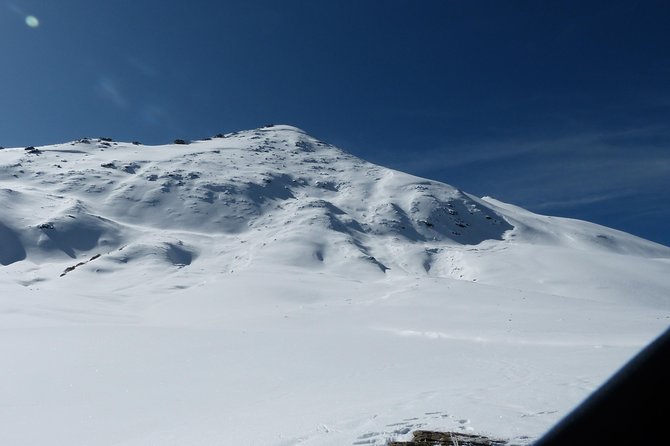
Day four is the physical center of the trip. You climb from around 11,250 feet to approximately 12,500 feet to reach Kedarkantha Peak, then descend toward Hargaon camp.
This is where the route becomes more serious. The summit section is steep, and the air is thinner than at Juda or Sankri. The distance alone does not tell the full story. Cold, snow, loose stones, tired legs, and altitude can all affect your pace. A moderate fitness level is the minimum stated requirement, but you should be comfortable with sustained uphill walking before booking.
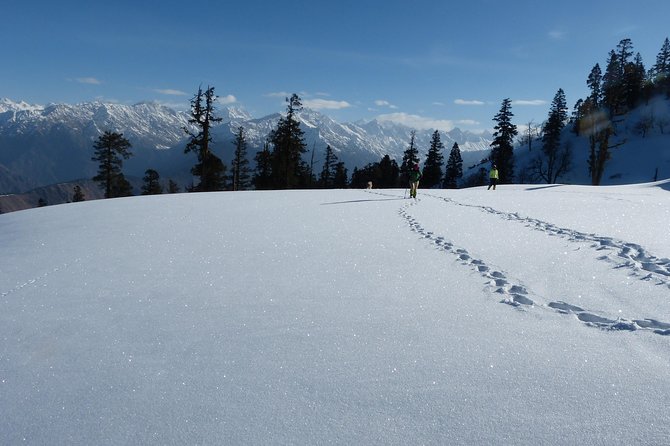
The reward is the view from high ground. The route promises wide mountain views, including a look toward the Har ki Dun valley. On a clear day, the open summit area gives you the sense of space that is missing in the forest. This is the moment that gives the trek its purpose, but the climb itself is also memorable because it shows how quickly Himalayan conditions can change.
After reaching the summit area, you descend to Hargaon camp rather than returning all the way to Sankri. That split makes practical sense. A summit climb followed by a complete descent would be a punishing day, while Hargaon offers a place to rest before the final walk out.
Do not underestimate the descent. Going downhill can be hard on knees and ankles, especially after a steep climb. Trekking poles would be useful, though they are not listed among the supplied equipment, so ask Outdoor Monks if you need to arrange them separately.
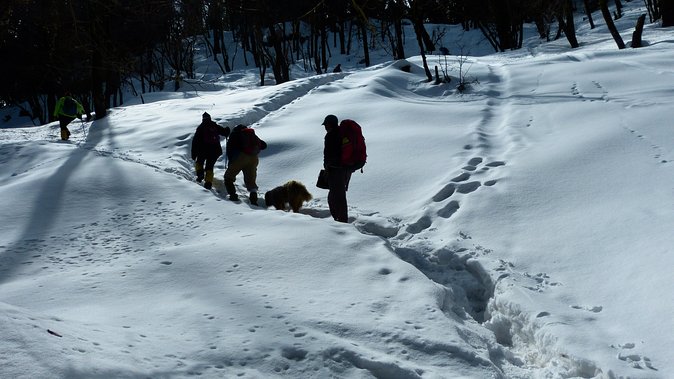
Snow is possible, especially in winter, and one account describes a snow blizzard on the route. This is a reminder to pack for more than sunny photographs. Warm socks, gloves, a hat, and layers are not optional comforts at this altitude.
Day 5: Returning to Sankri on foot
The last day takes you down to Sankri, with an estimated walking time of four hours or more at a moderate pace. The path is described as more clearly marked and reasonably well paved, though it is covered with small stones.
That surface should make route finding easier, but it does not make the walk effortless. After summit day, your feet and knees may be tired. Take care on loose stones and keep your pace comfortable. You can refill water along the route, which is useful, but check with your guide before relying on any particular source.
Breakfast is included before the descent. The final walk gives you time to notice the lower forest and village setting again, this time with the satisfaction of having completed the high section. Private transport and parking fees are included in the package, but the supplied information does not clearly explain the timing of your onward travel after reaching Sankri. If you need to connect with a train, flight, or separate hotel booking, allow extra time and confirm the final transport plan.
What the $235 price really covers
At $235, this trip offers good value if you would otherwise need to arrange mountain transport and camping gear separately. The package includes private transportation, parking fees, forest fees, tents, sleeping bags, mattresses, toilet tents, a first aid kit, four breakfasts, four dinners, and three lunches.
The cost is not all-inclusive. You still pay GST, your transport to and from Dehradun, breakfast and lunch on day one, personal insurance, medical insurance, and any service not specifically included. Those exclusions matter because the Dehradun to Sankri journey is long, and your overall budget needs to include getting to the pickup city.
The supplied camping gear is the biggest practical saving. Buying or carrying a sleeping bag, tent, mattress, and toilet setup would be a nuisance for a first trek. You are paying for convenience as well as the route itself.
The tour is private, meaning only your group participates. That can be valuable if you want a quieter trip or need to set a pace that suits your party. It may also mean fewer opportunities to meet a wider mix of hikers than on a large shared departure.
Food, camping, and daily comfort
Camping equipment covers the essentials, not luxury. Expect a practical outdoor setup with tents, sleeping bags, mattresses, and toilet tents. The trip also supplies a first aid kit and forest fees, which removes several small arrangements from your list.
Meals receive especially positive attention in the available trip feedback. Hot food at altitude is a real comfort, and one account specifically praises meals that were tasty, healthy, and served on time. A Jain meal was also arranged during one Kedarkantha trip, but you should confirm dietary requests directly with Outdoor Monks rather than assume every preference is automatically covered.
Tea stops are part of the appeal of this route. A cup of tea in cold mountain air can turn a basic rest into a memorable one. Still, tea points and extra snacks are not listed as included, so carry some cash and simple energy food.
Who should book this Kedarkantha trip?
I would recommend it to a first-time Himalayan trekker who wants a defined route and does not want to purchase camping equipment. It also suits someone who values forest walking, high camps, starry nights, and a clear summit goal more than hotel comfort.
It may suit you if:
- You can manage several hours of walking on uneven ground.
- You are comfortable camping in cold conditions.
- You can handle a 14-hour road journey on the first day.
- You want a private trip for your own group.
- You are prepared for steep uphill and downhill sections.
- You can arrange your own travel to and from Dehradun.
I would think twice if you need a relaxed sightseeing holiday, dislike basic toilets, or have not prepared for high-altitude walking. The five-day label sounds compact, but the road transfer and summit day make it physically demanding.
The cancellation terms are worth noting before payment. You receive a full refund if you cancel at least six full days before the start time. Cancellation two to six full days beforehand brings a 50 percent refund, while cancellation less than two full days before the start receives no refund. The operator may also cancel if the minimum number of participants is not reached, in which case you are offered another date or experience, or a full refund.
Should you book the Kedarkantha Trek?
Book it if you want a practical, gear-included route with a real summit, forest trails, winter possibilities, and private transport from Dehradun. The best parts are the variety of scenery, the supplied camping setup, the clear five-day plan, and the chance to see the Har ki Dun valley from high ground.
Skip it if you want hotel beds, short travel days, or a gentle walking holiday. For the right person, $235 is a fair price for transport, camping gear, meals, fees, and support. Just arrive ready for a very long first day, a steep summit push, and the simple pleasures of tea, stars, and tired legs.
FAQ
Where does the Kedarkantha Trek begin?
The trek begins with pickup in Dehradun city at about 6:30 am. The group then travels by road to Sankri, where the walking portion starts.
How long is the Kedarkantha Trek?
The experience lasts approximately five days. The first day is mainly transport, followed by four days of trekking and camping.
How high does the trek go?
The summit section reaches approximately 12,500 feet. The climb on summit day begins from around 11,250 feet.
Is camping equipment included?
Yes. The package includes tents, sleeping bags, toilet tents, mattresses, and a first aid kit.
Are meals included?
Four breakfasts, four dinners, and three lunches are included. Breakfast and lunch on Day 1 are not included.
What fitness level is required?
The experience requires a moderate level of physical fitness. You should be ready for forest trails, uneven ground, a steep summit climb, and a descent of four hours or more on the final day.
Recently added around India
- Prashar Lake Trek★ 5.0 · 7 reviews
- Kasol + Kheerganga Trek 3D/2N, all inclusive with BanBanjara★ 3.5 · 3 reviews
- Jogini Waterfall Trek from Manali★ 5.0 · 2 reviews
- 8 Days Markha Valley Trek: Shared Tour with Meals Included★ 5.0 · 3 reviews
- Ladakh One Day Trek- Gyamtsa to Phyang Village★ 5.0 · 4 reviews
- Ladakh Sham Valley Trek★ 5.0 · 7 reviews
- 1 Day Activity Adventure Trekking Kerala★ 5.0 · 5 reviews
- Kolukkumalai Trekking with Night stay in Tent★ 5.0 · 2 reviews
India Trekking Tours, compared.
Half day trekking (munnar valley Trekking & Tours )
Read our review →
Wild Elephant Anakulam & Waterfalls Tour(munnar valley Trekking)
Read our review →
Browse the lists this tour appears in