
REVIEW · SAPA
EXPLORE SAPA: 2D1N TREKKING & HMONG CULTURE WITH DINH
Sapa gets better on foot. This two-day trek links rice terraces, bamboo forests, and mountain villages with a night in Dinh’s family homestay. I like the personal scale of the experience, especially Dinh’s stories about Hmong life and her work helping local children attend school. I also like the generous food and the chance to swim at Giang Ta Chai Waterfall. The main consideration is the terrain: 18 kilometers over two days can be muddy, steep, and tiring, and a group tour may finish later than planned.
At $43 per person, the package offers unusually good value. It includes a local guide for two days, village fees, three main meals plus breakfast, one night’s lodging, daily water, and transport back to Sapa. You should still bring cash for extra drinks and local goods, and do not expect a polished resort. This is a simple homestay built around family contact, good views, and a proper walk.
Key points at a glance
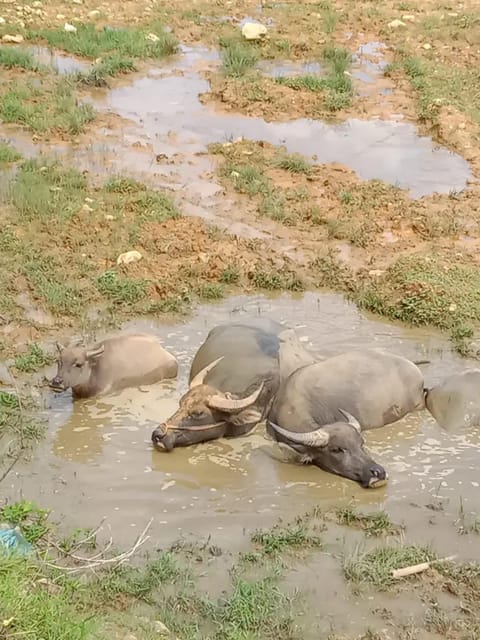
- Start in Sapa and walk into the valley: The route drops from town toward Y Linh Ho, Lao Chai, and Ta Van rather than keeping you on the main roads.
- Sleep in Dinh’s family homestay: Choose a private room or a bungalow with a mountain and rice terrace view, subject to availability.
- Meet several ethnic communities: Dinh explains differences between Hmong, Giay, and Red Dao communities as you walk.
- Expect a real physical outing: The total distance is about 18 kilometers, with uneven ground, steep sections, mud, and slippery paths after rain.
- The food is part of the experience: Lunches, dinner, and breakfast are included, with vegetarian choices available.
- Your spending supports local education: Dinh says proceeds help send 10 local children to school, adding a clear community purpose to the booking.
Why Dinh’s Sapa trek feels different
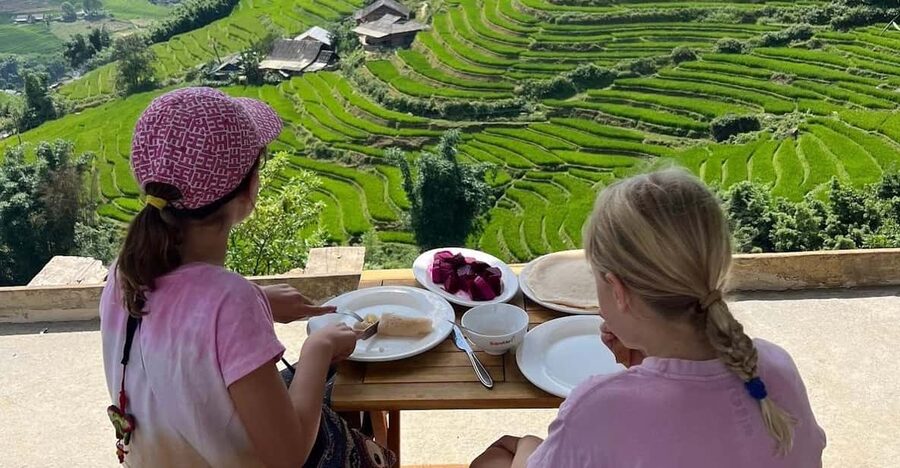
Many Sapa outings are built around viewpoints and quick photographs. This one gives you two full days to move slowly through the valley and spend the night with a Hmong family in Ta Van. That overnight stay changes the rhythm. You are not simply passing through a village before returning to town for dinner. You have time to shower, sit down, help prepare food, and talk.
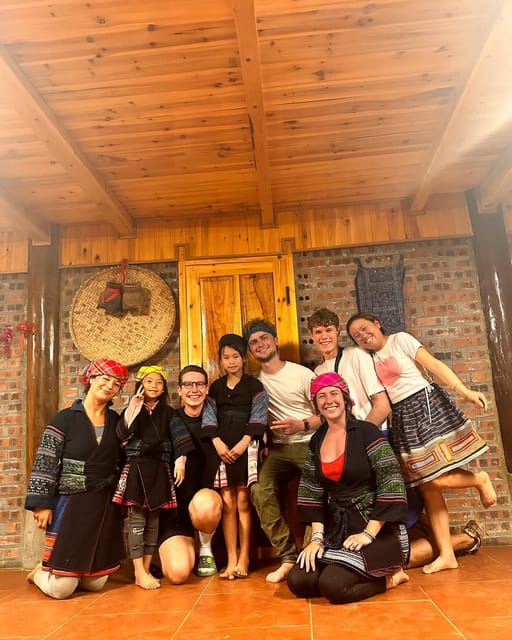
Dinh is the center of the experience. She is a Hmong woman from Ta Van who guides in English and Vietnamese. Her own story is an important part of the trip. She explains how she learned English, built her homestay business, and began using its income to support children’s education.
Her family may also help with the walk. Dinh’s niece, cousins, and other family members have accompanied groups, including larger groups of up to 13 people. This can add warmth and practical help on rough sections, though a larger group may slow the schedule.
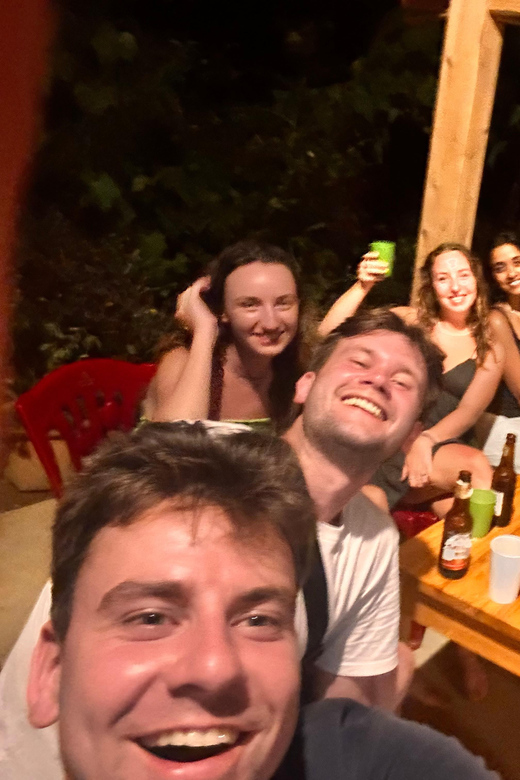
The tone is friendly and lively. Several parts of the evening include local rice wine, called Happy Water, traditional dancing by children, and games. You can enjoy that social side, but you should not expect a quiet, formal cultural presentation. It is a family evening, with children, food, laughter, and a fair bit of noise.
More Two-Day Treks in Sa Pa:
- Sa Pa: 2-Day Trekking Trip with Ethnic Minority Homestay
★ 4.7 · 145 reviews - Sapa : 2-Day Trek & Heartwarming Homestay with an Ethnic Family
★ 5.0 · 143 reviews - SAPA: 2-DAY 1-NIGHT TREKKING & CULTURE WITH HMONG GUIDE LINH
★ 4.9 · 126 reviews
Day one: Sapa to Y Linh Ho and Lao Chai
The walk begins at 9:00 AM with pickup at your hotel in Sapa Town or near the main church. That start time gives you a little morning breathing room, though you should be ready before the guide arrives and carry only what you need for the day.
The first major change is physical. Sapa Town is busy and built up, while the route toward Y Linh Ho leads into open mountain scenery and cultivated slopes. The descent can be hard on your knees, especially if the ground is wet. Good hiking shoes are far more useful than casual sneakers.
Y Linh Ho is a small Hmong village area surrounded by steep hills and rice fields. The appeal here is the setting rather than a single monument. You walk through working countryside, with views changing as the path curves along the valley.
Lunch comes at a small restaurant run by a local Hmong family. Two lunches are included in the price, and the food is described as fresh, plentiful, and suitable for vegetarians. Extra drinks are not included, so keep some cash handy if you want bottled water, beer, or other refreshments along the way.
After lunch, the route continues to Lao Chai, one of the oldest and largest Hmong villages in the area. This section offers more context about how different communities live and work in the valley. Dinh explains farming practices, clothing, customs, and the differences between ethnic groups rather than simply pointing out scenic stops.
You may also encounter local people selling handmade goods along the path. That can be part of the local economy, but it may feel persistent at times. If you want to buy something, carry small amounts of cash and purchase only what you genuinely want. A polite no is enough if you are not shopping.
Lao Chai to Ta Van and the overnight stay
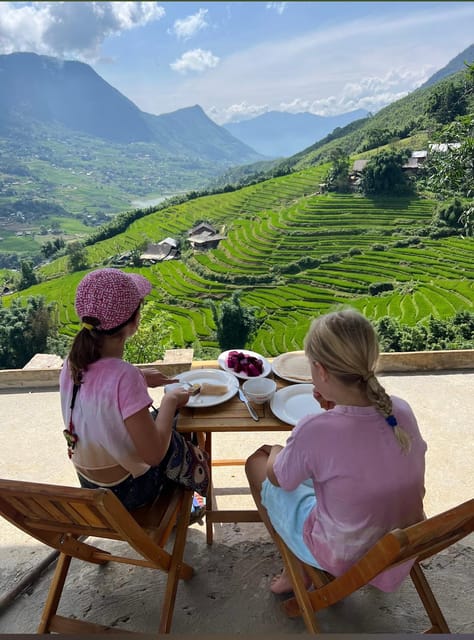
From Lao Chai, you continue toward Ta Van Village, home to Hmong and Giay communities. The route passes rice fields and village paths, and in planting or harvest seasons you may see people working in the terraces.
This is one of the best reasons to choose the two-day format. You have time to notice how much labor the terraces require and how closely village life follows the farming calendar. The scenery is beautiful, but the guide’s explanation helps you see it as a working place rather than a backdrop.
The first day covers about 9 to 11 kilometers and takes roughly five and a half hours. That estimate does not include every pause, meal, conversation, or delay. If the trail is muddy, the pace will be slower. One group reached the road later than expected on day two because lunch and bag transport took extra time, so avoid scheduling a bus or train too tightly after the tour.
At the homestay, you can rest and take a hot shower. Accommodation is basic but intended to be comfortable. You can request a private room or a bungalow with a mountain view and strong views over the rice terraces. A heated blanket has been especially welcome during cooler nights.
Do not arrive expecting hotel service. The appeal is the family setting, not polished facilities. The homestay is described as charming, cozy, and genuine, but basic amenities are part of the bargain. Ask about your preferred room when booking.
Cooking, dinner, and Hmong family life
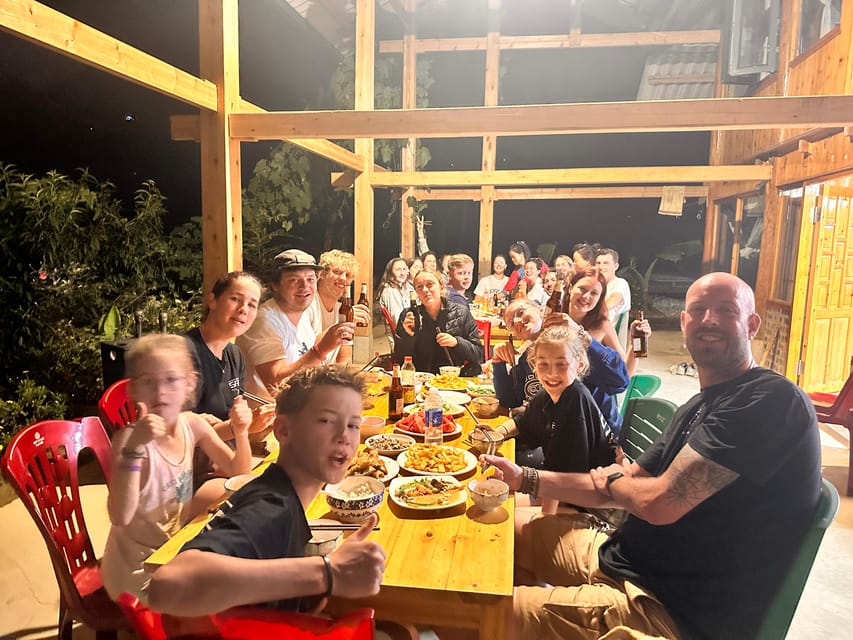
The evening may include an informal cooking session with Dinh’s family. This is a useful part of the stay because food provides an easy way to connect without turning the evening into a lecture. You help prepare a traditional dinner, then eat together.
Meals are repeatedly praised for being abundant and fresh. Vegetarian food is available for breakfast, lunch, and dinner, but tell Dinh your preference when you book so the family can plan properly.
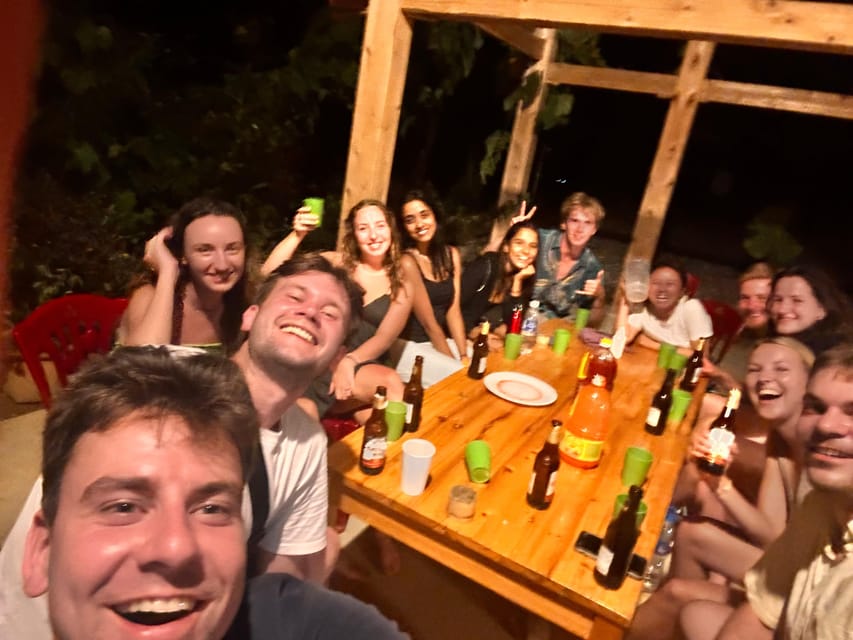
After dinner, Dinh shares more of her personal story and explains her efforts to support 10 local children’s education. Children may perform a traditional dance, and you may have time to play with them. Rice wine and drinking games are offered as part of the evening, but you do not need to drink to take part in the hospitality.
The strongest feature here is the direct contact. You are not only shown a village. You are welcomed into a family home and given a small view of how the household works. That makes the trip more meaningful than a short photo stop, while also requiring respect for the family’s routines and space.
A few more treks around Sa Pa worth a look
- Sa Pa: Muong Hoa Valley Trek and Local Ethnic Villages
★ 4.6 · 864 reviews - Sapa: Eco Adventure Terrace Fields and Local Villages Trek
★ 4.9 · 636 reviews - Number one top rated ethical cultural trekking and homestay by ETHOS
★ 5.0 · 456 reviews - From Sapa: 1-Day Guided Trek to Lao Chai & Ta Van with Lunch
★ 4.9 · 416 reviews
Day two: Bamboo forests, rice fields, and Giang Ta Chai
The second morning begins with coffee or tea at the homestay, followed by breakfast. The pace can be relaxed, but the day still includes about 7 to 8 kilometers of walking and roughly four hours on the trail.
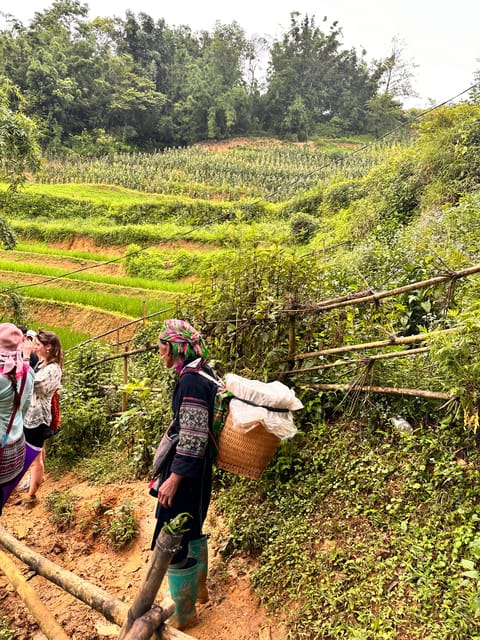
You head through bamboo forests and terraced rice fields toward Giang Ta Chai Waterfall. The bamboo section gives the route a different feel from the open terraces of day one. Paths can be narrow and uneven, and recent rain may leave them muddy or soggy.
The waterfall is a natural pause point. If conditions suit you, you can swim in the cool water. Bring a change of clothes if you plan to get in, and remember that the tour does not provide special swimming equipment.
From Giang Ta Chai, the route enters an area associated with the Red Dao community before reaching the main road. This gives you another chance to compare local customs and village life with what you saw among Hmong and Giay communities.
A final lunch follows before a taxi takes you back to Sapa. The advertised finish is between 2:00 and 3:30 PM. Treat that as a guide rather than a guarantee. Group size, muddy paths, lunch service, and the time needed to move bags can push the finish later.
Fitness, clothing, and what to pack
The trek is rated moderate, but that word needs some explanation. You do not need technical climbing skills, yet you should be comfortable walking several hours on steep and uneven ground. Rain can make the route slippery, and one guide adjusted the path for safety after wet weather.
Bring:
- Proper hiking shoes with good grip
- A comfortable daypack
- Water and a sun hat
- Biodegradable sunscreen
- Mosquito spray
- Cash
- A change of clothes if you want to swim
- Any basic climbing or trekking gear you normally use
The company supplies one large bottle of water per person per day, but you should carry enough for your own comfort. Extra drinks cost more.
For luggage, ask your Sapa hostel if you can leave your large bags there. If that is not possible, Dinh can arrange transport to the homestay so you do not have to carry heavy luggage on the trail. Bring only the essentials for one night and keep valuables with you.
The $43 price and what it really covers
The price is $43 per person, which is strong value for a two-day guided trek with an overnight stay. You receive:
- A local guide for both days
- Entry fees for four villages
- Two lunches
- One dinner
- One breakfast
- One night at the homestay
- One large bottle of water per day
- Transport back to Sapa after the walk
- A free T-shirt at the end of the Sapa journey
You pay separately for personal travel insurance and extra drinks. The price also does not remove the need for cash if you want to buy local goods.
The real value is the combination of guiding and family contact. A cheaper walk without an overnight stay would not offer the same time with Dinh’s family or the same chance to understand village life. At the same time, you should judge the price as a local homestay trek, not as a hotel package. Basic rooms, changing trail conditions, and flexible timing are part of the deal.
The community benefit matters too. Dinh’s stated goal of supporting children’s education gives your spending a wider purpose. You should still choose the tour because the route and accommodation suit you, but this social element adds weight to the decision.
Who should book this trek?
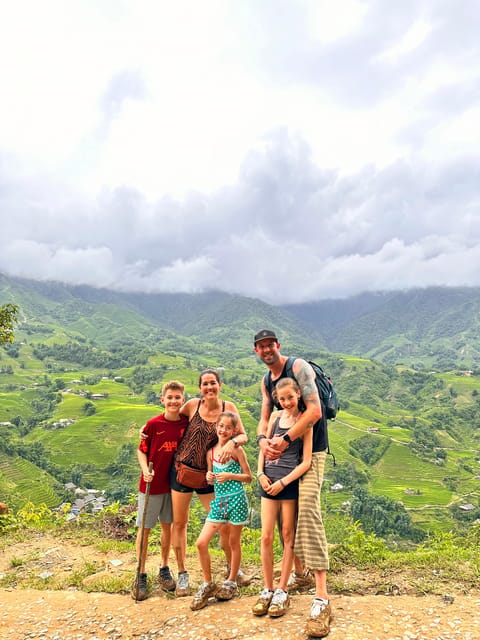
I would choose this experience if you want mountain scenery, active days, and personal contact with a local family. It suits people who enjoy walking at a moderate pace and are happy to trade hotel comforts for a more direct village experience.
It is also a good choice for families with older children. Dinh and her relatives have helped children on the trail, including children aged 7 and 9, but the route still demands care and stamina. Children under three join free with advance notice.
This is not a good match if you need perfectly predictable timings, smooth paths, or luxury accommodation. People with serious difficulty on steep or uneven ground should choose a gentler outing. The tour is not suitable for people over 95, according to the provided information.
You can reserve without paying immediately, and cancellation is free up to 24 hours in advance. Book before 1:00 PM on the first day if you want the full itinerary. The tour operates as a group experience, so ask about the room arrangement and group size before confirming.
Should you book Dinh’s two-day Sapa trek?
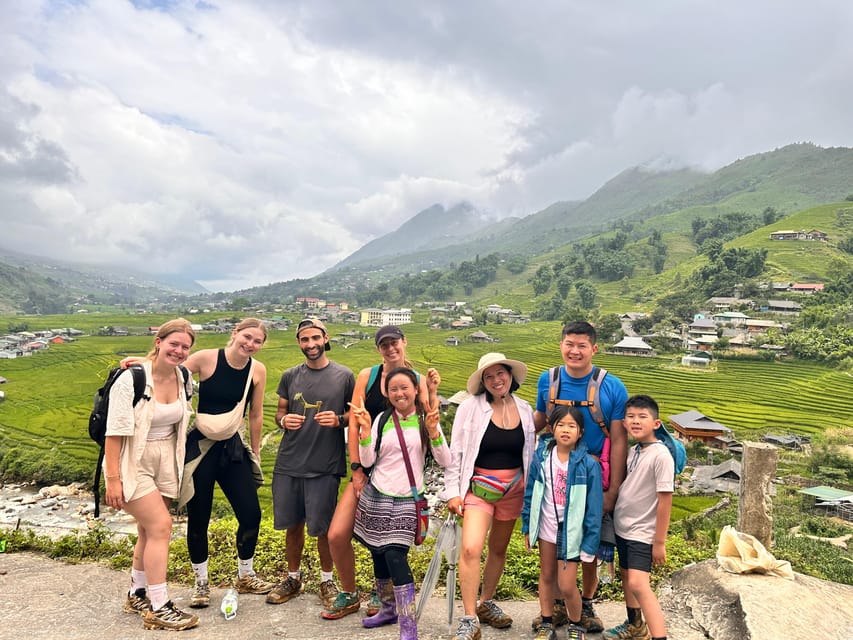
Yes, if your priority is a genuine village stay, strong scenery, and a guide who shares her own life as well as local customs. Dinh’s warmth, energy, sense of humor, and family involvement are central to the experience. The food, waterfall swim, terrace views, and homestay make the $43 price easy to justify.
Go prepared for mud, basic facilities, and a finish that may run late. Bring real hiking shoes, keep your schedule flexible on the second afternoon, and pack light. If that sounds like a fair trade for two days among rice terraces, bamboo forests, and local families, this is one of the better ways to see Sapa beyond the town center.
FAQ
Where does the trek begin?
The tour begins at 9:00 AM with pickup at your hotel in Sapa Town or near the local main church.
How far do you walk?
You walk about 9 to 11 kilometers on the first day and 7 to 8 kilometers on the second day, for roughly 18 kilometers in total.
Where do you stay overnight?
You stay at Dinh’s family homestay in Ta Van. Accommodation is simple and includes basic amenities, with a private room or bungalow option available by request.
Are meals included?
Yes. The package includes two lunches, one dinner, and one breakfast. Vegetarian meals are available for all included meals.
Can I leave my large luggage in Sapa?
You can ask your hostel to store it. If that is not possible and you do not have a hotel, Dinh can help transport your large bags to the homestay.
Is swimming at the waterfall included?
You may swim at Giang Ta Chai Waterfall if you wish. Bring suitable clothing and a change of clothes if you plan to enter the water.
What is not included in the price?
Personal travel insurance and extra drinks during the trek are not included. You should also bring cash for optional purchases from local sellers.
Recently added around Sa Pa
- Soob Sapa Trekking Tour★ 4.3 · 3 reviews
- Sapa Trekking – Waterfalls And H’mong Villages★ 5.0 · 2 reviews
- Sapa Trekking Private Tour With Ethnic Female Tour Guide★ 4.9 · 24 reviews
- Sapa: Trekking Through Terraced Rice Fields & Valley 1 Day★ 4.8 · 4 reviews
- Sapa: Y Linh Ho – Lao Chai, and Ta Van Trekking Day Tour★ 5.0 · 25 reviews
- Sapa Trekking Guide Francophone 2 days – 1 night★ 5.0 · 2 reviews
- Sapa: Ta Phin Village Trek with Lunch and Bathing Experience★ 4.7 · 13 reviews
- Sapa small groupe activities: 1 Day trek – Meet the locals★ 4.7 · 3 reviews
Sapa Trekking Tours, compared.
Muong Hoa Valley Trek and Local Ethnic Villages
Read our review →
Eco Adventure Terrace Fields and Local Villages Trek
Read our review →
Number one top rated ethical cultural trekking and homestay by ETHOS
Read our review →
1-Day Guided Trek to Lao Chai & Ta Van with Lunch
Read our review →
Sapa 1 Day Long Trek: Trek to Hau Thao and Sa Seng Villages
Read our review →
Explore Sapa by TrekkingAdventures, Mountain,Rice fields
Read our review →
Browse the lists this tour appears in