
REVIEW · MOROCCO
5-day trek – In the Draa Valley
Silence is the main attraction here. This five-day trek from M’Hamid leads you through the less-visited reaches of the Draa Valley, where sand dunes, hardy plants, animal tracks, and old nomadic routes replace roads and city noise. I like the focus on local nomadic guides and the chance to learn about desert life from people who know the area firsthand.
I also like the simple rhythm of walking, eating, and sleeping outdoors, with fireside evenings, traditional food, bread baked in the sand, songs, and stars. The main caution is physical: you may walk 13 to 17 kilometers per day, and the listing contains a confusing reference to a two-day trek even though the experience is sold as five days. Confirm the exact route and overnight plan before paying.
Key points to know before you book
- Walk 13 to 17 kilometers daily: The trek calls for moderate fitness and long hours on foot across sand and dry ground.
- Start and finish in M’Hamid: Pickup is offered, but private transportation is not included.
- Meet nomadic guides: Bakkar and Mohammed are named among the local guides, with a team of four professional nomads involved in some departures.
- See both dry and fertile Morocco: The Draa Valley changes from arid desert to areas with plants adapted to the heat and scarce water.
- Sleep outdoors with basic equipment: Eating and sleeping equipment is included, but you must bring your own sleeping bag.
- Expect a genuine digital break: There may be no smartphone service, laptop access, or power outlet during the trek.
Leaving M’Hamid at 8:00 am
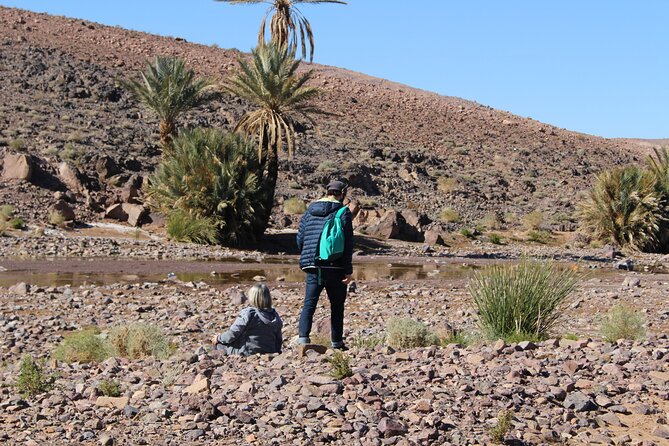
Your day begins at 8:00 am in M’Hamid, the desert settlement at the edge of the Sahara. The activity returns to this same meeting point at the end, which makes planning your onward travel easier than with a point-to-point trek.
Pickup is offered, but private transportation is not part of the price. The area is near public transportation, though the practical details of any pickup should be settled before departure. If you are arriving from elsewhere in Morocco, allow enough time to reach M’Hamid without turning the morning meeting into a race.
The first hours are about adjusting to the pace. This is not a dune ride with a short walk attached. You are on foot for much of the day, following routes shaped by animals, herders, and the movement of nomadic communities. The desert can look empty from a distance, but your guide can point out the signs that make it readable: tracks, plants, changes in the sand, and places where people or animals have passed.
The route is described as a quieter section of the Draa Valley. That matters if you want a slower experience, but it also means fewer facilities and fewer easy exits. Once the walking begins, you should be ready for several hours away from shops, roads, and electrical outlets.
A few more treks around Morocco worth a look
- Combined Tour: Atlas Mountains Trek and Sahara Desert 5 days Tour
★ 5.0 · 23 reviews - 5 Days Desert Trekking from Marrakech
★ 5.0 · 16 reviews - Trekking in Morocco / Atlas Mountains and Sahara Trek (5days)
★ 5.0 · 8 reviews
Days one and two: Ergs, animal trails, and desert plants
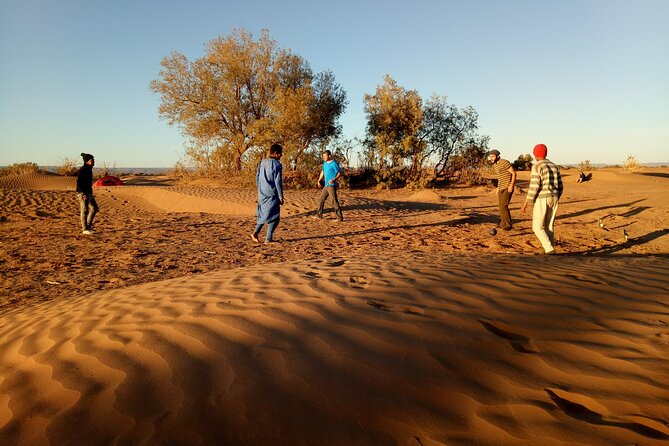
The early part of the trek introduces you to the ergs, the broad sandy areas shaped by wind. These dunes are not just pretty backdrops. They have been part of the lives and movement of people in the region, and the route uses them to show how desert travel works beyond a marked tourist path.
You will follow traces left by animals that live around the Sahara’s edge. The experience is not built around seeing a long list of wildlife, so you should not book it as a wildlife tour. Instead, the interest lies in noticing how animals use the same limited resources as people, moving through terrain that appears harsh but supports pockets of life.
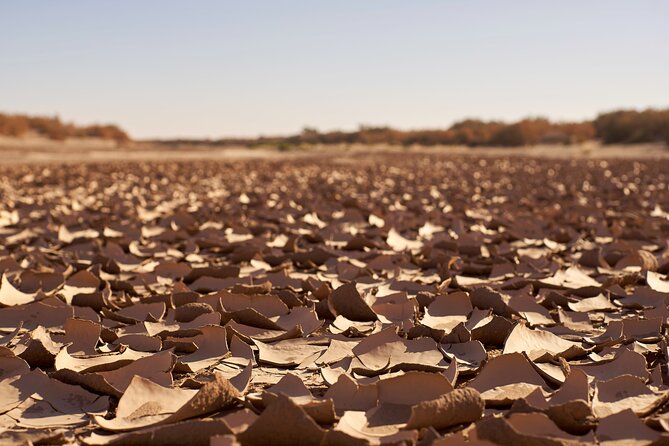
The Draa Valley also offers a useful correction to the idea that the Sahara is only sand. Some sections are arid and bare. Others support plants that have adapted to heat, wind, and limited water. That change gives the walk more variety and helps explain why the valley has supported human life for so long.
The first nights are likely to set the tone for the rest of the stay: simple sleeping arrangements, meals prepared by the team, and open-air evenings. Eating and sleeping equipment is included, but the sleeping bag is not. Bring one suited to the season, since desert nights can feel very different from hot afternoons.
Days three and four: A slower look at nomadic life
The middle days are where the cultural side of the trip becomes most important. The guides are not simply leading you from one GPS point to another. The experience is meant to introduce you to nomadic life, including customs, food, desert travel, and the routines required to live with few supplies.
Bakkar and Mohammed are named as guides connected with the trek. The wider team may include four nomadic guides, camel handlers, a cook, and drivers supporting the operation. Their presence gives the trip a human center, especially when the walking becomes tiring.
You may share songs, dancing, humor, and stories around the fire. Bread baking is another memorable part of the food experience, and meals are repeatedly praised for being generous and well organized. Do not expect restaurant variety or a menu you can choose from each day. The appeal is fresh, communal food made in a place where cooking requires planning and practical skill.
This is also the point where the lack of modern comforts becomes more noticeable. One account describes five days without a smartphone, laptop, or power outlet. That can feel liberating if you want a proper break, but frustrating if you need to work, charge equipment, or stay in regular contact.
Bring your phone for photographs if you like, but treat it as a camera rather than your main connection to the outside world. Since the supplied details do not promise electricity or reliable service, prepare for a real pause from daily digital habits.
Day five: Finishing the desert circuit
The final day completes the walking portion and brings you back to M’Hamid, the original meeting point. The return is useful from a planning point of view, but it may also make the last stretch feel long if your legs are tired after several days of walking.
The scenery remains the main reward. You will see the contrast between sandy ergs, dry open ground, and parts of the valley where plants have adapted to desert conditions. The route is less about ticking off famous sights and more about understanding how the Draa Valley changes as you move through it.
The exact overnight locations and daily distances are not supplied, so ask for a day-by-day outline before departure. The description also refers to a two-day trek in one place and a five-day experience elsewhere. That may be a wording error or a reference to a shorter version, but it is worth clearing up in writing.
Same trailhead, a longer or shorter day out:
- Mt Toubkal Ascent Express Trek 2 Days 1 Nights
★ 4.7 · 962 reviews - Marrakesh: 2-Day Mt. Toubkal Trek with 1-Night Stay & Meals
★ 4.7 · 795 reviews - Marrakech: 2-Day Atlas Mountains Trek with Village Stay
★ 4.8 · 717 reviews - From Marrakech: 3-Day Mount Toubkal Climbing Trek
★ 4.7 · 597 reviews
What the $581.62 price includes
At $581.62 per person, this is not a cheap quick excursion. You are paying for five days of guiding and support rather than a few hours in the dunes. The price includes eating and sleeping equipment, plus all fees and taxes.
The strongest value comes from the length and the local team. A multi-day walk needs food, cooking supplies, sleeping arrangements, route knowledge, and people to carry or organize equipment. The cultural access also adds value, especially if you care more about meeting local guides and learning desert customs than about luxury.
Still, the inclusions need careful reading. Your sleeping bag is excluded, and private transportation is not included. If you need a transfer to or from M’Hamid, budget for it separately. The trip price also does not turn the desert into a comfortable hotel. You are paying for support in a remote setting, not private rooms, charging stations, or a soft bed.
A private activity means only your group participates. That can be a major advantage if you want a flexible pace or prefer not to walk with strangers. It can also mean a higher cost per person than a large shared departure. At this price, I would ask how many people are in your group and exactly what transport, meals, and sleeping gear are provided.
Food, sleep, and the practical side of the trek
The food appears to be one of the strongest parts of the experience. The team prepares succulent meals and includes traditional cooking moments, including bread made during the trek. Even simple food tastes better after several hours of walking, and shared meals help turn the desert camp into a social place rather than just a sleeping stop.
Sleeping is more basic. Equipment is supplied, but not the sleeping bag. Since no detailed accommodation description is provided, ask whether you will sleep in tents, under shelter, or directly under the stars on your departure. Open-air nights are part of the appeal, but the setup may vary with weather and the group’s needs.
Pack light, but do not skimp on essentials. You will want sturdy walking shoes, sun protection, loose clothing, a warm layer for night, a reusable water container, and your own sleeping bag. Those are practical recommendations for a five-day desert walk, not luxury extras.
The moderate fitness requirement deserves attention. Walking 13 to 17 kilometers for several days is demanding even without steep climbs. Sand can make each kilometer harder, and heat can affect your pace. If you are unsure of your stamina, ask about rest breaks, luggage arrangements, and the expected walking hours before booking.
The guides and the human side
The most highly praised part of this experience is the team. The names Bakkar and Mohammed appear in connection with a five-day trek, and the wider group is described as four friendly professional nomads. Their role is central: guiding, cooking, organizing camp, sharing traditions, and helping the group manage the daily walk.
That personal contact is what separates this from a standard desert outing. You are not simply looking at dunes from a vehicle. You are learning how people read the desert, move through it, prepare food in it, and make a life in a place with few visible resources.
The team is also praised for care from start to finish, including the cook, camel handlers, and drivers. Because the trip is private, you can ask questions and talk more easily than you might in a large group. The experience should suit you if you enjoy conversation, cultural exchange, and a friendly shared routine.
You should also keep your expectations grounded. A local guide does not mean the trek is physically easy, and a warm welcome does not guarantee every comfort. The value is in the people, the setting, and the chance to spend several days following their pace.
Who should book this trek?
I would recommend it to fit hikers who want a real desert stay rather than a short photo stop. It is a good match for you if you enjoy long walks, simple meals, outdoor sleeping, quiet evenings, and time away from screens.
It also suits people who want a private experience with local guides. Couples, friends, and small family groups may appreciate having only their own party on the activity. The cultural side should appeal to anyone curious about nomadic traditions, desert cooking, and the daily work behind life in the Sahara.
I would be more cautious if you need reliable electricity, regular phone access, hotel-style sleeping arrangements, or a tightly scheduled sightseeing program. The route is not presented as a list of famous monuments. Its appeal is the open desert, the changing Draa Valley, and the steady rhythm of walking.
Book only after confirming the five-day schedule, the exact route, the sleeping setup, and transportation to M’Hamid. The cancellation terms are strict close to departure: a full refund requires cancellation at least six full days ahead, while cancellations two to six full days before departure receive 50 percent. Less than two full days before departure brings no refund.
Should you book it?
Book this Draa Valley trek if you want five days of walking, local company, simple desert living, and a genuine break from modern noise. The strongest reasons to go are the nomadic guides, the food and fireside evenings, and the chance to see a less frequented part of the valley on foot.
Skip it if you are looking for a comfortable desert resort, a short camel excursion, or a precise sightseeing itinerary. Before committing $581.62, get clear answers about the two-day wording, the daily route, transport, and sleeping arrangements. If those details suit you, this can be a meaningful and physically demanding way to meet the Sahara.
FAQ
Where does the trek start?
It starts in M’Hamid, Morocco.
Where does the trek end?
The activity ends back at the meeting point in M’Hamid.
What time does the trek begin?
The stated start time is 8:00 am.
How long does the experience last?
The experience is described as approximately five days.
Is pickup available?
Yes, pickup is offered.
Is private transportation included?
No. Private transportation is not included.
Is this a private activity?
Yes. Only your group participates.
How much walking should I expect?
The supplied details indicate daily walking distances of approximately 13 to 17 kilometers.
Do I need a sleeping bag?
Yes. A sleeping bag is not included, so you need to bring your own.
What level of fitness is required?
A moderate level of physical fitness is recommended.
Are meals and sleeping equipment included?
Eating and sleeping equipment is included, along with all fees and taxes. The sleeping bag is excluded.
Can I cancel for a full refund?
Yes, if you cancel at least six full days before the experience start time. Cancellations two to six full days before departure receive a 50 percent refund, while cancellations less than two full days before departure are not refunded.
Recently added around Morocco
- Berber villages trek Day trip★ 5.0 · 12 reviews
- Day Trekking Atlas Mountains★ 4.5 · 10 reviews
- two days valley trek in the Atlas mountains★ 4.5 · 2 reviews
- 2 Days Trek to Atlas Mountains berber villages★ 5.0 · 25 reviews
- Trekking 8 days in the Moroccan desert from Marrakech★ 5.0 · 4 reviews
- 2 days Toubkal adventure Trek★ 5.0 · 5 reviews
- Mount Toubkal Trek: 2-Day Adventure★ 5.0 · 26 reviews
- Toubkal Ascent Trek – Atlas Mountains – 2 days (Private Trek)★ 5.0 · 8 reviews
5-Day Experiences, compared.
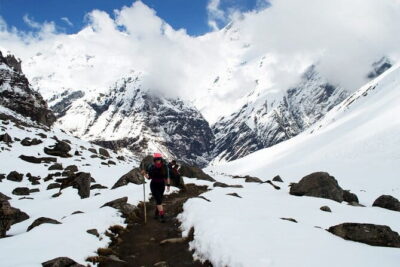
Kathmandu to Annapurna Base Camp (ABC) 5-Day Trek
Read our review →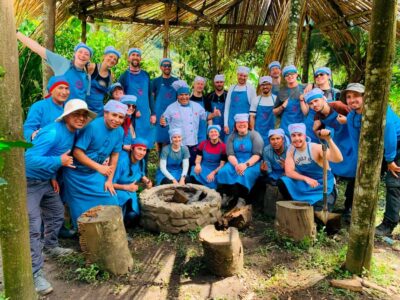
Machu Picchu: 5-Day Salkantay Trek with Panoramic Train
Read our review →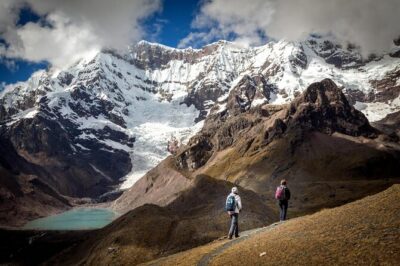
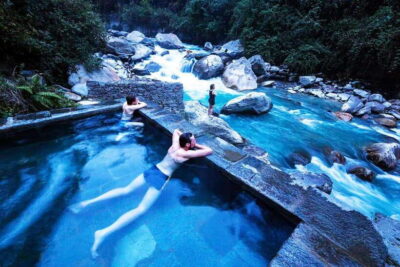
Kathmandu/Pokhara: 5-Day Annapurna Base Camp (ABC) Trek
Read our review →

5-Day Pearl of Africa Chimps and Gorilla Trekking Safari
Read our review →Browse the lists this tour appears in