
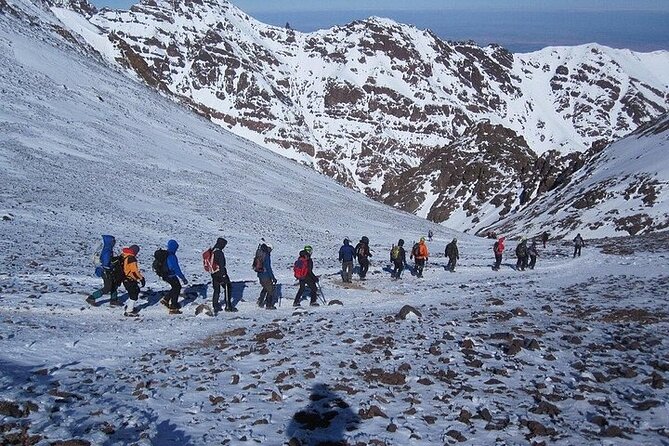
REVIEW · MARRAKECH
2 days Toubkal adventure Trek
Morocco’s highest summit is closer than it looks. This two-day trek takes you from Marrakech to Imlil, then through Berber villages and the High Atlas to Mount Toubkal, with a guide, mule support, meals, transport, and mountain-hut lodging arranged along the way. I like the way the trip combines a serious mountain climb with direct contact with village life, and I also like the low $90 price, which covers more than many short mountain excursions.
The main caution is simple: this is not a gentle sightseeing walk. You need a strong level of fitness for the long uphill sections, the early summit start, and the descent. The schedule also leaves little room for a slow morning, since breakfast is around 5:00 a.m. and the summit climb begins at about 5:30.
Key points to know before booking
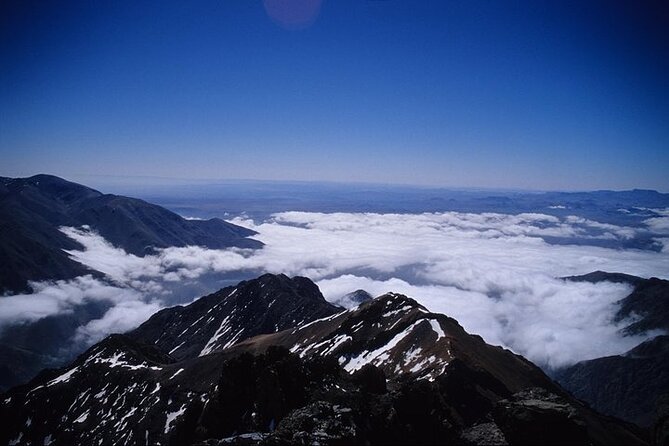
- Mount Toubkal summit attempt: Reach the summit after roughly three to four hours of uphill walking from the refuge.
- Imlil starting point: Begin at 1,740 meters, about 67 kilometers southwest of Marrakech.
- Berber villages and Sidi Chamhrouch: Walk a mule track through mountain communities to the shrine at approximately 2,500 meters.
- Mountain refuge at 3,200 meters: Spend the night near the high point of the route before the early summit climb.
- Small group format: The maximum group size is 12 people, with English, French, and Spanish guiding available.
- Useful low price: At $90 per person, the package includes Marrakech transport, meals, tea or coffee, a guide, and mule support for luggage and supplies.
From Marrakech to Imlil at 1,740 meters
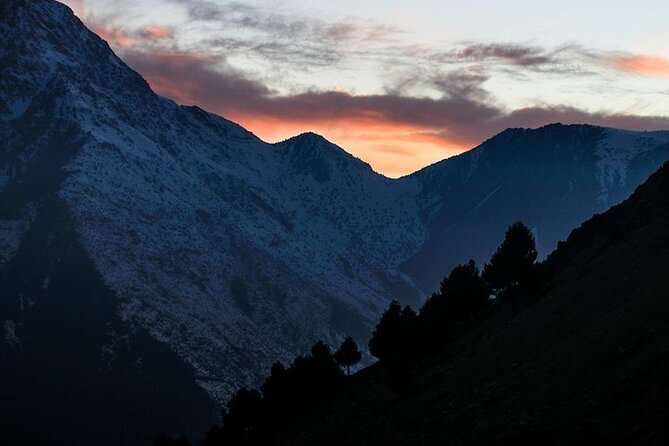
The trip begins with pickup in Marrakech and a drive into the High Atlas. The published meeting time is 9:00 a.m., although the day-one plan also refers to an early breakfast at your hotel, so you should confirm the exact pickup hour when booking. This small check matters because the drive and the walk to the refuge fill most of the day.
Imlil is the practical gateway for the trek. At 1,740 meters, it feels quite different from Marrakech, and it gives you a clear change of pace before the route turns uphill. Here you meet the mountain team, including the guide and muleteers. The mules carry luggage, food, and other equipment supplied for the trek, which means you do not need to carry every item on your back.
That support is one of the best features of the trip. You still need a daypack with water, warm layers, snacks, and personal essentials, but you are not expected to haul your full overnight load up the mountain. For a climb that gains substantial height in a short time, this makes the walk more manageable.
The group limit of 12 is also useful. It is small enough for a guide to keep an eye on the pace, yet large enough to create a social atmosphere. If you want a private, silent mountain day, this is not that kind of outing. If you enjoy sharing the climb with a few other people, the format should work well.
More Atlas Mountains Treks in Marrakech:
- Marrakesh: 2-Day Mt. Toubkal Trek with 1-Night Stay & Meals
★ 4.7 · 795 reviews - Marrakech: 2-Day Atlas Mountains Trek with Village Stay
★ 4.8 · 717 reviews - From Marrakech: 3-Day Mount Toubkal Climbing Trek
★ 4.7 · 597 reviews
The mule track through Berber villages
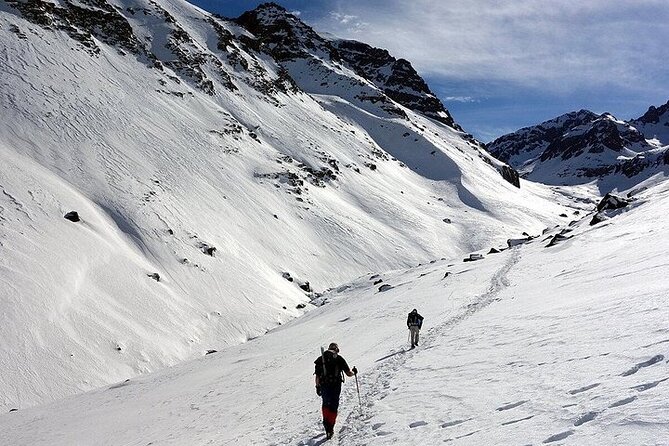
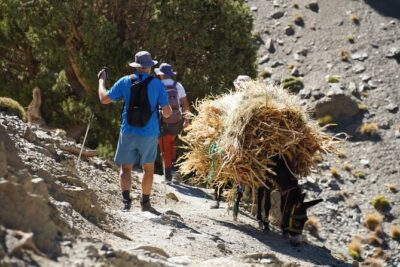
Within about half an hour of leaving Imlil, you begin walking with an experienced mountain guide. The route follows a mule track through Berber villages, giving you a look at the settled side of the High Atlas before the terrain becomes more remote and rugged.
This part of the walk is important because the trek is not only about reaching the summit. The villages help you understand how the mountain route functions. Muleteers move supplies, guides set the pace, and the path links homes, shrines, huts, and high passes. You get a more grounded experience than you would from a quick drive to a viewpoint.
The route climbs steadily toward Sidi Chamhrouch, a shrine at about 2,500 meters. The stop provides a natural break before the final push to the refuge. Lunch is planned here, followed by a short rest. Meals are included, as are coffee and tea, so you are not left to organize food along the route.
Still, do not mistake included meals for unlimited mountain snacks. Carry water and a few energy foods you already know you can eat while walking. The itinerary mentions nuts and water during the second day’s climb, but your own supply is still worth having.
The walk to Sidi Chamhrouch is likely to be the first point at which you really notice the altitude. You may feel fine at the start and then slow down as the path rises. That is normal. Keep your stride short, drink regularly, and tell the guide if you need a pause. The guide’s job is not simply to lead from the front. The strongest feedback connected with the operator praises guides such as Abdul and Abdula for being caring, friendly, and willing to adjust the day to the group.
Sleeping near 3,200 meters
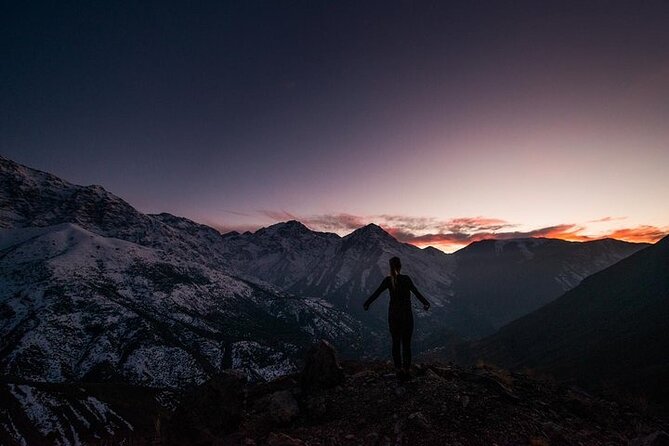
After lunch and a break at Sidi Chamhrouch, you continue toward the mountain refuge at roughly 3,200 meters. This is a serious gain from Imlil in one day, which explains why the trek requires good physical fitness.
The refuge is a functional overnight stop, not a hotel. The provided details do not specify room arrangements or bedding, so you should ask about the sleeping setup before departure. A sleeping bag is not included, and you will need to bring one or arrange one separately.
This is also where the schedule becomes more demanding. You arrive after a full uphill day, but the summit attempt starts before sunrise. Breakfast is planned for around 5:00 a.m., with the climb beginning at approximately 5:30. That early start helps you avoid the strongest sun on the exposed route, but it also means a short night.
I like this timing in practical terms. Walking in cooler conditions is easier than tackling the upper slopes later in the day. The drawback is that you need to be comfortable with an early wake-up after several hours of climbing. If you sleep poorly at altitude, day two may feel tough even if day one went well.
The 5:30 a.m. climb toward Mount Toubkal
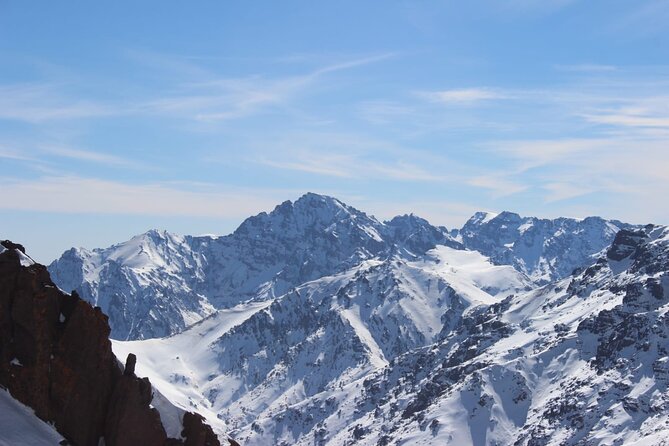
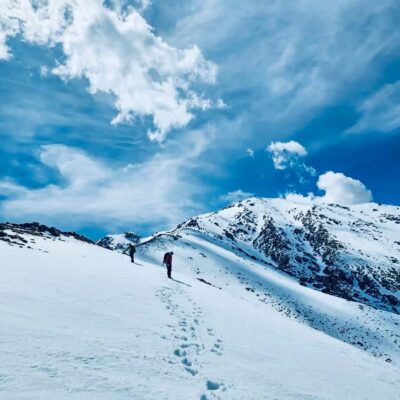
After breakfast, you climb step by step above the refuge. The route takes about three to four hours uphill before you reach the summit area, depending on pace and conditions. The plan includes a short break above the hut with nuts, water, and time to recover.
This is the part that tests your legs. The walk is not described as a technical climbing route, but that does not make it easy. The main challenge is the sustained ascent, the altitude, and the early hour. You should expect a slow, steady effort rather than a quick hike.
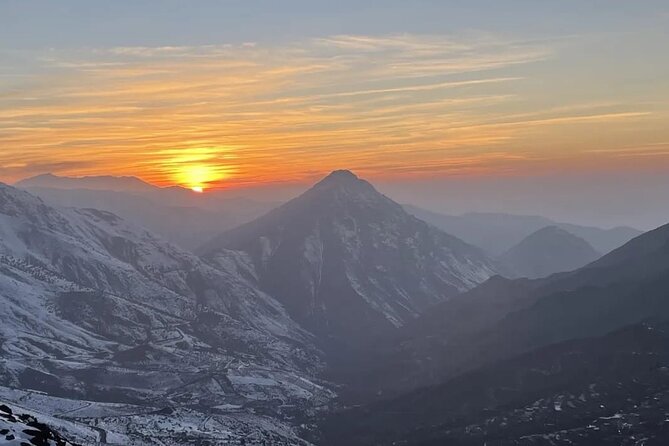
The reward comes gradually. As you gain height, the High Atlas opens below you. The route gives you broad views of green valleys and Berber villages, with the mountains spreading out in every direction. The description compares the view to looking down from the air, which captures the scale of the scene better than a simple claim of great views.
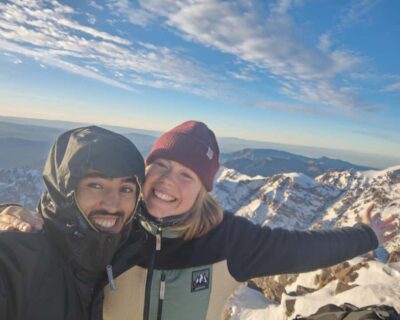
At the summit of Jebel Toubkal, you get time for photographs and a short pause to enjoy the view. The summit stop is not just a box to tick. It gives you a clear sense of how far you have climbed from Imlil and the refuge. For many people, that moment will be the emotional center of the two-day trip.
Weather matters here. The experience requires good conditions, and poor weather can lead to a different date or a full refund. This is sensible for a high mountain route, where cloud, wind, or poor visibility can change the character of the climb quickly. You should keep some flexibility in your Marrakech plans.
More Two-Day Treks in Marrakech:
- From Marrakesh: 2-Day Mount Toubkal Trek
★ 4.7 · 591 reviews - Toubkal Trekking 2 Days
★ 5.0 · 98 reviews - Toubkal trek – 2 days
★ 5.0 · 90 reviews - Marrakech: 2-Day Atlas Villages Trekking Tour
★ 4.5 · 76 reviews
The descent, lunch, and the long way back
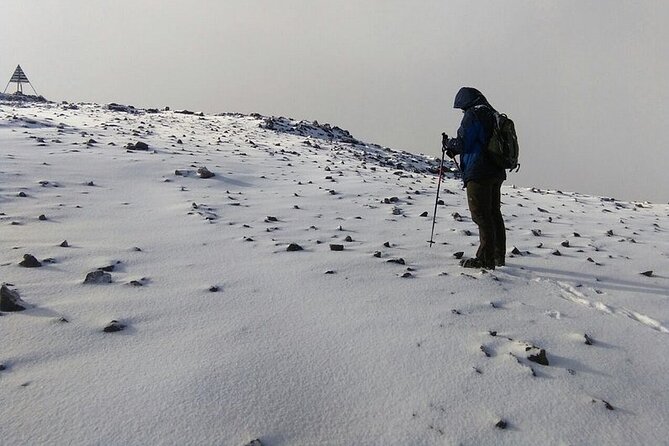
After the summit break, you head down toward the hut and have lunch before continuing downhill. The descent is easier on your breathing, but it can be hard on your knees and thighs after the summit climb. Trekking poles would be useful, though they are not listed among the included equipment.
The route description says you walk down the hill after lunch. It does not provide an exact finishing time or specify every stop on the return. That is worth understanding before booking: you receive a clear outline of the summit plan, but not a minute-by-minute schedule for the descent and return to Marrakech.
The second day also offers a different view of the same country. Going downhill lets you notice the villages, valleys, and mule paths from a new angle. The mountain scenery is not a backdrop you rush past in a vehicle. You spend enough time walking through it to see how the route connects the high refuge with Imlil and the road back to Marrakech.
A few practical points make the descent more pleasant. Wear shoes with solid grip, protect yourself from the sun, and keep your water close. The itinerary emphasizes an early start to avoid the sunny way, so sun protection remains important even if the morning begins cool.
What the $90 price really covers
At $90 per person, this is an unusually broad package for a two-day mountain trip. You receive transport from Marrakech, a mountain guide, meals, coffee or tea, and mule support for luggage, food, and equipment. That combination removes several costs and planning tasks that could otherwise add up.
The price is especially good for someone who wants a guided summit attempt without arranging separate transport, food, and muleteers. The guide languages listed are English, French, and Spanish, which gives you a useful choice if communication matters during a demanding climb.
The low price also means you should keep expectations sensible. This is an organized mountain adventure, not a luxury retreat. You are paying for access, support, food, and guiding rather than comfort. A sleeping bag is extra, and tips are not included.
The supplied information does not state the cost of a sleeping bag rental, the exact refuge conditions, or the final return time. I would ask those questions before paying, especially if you are traveling with limited luggage or need to plan an evening in Marrakech.
The guides and the human side of the trip
The most warmly praised part of the operator’s service is the guiding. Abdul is described as professional, caring, and able to adjust arrangements to suit the group. Abdula is praised for his friendly manner and for sharing information about Morocco beyond the mountains. Those qualities matter here because a good guide can make a hard climb feel organized rather than stressful.
Other names connected with the operator include Ibrahim, praised for safe driving, and Daddy and Abdelhadi, remembered for keeping the journey cheerful and helping with photos and good moments. The exact guide assigned to your departure may differ, so treat these names as examples rather than a guarantee.
The personal contact is a real reason to choose this trek. You are not simply following a route with a map. You have a local guide who can help with pacing, explain the area, and handle the practical details around meals, luggage, and the mountain hut.
There was also a minor transport delay on one reported outing because the group waited for a full bus. That sounds small, but it is a useful reminder that shared transport can be less exact than a private car. The maximum group size is 12, but the vehicle arrangement may still affect timing, so allow some flexibility.
Who should book this two-day climb?
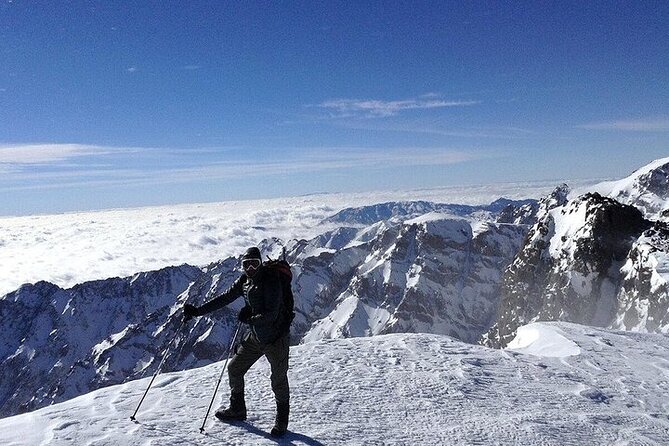
This trek suits you if you want a demanding but organized introduction to the High Atlas. It is a strong choice for people who value mountain scenery, village routes, local guides, and a real summit goal more than hotel comfort or a relaxed timetable.
You should be comfortable walking uphill for several hours, sleeping at a mountain refuge, waking before dawn, and descending for much of the second day. The experience specifically requires a strong physical fitness level, so it is not a good pick for a casual stroll or a first test of hiking fitness.
It could also suit an active couple, a small group of friends, or a family with older teenagers who already hike and can manage the physical effort. The birthday outing praised the atmosphere, photos, and cheerful staff, showing that the trip can work for a celebration as well as a personal challenge.
I would be more cautious if you dislike shared transport, need precise timing, or expect a comfortable overnight stay. You should also reconsider if you have no experience with long uphill walks. A two-day schedule gives you very little spare time if you fall behind.
Free cancellation is available if you cancel at least 24 hours before the start time. Changes made inside that window are not accepted, and poor weather or failure to reach the minimum group size can lead to a new date or a full refund.
Should you book the Toubkal adventure?
Book it if you want a low-cost, guide-supported summit attempt with Marrakech transport already handled. The best parts are the climb through Berber villages, the views from the upper High Atlas, the included meals and mule support, and the human touch provided by guides such as Abdul and Abdula.
Skip it if you want a soft adventure, a late start, or a polished hotel-style overnight. Mount Toubkal demands effort, and this schedule asks you to climb early after a full first day on the trail.
For a fit walker who accepts basic mountain conditions, $90 offers strong value. Bring a sleeping bag, confirm the pickup time and refuge arrangements, and prepare for a long uphill day followed by an even earlier summit morning. Then you will know exactly what you are signing up for.
FAQ
How long is the Toubkal adventure?
The experience lasts approximately two days.
Where does the trek begin?
The walking portion begins in Imlil, at approximately 1,740 meters and about 67 kilometers southwest of Marrakech.
Is transport from Marrakech included?
Yes. Transport from Marrakech is included, and pickup is offered.
What time does the experience start?
The stated meeting time is 9:00 a.m. The plan also refers to an early hotel breakfast, so confirm the exact pickup time when booking.
How early does the summit climb begin?
Breakfast is planned for around 5:00 a.m., followed by the summit ascent at approximately 5:30 a.m.
Is a sleeping bag included?
No. You need to bring or arrange your own sleeping bag.
What languages can the guides speak?
Guiding is available in English, French, and Spanish.
What happens if bad weather cancels the trek?
You will be offered a different date or a full refund if poor weather causes the experience to be canceled.
Recently added around Marrakech
- Berber villages trek Day trip★ 5.0 · 12 reviews
- 2 Days Trek to Atlas Mountains berber villages★ 5.0 · 25 reviews
- Day Trekking Atlas Mountains★ 4.5 · 10 reviews
- two days valley trek in the Atlas mountains★ 4.5 · 2 reviews
- Trekking 8 days in the Moroccan desert from Marrakech★ 5.0 · 4 reviews
- Mount Toubkal Trek: 2-Day Adventure★ 5.0 · 26 reviews
- Toubkal Ascent Trek – Atlas Mountains – 2 days (Private Trek)★ 5.0 · 8 reviews
- Trekking and Hiking in Morocco 2 Day trek in Atlas Mountains Berber villages★ 5.0 · 10 reviews
Atlas Mountains Treks, compared.
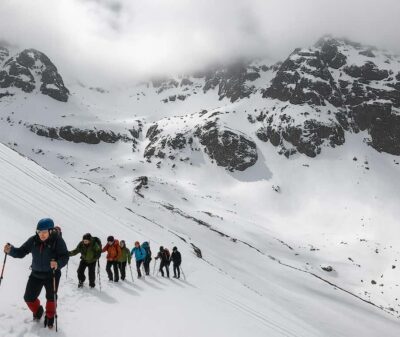
Mt Toubkal Ascent Express Trek 2 Days 1 Nights
Read our review →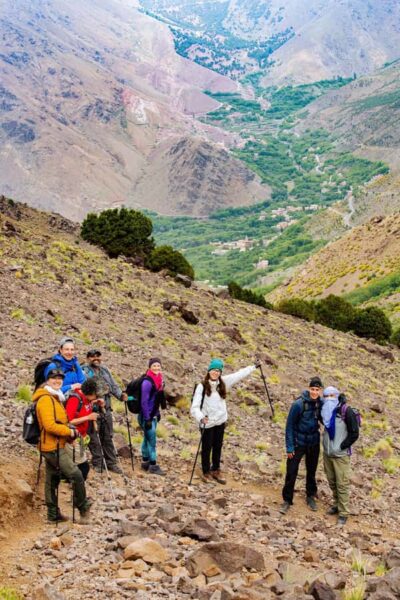
2-Day Mt. Toubkal Trek with 1-Night Stay & Meals
Read our review →
Summiting and Hiking the Atlas Mountains Day Trek from Marrakech
Read our review →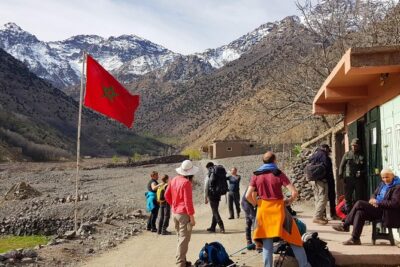
Browse the lists this tour appears in