
REVIEW · INDIA
8 Days Markha Valley Trek: Shared Tour with Meals Included
High passes reward steady preparation. This eight-day Markha Valley trek combines Ladakh’s monasteries, village trails, river crossings, camping, and high-altitude walking with a guide and support crew. You begin and end in Leh, with time to adjust before the trek reaches Nimaling at 4,900 meters and Kongmaru La at 5,260 meters.
I like the small maximum group of 10, which should make briefings, trail pacing, and practical help easier than on a large coach-style tour. I also like that meals, permits, airport transfers, trekking support, emergency oxygen, and first aid are built into the price. The main caution is altitude: the trek requires moderate fitness, and the highest days are serious mountain days, not casual walks.
Key points at a glance
- Two full days around Leh first: Visit Thiksey, Stakna Monastery, Leh Palace, Shanti Stupa, and Leh Market before walking at altitude.
- High point at 5,260 meters: Kongmaru La is the toughest and highest section of the route.
- Meals are included: The package covers seven breakfasts, seven dinners, and six lunches.
- Practical trekking support: A guide, porters or pack-animal support for camping gear, one bag per person, permits, oxygen, and first aid are included.
- Cultural stops add range: Monasteries and Ladakhi villages keep the trip from being only a long mountain hike.
- Shared but limited in size: The group can include up to 10 people, with pickup offered at Leh Airport.
Why the Markha Valley route works so well
The appeal here is variety. You are not walking through one unchanging mountain setting for eight days. The trip begins with Buddhist sites and town streets, then moves toward the Zanskar River, Markha Valley villages, high grazing country, a major pass, and Hemis Monastery.
That mix matters. A trek can become tiring when every day is only about distance and elevation. Here, the first two days give you cultural sights and time to adjust to Leh’s altitude. Later, the route shifts into longer walking days, with the mountain scenery becoming the main event.
The arrangement also suits people who want support without giving up the feeling of a real trek. You are still sleeping and walking in a mountain setting, but you are not expected to organize permits, carry all camping supplies, or plan every meal yourself. Travel With Susmita supplies a professional trekking and acclimatization guide, transportation, and a support system for camping gear.
The package costs $1,298.86 per person. That is not a budget walk, but the price includes a substantial amount: airport pickup and drop-off, sightseeing transport, permits and environmental fees, guide service, trekking support, camping gear support, meals, parking, emergency oxygen, and first aid. Flights to Leh, insurance, monument fees, personal equipment, and medical or evacuation costs remain your responsibility.
A few more treks around India worth a look
- Half day trekking (munnar valley Trekking & Tours )
★ 5.0 · 310 reviews - Nag Tibba 2 Days Trek (Pantwari to Pantwari)
★ 5.0 · 274 reviews - Bhrigu Lake and Alpine Meadow Trek
★ 5.0 · 121 reviews
Days 1 and 2: Let Leh set the pace
Your first meeting point is Leh Airport, also called Kushok Bakula Rimpochee Airport. The scheduled pickup window is from 9:00 to 10:00 in the morning. The flight into Leh can offer striking mountain views, but the important practical point is what happens after landing: you need time to adjust.
Day 1 includes time around Thiksey. You meet the trekking guide at your hotel for a briefing about the route ahead. This is useful because you can ask about walking pace, clothing, personal medication, and the equipment you plan to carry before the trail begins.
Thiksey gives you a gentle first look at Ladakh’s Buddhist setting. The plan allows about two hours, so think of it as a calm introduction rather than a long sightseeing session. Keep the first day easy. A short walk that feels ordinary at lower altitude can feel demanding in Leh.
Day 2 is the main sightseeing and acclimatization day. Stakna Monastery sits on a hill near Leh and is known for its murals, statues, architecture, and religious collection. The visit is scheduled for about three hours, and entry is not included.
The day also includes Leh Royal Palace, the nine-story 17th-century palace overlooking the city. It offers a useful sense of Ladakh’s former royal center, though the visit involves walking and stairs. If you are already feeling the altitude, take your time rather than rushing through the building.
Shanti Stupa provides broad views over Leh and the surrounding mountains. The white-domed structure was built in 1991 by Japanese Buddhists and holds Buddhist relics. It is another paid stop, along with the palace and Stakna Monastery, so set aside about $20 per person for monument and monastery entries.
Leh Market brings the day back to ordinary local life. You can browse shops and stalls, walk through the center, and pick up personal snacks for the trek. The tour specifically recommends carrying favorites such as chocolates, snacks, and non-alcoholic drinks. That is sensible advice, especially if you have particular tastes or need quick energy during long walking days.
Day 3: From Chilling toward the trail
Day 3 begins after breakfast with a drive of about two and a half hours alongside the Zanskar River to Chilling Village. The stop is planned for about seven hours, making it a transition day between town sightseeing and the walking portion of the trip.
Chilling is associated with the start of the mountain route. The drive gives you a chance to see the river valley from the vehicle before you begin moving on foot. Since the day includes transport as well as trail preparation, you should keep your daypack practical and easy to reach.
The information provided does not give a full walking distance for this day, so do not assume it is either a rest day or a full-distance trek. Your guide will set the rhythm and explain how the support system works. Personal hiking and camping equipment is recommended, and you should arrive with medication, toiletries, and any clothing you know you need.
Day 4: Markha Valley villages and pack horses
Day 4 takes you from Sara toward Markha Village. One memorable part of the morning is watching pack horses being loaded with trekking gear. This is not just a photo opportunity. It shows how the trek’s camping system works and explains why you only need to carry your personal day-to-day items.
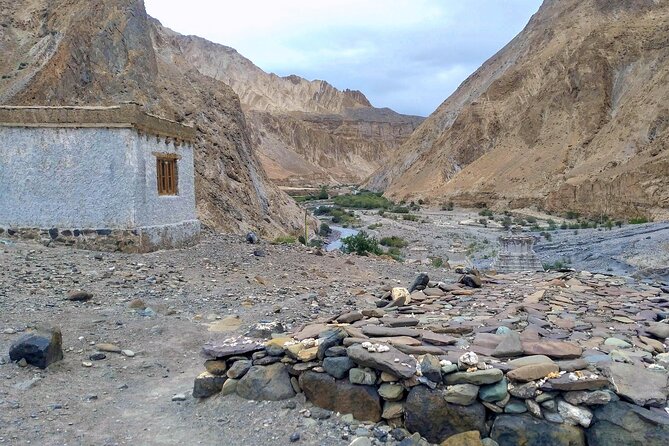
The scheduled walking portion is about four hours. That makes this a useful introduction to the rhythm of the valley, though the actual effort will depend on the trail and altitude. Markha Village is the kind of stop that gives the route a human scale. You are not simply passing through empty mountain country; you are moving between places where local life continues.
The trip includes camping-related support and one bag per client. Confirm with the operator before departure what size and weight limits apply, since the supplied details do not specify them. Keep essentials such as water, medication, warm layers, sunscreen, and snacks with you rather than in the supported luggage.
Same trailhead, a longer or shorter day out:
- Har Ki dun Trek by Himalaya Shelter
★ 5.0 · 102 reviews - Wild Elephant Anakulam & Waterfalls Tour(munnar valley Trekking)
★ 5.0 · 98 reviews - Friendship Peak Trek
★ 5.0 · 94 reviews - Half Day Hiking in Munnar Trekking Tour
★ 5.0 · 89 reviews
Day 5: Fifteen kilometers from Markha to Thachungtse
Day 5 is a longer trek, covering 15 kilometers from Markha to Thachungtse. The walking time is listed at about seven hours, so this is one of the days when a comfortable pace matters more than speed.
The route follows the river, with the setting changing as you move through the valley. River travel gives the day a clear visual thread, while the changing mountain surroundings keep the walk interesting. You will need endurance here, but the schedule is not presented as a race. A good guide should help the group maintain a manageable pace.
This is also where the included meals become valuable. Breakfast and dinner are covered every day, and lunch is included on six days. You do not need to spend your evening arranging food after a long walk, though you should still carry small personal snacks and drinks.
The listed package does not include WiFi or onboard restroom facilities. Those omissions matter less on the trail than in the vehicle sections, but you should expect a trip built around basic mountain travel rather than constant convenience.
Day 6: Climbing to Nimaling at 4,900 meters
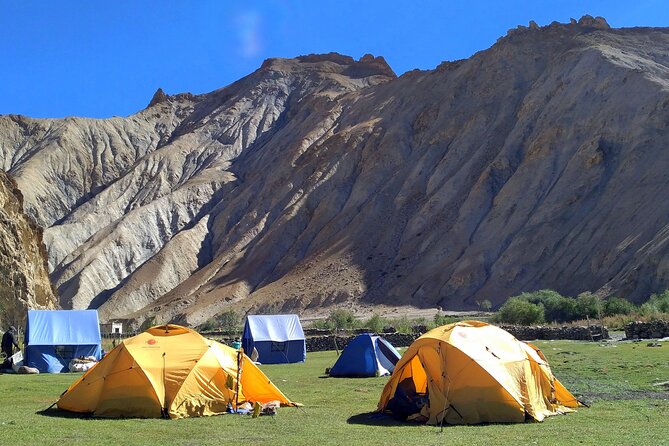
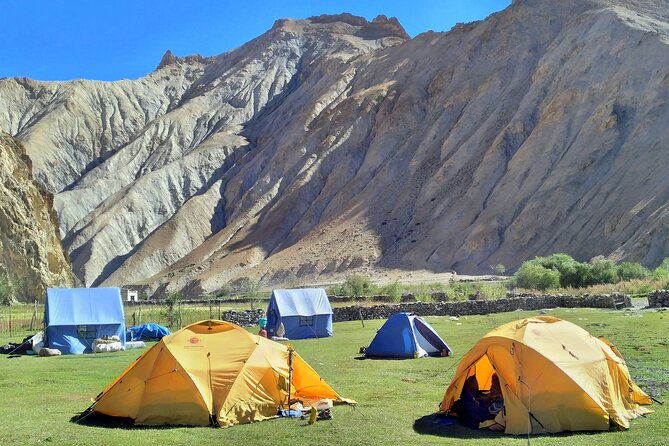
Day 6 heads to Nimaling campground. The walk covers about 10 kilometers and takes four to five hours, with the camp reaching 4,900 meters. The shorter distance does not make it an easy day. Altitude changes the calculation.
At this height, you may find that ordinary exertion feels harder than expected. The guide’s experience with trekking and acclimatization is especially important here. Walk slowly, drink according to the guide’s advice, and tell the guide early if you feel unwell. Emergency oxygen and a first aid kit accompany the guide, but those items are safety measures, not substitutes for travel insurance or medical planning.
Nimaling is one of the trip’s major mountain moments. The setting brings you close to the high Himalayas, but it also demands respect. You should be comfortable with camping, cold conditions, and limited personal facilities. The tour recommends bringing suitable hiking and camping gear, and that advice should be taken seriously.
Day 7: Kongmaru La, the hardest day
Day 7 is the peak of the trek in every sense. The climb to Kongmaru La reaches 5,260 meters, the highest point of the route. The walking schedule is about seven hours, followed by a visit to Hemis Monastery that lasts around three hours.
The pass will likely be the most demanding section. The combination of steep ascent, altitude, uneven ground, and a long day means you need good physical preparation. The tour lists a moderate fitness requirement, but I would read that as a baseline. If you have little experience with long walks or high-altitude trekking, speak with the operator before booking.
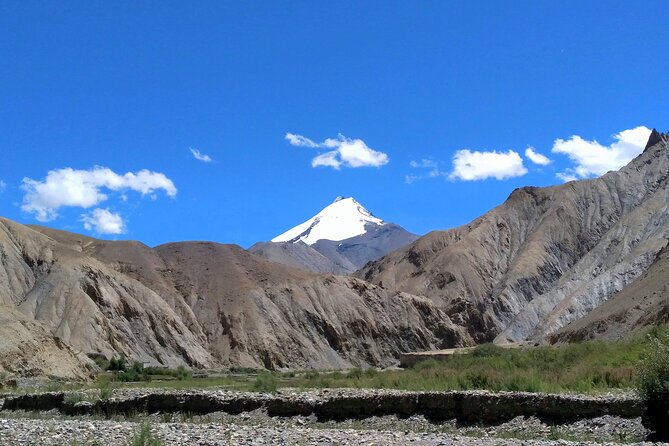
Kongmaru La is also the payoff for the gradual route through the valley. You have had time in Leh, then moved through villages and river country before reaching the high pass. Take the views slowly. The point is not simply to reach the top, but to stay safe and enjoy the mountain setting.
After the pass, Hemis Monastery gives the day a strong cultural finish. Founded in the 17th century, Hemis is the largest monastery in Ladakh and is known for its annual festival with masked dances. The entry fee is not included, so keep cash available if required. After a major pass crossing, the monastery may feel like a dramatic shift from open mountain trail to a place of religious and artistic focus.
Day 8: Returning to Leh
The final morning is deliberately simple. After breakfast in Leh, you have time to pack, reflect on the trek, and take a final walk through town. The scheduled stop is about two hours.
That open time is useful. You may need it for repacking, shopping, or simply resting after Kongmaru La. Airport drop-off and transportation are included, but do not treat the last morning as a guarantee of a long sightseeing session. The provided plan keeps it flexible.
Meals, gear, safety, and what you pay extra for
The food arrangement is one of the tour’s practical strengths. Seven breakfasts, seven dinners, and six lunches are included, which covers nearly the entire organized program. You should still bring favorite snacks, chocolates, and non-alcoholic drinks, particularly if you have dietary preferences that have not been discussed in advance.
The guide travels with emergency oxygen and first aid. Permits, environmental fees, parking, and sightseeing transportation are also included. Airport transfers are covered, which saves you from arranging a separate ride after arriving in Leh.
You still need to budget for:
- Flights to and from Leh
- Travel insurance
- Entry to monasteries and monuments, estimated at about $20 per person
- Personal hiking and camping gear
- Medication and toiletries
- Personal laundry
- Airport or departure taxes, fuel surcharges, and landing or facility fees if applied
Travel insurance is especially important because medical treatment, hospital stays, evacuation, and related fees are not included. The policy should be suitable for trekking at the route’s stated elevations.
Who should book this trek?
I would recommend this trip to an adult who wants a guided Himalayan trek with cultural stops and a manageable group size. It is particularly suited to someone who prefers having transport, meals, permits, and camping support organized in advance.
It can also work for a first trekker who has reasonable fitness and takes the altitude seriously. One past participant described being a rock climber with no trekking experience, then completing the Ladakh trip with a positive impression. That suggests outdoor experience in another discipline can help, but it does not remove the need for preparation.
I would hesitate to recommend it to someone seeking a relaxed holiday, extensive hotel comfort, or a low-altitude walking tour. The move to 4,900 meters and the 5,260-meter pass are real demands. The tour is limited to people aged 18 and above, and refunds are not provided if you end the trip after it has started.
The cancellation terms are fairly strict. Cancel at least six full days before the start for a full refund, two to six days before for a 50 percent refund, and less than two days before with no refund. Poor weather or failure to reach the minimum group size may lead to another date, another experience, or a full refund.
Should you book the Markha Valley trek?
Book it if you want a supported, culture-focused trek rather than a bare-bones walking expedition. The strongest features are the two days around Leh, the limited group size, included meals and permits, and support for carrying camping gear. The route also earns its price by combining monasteries, villages, river valleys, and two major high-altitude stages.
Before paying, check your insurance, gear, medical needs, and comfort with camping. Ask the operator to clarify luggage limits, meal arrangements for dietary needs, and the exact walking plan for Day 3. If you are prepared for the altitude and understand that Kongmaru La will be demanding, this offers a well-organized way to experience one of Ladakh’s best-known trekking routes.
FAQ
How long is the Markha Valley trek?
The experience lasts approximately eight days, beginning and ending in Leh.
Where does the tour begin?
The meeting point is Leh Airport in Leh, India. Pickup is scheduled between 9:00 and 10:00 in the morning.
How high does the trek go?
The route reaches Nimaling campground at 4,900 meters and Kongmaru La at 5,260 meters. Kongmaru La is the highest pass on the trek.
Are meals included?
Yes. The package includes seven breakfasts, seven dinners, and six lunches. Personal snacks, chocolates, and non-alcoholic drinks are not supplied, so you should bring your own favorites.
Are permits and airport transfers included?
Yes. Required trekking permits and environmental fees, airport pickup and drop-off, sightseeing transportation, parking, and GST are included.
What is not included in the price?
Flights, travel insurance, entry fees for monasteries and monuments, personal hiking and camping gear, personal medication and toiletries, laundry, WiFi, onboard restrooms, and certain airport or fuel-related charges are not included.
Recently added around India
- Prashar Lake Trek★ 5.0 · 7 reviews
- Kasol + Kheerganga Trek 3D/2N, all inclusive with BanBanjara★ 3.5 · 3 reviews
- Jogini Waterfall Trek from Manali★ 5.0 · 2 reviews
- Ladakh One Day Trek- Gyamtsa to Phyang Village★ 5.0 · 4 reviews
- Ladakh Sham Valley Trek★ 5.0 · 7 reviews
- 1 Day Activity Adventure Trekking Kerala★ 5.0 · 5 reviews
- Kolukkumalai Trekking with Night stay in Tent★ 5.0 · 2 reviews
- Gokarna Beach Trek★ 5.0 · 9 reviews
India Trekking Tours, compared.
Half day trekking (munnar valley Trekking & Tours )
Read our review →
Wild Elephant Anakulam & Waterfalls Tour(munnar valley Trekking)
Read our review →
Browse the lists this tour appears in