
REVIEW · CUSCO
Salkantay Trek to Machu Picchu in 4 days
The high pass is worth the hard climb. This four-day route gives you a powerful way to reach Machu Picchu, with snow peaks, Humantay Lagoon, cloud forest, coffee country, and a final night in Aguas Calientes. I especially like the small group size of up to 10 people and the fact that horses carry up to 7 kilograms of shared luggage, so you can hike with a lighter daypack.
I also like the variety of overnight stays, from an Andean cabin at Soraypampa to a glass and wood dome near Sahuayaco. The main caution is serious: the trek reaches 4,630 meters, and one poor account reported missing first-aid and oxygen equipment during a medical problem. Confirm the safety arrangements and your guide’s contact details before departure.
Key points to know before booking
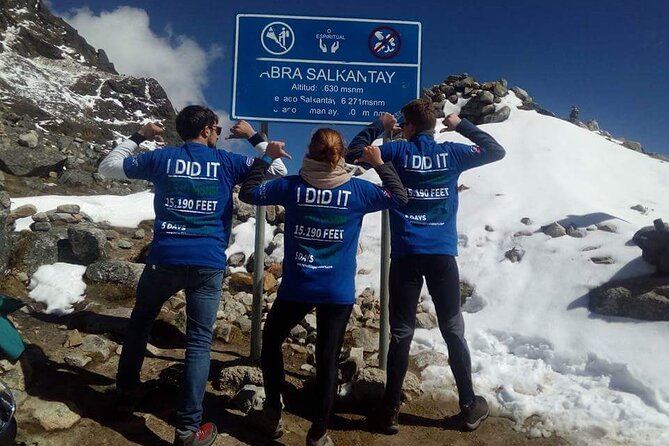
- The Salkantay Pass reaches 4,630 meters, making Day 2 the toughest part of the trek.
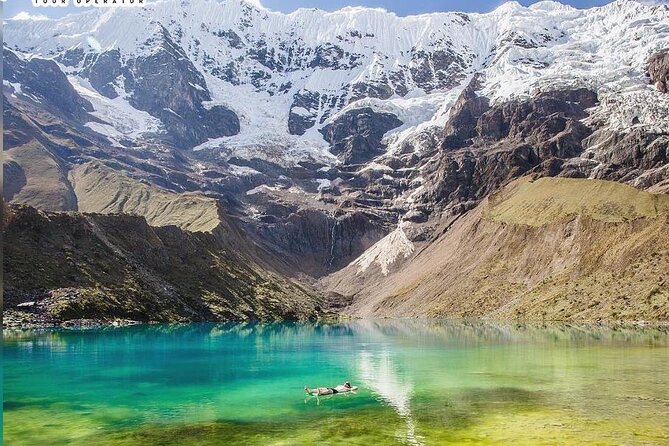
- Humantay Lagoon appears on Day 1, after a steep hike from the Soraypampa camp.
- Your luggage allowance is 7 kilograms, carried by horses while you keep a smaller backpack.
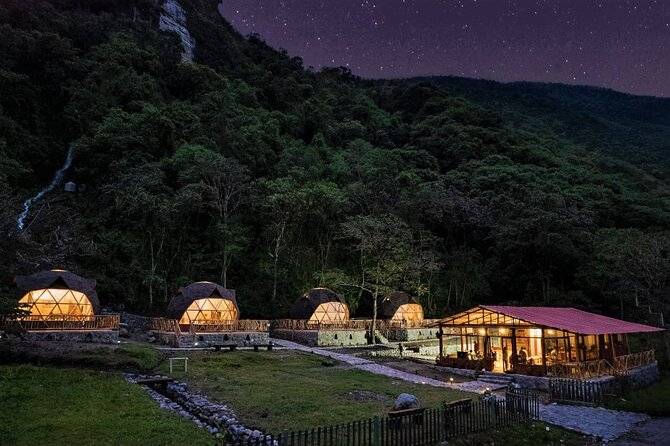
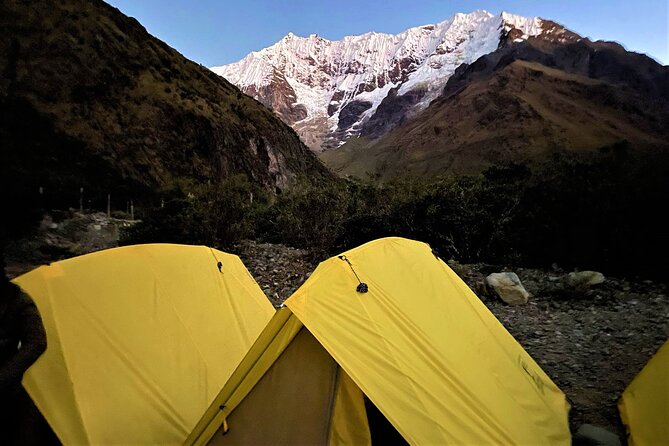
- Night two uses a private geodesic dome, with a more comfortable feel than a basic campsite.
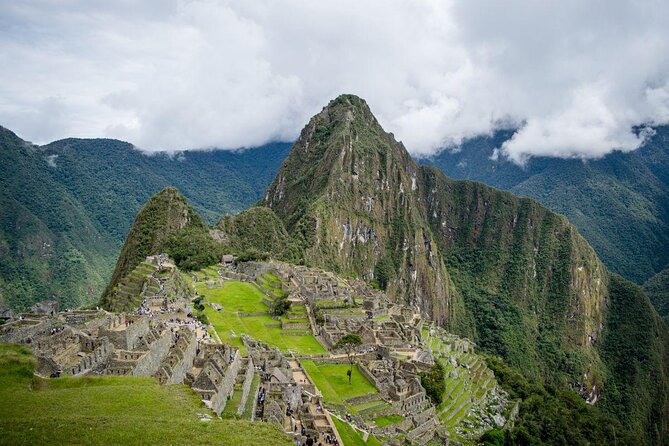
- The final approach to Machu Picchu includes a train, bus tickets, a guided visit, and return transport to Cusco.
- Guide quality can make a big difference, with Gilber and Rene praised for clear explanations and steady support, while communication from the company received sharp criticism.
Why this four-day route is appealing
At $590 per person, this is not a bare-bones hike. The price covers three nights, meals, transport, entrance fees, a professional English-speaking guide, cooks, horses, luggage transport, the Machu Picchu visit, the return train, and the trip back to Cusco.
That package can be good value. You are not only paying for a trail guide. You are also paying for a cook, kitchen equipment, camping supplies, transfers around difficult sections, and the logistics needed to connect a high-altitude trek with Machu Picchu. Buying each part separately would take time and could create awkward gaps.
The route also gives you more scenery than a direct train trip. You begin among high Andean peaks, pass through rocky valleys and cloud forest, then finish in warmer country with coffee, bananas, avocados, oranges, and medicinal plants. That change in climate is one of the trip’s strongest features.
Still, $590 is a substantial amount for four days, and the schedule is demanding. Day 4 is especially long. After seeing Machu Picchu, you return by bus and train to Ollantaytambo, then continue by road to Cusco, arriving around 10:00 pm.
More Inca Trail Treks in Cusco
- Salkantay Trek Challenge – 3 Days / 2 Nights
★ 5.0 · 101 reviews - Choquequirao Trek 4 days and 3 nights
★ 5.0 · 81 reviews - Machu Picchu: 5-Day Salkantay Trek with Panoramic Train
★ 5.0 · 79 reviews
Day 1: Cusco to Soraypampa and Humantay Lagoon
Your pickup begins at 5:00 am from a hotel in Cusco, or from a hotel in the Sacred Valley. Bring your original passport. It is required at control points along the route, and forgetting it could cause real trouble.
The private vehicle drives for about two hours to Mollepata. This early section gives you views of snowy peaks and broad valleys, while Mollepata provides breakfast at a local restaurant. You spend about an hour there before continuing to Challacancha, the trailhead at roughly 3,600 meters.
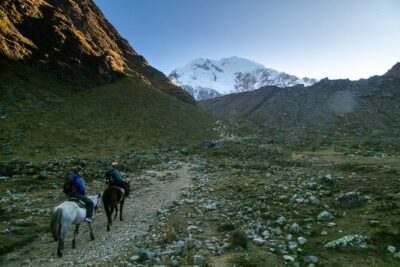
At Challacancha, muleteers load kitchen supplies and food onto horses. The walking begins around 9:30 am on a stony path beside an old water channel. The route climbs gradually toward Soraypampa, with cold, clear water running beside the trail.
The morning walk covers about 10 kilometers and takes roughly three hours. Lunch is served at the Soraypampa camp, giving you a useful pause before the afternoon climb to Humantay Lagoon.
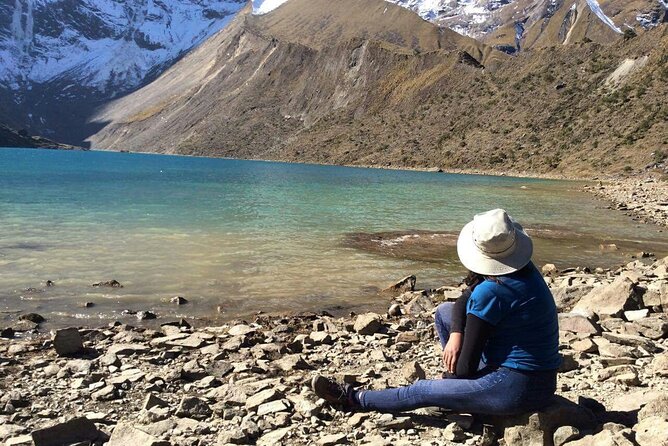
The lagoon sits at about 4,200 meters. The stated uphill walk takes around 90 minutes, followed by time for photos and sightseeing. The distance is short compared with the next day, but altitude makes this section feel harder than the clock suggests. Take it slowly, drink water, and do not treat the first afternoon as a casual warm-up.
After visiting Humantay Lagoon, you walk back to the Soraypampa camp, arriving around 5:30 pm. Tea, coffee, popcorn, and cookies are served, and you may catch sunset light on the snowy peaks. Dinner follows, with a chance to look at the stars if the sky is clear.
Your first night is in a cabin at Eco-Lodge Mamá Andrea. It is a useful compromise between camping and a hotel, but you should still expect a mountain night at high altitude, not resort comfort.
Day 2: The Salkantay Pass at 4,630 meters
Day 2 is the physical test. A wake-up call with coca tea comes at 5:00 am, followed by breakfast and an early start.
The climb from Soraypampa to the pass covers about 7 kilometers and takes roughly three hours. The first hour rises gradually through the Salkantay Valley to Pampa Salkantay at about 4,200 meters. After a short break, the trail becomes rockier and continues uphill for about two hours.
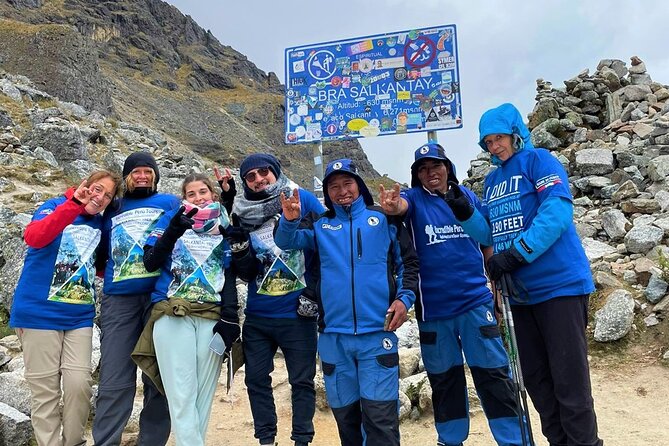
The highest point is the Salkantay Pass, at 4,630 meters, or 15,190 feet. From here, you can see Salkantay Mountain, which reaches 6,271 meters, along with Humantay Mountain at 5,400 meters and other snow-covered peaks.
This is the part of the route that demands respect. You need a moderate level of physical fitness, but fitness alone does not remove the effects of altitude. The itinerary describes the tour that way, and that wording should not be dismissed. If you develop a strong headache, nausea, dizziness, or serious breathing trouble, tell the guide at once.
The descent brings a major change in temperature and plant life. Lunch is served at Huayracmachay, then the path drops through the high forest, also called cloud forest. The air becomes warmer and more temperate, with native plants appearing beside the trail.
You reach Colpapampa at about 2,900 meters in the late afternoon. A vehicle then takes you for about an hour to Sahuayaco, where you spend the night at Eco Lodge Majestic Sky Domes. The stated arrival time is around 5:00 to 5:30 pm, giving you time to settle in before tea and dinner.
One practical point matters here: the schedule uses slightly different arrival times for Colpapampa and Sahuayaco. Do not read too much into that. Mountain timing can shift with walking pace, weather, and road conditions.
A comfortable second night at Sahuayaco
The dome is one of the more memorable parts of the trip. Its wood and glass design gives you a more comfortable overnight stay after the hardest walking day. Tea time includes hot chocolate, coffee, cookies, and popcorn, followed by dinner prepared by the cook.
This night also breaks up the trip well. You move from the cold high country into a warmer agricultural area, but you do not have to go straight from a strenuous descent to a long train connection. The private dome makes the route feel more varied than a standard camping trek.
Food is included throughout the tour. The package lists four breakfasts, four lunches, and three dinners, with vegetarian, vegan, and special-diet meals available if requested. Tell the company about dietary needs before setting out, rather than waiting until the first meal.
Same trailhead, a longer or shorter day out:
- From Cusco: 7 Lakes Ausangate Trek with Breakfast and Lunch
★ 4.8 · 360 reviews - Cusco: Full-Day Rainbow Mountain & Red Valley Trekking Tour
★ 4.5 · 121 reviews - From Cusco: Rainbow Mountain Trek
★ 4.5 · 98 reviews - Ancascocha Trek To Machu Picchu 4 Days And 3 Nights
★ 5.0 · 77 reviews
Day 3: Coffee, plantations, and the walk to Aguas Calientes
The third morning begins more gently. You wake around 7:00 am and eat breakfast at 8:00. A walk around the area visits plantations of bananas, avocados, oranges, medicinal plants, and coffee.
Coffee is the main agricultural product in this part of the route. A stop at a local coffee farm gives you the chance to taste coffee that has been roasted and ground nearby. This is a useful change from mountain viewpoints because it connects the trek to the work and income of local communities.
The schedule allows time to return to the lodge and rest before leaving for the Hydroelectric Power Station. Transport takes you to the starting point of the afternoon walk, arriving around 2:30 pm.
From the power station, the route begins with a short climb of about 15 minutes. It then follows a mostly level path beside the railway and the Urubamba River. The walk takes about three hours to Aguas Calientes.
Along the way, you visit Intihuatana, an Inca-era sundial carved into natural rock. The route also offers views toward Huayna Picchu and Machu Picchu, then passes through cloud forest with orchids and other plants.
This is not a remote mountain walk in the same sense as Day 2. You are walking beside the rail line, which gives the afternoon a practical, transitional feel. That is not a flaw, but you should know that the final approach is more about reaching Aguas Calientes than finding untouched wilderness.
You arrive around 5:30 pm and spend the night in a hotel with a private bathroom. Dinner is served at a restaurant in town, and the guide explains the next morning’s Machu Picchu visit.
Day 4: Machu Picchu before the long return to Cusco
You leave the hotel around 5:30 am and walk to the bus station. The tourist bus takes about 30 minutes up the zigzag road to Machu Picchu, with arrival planned around 6:30 am.
The guided visit lasts about two hours. Your English-speaking guide explains the citadel and takes you to its major areas, including temples, agricultural terraces, canals, and water sources. After the guided portion, you have free time for photos and independent exploring.
Huayna Picchu may be available as an optional climb if permits remain. The package says the entrance ticket is included if available, so do not assume that this extra mountain visit is guaranteed. Ask about availability before booking if it is important to you.
The bus brings you back to Aguas Calientes in the afternoon. You then take the Expedition Tourist Train to Ollantaytambo, arriving around 7:40 pm. A waiting bus continues to Cusco, with hotel drop-off expected around 10:00 pm.
This final day is long enough that you should not plan an early flight or an important appointment the next morning. The return transportation is a major convenience, but it also means you spend much of the afternoon and evening in transit.
Guides, group size, and safety
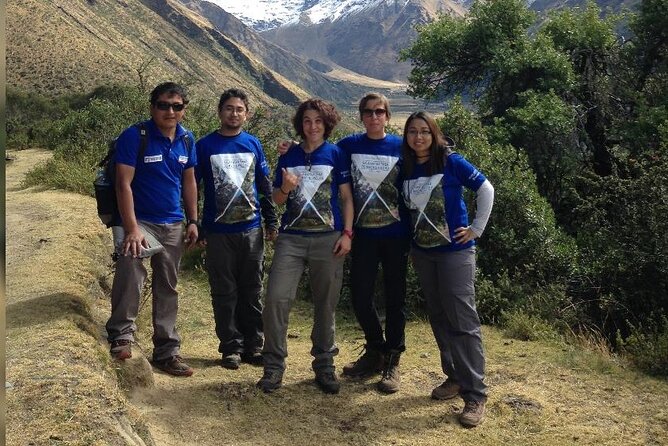
The maximum group size is 10 people, which is small enough for a guide to keep track of the group on steep sections. Guide quality appears to be a major strength when the right person is assigned. Gilber was praised for explaining historical details and for spending time in conversation, while Rene was praised for making the difficult route manageable for the whole group.
Herbert also received praise for his personal effort, even though serious criticism was directed at the tour company rather than at him. This distinction matters. A good guide can help you pace yourself, explain the route, and respond calmly when plans change, but the company still needs to provide reliable support.
The safety information says the guide carries a first-aid kit and emergency oxygen. One account reported that these items were not available during a serious illness, along with unexpected out-of-pocket taxi costs to reach lower altitude. I cannot verify the circumstances, but the complaint is specific enough to take seriously.
Before departure, confirm that the guide will carry the promised first-aid supplies and oxygen. Also ask what happens if you cannot continue at altitude, who pays for an emergency vehicle, and how the company handles a change in plan. Those questions are sensible on any high-altitude trek.
What to pack and how to prepare
The horses carry up to 7 kilograms of your luggage, including kitchen equipment and food carried by the support team. You still need a small backpack for water, warm layers, personal medicine, rain protection, and items you need during the day.
The route moves between cold high country and warm forest. Pack for both ends of that range. You will need suitable clothes and shoes, but those personal items are not included in the price.
Your passport is essential. So is a realistic view of your own fitness. The route includes a steep climb to 4,630 meters, a long descent, and an early start before Machu Picchu. The trek suits you best if you are comfortable walking for several hours and can accept a demanding day without expecting every section to feel easy.
The company provides emergency oxygen, first aid, dining equipment, portable chairs, camp lamps, and a kitchen team. That makes the trek easier than carrying and managing your own camping setup, but it does not remove the need to prepare for cold, altitude, and fatigue.
Should you book this Salkantay Trek?
I would recommend this tour to you if you want a four-day route with serious mountain scenery, varied climates, included meals, and a comfortable final night before Machu Picchu. The combination of Humantay Lagoon, the Salkantay Pass, coffee country, a dome lodge, and the Inca citadel gives you a strong range of experiences for the price.
I would hesitate if you dislike early mornings, high altitude, long walking days, or a late return to Cusco. I would also contact the company before paying to confirm the safety equipment, guide assignment, luggage arrangements, Huayna Picchu availability, and emergency transport plan.
The best reason to book is the route itself. The main reason to pause is not the scenery or the schedule, but the mixed confidence in company communication and safety follow-through. If those details are clearly confirmed, $590 can be a fair price for a supported Salkantay trek. If the answers remain vague, choose a more dependable operator.
FAQ
What time does the trek begin?
Pickup begins at 5:00 am from hotels in Cusco or the Sacred Valley.
How high is the Salkantay Pass?
The pass reaches 4,630 meters, or 15,190 feet.
How much luggage can the horses carry?
The support horses carry up to 7 kilograms, or 15 pounds, of your luggage. You carry a smaller backpack with personal items and water.
Are meals included?
Yes. The tour includes four breakfasts, four lunches, and three dinners. Vegetarian, vegan, and special-diet meals can be prepared if requested.
Is Machu Picchu entrance included?
Yes. The Machu Picchu entrance ticket and a guided visit are included. Huayna Picchu is included only if availability allows.
What transportation is included after Machu Picchu?
The tour includes the bus between Aguas Calientes and Machu Picchu, the Expedition Tourist Train to Ollantaytambo, and a bus from Ollantaytambo to your Cusco hotel or a hotel in the Sacred Valley.
More 4-Day Experiences in Cusco
- 4 Day Inca Trail Trek to Machu Picchu Multi day tour
★ 5.0 · 70 reviews - Salkantay Trek 4 Days to Machu Picchu by Glamping Sky Lodge Dome
★ 5.0 · 68 reviews - 4-Day Lares Trek to Machu Picchu from Cusco
★ 5.0 · 47 reviews - 4-Day Salkantay Trek to Machu Picchu
★ 4.5 · 36 reviews
Recently added around Cusco
- 5 Day – Salkantay trek to Machu Picchu – Group Service★ 4.5 · 27 reviews
- Small Group: 4-Day Inca Trail Trek to Machu Picchu★ 5.0 · 33 reviews
- 6 day Rainbow Mountain x Ausangate Trek – FlashpackerConnect★ 5.0 · 30 reviews
- Salkantay Trek: 5 Days to Machu Picchu★ 5.0 · 33 reviews
- Humantay Lake Full-Day Adventure: Scenic Trek and Stunning Views★ 4.5 · 39 reviews
- Salkantay 5-Day Trek To Machu Picchu★ 5.0 · 39 reviews
- Inca Trail Trek to Machu Picchu – 2 Days (Small Group or Private)★ 5.0 · 31 reviews
- Ausangate and Rainbow Mountain Trek – 3 Days / 2 Nights★ 5.0 · 35 reviews
Machu Picchu & Inca Trail Treks, compared.
Machu Picchu: 5-Day Salkantay Trek with Panoramic Train
Read our review →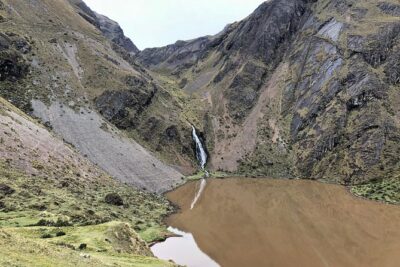
Ancascocha Trek To Machu Picchu 4 Days And 3 Nights
Read our review →
4 Day Inca Trail Trek to Machu Picchu Multi day tour
Read our review →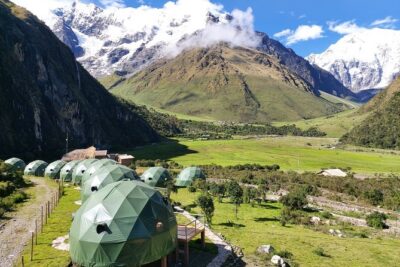
Salkantay Trek 4 Days to Machu Picchu by Glamping Sky Lodge Dome
Read our review →
Browse the lists this tour appears in