
REVIEW · CUSCO
4 Day Inca Trail Trek to Machu Picchu Multi day tour
This is a hike with a grand finale. The 4-day Inca Trail combines high mountain passes, cloud forest, ancient ruins, and a first view of Machu Picchu from the Sun Gate. I especially like the strong support team, with porters carrying camp equipment and a personal duffel, and the consistently praised cooking that turns a remote campsite into something close to a dining room.
The route is also well paced by guides such as Nico Raul, César, Plinio, and Josias, who have been praised for encouragement, history, and careful attention to different fitness levels. The main drawback is simple: this is a serious high-altitude trek, not a long sightseeing walk. Dead Woman’s Pass reaches 4,215 meters, and the non-refundable $930 price requires a firm commitment before you go.
Key points to know before you book
- The highest point is Dead Woman’s Pass at 4,215 meters, reached on the demanding second day.
- The route covers about 42 kilometers, from Km 82 to Machu Picchu’s Sun Gate.
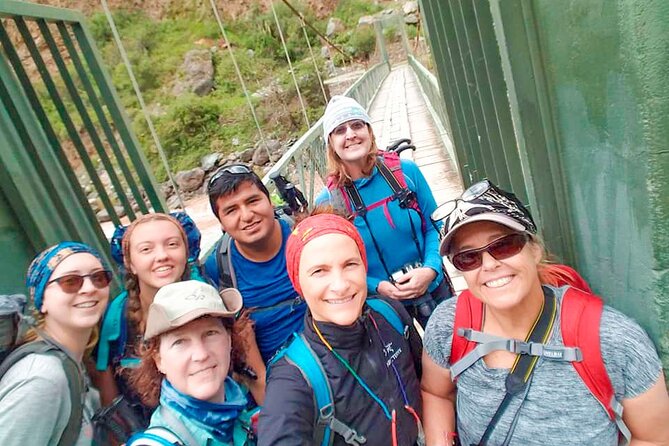
- Camping is made easier by porters, a cook, and roomy tent arrangements, with two people sleeping in each four-person tent.
- Day three is the archaeological high point, with Runkurakay, Sayacmarca, Phuyupatamarca, and Wiñay Wayna.
- The group is limited to 16 people, giving the guide a realistic chance to manage pace and morale.
- The $930 price includes permits, meals, camping, transport, and staff, but not a sleeping bag, hiking poles, insurance, tips, or certain meals.
Why this Inca Trail route is worth the effort
The classic Inca Trail earns its reputation by making the journey part of the attraction. You do not simply arrive at Machu Picchu by train and look around for a few hours. You walk an ancient route through changing elevations and terrain, passing stonework and settlements that connect the trail to the wider Inca world.
The route begins near the Urubamba Valley and follows an old Inca road for roughly 42 kilometers. You move from river valleys to open highlands, then into cloud forest and warmer subtropical country. That change happens over only four days, so every morning feels different.
I also like that the experience includes more than scenery. Your guide is there to explain the ruins and the route, while the chef and porters handle much of the practical work. The result is still a demanding trek, but you are not carrying the full camp on your back.
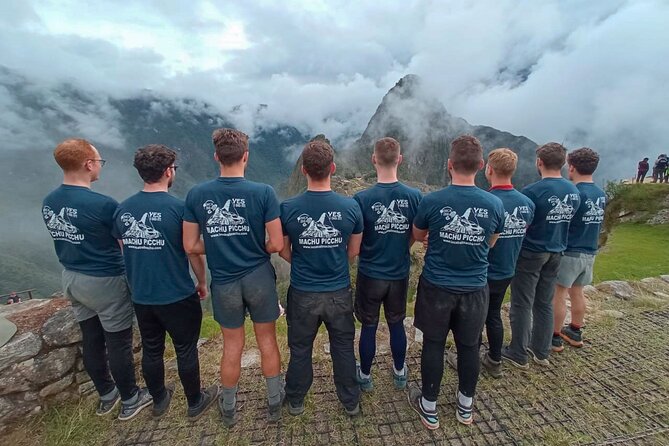
A group limit of 16 is another useful feature. That is large enough to create a sociable atmosphere, yet small enough for the guide to keep an eye on the group. Several guides have been praised for adjusting the pace, helping with difficult sections, and keeping spirits up when rain or steep climbs complicate the day.
More Inca Trail Treks in Cusco
- Salkantay Trek Challenge – 3 Days / 2 Nights
★ 5.0 · 101 reviews - Choquequirao Trek 4 days and 3 nights
★ 5.0 · 81 reviews - Machu Picchu: 5-Day Salkantay Trek with Panoramic Train
★ 5.0 · 79 reviews
Day one: Km 82, the Vilcanota River, and Huayllabamba
The first day starts very early, with pickup from your hotel in Cusco at about 4:30 a.m. You ride through the Urubamba Valley to Km 82, the official starting point of the trek. That early departure is necessary for the long transfer and the hours of walking ahead, but do not expect a leisurely first morning.
After crossing the Vilcanota River, you begin along a route that follows the river and opens onto views of Andean peaks and valleys. The distance is about 12 kilometers, or 7.5 miles, with roughly eight hours set aside for the day.
This is described as a moderate opening day, which is welcome because it gives you time to settle into the rhythm. You will walk through Huayllabamba and may have the chance to interact with local people. The setting is more open than the forest sections later on, so it is a good introduction to the scale of the Andes.
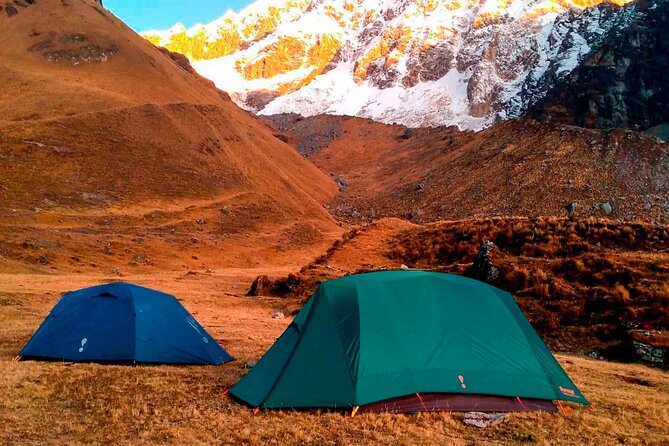
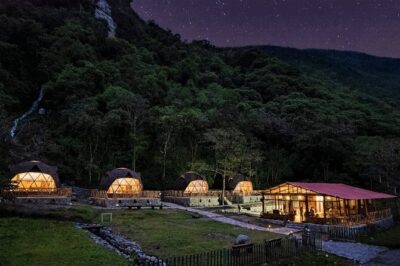
Your first night is camping. Three nights of camping are included, along with a kitchen tent, dining tent, tables, chairs, cooking equipment, and a toilet tent. Water is supplied at each campsite by the chef.
The camp setup is more comfortable than carrying a small backpack and sleeping beside it. Each two-person pair uses a four-person tent, leaving more room for luggage and giving you a little breathing space. Still, this is mountain camping. You should be ready for basic facilities, changing weather, and a tired evening rather than hotel comfort.
Day two: the hard climb to Dead Woman’s Pass
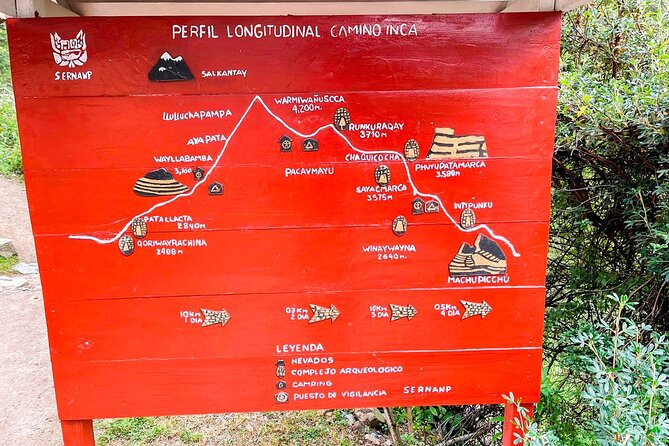
Day two is the physical test. After breakfast and an early start, you climb gradually toward Warmiwañusca, better known as Dead Woman’s Pass. At 4,215 meters, this is the highest point on the Inca Trail and the section most likely to expose poor preparation or altitude trouble.
The climb is challenging because of both elevation and sustained uphill walking. You may find yourself taking frequent breaks, and that is sensible. The views over the mountains and valleys reward each pause, but the pass is not a place to rush simply for bragging rights.
Once you reach the top, the trail drops into the Pacaymayo Valley. The descent brings relief to your lungs but can be hard on knees and legs. The second day is listed at about eight hours, and the combination of ascent, pass, and descent makes it feel longer than the distance alone suggests.
The scenery changes as you go. High-altitude grasslands give way to cloud forest, where orchids and bromeliads appear along the route. That shift is one of the best features of the trek: the path is not just a climb to one famous viewpoint, but a series of ecological changes.
The campsite is in the Pacaymayo Valley. After a day like this, the professional chef becomes especially important. Meals are included for breakfast, lunch, and dinner during the trek, and the cooking has received unusually strong praise. Reports describe plentiful food, impressive variety, and even cake prepared in camp. That matters when your body has spent hours climbing above 4,000 meters.
Day three: four ruins and the finest walking
Day three covers about six hours and is, in my view, the most rewarding day for anyone interested in Inca engineering and mountain scenery. The path climbs again toward Runkurakay, the second pass, at about 3,970 meters.
Runkurakay is more enclosed and rounded than the broad mountain passes, and the ruins give you a clear sense that this was a managed route rather than a random trail through the hills. From there, you descend through cloud forest toward Sayacmarca, at 3,624 meters.
Sayacmarca sits dramatically above the surrounding terrain. The approach includes stone steps and changes in elevation, so you should watch your footing and let the guide set a safe pace. The guide is particularly useful here because the ruins can be easy to pass without understanding how they fit into the route.
The trail continues through forest and passes smaller archaeological sites before climbing to Phuyupatamarca, the third pass, at about 3,670 meters. The name is often translated as City in the Clouds, and the position explains why. Mist, steep slopes, and distant peaks give this part of the trail a different mood from the open highlands of day two.
The final descent leads to Wiñay Wayna, one of the most impressive sites on the route. Its agricultural terraces and ritual baths are built into a steep mountainside, showing how carefully the Incas used limited space. The campsite sits at roughly 2,650 meters and offers views across the surrounding mountains.
This day has a better balance of climbing, descending, ruins, and forest than day two. It is still tiring, especially after the previous day, but the archaeological sites keep your attention moving forward. If you enjoy having time to look closely at stonework, terraces, stairways, and water systems, this is the day that gives the trek its historical weight.
Same trailhead, a longer or shorter day out:
- From Cusco: 7 Lakes Ausangate Trek with Breakfast and Lunch
★ 4.8 · 360 reviews - Cusco: Full-Day Rainbow Mountain & Red Valley Trekking Tour
★ 4.5 · 121 reviews - From Cusco: Rainbow Mountain Trek
★ 4.5 · 98 reviews - Ancascocha Trek To Machu Picchu 4 Days And 3 Nights
★ 5.0 · 77 reviews
Day four: the Sun Gate and Machu Picchu
The final morning begins early with breakfast and a walk to the checkpoint for the last stretch of the trail. The destination is Inti Punku, the Sun Gate, where Machu Picchu first comes into view.
That first sight is the payoff for the previous three days. The citadel appears from above rather than from a train platform or a crowded entrance road. Weather can affect the view, so it is wise to appreciate the moment even if clouds drift across the mountains.
From the Sun Gate, you continue to Machu Picchu for a guided tour of the citadel. The official schedule allows about six hours for the day, including the walk, the site visit, and onward transport.
After the visit, a shuttle bus takes you down to Aguas Calientes. Lunch there is not included, so budget separately for your first breakfast and last lunch in town. You then take the tourist train to Ollantaytambo, followed by a tourist bus back to Cusco.
This final transport chain is practical, but it makes day four a full day rather than a relaxed finish. You are walking, touring the ruins, descending by bus, eating in town, riding the train, and continuing by road. I would not plan an important evening activity in Cusco unless you are comfortable with a late return and a very tired body.
The staff make the camping experience work
The strongest part of this tour is the support structure. An experienced guide leads the group, a trekking chef prepares the meals, and porters carry food, tents, cooking supplies, and other camp equipment.
You also receive a personal super porter for your duffel, up to 7 kilograms. That means you can keep your daypack lighter, though you still need to carry your personal essentials while walking. Pack carefully because the allowance is limited.
The equipment package includes a sleeping-roll mattress, tents, dining and kitchen shelters, chairs, tables, cooking utensils, and a toilet tent. A waterproof rain poncho is also supplied, along with a first-aid kit and emergency oxygen bottle.
The tent arrangement is a thoughtful touch. Two people occupy each four-person tent, giving you extra space for gear and more room to change clothes. It does not turn camping into a hotel, but it helps after long days on steep stone paths.
Names that come up repeatedly in the praise for the guiding team include Nico Raul, César Pérez, César Coavoy, Plinio, Josias, and Yijo. Their strengths vary, but the useful pattern is clear: good pacing, historical explanation, encouragement, and attention to people who are struggling. That last point matters more than dramatic speeches when the altitude bites.
Food, water, and what you still need to pay for
Three breakfasts, three lunches, and three dinners are included. Water is provided at each campsite by the chef, which removes one common worry on a multi-day hike.
The meals seem to be a real strength rather than a minor convenience. Strong cooking can change the mood of a camp, especially after Dead Woman’s Pass. You can expect the food to be treated as a central part of the service, not as an afterthought.
Several useful items cost extra:
- Sleeping bag: $25
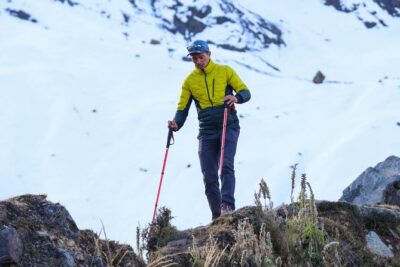
- Hiking poles: $20
- Inflatable rest mattress: $20
- Tips and souvenirs
- Peru travel insurance
- First breakfast and last lunch in Aguas Calientes
You should also ask about dietary needs before departure because the provided information does not specify special-meal arrangements. The included rain poncho is helpful, but you should still prepare for wet weather with suitable clothing and protected luggage.
Is $930 a fair price?
At $930 per person, this is not a cheap four-day outing. The price becomes easier to judge when you count what it includes: Inca Trail and Machu Picchu permits, transport from Cusco to Km 82, three nights of camping, meals, a guide, chef, porters, camping equipment, water at camp, the bus from Machu Picchu, the train to Ollantaytambo, and the bus back to Cusco.
You are also paying for access to the official Inca Trail, which requires permits and organized logistics. The porters and cooking team are not small extras. They carry the equipment that makes the camp possible and allow you to focus more on walking.
The value is best for someone who wants the full route and would rather have the hard logistics handled by a local company. It is less attractive if you only want to see Machu Picchu and are not interested in four days of steep walking and camping.
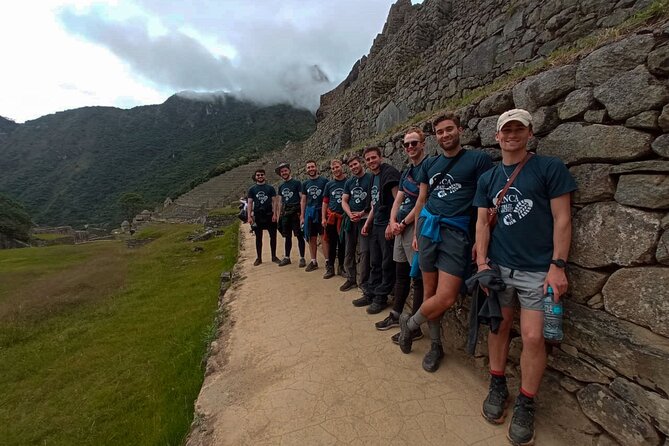
The experience includes a special T-shirt and an opportunity to sponsor the planting of native trees. Those touches will not decide the purchase, but they add a personal finish to the trip.
Who should book this trek?
You should have a strong level of physical fitness. The schedule includes long walking days, repeated climbs and descents, high altitude, and changing weather. The trip is not presented as suitable for a casual walker.
That said, age alone is not the deciding factor. People in their 60s and even at age 71 completed the trek with guide support and careful pacing. The better question is whether you can prepare for sustained uphill and downhill walking at altitude.
This tour suits you if you:
- Want to reach Machu Picchu through the classic trail
- Enjoy archaeological sites as much as scenery
- Are comfortable sleeping in tents for three nights
- Value a guide, chef, and porter team
- Prefer a small organized group to handling permits and transport yourself
- Can commit to a fixed, non-refundable departure
It may not suit you if you need flexible plans, dislike camping, or want a gentle introduction to the Andes. The cancellation policy is strict: the experience is non-refundable and cannot be changed after booking.
Should you book the 4-day Inca Trail trek?
I would book this tour if the trail itself is the reason you want Machu Picchu. The mix of mountain passes, cloud forest, ruins, porters, camp meals, and the approach through the Sun Gate gives you a fuller experience than a direct visit to the citadel.
I would hesitate if your fitness is uncertain or if you are treating the trek as a casual add-on to a Cusco holiday. Dead Woman’s Pass is a real challenge, and the return to Cusco on day four is long.
For the right person, the support is the selling point. Guides such as Nico, César, and Plinio have been praised for keeping the group together and adjusting the pace, while the cooks and porters make the camps far more comfortable than a self-supported hike. If you can handle the altitude, accept the fixed booking terms, and prepare for four demanding days, the $930 package offers a well-supported way to walk into Machu Picchu.
FAQ
How long is the Inca Trail trek?
The trek lasts approximately four days and covers about 42 kilometers, or 26 miles.
Where does the trek begin?
The walking route begins at Km 82, reached by tourist transport from Cusco through the Urubamba Valley.
What is the highest point on the route?
The highest point is Warmiwañusca, also called Dead Woman’s Pass, at 4,215 meters or 13,828 feet.
How many nights are spent camping?
The tour includes three nights of camping.
Are meals included?
Three breakfasts, three lunches, and three dinners are included. The first breakfast and last lunch in Aguas Calientes are not included.
Is transport back to Cusco included?
Yes. The package includes the shuttle bus from Machu Picchu to Aguas Calientes, the tourist train to Ollantaytambo, and a tourist bus from Ollantaytambo to Cusco.
What is not included in the tour price?
A sleeping bag, hiking poles, an inflatable rest mattress, tips, souvenirs, Peru travel insurance, the first breakfast, and the last lunch in Aguas Calientes are not included.
More 4-Day Experiences in Cusco
- Salkantay Trek 4 Days to Machu Picchu by Glamping Sky Lodge Dome
★ 5.0 · 68 reviews - Salkantay Trek to Machu Picchu in 4 days
★ 4.5 · 50 reviews - 4-Day Lares Trek to Machu Picchu from Cusco
★ 5.0 · 47 reviews - 4-Day Salkantay Trek to Machu Picchu
★ 4.5 · 36 reviews
Recently added around Cusco
- 5 Day – Salkantay trek to Machu Picchu – Group Service★ 4.5 · 27 reviews
- Small Group: 4-Day Inca Trail Trek to Machu Picchu★ 5.0 · 33 reviews
- 6 day Rainbow Mountain x Ausangate Trek – FlashpackerConnect★ 5.0 · 30 reviews
- Salkantay Trek: 5 Days to Machu Picchu★ 5.0 · 33 reviews
- Salkantay 5-Day Trek To Machu Picchu★ 5.0 · 39 reviews
- Inca Trail Trek to Machu Picchu – 2 Days (Small Group or Private)★ 5.0 · 31 reviews
- Humantay Lake Full-Day Adventure: Scenic Trek and Stunning Views★ 4.5 · 39 reviews
- Ausangate and Rainbow Mountain Trek – 3 Days / 2 Nights★ 5.0 · 35 reviews
Machu Picchu & Inca Trail Treks, compared.
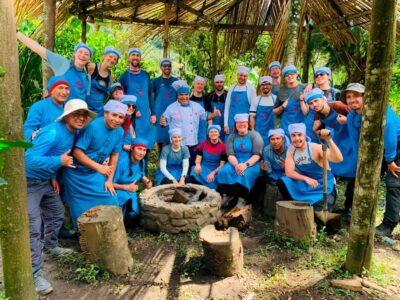
Machu Picchu: 5-Day Salkantay Trek with Panoramic Train
Read our review →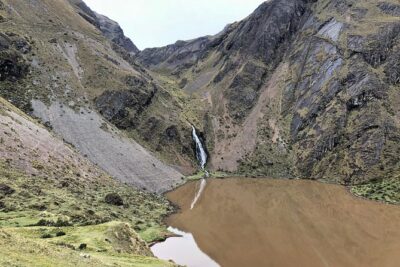
Ancascocha Trek To Machu Picchu 4 Days And 3 Nights
Read our review →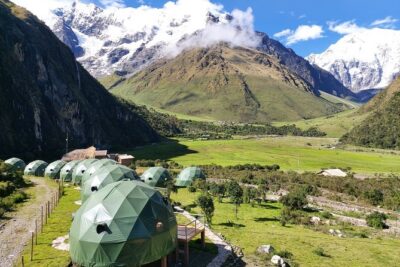
Salkantay Trek 4 Days to Machu Picchu by Glamping Sky Lodge Dome
Read our review →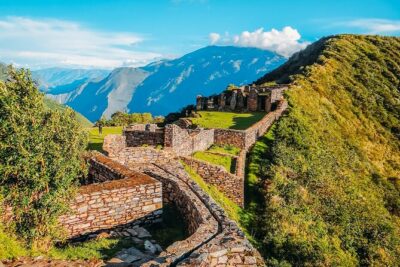
Browse the lists this tour appears in