
REVIEW · ARUSHA
5 Days Marangu Route – Mount Kilimanjaro Trek
Africa’s highest summit demands patience. Rupia Adventure’s Marangu Route trek gives you a clear seven-day plan, airport pickup, mountain guides, hut lodging, and a midnight push toward Uhuru Peak at 5,895 meters. I like the practical setup, especially the pre-trek equipment check and the chance to rent missing gear before you start.
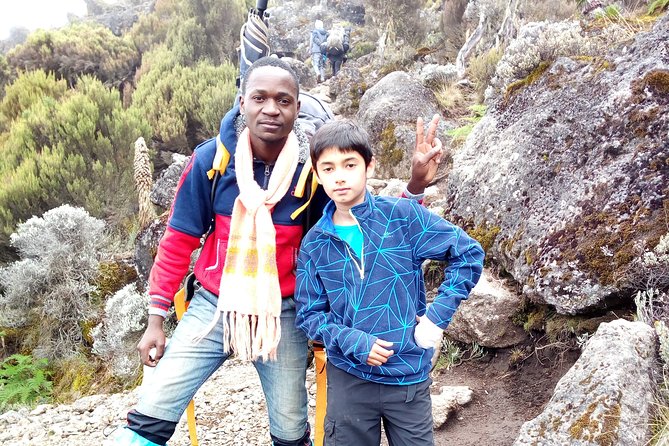
I also like the human touch reported by past clients, including guides such as Meshack, Maziku, Franky, John, and Julius. Their help with pacing and mountain tips seems to be a major strength. The main drawback is the five-day route schedule itself: it is efficient, but the quick climb gives your body less time to adjust to altitude than longer Kilimanjaro routes.
Key points to know before booking
- Five trekking days, seven days total: The mountain portion runs from Marangu Gate to Uhuru Peak and back, with arrival, recovery, and departure days around it.
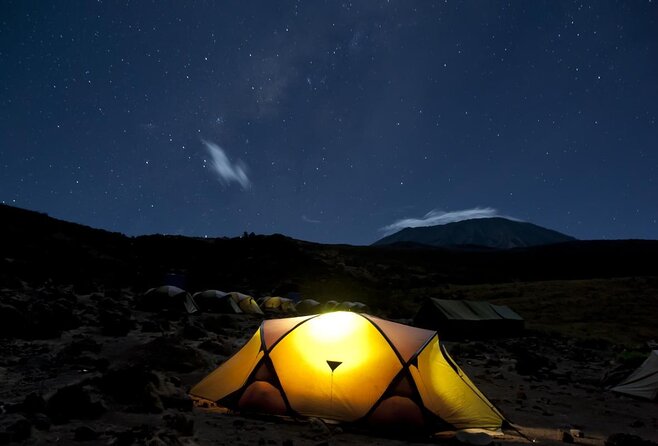
- Midnight summit start: You climb through the cold and darkness to reach Gillman’s Point near sunrise, then continue to Uhuru Peak.
- Comfortable hut-based route: You sleep in mountain huts rather than tents, but the schedule remains physically demanding.
- Maundi Crater stop: A short side trip from Mandara Hut gives you broad views toward Kenya.
- Small group limit: The maximum group size is 15 people, allowing for a group feel without a huge crowd.
- Useful pre-trek support: Your guide briefs you and checks your gear before the climb, with rental options for missing equipment.
What the seven-day plan really includes
The title calls this a five-day Marangu Route climb, but the full program lasts about seven days. That distinction matters. Five days are spent trekking, while the first and last days cover transfers, preparation, and recovery.
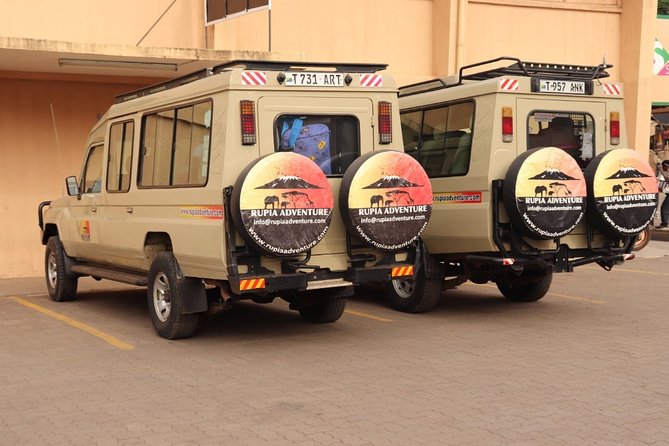
The trip begins with pickup at Kilimanjaro International Airport and a transfer to your hotel. The supplied plan refers to a hotel in Moshi, while also naming Panama Hotel or Mvuli Hotel in Arusha as possible accommodation. Because Moshi and Arusha are different towns, I would confirm the exact hotel and transfer location before paying.
On arrival, you meet your guide for a briefing and equipment check. This is one of the most useful parts of the plan. A missing jacket, sleeping item, or other mountain essential is easier to sort out before you are at the gate than halfway up the mountain. The provider says gear can be rented on this day.
The final day is free before your flight home. You may have time to explore Moshi and buy souvenirs, but that depends on your departure time. Safari and Zanzibar add-ons are also available if you want to continue around Tanzania.
More Kilimanjaro Climbs in Arusha:
- 8-Day Small-group Lemosho Kilimanjaro Summit Trekking
★ 5.0 · 186 reviews - 7 Days Kilimanjaro trek via Machame route
★ 5.0 · 13 reviews - 7 Days Machame Route Trek Mount Kilimanjaro
★ 5.0 · 12 reviews
Day 1: meet the guide and check your gear
Your first day is not wasted time. It is the buffer that helps the mountain days run more smoothly.
After airport pickup, you settle into the hotel and meet the guide. The briefing should help you understand the daily walking times, hut stops, summit schedule, and gear needs. The equipment check is especially valuable for first-time climbers who may not know what they have forgotten.
The plan lists Panama Hotel or Mvuli Hotel in Arusha, or an alternative, even though the transfer is described as going to Moshi. Ask for the confirmed location, since the distance between your hotel and Marangu Gate affects the next morning’s pickup.
Day 2: rainforest, primates, and Maundi Crater
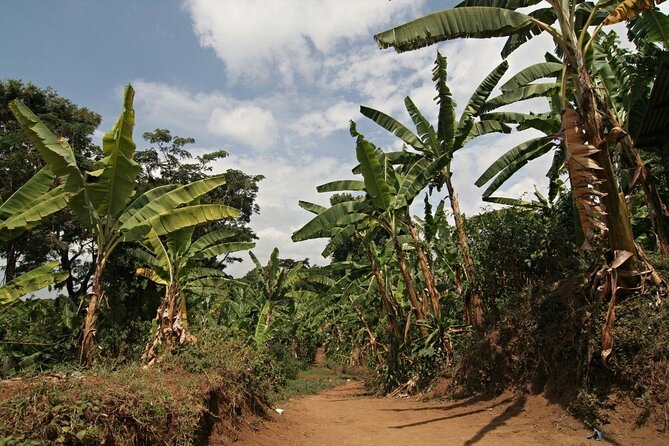
After breakfast, you leave the lodge and drive to Marangu Gate. Park paperwork comes first, then the walk begins through thick rainforest.
This opening section is a pleasant way to start. The path is shaded, the vegetation is impressive, and you may catch sight of primates. The route climbs steadily to Mandara Hut, where you can rest before the optional outing to Maundi Crater.
Maundi Crater is one of the small details that makes this day worthwhile. From there, you can look toward the Kenyan interior, giving you a wider sense of the region than the forest trail alone. It is not the summit, but it adds a memorable viewpoint early in the climb.
The day is described as a rainforest walk to Mandara Hut, with the crater visit after arrival. You should still treat it as a real mountain day. Starting too fast in the first few hours is a poor bargain, since the route gets harder later.
Day 3: leaving the forest for Horombo Hut
Day three starts with an early breakfast. Soon after leaving Mandara, the vegetation changes. You pass the timberline and enter the heath and moor zone, where the forest gives way to more open ground.
The walk to Horombo Hut takes about four to six hours. Horombo sits at 3,700 meters, and the altitude begins to matter here. You may feel fine at breakfast and noticeably slower by afternoon. Keep your pace steady and follow the guide’s advice rather than trying to prove anything to the group.
The views from Horombo include Mawenzi, Kibo, and the broad plain toward the Masai steppe. This is one of the strongest visual moments of the lower route. It also gives you a clear sense of the mountain’s two major peaks, Mawenzi and Kibo.
The five-day schedule does not include a separate acclimatization day at Horombo. That is important. A longer Kilimanjaro plan usually gives your body more time at altitude, while this version moves onward the next morning.
A few more treks around Arusha worth a look
- 5 Days Marangu Route Kilimanjaro Trekking
★ 5.0 · 4 reviews - 5 Days Marangu Route Kilimanjaro Trekking
★ 5.0 · 2 reviews - Annapurna base camp trek 5 Days
★ 5.0 · 252 reviews - Kathmandu to Annapurna Base Camp (ABC) 5-Day Trek
★ 5.0 · 102 reviews
Day 4: across the saddle to Kibo Hut
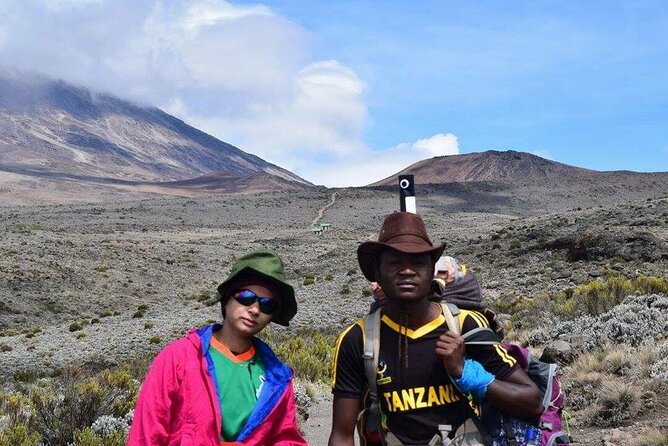
Day four is long and tough. The trail passes the Last Water point before reaching the saddle, a nearly bare plateau linking Kibo and Mawenzi.
This section feels different from the forest and moorland below. There is less vegetation, less visual shelter, and a stronger sense that the summit is now close. Your destination is Kibo Hut, usually reached after five to six hours.
The schedule at Kibo is built around the summit attempt. You eat an early evening meal, then go to bed early because the night will be short. This is a day to save energy. You do not need to race to Kibo Hut, and you should take the guide’s pace seriously.
Kibo is also where the five-day plan becomes most demanding. You have already gained substantial height in a short period, and the next stage begins around midnight. Use the afternoon to rest, organize your clothing, and prepare your headlamp and summit layers.
Day 5: the midnight climb to Uhuru Peak
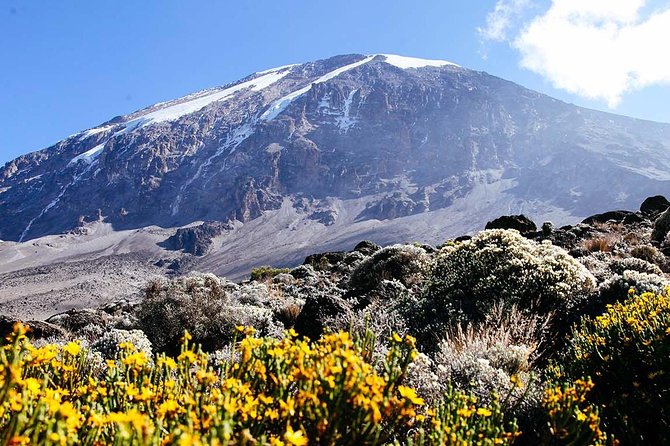
Summit day is the heart of the trip. You begin around midnight, walking upward through the cold and darkness. The climb passes Hans Meyer Cave at 5,220 meters before continuing toward Gillman’s Point at 5,681 meters.
The goal is to reach Gillman’s Point around sunrise. From the crater rim, the light begins to warm the mountain, and the hardest part of the night is behind you. It is still not the end, though. You continue for another one to two hours to Uhuru Peak at 5,895 meters.
That final section can feel slow. The height, cold, darkness, and lack of sleep all work against you. The route description calls the climb long and strenuous, and that is the right expectation. A good guide matters here. Franky was praised for knowing the mountain well and sharing useful tips, while Meshack and Maziku were described as cheerful and encouraging during a successful summit push.
After Uhuru Peak, you return to Kibo Hut for a warm meal and a one to two-hour break. Then you continue down to Horombo Hut. This is an enormous day, combining the summit ascent, descent to Kibo, and further descent to Horombo.
Do not judge the trek only by the summit photo. The return is part of the test. Your legs may feel tired, and the altitude can still affect you while walking down. Stay focused, drink as directed by your guide, and keep enough energy for the final stretch.
Day 6: down through the moorland and rainforest
The last mountain stage leads from Horombo to Mandara Hut and then through the rainforest to the park gate.
A warm lunch is planned at Mandara Hut, around 2,700 meters. From there, you continue downhill for a total trekking time of about six hours before reaching the Kilimanjaro National Park Gate at 1,860 meters.
The return through the forest gives the day a satisfying change of scenery. You began among thick trees, climbed through open heath and bare high ground, and now return to the lower forest. At the gate, you say goodbye to the guides before a short transfer back to the hotel in Moshi.
A hot shower and a celebratory evening follow. After the summit effort, this simple comfort may feel better than any grand ceremony.
Past clients have singled out the guides and porters as professional, strong, and good company. That is worth paying attention to. On a mountain trek, practical support affects your safety, pace, and morale far more than polished advertising.
The Marangu Route: what kind of experience is it?
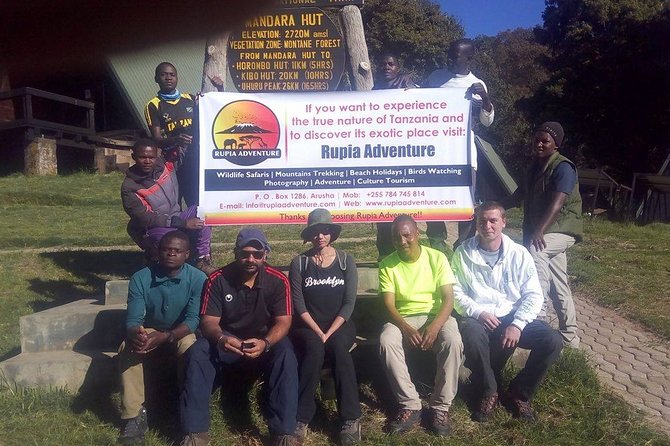
Marangu is known for its hut-based accommodation, and that makes it appealing if you prefer not to camp. You still need to handle altitude, long walking days, early starts, and the rough rhythm of mountain travel, but you return to huts each night.
The route is also direct. You enter through rainforest, cross heath and moorland, pass the saddle, and reach Kibo before the summit attempt. The progression is easy to understand, which helps if this is your first major mountain trek.
The tradeoff is the short schedule. Five trekking days can suit someone with limited holiday time, but it leaves less room for adjustment at altitude. The supplied information says most people can participate, but that should not be read as a promise that the climb will feel easy. You need good general fitness and should be ready for the midnight summit stage.
The maximum group size is 15. That is large enough to bring a social feel, but smaller than a mass group. The quality of your experience will still depend on the guide assignment and how the group handles different walking speeds.
What the $1,500 price means
The listed price is $1,500 per person. The plan includes airport pickup, hotel arrangements, guide support, mountain transfers, and a structured trek, but the supplied information does not itemize every inclusion or exclusion.
That means you should ask what the price covers before booking. Confirm the number of hotel nights, hut fees, park fees, meals, porter support, airport transfers, rental gear, and tips. Do not assume every cost is included simply because the itinerary describes the service.
The price can be reasonable for a guided Kilimanjaro trip if the major mountain costs are included. It becomes less attractive if you must add several large charges later. The equipment check and rental option are practical additions, especially if you do not already own high-altitude gear.
The 15-person limit also matters. You are paying for organized support rather than simply following a route on your own. Ask how many guides and porters are assigned to the group, since that detail affects the level of personal attention.
How the guide team affects the climb
The strongest praise centers on the guide team. Meshack and Maziku were remembered for being cheerful and encouraging. Franky was praised for knowing the mountain well and offering useful advice. John and Julius were described as professional and strong.
Those details point to the kind of help you want on summit day: steady pacing, clear direction, and calm support when the climb slows down. A guide who knows when to encourage you and when to conserve your energy can make a real difference.
You should still confirm the names of your assigned guides before departure, since the available team may change. Ask how the group handles different paces and what happens if someone cannot continue upward. The supplied information does not explain the evacuation or emergency procedures, so that is another sensible pre-trip question.
Who should book this trek?
This trip suits you if you want a classic Kilimanjaro route, prefer huts to camping, and have about a week for the full program. It also works well if airport pickup, a gear check, and a guide-led plan are important to you.
It may suit experienced hikers who are comfortable with a fast schedule. It is less suitable if you want a slow approach with extra days for altitude adjustment. If you have flexibility, ask whether a longer version of the Marangu Route is available.
The route also fits people who want to add more of Tanzania after the mountain. You can use the final free day for Moshi, then consider a safari or Zanzibar extension.
Book carefully around the cancellation terms. The experience is non-refundable and cannot be changed after booking. If poor weather cancels the climb, you are offered another date or a full refund. The same applies if the minimum group size is not met, but a personal cancellation does not qualify for a refund.
Should you book Rupia Adventure?
I would consider booking this trek if you value a clear schedule, hut accommodation, airport pickup, and a guide team with strong personal praise. The gear check is a real practical benefit, and the small group limit is reassuring.
I would pause if you are new to altitude or want the greatest possible adjustment time. The five-day climb is demanding, and summit day is especially long. Before paying, confirm the hotel location, full price inclusions, guide-to-group ratio, gear rental costs, and the exact plan for altitude problems.
For a fit hiker with limited time, this is a focused route to Uhuru Peak. For someone who prefers a gentler pace, ask for a longer itinerary before committing.
FAQ
How long does the full experience last?
The complete program lasts about seven days. The mountain trek itself takes five days, with an arrival and preparation day before it and a free departure day afterward.
Where does the trek begin?
The trek begins at Marangu Gate after a transfer from your lodge in Moshi. Airport pickup is provided from Kilimanjaro International Airport.
Where do you sleep during the mountain trek?
The itinerary names Mandara Hut, Horombo Hut, and Kibo Hut as overnight stops. It does not provide detailed room or bedding information.
What time does the summit climb begin?
The final ascent begins around midnight on day five. You are scheduled to reach Gillman’s Point near sunrise, then continue to Uhuru Peak.
What is the maximum group size?
The maximum group size is 15 people.
What happens if poor weather cancels the experience?
You are offered a different date or a full refund if poor weather causes the experience to be canceled.
Recently added around Arusha
- 3 Days Mount Meru trekking★ 4.5 · 7 reviews
- Mount Kilimanjaro day trip trekking★ 5.0 · 12 reviews
- 7 Days Machame Route Trek Mount Kilimanjaro★ 5.0 · 12 reviews
- Private One-Day Trek to Mount Kilimanjaro★ 4.5 · 2 reviews
- 8 Days Lemosho Route Kilimanjaro Trekking★ 5.0 · 5 reviews
- Lemosho Route 7 Days Trekking at Mount Kilimanjaro★ 5.0 · 7 reviews
- 5 Days Marangu Route Kilimanjaro Trekking★ 5.0 · 4 reviews
- 7 Days Machame Route Kilimanjaro Trekking★ 5.0 · 9 reviews
Kilimanjaro Climbs, compared.
8-Day Small-group Lemosho Kilimanjaro Summit Trekking
Read our review →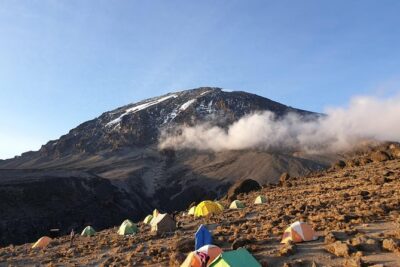
Best Kilimanjaro Adventure 7 days Machame route Trekking
Read our review →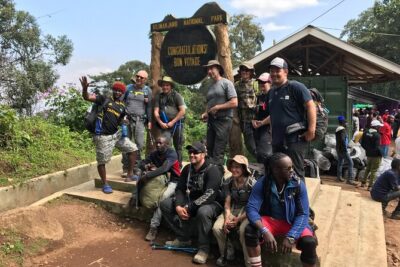
Kilimanjaro 7 Day Private Trekking Experience
Read our review →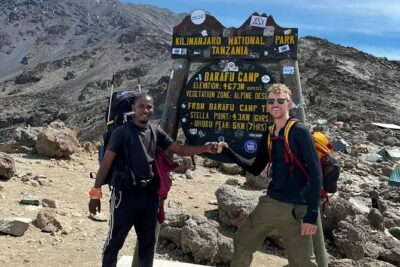
6 Days Machame Route Kilimanjaro Climbing Trekking Tour
Read our review →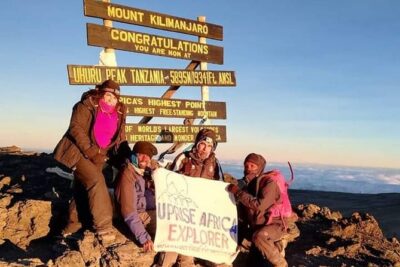
Kilimanjaro Trekking 7Days 6Night Lemosho Route
Read our review →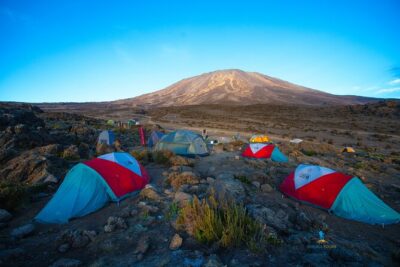
Top 6 Days Mt. Kilimanjaro Bike trek Tour by Marangu-Kilema Route
Read our review →Browse the lists this tour appears in