
REVIEW · ARUSHA
5 Days Marangu Route Kilimanjaro Trekking
Kilimanjaro saves its hardest test for the final night. The Marangu Route offers a straightforward five-day path to Uhuru Peak, with sleeping huts, meals, porters, park fees, rescue fees, and transfers included in the main package. I like the route’s simple hut-to-hut setup, and I like that the price of $1,800.16 covers many of the costly essentials rather than leaving them as surprises.
The main caution is the short schedule. You reach the summit on Day 4 after a midnight start, then descend to Horombo Hut before walking out on Day 5. That makes this a demanding climb, even though the route is often called the Coca-Cola Route. The nickname refers to its popularity and hut facilities, not to an easy stroll with a drink in hand.
Key Things To Know Before You Book
- Sleeping huts replace ordinary tent nights on the route, although the package also lists camping equipment, so confirm exactly what accommodation and gear your group will use.
- The summit day can last 12 to 15 hours, covering about 22 kilometers from Kibo Hut to Uhuru Peak and then down to Horombo Hut.
- Maundi Crater is a fine early reward, offering a view toward the Kenyan interior before the higher, barer zones begin.
- The package includes meals, porters, rescue fees, park fees, taxes, and guiding, which gives the $1,800.16 price real value.
- Guide Walter is specifically praised for patience and comfort, useful qualities when a last-minute climber needs help with clothing or equipment.
- You must budget separately for a sleeping bag, climbing gear, tips, visa fees, insurance, flights, and pre- or post-climb hotels.
What The Five-Day Marangu Route Is Really Like
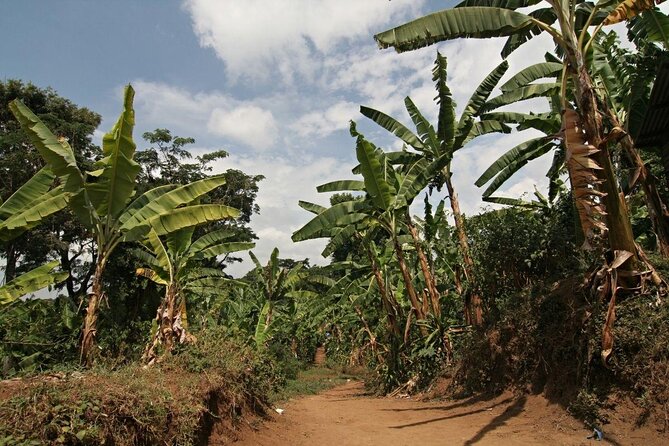
Marangu is the best-known route up Kilimanjaro, and that popularity shapes the experience. You follow a well-established trail through several clear vegetation zones, sleeping in huts rather than carrying a tent from camp to camp.
That can make the trip feel more organized than a camping route. You have a fixed hut destination each day, meals are provided, and porters carry much of the group equipment. On the other hand, the route gives you less time to adjust to altitude than longer Kilimanjaro itineraries.
The altitude is the serious issue here. You begin near 1,860 meters at the park gate and climb to Uhuru Peak at 5,895 meters. The Day 4 summit push is long, cold, and physically draining. The route name may sound cheerful, but the mountain does not offer a discount on effort.
This is a private activity, so only your group participates. That can help with pacing and communication, particularly if you are climbing with family or friends. The booking information says most people can participate, but it does not provide a detailed medical or fitness screening. You should discuss your own condition with a qualified medical professional before booking a high-altitude trek.
More Kilimanjaro Climbs in Arusha:
- 8-Day Small-group Lemosho Kilimanjaro Summit Trekking
★ 5.0 · 186 reviews - 7 Days Kilimanjaro trek via Machame route
★ 5.0 · 13 reviews - Mount Kilimanjaro day trip trekking
★ 5.0 · 12 reviews
Day 1: Rainforest, Mandara Hut, and Maundi Crater
Your first walking day begins with a transfer from your lodge in Moshi to Marangu Gate. The meeting information lists Arusha as the starting point, while the daily plan describes pickup from a Moshi lodge, so confirm the exact pickup location before you go.
At the gate, staff complete the required paperwork. This can take time, so do not expect to start walking the instant you arrive. Once on the trail, you enter dense tropical rainforest and walk 8.3 kilometers to Mandara Hut, taking about five hours.
This first section is a pleasant introduction to Kilimanjaro. The forest gives you shade, thick plant growth, and the chance to spot primates. It also lets you test your boots, daypack, rain gear, and walking rhythm before the route becomes more exposed.
Mandara Hut sits at about 2,700 meters. After settling in, you can walk with your guide to Maundi Crater. The extra outing is worthwhile because it offers a broad view toward the Kenyan interior and gives you a memorable first look at the mountain’s setting.
The day is not technically described as difficult, but do not race it. A slow start helps you conserve energy and begin adapting to altitude. You receive lunch and dinner as part of the package, and breakfast is also included for the morning schedule.
Day 2: Leaving the Trees for Horombo Hut
Day 2 covers 12.5 kilometers and takes about nine hours. You leave Mandara Hut after breakfast, pass the timberline, and enter the heath and moor zone.
The change in plant life is one of the pleasures of this route. The thick forest gives way to more open ground, lower vegetation, and wide views. The walking becomes more exposed, so sun protection and clothing layers matter more than they did on Day 1.
Your destination is Horombo Hut at about 3,700 meters. The hut has views toward Mawenzi, Kibo, and the broad Masai steppe. This is one of the best visual days because you can see the two major volcanic summits and the open country beyond.
The drawback is the length. Nine hours is a substantial day, especially while gaining altitude. Keep your pace slow and steady. If you feel unwell, tell your guide early rather than trying to hide symptoms until the evening.
The package includes accommodation, meals, porters, and a professional guide. Those inclusions matter here because you can focus on walking while the support team handles cooking and much of the camp or hut logistics.
Day 3: Across the Saddle to Kibo Hut
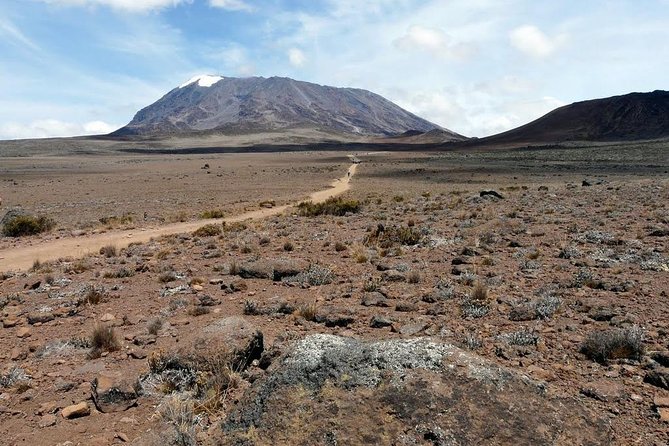
Day 3 covers 9.5 kilometers in about seven hours. The trail passes the Last Water point, then crosses the saddle, a broad and nearly vegetation-free plateau between Kibo and Mawenzi.
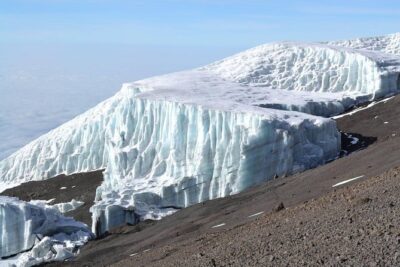
This is a more severe setting than the rainforest or moorland. The open ground and lack of vegetation make the route feel stark. You are also preparing for the summit attempt, so the mood changes from sightseeing to conserving strength.
Kibo Hut is usually reached after five to six hours, although the full day estimate is about seven hours. Once there, you eat an early evening meal and go to bed early because the night will be short.
The information describes Kibo Hut as the destination, but the package details also mention tents, a mess tent, mattresses, and cooking equipment. Since Marangu is known for hut accommodation, ask Mafie Adventures to explain which nights use huts and why camping equipment appears in the inclusions. This is a small but important point, especially if you are choosing Marangu specifically to avoid tent camping.
Keep your evening simple. Organize your warm layers, headlamp, water, snacks, and summit clothing before sleeping. The less you have to search for at midnight, the better.
A few more treks around Arusha worth a look
- 5 Days Marangu Route – Mount Kilimanjaro Trek
★ 5.0 · 5 reviews - 5 Days Marangu Route Kilimanjaro Trekking
★ 5.0 · 2 reviews - Annapurna base camp trek 5 Days
★ 5.0 · 252 reviews - Kathmandu to Annapurna Base Camp (ABC) 5-Day Trek
★ 5.0 · 102 reviews
Day 4: The Midnight Push to Uhuru Peak
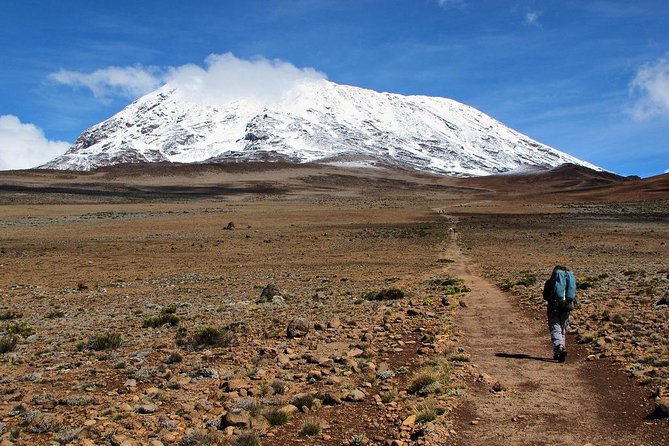
This is the day that defines the trek. You start around midnight and climb from Kibo Hut toward the crater rim. The full stage covers about 22 kilometers and can take 12 to 15 hours.
The first part is slow and strenuous. You pass Hans Meyer Cave at about 5,220 meters, then continue upward toward Gillman’s Point at 5,681 meters. Reaching Gillman’s Point means you have reached the crater rim, but you still have another one to two hours to Uhuru Peak.
At sunrise, the cold night begins to ease. The timing gives you a chance to see the mountain brighten from the crater rim, but it also means you have walked uphill through the coldest and darkest part of the route.
Uhuru Peak is 5,895 meters above sea level. You spend a short time there before starting the descent. The return to Kibo Hut brings a warm meal and a one to two-hour break, then you continue down to Horombo Hut.
That second descent makes Day 4 unusually demanding. You do not simply summit and sleep. You summit, return to Kibo, rest briefly, and walk farther downhill. This schedule is the biggest weakness of the five-day plan.
The guide’s role matters greatly here. One positive account specifically praises Walter for patience, helping with gear and clothing, and checking that the climber felt comfortable. Those are not minor qualities on summit night. Still, you should ask what emergency procedures are followed and how the team handles altitude problems before you begin.
Day 5: Back Through the Forest to Moshi
The final day covers about 20.8 kilometers and takes roughly eight hours. You descend from Horombo through the heath and moor zone to Mandara Hut, where a warm lunch is planned.
From Mandara, the trail returns to the tropical rainforest. After about six hours of trekking, you reach the Kilimanjaro National Park Gate at approximately 1,860 meters. You then say goodbye to the mountain guides and transfer back to your hotel in Moshi.
The last walk is easier in terms of altitude, but your legs may still be tired from the summit stage. A warm shower at the hotel is part of the appeal of returning to Moshi, though accommodation before and after the trek is not included in the stated price.
You should avoid scheduling a flight immediately after this day. The tour details do not promise a flight connection or hotel night, and the descent can take longer than planned. Give yourself room to rest.
What The $1,800.16 Price Includes
The price has good value if you want a supported climb rather than arranging each service yourself. Included are park fees, parking fees, rescue fees, taxes, accommodation, a professional driver or guide, porterage, four breakfasts, four dinners, and five lunches.
The inclusion of rescue fees is particularly important on a high-altitude climb. Porters also make a major practical difference because you are not expected to carry all group equipment yourself. The food plan covers the five trekking days, so you do not need to arrange mountain meals separately.
The package also lists tents, a mess tent, mattresses, and cooking equipment. Again, clarify this point because the route description centers on sleeping huts. You want to know whether these items support the staff, apply to certain nights, or reflect a standard package description.
Several expenses remain outside the price:
- International flights
- Accommodation before and after the trek
- Sleeping bag rental or purchase
- Climbing gear rental
- Visa fees
- Travel insurance
- Souvenirs and personal items
- Bath towels
- Tips
- Any government increase in taxes or park fees
The total cost can therefore rise beyond the advertised amount. Still, the base price is reasonable for a private, guided Kilimanjaro package with meals, porters, park charges, rescue fees, and transport support included. Ask for a current list of rental prices before you pay so you can compare the real total.
Food, Equipment, and Support
Food is one of the strongest parts of the package on paper. You receive lunch on all five days, plus four breakfasts and four dinners. A family account praised the food and said it was adapted throughout the trek, which suggests the operator can respond to different dietary or energy needs.
You should still tell the company about allergies, restrictions, and preferences before departure. The supplied information does not promise a special menu, so do not assume every request can be handled at the last minute.
Climbing gear and sleeping bags are available to rent, but they are not included. The experience with Walter suggests the team may help a poorly equipped climber, yet you should not rely on an emergency supply of clothing. Arrange the right layers, footwear, and sleeping system in advance.
Porterage is included. That helps reduce your load, though you should still pack light and treat porters fairly. Tips are not included, so bring a plan for tipping the guides, porters, and cooking team if their service meets your expectations.
Who Should Choose This Trek?
I would consider this route for someone who wants the classic Marangu experience, prefers huts to ordinary camping, and values a private group with organized support. It may also suit a family or small group that wants one company handling transport, meals, guides, porters, and park arrangements.
It is less suitable if you want a slow acclimatization schedule. Five days is compact, and the summit day is especially punishing. You should also think carefully if you dislike midnight starts, long descents, or the possibility of sharing busy facilities on the most popular route.
The private format is helpful for people who want to walk at their group’s pace. The booking information says most people can participate, but high altitude is not a casual test of fitness. Your ability to walk for many hours does not guarantee that your body will handle 5,895 meters well.
The operator has also arranged last-minute and tailor-made trips, and the named guide Walter received praise for patience. That makes Mafie Adventures worth considering if communication and flexible planning matter to you. A separate account praises guide Lucas and the cook on a safari, but that is a different experience, so I would not treat it as proof of the exact Kilimanjaro crew you will receive.
Booking Details Worth Confirming
Pickup is offered, but the information gives both Arusha and Moshi as reference points. Confirm the exact starting location, transfer arrangements, and final drop-off before departure.
The listed start time is 1:30 am, while Day 1 describes pickup after breakfast. These details may refer to different parts of the schedule, but you should ask the operator to provide the correct pickup time for your booking.
Confirmation is provided at booking. The activity ends back at the meeting point, and the package is described as non-refundable and unchangeable once booked. Because of that strict policy, check your dates, passport details, insurance, fitness plans, equipment needs, and hotel arrangements before payment.
Should You Book The Five-Day Marangu Route?
Book it if you want the established Marangu path, hut-style accommodation, private guiding, porters, included meals, and a package that handles many expensive park and rescue charges. The route offers clear changes in vegetation, Maundi Crater, views of Mawenzi and Kibo, and the satisfaction of reaching Uhuru Peak.
Think twice if you need more time to acclimatize or if the thought of a 12 to 15-hour summit day followed by a long descent sounds unrealistic. Before committing, get written answers about the hut and camping equipment, the pickup location, the 1:30 am start time, rental gear, and the final price including tips and extra accommodation.
For a fit, prepared climber who accepts the tight schedule, this can be a solid-value Kilimanjaro package. Go in expecting a real mountain day, not a soft adventure with a catchy nickname.
FAQ
How long is the Marangu Route trek?
The experience lasts approximately five days, with walking each day from the Marangu Gate to Uhuru Peak and back to the park exit.
What is the highest point reached?
The trek reaches Uhuru Peak at 5,895 meters. Gillman’s Point, on the crater rim, is reached first at about 5,681 meters.
Where does the tour start?
The meeting information lists Arusha, Tanzania, while the daily plan describes pickup from a lodge in Moshi. Confirm your exact pickup point with Mafie Adventures.
What time does the activity start?
The listed start time is 1:30 am. The Day 1 description also refers to pickup after breakfast, so confirm which start time applies to your booking.
Are meals included?
Yes. The package includes five lunches, four breakfasts, and four dinners.
Is accommodation included?
Yes, all accommodation for the trekking package is included. The route description refers to Mandara, Horombo, and Kibo Huts.
Is a sleeping bag included?
No. Sleeping bags are available for rent, but the rental cost is not included in the stated price.
Are climbing clothes and equipment included?
No. Climbing gear is available for rent. Personal items, bath towels, and sleeping bags are also excluded.
Is the booking refundable?
No. The experience is non-refundable and cannot be changed for any reason after booking.
Recently added around Arusha
- 3 Days Mount Meru trekking★ 4.5 · 7 reviews
- Mount Kilimanjaro day trip trekking★ 5.0 · 12 reviews
- 7 Days Machame Route Trek Mount Kilimanjaro★ 5.0 · 12 reviews
- 5 Days Marangu Route – Mount Kilimanjaro Trek★ 5.0 · 5 reviews
- Private One-Day Trek to Mount Kilimanjaro★ 4.5 · 2 reviews
- 8 Days Lemosho Route Kilimanjaro Trekking★ 5.0 · 5 reviews
- Lemosho Route 7 Days Trekking at Mount Kilimanjaro★ 5.0 · 7 reviews
- 7 Days Machame Route Kilimanjaro Trekking★ 5.0 · 9 reviews
Kilimanjaro Climbs, compared.
8-Day Small-group Lemosho Kilimanjaro Summit Trekking
Read our review →
Best Kilimanjaro Adventure 7 days Machame route Trekking
Read our review →
Kilimanjaro 7 Day Private Trekking Experience
Read our review →
6 Days Machame Route Kilimanjaro Climbing Trekking Tour
Read our review →
Kilimanjaro Trekking 7Days 6Night Lemosho Route
Read our review →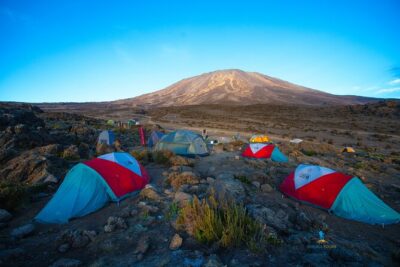
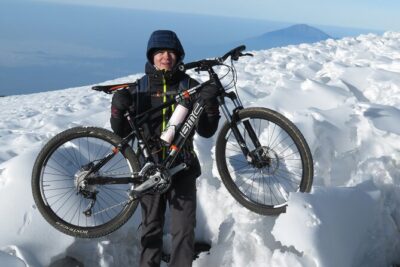
Top 6 Days Mt. Kilimanjaro Bike trek Tour by Marangu-Kilema Route
Read our review →Browse the lists this tour appears in