
REVIEW · SAPA
Soob Sapa Trekking Tour
Rice terraces, village paths, and a generous lunch. This half-day trek gives you a close look at Sa Pa’s mountain valleys without locking you into a large tour group. I especially like the small group of up to 10 people and the chance to eat food prepared by a local family in Y Linh Ho. The scenery is the main event, with rice terraces, the Muong Hoa River, and wide views toward Hoang Lien Son Mountain.
The main consideration is the route’s physical demand. You will walk for several hours over mountain paths, and the tour is not suitable for people with mobility impairments, wheelchair users, pregnant women, children under two, or people over 70. I would also confirm the return transport before setting out, since one booking experience involved paying separately for a taxi back.
Five things to know before you go
- A route through three Hmong and Dzay communities: Walk from Y Linh Ho to Lao Chai and finish in Ta Van, with each village offering a different setting.
- Lunch with a local family: The midday meal is family style, with vegetarian food available.
- A guide who can shape the day: Sung has tailored the route to suit what participants wanted, and English and Vietnamese guiding are available.
- A genuinely small group: With no more than 10 people, the walk should feel more personal than a coach excursion.
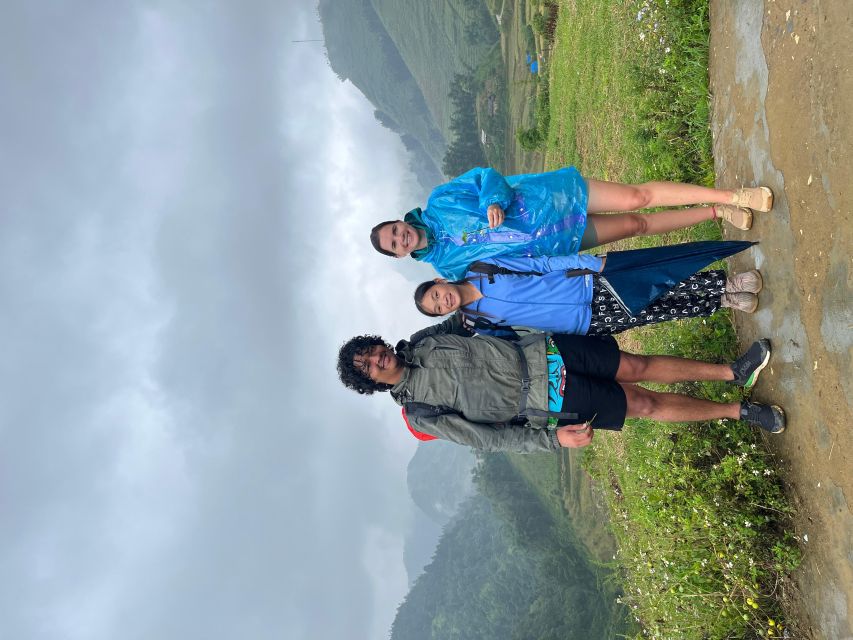
- Bring proper shoes and rain gear: Open-toed shoes, sandals, and flip flops are not allowed, and mountain weather can change.
Why this Sa Pa trek is worth your time
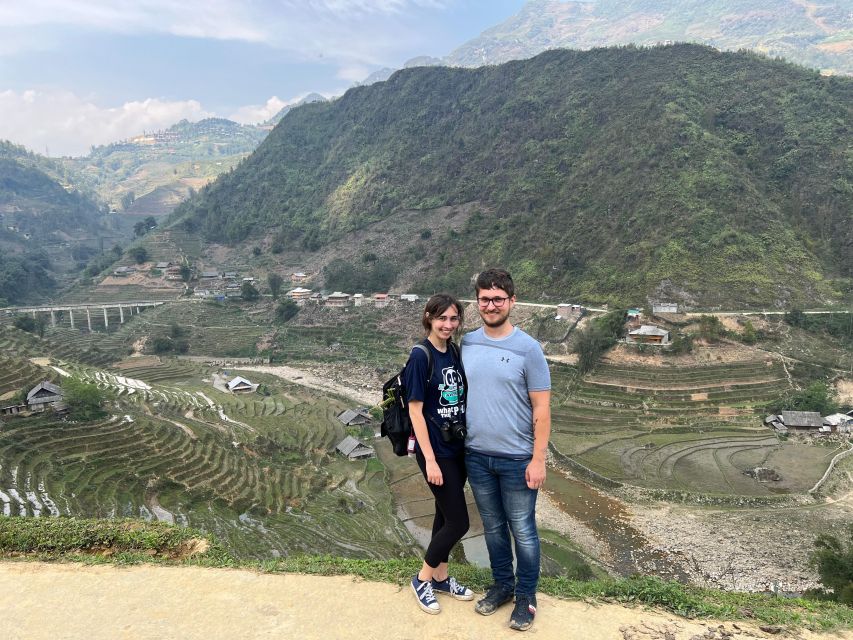
Sa Pa is famous for its dramatic rice terraces, but a quick viewpoint stop only gives you part of the picture. This tour puts your feet on the paths between the terraces and villages. You move through valleys rather than simply looking at them from a roadside lookout.
I like the balance here. You get impressive scenery, but also time with local communities and an ordinary meal in a family setting. The route links Y Linh Ho, Lao Chai, and Ta Van, so the day has a clear sense of progress instead of repeating the same view.
The advertised duration is described in two ways, five hours and six hours. The schedule begins at 9:00am and runs into the afternoon, with the final walk toward Ta Van listed at 3:30pm. I would confirm the exact finish time when booking, especially if you have a train, bus, or other activity planned.
The price is $24 per person. That is good value if you want a guide, lunch, water, and a route connecting several villages without arranging the details yourself. The value is less about luxury and more about access: your fee covers a local walking experience with food and interpretation, not a polished resort-style outing.
A few more treks around Sa Pa worth a look
- Sa Pa: Muong Hoa Valley Trek and Local Ethnic Villages
★ 4.6 · 864 reviews - Sapa: Eco Adventure Terrace Fields and Local Villages Trek
★ 4.9 · 636 reviews - Number one top rated ethical cultural trekking and homestay by ETHOS
★ 5.0 · 456 reviews
Meeting in Sa Pa at 9:00am
The usual meeting point is Sa Pa Church in town at 9:00am. Pickup is also offered anywhere in Sa Pa, which is useful if you are staying away from the church or do not want to find the meeting point first thing in the morning.
Still, clarify the pickup and drop-off plan before the tour. Pickup is included, but one booking experience involved walking to the meeting point and later paying for a taxi back. That may have been a transport mix-up rather than the normal arrangement, but it is worth settling in advance. Ask exactly where the trek ends and whether transport back to Sa Pa is included.
A 9:00am start gives you a full morning for the first part of the walk. Wear your trekking shoes from the beginning. This is not the place for casual sandals, even if the weather looks friendly from your hotel window.
Through rice terraces to Y Linh Ho
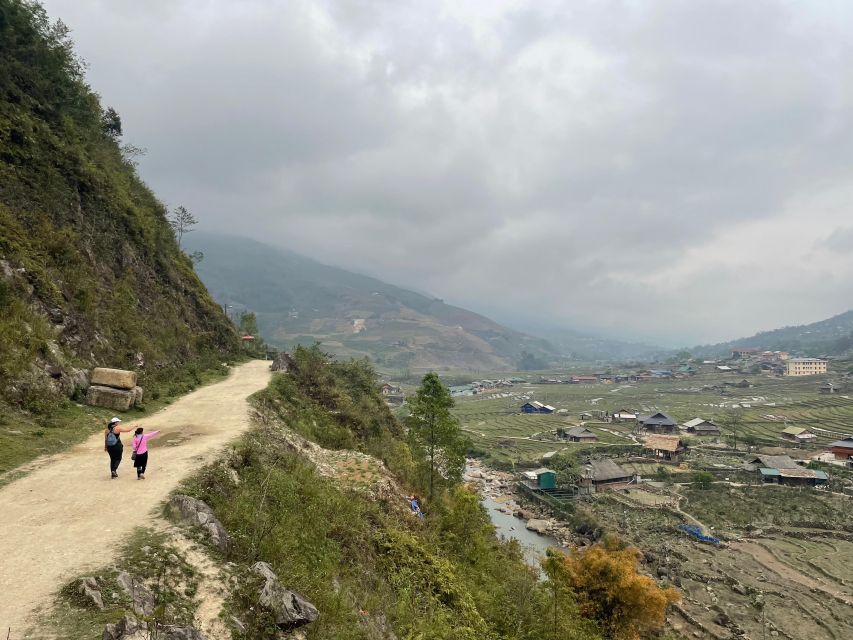
At about 9:30am, the walk begins through rice terraces and mountain valleys toward Y Linh Ho village. This opening section sets the tone for the day. You are not racing from one attraction to another. The interest comes from the changing views, the valley paths, and the way the terraces shape the mountainsides.
Rice terraces are both beautiful and practical. They turn steep slopes into farmland, creating the layered patterns that make this part of northern Vietnam so recognizable. From the path, you can see how villages and fields fit into the mountain setting rather than viewing the terraces as a distant postcard.
The exact feel of this section will depend on weather and trail conditions. The provider can amend the route for different abilities and weather, which is helpful, but this should not be mistaken for an easy stroll. You still need to be comfortable walking on uneven mountain paths for several hours.
A local guide adds meaning to the scenery. Instead of only stopping for photographs, you can ask about the villages, clothing, farming areas, and communities along the route. English and Vietnamese are offered, though the amount of explanation may vary with the guide.
A family lunch in Y Linh Ho
Around 11:30am, the group stops in Y Linh Ho for a family-style lunch. This is one of the most appealing parts of the day because it breaks up the walking in a natural way. You are not simply handed a packaged meal at a roadside stop. The food is cooked by a local family, giving the pause a more personal feel.
Vegetarian options are available, but it is sensible to mention your preference when booking or before the trek begins. The lunch is included, as is water, so you do not need to buy a separate meal for this stop. You should still carry any snacks or drinks you personally need, since no additional food arrangements are stated.
The lunch also gives you a chance to rest before the afternoon section. If the weather is hot or wet, that pause will matter. Five or six hours of mountain walking can feel much longer when you have not allowed time to sit down.
I would keep your expectations practical. This is a local family meal, not a restaurant tasting menu. That is precisely the point. You are paying for a simple meal connected to the route and community, not fine dining.
Same trailhead, a longer or shorter day out:
- From Sapa: 1-Day Guided Trek to Lao Chai & Ta Van with Lunch
★ 4.9 · 416 reviews - Sa Pa Full Day Trekking Tour
★ 5.0 · 414 reviews - Sapa 1 Day Long Trek: Trek to Hau Thao and Sa Seng Villages
★ 4.6 · 344 reviews - Explore Sapa by TrekkingAdventures, Mountain,Rice fields
★ 4.9 · 229 reviews
Along the Muong Hoa River to Lao Chai
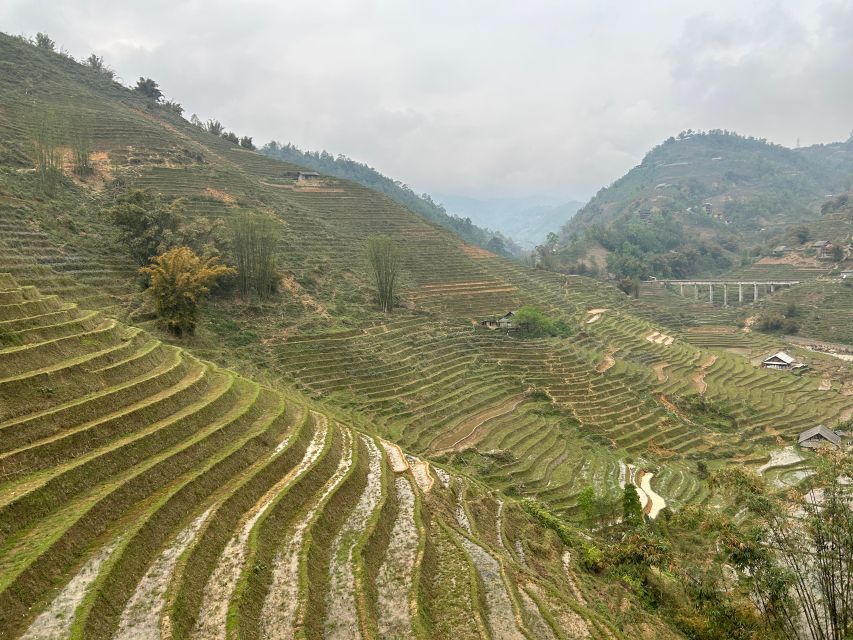
After lunch, the route continues from Y Linh Ho through more terraces and mountain valleys beside the Muong Hoa River. This section offers a change of rhythm. The river gives the route a clear natural line, while the terraces and slopes open up around it.
The scenery is likely to be at its most rewarding here, particularly for anyone who enjoys wide mountain views rather than built attractions. You will see the Hoang Lien Son Mountain area and the broad valley around it. The views are a strong reason to choose this tour, but remember that the weather controls how much you see. Clouds and rain can soften the distant panoramas.
The route then reaches Lao Chai, a Black Hmong village. This is not just a photo stop. The tour includes a chance to learn about traditional clothing associated with the Black Hmong, Flower Hmong, Red Hmong, Tay, and Dzay communities.
That cultural element is valuable because northern Vietnam is not one uniform mountain culture. Different groups have their own clothing, traditions, and village identities. The guide can help you notice those differences rather than treating every village as the same.
At the same time, you should approach village visits with care. Ask before taking close photographs of people or clothing. The experience is strongest when you remain curious and respectful, not when you treat the community as a backdrop.
The views from Lao Chai
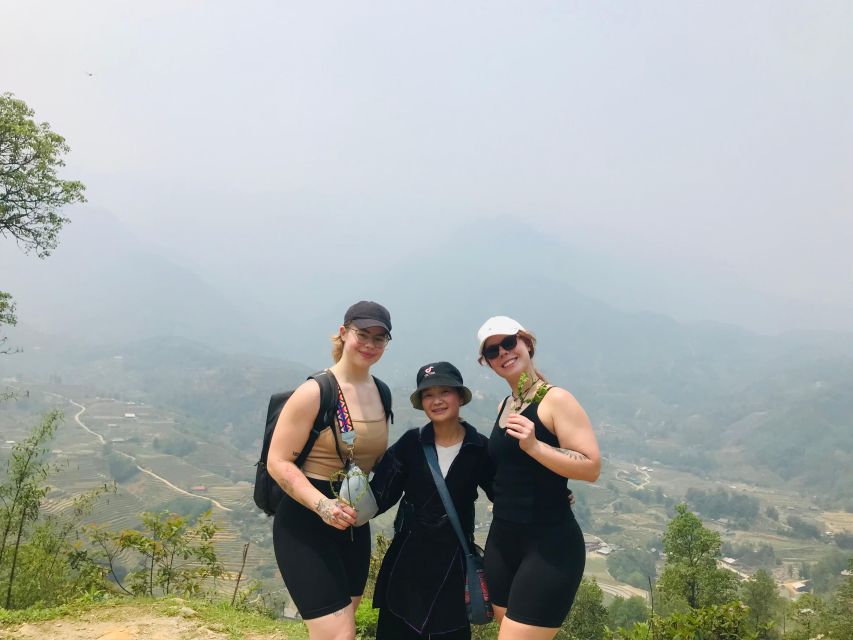
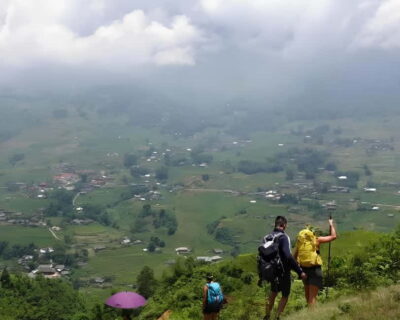
The Lao Chai section includes broad views over the village, river, and mountains. This is where the tour’s scenic promise becomes very clear. You get more than a narrow trail framed by vegetation. The route opens toward the valley and gives you room to look back at the ground you have covered.
I like that the itinerary places Lao Chai after lunch and the river walk. By then, the scenery has changed several times, so the panorama feels like part of a journey. You are not simply driven to a lookout, given ten minutes, and sent away.
Bring sunscreen and insect repellent. You should also pack rain gear, even if the morning begins dry. The required packing list includes trekking gear, sports shoes, sunscreen, insect repellent, and rain protection. These are not decorative suggestions for this route.
Large luggage is not allowed, so leave suitcases at your accommodation. Carry only what you need for the walk. A small day bag is the sensible choice for water, weather protection, and personal items.
The final walk to Ta Van
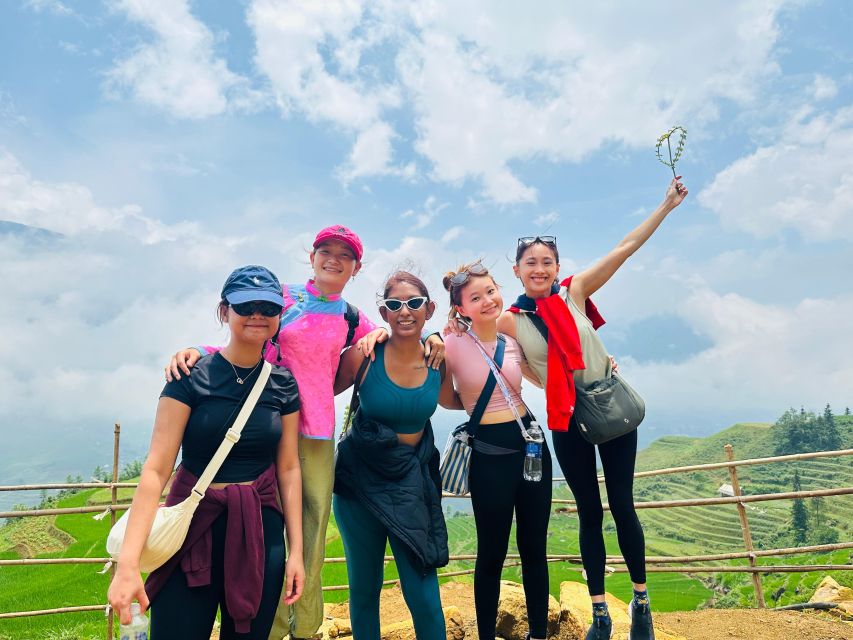
The last section heads through more mountain valleys and rolling rice terraces toward Ta Van village. The schedule places the start of this final stretch at about 3:30pm, although the stated duration and timing do not line up perfectly. Confirm the actual timetable before you book around it.
Ta Van is associated with Dzay and Hmong communities living together in the mountains. That makes it a fitting finish for a route that has introduced you to several ethnic groups and village settings. The day ends not at a single monument, but in a community shaped by the valley and its neighbors.
The final walk may be the hardest part simply because your legs have already done several hours of work. Take your time. If the weather changes or the trail feels too demanding, ask the guide about adjusting the route. The provider says the trek can be amended for different abilities and weather, but you should discuss your needs honestly before departure.
The ending point matters for transport. Ask if you will be returned to Sa Pa from Ta Van or if you must arrange a taxi. That one question can prevent an unpleasant surprise after a tiring walk.
What the guide adds to the experience
A village trek is much better with someone who can explain what you are seeing. The advertised guide languages are English and Vietnamese. One guide named Sung has tailored the route to suit what participants wanted, which suggests some flexibility rather than a rigid script.
There is also an account of the original guide’s mother leading the walk and speaking quite good English. Her explanations were described as brief but helpful. I would read that as a realistic expectation: you may get useful comments and local context along the way, but the experience is built around walking and scenery rather than a long formal lecture at every stop.
That can be a strength. You have time to look around, take photographs, and ask questions without feeling trapped in a classroom. If detailed cultural interpretation is your top priority, ask who will guide your departure and how much English support is available.
The group limit of 10 is another strong point. A small group makes it easier to hear the guide, keep a reasonable pace, and handle questions. It also reduces the chance that the route feels like a procession.
Who should book this walk
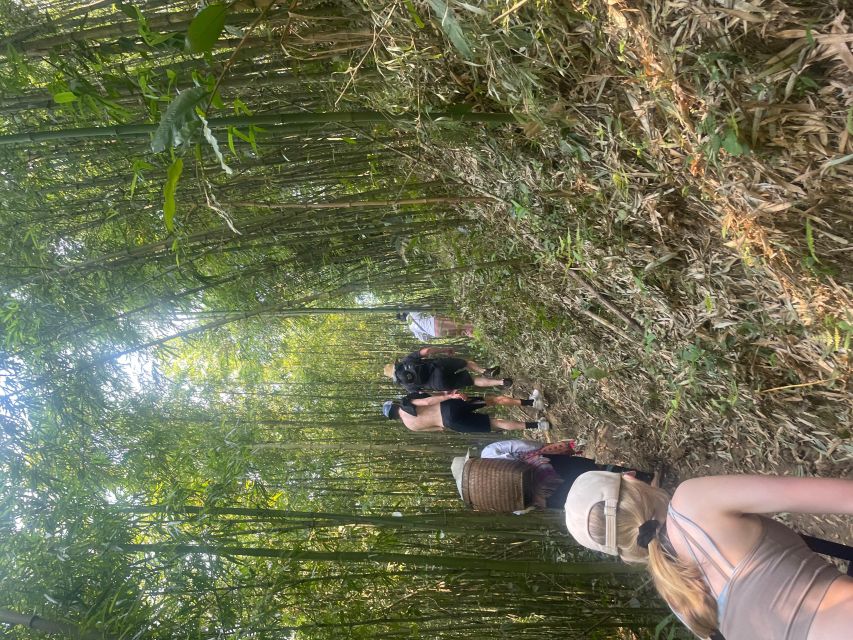
I would recommend this tour to you if you want:
- A half-day mountain trek rather than a vehicle-based sightseeing trip
- Rice terrace views and river valleys
- A small group with a local guide
- A family-prepared lunch
- Contact with Hmong and Dzay communities
- A route that can be adjusted if weather or ability requires it
You should think twice if you dislike uneven paths, have limited mobility, or want a gentle town walk. The route is not suitable for wheelchair users, pregnant women, people with mobility impairments, children under two, or people over 70.
The experience may also be a poor fit if your schedule is tight. The timing is generally presented as a 9:00am to 3:00pm outing, but the duration is also described as five hours, and the final timetable is not perfectly clear. Build in extra time and confirm the finish before making onward plans.
Price, flexibility, and practical details
At $24 per person, the tour is fairly priced for a guide, lunch, water, and a small-group route through several villages. You are not paying for a premium vehicle or a long list of add-ons. You are paying for access to a planned route and a local connection that would be harder to arrange on your own.
Free cancellation is available up to 24 hours before departure for a full refund. You can also reserve now and pay later, which helps if your Sa Pa plans depend on weather. That flexibility is useful here because mountain conditions can affect both views and trail comfort.
The most important practical step is packing correctly. Use sports shoes or proper trekking shoes, cover up against insects, and carry sunscreen and rain gear. Do not bring oversized luggage, and do not arrive in flip flops hoping the route will be easy.
Should you book Soob Sapa Trekking Tour?
Book it if your idea of a good Sa Pa day includes walking through rice terraces, seeing mountain valleys from several angles, and stopping for a simple meal prepared by a local family. The strongest parts are the scenic route, the small group, the local guiding, and the chance to connect Y Linh Ho, Lao Chai, and Ta Van in one outing.
Before paying, confirm three things: the exact duration, the guide assigned to your group, and the return transport from Ta Van. If those details suit your plans, $24 buys a useful and authentic introduction to Sa Pa’s valleys. If you need a very gentle walk or a fixed finish time, choose a shorter outing instead.
FAQ
Where does the Soob Sapa Trekking Tour start?
The usual meeting point is Sa Pa Church in Sa Pa town at 9:00am. Pickup anywhere in Sa Pa is also available.
How long does the trek last?
The experience is described as lasting five hours, while the full schedule runs from about 9:00am to 3:00pm. Confirm the exact duration and finish time when booking.
What villages does the route visit?
The route goes through or toward Y Linh Ho, Lao Chai, and Ta Van. It includes rice terraces, mountain valleys, and sections beside the Muong Hoa River.
Is lunch included?
Yes. A family-style lunch in Y Linh Ho is included, and vegetarian options are available. Water is also included.
What should I bring?
Bring insect repellent, trekking gear, sunscreen, rain gear, and sports shoes. Open-toed shoes, sandals, and flip flops are not allowed.
Can the route be changed for weather or ability?
The trek can be amended for different abilities and weather. The experience is not suitable for people with mobility impairments, wheelchair users, pregnant women, children under two, or people over 70.
Recently added around Sa Pa
- Sapa Trekking – Waterfalls And H’mong Villages★ 5.0 · 2 reviews
- Sapa Trekking Private Tour With Ethnic Female Tour Guide★ 4.9 · 24 reviews
- Sapa: Trekking Through Terraced Rice Fields & Valley 1 Day★ 4.8 · 4 reviews
- Sapa: Y Linh Ho – Lao Chai, and Ta Van Trekking Day Tour★ 5.0 · 25 reviews
- Sapa Trekking Guide Francophone 2 days – 1 night★ 5.0 · 2 reviews
- Sapa: Ta Phin Village Trek with Lunch and Bathing Experience★ 4.7 · 13 reviews
- Sapa small groupe activities: 1 Day trek – Meet the locals★ 4.7 · 3 reviews
- Sapa: Private trek to Muong Hoa Valley★ 5.0 · 4 reviews
Sapa Trekking Tours, compared.
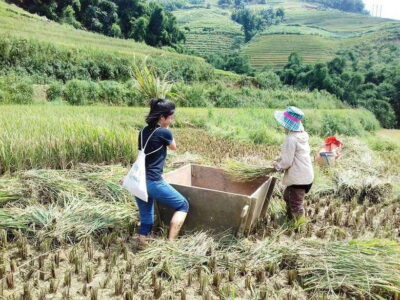
Muong Hoa Valley Trek and Local Ethnic Villages
Read our review →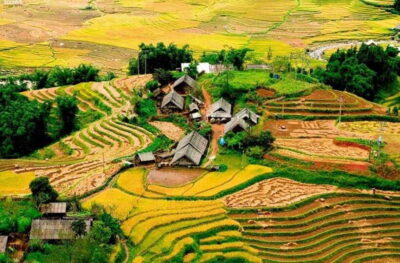
Eco Adventure Terrace Fields and Local Villages Trek
Read our review →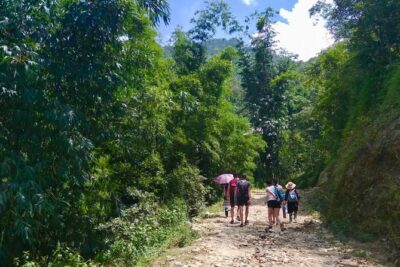
Number one top rated ethical cultural trekking and homestay by ETHOS
Read our review →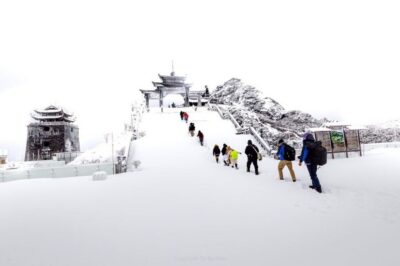
1-Day Guided Trek to Lao Chai & Ta Van with Lunch
Read our review →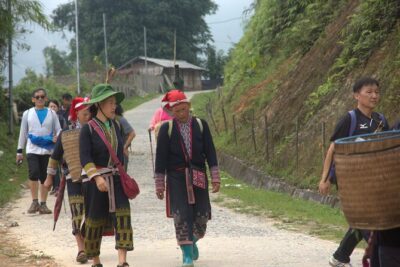
Sapa 1 Day Long Trek: Trek to Hau Thao and Sa Seng Villages
Read our review →
Explore Sapa by TrekkingAdventures, Mountain,Rice fields
Read our review →
EXPLORE SAPA: 2D1N TREKKING & HMONG CULTURE WITH DINH
Read our review →Browse the lists this tour appears in