
REVIEW · SAPA
Sapa: Y Linh Ho – Lao Chai, and Ta Van Trekking Day Tour
Rice terraces reward every careful step. This $19 day tour takes you from Sapa into the Muong Hoa Valley, linking Y Linh Ho, Lao Chai, and Ta Van on a 10 to 12 kilometer trek. I especially like the local guide-led pace and the chance to learn about Black Hmong and Giay life directly in the villages, rather than simply viewing the valley from a road.
I also like that lunch is included at a local house or riverside restaurant, with time for a rest at a homestay or café. Guides such as Su bring useful personal context because he lives in one of the villages and speaks clear English. The main consideration is the moderate physical demand: a long downhill route, changing weather, and uneven trails make this a poor match for anyone with low fitness or mobility limitations.
Key points to know before you book
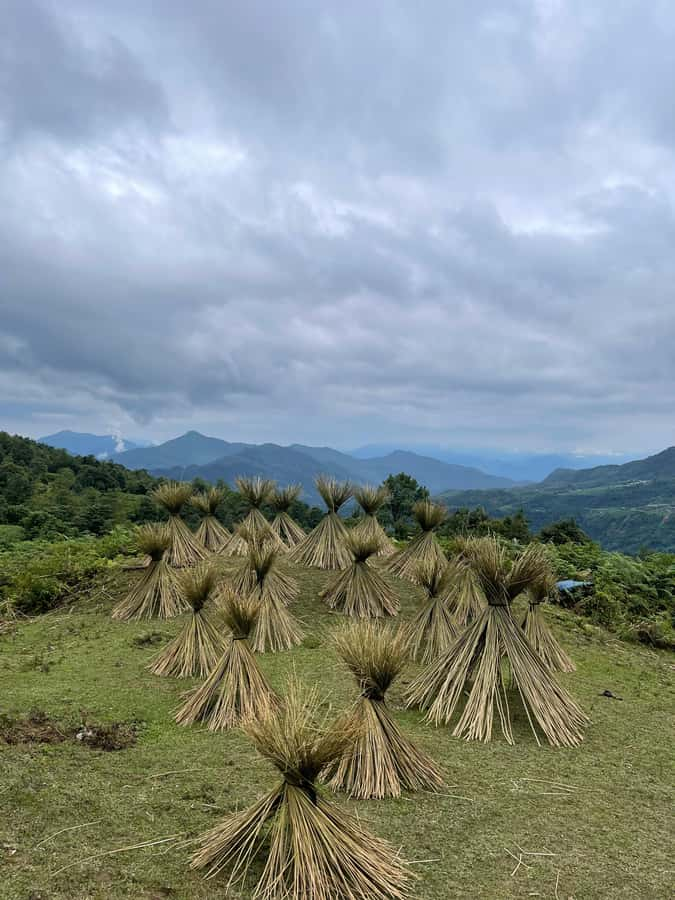
- The route covers 10 to 12 kilometers: Expect roughly 5 to 7 hours of walking, not a quick village visit.
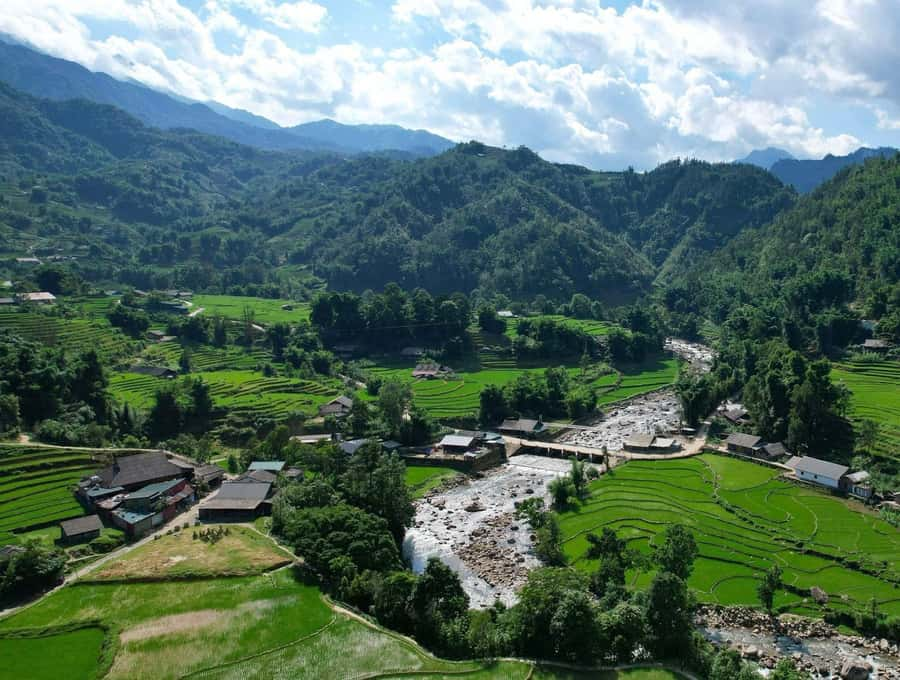
- Y Linh Ho offers the strongest valley views: The descent opens onto rice terraces, wooded hills, and the broad Muong Hoa Valley.
- Su is a highly praised guide: He shares personal stories about farming, family, education, marriage, and village life.
- The cultural focus feels personal: You visit Black Hmong communities in Y Linh Ho and Lao Chai, then reach a Giay village in Ta Van.
- Lunch is part of the value: You eat at a local home or riverside restaurant, rather than paying separately for a meal.
- The finish is easy: A car transfers you back to Sapa after the walk.
Starting in Sapa and heading into the valley
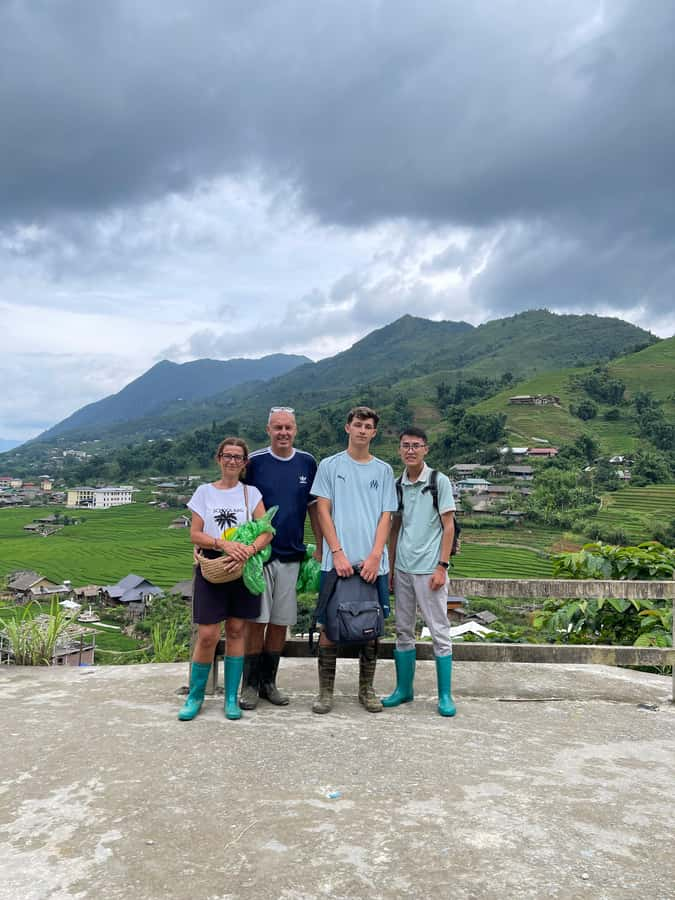
The day begins around 8:30 AM at Sapa church or another agreed meeting point in town. You meet the English or Vietnamese-speaking guide, receive a short orientation, and then leave the built-up center behind.
That early start makes sense. The tour has a fair amount of ground to cover, and the route is more than a gentle stroll. You begin descending toward the Muong Hoa Valley, so the first part may feel easier for your legs than the return climb would be. The tradeoff is that downhill walking can still be tiring, especially on uneven paths.
I would wear shoes with a firm sole and good grip. Comfortable trainers may be enough in dry weather, but the route can feel very different after rain. The weather in northern Vietnam can shift quickly, so bring a light layer, sun protection, water, and a hat. A camera is worth carrying, but keep it small enough that it does not become a burden after several hours.
The guide matters here. A good guide helps you watch your footing, explains what you are seeing, and keeps the walk from becoming a simple march between photo stops. Su receives especially strong praise for his English, kindness, and ability to explain village life in an easy, personal way. He has also been described as a local resident and farmer, which gives conversations a practical basis.
A few more treks around Sa Pa worth a look
- Sa Pa: Muong Hoa Valley Trek and Local Ethnic Villages
★ 4.6 · 864 reviews - Sapa: Eco Adventure Terrace Fields and Local Villages Trek
★ 4.9 · 636 reviews - Number one top rated ethical cultural trekking and homestay by ETHOS
★ 5.0 · 456 reviews
Y Linh Ho and the first rice terrace views
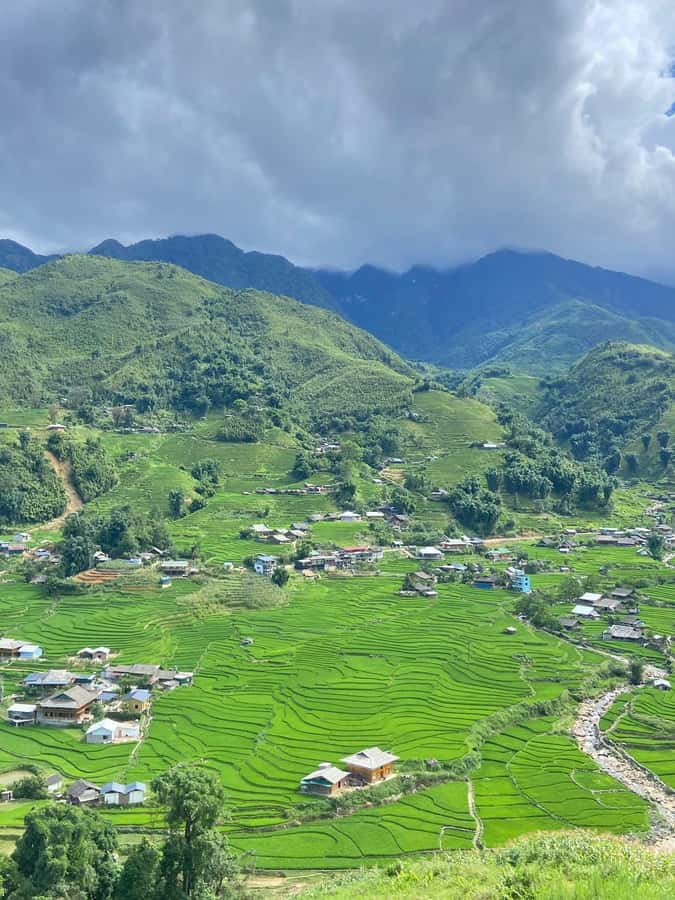
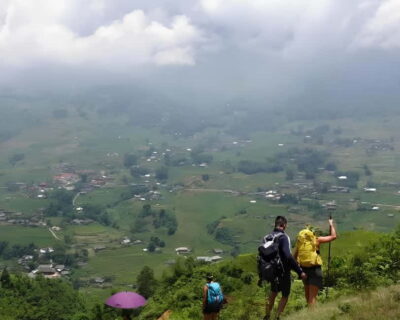
Y Linh Ho is the first major village on the route and one of the best places to appreciate the shape of the Muong Hoa Valley. The trail descends through open views of rice terraces, wooded slopes, and small settlements. The scenery is the main reward at this stage, but the route also gives you a first look at how villages fit into the valley rather than sitting apart from it.
Y Linh Ho is associated with the Black Hmong ethnic group. Your guide can introduce traditional customs, daily routines, and weaving techniques, giving you more context than a passing photograph would provide. The value is not just seeing textiles or houses. It is having someone explain how these details connect to local life.
I would treat this stop as a chance to ask questions. The strongest accounts of the tour describe long conversations about family, farming, education, marriage, and cultural values. Su’s own story is part of what makes the cultural side feel less formal. You are not simply receiving a list of facts, but hearing how life in the area is understood by someone who lives there.
Still, keep your expectations sensible. This is a walking tour through villages, not a museum visit or a staged cultural show. You may see handicrafts and learn about weaving, but the experience depends on the pace of the group and the conversations that develop along the way.
Lao Chai, village crafts, and a useful lunch stop
From Y Linh Ho, the trail continues toward Lao Chai along winding paths through the valley. This section combines the scenery with more chances to see local homes, fields, streams, and village activity. It is also a good stretch for photographs, though you should keep your attention on the path as well as the view.
Lao Chai is another Black Hmong village. Here, you can interact with local people, see handicrafts, and learn more about daily life. The word interact should not be taken to mean a guaranteed workshop or formal demonstration. The supplied details promise opportunities to see local crafts and talk with people, not a fixed craft class.
Lunch is included at a local house or a restaurant beside the river. That is a useful benefit at this price. A separate meal in a scenic setting can add to the cost of a day out, while an included lunch keeps the tour simple and lets you continue walking without searching for food.
The meal has been praised as delicious, but you should still view it as a local lunch rather than a restaurant experience with a broad menu. If you have dietary needs, ask about them when booking or before the walk begins, since the available details do not specify vegetarian, vegan, allergy, or other meal arrangements.
This is also a natural place for a short rest. After several kilometers, even a pleasant trail needs a pause. Use the break to drink water, check your shoes, and decide how much energy you want to spend on photos and conversation during the remaining route.
Walking onward to Ta Van and the Giay community
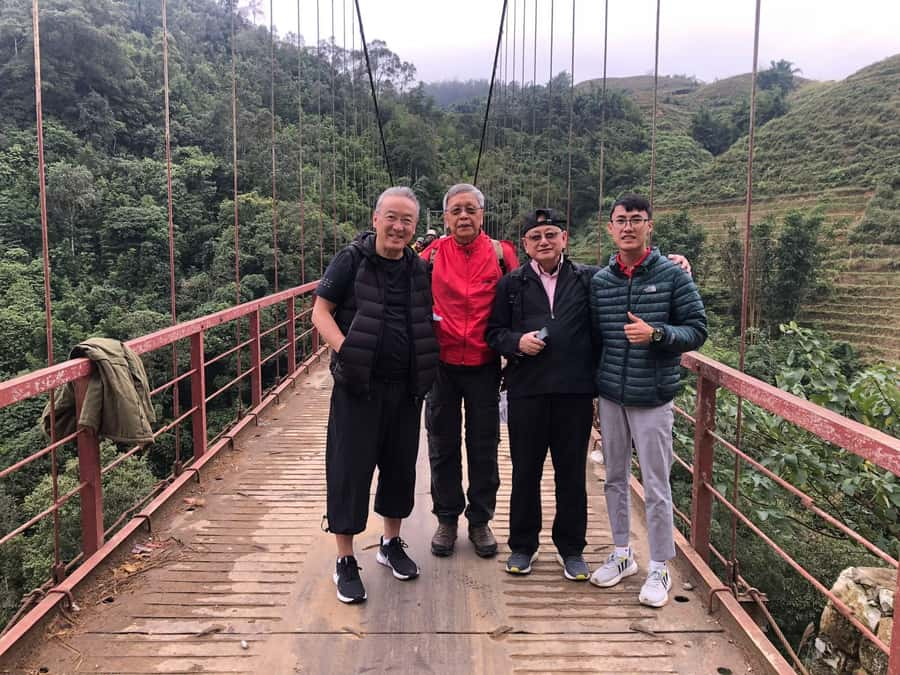
The route continues deeper into the valley toward Ta Van Village. Ta Van is associated with the Giay ethnic minority, so the cultural setting changes again. The shift gives the tour more range than a route that visits only one community.
You may notice differences in local architecture, village layout, and the way the guide describes community life. The important point is not to treat Ta Van as a quick final photo stop. It completes the cultural progression of the day: Black Hmong communities in Y Linh Ho and Lao Chai, followed by a Giay community in Ta Van.
A short rest at a local homestay or café may be available here, with traditional snacks mentioned as part of the stop. This is a modest but welcome feature after the longer walk. It gives you a place to sit, take stock, and continue talking with the guide before the return transfer.
The tour does not promise an overnight homestay. You visit or rest at a local homestay or café, then finish the day and return to Sapa by car. That distinction matters if you are hoping for an extended village stay. This is a full-day trek with a cultural visit, not a multi-day walking trip.
Same trailhead, a longer or shorter day out:
- From Sapa: 1-Day Guided Trek to Lao Chai & Ta Van with Lunch
★ 4.9 · 416 reviews - Sa Pa Full Day Trekking Tour
★ 5.0 · 414 reviews - Sapa 1 Day Long Trek: Trek to Hau Thao and Sa Seng Villages
★ 4.6 · 344 reviews - Explore Sapa by TrekkingAdventures, Mountain,Rice fields
★ 4.9 · 229 reviews
What the $19 price really includes
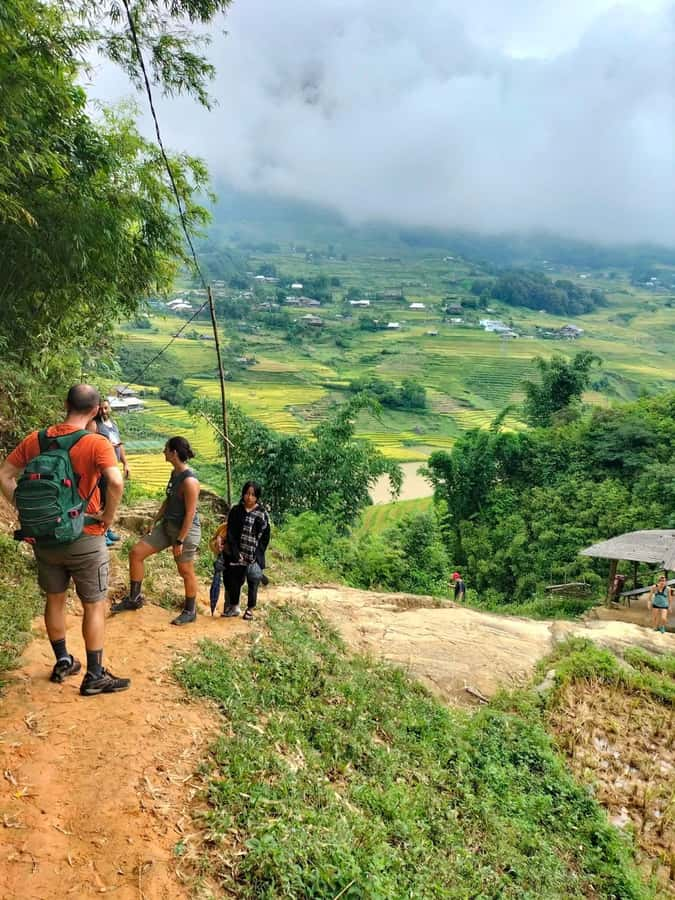
At $19 per person, this tour offers strong value if you want transport back to Sapa, a guide, lunch, and several villages in one day. You are not paying only for a marked walking route. The price covers a live guide, the trek, visits to Y Linh Ho, Lao Chai, and Ta Van, lunch, and the return car transfer.
The best value comes from the guide. Rice terraces are beautiful, but you can see photographs of them anywhere. A local guide can explain the people and places in front of you, help you understand the difference between communities, and make room for questions. Su is particularly well regarded for sharing his personal experiences and speaking clear English.
Small groups also add value when available. Several accounts describe groups of two or a few people, making it easier to ask questions and set a comfortable pace. Group size can vary, so I would not book on the assumption that you will always have a private walk. If a small group is important to you, confirm it before paying.
The low price does not mean the day is effortless. You still need proper footwear, water, sun protection, and enough fitness for 10 to 12 kilometers. Personal expenses are not included, so bring some money for anything extra you choose to buy.
How difficult is the 5 to 7 hour trek?
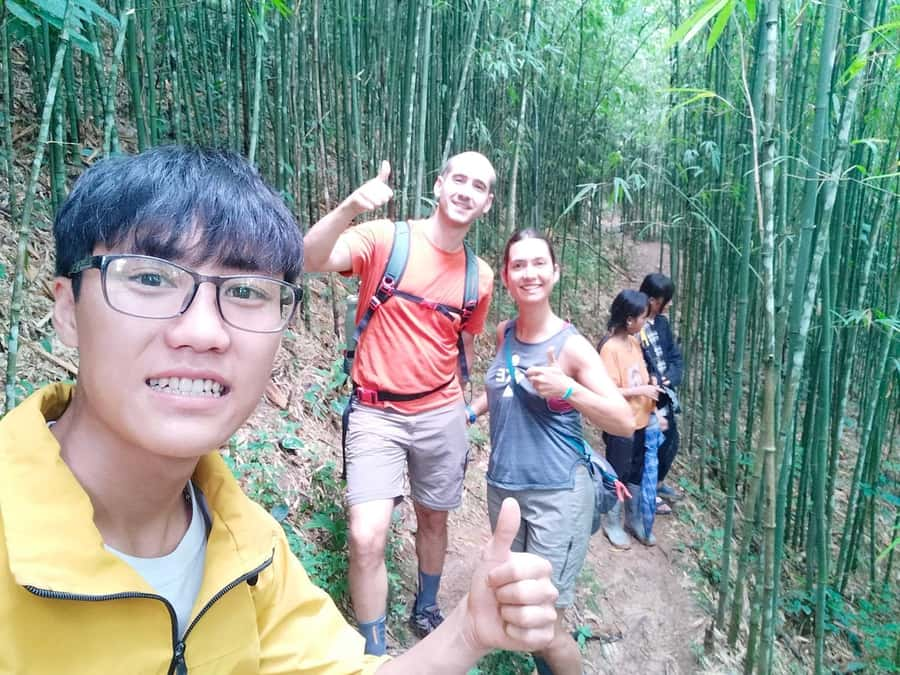
The activity is rated moderate. That description is fair based on the distance and terrain. You spend much of the day on foot, beginning with a descent from Sapa and continuing along valley paths between villages.
This is not suitable for people with mobility impairments or a low level of fitness. The tour data does not give a precise elevation profile, trail surface, or maximum group size, so I would not assume the route is smooth or easy throughout. Weather can also change quickly, which may affect footing and comfort.
You do not need to approach the day like a serious mountain expedition, but you should be comfortable walking for several hours. If your normal sightseeing routine involves short city walks and frequent vehicle transfers, this may feel demanding. If you regularly walk on uneven ground and can manage a half-day hike, the route should be more realistic.
Pace matters. A local guide can help with timing, but you should still mention any concerns at the beginning. Wear shoes you have already broken in. New footwear is a poor companion on a long valley trek, even when the views are excellent.
The guide can make or break the cultural side
The strongest part of this tour is the human connection. Su is repeatedly praised for being kind, prepared, and easy to understand in English. His local background adds useful detail, particularly when he talks about farming, family life, education, and the realities of living in the villages.
That personal approach also makes the tour suitable for people who want more than photographs. You can ask why homes and customs differ, how traditional crafts fit into daily life, and what village life is like now. The exact conversation will depend on your interests, but the guide is clearly central to the experience.
The provider is ASu Sa Pa Trekking Tour. English and Vietnamese are available. If you are choosing between a large group walk and this option, a small-group setting may give you more time for questions and a more relaxed exchange. It is still wise to confirm the group arrangement, since the information does not guarantee a fixed group size.
A fair review should also note that a personal guide style is not for everyone. Some people prefer a tightly scheduled tour with constant commentary and formal presentations. This walk appears better suited to people who enjoy conversation, local stories, and some flexibility in how they experience the villages.
Practical packing advice for this exact route
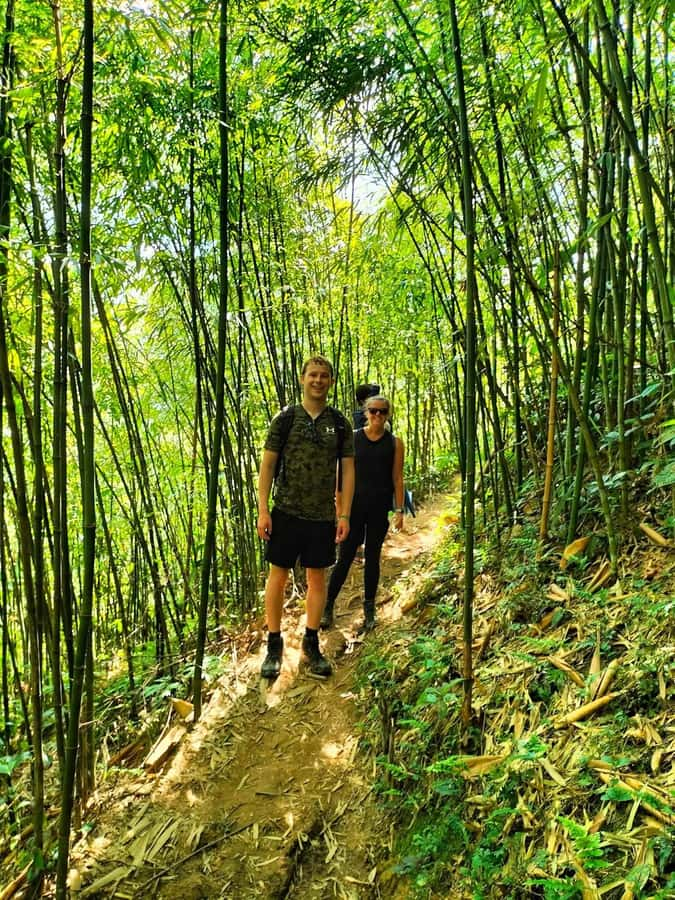
Keep your day bag light. You need enough water, but not so much that the descent and valley walk become harder than necessary. Bring a hat, sunscreen, and a camera, all specifically recommended for the activity.
Your clothing should handle changing conditions. The weather may shift quickly, so a light extra layer is sensible. Comfortable shoes are essential, and I would favor traction over fashion.
You may also want a small amount of cash for personal expenses. Lunch and the return transfer are included, but the tour does not cover optional purchases or other individual costs. The tour description does not specify whether snacks, drinks, or craft purchases are included, so plan to pay for those separately if needed.
Cancellation is flexible up to 24 hours before departure for a full refund, and you can reserve while paying later. That helps if your Sapa plans are still moving around. It does not remove the need to check the weather and your own fitness before setting out.
Who should book this Sapa trek?
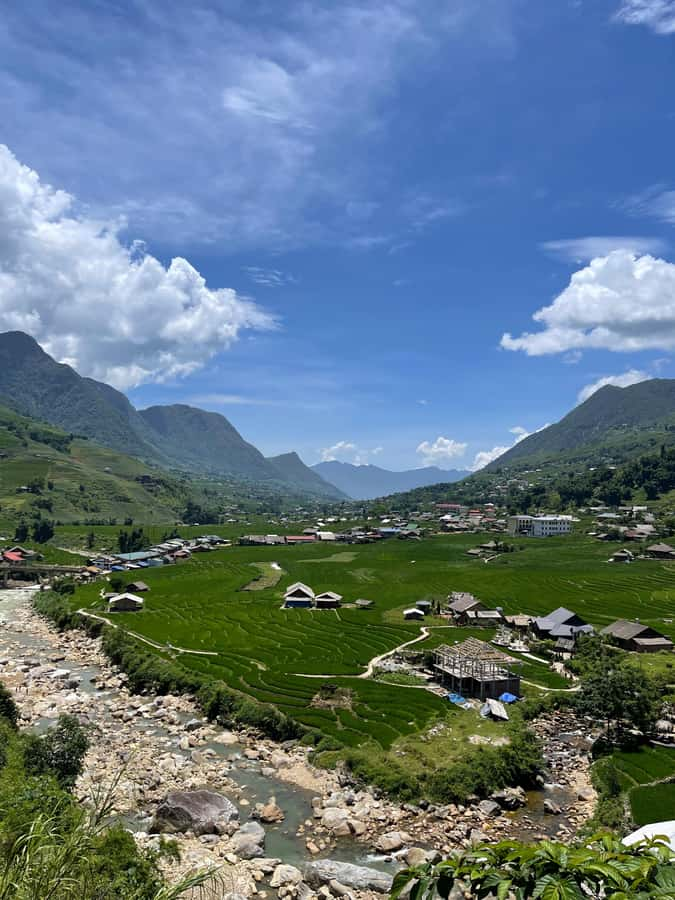
I would recommend it to you if you want three things in one day: wide rice terrace views, village walking, and direct conversation with a local guide. It is especially appealing if you prefer a small-group feel and want to ask questions rather than simply follow a flag through the valley.
The tour also suits people who want a good amount of activity without committing to an overnight trek. You walk for 5 to 7 hours, visit three named villages, eat lunch locally, and return to Sapa by car the same day.
I would be more cautious if you have weak knees, limited mobility, low fitness, or little experience with uneven trails. I would also reconsider if you want a fully private itinerary, a guaranteed workshop, or a detailed meal choice, since those points are not promised.
The overall rating is 5 out of 5 from 25 reviews, with particular praise for Su, the scenery, the food, the clear English, and the personal stories. That pattern is useful: the tour’s success seems to depend less on luxury and more on the guide, the setting, and the quality of the conversations.
Should you book the Y Linh Ho, Lao Chai, and Ta Van trek?
Book it if you want an affordable, active day that connects the famous Muong Hoa Valley views with real village visits. At $19, the included lunch, guide, and return transfer make the price unusually practical, while Su’s local knowledge can add meaning to what you see.
Skip it if a 10 to 12 kilometer trek sounds uncomfortable or if you need step-free access. For the right walker, this is a well-balanced Sapa outing: demanding enough to feel like an adventure, but organized enough to finish back in town the same day.
FAQ
How long does the Sapa trekking tour last?
The tour lasts approximately 5 to 7 hours.
How far do you walk?
The trek covers approximately 10 to 12 kilometers.
What time does the tour begin?
Departure is in the morning, around 8:30 AM.
Where does the tour start?
You meet the guide at Sapa church or another designated meeting point in Sapa town.
Which villages does the tour visit?
The route visits Y Linh Ho, Lao Chai, and Ta Van villages.
Which ethnic communities can you learn about?
Y Linh Ho and Lao Chai are connected with the Black Hmong community. Ta Van is home to the Giay ethnic minority.
Is lunch included?
Yes. Lunch is provided at a local house or a riverside restaurant.
Is the tour suitable for people with low fitness or mobility impairments?
No. The tour is rated as moderate trekking and is not suitable for people with low fitness or mobility impairments.
Recently added around Sa Pa
- Soob Sapa Trekking Tour★ 4.3 · 3 reviews
- Sapa Trekking – Waterfalls And H’mong Villages★ 5.0 · 2 reviews
- Sapa Trekking Private Tour With Ethnic Female Tour Guide★ 4.9 · 24 reviews
- Sapa: Trekking Through Terraced Rice Fields & Valley 1 Day★ 4.8 · 4 reviews
- Sapa Trekking Guide Francophone 2 days – 1 night★ 5.0 · 2 reviews
- Sapa: Ta Phin Village Trek with Lunch and Bathing Experience★ 4.7 · 13 reviews
- Sapa small groupe activities: 1 Day trek – Meet the locals★ 4.7 · 3 reviews
- Sapa: Private trek to Muong Hoa Valley★ 5.0 · 4 reviews
Sapa Trekking Tours, compared.
Muong Hoa Valley Trek and Local Ethnic Villages
Read our review →
Eco Adventure Terrace Fields and Local Villages Trek
Read our review →
Number one top rated ethical cultural trekking and homestay by ETHOS
Read our review →
1-Day Guided Trek to Lao Chai & Ta Van with Lunch
Read our review →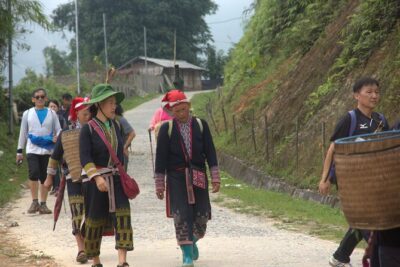
Sapa 1 Day Long Trek: Trek to Hau Thao and Sa Seng Villages
Read our review →
Explore Sapa by TrekkingAdventures, Mountain,Rice fields
Read our review →
EXPLORE SAPA: 2D1N TREKKING & HMONG CULTURE WITH DINH
Read our review →Browse the lists this tour appears in