
REVIEW · SAPA
Sapa Trekking Private Tour With Ethnic Female Tour Guide
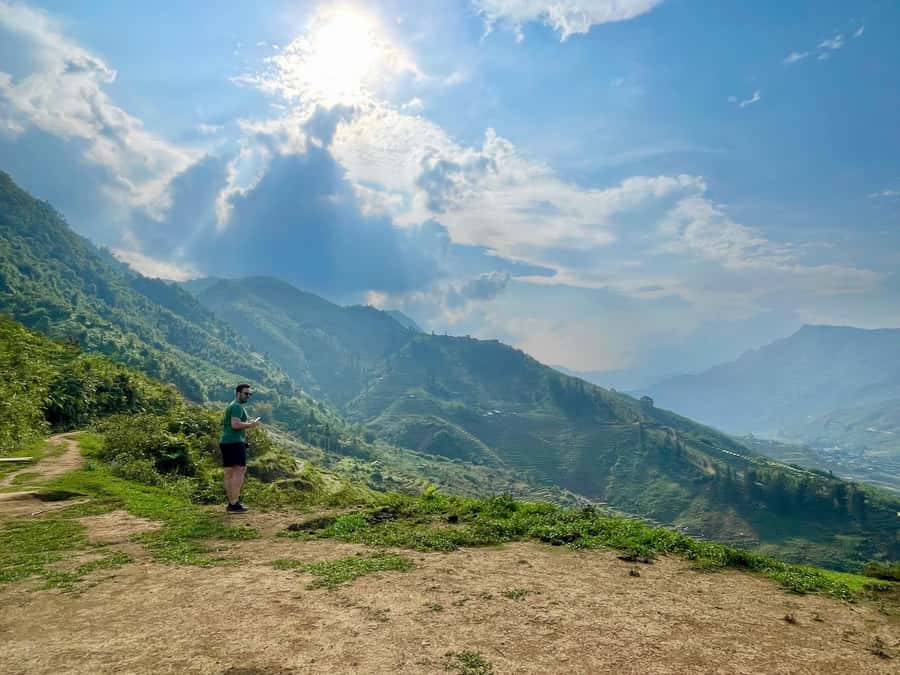
Sapa’s best stories are found beyond town. This four-hour private trek takes you from central Sapa into villages connected with the Black Hmong, Red Dao, and Dzay communities. I like the mix of mountain views and personal contact: you visit traditional homes, share tea or a welcome drink, and learn how nearby ethnic groups differ from one another.
I also like the flexible start, since you can begin from your accommodation in central Sapa, and the chance to have a female guide from the area explain local life in clear English. The main consideration is the terrain. This is a real village walk, not a flat sightseeing stroll, and wet weather can make the paths muddy. Comfortable shoes are essential, and rubber boots may be useful.
Key points at a glance
- Three ethnic groups in four hours: Learn about the Black Hmong, Red Dao, and Dzay communities in one compact outing.
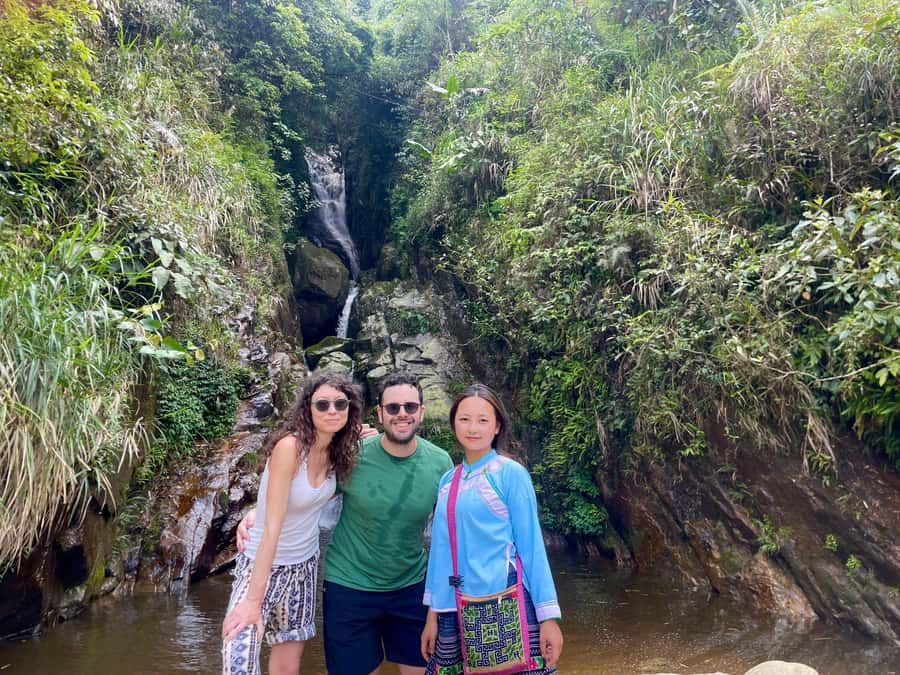
- A local female guide: Guides such as Dung, Dely, Deli, Xiang, and La have been praised for their friendly manner, English, and knowledge of local customs.
- Traditional homes and tea: Visits to local houses give the cultural side of the trek more meaning than views alone.
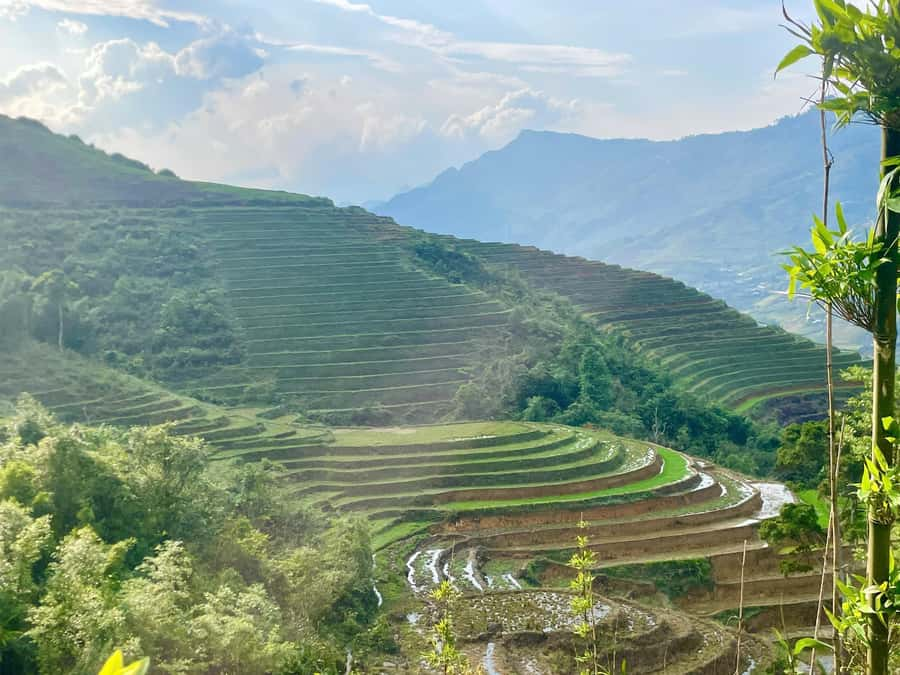
- Muong Hoa Valley scenery: Rice terraces and village paths provide the main visual reward.
- Flexible private format: You can request changes to the route and may start from your accommodation.
- Good value at $30: The price includes pickup and an English-speaking guide, but not meals or entrance tickets.
Why this short Sapa trek works
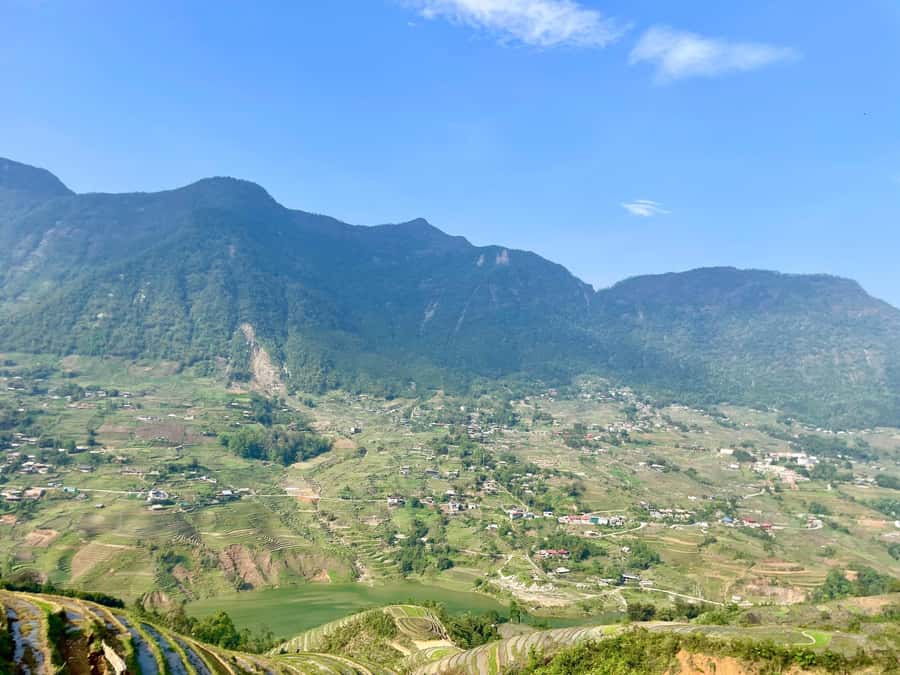
Sapa is easy to admire from a viewpoint. It is harder to understand from a viewpoint. This tour helps bridge that gap by combining the scenery of the Muong Hoa Valley with conversations about the people who live among the rice terraces.
The route travels first north of Sapa, then southeast toward Muong Hoa Valley. That gives you two different settings in one morning or afternoon. The northern section focuses on the Black Hmong and Red Dao, while the valley section introduces the Dzay community.
I like that the experience is built around explanation rather than quick photo stops. You can ask about customs, homes, clothing, daily routines, and the differences between the communities. That matters in Sapa, where it is easy to photograph village life without understanding much about it.
The tour is private, so the pace can be adjusted. If you want more time for questions, pictures, or tea, you can discuss that with your guide. If the weather shifts or your booking time changes, the route may also be altered.
The four-hour length is useful for a short stay in Sapa. You still have time afterward for lunch, a rest, or another activity. At the same time, four hours limits how far you can walk and how long you can stay in each village. This is an introduction to the area, not a full-day mountain trek.
More Guided Treks in Sa Pa:
- From Sapa: 1-Day Guided Trek to Lao Chai & Ta Van with Lunch
★ 4.9 · 416 reviews - Sa Pa: 6-Hours Muong Hoa Valley Trek with Local Ethnic guide
★ 4.5 · 178 reviews - Sapa 1 day trek with local guide to the village by Comlam
★ 5.0 · 148 reviews
Starting in central Sapa and heading north
Pickup from accommodation in central Sapa is included. That removes one small but annoying task at the start of the day, especially if you are still learning your way around town.
After a short introduction, you set off with your driver or guide. The material describes a combination of transport and walking, with the possibility of taking a car on the return. Because the exact route can change, you should confirm the walking and driving arrangements when you book.
The first part heads north of Sapa toward villages associated with the Black Hmong and Red Dao. This section is less about ticking off attractions and more about seeing how nearby communities maintain distinct traditions.
You visit traditional houses and have a welcome drink. Tea and conversation are part of the experience, giving you a chance to ask questions instead of simply passing through. Pictures with local residents may be possible, but always follow your guide’s lead and ask politely before taking photographs.
This stop is especially helpful if you want cultural context. The Black Hmong and Red Dao are among the largest ethnic groups around Sapa, yet they are not interchangeable. Your guide can explain differences in customs and daily life in a way that is easier to grasp inside a village than in a museum display.
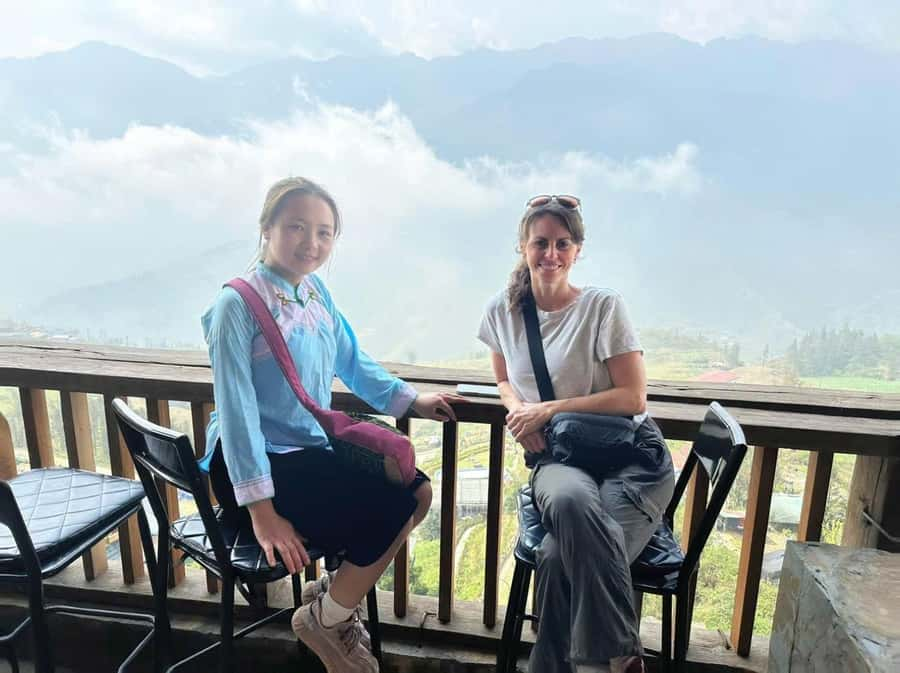
The guide is a major part of the experience here. Dung has been praised for detailed explanations and for answering questions. Deli and Dely have also received strong praise for friendliness, flexibility, English, and their explanations of Hmong culture. Xiang was described as a wonderful guide for the walk, while La was praised for being a local from a nearby village and for knowing the area and its customs well.
Guide names may change according to availability, but these comments point to something important: a local guide adds much more than directions. You are paying for interpretation, introductions, and help reading the setting around you.
Meeting the Black Hmong and Red Dao
The northern section is the cultural heart of the tour. You learn about the Black Hmong and Red Dao, two communities with their own customs and identities. The guide explains how their traditions differ, rather than presenting all ethnic life around Sapa as one single culture.
That distinction is valuable. A short visit can easily become a blur of village names and clothing colors. A good explanation gives each community a clearer place in your understanding of the region.
The traditional-house visits also help keep the experience grounded. Instead of seeing only rice fields, you get a glimpse of how local people live and welcome visitors. The tea or welcome drink is a small detail, but it creates a more relaxed exchange.
Still, keep your expectations sensible. This is not a formal home tour with a set museum-style presentation. It is a visit shaped by the guide, the residents, the weather, and the timing of the day. Some conversations may be longer than others, and the amount of time in each house can vary.
The friendly welcome is often the memorable part, but you should approach it with respect. Ask before taking close-up photos, avoid treating homes like photo sets, and listen when your guide explains local etiquette.
Moving into Muong Hoa Valley
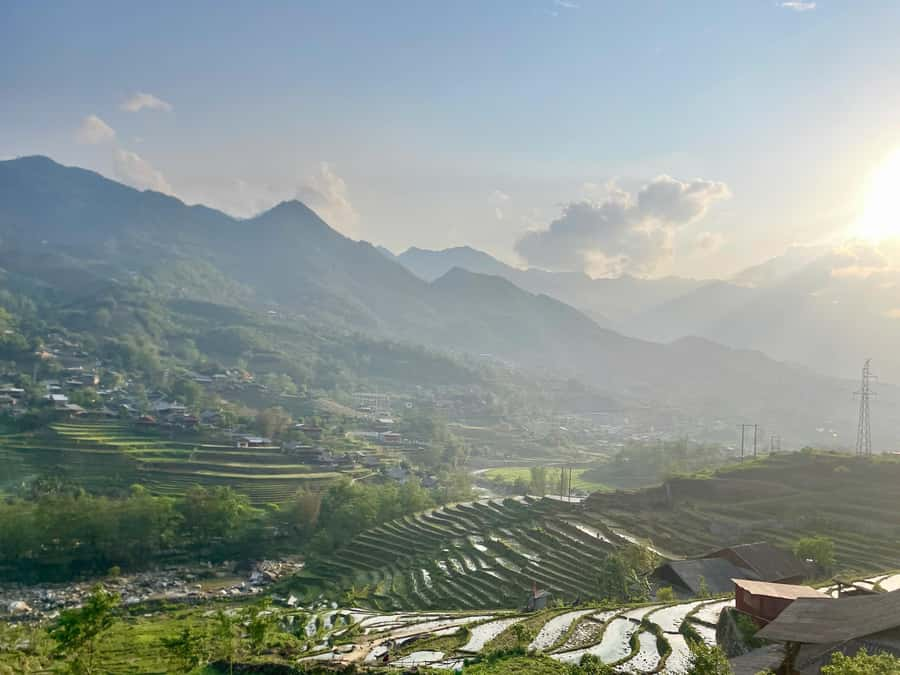
After the northern villages, the route continues southeast toward Muong Hoa Valley. The change of setting gives the tour a good rhythm. The first section is more focused on the Black Hmong and Red Dao, while the valley section brings you closer to the Dzay community.
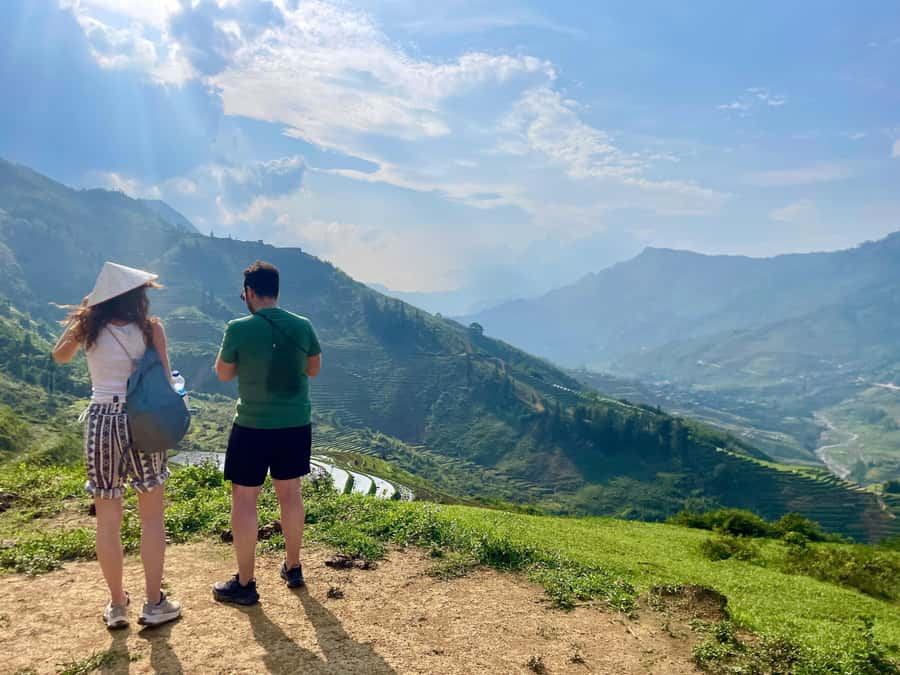
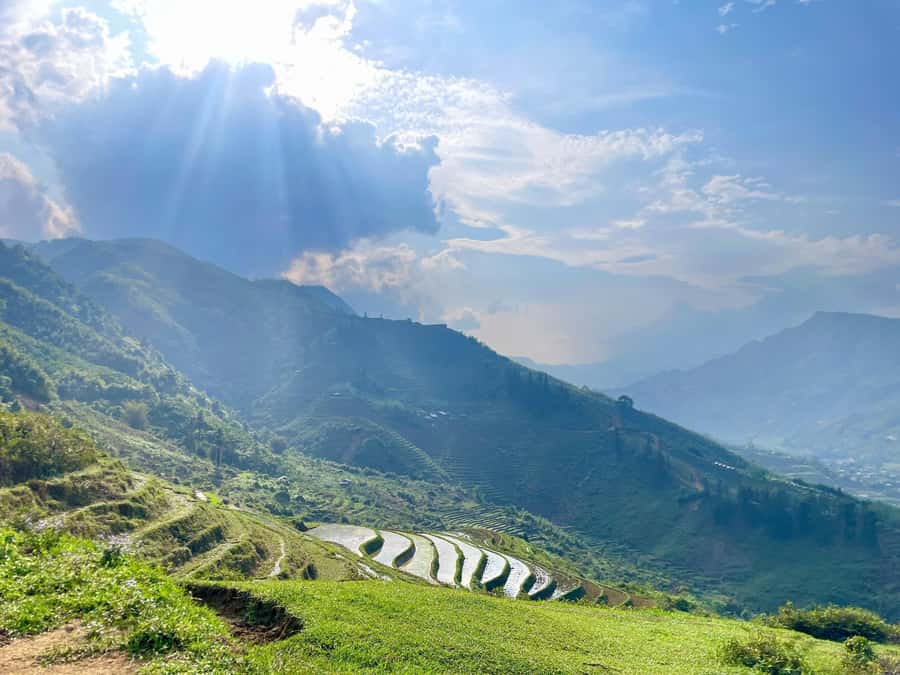
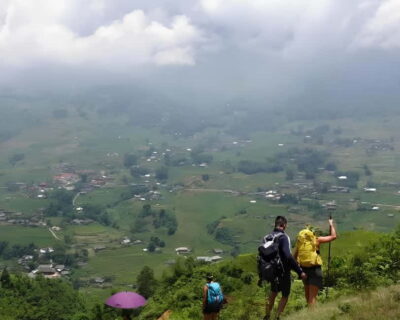
Muong Hoa is known for its terraced fields and village scenery. The terraces are the visual centerpiece of the walk, particularly when viewed from paths that run through or above the valley. You can expect broad views, cultivated slopes, and homes connected by rural routes.
The Dzay community is an important part of this section. Again, the value is not simply seeing another village. Your guide helps explain who lives in the valley and how that community fits into the wider area around Sapa.
You then continue farther into Muong Hoa Valley. This is where the tour feels most like a trek. The paths can be uneven, and conditions may change after rain. One visitor specifically advised bringing trekking shoes or rubber boots, a practical tip worth taking seriously.
You should bring water, sunscreen, a hat, and a camera. Comfortable walking shoes are listed as essential, but ordinary city sneakers may not be enough if the route is wet or slippery. The tour is not suitable for people with back problems or wheelchair users.
The scenery comes with a physical tradeoff. Terraced fields are best seen from rural paths, not from a vehicle window, but rural paths are rarely smooth. If you want a gentle outing with almost no walking, this is not the right choice.
A few more treks around Sa Pa worth a look
- Sa Pa: Muong Hoa Valley Trek and Local Ethnic Villages
★ 4.6 · 864 reviews - Sapa: Eco Adventure Terrace Fields and Local Villages Trek
★ 4.9 · 636 reviews - Number one top rated ethical cultural trekking and homestay by ETHOS
★ 5.0 · 456 reviews - Sa Pa Full Day Trekking Tour
★ 5.0 · 414 reviews
What the private format adds
A private tour can make a major difference in Sapa. You are not tied to a large group moving at one fixed pace, and you can request a customized route. The provider specifically allows itinerary changes, subject to conditions such as weather and booking times.
That flexibility is useful in several ways. You might want to spend longer learning about the Black Hmong and Red Dao, or you might prefer more time in Muong Hoa for photos. You can also ask to begin the trek from your accommodation if that suits the day.
The private format also makes conversation easier. Questions about culture are more natural when you are not trying to hear a guide over a crowd. You can ask for clarification, request help with pronunciation, or pause when the view deserves a closer look.
There are limits. A private tour does not guarantee a completely private village experience. You are still entering living communities, and the exact order of visits may change. Also, the listing does not specify a precise group size, so confirm the arrangement if that matters to you.
At the end, you return to Sapa by a different road. A car may be available for this part, depending on the arrangement. That return route gives the outing a sense of variety, but you should not assume that every booking includes the same amount of driving.
Is $30 a fair price?
At $30 per person, the tour offers good value for a four-hour private outing. The price includes pickup from central Sapa and an English-speaking guide. Those are the two services that matter most here, since transport gets you beyond town and the guide provides the cultural meaning.
You also get a flexible route, village visits, tea or a welcome drink, and views across Muong Hoa Valley. The cost is especially reasonable if you are sharing the private experience with one or more companions.
The price does not include meals, personal expenses, or the entrance ticket for Cat Cat Village. Cat Cat is not the main focus of the route described here, but if it is added to your plans, budget for that ticket separately.
A meal is not included, though one guide, Dely, offered an additional lunch experience at her home that was described as especially enjoyable. Treat that as an optional extra, not part of the basic price, and ask about the cost and arrangements before agreeing.
The provider also offers a free edited video per booking if you send photos to the guide’s WhatsApp. That is a pleasant extra for people who enjoy keeping a short travel video, but it should not be the main reason to book.
Timing, weather, and practical preparation
The tour lasts four hours, but starting times depend on availability. A morning departure can leave your afternoon open, while a later start may work better if you arrive in Sapa by train or bus and need time to settle in.
Weather can affect both the route and your comfort. Sapa’s paths may be muddy, and the guide may change the plan if conditions are poor. Bring water and sun protection even when the day looks cool. The valley can feel exposed, while the walking itself can be tiring.
Smoking is not allowed during the activity. Food allergies and dietary restrictions should be shared in advance, especially if you plan to arrange food or a home lunch.
The tour has free cancellation up to 24 hours before departure, and you can reserve now and pay later. Those terms are useful if your Sapa plans depend on weather or transport, though you should still check the available starting time before committing.
Who should book this Sapa experience?
I would recommend this tour to you if you want a compact cultural outing with real walking and strong views. It suits couples, families with older children who can handle uneven paths, and solo visitors who want a local guide without joining a large group.
It is also a good choice if you care about the difference between local communities rather than simply collecting photographs. The Black Hmong, Red Dao, and Dzay focus gives the tour more substance than a standard viewpoint visit.
You should think twice if you have back problems, use a wheelchair, or strongly dislike muddy and uneven paths. You may also prefer a longer, more demanding trek if you want a full day in the mountains.
The main strengths are clear: excellent guide feedback, personal conversations, terraced fields, and a flexible private format. The main weaknesses are the short duration, uncertain path conditions, and extra costs for meals or tickets.
Should you book it?
Book this tour if you want to understand Sapa through both its people and its scenery. The strongest part is the pairing of local explanation with village walking, especially when your guide is someone such as Dung, Dely, Deli, Xiang, or La who can connect the route to personal knowledge of the area.
Bring proper footwear, keep your schedule a little flexible, and do not expect a polished attraction with perfectly dry paths. If you are comfortable with those conditions, $30 buys a practical and personal introduction to northern Sapa that is hard to match from town alone.
FAQ
How long does the Sapa trekking tour last?
The tour lasts four hours. Starting times depend on availability.
Where does pickup take place?
Pickup is provided from accommodation in central Sapa. The itinerary may also allow you to begin the trek directly from your accommodation.
Which ethnic groups will I learn about?
The tour covers the Black Hmong, Red Dao, and Dzay communities. The northern section focuses on the Black Hmong and Red Dao, while Muong Hoa Valley introduces the Dzay group.
Is an English-speaking guide included?
Yes. An English-speaking live guide is included. The guide is a local female guide, though the specific guide depends on availability.
Are meals included?
No. Meals are not included. An additional lunch experience at a guide’s home may be available, but you should arrange and confirm that separately.
What should I bring?
Bring comfortable shoes, a hat, sunscreen, water, and a camera. Trekking shoes or rubber boots may be useful in wet conditions.
Recently added around Sa Pa
- Soob Sapa Trekking Tour★ 4.3 · 3 reviews
- Sapa Trekking – Waterfalls And H’mong Villages★ 5.0 · 2 reviews
- Sapa: Trekking Through Terraced Rice Fields & Valley 1 Day★ 4.8 · 4 reviews
- Sapa: Y Linh Ho – Lao Chai, and Ta Van Trekking Day Tour★ 5.0 · 25 reviews
- Sapa Trekking Guide Francophone 2 days – 1 night★ 5.0 · 2 reviews
- Sapa: Ta Phin Village Trek with Lunch and Bathing Experience★ 4.7 · 13 reviews
- Sapa small groupe activities: 1 Day trek – Meet the locals★ 4.7 · 3 reviews
- Sapa: Private trek to Muong Hoa Valley★ 5.0 · 4 reviews
Sapa Trekking Tours, compared.
Muong Hoa Valley Trek and Local Ethnic Villages
Read our review →
Eco Adventure Terrace Fields and Local Villages Trek
Read our review →
Number one top rated ethical cultural trekking and homestay by ETHOS
Read our review →
1-Day Guided Trek to Lao Chai & Ta Van with Lunch
Read our review →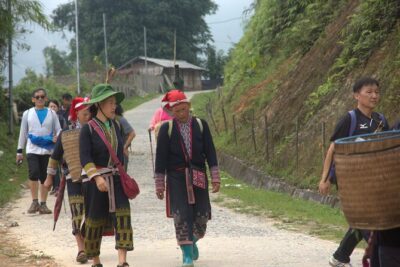
Sapa 1 Day Long Trek: Trek to Hau Thao and Sa Seng Villages
Read our review →
Explore Sapa by TrekkingAdventures, Mountain,Rice fields
Read our review →
EXPLORE SAPA: 2D1N TREKKING & HMONG CULTURE WITH DINH
Read our review →Browse the lists this tour appears in