
REVIEW · SAPA
Sapa: Eco Adventure Terrace Fields and Local Villages Trek
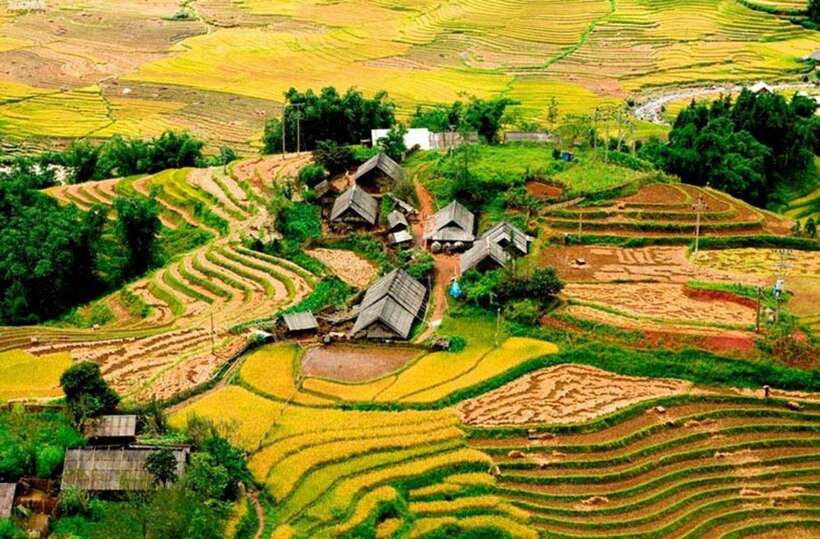
Rice terraces are only half the story. This six-and-a-half-hour trek pairs Sapa’s famous mountain scenery with time in Hmong and Dzay villages, where local guides explain daily life, clothing, farming, and customs. I like the small groups of up to 10 people, which make it easier to ask questions and keep a sensible pace. I also like that lunch is served locally rather than treated as an afterthought.
The main catch is the trail itself. This is a proper 10 to 12 kilometer walk, with steep, slippery, and very muddy sections, especially after rain. If you want a gentle countryside stroll, this is not it. If you enjoy a bit of mud and can manage uneven ground, the local guides, including highly praised guides such as Chai and Vu, add real value.
Key points to know before you book
- A 10 to 12 kilometer mountain trek: Expect several hours on foot, not a short viewpoint walk.
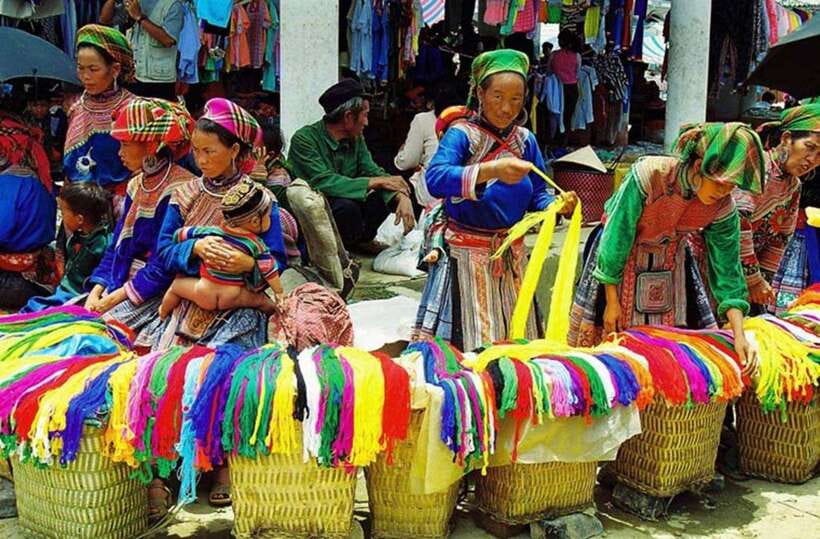
- The best cultural element: Hmong and Dzay communities are part of the route, with explanations of local customs and traditional clothing-making.
- Weather changes the experience: Fog can hide Fansipan and the valley, while rain can turn the first sections into slippery mud.
- Local lunch included: You eat traditional food in or near Lao Chai Sang, with vegetarian and vegan choices available according to recent experience.
- Small group, English-speaking guide: Groups are limited to 10, and guides such as Chai, Vu, Wu, and VU have been praised for warmth and clear English.
- Come prepared for wet ground: Hiking shoes are essential in dry weather, and rented rubber boots can be a smart choice after rain.
Starting at Sapa Church at 9:00 AM
Your day begins in front of Sapa Church, a useful central meeting point. The guide will contact you more easily through WhatsApp, so provide a working number when you book. Hotel transfers are not included, meaning you need to reach the church on your own.
The 9:00 AM start gives you a full morning in the valley before returning to Sapa around 3:30 PM, though some outings have finished closer to 4:00 PM. The exact pace depends on trail conditions, group ability, and stops along the way.
Because the group is capped at 10, this should feel more personal than a large bus excursion. That matters here. You will want time to ask about farming, family life, clothing, and the differences between ethnic communities. A good guide can turn a walk past a house or rice field into something you remember.
Guides named Chai received especially strong praise for her English, humor, safety awareness, and explanations of Hmong life. Vu, Wu, VU, Rou, Le, Lien, Si, Pai, Rose, Chan, and others were also described as friendly and attentive. Guide names can change, of course, but the pattern is clear: the human side of this outing is a major part of its appeal.
A few more treks around Sa Pa worth a look
- Sa Pa: Muong Hoa Valley Trek and Local Ethnic Villages
★ 4.6 · 864 reviews - Number one top rated ethical cultural trekking and homestay by ETHOS
★ 5.0 · 456 reviews - From Sapa: 1-Day Guided Trek to Lao Chai & Ta Van with Lunch
★ 4.9 · 416 reviews
The first viewpoint and the road into Muong Hoa Valley
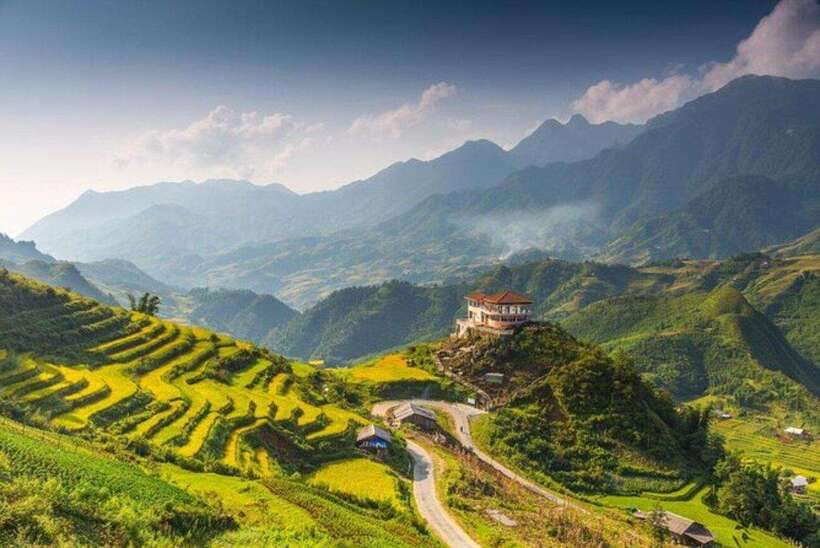
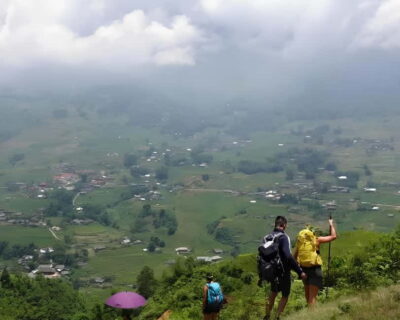
The opening stop is a small hill viewpoint with broad views toward Fansipan Peak. On a clear day, this gives you a quick sense of Sapa’s scale: steep mountains, folded valleys, and terraces cut into slopes below.
Do not count on a perfect panorama. Fog is common in Sapa, particularly in the morning and during wetter periods. Some people have had limited visibility at the start, only for the clouds to lift later in the afternoon. That is normal mountain weather, not a failed excursion.
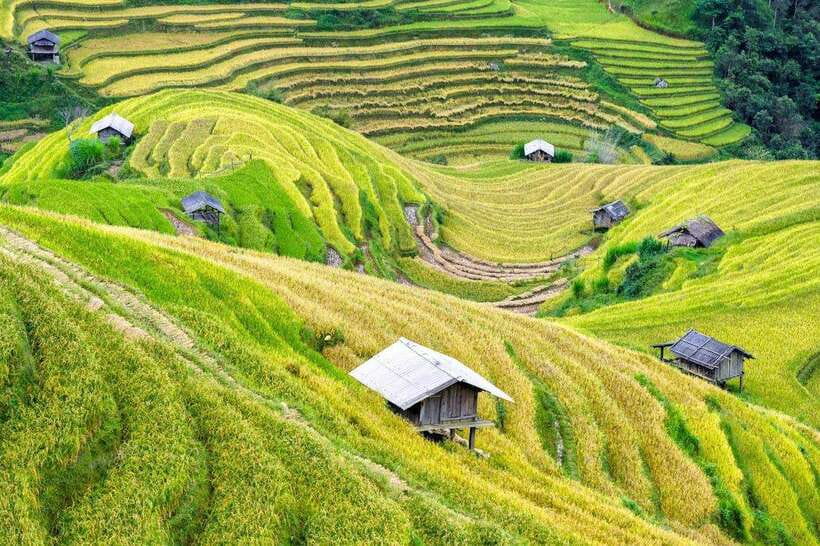
From the viewpoint, the route heads into Muong Hoa Valley. This is the visual heart of the walk, with layered rice terraces, streams, wooden houses, farm plots, and high mountains around you. The scenery changes with the farming calendar. At some times of year you may see planting, at others harvesting, and at quieter times the terraces may look bare or water-filled.
I like this part because it is not just a photo stop. You walk through the setting rather than view it from a roadside platform. Farmers working in the fields, animals around village homes, and small streams give the valley a lived-in quality.
Y Linh Ho and the first serious trail section
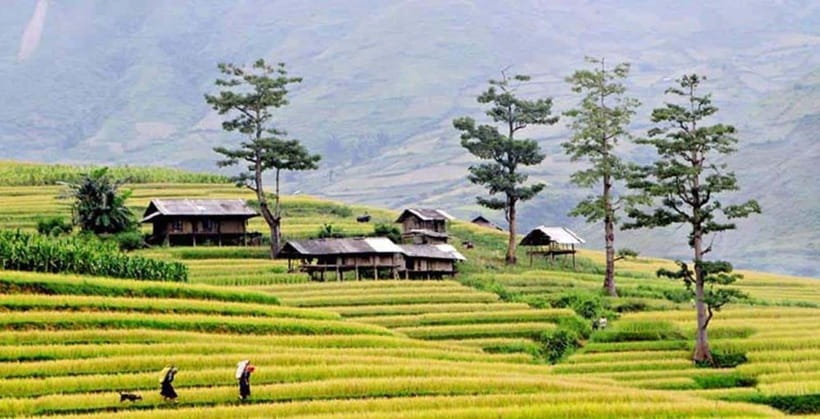
At roughly 11:00 AM, you reach Y Linh Ho Village, associated with the Hmong community. A small bridge crosses a scenic river, followed by trails toward Lao Chai Sang.
This is often where the trek feels most adventurous. Recent conditions have included mud, slippery slopes, and awkward downhill sections. Rain the day before can matter more than the weather on the morning itself. Even on a sunny day, the ground may still be soft.
Local women from nearby villages sometimes help people through difficult muddy areas. Their assistance can be useful, but you should also understand the social setting. They may sell handmade clothing, bags, or other goods afterward. You are not required to buy anything, yet carrying some cash gives you the option to support local sellers if you wish.
Some guides offer a simpler route along a road when the ground becomes too difficult. That can be sensible for safety, but it is less adventurous and gives you less contact with the narrow trails. If you prefer the more rugged route, tell your guide early and be honest about your fitness.
This is also the point where proper footwear matters most. Several people have rented rubber boots locally for a small fee and found them helpful. Bring shoes or boots with a strong grip, clothing that can get dirty, and insect repellent. Sapa mud is not decorative, and it has a way of reaching trousers that look safely out of reach.
Lunch with Hmong hospitality around 12:30 PM
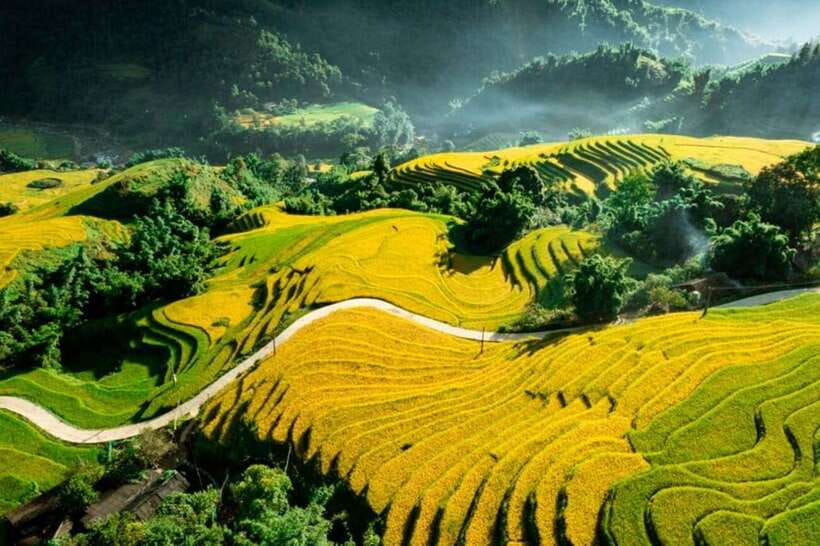
Around 12:30 PM, you stop for a home-cooked meal with a local Hmong family in Lao Chai Sang. The precise setting may be a family home or a small local restaurant in the village, depending on the day, but the important point is that lunch takes place away from Sapa town.
The meal is included in the $27 price, which makes the outing good value. Food reports have been positive, with vegetarian and vegan options available. Drinks are not included, so bring money if you want anything beyond the meal.
Lunch is more than a break for tired legs. It gives you a chance to slow down and talk with your guide. Ask about the terraces, household work, village education, clothing, or the challenges of mountain life. Guides such as Chai and Vu have been praised for sharing personal and local knowledge in a clear, friendly way.
Do not expect a polished restaurant experience or a long menu. This is a practical local meal during a walking day. You should value it for its setting and connection to the route, not compare it with a city dining experience.
Same trailhead, a longer or shorter day out:
- Sa Pa Full Day Trekking Tour
★ 5.0 · 414 reviews - Sapa 1 Day Long Trek: Trek to Hau Thao and Sa Seng Villages
★ 4.6 · 344 reviews - Explore Sapa by TrekkingAdventures, Mountain,Rice fields
★ 4.9 · 229 reviews - EXPLORE SAPA: 2D1N TREKKING & HMONG CULTURE WITH DINH
★ 4.9 · 191 reviews
Lao Chai Village and everyday rural life
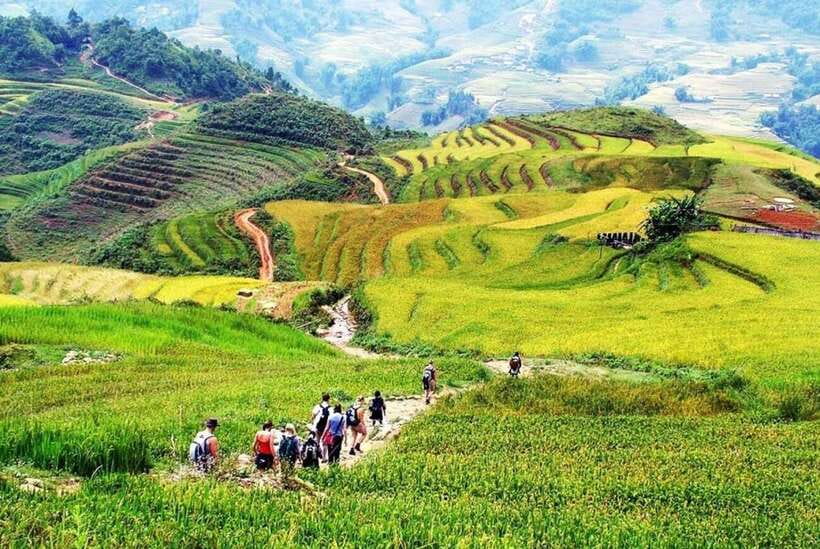
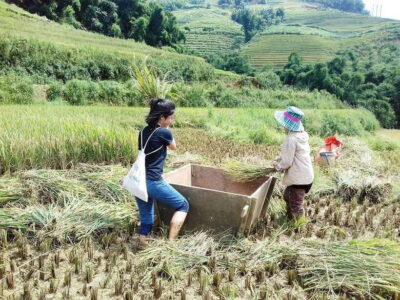
After lunch, the path continues to Lao Chai Village. Depending on the season, you might see people planting or harvesting rice. That seasonal change is important because the terraces are not simply a fixed attraction. They support work, food, and household income.
Along the way, you may pass traditional wooden houses, water buffalo, pigs, ducks, chickens, and dogs. You may also be invited to see inside a local house. These small encounters can be more revealing than a formal cultural presentation because they show ordinary routines.
Your guide will explain the Hmong community’s customs, traditions, and history. The strongest guides do not just recite facts. They explain how local people live, the work expected of women, and the difficulties faced by families in the mountains. Some guides also discuss local plants and animals.
Keep an open mind about the commercial side of village visits. Handmade textiles and bags may be offered for sale. You can politely decline, and you should not feel pressured. If you do want a souvenir, buying directly from local women can support the people you meet along the trail.
Clothing-making and the Dzay village of Ta Van
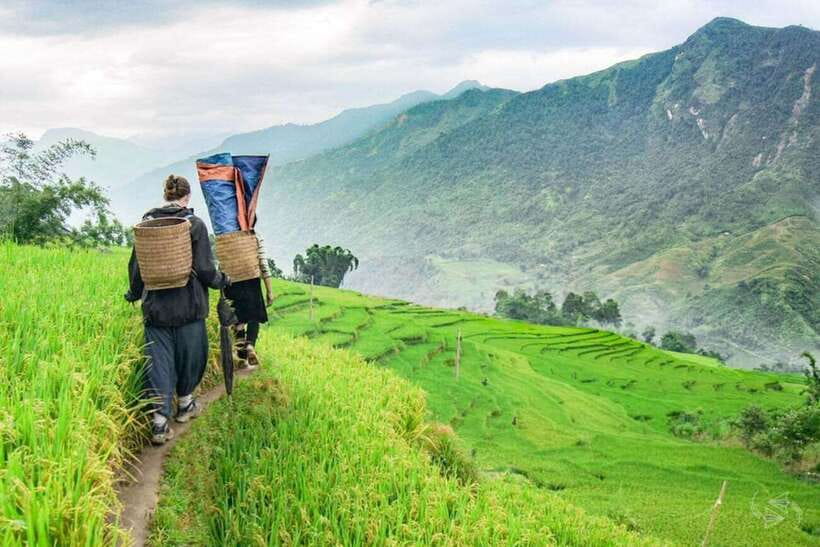
Later in the afternoon, the outing turns more directly toward cultural learning. You have a chance to learn about Hmong daily life and traditional clothing-making, then continue to Ta Van Village, home to the Dzay minority.
This shift from fields to cultural detail gives the route a useful balance. You are not spending the entire day looking at terraces, and you are not sitting through a museum-style talk. Instead, the guide connects visible objects and practices with the people who use them.
Ta Van also marks an important point of comparison. The Hmong and Dzay communities have different traditions and identities, and seeing both on one route gives you a broader understanding of the Sapa area. You will not become an expert in one day, but you can leave with more than a collection of scenic photographs.
The path becomes easier in some sections after the muddier opening. Much of the later walk may be on more settled paths or roads through villages. Still, your legs will feel the distance by this stage. The tour is often described as moderate, but moderate does not mean effortless.
Weather, difficulty, and what the reviews get right
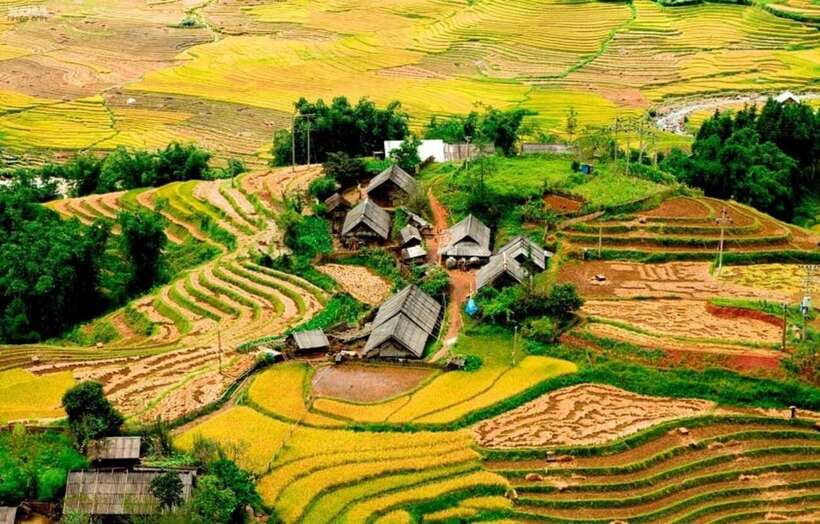
The single biggest variable is weather. Fog can cover Fansipan and soften the valley views. Rain can make the trail slick enough that you need help on descents. Clear weather can reveal the terraces in full, but even poor visibility does not erase the cultural value of the walk.
I would plan this outing with flexibility. If you have only one day in Sapa, it remains a worthwhile choice, but understand that you may not receive perfect views. If you have several days, placing it on the clearest forecast day gives you a better chance of seeing the mountains.
The route is not suitable for children under five, pregnant women, wheelchair users, people with mobility impairments, or people over 75. That guidance makes sense given the distance and uneven ground. Weak knees, balance problems, or discomfort with mud are also good reasons to choose another activity.
Bring:
- Hiking shoes with good grip, or consider rented rubber boots after rain
- Warm clothing, since mountain temperatures can shift
- Insect repellent
- Water and some cash for drinks or handmade goods
- Clothes that you do not mind getting muddy
The trek is not a forest hike. Much of it crosses terraces, village paths, roads, and open mountain country. If you want dense woodland, choose a different route. If you want farmland, village life, and broad mountain views, this setting fits well.
Why the $27 price offers good value
At $27 per person, the price covers a local English-speaking guide, entrance tickets, and lunch. It does not cover hotel transfers, drinks, or personal purchases.
That is a fair price for a full day on foot with a small group. You are paying for access to a route that is difficult to understand independently, plus local interpretation and a meal along the way. The guide is the key value. A quiet walk through terraces is pleasant, but a guide who can explain Hmong and Dzay life gives the scenery meaning.
The price is especially attractive if you want both nature and culture in one day. You do not need to arrange separate entrance tickets, find the village route, or negotiate a lunch stop. The tradeoff is that transport back to Sapa is not included as a listed service, even though the walk typically ends with a return transfer or vehicle connection. Confirm the exact return arrangement when you meet your guide.
Free cancellation is available up to 24 hours before the start, and you can reserve now and pay later. Those terms help if mountain weather looks uncertain, though you should still check the latest conditions before setting out.
Who should book this Sapa trek?
I would choose this outing if you want a physically active day with real contact with the countryside. It suits couples, solo visitors, families with teenagers, and small groups who enjoy asking questions and walking at a steady pace.
It is also a strong choice if you care more about local life than checking off viewpoints. The Hmong and Dzay communities, traditional clothing, farming, homes, and family meal give the day substance beyond the scenery.
I would hesitate if you have mobility limitations, dislike uneven trails, or need a guaranteed clear view. I would also avoid booking it as a casual half-day activity. The 390-minute duration and 10 to 12 kilometer distance are real commitments.
Should you book the Eco Adventure Terrace Fields Trek?
Yes, if you are ready for a muddy, active day and want Sapa’s villages explained by a local English-speaking guide. The scenery is excellent, but the strongest reason to book is the combination of terraces, village paths, Hmong and Dzay culture, and a local lunch.
Pack for rain even when the forecast looks kind, and do not wear shoes you hope to keep spotless. If possible, choose a clear-weather day, but do not cancel the experience solely because of mist. The mountains may disappear, while the villages, food, and conversations remain.
At $27, this is one of the better-value ways to meet Sapa beyond its town center. Just remember: the reward comes on foot.
FAQ
Where does the trek begin?
The guide meets you in front of Sapa Church at 9:00 AM.
How long does the activity last?
The stated duration is 390 minutes, or six and a half hours. The planned return to Sapa is around 3:30 PM, though some outings have ended closer to 4:00 PM.
How far do you walk?
The trek involves approximately 10 to 12 kilometers of walking and hiking.
Which villages does the route visit?
The route includes Y Linh Ho, Lao Chai Sang, Lao Chai, and Ta Van.
Which ethnic communities are connected with the route?
Y Linh Ho, Lao Chai Sang, and Lao Chai are associated with the Hmong community. Ta Van is home to the Dzay minority.
Is lunch included?
Yes. A local lunch is included, with the meal taking place around Lao Chai Sang. Drinks are not included.
Is hotel pickup included?
No. Hotel transfer service is not included. You need to reach the meeting point at Sapa Church.
What should you wear?
Bring warm clothing and hiking shoes. In muddy conditions, rented rubber boots may be useful. Insect repellent is also recommended.
Is the trek suitable for beginners?
The route is often described as moderate and manageable, but it is still 10 to 12 kilometers with slippery and muddy sections. It requires a reasonable level of fitness.
Can I cancel the booking?
You can cancel up to 24 hours in advance for a full refund. Reserve-now, pay-later booking is also available.
Recently added around Sa Pa
- Soob Sapa Trekking Tour★ 4.3 · 3 reviews
- Sapa Trekking – Waterfalls And H’mong Villages★ 5.0 · 2 reviews
- Sapa Trekking Private Tour With Ethnic Female Tour Guide★ 4.9 · 24 reviews
- Sapa: Trekking Through Terraced Rice Fields & Valley 1 Day★ 4.8 · 4 reviews
- Sapa: Y Linh Ho – Lao Chai, and Ta Van Trekking Day Tour★ 5.0 · 25 reviews
- Sapa Trekking Guide Francophone 2 days – 1 night★ 5.0 · 2 reviews
- Sapa: Ta Phin Village Trek with Lunch and Bathing Experience★ 4.7 · 13 reviews
- Sapa small groupe activities: 1 Day trek – Meet the locals★ 4.7 · 3 reviews
Sapa Trekking Tours, compared.
Muong Hoa Valley Trek and Local Ethnic Villages
Read our review →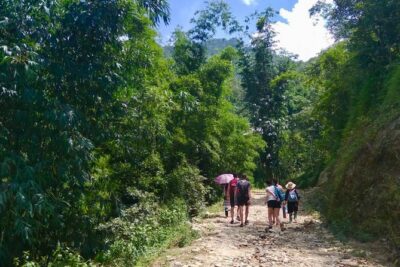
Number one top rated ethical cultural trekking and homestay by ETHOS
Read our review →
1-Day Guided Trek to Lao Chai & Ta Van with Lunch
Read our review →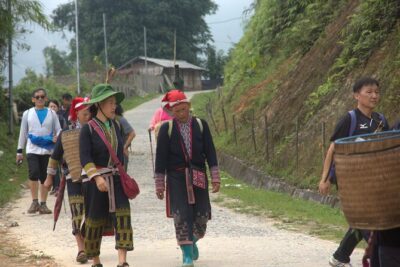
Sapa 1 Day Long Trek: Trek to Hau Thao and Sa Seng Villages
Read our review →
Explore Sapa by TrekkingAdventures, Mountain,Rice fields
Read our review →
EXPLORE SAPA: 2D1N TREKKING & HMONG CULTURE WITH DINH
Read our review →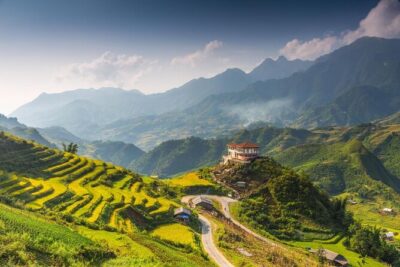
Browse the lists this tour appears in