
REVIEW · MARRAKECH
Toubkal Ascent Trek 4167m 2 days & 1 night
A high summit in a short window. This two-day Toubkal trek gives you a direct route from Marrakech to Mount Toubkal, the 4,167-meter summit of North Africa, with a night at the Toubkal Refuge. I like the mix of Berber villages, mountain scenery, and a serious summit goal, plus the small maximum group size of 12. The main catch is the pace: you gain a lot of height quickly, and the second day demands strong fitness.
I also like that the trip includes transport, meals, a mule and cook, and local mountain support for $210.62 per person. The guides can help link solo participants with another group, which is useful if you are traveling alone. Still, you need to budget for water, insurance, personal trekking gear, and possible tips, and you should confirm the morning pickup time because the information gives both 7:30 a.m. and 9 a.m.
Key points before you book
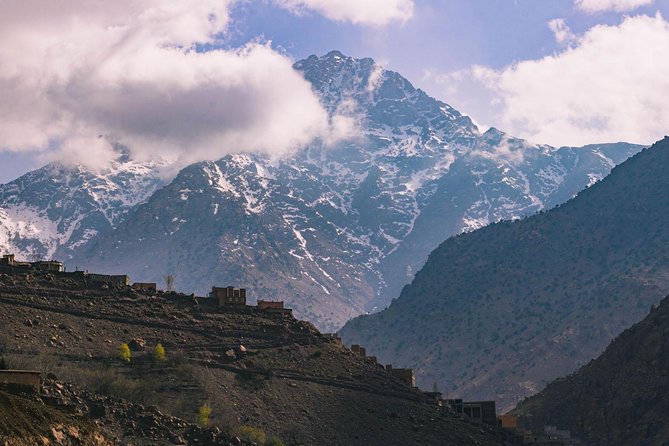
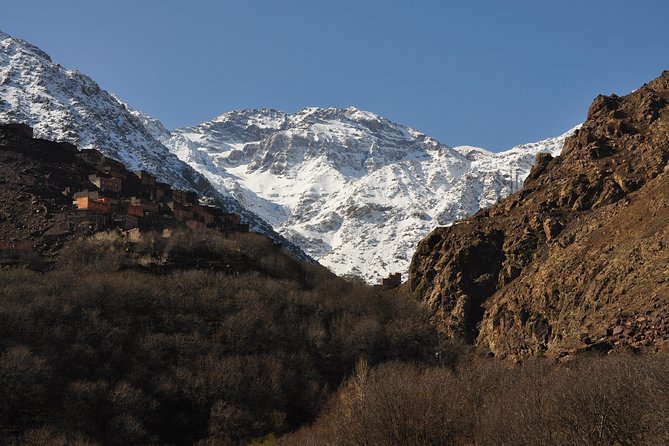
- 4,167-meter summit: Toubkal is the highest mountain in North Africa, with wide views toward the High Atlas, Anti-Atlas, Sahara, and Marrakech Plain.
- Two days and one night: The first day reaches the Toubkal Refuge at 3,206 meters, while the second day covers the summit and return to Imlil.
- Non-technical but demanding: You do not need climbing skills, but the route includes scree, easy scrambling, snow slopes, and serious altitude.
- Winter equipment matters: From November to April, crampons and an ice axe are used for security. Personal gear is not included.
- Berber mountain setting: The route passes Aremd, the shrine at Sidi Chamarouch, river crossings, muleteers, and high mountain valleys.
- Useful package value: Breakfast, dinner, two lunches, an air-conditioned vehicle, a mule, and a cook are included in the stated price.
What the $210.62 price really covers
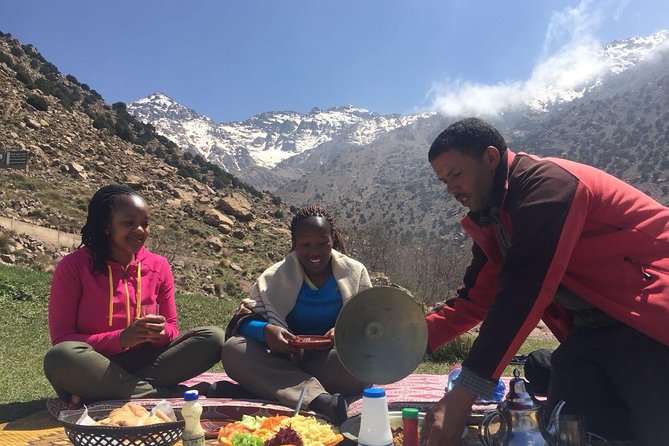
At $210.62 per person, this is priced as a compact guided expedition rather than a simple day hike. The fee includes an air-conditioned vehicle, breakfast, dinner, two lunches, a mule, and a cook. That matters on a two-day mountain trip because you are not arranging every meal or carrying every supply yourself.
The local support also adds practical value. The route is short in days but not light in effort, and having guides and muleteers involved means the group can focus on walking and pacing. The supplied information does not name individual guides, so I cannot point you toward a particular person. It does say the organizer can help a solo participant join another group, which can make the trip feel less awkward if you arrive alone.
The price does not include travel insurance, medical or accident insurance, bottled water, personal equipment, flights, or tips. Sleeping bags and shoes are also not included. The wording about equipment is unclear on whether items can be arranged locally, so I would confirm this before booking, especially for a winter departure.
For a trip that includes transport from Marrakech, meals, a cook, mule support, and mountain guiding, the price can be good value. You should not treat it as an all-inclusive package, though. Water and proper footwear alone can affect your final cost, and winter equipment may be essential.
More Atlas Mountains Treks in Marrakech:
- Marrakesh: 2-Day Mt. Toubkal Trek with 1-Night Stay & Meals
★ 4.7 · 795 reviews - Marrakech: 2-Day Atlas Mountains Trek with Village Stay
★ 4.8 · 717 reviews - From Marrakech: 3-Day Mount Toubkal Climbing Trek
★ 4.7 · 597 reviews
Leaving Marrakech for the Mizane Valley
The journey begins with pickup in Marrakech and heads toward Imlil and the Mizane Valley. One practical detail needs checking: the meeting information gives a 7:30 a.m. start at Argana, near Jemaa el-Fnaa, while the day plan says pickup from your hotel at 9 a.m. Those times do not match.
Ask the organizer to confirm your exact pickup point and departure time before the day begins. The listed meeting point is Argana, J2H6+CPV, Jamâa el-Fnna, Number 18, Znikat Rahba, Marrakech 40000. The activity ends back at the meeting point after the return transfer.
The drive is part of the change in mood. Marrakech is busy, warm, and urban. The Mizane Valley leads you toward mountain villages and a much quieter setting. Since the route is arranged around a summit attempt, the early transport saves you from spending a separate day reaching the trailhead.
Day one: Aremd, Sidi Chamarouch, and the refuge
The walking begins in the valley, with Aremd as one of the first important points. Aremd is followed by the trail toward Sidi Chamarouch, a shrine that attracts both pilgrims and people heading into the mountains. This gives the first day more character than a plain uphill approach, because the route passes through a lived-in Berber setting before reaching the high slopes.
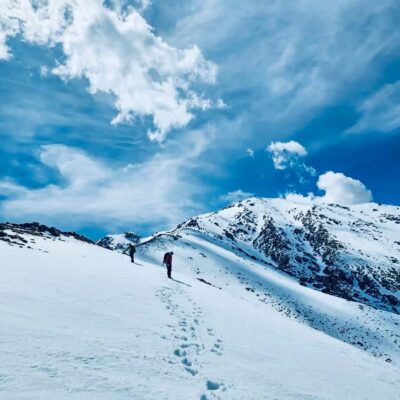
The trail continues across floodplains and crosses the river. From Sidi Chamarouch, the path climbs steadily, using a long series of zigzags toward the snowline and the Toubkal Refuge. The steady climb is the key feature of the day. You are not reaching the summit yet, but you are gaining the height needed for the early start and summit push on day two.
The refuge sits at 3,206 meters, a big step above Marrakech. For many people, this is where the trip changes from a mountain walk into a real high-altitude outing. The supplied route description gives the refuge as the overnight stop, with dinner and breakfast included.
You should expect a basic mountain overnight rather than hotel comfort. Sleeping bags are not included, so confirm what you need to bring or arrange. The information does not describe the room setup, bedding, showers, or heating, so do not pack on the assumption that these details are guaranteed.
The first day is also where pacing matters. Strong walkers may find the approach manageable, but the combination of uphill distance and altitude can make it tiring. I would keep your pace controlled and save energy for the summit morning. The purpose of day one is to reach the refuge in good shape, not to prove how quickly you can climb.
Day two: The summit push to 4,167 meters
The summit day begins from the refuge and heads toward Toubkal’s south cirque. The route crosses a stream above the refuge, then continues over scree and higher mountain terrain. The walking is described as relatively straightforward, but the loose rock and altitude make it difficult.
That wording is useful. Toubkal is considered a trekking peak and does not require technical climbing, but this is not a casual hill walk. You may encounter easy scrambling and, depending on the season, snow slopes. From November to April, crampons and an ice axe are used for security. You need to be comfortable walking with that equipment if conditions require it.
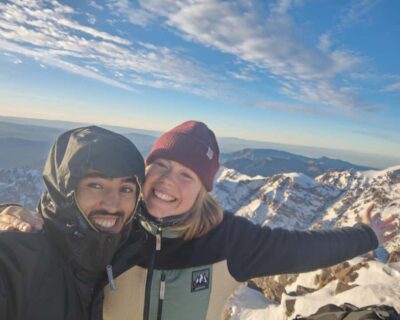
The final ascent rewards patience. The view from the summit reaches across the High Atlas, toward the Marrakech Plain, and as far south as the Anti-Atlas and Sahara. The description promises open views in every direction, and the two available comments highlight blue skies, deep snow, and a surreal feeling near the top.
Conditions will shape the experience. Snow can make the mountain look beautiful, but it also makes footing more serious. Clear weather can produce the big views that make Toubkal famous, while cloud or poor conditions may reduce visibility or stop the trip altogether. The operator requires suitable weather and offers another date or a full refund if weather causes cancellation.
After the summit, you retrace your steps down to the mountain and continue back to Imlil. The descent is not an afterthought. Tired legs, loose scree, and the cumulative effect of altitude can make going down just as demanding as climbing up. From Imlil, the vehicle transfers you back toward Marrakech and the listed meeting point.
A few more treks around Marrakech worth a look
- Mount Toubkal Trek 2 Days & 1 Night
★ 4.5 · 26 reviews - Mt Toubkal Ascent Express Trek 2 Days 1 Night
★ 5.0 · 8 reviews - Stromboli: Sunset Trekking at Sciara del Fuoco
★ 4.6 · 1,372 reviews - Etna Sunset Tour: Volcano trek, Cave & tasting from Catania
★ 4.8 · 1,290 reviews
How difficult is the Toubkal route?
The tour requires a strong physical fitness level. That is the most important suitability warning, and you should take it seriously. The trip covers a high summit in only two days, with the overnight stay at 3,206 meters and the summit at 4,167 meters.
The route is non-technical, so you do not need formal rock-climbing experience. You should still be ready for long uphill walking, scree, easy scrambling, snow slopes, and reduced energy at altitude. The description does not give daily mileage, walking hours, or elevation gain, so ask for those figures if you need to judge your own readiness precisely.
I would consider this a better match for someone who already enjoys demanding hill walks than for a first-ever mountain trip. You do not need to be an expert climber, but you should be able to walk uphill for several hours and keep moving on uneven ground.
A two-day schedule leaves little spare time. If the altitude affects you, there is not much room to slow the plan without reducing summit chances. Listen to the guide, keep your pace steady, and do not treat the summit as more important than your safety.
Winter snow, crampons, and personal equipment
The route operates all year, but November through April brings a different kind of trek. During those months, the itinerary refers to walking in crampons and carrying an ice axe for security. Snow can make the route more scenic, as the comment about blue skies and deep snow suggests, but it also adds technical demands.
The package does not include personal gear such as shoes or sleeping bags. The details also say personal gear cannot be provided, so you should ask exactly what is available before you arrive. At minimum, you need to know how you will handle footwear, sleeping arrangements, crampons, and an ice axe in winter conditions.
Do not assume that warm-weather hiking gear will work in the snow. The listing does not provide a full equipment checklist, so request one directly. Water is also not included, and bottled water during the trek is specifically excluded.
For a summer trip, the snow and ice equipment issue may be less important, but the high altitude remains. The year-round schedule is useful, yet it does not mean every month feels the same or offers the same route conditions.
Berber villages and the human side of the climb
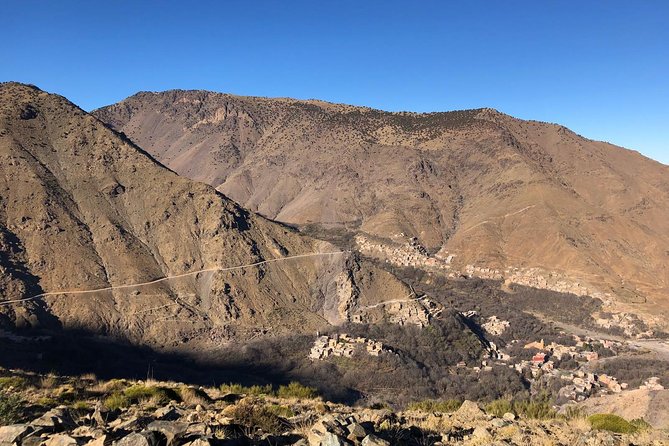
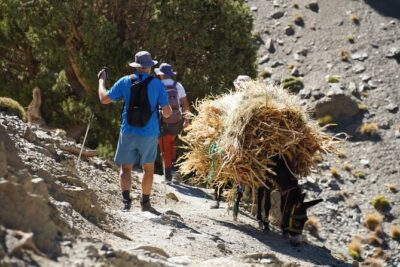
The mountain setting is only half the attraction. The route moves through the Mizane Valley, Aremd, Sidi Chamarouch, and Imlil, with Berber guides and muleteers helping support the journey. That gives you contact with the communities and working traditions of the High Atlas instead of reducing the trip to a summit photo.
Sidi Chamarouch is especially notable because it is both a shrine and a stop on the mountain route. It attracts pilgrims as well as people heading toward Toubkal. The river crossing and floodplain approach help you see how the lower valley gives way to the harsher upper mountain.
The mule and cook are practical parts of this local setup. They reduce the amount of food and shared equipment that needs to be carried by the walking group. Dinner, breakfast, and two lunches are included, which makes the high price of a summit day easier to manage.
You should still expect a working mountain trip, not a staged cultural show. The information does not promise village visits, performances, or extra sightseeing. Its cultural value comes from the route itself and the people who make the ascent possible.
Group size, flexibility, and the social side
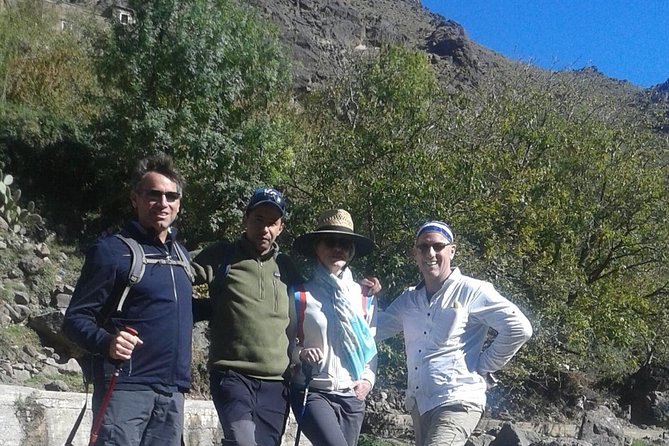
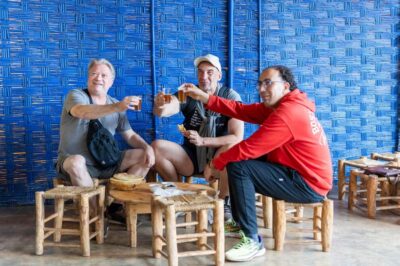
The maximum group size is 12. That is small enough to keep the experience more personal than a large coach excursion, while still giving solo participants a chance to meet other walkers. The organizer has been flexible about linking an individual with another group, and that can be a real benefit if you do not have hiking companions.
One especially positive detail is that a solo participant was able to join people they felt comfortable with and form friendships during the trip. That tells me the social side can work well, though it is not a guarantee that every group will have the same chemistry.
A group of 12 can also move at different speeds. Ask how the guide handles varying fitness levels and what happens if someone cannot continue toward the summit. Those policies are not specified in the supplied information, but they matter on a two-day ascent.
What I would pack and confirm
The supplied details point to a few practical questions you should settle before departure:
- Confirm whether pickup is at 7:30 a.m. or 9 a.m.
- Ask for the required personal equipment list.
- Confirm the arrangements for sleeping bags, shoes, crampons, and an ice axe.
- Bring or budget for bottled water.
- Arrange travel insurance and medical or accident insurance.
- Check the expected walking hours and distance for both days.
- Ask what happens if you decide not to continue to the summit.
- Carry money for tips and personal expenses.
The experience provider is Morocco Mountain Guides. Booking confirmation is provided at the time of reservation, and the group is capped at 12 people. The cancellation terms are useful but strict near departure: cancel at least six full days before the start for a full refund, two to six days before for a 50 percent refund, and less than two full days before for no refund. Weather or minimum-group cancellations offer another date or a full refund.
Who should book the Toubkal ascent?
I would recommend this trip to fit walkers who want a compact, guided summit attempt and who value local support over a longer, slower trek. It works particularly well if you have limited time in Marrakech but still want to reach a major mountain objective.
It is also a good fit for solo visitors who would like help joining a small group. The flexible group arrangements can turn a difficult climb into a shared experience, and the included meals, mule, cook, and transport simplify the planning.
I would hesitate to recommend it to anyone seeking a relaxed two-day outing, a soft bed, or a generous acclimatization schedule. The climb is non-technical, but the altitude, pace, scree, and possible snow make it serious. If you are unsure about your fitness, ask for exact walking times and elevation details before paying.
Should you book this Toubkal trek?
Book it if you want the shortest practical route to a major North African summit and you are ready for a hard two-day effort. The views, Berber mountain setting, local support, included meals, and $210.62 price make a convincing package.
Before committing, confirm the pickup time and equipment arrangements. If you have strong hill-walking fitness, accept basic mountain conditions, and prepare properly for altitude, this is a focused and rewarding choice. If you need more time to adjust to height, look for a longer Toubkal itinerary instead.
FAQ
Where does the Toubkal trek start?
The listed meeting point is Argana, J2H6+CPV, near Jamâa el-Fnaa at Number 18, Znikat Rahba, Marrakech 40000, Morocco. Pickup from your hotel is also offered.
What time does the tour start?
The meeting information gives a 7:30 a.m. start, while the day-one plan says pickup from your hotel at 9 a.m. Confirm the exact time with Morocco Mountain Guides before departure.
How high is Mount Toubkal?
Mount Toubkal reaches 4,167 meters, or about 13,600 feet, and is the highest peak in North Africa.
How long is the experience?
The trek lasts approximately two days and includes one night at the Toubkal Refuge.
Where do you sleep on the first night?
The overnight stop is the Toubkal Refuge at an elevation of 3,206 meters.
Is the ascent technical?
The route is described as non-technical, but it includes easy scrambling, scree, snow slopes, and difficult walking at altitude.
Are crampons and an ice axe needed?
From November to April, the route uses crampons and an ice axe for security. Personal gear is not included, so confirm equipment arrangements before booking.
What meals are included?
Breakfast, dinner, and two lunches are included. Bottled water is not included.
Can the tour be canceled because of weather?
Yes. The experience requires good weather. If poor weather causes cancellation, you will be offered another date or a full refund.
More Two-Day Treks in Marrakech
- From Marrakesh: 2-Day Mount Toubkal Trek
★ 4.7 · 591 reviews - Toubkal Trekking 2 Days
★ 5.0 · 98 reviews - Toubkal trek – 2 days
★ 5.0 · 90 reviews - Marrakech: 2-Day Atlas Villages Trekking Tour
★ 4.5 · 76 reviews
Recently added around Marrakech
- Berber villages trek Day trip★ 5.0 · 12 reviews
- 2 Days Trek to Atlas Mountains berber villages★ 5.0 · 25 reviews
- Day Trekking Atlas Mountains★ 4.5 · 10 reviews
- two days valley trek in the Atlas mountains★ 4.5 · 2 reviews
- Trekking 8 days in the Moroccan desert from Marrakech★ 5.0 · 4 reviews
- 2 days Toubkal adventure Trek★ 5.0 · 5 reviews
- Mount Toubkal Trek: 2-Day Adventure★ 5.0 · 26 reviews
- Toubkal Ascent Trek – Atlas Mountains – 2 days (Private Trek)★ 5.0 · 8 reviews
Atlas Mountains Treks, compared.
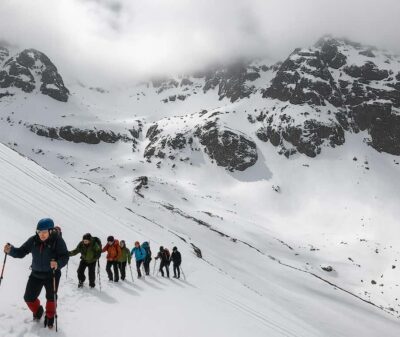
Mt Toubkal Ascent Express Trek 2 Days 1 Nights
Read our review →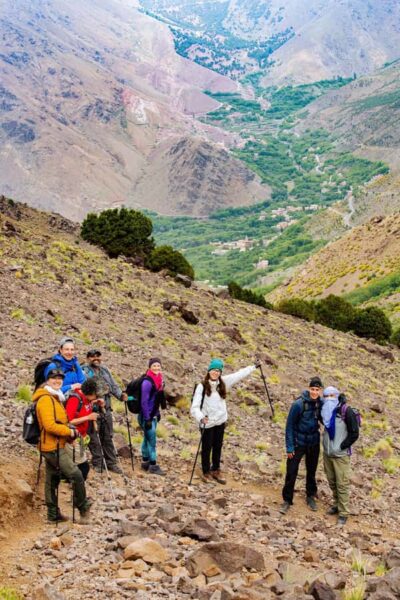
2-Day Mt. Toubkal Trek with 1-Night Stay & Meals
Read our review →
Summiting and Hiking the Atlas Mountains Day Trek from Marrakech
Read our review →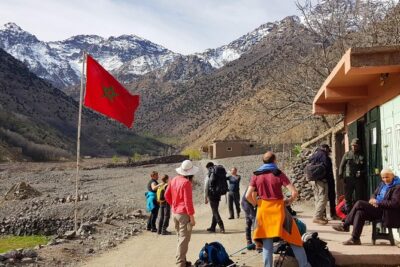
Browse the lists this tour appears in