
REVIEW · CUSCO
Salkantay Trek to Machu Picchu 5D/4N or 4D/3N by glamping
The mountains begin before breakfast. This Salkantay Trek takes you from Cusco’s high country to Machu Picchu by way of Humantay Lake and Salkantay Pass, then drops you into coffee country and the cloud forest. I like the mix of demanding hiking and comfortable camps, and I especially like that professional mountain chefs prepare fresh meals along the route. The main catch is that the advertised $35 price is not the real trip cost once you add Machu Picchu admission, hot springs, water, and your return transport.
The route also gives you more breathing room than the famous Inca Trail. You’ll hike with a small group of up to 15 people, sleep in glass-roof cabins, sky huts, jungle domes, and a hotel in Aguas Calientes. Just know that the final walk beside the railway tracks can feel long and dull, and one recent experience included a noisy hotel with no hot water.
The Salkantay details worth knowing
- A 4,630-meter pass makes day two the physical test: The climb over Salkantay Pass is the toughest section, with views toward the 6,271-meter Salkantay Mountain.
- Humantay Lake is an early highlight: You hike to the turquoise lake at 4,200 meters after settling into camp near Soraypampa.
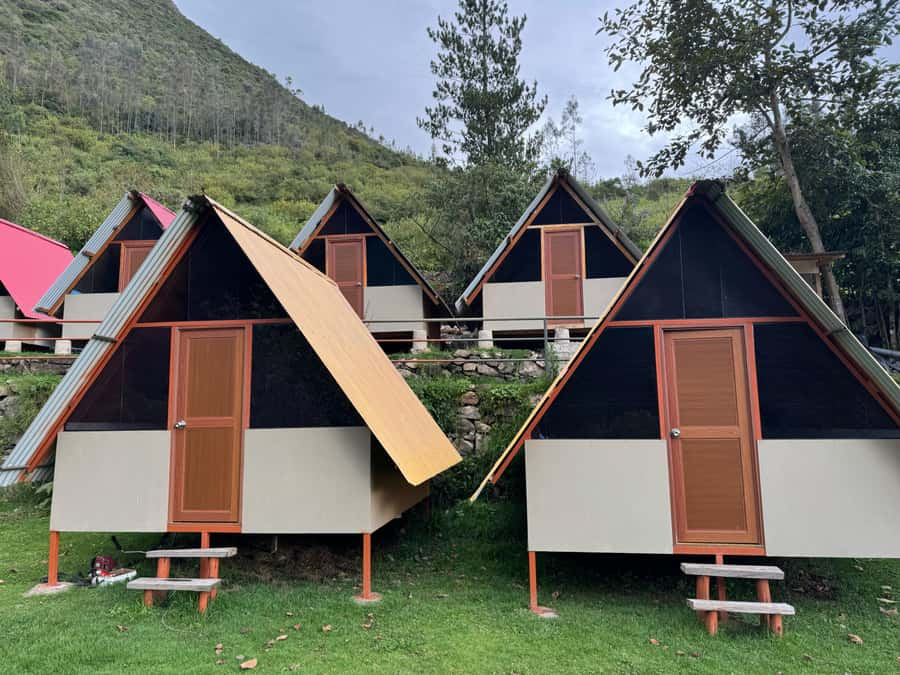
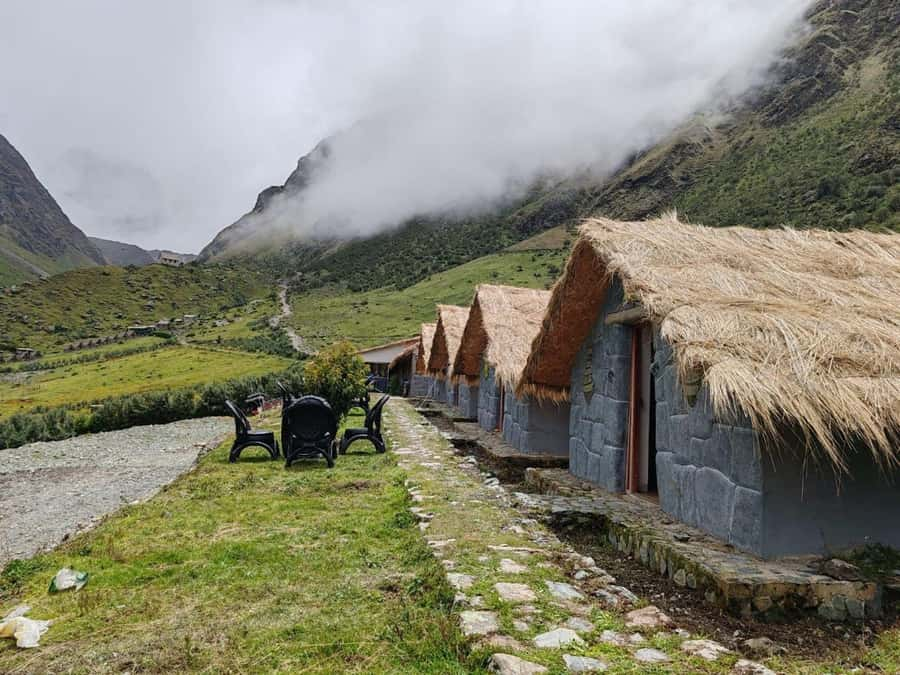
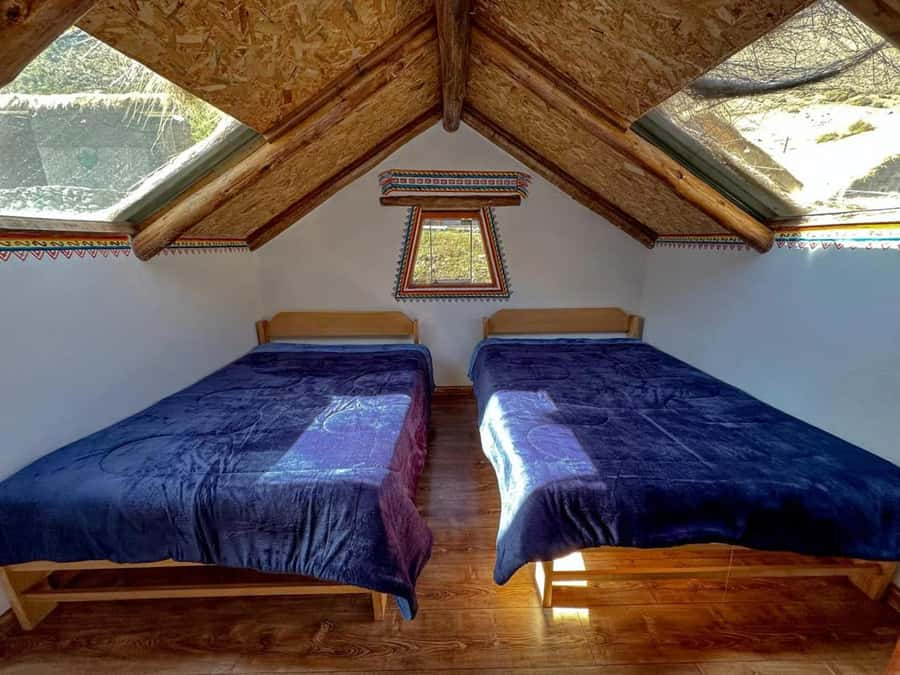
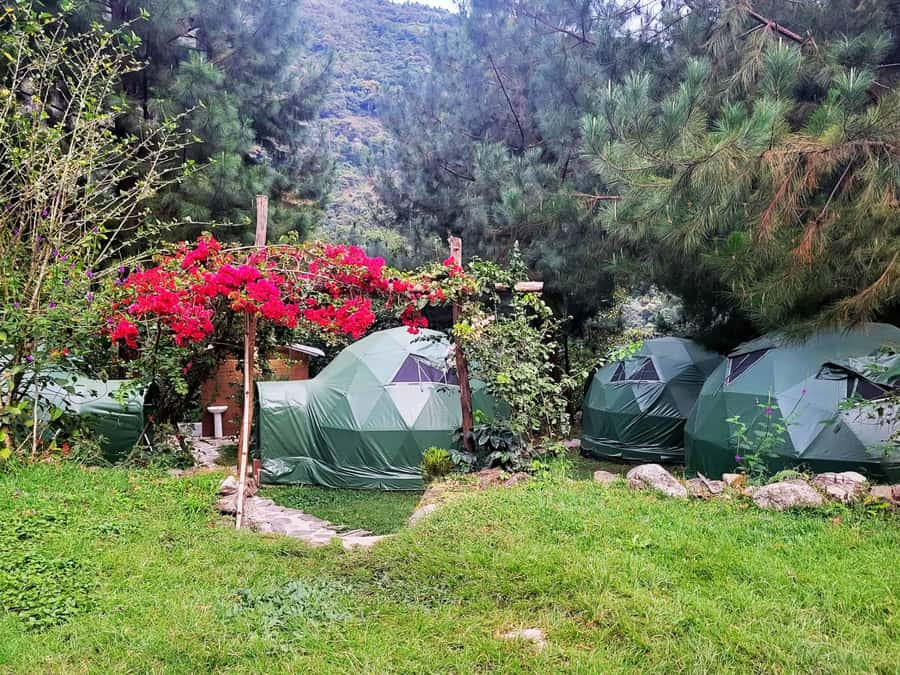
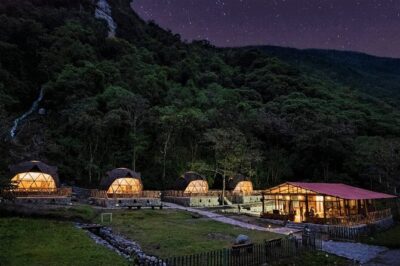
- Glamping softens a rough route: Glass-roof cabins, sky huts, and jungle domes give you shelter without turning the trek into a standard hotel trip.
- The food earns serious praise: A professional chef prepares breakfast, lunch, dinner, snacks, and afternoon tea, with vegetarian and vegan meals available at no extra charge.
- Llactapata adds a quieter Inca viewpoint: You climb part of the old Inca Trail to ruins with views toward Machu Picchu before descending to Hidroeléctrica.
- The $35 headline price needs careful reading: Key costs, including Machu Picchu admission and transport back to Cusco, are extra.
Why this route works as an Inca Trail alternative
The Salkantay Trek is a good choice if you want Machu Picchu to be the finish of a real mountain journey, not just a day trip from Cusco. The scenery changes quickly: high mountain valleys give way to warmer forest, coffee farms, hot springs, and the Urubamba region near Machu Picchu.
I like this route because it feels less staged than the classic Inca Trail. You still walk on an original Inca path on day four, but much of the appeal comes from the changing terrain and the sense of moving through remote country. You also avoid the heavier demand for Inca Trail permits, though Machu Picchu entry still needs to be arranged and paid for separately.
The route is not easy. Day one includes a hike to Humantay Lake. Day two involves the highest pass and a long descent. Day four has a two-hour climb to Llactapata, followed by another two-hour descent before the railway walk to Aguas Calientes. You need solid basic fitness, good hiking shoes, and a willingness to sleep simply.
This is not suitable for children under 18, pregnant women, people with heart, respiratory, back, or mobility problems, wheelchair users, people with epilepsy, or anyone over 70. Those restrictions are worth taking seriously, especially because altitude and long walking days can turn a scenic trip into a hard ordeal.
More Inca Trail Treks in Cusco
- Salkantay Trek Challenge – 3 Days / 2 Nights
★ 5.0 · 101 reviews - Choquequirao Trek 4 days and 3 nights
★ 5.0 · 81 reviews - Machu Picchu: 5-Day Salkantay Trek with Panoramic Train
★ 5.0 · 79 reviews
Day one: Cusco to Humantay Lake at 4,200 meters
The first morning starts at about 4 a.m. with pickup from your hotel in Cusco’s historic center. That is an early alarm, but it gives you time to reach Mollepata for breakfast and continue toward Challacancha, where the trek begins.
From Challacancha, you walk to Soraypampa and settle into the private camp. The itinerary allows time for lunch and a rest before the afternoon climb to Humantay Lake. At 4,200 meters, the altitude matters more than the distance. Walk slowly and keep your water bottle handy.
Humantay Lake is one of the trip’s visual high points. The lake sits beneath steep mountain slopes, and the short visit gives you a strong first taste of the high Andes. It is also one of the busiest moments on the route, so do not expect complete solitude. An entrance fee of PEN 20 is not included.
Back at camp, dinner and sunset provide a calmer end to the day. The glass-roof cabin is a useful touch here. You can enjoy the night sky without giving up the protection of a proper shelter. Personal pads and pillows are included, while sleeping bags can be rented for $10 for the whole trek.
Day two: Salkantay Pass and the Trail of the Seven Snakes
Day two begins with coca tea and breakfast at dawn. You then climb toward Salkantay Pass at 4,630 meters on the section called the Trail of the Seven Snakes.
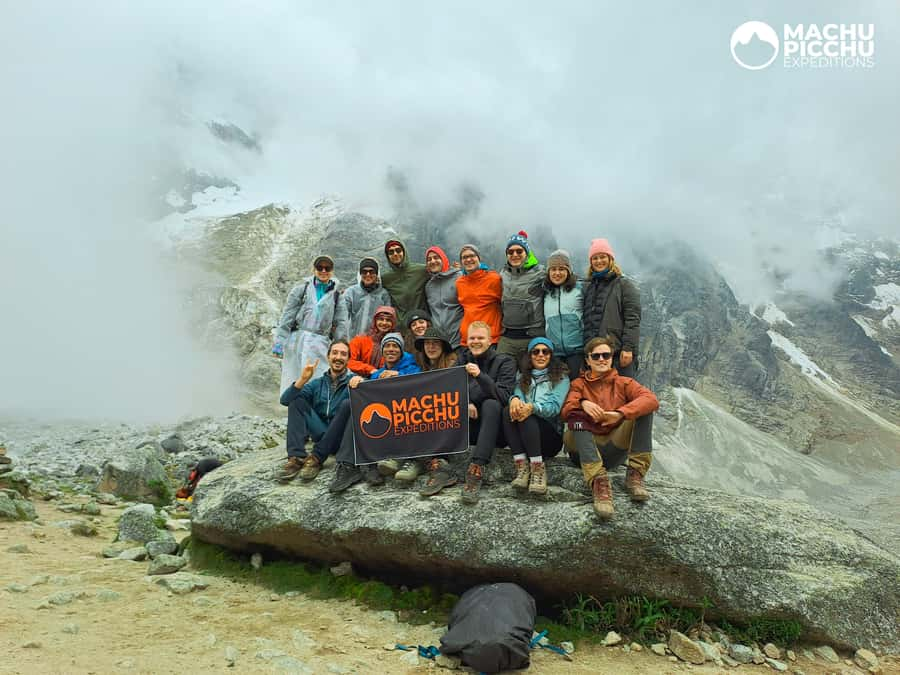
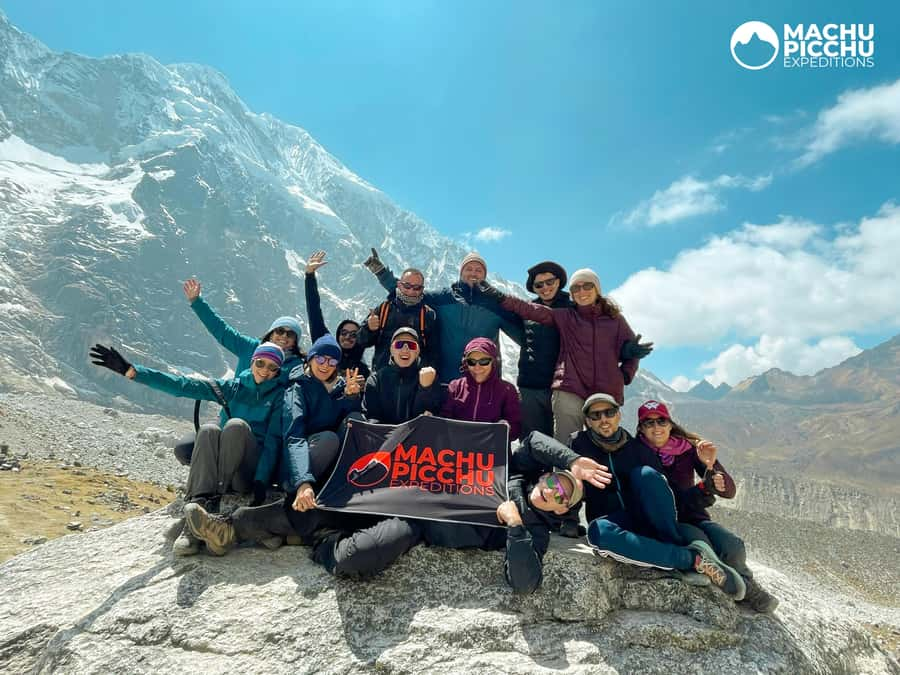
This is the day to pace yourself. The pass is high, the climb is challenging, and the air will feel thin. Your guide should help manage the group, but you still need to pay attention to your own breathing and energy. The reward is a wide view toward Salkantay Mountain, which rises to 6,271 meters.
After the pass, the route descends toward Collpapampa at about 2,950 meters. That change in altitude is one reason this trek is so appealing. You move from cold, exposed mountain country into a warmer zone with different plants and weather.
The descent can feel almost as demanding as the climb, especially after a full day at elevation. At Collpapampa, you spend the night in a sky hut. These camps are not luxury hotels, but they make the route more comfortable than sleeping in a basic tent every night. Coca tea, dinner, and a warm meal help you recover.
Day three: hot springs, coffee, and jungle domes
After tea and breakfast at 6 a.m., you leave camp and walk through the Santa Teresa Valley toward La Playa. This is a much warmer and greener part of the route, and the shift from mountain terrain to forest is one of the trek’s best features.
After lunch, you choose how to spend the afternoon. Cocalmayo hot springs offer the obvious recovery plan. Admission costs PEN 10, and transport to the springs costs PEN 40. Those fees are separate, so carry Peruvian soles or enough cash.
The coffee tour gives the day a local focus rather than making it only about scenery. Coffee is part of the working life of the valley, and this stop adds a human element to the trek. The optional zipline costs $28. It is an extra for people who want a burst of speed, not a required part of the route.
You finish at Lucmabamba and sleep in a jungle dome. The sound of nature replaces the cold silence of the high camp, and this is where the glamping idea feels most successful. Tea time includes items such as popcorn, cookies, chocolate, and coffee, with three afternoon tea services listed during the trek.
Same trailhead, a longer or shorter day out:
- From Cusco: 7 Lakes Ausangate Trek with Breakfast and Lunch
★ 4.8 · 360 reviews - Cusco: Full-Day Rainbow Mountain & Red Valley Trekking Tour
★ 4.5 · 121 reviews - From Cusco: Rainbow Mountain Trek
★ 4.5 · 98 reviews - Ancascocha Trek To Machu Picchu 4 Days And 3 Nights
★ 5.0 · 77 reviews
Day four: Llactapata, Hidroeléctrica, and Aguas Calientes
The final walking day begins with breakfast and a two-hour uphill climb along part of the original Inca Trail. Llactapata sits at about 2,700 meters and offers views toward Machu Picchu. It is a worthwhile stop because you see the citadel from a distance before reaching it the next morning.
You then descend for roughly two hours toward Hidroeléctrica. Lunch is served there before the final approach to Aguas Calientes.
Here is the practical warning: the railway-side walk to Machu Picchu town is not everyone’s favorite section. It takes about two hours and can feel repetitive after the more impressive mountain paths. One recent experience found this portion unnecessary and wished there were a train option for that stretch.
The stated return bus from Hidroeléctrica to Cusco is $12, but you first need to walk from Aguas Calientes to Hidroeléctrica for about two hours. If you prefer to avoid that return walk, a train option is available for about $90, followed by a bus from Ollantaytambo to Cusco. That train is for the return journey, not a replacement for the day four arrival unless arranged separately.
In Aguas Calientes, you check into a three-star hotel and have dinner at 7 p.m. The hotel is a practical stop before Machu Picchu, but expectations should stay modest. One stay included a loud room and no hot water, so bring patience and do not assume every hotel feature will work perfectly.
Day five: Machu Picchu with a morning entry
The final morning is the reason most people accept the early starts and long climbs. A guided visit to Machu Picchu lasts about 1.5 hours, followed by free time to explore within the rules of your ticket.
The included guided visit is for Circuit 2B, with morning entry times listed at 6, 7, or 8 a.m. Machu Picchu admission itself is not included. The stated price for Circuit 2B is $45, subject to availability on the Peruvian government ticket site.
Optional walks include Huayna Picchu at 2,720 meters, Machu Picchu Mountain at 3,000 meters, the Sun Gate at 2,729 meters, and the Inca Bridge. These options require the correct ticket and may have separate availability rules, so do not assume you can add them at the last minute.
After your visit, you return to Cusco by the arrangement you choose. The most budget-friendly option listed is the $12 bus from Hidroeléctrica, but remember the walk needed to reach the bus. The train costs more but cuts out that final railway walk.
The food may be the trip’s quiet star
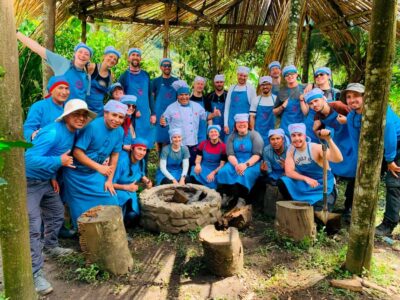
The meals receive some of the strongest praise, and the reason is clear. A professional chef travels with cooking equipment and prepares fresh food three times a day. The package includes five breakfasts, four lunches, four dinners, three snacks, and afternoon tea on three days.
This matters on a demanding trek. A packet of snacks cannot replace a hot meal after the Salkantay Pass. The food also gives the group a shared rhythm: breakfast before walking, lunch during the day, and dinner after reaching camp.
Vegetarian and vegan meals are available without an extra charge if you request them ahead of time. One meal experience included many vegetarian dishes, and the food was described as exceptionally good. I would still tell you to state dietary needs clearly before departure rather than relying on a last-minute conversation.
Drinking water for your bottles is not included. Bring a reusable bottle and budget for water along the route. Afternoon snacks help, but you should also carry personal trail food if you know you need frequent calories.
What the glamping setup really means
The camps are more comfortable than ordinary tent camping, but they remain mountain camps. You get three nights in glamping-style accommodation, including a glass-roof cabin, sky huts, and jungle domes, plus one night in a three-star hotel in Aguas Calientes.
Electricity is available at all camps for charging devices. Wi-Fi costs extra, listed at S/. 5 at the first camp and S/. 10 at the second and third camps. Hot showers also cost extra, at PEN 10 from the second and third camps.
Bring a flashlight, power bank, warm clothes, a towel, sandals, and a sleeping bag or rental money. You will want both cold-weather layers for the high pass and lighter clothing for the warmer valley. Sunglasses, sunscreen, biodegradable insect repellent, gloves, and a hat all belong in your pack.
A duffle bag is provided for up to 6 kilos of personal belongings, carried by horses. Keep your daypack light, but carry essentials yourself: passport or ID, water, rain protection if needed, snacks, medication, and a charged phone.
Guides, group size, and the value of the price
The group is limited to 15 people, with English and Spanish-speaking guides. Specific guides praised for their support include Ruben, Roger, Reynaldo, Tupac, and Nidia. That matters on a route where pacing, altitude, and clear instructions can shape the whole experience.
A small group can also expose differences in fitness. One experience involved a mixed-age group and a fair amount of waiting for slower walkers. That is not necessarily a problem, but it means you should not book this expecting everyone to move at your preferred speed.
At $35 per person, the headline price looks almost too good to be true. It does not cover several major costs. Add $45 for Machu Picchu admission, PEN 20 for Humantay Lake, hot spring admission and transport, water, showers, Wi-Fi, a sleeping bag if needed, the $28 zipline if chosen, and your return transport.
The true value comes from what is included: private transport from Cusco’s historic center to the trailhead, guides, horses for luggage, a chef, meals, three glamping nights, a hotel night, emergency equipment, and the guided Machu Picchu visit. Once extras are counted, it is still a useful package for someone who wants one organized booking rather than arranging each section alone.
Communication before departure is generally helpful, but make sure you confirm exactly what your booking includes. In the low season, a local subcontractor may operate the trip, and different people in one group may have paid for different versions. A pre-trek briefing is held at the office at 6 p.m. the day before departure. Use it to settle every question about tickets, transport, meals, and optional activities.
Should you book this Salkantay Trek?
Book it if you want high mountains, changing scenery, fresh meals, unusual camps, and a physically serious route to Machu Picchu. It suits an active adult who likes a little comfort but does not need polished hotel service every night.
Think twice if you dislike very early mornings, long descents, shared group pacing, extra fees, or basic facilities. The railway walk and uncertain hotel comfort can also bother you, especially after four days on foot.
For the best experience, confirm your Machu Picchu ticket, pack for both freezing high-altitude mornings and warm forest days, and carry cash for fees. If the $35 price is your main reason for booking, recalculate first. If the appeal is the combination of Salkantay’s mountain views, strong food, and glamping camps, this is a compelling way to reach Machu Picchu.
FAQ
How long is the Salkantay Trek to Machu Picchu?
The experience described here lasts five days and four nights. A 4-day, 3-night version is also offered, but the detailed day-by-day plan provided is for five days.
Is Machu Picchu admission included?
No. The stated price for Circuit 2B is $45, subject to availability through the official Peruvian government ticket site.
What accommodation is included?
You receive three nights in glamping-style camps, including a glass-roof cabin, sky huts, and jungle domes. One night is in a three-star hotel in Aguas Calientes.
Can I choose vegetarian or vegan meals?
Yes. Vegetarian and vegan meals are available on request without an additional charge.
Is the zipline included?
No. The zipline on day three is optional and costs $28.
How do I return to Cusco after Machu Picchu?
The listed bus option costs $12 and requires walking about two hours from Aguas Calientes to Hidroeléctrica first. An optional train costs about $90 to Ollantaytambo, followed by a bus to Cusco.
Recently added around Cusco
- Small Group: 4-Day Inca Trail Trek to Machu Picchu★ 5.0 · 33 reviews
- 5 Day – Salkantay trek to Machu Picchu – Group Service★ 4.5 · 27 reviews
- 6 day Rainbow Mountain x Ausangate Trek – FlashpackerConnect★ 5.0 · 30 reviews
- Salkantay Trek: 5 Days to Machu Picchu★ 5.0 · 33 reviews
- Humantay Lake Full-Day Adventure: Scenic Trek and Stunning Views★ 4.5 · 39 reviews
- Salkantay 5-Day Trek To Machu Picchu★ 5.0 · 39 reviews
- Inca Trail Trek to Machu Picchu – 2 Days (Small Group or Private)★ 5.0 · 31 reviews
- Ausangate and Rainbow Mountain Trek – 3 Days / 2 Nights★ 5.0 · 35 reviews
Machu Picchu & Inca Trail Treks, compared.
Machu Picchu: 5-Day Salkantay Trek with Panoramic Train
Read our review →
Ancascocha Trek To Machu Picchu 4 Days And 3 Nights
Read our review →
4 Day Inca Trail Trek to Machu Picchu Multi day tour
Read our review →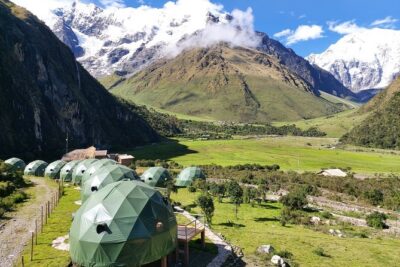
Salkantay Trek 4 Days to Machu Picchu by Glamping Sky Lodge Dome
Read our review →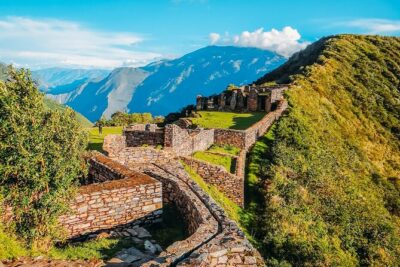
Browse the lists this tour appears in