
REVIEW · VIETNAM
From Sapa: 1-Day Trekking through Terraces Rice Fields
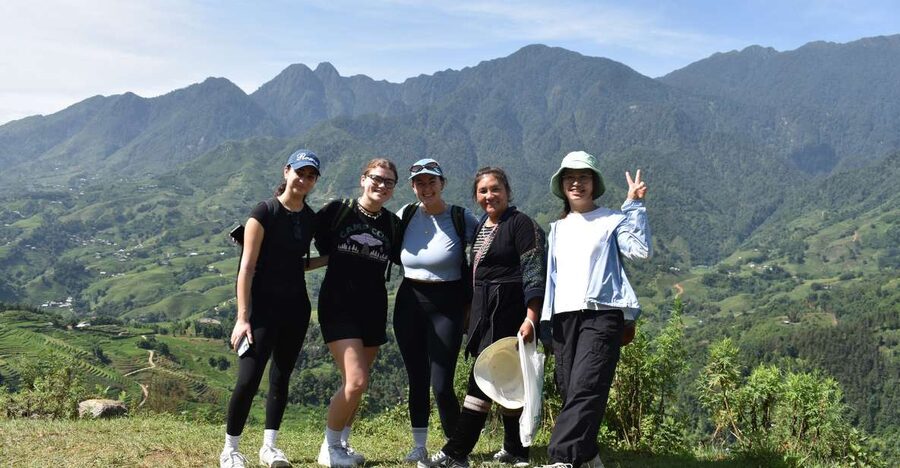
Sapa’s best views start beyond the road. This one-day trek follows a quieter trail through rice terraces and bamboo forest, then reaches villages where Black H’mong and Giay families live. I like the peaceful route to Y Linh Ho and the simple local lunch in Lao Chai. The main drawback is that you spend much of the day walking, so this is not the right pick if you want a gentle sightseeing ride.
I also like the private-group format, which gives you a more personal day than a large coach outing. At $36 per person, the package offers strong value, with hotel pickup, an English-speaking guide, transport, lunch, village entry fees, and 1.5 liters of water included. You should still bring good shoes, sun protection, and enough energy for a full valley walk.
Key points at a glance
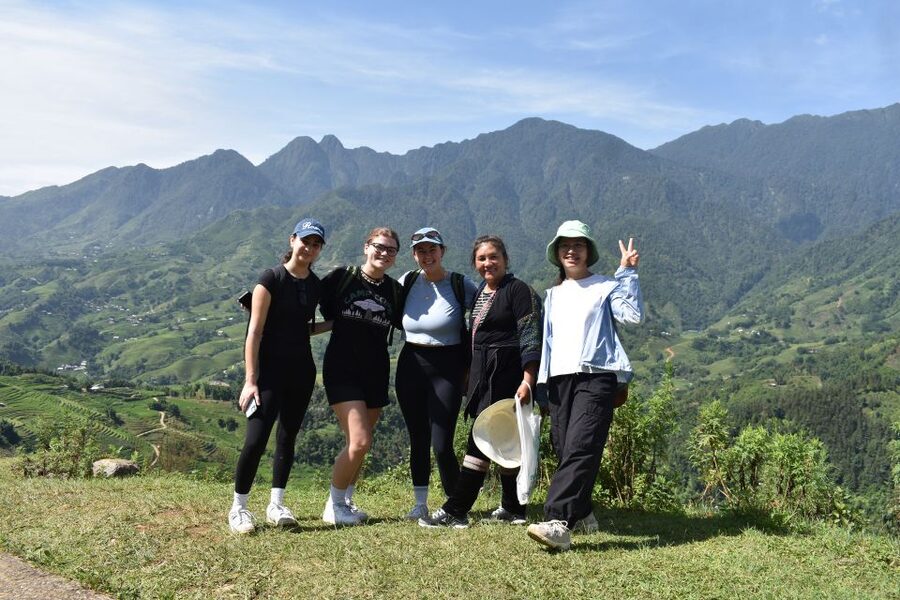
- A quieter route into Y Linh Ho: The walk leaves the main road and follows a trail toward the Muong Hoa stream, with fewer road views and more hillside scenery.
- Three villages, several cultures: The route connects Y Linh Ho, Lao Chai, and Ta Van, with Black H’mong, Red Dao, and Giay communities represented along the way.
- Lunch with a mountain view: A local H’mong restaurant in Lao Chai serves the midday meal beside terraces and mountain scenery.
- Private group, shared attention: Your English-speaking guide leads the group, with pickup from your Sapa hotel or the provider’s office.
- A practical $36 package: Transport, lunch, water, village entry tickets, and return drop-off are included.
- A herbal bath can finish the day: Herbal baths, foot baths, and massages are optional after you return from the villages.
Why this Sapa trek feels different from a road tour
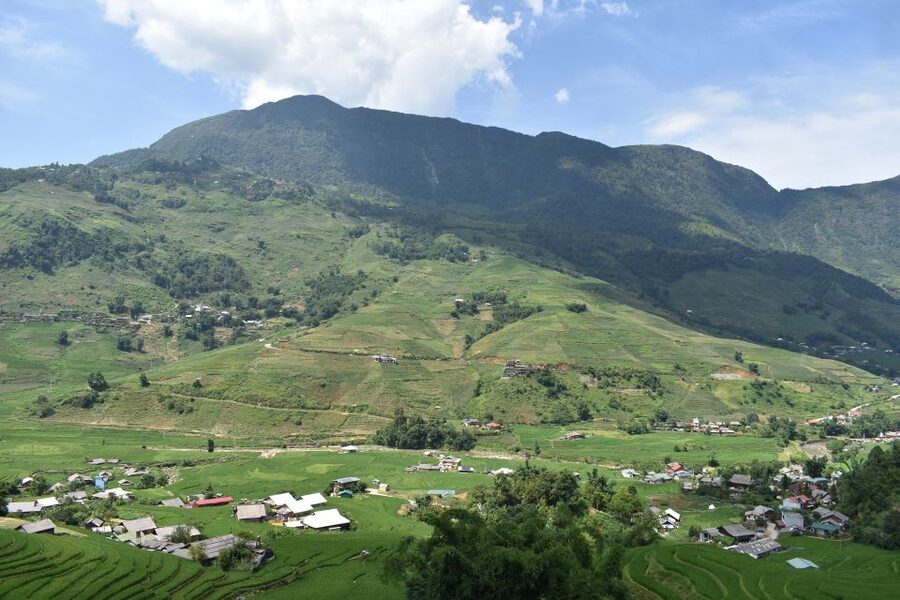
Sapa is famous for its mountain views, but the roads can make the area feel busier than expected. This trip takes you away from the main road and onto a trail leading down into the Muong Hoa valley. That choice matters. You get a closer look at the hillsides, terraces, homes, and daily life instead of seeing the valley mainly through a vehicle window.
The setting changes as you walk. Rice terraces stretch across the slopes, with the Hoang Lien Son mountain range forming the backdrop. The Muong Hoa stream helps shape the route, and the trail also passes through bamboo forest. The scenery is not a single grand viewpoint. It is a long sequence of smaller scenes that you notice at walking speed.
I like that the experience places villages at the center. You are not simply stopping for a photograph and moving on. The route leads through communities where houses, paths, fields, and local life sit close together. The guide is there to explain the ethnic cultures of Sapa, which gives more meaning to what you see.
The peaceful atmosphere in Y Linh Ho is one of the strongest reasons to book this particular route. The village is described as quiet and relatively unspoiled, with simple stilt houses set among the hills. That makes it a good counterpoint to Sapa town, where shops, hotels, and traffic can fill your senses quickly.
More Rice Terrace Treks in Vietnam
- Sa Pa: Muong Hoa Valley Trek and Local Ethnic Villages
★ 4.6 · 864 reviews - Explore Sapa by TrekkingAdventures, Mountain,Rice fields
★ 4.9 · 229 reviews - Sa Pa: 6-Hours Muong Hoa Valley Trek with Local Ethnic guide
★ 4.5 · 178 reviews
8:30 start: leaving Sapa for Y Linh Ho
The day begins at 8:30 a.m. Your guide meets you at your hotel or at the provider’s office, and pickup is included. You need to be ready at the front desk 30 minutes before departure, since the exact pickup arrangement is scheduled after booking.
The first section starts from the main road and follows a trail down toward Y Linh Ho. This is a useful detail for anyone comparing Sapa excursions. The route is not simply a drive to a viewpoint. It is built around walking into the valley, where the views open gradually.
Y Linh Ho sits beside the Muong Hoa stream and is home to Black H’mong residents. The village is known here for its quiet setting, hillside terraces, and simple stilt houses. You may find this part of the route especially rewarding if you value stillness and rural scenery over a busy list of attractions.
The trail does require sensible preparation. Comfortable shoes are specifically recommended, and I would take that advice seriously. Sunscreen and a hat are also listed essentials. You receive 1.5 liters of water, but the day is active, so you should use it carefully.
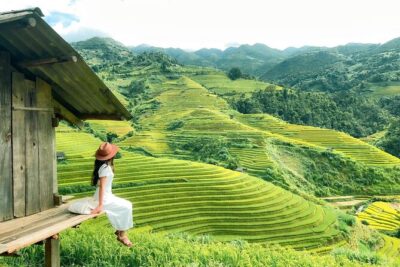
The walk through the terraces is the visual heart of the morning. You can expect long views across the hills, fields spreading down the slopes, and the Hoang Lien Son range beyond. Rice terraces change with the season, so the exact colors and field conditions are not guaranteed. The shape of the hills, however, is part of the route itself.
Lao Chai at noon: lunch beside the terraces
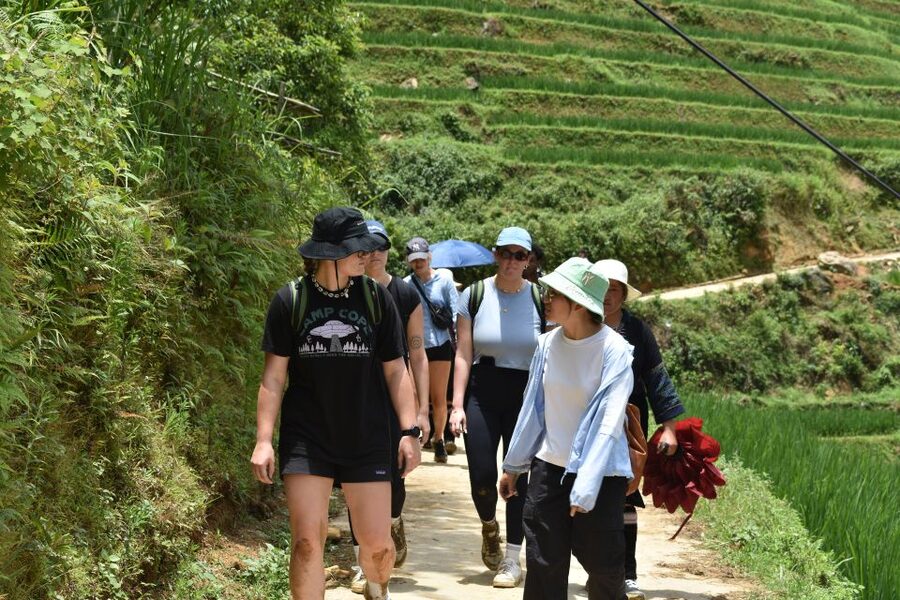
Around noon, the group reaches Lao Chai village, another Black H’mong community. This is where the day shifts from walking to eating and taking in the views at a slower pace.
Lunch is served at a local H’mong restaurant. The meal includes special local foods, and the dining area looks toward the mountains and terraced fields. The description places the terraces close to local homes, which gives the stop a more grounded feel than a meal at a standard tourist restaurant in Sapa town.
Food is one of the better-rated parts of the experience. A direct comment praises the meal as delicious and repeats the advice to wear good shoes. That is useful because it confirms the practical tradeoff: you get a pleasant local lunch, but the walk to reach it is the main physical feature of the day.
Vegetarian food is available if you request it in advance. If you have dietary needs, mention them when booking rather than waiting until lunchtime. The supplied information confirms vegetarian meals, but it does not specify a full list of ingredients or other dietary options.
Lao Chai is also a good point to notice how the terraces function as more than scenery. The fields are part of the village setting, close to houses and daily routines. You are looking at working countryside, not a garden built only for photographs. That distinction helps explain why the walk feels more personal than a quick roadside stop.
1 p.m. to Ta Van: meeting the Giay community
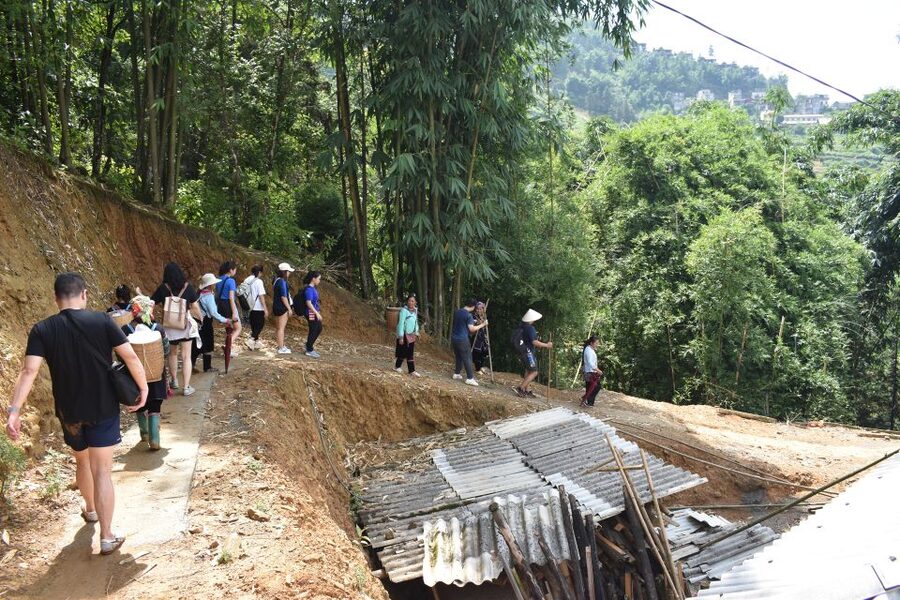
After lunch, the trek continues toward Ta Van village. The route passes more terraces and follows the Muong Hoa area, with corn hills also part of the scenery.
Ta Van is known for its mix of ethnic communities. H’Mong, Red Dao, and Giay people have lived in the village for a long time, and the village has many older houses. You get a broader picture of the region here than you do in a single-community stop.
The Giay people are a particular focus of this section. You can learn about their local identity and see how the village differs from the quieter setting of Y Linh Ho. Ta Van has sidewalks, homestays, and a more active village feel. That makes it a useful final stop, since the day moves from rural calm toward a place with more visitor infrastructure.
There is a balance here. Ta Van may feel less secluded than Y Linh Ho because it has more homestays and a more established walking route. If you want complete solitude, this may be the least quiet part of the trek. If you want to see how local communities have adapted to visitors while retaining their own homes and customs, it is an important stop.
The cultural element works best when you ask questions. Your English-speaking guide can help explain the differences between the groups, their homes, and the village setting. The experience is not presented as a formal museum visit, so your curiosity will shape how much you learn.
Same trailhead, a longer or shorter day out:
- Hanoi – Sapa 2 Days 1 Night Overnight At Homestay
★ 5.0 · 899 reviews - From Hanoi: 2-Day Sapa Trekking Trip with Homestay & Meals
★ 4.8 · 704 reviews - Sapa 3 Days 2 Nights Trekking Tour (1 Night In Ta Van Village, 1 Night In Hotel)
★ 5.0 · 699 reviews - Sapa: Eco Adventure Terrace Fields and Local Villages Trek
★ 4.9 · 636 reviews
2:30 return: useful transport after a long walk
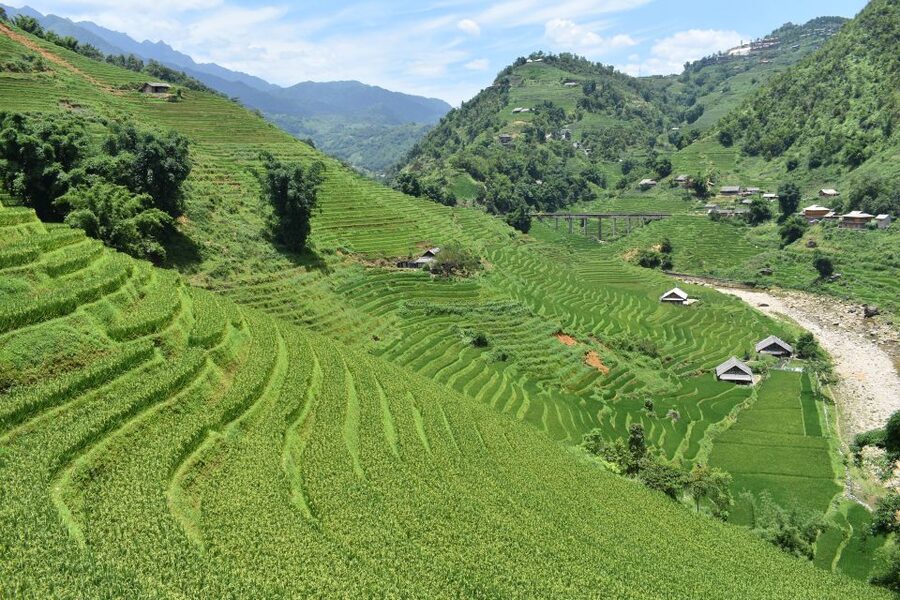
At about 2:30 p.m., a car waits to take you back to your Sapa hotel. This return vehicle is more important than it may first appear. After a morning and early afternoon on foot, you do not need to retrace the entire route uphill or search for your own transport.
The trip is listed as a private group experience. That usually means your party has the vehicle and guide arranged for your group rather than joining a large bus, though the supplied information does not state the maximum group size. If you care about group size, ask before booking.
The timing also makes this a practical day trip for people staying in Sapa. You get a full valley route without committing to an overnight homestay. At the same time, it is not a short morning walk. The 8:30 start and 2:30 return create a substantial half-day-plus outing.
An optional herbal bath, foot bath, or massage can follow the trek. These services are not included in the $36 price, and the details do not specify their cost or exact location. Think of them as possible add-ons for relaxing after the walk, not as part of the main package.
What the $36 price really covers
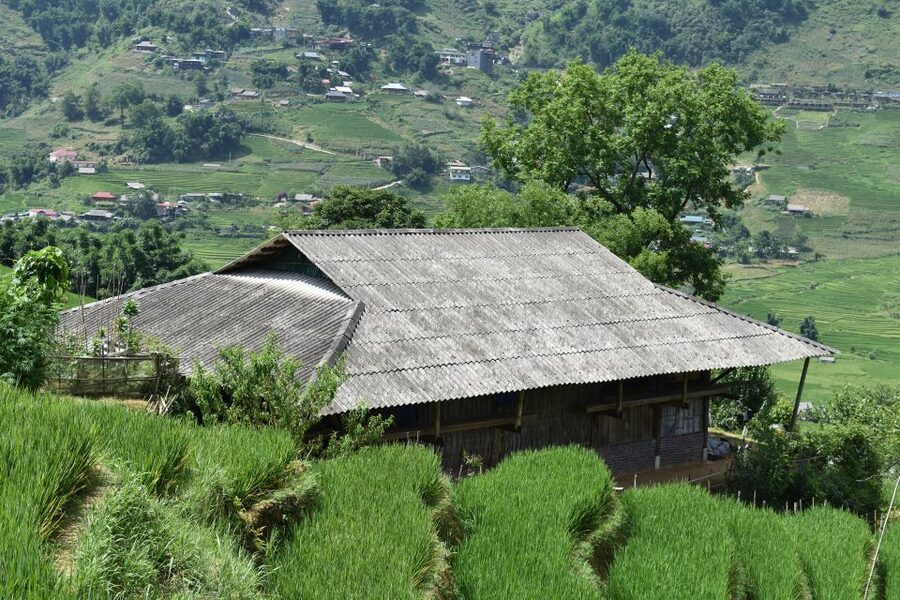
The price is $36 per person. For a private one-day excursion, that is a fair package when you count the included services:
- Hotel pickup and drop-off
- Transport during the tour
- An English-speaking guide
- Lunch
- 1.5 liters of water
- Village entry tickets
You are not paying only for a route through the terraces. You are also paying for the logistics that can be awkward to arrange independently, especially village admission, a return vehicle, and a guide who can provide cultural context.
The price does not include personal expenses or services not clearly listed. Optional herbal baths, foot baths, and massages are extra. You should also clarify any food requests before departure, even though vegetarian food is available on request.
The value is strongest for a first visit to Sapa, when you want the main valley highlights without piecing together transport and village access yourself. It is less compelling if you already have private transport, know the trails well, and prefer to explore without a guide.
Free cancellation up to 24 hours before the activity adds useful flexibility. You can also reserve now and pay later, which helps if your Sapa plans are still shifting.
Who should book this walk?
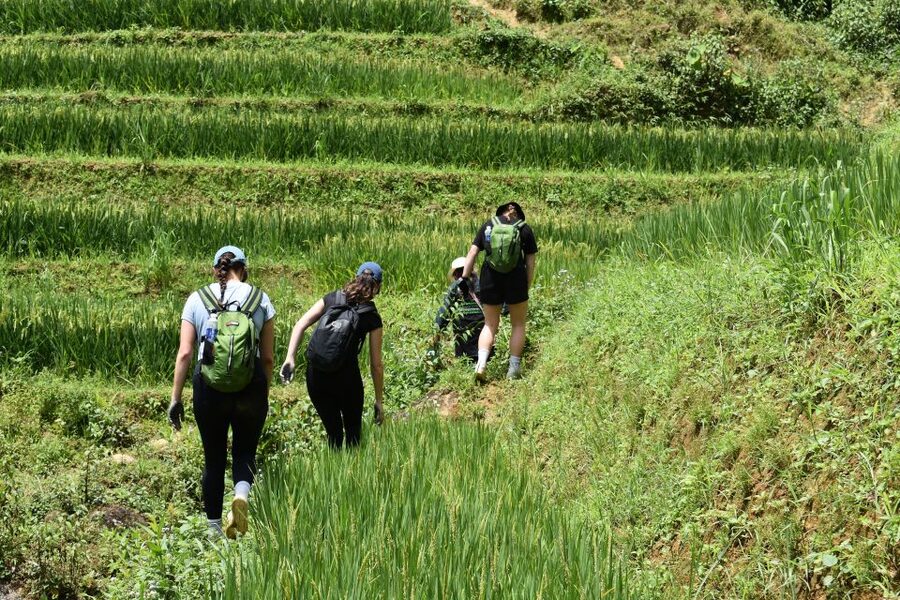
I would recommend it to you if you want a focused introduction to Sapa’s terrace country and ethnic villages in one day. The route gives you scenery, a local meal, cultural contact, and return transport without requiring an overnight stay.
It also suits you if you prefer a private group over a large organized outing. The guide can focus on your party, and the route offers room for questions about the Black H’mong, Red Dao, and Giay communities.
You should think twice if you want a very easy day. This is a trekking experience, not a drive-and-stop tour. The activity is not suitable for pregnant women, and comfortable shoes are essential. The supplied details do not give a precise distance, elevation change, or difficulty grade, so ask for those figures if you need to plan around mobility or fitness concerns.
The experience is also a good match for food-focused visitors. Lunch in a local H’mong restaurant is not an afterthought. It is one of the day’s clear pleasures, especially with the terraces and mountains nearby.
Practical tips for a smoother day
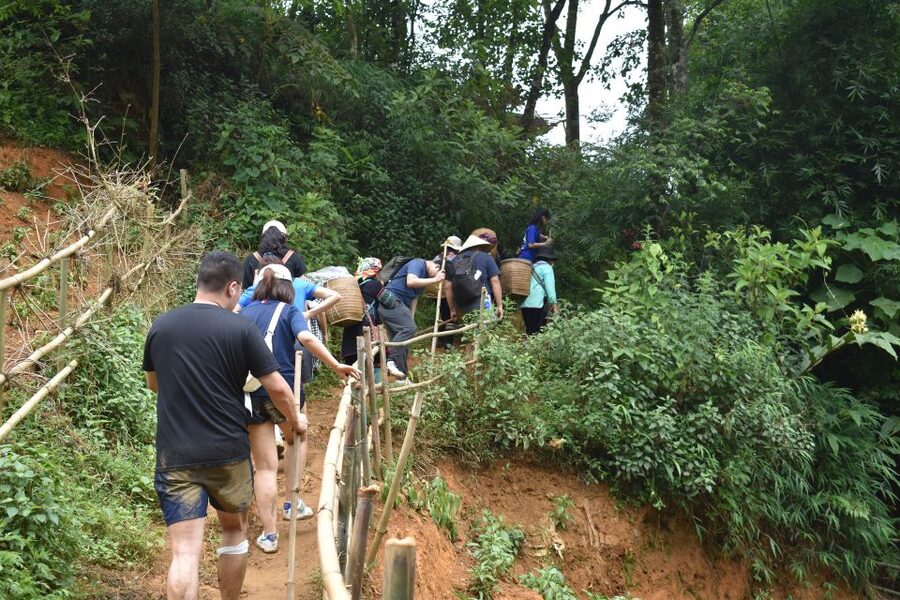
Wear shoes with good comfort and support. The walk uses trails through fields and forest, and a direct comment about the experience specifically advises good shoes.
Bring sunscreen and a hat. Much of the route crosses open hillside and terraces, so shade should not be assumed. Your 1.5 liters of water are included, but you may want to ask about additional drinking water if you usually need more during an active day.
Keep your schedule open around the advertised times. Pickup begins in the morning, lunch is around noon, the walk continues at 1 p.m., and the vehicle returns you around 2:30 p.m. Exact starting times are subject to availability.
Tell the provider about vegetarian food when you book. The option is available, but a request made early is more useful than a last-minute request at the restaurant.
Finally, leave room for weather and trail conditions. The supplied information does not promise a particular view, rice-growing stage, or trail surface. The main appeal is the combination of villages, terraces, forest, and mountain scenery, not one guaranteed photograph.
Should you book this Sapa rice terrace trek?
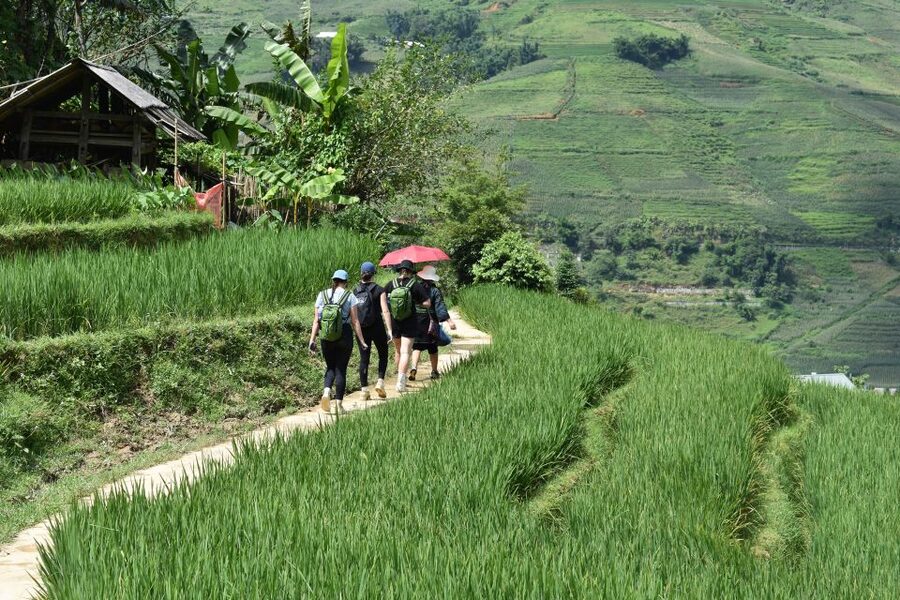
Book it if you want Sapa’s countryside on foot, a quiet route into Y Linh Ho, a local lunch in Lao Chai, and cultural visits in Ta Van. The $36 cost is sensible because it bundles transport, guide service, lunch, water, and entry fees, while the private format keeps the day personal.
Skip it if you want a short, low-effort outing or a precise hiking specification before you commit. The distance and elevation are not provided, so ask the provider for those details if they matter to you. For most visitors who can manage a full trekking day, this is a practical and well-rounded way to see the Muong Hoa valley beyond Sapa’s main roads.
FAQ
Where does the Sapa trek start?
The tour begins with pickup from your hotel in Sapa or from the provider’s office. The walk starts from the main road and follows a trail toward Y Linh Ho village.
What time does the experience begin?
The stated start time is 8:30 a.m. You should be at your hotel front desk 30 minutes before departure.
Which villages does the route visit?
The route goes through Y Linh Ho, Lao Chai, and Ta Van. Y Linh Ho and Lao Chai are associated with the Black H’mong community, while Ta Van includes H’Mong, Red Dao, and Giay residents.
Is lunch included?
Yes. Lunch at a local H’mong restaurant in Lao Chai is included in the price.
Is vegetarian food available?
Yes. Vegetarian food is available on request. It is best to make the request when booking.
Is transport included after the trek?
Yes. A car takes you back to your Sapa hotel after the visit to Ta Van, with the return planned for about 2:30 p.m.
What should I bring?
Bring sunscreen, a hat, and comfortable shoes. The tour includes 1.5 liters of water.
Is the tour suitable for pregnant women?
No. The activity is listed as unsuitable for pregnant women.
More One-Day Treks in Vietnam
- From Sapa: 1-Day Guided Trek to Lao Chai & Ta Van with Lunch
★ 4.9 · 416 reviews - Sapa 1 Day Long Trek: Trek to Hau Thao and Sa Seng Villages
★ 4.6 · 344 reviews - 1-day Authentik trek & Panorama valley views
★ 5.0 · 189 reviews - 1 day Fansipan Trekking
★ 5.0 · 180 reviews
Recently added around Vietnam
- Full Day Private Trekking Mu Cang Chai★ 5.0 · 33 reviews
- My Son sanctuary and mountain trekking★ 5.0 · 9 reviews
- Bach Ma National Park Trekking and Camping 2 days Tour★ 5.0 · 9 reviews
- Small Group – Bach Ma National Park Trekking Tour From Hue★ 4.5 · 18 reviews
- Explore Bach Ma National Park – Trekking with Small Group Tour★ 5.0 · 12 reviews
- UNESCO Listed Can Gio Mangrove and Monkey Island trek★ 5.0 · 11 reviews
- 2-Day Trekking & Biking Nam Cat Tien National Park from HCM City★ 5.0 · 12 reviews
- Trekking around Ha Giang 5 days 4 nights★ 3.0 · 2 reviews
Rice Terrace Treks, compared.
Muong Hoa Valley Trek and Local Ethnic Villages
Read our review →
Explore Sapa by TrekkingAdventures, Mountain,Rice fields
Read our review →
Selogriyo Temple and Trekking Java Rice Terraces, hidden waterfall -Nature Java
Read our review →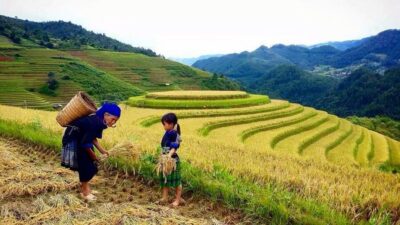
6-Hours Muong Hoa Valley Trek with Local Ethnic guide
Read our review →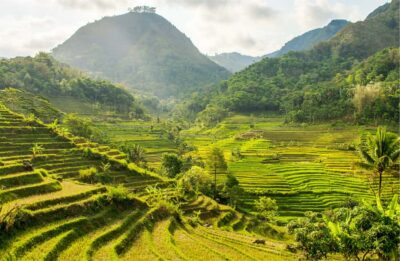
Sapa Muong Hoa Valley & Ta Van Eco Village Scenic Tour (No Trek)
Read our review →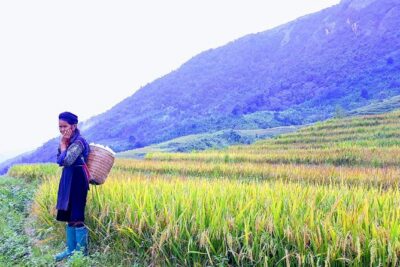
Daily Tour: Sapa Trekking in Muong Hoa valley, Bamboo forest
Read our review →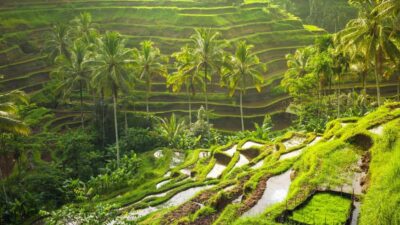
Rice Terrace, Holy Water Temple & Waterfalls Trek Tour
Read our review →Browse the lists this tour appears in