
REVIEW · CUSCO
From Cusco: Salkantay Trek to Machu Picchu 5D/4N or 4D/3N
High passes, hot springs, and Machu Picchu. This trek links some of Peru’s finest scenery in one demanding route, from Humantay Lake and the 4,630-meter Salkantay Pass to coffee country, waterfalls, and the citadel itself. I especially like the mix of mountain walking and rainforest trails, plus the support of a guide, chef, mule, and campsite cabins. The main drawback is that the advertised $50 price does not cover several important expenses, including Machu Picchu admission, buses, some transfers, and optional equipment.
I also like the choice between a 4-day and 5-day route. The longer version gives you time for Cocalmayo hot springs and a more relaxed pace, while the shorter option reaches Aguas Calientes sooner. Ticket availability and circuit choice need close attention, though, because your route into Machu Picchu depends on what the Peruvian government has available when your booking is made.
Key points to know before booking
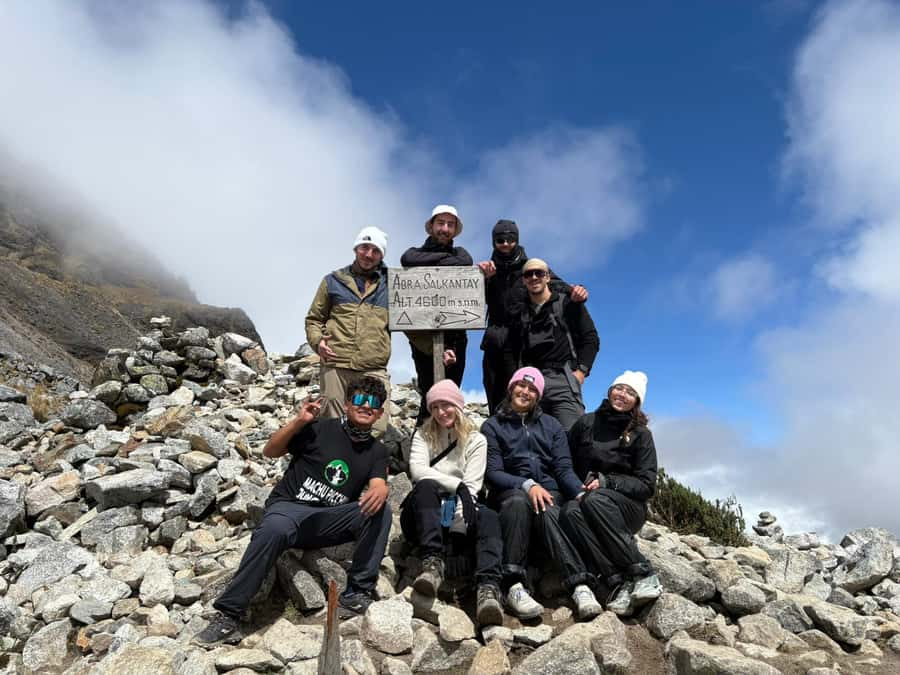
- The Salkantay Pass reaches 4,630 meters, making altitude the biggest physical challenge of the trip.
- Humantay Lake sits at 4,200 meters, with turquoise water and a steep final approach.
- The 5-day option includes Cocalmayo hot springs, while 4-day hikers leave the group after lunch at La Playa.
- Llactapata offers a view toward Machu Picchu before the final walk to Aguas Calientes.
- Machu Picchu tickets must be checked early, ideally two to four months ahead.
- The $50 headline price is only a starting point, since entrance fees, buses, and some transport costs are extra.
Two routes, one demanding journey
The Salkantay Trek is a strong alternative to the classic Inca Trail. You do not walk one continuous ancient road all the way to Machu Picchu. Instead, you cross high Andean terrain, descend through warmer valleys, pass farms and waterfalls, and join part of an original Inca route near Llactapata.
The 5-day plan is the better choice if you want the full experience. It includes three nights in cabins, four breakfasts, four lunches, four dinners, and a hotel night in Aguas Calientes. The 4-day version includes two cabin nights, three sets of meals, and the same hotel night, but it skips the extra day at Cocalmayo and uses transport from La Playa to Hidroeléctrica.
Both versions demand long walking days. The scenery changes quickly, but so does the weather. You may start in cold, thin air and finish among tropical plants on the same day. That variety is the route’s great reward, but it also means you need proper layers, rain gear, sun protection, and shoes with good grip.
The trip begins with pickup in Cusco’s historic center at about 4:30 a.m. A briefing takes place at 6:00 p.m. the day before departure. Use that meeting to confirm your Machu Picchu circuit, settle the ticket payment, hand over your passport details, and ask exactly which route you are taking.
More Inca Trail Treks in Cusco
- Salkantay Trek Challenge – 3 Days / 2 Nights
★ 5.0 · 101 reviews - Choquequirao Trek 4 days and 3 nights
★ 5.0 · 81 reviews - Machu Picchu: 5-Day Salkantay Trek with Panoramic Train
★ 5.0 · 79 reviews
Day 1: Cusco to Humantay Lake and Soraypampa
The first morning starts early, with a private vehicle leaving Cusco for the trailhead. The drive includes a breakfast stop in the Cusipata District and takes several hours in total. It is a long start, so have water and a small snack within reach even if breakfast is provided.
After breakfast, the trail climbs toward Soraypampa at about 3,800 meters. The walk takes roughly three hours. You will likely feel the altitude here, especially if your body has not adjusted to Cusco’s elevation. Take the uphill pace slowly and do not treat the first morning as a race.
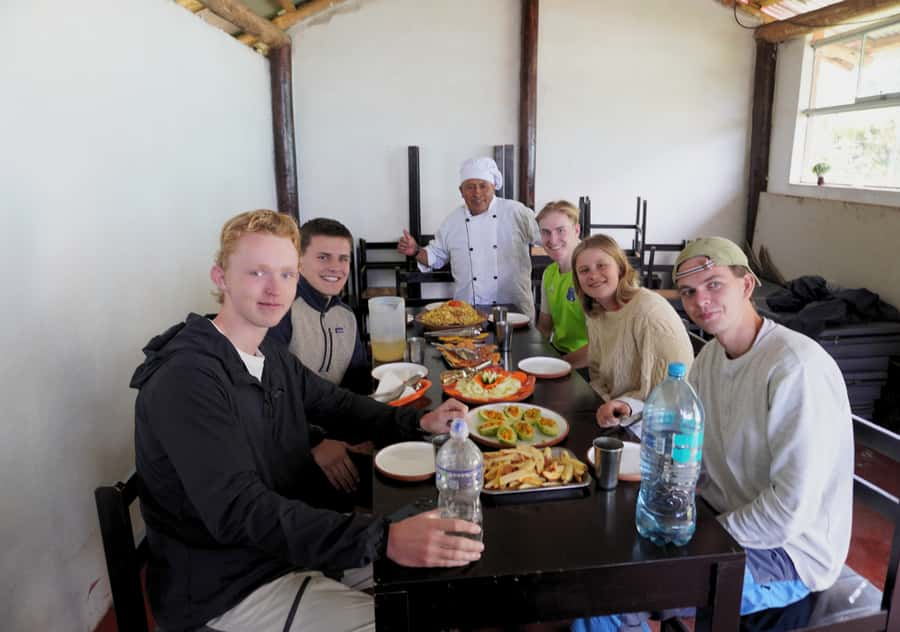
Lunch comes after reaching the campsite area. The food is prepared by a professional chef, and vegetarian and vegan meals are available without an added charge. Afternoon tea includes items such as popcorn, cookies, chocolate, and coffee. These small breaks matter on a route where the cold and elevation can drain your energy faster than expected.
The main goal is Humantay Lake at 4,200 meters. The climb from the lunch area takes about two hours, followed by another two hours toward camp. The lake’s turquoise water is the visual prize of the day, framed by steep mountain slopes and high, open country.
The final approach can feel harder than the distance suggests. At this altitude, every uphill section asks more from your lungs. If you are taking photos, keep your camera secure and leave time to enjoy the view instead of rushing back down.
Back at camp, dinner is served under a starry sky when conditions allow. Cabins are more comfortable than a basic tent setup, but you should still expect cold nights and simple mountain accommodation. Coca tea is offered in the morning, and it can be a welcome way to warm up before walking.
Day 2: Crossing the 4,630-meter Salkantay Pass
Day two is the trek’s toughest stage. You leave Soraypampa after breakfast and climb for about three hours to the Salkantay Pass, the highest point at 4,630 meters.
This is the day to judge the route honestly. The distance is manageable for a fit hiker, but the altitude can make even a steady slope feel severe. You should carry water, wear sun protection, and use trekking poles if you benefit from extra balance. Poles can be rented for $10 for the full trip.
At the pass, the payoff is wide mountain scenery and a nearby lake. This is one of the most memorable places on the route because the air feels spare and the surroundings are open and rugged. Give yourself time to take photographs, but keep warm. Conditions can change quickly at this height.
The trail then drops for about three hours to Wayracmachay for lunch. The descent is easier on your breathing, but it can be hard on your knees. From there, you continue downhill for roughly three more hours through changing climates toward Chayllay or Collpapampa at about 2,770 meters.
This long descent is where the route begins to feel very different. The cold high country gives way to warmer valleys and more plant life. You finish near a local village, with dinner and another night in a cabin.
The length of this day is the biggest concern for anyone with limited hiking experience. If you are unsure about six hours of walking after the pass, ask at the briefing about the exact daily distances and available support.
Day 3: Rainforest trails, farms, and Cocalmayo
After breakfast, the trail enters the warmer Santa Teresa area. You cross wooden bridges, pass waterfalls, and walk beside plantations of bananas, passion fruit, and avocados. This section gives you a closer look at rural Peru than a quick train ride to Machu Picchu can provide.
The route leads toward La Playa, where lunch is served. The 4-day and 5-day itineraries separate here. Hikers on the shorter trip say goodbye to the group after lunch and pay for transportation from La Playa to Hidroeléctrica. That vehicle cost depends on the number of people traveling.
The 5-day route continues toward Lucmabamba and Cocalmayo. You can use the afternoon for a soak in the hot springs or rest at camp. The entrance fee is PEN 10 per person, and transportation to the springs costs extra, with the amount depending on the size of the group.
Cocalmayo is a useful pause after two hard days. The hot water can help tired legs, though it is not essential if you prefer quiet time at camp. The evening includes dinner and a group bonfire, followed by a night in your room.
This is the day that gives the 5-day version its best argument. You are still walking, but the pace feels less severe than the pass day, and the warmer climate makes the route easier to enjoy. If you value time over the lowest possible cost, choose the longer option.
Same trailhead, a longer or shorter day out:
- From Cusco: 7 Lakes Ausangate Trek with Breakfast and Lunch
★ 4.8 · 360 reviews - Cusco: Full-Day Rainbow Mountain & Red Valley Trekking Tour
★ 4.5 · 121 reviews - From Cusco: Rainbow Mountain Trek
★ 4.5 · 98 reviews - Ancascocha Trek To Machu Picchu 4 Days And 3 Nights
★ 5.0 · 77 reviews
Day 4: Llactapata and the walk to Aguas Calientes
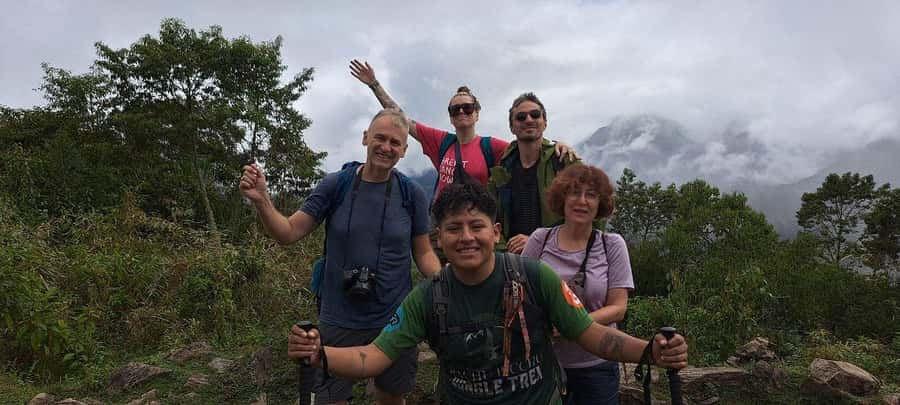
The final hiking day begins with breakfast and a climb toward Llactapata. The uphill section takes about two hours and reaches roughly 2,700 meters. Llactapata is an archaeological site with a view toward Machu Picchu, giving you an early look at the destination before you reach it.
That viewpoint adds meaning to the walk. Machu Picchu is not simply a place you arrive at after a train ride. You have already crossed high passes, rural valleys, and warmer forest trails, so the first sight of the citadel feels connected to the whole route.
From Llactapata, you descend for about two hours to Hidroeléctrica, where lunch is served. The trail from Hidroeléctrica to Aguas Calientes takes several hours on foot. It is not the most dramatic section of the trek, but it keeps you moving through the valley toward the town.
You check into a hotel in Aguas Calientes and have dinner with the group at about 7:00 p.m. This hotel night is a useful comfort after several nights in cabins. Keep your passport, camera, water, and morning clothes ready before bed. The next day starts early.
The 4-day itinerary reaches this point sooner by using a vehicle from La Playa to Hidroeléctrica. You still walk the final section to Aguas Calientes, but you miss the 5-day version’s Cocalmayo visit and extra time on the route.
Day 5: Machu Picchu and the return to Cusco
The final morning begins early. The standard plan has you leave Aguas Calientes after breakfast and climb stairs for about an hour to Machu Picchu’s main gate, arriving around 6:30 a.m.
You can also buy a bus from Aguas Calientes to the entrance. The listed cost is $12 each way, so a return trip costs $24. This is not included. Walking saves money, but the stairs add another physical effort after the trek. If your legs are tired, the bus can be a sensible purchase.
A guided visit lasts about two and a half hours. The included visit is listed with Circuit 2A or 2B when available, covering the most popular full visit to Machu Picchu. Other possible circuits include 3B, with lower sections, a middle viewpoint, and sacred temples, or 1B, focused on the upper terrace and classic photo area.
Do not assume you will receive the circuit you want. Check the available route before paying, especially if a full visit is important to you. The operator says reservations depend on government availability.
After the visit, your return depends on the option you select. If you use the car return, you walk back toward Hidroeléctrica, where transport waits between about 6:00 and 9:00 a.m. at the latest. If you choose the train, you can purchase your preferred departure time from Aguas Calientes to Ollantaytambo, then continue by local vehicle to Cusco.
The return day is not a small detail. A train gives you a more direct and less tiring finish, but it costs extra. The car route is included in certain arrangements, yet it requires the long walk back to Hidroeléctrica first.
What the $50 price really covers
At $50 per person, this trip looks remarkably cheap. That figure should not be treated as the final cost. The package includes a guide, private transport to the trailhead, meals during the trek, cabin nights, a hotel night in Aguas Calientes, a six-kilogram duffel allowance, cooking staff, and a horse to carry your duffel and cooking equipment.
The operator also provides the Machu Picchu reservation process, but you must pay PEN 152 later if a ticket is available through the Peruvian government system. If a ticket is not available online, you may need to bring $40 or PEN 152 to buy one in Aguas Calientes, in person, with your passport.
Other extra costs include:
- Humantay Lake entrance: PEN 20
- Machu Picchu or Waynapicchu mountain entrance: $60
- Bus from Aguas Calientes to Machu Picchu: $12 each way
- Sleeping bag rental: $15
- Trekking pole rental: $10
- Cocalmayo entrance: PEN 10
- Transport to Cocalmayo
- Transport from La Playa to Hidroeléctrica on the 4-day route
- First breakfast, last lunch, and dinner
The value is still good if you want a supported trek and do not already have your own transport and cooking setup. Just calculate the total before booking. The low base fare is attractive, but the Machu Picchu ticket and return transport can change the final amount considerably.
Guides, food, and practical support
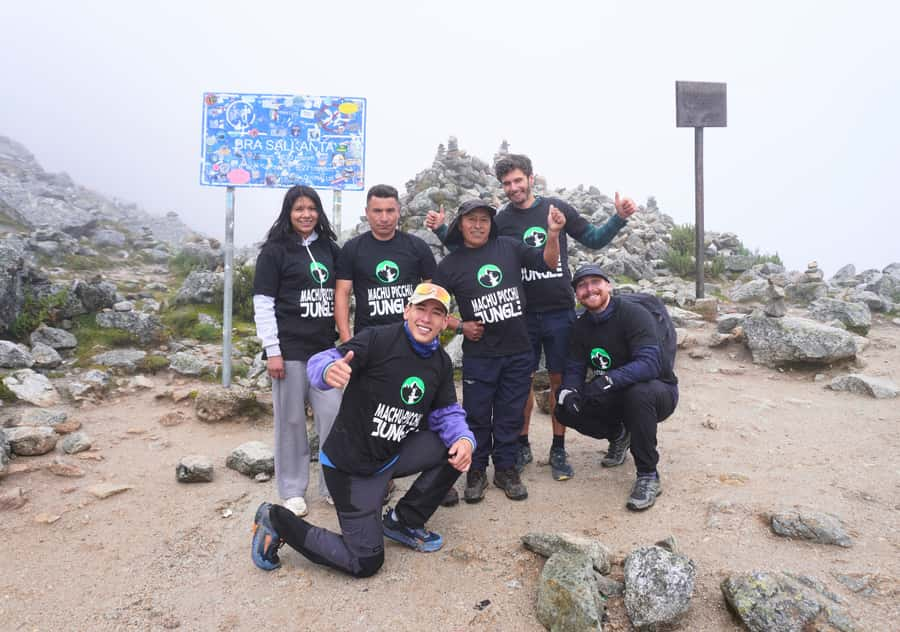
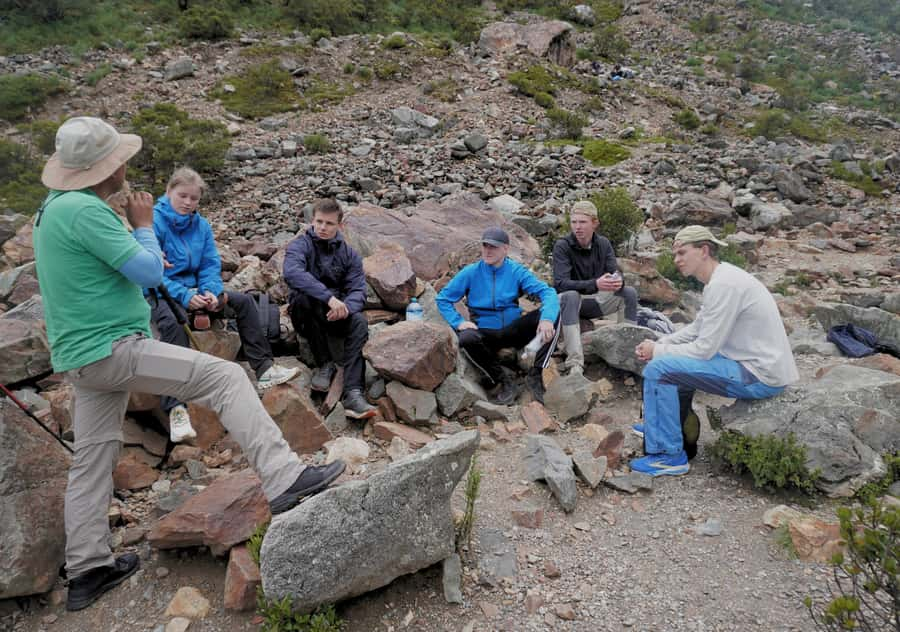
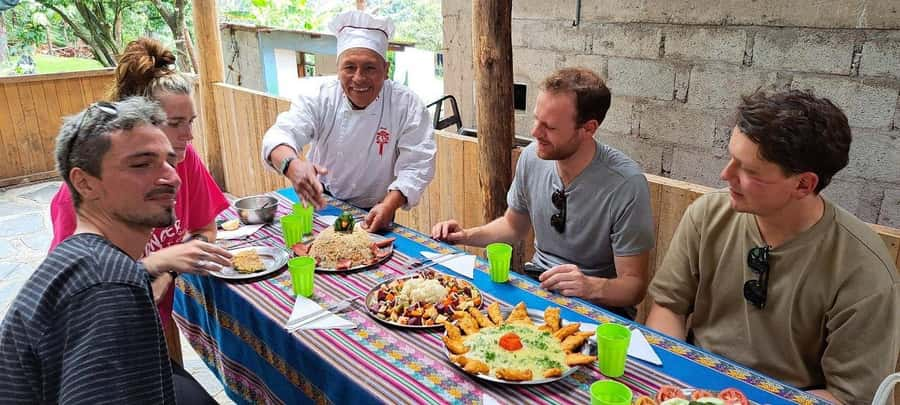
The trip includes English, Portuguese, or Spanish guiding. One guide named Fernandez is specifically praised for kindness, experience, and hands-on help during the trek. The cooking team also receives strong praise, with Edgar noted for tasty, healthy meals and Eulogio for being eager to help.
That matters on a route like this. A guide who sets a sensible pace and helps on hard sections can make the difference between a demanding trip and a miserable one. The chef’s work also matters because you eat four breakfasts, four lunches, and four dinners on the 5-day version.
A horse carries up to six kilograms of your belongings, and the included duffel bag is designed for that load. Pack only what you need for the walking days. You can arrange transport for the duffel from Lucmabamba to Aguas Calientes, or carry it yourself, but that transfer is not included.
Bring your passport, comfortable shoes, a hat, sunscreen, water, rain gear, a camera, and comfortable clothes. Layering is important because the route moves from cold high elevations to warm forest areas. A sleeping bag and trekking poles are available to rent if you do not have them.
Who should choose this trek?
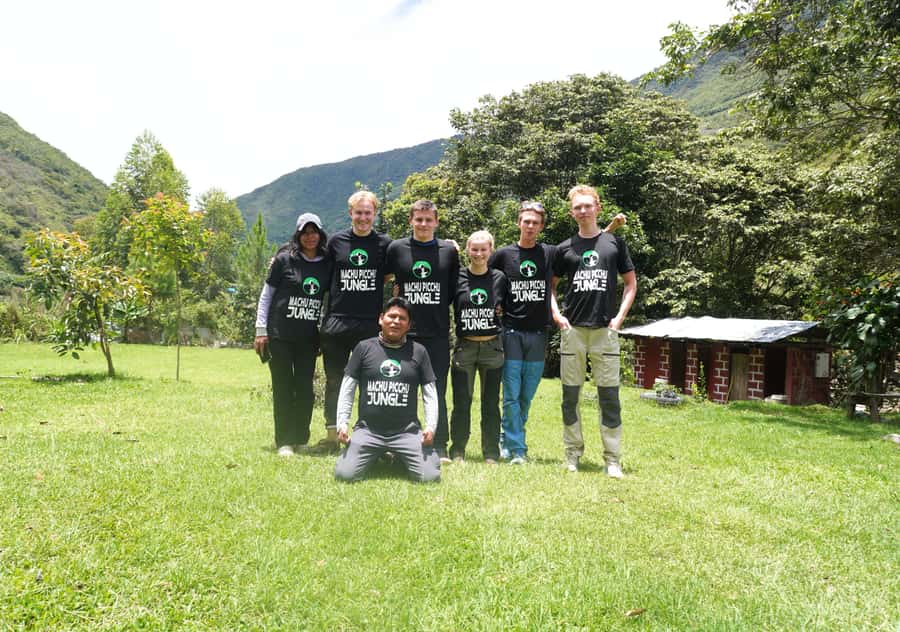
I would recommend the Salkantay route to you if you want Machu Picchu paired with serious mountain walking, changing scenery, and a support crew. It suits hikers who can manage long days and are willing to deal with altitude, early starts, basic cabins, and changing weather.
Choose the 5-day version if you want the best balance of effort and recovery. Cocalmayo gives you a welcome break, and the extra day lets you enjoy the route rather than simply push toward the finish.
Choose the 4-day option if your schedule is tight or you prefer to reduce the number of hiking days. It is still demanding, and the transport from La Playa to Hidroeléctrica adds a separate charge.
This is not the right choice if you want a relaxed sightseeing holiday, dislike steep climbs, or need a fixed Machu Picchu circuit without checking availability first. The trek is rewarding, but it asks you to plan carefully.
Should you book it?
Book this trek if you want an active route to Machu Picchu and appreciate having meals, guides, cabins, transport, and luggage support arranged. The strongest features are the high-altitude scenery, Humantay Lake, the Salkantay Pass, Llactapata, and the warmer valley trails that follow.
I would lean toward the 5-day option for most hikers. Before paying, confirm the exact Machu Picchu circuit, the ticket status, all extra fees, the return method, and whether your passport has been submitted for reservations. With those details settled, this is a solid-value way to reach Peru’s most famous archaeological site by foot.
FAQ
How long is the Salkantay Trek to Machu Picchu?
You can choose a 4-day, 3-night itinerary or a 5-day, 4-night itinerary. The longer plan includes Cocalmayo hot springs and an additional section of the route.
What is the highest point of the trek?
The Salkantay Pass reaches 4,630 meters. Humantay Lake is at about 4,200 meters.
Is Humantay Lake included?
The trek visits Humantay Lake, but its entrance fee is extra and listed as PEN 20 per person.
Are Machu Picchu tickets included?
The reservation is arranged according to government availability, but the ticket cost is paid separately. The listed payment is PEN 152, or $40 if a ticket must be purchased in Aguas Calientes.
Which Machu Picchu circuit is available?
Circuit 2A or 2B is listed as the preferred full visit when available. Circuit 3B covers lower areas, a middle viewpoint, and sacred temples. Circuit 1B focuses on the upper terrace and classic photo area.
Can I rent trekking equipment?
Yes. A sleeping bag costs $15 for the trip, and trekking poles cost $10 for the trip.
Are vegetarian and vegan meals available?
Yes. Vegetarian and vegan meals are available at no extra charge.
Recently added around Cusco
- 5 Day – Salkantay trek to Machu Picchu – Group Service★ 4.5 · 27 reviews
- Small Group: 4-Day Inca Trail Trek to Machu Picchu★ 5.0 · 33 reviews
- 6 day Rainbow Mountain x Ausangate Trek – FlashpackerConnect★ 5.0 · 30 reviews
- Salkantay Trek: 5 Days to Machu Picchu★ 5.0 · 33 reviews
- Humantay Lake Full-Day Adventure: Scenic Trek and Stunning Views★ 4.5 · 39 reviews
- Salkantay 5-Day Trek To Machu Picchu★ 5.0 · 39 reviews
- Inca Trail Trek to Machu Picchu – 2 Days (Small Group or Private)★ 5.0 · 31 reviews
- Ausangate and Rainbow Mountain Trek – 3 Days / 2 Nights★ 5.0 · 35 reviews
Machu Picchu & Inca Trail Treks, compared.
Machu Picchu: 5-Day Salkantay Trek with Panoramic Train
Read our review →
Ancascocha Trek To Machu Picchu 4 Days And 3 Nights
Read our review →
4 Day Inca Trail Trek to Machu Picchu Multi day tour
Read our review →
Salkantay Trek 4 Days to Machu Picchu by Glamping Sky Lodge Dome
Read our review →
Browse the lists this tour appears in