
REVIEW · SAPA
Hanoi: Sapa Trekking 2 Days 1 Night Overnight in Village
Sapa rewards walkers. This two-day trip trades city time for rice terraces, mountain views, bamboo forest, and village paths through northern Vietnam. I especially like the overnight homestay with a Dzay family, which gives the trip a human side, and the efficient combination of sleeper bus, meals, guide, and entrance tickets for $102. The main drawback is the schedule: the overnight bus rides are long, and the first day includes about 9 kilometers of trekking soon after you arrive.
You will visit Y Linh Ho, Lao Chai, Ta Van, and Giang Ta Chai, with an English-speaking local guide leading the walks. A guide named July received warm praise for taking guests through rice fields, bamboo forest, rivers, waterfalls, and traditional villages, so the guiding can add real value here. Still, you should bring proper shoes, warm clothes, and sunscreen, and remember that the return drop-off is at 30 Ly Thai To Street in Hanoi rather than at your hotel.
Key points at a glance
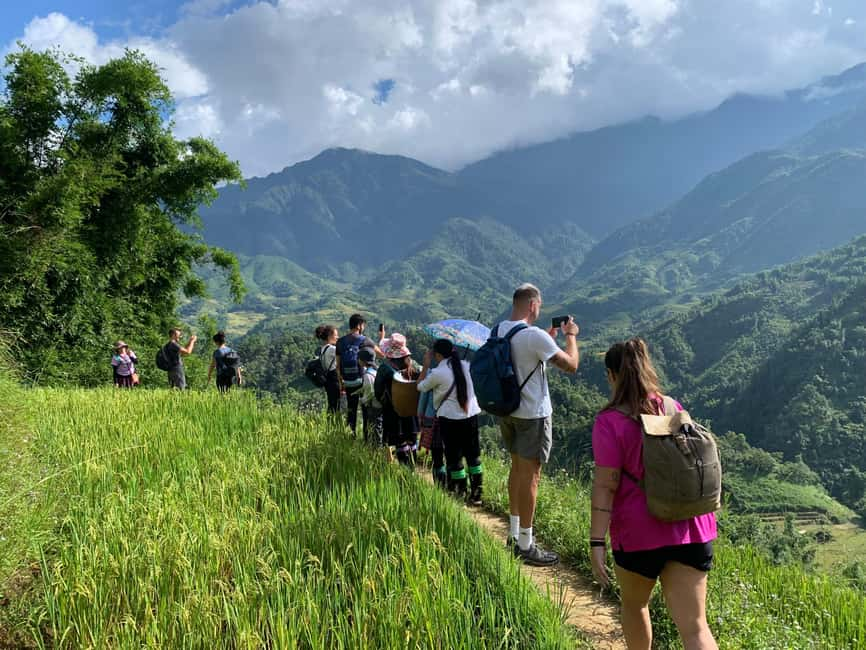
- 9-kilometer first-day trek: Walk from Y Linh Ho through rice terraces and along Muong Hoa Stream toward Lao Chai and Ta Van.
- Ta Van homestay: Spend the night with Dzay people, share dinner, and possibly help prepare food with the family.
- Rice terraces are seasonal: The terraces are specifically noted as being at their best from May through September.
- Three ethnic villages: See Lao Chai, Ta Van, and Giang Ta Chai, each connected by mountain paths and rural scenery.
- Small group of up to 15: This is more personal than a large coach excursion, though the bus journeys are still shared.
- $102 includes the basics: Transport, guide, meals, accommodation, water, and entrance tickets are covered, but drinks are extra.
The early Hanoi departure and long ride north
Your day begins between 6:00 and 6:50 in Hanoi’s Old Quarter. Hotel pickup is available in Hoan Kiem district, with the exact time depending on your location. If you stay outside the Old Quarter, you need to reach 30 Ly Thai To Street by 6:45 in the morning.
That early start matters. You are not simply taking a short transfer to Sapa. The trip uses a sleeper bus in both directions, and the return from Sapa to Hanoi takes much of the second afternoon and evening. The bus is practical and keeps the price down, but you should think of transport as a substantial part of the experience rather than a minor detail.
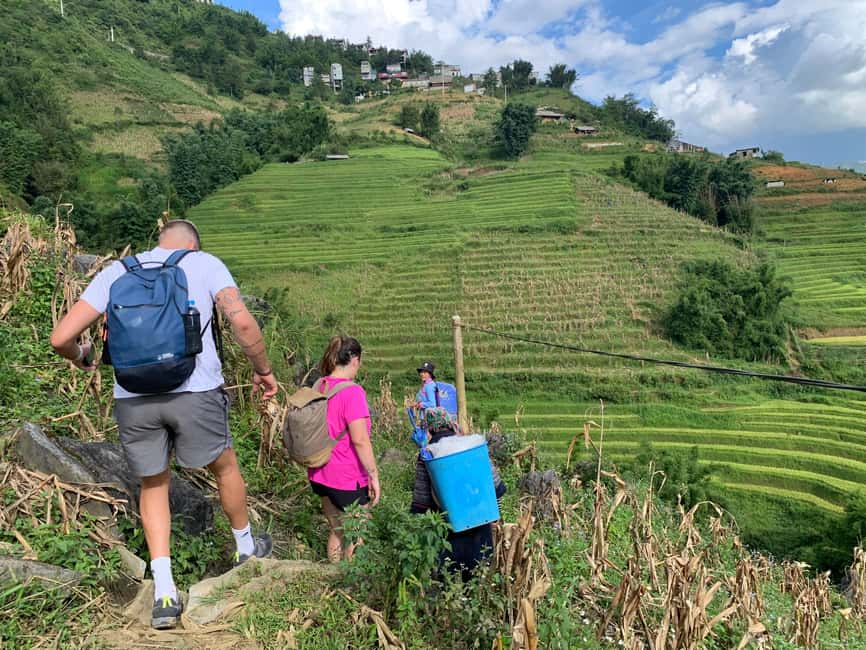
The bus reaches Sapa at about 1:00 p.m. After meeting your local guide, you have lunch at a local restaurant around 1:30. Your main luggage is taken to the homestay by bus, which is a welcome arrangement. You can walk with a smaller day bag instead of carrying everything over the mountain paths.
The timing leaves little room for delay. You arrive, eat, meet the guide, and begin walking at about 2:30. I would keep your morning simple and have your hiking shoes, water, sunscreen, and warm layer easy to reach.
A few more treks around Sa Pa worth a look
- SAPA: 2-DAY 1-NIGHT TREKKING & CULTURE WITH HMONG GUIDE LINH
★ 4.9 · 126 reviews - From Sapa: 2 Days 1 Night Trek Over Night At Homestay
★ 5.0 · 68 reviews - Sapa: 2-Day Local Guided Valley Trek with Night Homestay
★ 5.0 · 27 reviews
Y Linh Ho, Lao Chai, and the Muong Hoa Valley
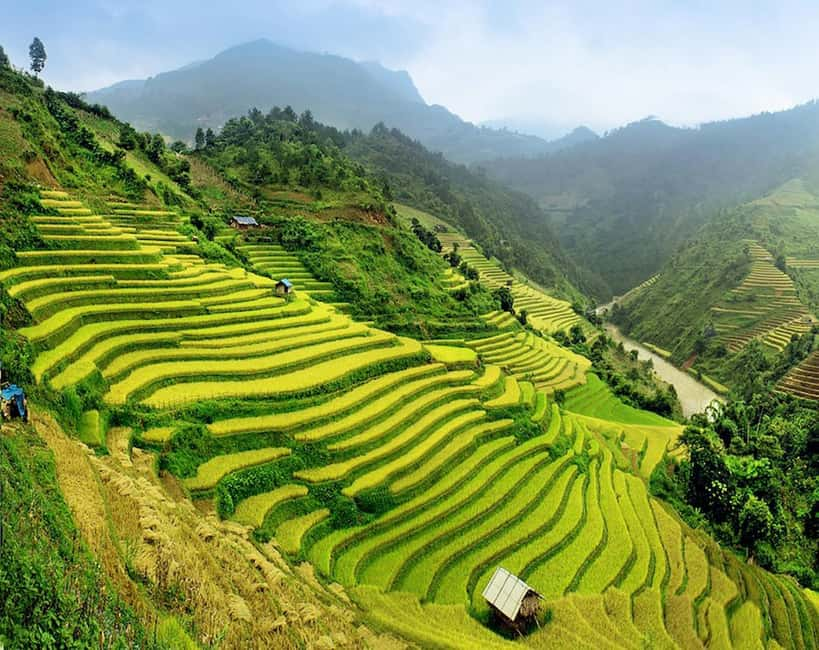
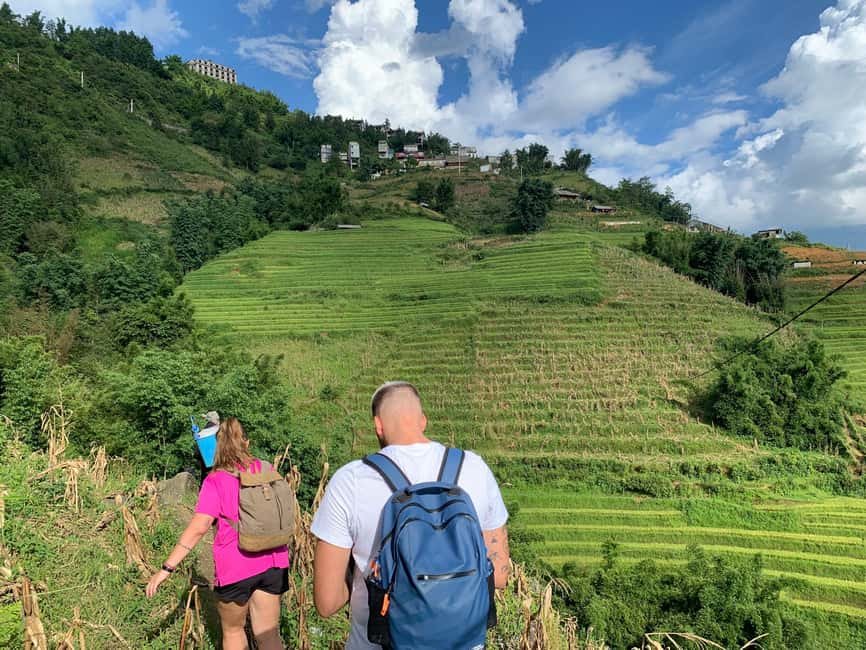
The first walk begins at Y Linh Ho and continues through rice terraces toward the Black Hmong village of Lao Chai. This is the main scenic section of the first day, with terraced fields, Hoang Lien Son mountain views, and the Muong Hoa Stream nearby.
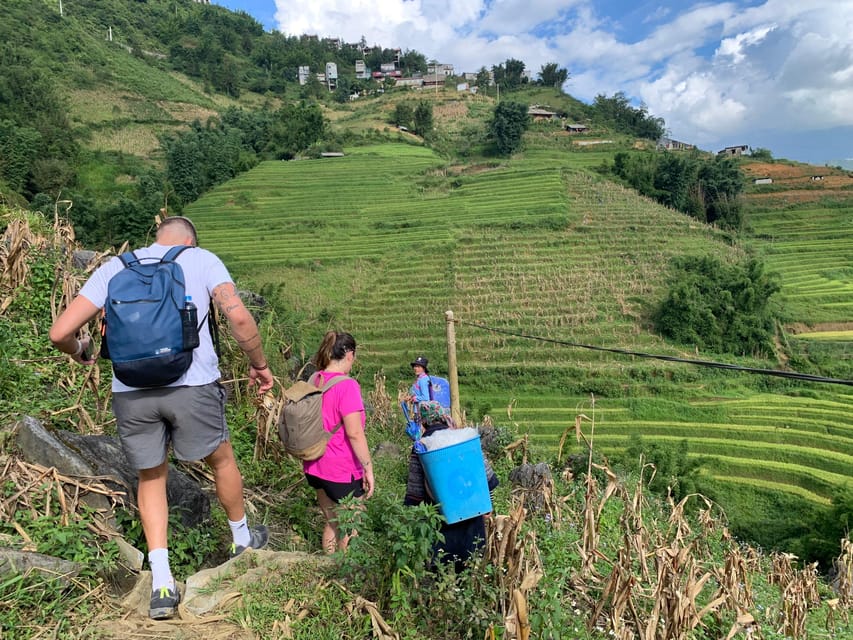
The route covers about 9 kilometers and lasts around three hours. That distance is not extreme for a regular walker, but the mountain paths can make it feel more demanding than a flat city walk. You should be comfortable walking for several hours and prepared for uneven ground.
The rice terraces are a key reason to choose this trip, but timing affects what you see. The schedule specifically notes that the terraces are available from May through September. Outside that period, you can still expect mountain villages, streams, forest, and broad views, but the fields may not have the same appearance shown in seasonal photographs.
Lao Chai is associated with the Black Hmong people. The route gives you a chance to see how villages sit among the slopes rather than viewing northern Vietnam only from a bus window. Your guide can also help explain local customs and the traditions of different ethnic groups, which is useful when you are walking through inhabited areas.
The walk continues toward Ta Van in the late afternoon. It is a good arrangement: the trek is long enough to feel like a real journey, but it ends at a village where you can slow down instead of returning to town.
Ta Van village and a night with a Dzay family
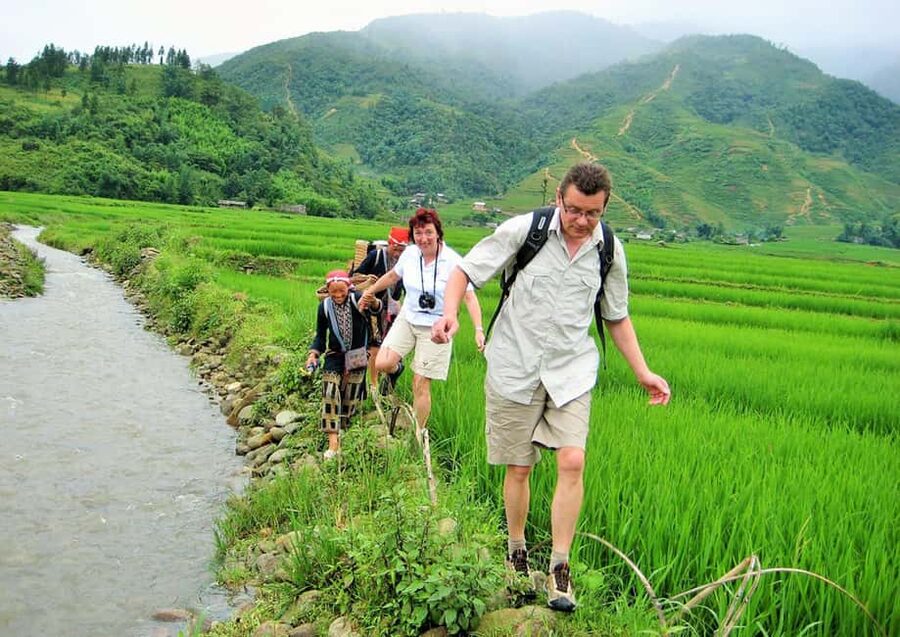
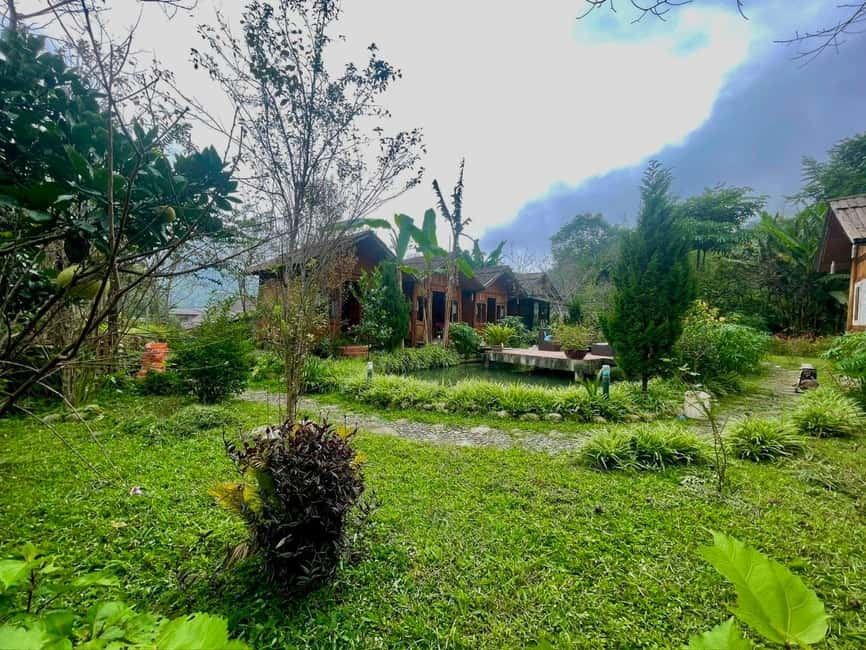
You reach the Ta Van homestay around 5:30 p.m. The overnight stay is the heart of this trip. Rather than returning to a hotel in Sapa, you sleep in the village and spend time getting to know a Dzay family.
The word homestay can cover many kinds of accommodation, so it is best to set your expectations sensibly. This is a cultural stay in a rural village, not a private resort room. The value comes from location and contact with local life. You may join the family while dinner is prepared, eat the included meal, and spend the evening with the family and other people on the tour.
The schedule leaves time to enjoy the mountain setting at sunset. You can socialize with other visitors and take part in what is described as an evening of hill tribe peace and interaction. The exact evening activities may depend on the family and the group, but the important point is that you are staying in the village rather than passing through for a quick photo.
Dinner is included, as are breakfast and two lunches across the trip. Drinks are not included, so carry some cash for anything you buy along the way. Mineral water is provided, but it is still wise to bring a refillable bottle if you use one.
This overnight stop also breaks up the transport-heavy schedule. After a long ride from Hanoi and a three-hour trek, you do not have to board another vehicle that evening. You can eat, rest, and wake up close to the next morning’s trail.
The second morning in Giang Ta Chai
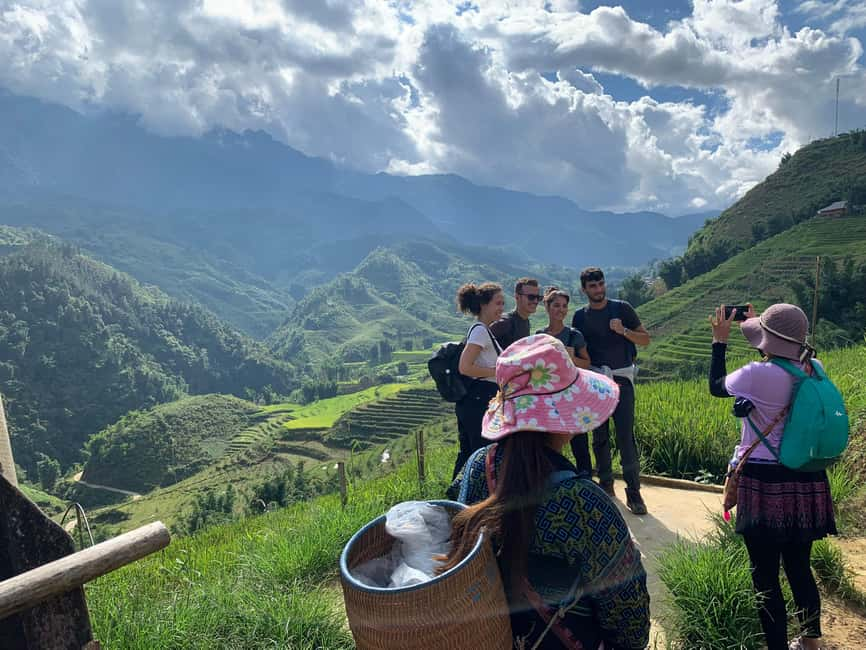
Breakfast is prepared by the homestay family at about 7:30 a.m. The second walk begins around 8:00, with a shorter route of roughly 3 kilometers lasting about two hours.
You head toward rice paddies for photographs of the surrounding mountain views, then continue through bamboo forest. The route stops at a panoramic viewpoint over Giang Ta Chai village. This gives you a different mood from the first day. The opening trek is longer and follows the valley toward Ta Van, while the second morning is shorter and focuses on forest, paddies, and a village viewpoint.
Giang Ta Chai is home to Red Dao people, though the supplied schedule does not promise a specific cultural activity there. You should see this section mainly as a scenic village walk with cultural context from the guide. The review praise for rivers, waterfalls, bamboo forest, and traditional villages fits this part of the route particularly well.
Around 11:00, you walk through Giang Ta Chai Bridge to the main road, then return to the homestay. You have time for a shower, lunch, and packing before the vehicle collects you at about 1:30 p.m. That shower is especially useful after two days on foot, though you should not expect a leisurely morning. The schedule stays tight so the group can reach the Sapa bus station for the afternoon departure.
More Two-Day Treks in Sa Pa:
- EXPLORE SAPA: 2D1N TREKKING & HMONG CULTURE WITH DINH
★ 4.9 · 191 reviews - Sa Pa: 2-Day Trekking Trip with Ethnic Minority Homestay
★ 4.7 · 145 reviews - Sapa : 2-Day Trek & Heartwarming Homestay with an Ethnic Family
★ 5.0 · 143 reviews - 2 Days Fansipan Trekking
★ 5.0 · 84 reviews
Returning from Sapa to Hanoi
The bus takes you from the village back to Sapa town, where you connect with the sleeper bus to Hanoi at about 3:30 p.m. Arrival is expected around 9:30 p.m.
The return journey is one of the clearest tradeoffs in this package. You get a full village trek without paying for a separate train or arranging your own transfers, but you spend several hours on the road at the end. If you have a flight or an important booking that night, allow plenty of caution. The stated arrival time is around 9:30 p.m., and road conditions or delays can affect any fixed plan.
The drop-off point is 30 Ly Thai To Street, not your hotel. From there, hotels in the Old Quarter are about 1 to 2 kilometers away. This is easy enough for some people with a small bag, but less convenient if you have large luggage or arrive tired. Plan that last leg before you leave Hanoi, rather than discovering the arrangement at the end.
What the $102 price really covers
At $102 per person, the price is strong for a two-day trip that includes both transport and a village overnight. The package covers:
- Sleeper bus from Hanoi to Sapa and back
- An English-speaking local guide
- One night at a village homestay
- One dinner, two lunches, and one breakfast
- Mineral water
- Entrance tickets to the listed sites
That bundle makes the trip good value if you want a simple, organized route. You do not need to arrange the bus, find a guide in Sapa, negotiate transport to the villages, or book a separate homestay.
The price also makes sense for first-time visitors who want to see the famous Sapa area in only two days. You get several well-known villages and both valley and forest scenery. The small group limit of 15 people is another plus. It is not a private tour, but it should feel more manageable than a large coach group.
There are costs to remember. Drinks are extra, and the itinerary does not promise private rooms or upgraded accommodation. You also give up flexibility. The bus times, meal times, walking route, and return departure are set. If you prefer to linger in one village, take a slower walk, or spend several nights around Sapa, an independent stay may suit you better.
How hard is the trek?

The first day is the physical test. You walk about 9 kilometers for three hours after lunch, moving through rice terraces, along a stream, and between villages. The second walk is shorter at about 3 kilometers, but it still includes paddies, bamboo forest, and village paths.
The trip is not presented as suitable for people with high blood pressure, and it is not suitable for people over 95 years old. Those restrictions should be taken seriously. The schedule is active, and mountain paths are not the same as level pavements.
Bring hiking shoes rather than casual sneakers. Warm clothing is also important because the mountain setting can feel cool, particularly in the evening. Sunscreen matters even on a cloudy day. A small day bag is best, since your larger luggage is transported to the homestay.
You should also expect changing conditions in the countryside. The supplied information does not promise a particular level of trail surface or weather. Keep your hands free, watch your footing, and follow the guide around streams, bridges, and forest sections.
The cultural side of the route
The trip’s best feature is not only the scenery. It connects four named village areas with encounters involving Black Hmong, Dzay, and other ethnic communities in northern Vietnam.
Lao Chai gives the first cultural setting, with Black Hmong village life beside the rice terraces. Ta Van gives you the overnight contact with Dzay people. Giang Ta Chai adds another village and a forest route on the second morning. You are not merely stopping at viewpoints, because the homestay lets you spend an evening in a rural community.
Still, respectful behavior matters. These are homes and villages, not staged attractions. Listen to the guide, ask before photographing people, and follow local instructions. Feeding animals is not allowed, so do not treat livestock or other animals as part of the entertainment.
The guide’s role is important here. A good local guide can explain what you are seeing and help you move through the villages politely. July was specifically praised for leading a route through rice fields, bamboo forest, traditional villages, rivers, waterfalls, and mountain views. That kind of guidance can turn a pretty walk into a more meaningful one.
Who should book this Sapa trip?
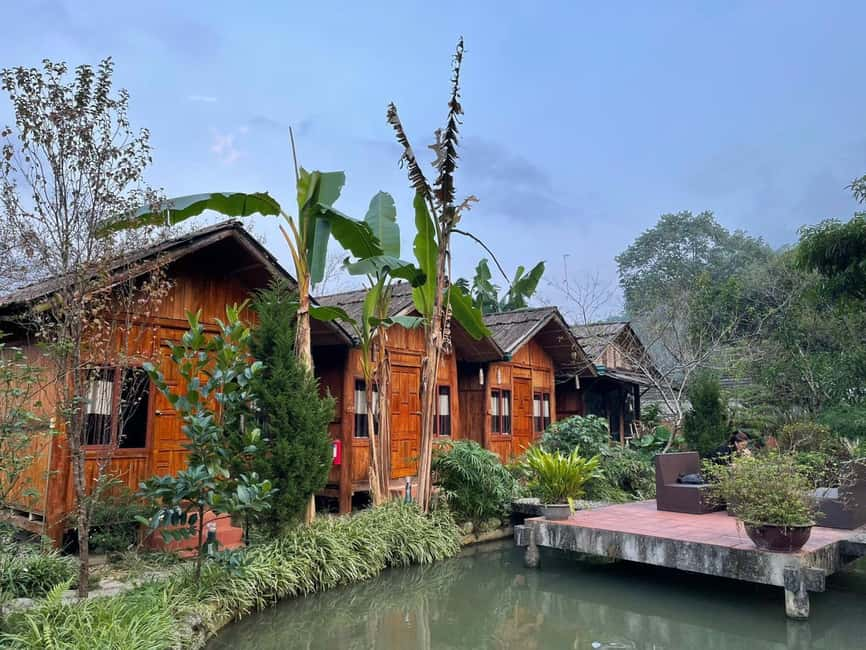
I would recommend it to you if you have only two days, want Sapa’s major village routes, and prefer having transport and meals arranged. It also suits people who like active sightseeing but do not want to plan every transfer themselves.
It is a good match for:
- First-time visitors to northern Vietnam
- People who want a village homestay rather than two hotel nights
- Hikers comfortable with a three-hour first-day walk
- Visitors who value a small group and an English-speaking guide
- Anyone looking for a $102 package with transport, food, tickets, and accommodation included
I would think twice if you need hotel-to-hotel service, dislike long bus rides, or want a slow and flexible stay. The return drop-off is not at your hotel, and the first day moves quickly from Hanoi pickup to lunch to trekking.
Should you book this 2-day Sapa trek?
Book it if you want a compact introduction to Sapa with real walking, village contact, and one night in Ta Van. The route covers the area’s most recognizable sights, and the included transport removes much of the planning work. The strongest moments should come from the mountain views, rice terraces in season, bamboo forest, and the chance to share time with a Dzay family.
Skip it if you want comfort above all else or cannot manage a 9-kilometer mountain walk. Also check your dates carefully if rice terraces are your main reason for going, since they are specifically noted as available from May through September.
For the right person, this is a well-priced, tightly scheduled way to see Sapa beyond the town center. Pack lightly, wear proper shoes, and treat the homestay as a cultural experience rather than a hotel substitute.
FAQ
Where does the tour pick up in Hanoi?
Pickup is available from accommodation in Hanoi’s Old Quarter, in Hoan Kiem district, between 6:00 and 6:50 a.m., depending on the location.
What if I stay outside Hanoi’s Old Quarter?
You need to go to 30 Ly Thai To Street and arrive there by 6:45 a.m. Pickup is not listed for accommodation outside the Old Quarter.
How long is the first trek?
The first-day trek is about 9 kilometers and takes roughly three hours. It goes from Y Linh Ho through the rice terraces and along Muong Hoa Stream toward Lao Chai and Ta Van.
How long is the second trek?
The second-day walk is about 3 kilometers and takes around two hours. It includes rice paddies, bamboo forest, a view over Giang Ta Chai, and the Giang Ta Chai Bridge area.
What meals are included?
The package includes one dinner, two lunches, and one breakfast. Drinks are not included.
Is the guide available in English?
Yes. The tour includes an English-speaking local guide in Sapa.
Where do I get dropped off in Hanoi?
The return bus stops at 30 Ly Thai To Street. Hotel drop-off is not provided, and hotels in the Old Quarter are about 1 to 2 kilometers from that point.
Recently added around Sa Pa
- Soob Sapa Trekking Tour★ 4.3 · 3 reviews
- Sapa Trekking – Waterfalls And H’mong Villages★ 5.0 · 2 reviews
- Sapa Trekking Private Tour With Ethnic Female Tour Guide★ 4.9 · 24 reviews
- Sapa: Trekking Through Terraced Rice Fields & Valley 1 Day★ 4.8 · 4 reviews
- Sapa: Y Linh Ho – Lao Chai, and Ta Van Trekking Day Tour★ 5.0 · 25 reviews
- Sapa Trekking Guide Francophone 2 days – 1 night★ 5.0 · 2 reviews
- Sapa: Ta Phin Village Trek with Lunch and Bathing Experience★ 4.7 · 13 reviews
- Sapa small groupe activities: 1 Day trek – Meet the locals★ 4.7 · 3 reviews
Evening Experiences, compared.

Etna Sunset Tour: Volcano trek, Cave & tasting from Catania
Read our review →
2-Day Mt. Toubkal Trek with 1-Night Stay & Meals
Read our review →
Sapa 3 Days 2 Nights Trekking Tour (1 Night In Ta Van Village, 1 Night In Hotel)
Read our review →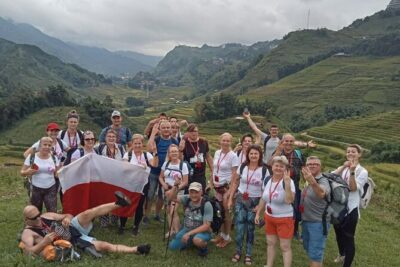
Sapa 3 Day 2 Night Trekking With Hotel & Homestay
Read our review →

Browse the lists this tour appears in