
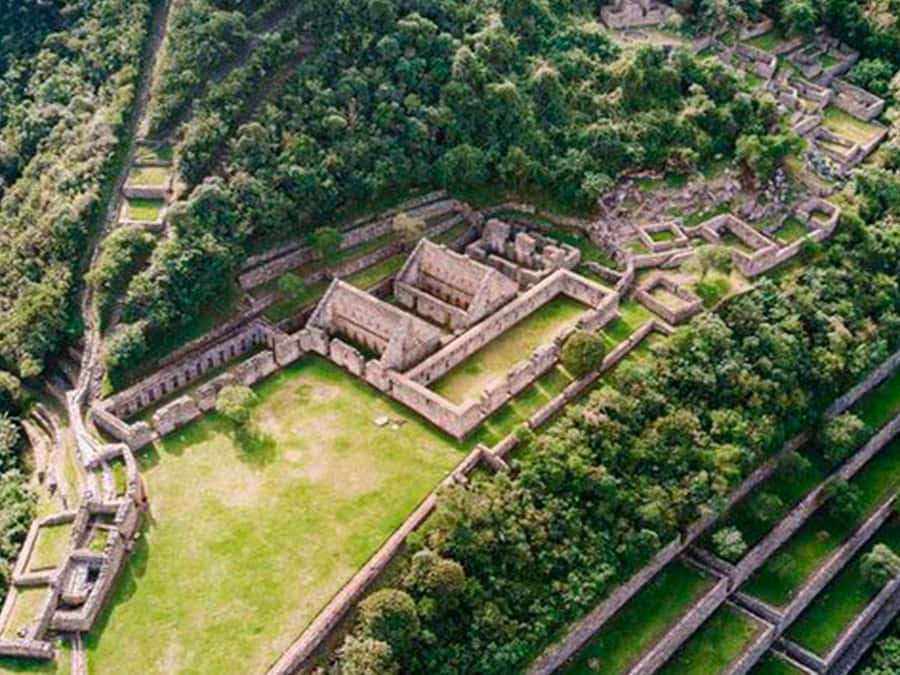
REVIEW · PERU
From Cusco: 4-Day Choquequirao Trek – All included
Remote Peru rewards steady legs. This four-day Choquequirao trek gives you dramatic views of the Apurimac River, quiet Andean paths, and three nights in local hostels rather than a quick in-and-out excursion. I especially like the small group size, limited to 15 people, and the fact that hotel pickup, transport, a bilingual guide, lodging, and most meals are included.
I also like the route’s slow approach to Choquequirao. You reach the archaeological site after hiking through the valley, so the ruins feel earned rather than simply delivered by bus. The main drawback is the physical demand: steep, uneven paths and changing weather make this a poor fit if you have low fitness, vertigo, mobility limits, or trouble with long mountain walks.
Key points at a glance
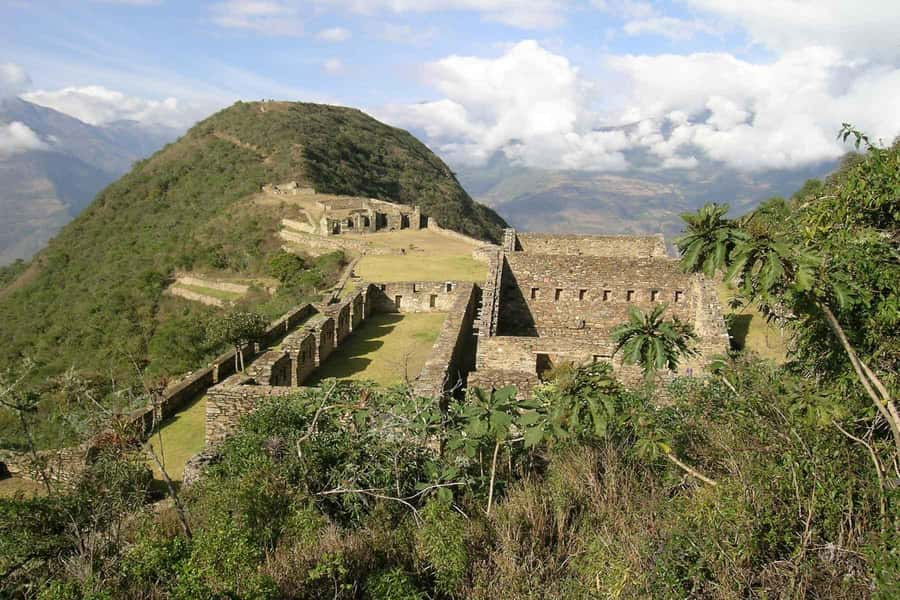
- Choquequirao stays wonderfully remote: You hike through the Apurimac Valley to reach an Inca site known as the sister of Machu Picchu.
- The route includes serious climbs and descents: The trek uses steep paths and uneven ground, so comfortable shoes and steady fitness matter.
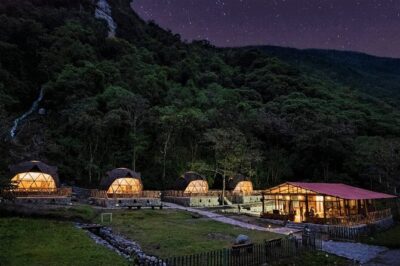
- Three nights are spent in local hostels: This gives you a simple Andean base after each day on the trail.
- The package covers the essentials: Hotel pickup in Cusco, minibus transport, an English or Spanish-speaking guide, lodging, breakfasts, lunches, and dinners are included.
- Capulliyoq and Marampata bring the big views: These viewpoints are important highlights, not just passing stops.
- Bring cash despite the all-in price: You may want money for water, hot showers, Wi-Fi, and guide tips.
Why Choquequirao feels different from Machu Picchu
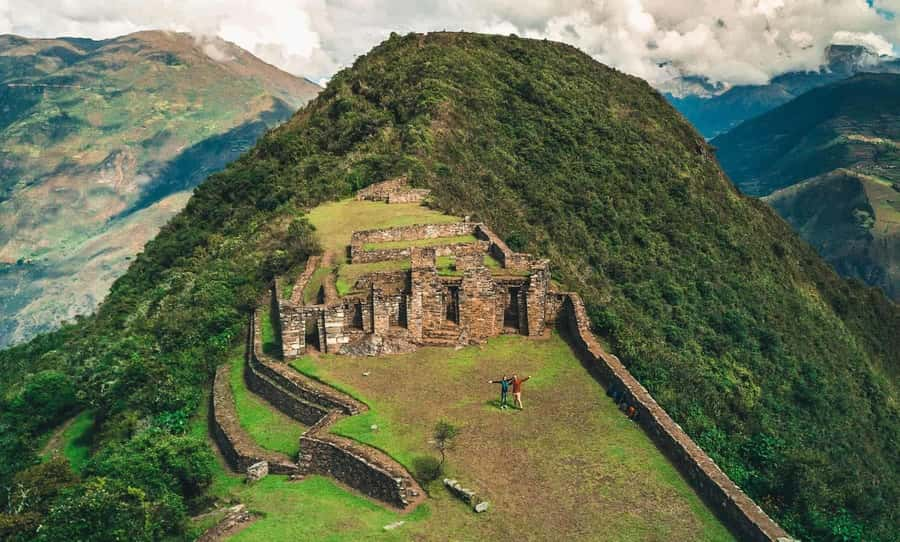
Choquequirao is often called the sister of Machu Picchu, but reaching it is a very different experience. There is no simple train ride or short final walk here. You approach the ruins on foot, following a route through the Apurimac Valley and spending nights in small local hostels.
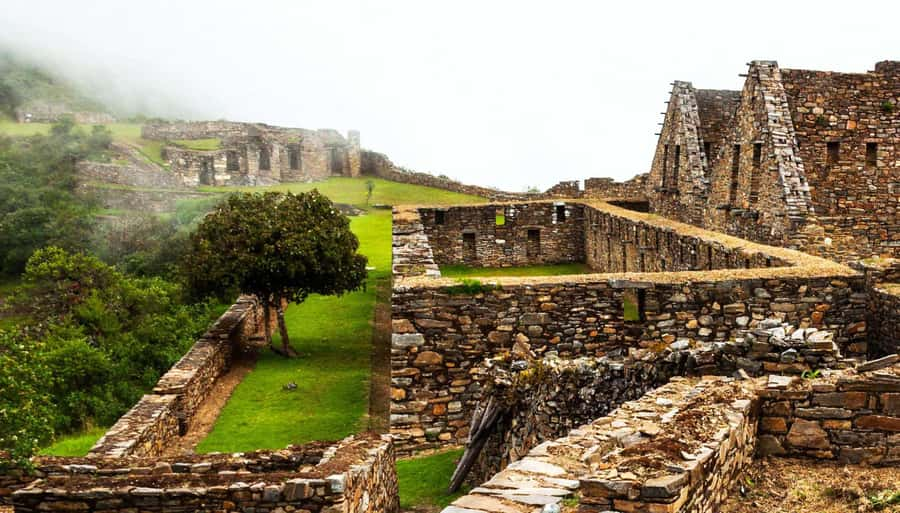
That effort changes how you experience the site. The ruins are not just another stop on a packed sightseeing day. You have already crossed steep Andean paths and watched the valley change below you. By the time you reach Choquequirao, the temples, warehouses, and public spaces carry a stronger sense of place.
The route is also appealing if you want a quieter experience. The available information describes it as very local, with few people on the trail. That solitude is one of the best reasons to choose this trek, though it also means you should be comfortable with basic lodging and a more rugged setup.
More Inca Trail Treks in Peru:
- Salkantay Trek Challenge – 3 Days / 2 Nights
★ 5.0 · 101 reviews - Choquequirao Trek 4 days and 3 nights
★ 5.0 · 81 reviews - Machu Picchu: 5-Day Salkantay Trek with Panoramic Train
★ 5.0 · 79 reviews
The cost of $450 and what it covers
At $450 per person, the price is not just paying for access to the ruins. It includes pickup from your Cusco hotel, minibus transportation to the route, an English or Spanish-speaking guide, three nights of hostel lodging, and nine scheduled meals: three breakfasts, three lunches, and three dinners.
That package can offer solid value if you want one booking to handle the main moving parts. Transport to a remote trailhead can be awkward to arrange alone, and having a guide is useful on a route with steep paths and changing conditions. The small group limit of 15 also keeps this from being a very large coach-style outing.
Still, all included does not mean every expense disappears. Personal costs, travel insurance, extra food, and additional drinks are not covered. Bring cash for water, hot showers, Wi-Fi, and tips. One useful practical note from a recent French booking was to budget for exactly these extras.
You also need to buy or carry the items that make the trek comfortable: proper shoes, warm layers, rain gear, sunscreen, insect repellent, snacks, and a flashlight. The price is strongest for hikers who already have suitable equipment and who value organized transport and meals.
Day 1: Cusco to Cachora, Capulliyoq, and Chiquisca
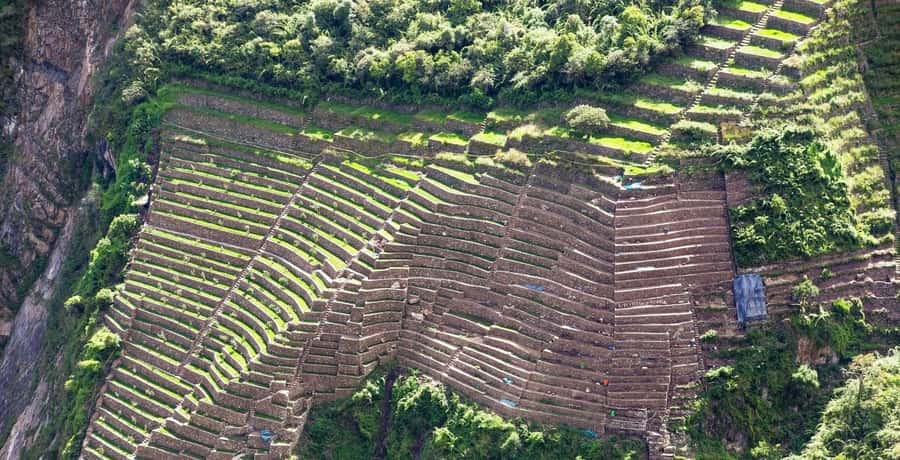
The day begins with pickup at your Cusco hotel. You should wait in the lobby from 10 minutes before the scheduled time. From there, a minibus takes you toward San Pedro de Cachora, the starting point for the hike.
The first major reward comes after about three hours of walking, at the Capulliyoq viewpoint. From here, you can look across the Apurimac River and toward the area of Choquequirao. This is a good moment to understand the scale of the route. The valley is not a small backdrop. It is the terrain you are entering.
After Capulliyoq, the route descends toward Chiquisca. Descending can sound easy, but steep downhill walking can be tough on knees and ankles, especially after a long morning. Trekking poles are not listed among the required items, so you may want to ask the operator if they are available or bring your own if you use them.
Lunch and dinner are included in Chiquisca, followed by a night in a local hostel. This is basic mountain accommodation, not a city hotel. The benefit is location and simplicity: you finish the day near the route instead of returning to Cusco.
For Day 1, carry your water, snacks, sunscreen, and rain gear in a daypack. You may have access to your main belongings at other points, but the instructions specifically recommend keeping essentials close at hand.
Day 2: Santa Rosa, Marampata, and the approach to the ruins
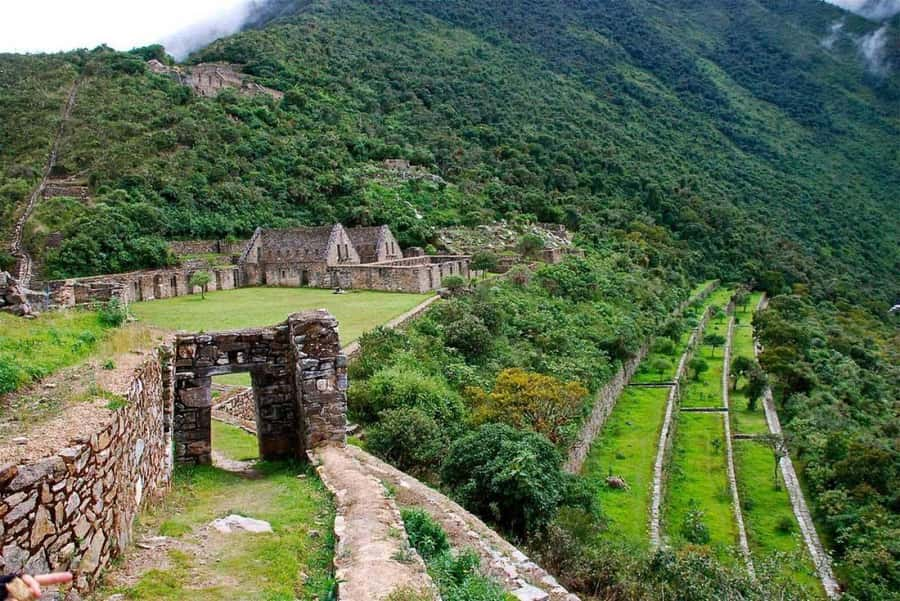
After breakfast, you continue toward Choquequirao. The route passes through Santa Rosa, where lunch is provided. Santa Rosa breaks up the day and gives you a planned place to eat before continuing higher.
The next key stop is Marampata. Its panoramic viewpoint is one of the most memorable parts of the route, with broad views across the Apurimac area. This is where the effort of the climb pays off visually. You can pause, catch your breath, and see the route in a wider context.
You spend the night in a hostel in Marampata. The location matters because it places you near Choquequirao for the following morning. Rather than rushing to the ruins late in the day, you get a night to rest before the main archaeological visit.
This is likely one of the harder days. You should expect steep paths and uneven ground, not a smooth walking trail. The tour notes recommend good physical condition, regular breaks, and steady hydration. Take that advice seriously. You do not need to race, and the scenery is best enjoyed at a pace that leaves you able to look up.
A few more treks around Peru worth a look
- Ancascocha Trek To Machu Picchu 4 Days And 3 Nights
★ 5.0 · 77 reviews - 4 Day Inca Trail Trek to Machu Picchu Multi day tour
★ 5.0 · 70 reviews - Salkantay Trek 4 Days to Machu Picchu by Glamping Sky Lodge Dome
★ 5.0 · 68 reviews - Salkantay Trek to Machu Picchu in 4 days
★ 4.5 · 50 reviews
Day 3: Choquequirao’s temples and public spaces
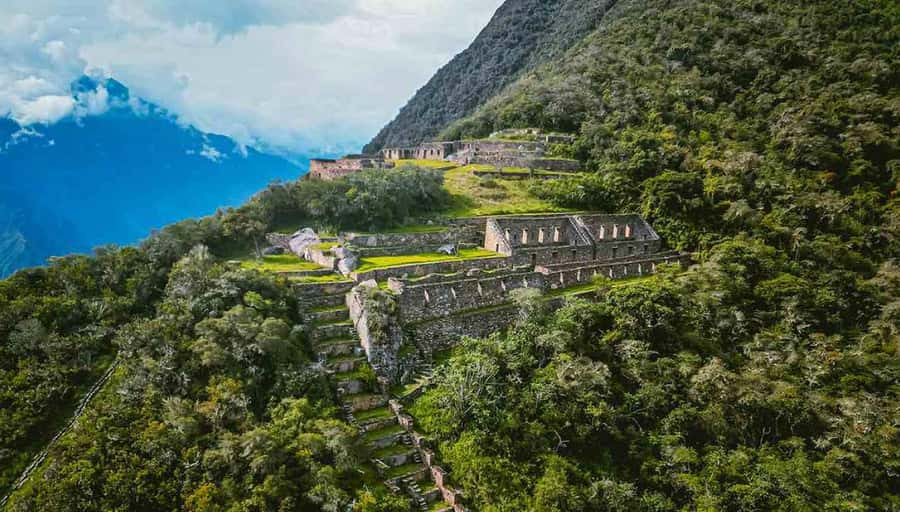
After breakfast in Marampata, you walk for about 1.5 hours to Choquequirao. This shorter approach is welcome after the previous day’s effort, though the terrain remains part of the challenge.
Choquequirao preserves remains of temples, warehouses, and other public spaces from the pre-Columbian era. The site gives you a chance to think about how large and organized Andean settlements could be, even when they sit far from modern roads.
The guide is especially valuable here. The tour is offered in English or Spanish, and the ruins will make more sense when you hear how the different structures fit together. Because the group is limited to 15 participants, it should be easier to stay near the guide and ask questions than on a large group excursion.
The afternoon return to Marampata is practical rather than glamorous, but it is part of what makes the itinerary manageable. You have dinner there and spend a second night in the hostel. This arrangement avoids adding a long return walk after your main site visit.
You should also keep expectations realistic. This is not a polished resort-style hiking holiday. Lodging is in local hostels, meals are served in the Andean countryside, and facilities may be simple. If you value comfort above access, the basic setup could wear on you. If you want a direct connection to the route and local communities, it is part of the appeal.
Day 4: Returning through Playa Rosalina and Capulliyoq
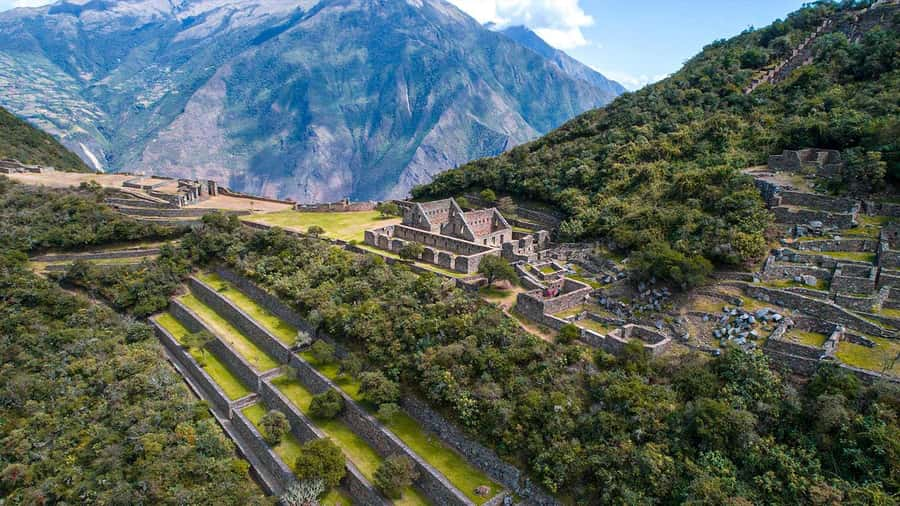
After breakfast, you begin the return walk toward Capulliyoq. The route passes through Playa Rosalina and continues to Chikiska, where lunch is provided.
The return day is not merely a ride back. You walk through the Apurimac Valley again, seeing familiar sections from a different direction. The physical pattern can be demanding because the route includes both descents and later climbs. Your legs may feel the accumulated work of the first three days.
After lunch in Chikiska, you continue to Capulliyoq. A vehicle meets you there and takes you back to Cusco. This final transfer is important. After four days on steep paths, you will appreciate not having to arrange another long connection on your own.
The schedule gives you a full trekking experience without asking you to camp. That is a useful middle ground. You get remote scenery and simple local lodging, but you sleep indoors each night and have prepared meals along the way.
Fitness, weather, and what to pack
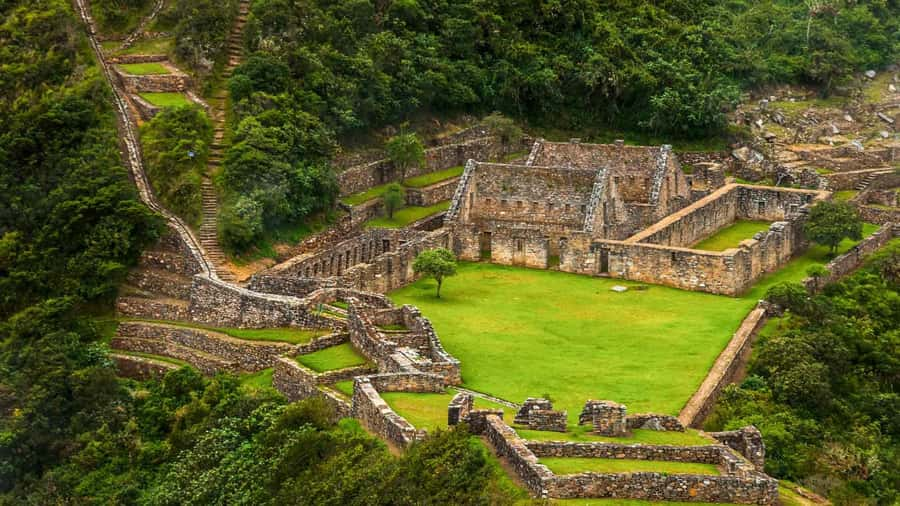
This trek requires more than casual sightseeing fitness. The route includes uneven terrain, steep paths, long walking days, and altitude-related effort, though no elevation figures are provided. You should be comfortable walking for several hours and handling both uphill and downhill sections.
The tour is not suitable for people who are pregnant, have back problems, have mobility impairments, use wheelchairs, fear heights, have vertigo, or have a low level of fitness. Those restrictions are not minor footnotes. They reflect the nature of the trail.
Weather can change, so pack layers rather than relying on one heavy jacket. Your basic daypack should include:
- Comfortable walking shoes
- Warm clothing
- A hat
- Rain gear
- Water and snacks
- Sunscreen
- Insect repellent
- A flashlight
Plastic bottles are not allowed, so use an appropriate reusable water container. Smoking, alcohol, drugs, and littering are also prohibited. Staying hydrated and following the guide’s instructions will make the long days safer and more pleasant.
The small-group setup and guide support
With a maximum of 15 participants, this is a small group rather than a private trek. That size gives you some social company while keeping the group more manageable on narrow or steep sections.
The guide speaks English or Spanish. You should confirm your preferred language when checking availability, especially if clear explanations about the ruins and trail safety are important to you.
The guide also helps keep the group together. On a remote route, this matters more than it would on a city walking tour. Follow instructions, take regular breaks, and avoid walking far ahead or behind the group.
There is no guide name provided for this experience, so I would not book it expecting a particular individual. Instead, focus on confirming the language, pickup time, current availability, and what the operator expects you to carry.
What is included, and what is not
The practical inclusions are straightforward:
- Hotel pickup in Cusco
- Minibus transportation to the trekking route
- An English or Spanish-speaking guide
- Three nights in hostels
- Three breakfasts
- Three lunches
- Three dinners
You pay separately for personal expenses, travel insurance, extra meals, and drinks. Water is especially important because the tour materials advise you to bring it, and the cash tip suggests that buying water along the way may be useful.
Free cancellation is available up to 24 hours before the activity for a full refund, and you can reserve now and pay later. Check availability before booking because starting times depend on the available departure date.
Who should book this trek?
I would recommend this to you if you want a physically demanding route, a remote archaeological site, and a small-group format. It is a good match if you prefer local hostels to larger hotels and if you enjoy the journey as much as the ruins themselves.
The trek also suits people who want a quieter alternative to Peru’s busiest historic sites. The remote route and low number of people can make Choquequirao feel more personal, but you must accept the effort required to get there.
I would not choose it for a first-time hiker who is unsure about steep paths, or for anyone who needs reliable comfort and easy transport at every stage. The lack of detailed elevation and walking-hour information also means you should ask the operator for a current day-by-day difficulty estimate before paying.
Should you book the Choquequirao trek?
Book it if you want remote ruins, large Apurimac River views, local lodging, and a genuine four-day hike rather than a simple sightseeing transfer. The strongest parts are the quiet route, the gradual approach to Choquequirao, the small group, and the practical package of transport, guide, lodging, and meals.
Skip it if you have low fitness, fear heights, need accessible paths, or dislike basic hostels. If you do book, bring cash for water, hot showers, Wi-Fi, and tips, and arrive ready for steep ground and changing weather. For a fit hiker seeking a less crowded Andean experience, $450 is a reasonable package price for the amount of logistics it handles.
FAQ
How long is the Choquequirao trek?
The trek lasts four days, including transportation from Cusco and the return trip.
Where does pickup take place?
Pickup is included from any hotel in Cusco. You should wait in the hotel lobby from 10 minutes before the scheduled pickup time.
Is transportation included?
Yes. Minibus transportation to the starting points of the trekking route is included, along with the return vehicle from Capulliyoq to Cusco.
Are meals included?
Three breakfasts, three lunches, and three dinners are included. Additional meals, drinks, and personal food purchases are not included.
Where do you sleep during the trek?
You spend three nights in local hostels, including accommodation in Chiquisca and Marampata.
What languages does the guide speak?
The live guide service is available in English or Spanish.
Is the trek suitable for people with limited mobility?
No. It is not suitable for people with mobility impairments or wheelchair users. It is also not recommended for people with back problems, vertigo, fear of heights, pregnancy, or a low level of fitness.
What should you bring?
Bring comfortable shoes, warm clothing, a hat, snacks, sunscreen, water, rain gear, insect repellent, and a flashlight. Plastic bottles, smoking, alcohol, drugs, and littering are not allowed.
Recently added around Peru
- 5 Day – Salkantay trek to Machu Picchu – Group Service★ 4.5 · 27 reviews
- Small Group: 4-Day Inca Trail Trek to Machu Picchu★ 5.0 · 33 reviews
- 6 day Rainbow Mountain x Ausangate Trek – FlashpackerConnect★ 5.0 · 30 reviews
- Salkantay Trek: 5 Days to Machu Picchu★ 5.0 · 33 reviews
- Salkantay 5-Day Trek To Machu Picchu★ 5.0 · 39 reviews
- Inca Trail Trek to Machu Picchu – 2 Days (Small Group or Private)★ 5.0 · 31 reviews
- Humantay Lake Full-Day Adventure: Scenic Trek and Stunning Views★ 4.5 · 39 reviews
- Ausangate and Rainbow Mountain Trek – 3 Days / 2 Nights★ 5.0 · 35 reviews
Machu Picchu & Inca Trail Treks, compared.
Machu Picchu: 5-Day Salkantay Trek with Panoramic Train
Read our review →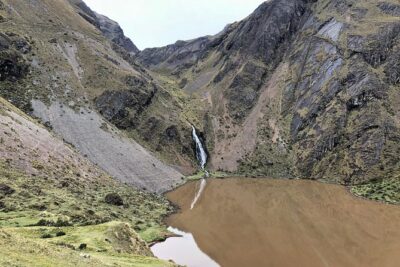
Ancascocha Trek To Machu Picchu 4 Days And 3 Nights
Read our review →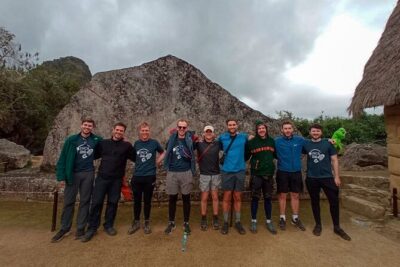
4 Day Inca Trail Trek to Machu Picchu Multi day tour
Read our review →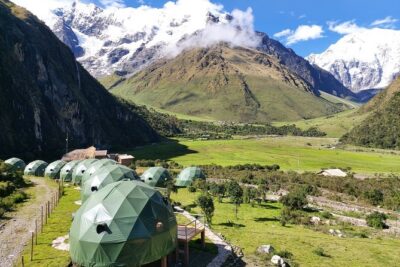
Salkantay Trek 4 Days to Machu Picchu by Glamping Sky Lodge Dome
Read our review →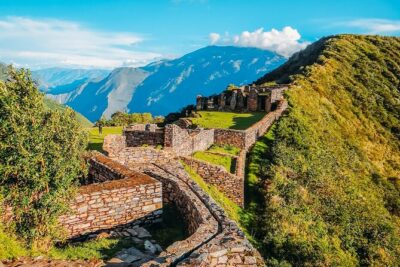
Browse the lists this tour appears in