
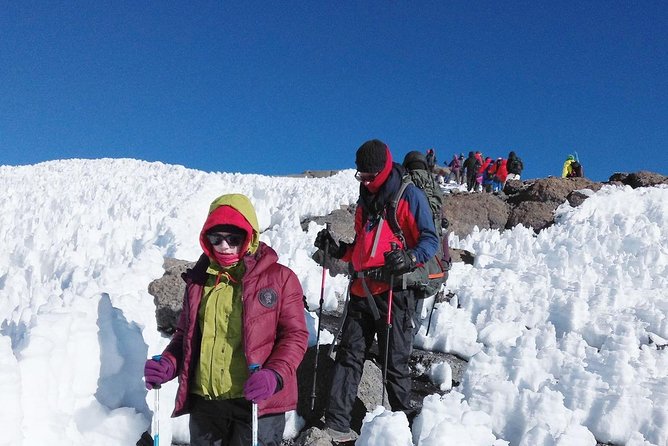
REVIEW · MOSHI
Mt Kilimanjaro Trek, 6 Days – Umbwe Route
Umbwe is Kilimanjaro at its toughest. This six-day climb from Moshi follows a steep, quiet route through forest, moorland, high camps, and the summit of Uhuru Peak at 5,895 meters. I like the sense of isolation and the well-supported setup, including airport transfers, hotel nights, a mountain crew, meals, tents, and emergency oxygen.
I also like that the route keeps moving toward the summit without the crowds found on more popular paths. The main catch is serious: the altitude schedule is punishing, and six days gives you little time to adjust. You need strong fitness, comfort with steep ground, and previous high-altitude experience. This is not the Kilimanjaro route I would choose for a first major trek.
Key points before you commit
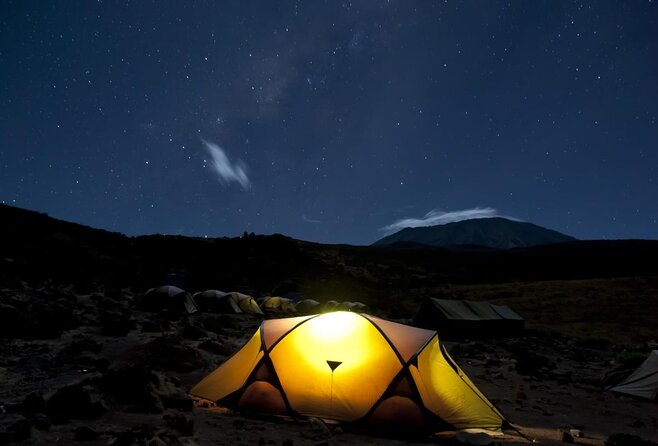
- The Umbwe Route is the least used major route on Kilimanjaro, so you get a quieter climb and fewer people around camp.
- The first two days are steep and fast, rising from 1,660 meters to 4,000 meters by Barranco Camp.
- Summit day can last about 14 hours, beginning around midnight and ending at Mweka Camp.
- The price is $2,260 per person, including airport transfers, two hotel nights, meals, crew, tents, and camping equipment.
- A private group takes the trip, so the climb is not joined by unrelated participants.
- A portable toilet is optional but strongly recommended, while personal hiking gear can be rented in Tanzania.
Why the six-day Umbwe route is different
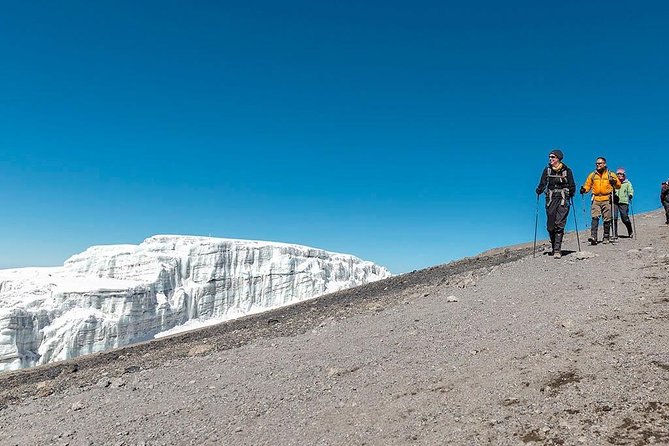
Most people choose Kilimanjaro routes for a mix of scenery, steady altitude gain, and a reasonable chance of reaching the top. Umbwe makes a different bargain. You trade comfort and gradual adjustment for solitude, a direct line up the mountain, and a demanding schedule.
The route is known for its constant uphill work. You start in the rainforest, climb onto open moorland, cross the Barranco Wall, and then move through high camps toward Barafu. The return follows Mweka, on the southeastern side of the mountain.
That route design has one clear benefit: you are rarely stuck in a long procession. It also has a clear weakness. The route does not give your body much time to adapt to thin air. The stated success rate is very low, and the six-day version is the minimum schedule. A seven-day plan is recommended for a better chance to adjust.
I would take the six-day option only if I had a strong reason to avoid the longer routes and knew how I respond to altitude. If reaching the summit is your top priority, a slower route deserves serious consideration.
More Kilimanjaro Climbs in Moshi
- Best Kilimanjaro Adventure 7 days Machame route Trekking
★ 5.0 · 42 reviews - Kilimanjaro 7 Day Private Trekking Experience
★ 5.0 · 40 reviews - 6 Days Machame Route Kilimanjaro Climbing Trekking Tour
★ 5.0 · 34 reviews
What $2,260 buys you in Moshi and on the mountain
At $2,260 per person, this is not a bare-bones mountain permit with a guide. The package includes return transfers between Kilimanjaro Airport and Moshi, a hotel night before the climb, and another after you return. Dinner and breakfast are included on those hotel nights.
On the mountain, you receive breakfast, lunch, and dinner for the six-day schedule, plus fresh drinking water and warm water for washing each day. Camping equipment includes tents, camp chairs, tables, and a sleeping mattress.
The support team includes a qualified mountain guide, assistant guides, porters, and a cook. Crew salaries are covered according to Kilimanjaro National Park guidelines. That matters because a climb of this length is not simply a walk with a backpack. Food, camp setup, water, and daily organization all require steady work behind the scenes.
Emergency oxygen and a basic first aid kit are included for emergencies only. Oxygen is not a shortcut for summit day or a way to ignore altitude symptoms. You still need to tell the guide how you feel and follow the crew’s instructions.
You must pay separately for flights, visas, health and travel insurance, personal gear, snacks, personal medicine, water purification tablets, and meals or drinks not listed. A portable toilet costs extra, but I would treat it as a practical upgrade rather than a luxury. At high camps, privacy and comfort can matter more than you expect.
Day 1: Umbwe Gate to 2,850 meters
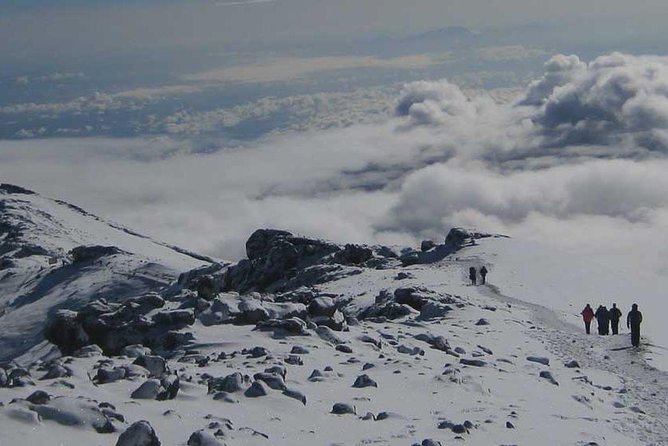
The day begins with about an hour of driving from Moshi to Umbwe Gate. The route starts at roughly 1,660 meters and climbs about 11 kilometers through rainforest to camp at 2,850 meters.
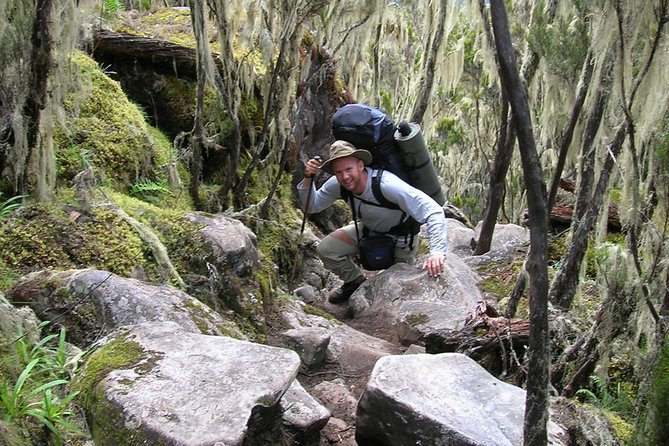
The stated hiking time is five to six hours. You carry a packed lunch and spend the day on a steady uphill path beneath the forest canopy. This is a beautiful opening, but it is not a gentle warm-up. Umbwe begins climbing almost at once.
The forest can feel damp, and the trail may be slick. Your boots need good grip, and your rain layer should be easy to reach. The crew carries the main camping supplies, but you still need a daypack with water, clothing layers, lunch, and personal essentials.
This first stage gives you an early taste of the route’s main character: quiet, steep, and direct. You are not spending a long first day wandering through broad, easy paths. You are gaining height quickly.
Day 2: Forest edge to Barranco Camp at 4,000 meters
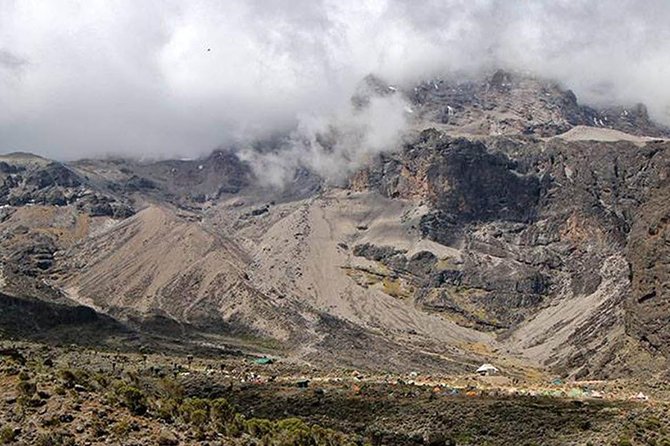
After breakfast, you leave the forest and enter open moorland. The route climbs from 2,850 meters to Barranco Camp at about 4,000 meters, covering six kilometers in roughly four to five hours.
On paper, this day is shorter than the first. In practice, the altitude makes it more demanding. A rise of 1,150 meters in one day is a lot, especially so early in the trip.
Barranco Camp is one of the major points on the southern route. You are now surrounded by high mountain scenery rather than dense forest, and the next day brings the famous Barranco Wall. The camp also makes the altitude issue impossible to ignore. You have reached 4,000 meters after only two hiking days.
This is the point where I would pay close attention to headaches, nausea, unusual fatigue, and poor coordination. The presence of emergency oxygen and first aid equipment is reassuring, but prevention still depends on pacing, hydration, rest, and honest communication with your guide.
Same trailhead, a longer or shorter day out:
- Kilimanjaro Trekking 7Days 6Night Lemosho Route
★ 5.0 · 23 reviews - 8 Day Kilimanjaro Trek via Lemosho Route
★ 5.0 · 17 reviews - Top 6 Days Mt. Kilimanjaro Bike trek Tour by Marangu-Kilema Route
★ 5.0 · 15 reviews - 6 Days Mount Kilimanjaro Trek Marangu Route
★ 5.0 · 15 reviews
Day 3: The Barranco Wall and Karanga Valley
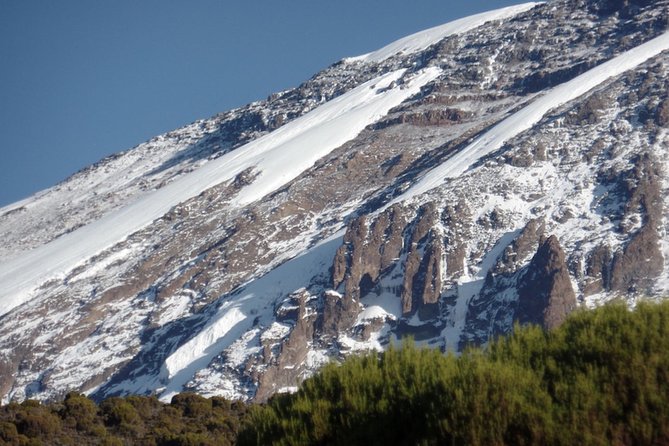
Day three covers about five kilometers and takes three to four hours. You leave Barranco Camp at 4,000 meters, climb to around 4,050 meters, and cross the Barranco Wall before reaching Karanga Valley.
The total height gain is small, but the route is physically interesting. The Barranco Wall requires hands-on movement in places, though the supplied details do not describe technical climbing or ropes. You should expect a steep, uneven section rather than a simple path across flat ground.
After the wall, the trail continues toward Karanga Valley and the junction with the Mweka Trail. This section connects you with the route used for the descent and forms part of the southern circuit.
The day is shorter than summit day, giving you time to rest and prepare for the next push. Still, the high altitude does not disappear just because the mileage is modest. You may find this day more tiring than the numbers suggest.
Day 4: Karanga Valley to Barafu Camp at 4,700 meters
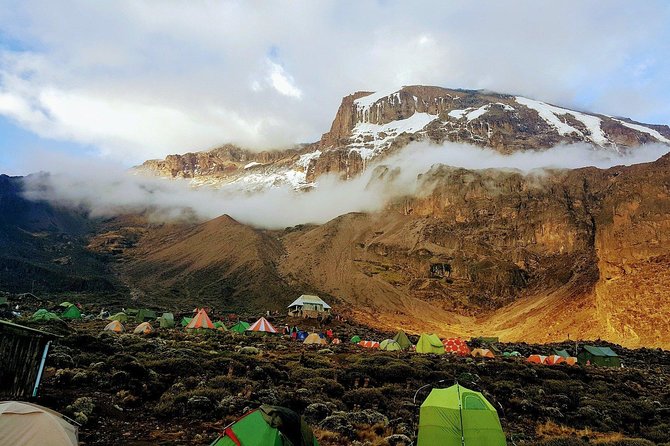
The fourth day climbs four kilometers from about 4,050 meters to Barafu Camp at 4,700 meters. Hiking time is listed at three to four hours.
Barafu is the launch point for the summit attempt. You complete the southern circuit here, with views of Uhuru Peak from different angles along the approach. The main job after arrival is not sightseeing. You eat dinner, rest, organize your clothing, and prepare for a midnight start.
At this height, camp life can be basic and cold. Keep your warm clothing, headlamp, gloves, water, and summit-day items organized before you lie down. You may only have a short rest before leaving again.
This is also where the six-day schedule shows its cost. In four days, you have gone from rainforest to 4,700 meters. A strong walker may manage the physical effort, but altitude affects people differently. Fitness helps you carry yourself uphill. It does not guarantee that your body will adapt quickly.
Day 5: Stella Point, Uhuru Peak, and Mweka Camp
Summit day is the test. You leave between midnight and 2 a.m., climb from 4,700 meters to Uhuru Peak at 5,895 meters, then descend all the way to Mweka Camp at about 3,090 meters.
The ascent covers about five kilometers, followed by a 13-kilometer descent. The full day is listed at roughly 14 hours. This is the part of the trip that demands the most mental control.
You climb northwest through heavy scree between the Rebmann and Ratzel glaciers, heading toward Stella Point on the crater rim. The loose ground can make each step feel slow. You may be tired before the real summit push begins, and the cold, darkness, and altitude add pressure.
At Stella Point, you can stop briefly and watch sunrise. Faster walkers may reach the summit in time for sunrise, while others see it from the crater rim. From Stella Point, the final ascent to Uhuru Peak takes about an hour and may include snow.
Reaching Uhuru Peak is only half of this day. After the summit, you return to Barafu and continue down to Mweka Camp. The descent is long, and tired legs can make uneven ground awkward. I would save energy wherever possible, keep snacks accessible, and avoid treating the summit as the end of the work.
The altitude loss brings some relief, but it does not make the day easy. Fourteen hours on your feet is a serious demand even without high-altitude conditions.
Day 6: Mweka Camp to the park gate
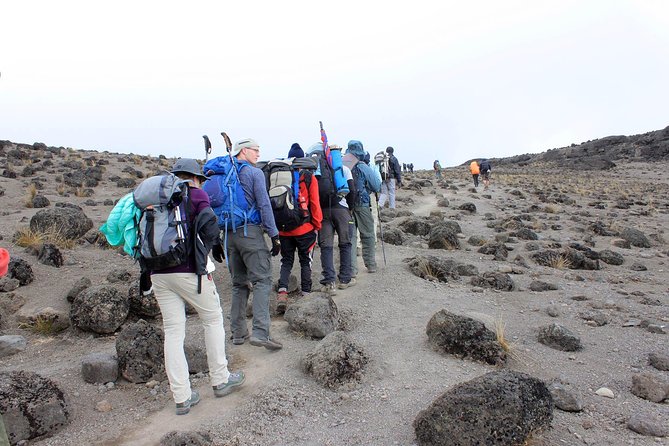
The final morning descends from approximately 3,090 meters to 1,680 meters over 10 kilometers. The walk takes about three to four hours.
The trail becomes wetter and muddier at lower elevations. Gaiters and trekking poles are useful here. You may be comfortable in shorts and a T-shirt by the end, but keep rain gear and warmer clothing within reach because mountain weather can change.
At Mweka Park Gate, you receive your summit certificates. The route then continues for about another hour to Mweka Village, where a vehicle takes you back to your Moshi hotel in about 30 minutes.
This final walk is longer than the official camp-to-gate section, so do not assume the vehicle meets you directly at the park gate. The extra hour to the village is part of the day’s practical logistics.
The crew, food, and support system
The crew is one of the strongest parts of this package. You have a mountain guide, assistant guides, porters, and a cook, with salaries included according to park guidelines. That gives you a proper support structure for a route where timing and safety matter.
The cook prepares five breakfasts, six lunches, and five dinners for the listed schedule. Meals are more than fuel on a hard climb. A hot dinner at camp can help you recover, and regular meals reduce the temptation to rely only on snacks.
The company’s owner, Wence, is specifically praised for adapting the trip to personal preferences. That suggests you should discuss food needs and trip expectations before departure rather than waiting until you are on the mountain.
Airport pickup and drop-off are included, along with the hotel nights before and after the climb. This removes several small but annoying tasks around a major trek. The post-climb hotel night is particularly useful after the long summit day.
What to pack and what to rent
Personal hiking and trekking gear is not included, but some equipment can be rented from the company’s store in Tanzania. Ask for the current rental list before you arrive.
At a minimum, plan around the conditions described in the route:
- Sturdy hiking boots with good grip
- Warm layers for Barafu and the summit
- Rain gear for wet forest and lower Mweka
- Gaiters for muddy sections
- Trekking poles for steep ground and the long descent
- A headlamp for the midnight summit start
- Personal medicine, snacks, and water purification tablets
- A daypack for daily essentials
Keep rain gear and warm clothing handy on the last day rather than burying them in luggage. The mountain can move from cold and wet to warm quickly as you lose altitude.
Who should book this climb?
You should consider Umbwe if you want a quiet route, prefer a private trip, and feel confident on long, steep mountain days. Previous experience at altitude is especially important because the ascent profile gives you little adjustment time.
This route may suit a physically strong climber who values solitude more than a gradual schedule. It is also a good fit if you want the practical support of a guide, cook, porters, hotel nights, airport transfers, and organized meals.
I would not choose it for a first high-altitude trek, a relaxed holiday, or a group with widely different fitness levels. The private format means your group is alone, but it does not make the mountain easier. If anyone in your party struggles with altitude, the steep schedule can quickly become a serious concern.
The seven-day version deserves attention if your schedule allows it. The available plan identifies six days as the minimum and seven as preferable. That extra day may offer a more sensible pace, though you should confirm the exact route and price before booking.
Should you book the six-day Umbwe Route?
Book it if your priority is a secluded, demanding climb with strong logistical support. The $2,260 price covers far more than the hike itself, including transfers, two hotel nights, meals, camping gear, the mountain crew, emergency equipment, and daily water.
Skip it if you want the best possible odds of reaching the summit or if you have limited altitude experience. In that case, I would ask about a seven-day version or a slower route before paying.
For the right person, Umbwe offers a direct and quiet way up Kilimanjaro. Just respect what the six-day schedule asks of you. The mountain will not care how fit you are on paper.
FAQ
Where does the Mt Kilimanjaro Umbwe trek start?
The trek starts at Umbwe Gate in Umbwe, Tanzania. The tour provides transport from Moshi to the gate, which takes about one hour.
How long is the Umbwe Route experience?
The listed experience lasts six days. The route information notes that seven days is recommended, while six days is the minimum schedule.
What is the highest point reached?
The summit is Uhuru Peak at 5,895 meters. The summit attempt begins from Barafu Camp at approximately 4,700 meters.
Are airport transfers included?
Yes. Return transfers between Kilimanjaro Airport and Moshi are included.
Are hotel nights included?
Yes. One hotel night before the climb and one night after the climb are included, with dinner and breakfast.
Is this a private trek?
Yes. Only your group participates in the activity. The group size is not specified in the supplied information.
More 6-Day Experiences in Moshi
- 6-Day Rongai Route Trek in Mount Kilimanjaro
★ 5.0 · 8 reviews - 6-Day Kilimanjaro Machame Route – A Stunning Trek to Uhuru Peak
★ 5.0 · 7 reviews - 6 Days Kilimanjaro Trekking – Machame Route
★ 5.0 · 6 reviews - 6 Days MARANGU ROUTE (Kilimanjaro Trekk)
★ 5.0 · 5 reviews
Recently added around Moshi
- Mount Kilimanjaro Trek 7-Days: Lemosho Route★ 5.0 · 2 reviews
- 7 Day Trek To The Roof Of Africa Kilimanjaro via Machame Route★ 5.0 · 5 reviews
- 8 Day Kilimanjaro Trek via Lemosho Route★ 5.0 · 17 reviews
- 6-Day Kilimanjaro Machame Route – A Stunning Trek to Uhuru Peak★ 5.0 · 7 reviews
- 7-Days Tour Mount Kilimanjaro Trekking via Machame Route★ 5.0 · 2 reviews
- Trek To Mount Kilimanjaro★ 5.0 · 12 reviews
- Unforgettable 8 Days Lemosho Route Trekking on Kilimanjaro★ 5.0 · 4 reviews
- 6-Day Rongai Route Trek in Mount Kilimanjaro★ 5.0 · 8 reviews
Kilimanjaro Climbs, compared.
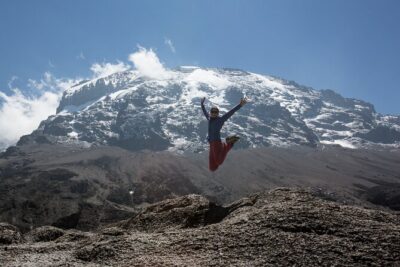
8-Day Small-group Lemosho Kilimanjaro Summit Trekking
Read our review →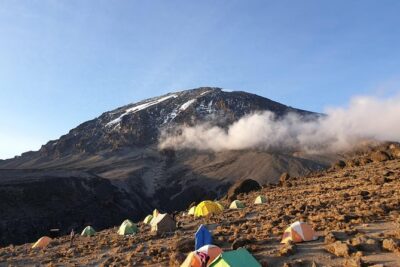
Best Kilimanjaro Adventure 7 days Machame route Trekking
Read our review →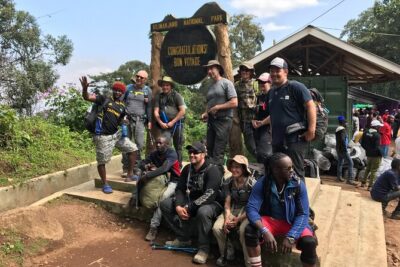
Kilimanjaro 7 Day Private Trekking Experience
Read our review →
6 Days Machame Route Kilimanjaro Climbing Trekking Tour
Read our review →
Kilimanjaro Trekking 7Days 6Night Lemosho Route
Read our review →
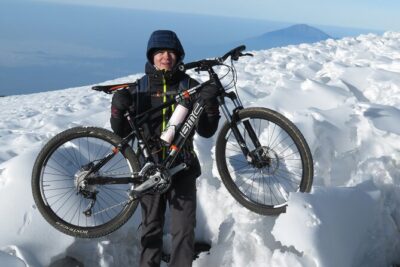
Top 6 Days Mt. Kilimanjaro Bike trek Tour by Marangu-Kilema Route
Read our review →Browse the lists this tour appears in