
REVIEW · MOSHI
7 Day Trek To The Roof Of Africa Kilimanjaro via Machame Route
The mountain changes with every camp. This Machame Route trek appeals to me for two clear reasons: the scenery shifts from rainforest to alpine desert, and the schedule gives you useful acclimatization time before the summit push. I also like that the price includes park fees, airport transfers, mountain meals, tents, safety equipment, and two hotel nights.
The main caution is the physical demand. You will hike at high altitude, sleep as high as 15,190 feet, and climb to 19,341 feet on summit day. The advertised trek takes seven mountain days within an approximately nine-day trip, so this is a serious expedition rather than a long walking holiday.
Key details before you book
- Machame Route scenery: Walk from lush rainforest through heather, moorland, high alpine desert, and snow-capped mountain country.
- Seven mountain days: The route runs from Machame Gate on Day 2 to Mweka Gate on Day 8, with arrival and departure time built around it.
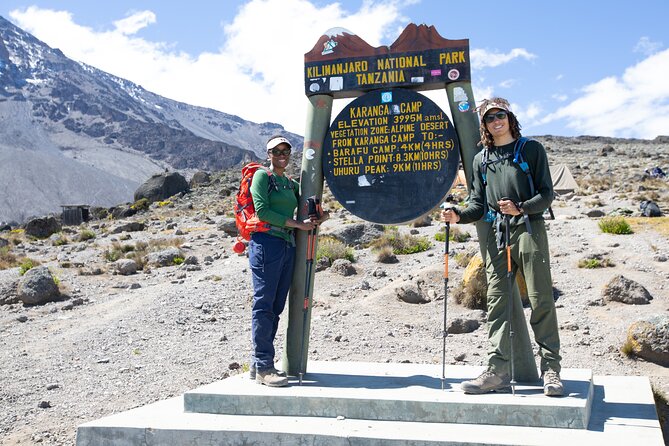
- Summit altitude: Uhuru Peak reaches 19,341 feet, with the summit attempt beginning from Barafu Camp at 15,190 feet.
- Acclimatization plan: Day 4 includes a hike to Lava Tower at 15,190 feet before sleeping lower at Barranco Camp.
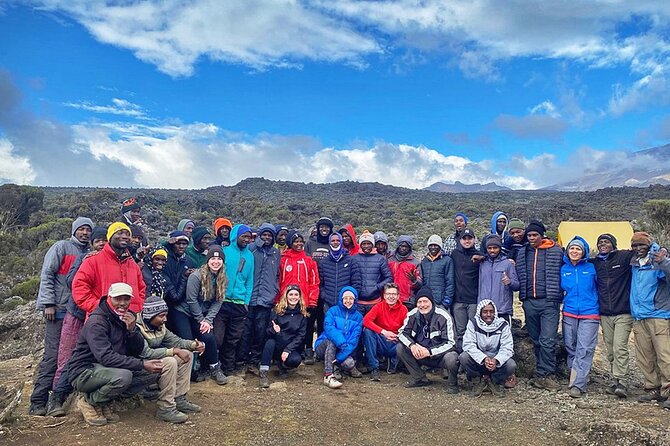
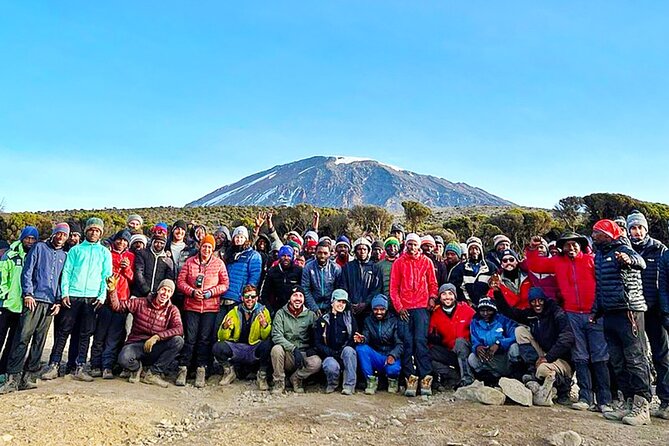
- Small-group format: The maximum group size is 15 people, with experienced guides and a professional climbing crew.
- Strong safety provisions: Guides are certified Wilderness First Responders, and the team carries emergency oxygen and a medical kit.
Why the Machame Route earns its reputation
Machame is a popular choice because it offers a broad sample of Kilimanjaro’s changing plant zones and terrain. You begin in rainforest, move into heather and moorland, then reach bare high-altitude country where the mountain feels much more severe.
The route is not easy. Its rewards come with steep paths, long walking days, cold nights, and a summit attempt that starts after a short rest at Barafu Camp. The route also includes the famous Barranco Wall, which adds a more hands-on section to the climb.
I like the way the itinerary handles acclimatization. On Day 4, you climb to Lava Tower at 15,190 feet, then descend to Barranco Camp at 12,960 feet to sleep. That climb-high, sleep-lower pattern gives you time to feel how your body responds before the final ascent.
The support system is another strong point. The listed crew includes certified Wilderness First Responder guides with more than 10 years of climbing experience each. You also receive two daily health checks using an oximeter and questions focused on your condition. That does not remove the risks of altitude, but it gives the team a regular way to monitor you.
More Kilimanjaro Climbs in Moshi
- Best Kilimanjaro Adventure 7 days Machame route Trekking
★ 5.0 · 42 reviews - Kilimanjaro 7 Day Private Trekking Experience
★ 5.0 · 40 reviews - 6 Days Machame Route Kilimanjaro Climbing Trekking Tour
★ 5.0 · 34 reviews
Arrival in Moshi and getting organized
Your trip begins with airport pick-up at Kilimanjaro International Airport. Ground transportation is included, along with two hotel nights at Kili Wonders Hotel or a similar property, with breakfast provided.
The first day is mainly for arrival and transfer. This matters because a flight delay or tired arrival can make the next morning harder. The hotel nights also give you a base before and after the mountain portion, though lunch and dinner at the hotel are not included.
You should use this time to check your personal equipment, organize your pack, and confirm the plan with the guide team. Personal climbing equipment is not included, so you are responsible for items such as sleeping bags, hiking boots, and suitable clothing.
Day 2: Machame Gate to Machame Camp
The trek begins at Machame Gate, at about 5,905 feet, and climbs to Machame Camp at 9,875 feet. The first section leads through rainforest, with a steady uphill walk rather than an immediate assault on the mountain.
This is an excellent introduction to the route because the forest gives you shade and a softer setting before the terrain becomes rougher. You will still feel the gain in altitude, especially if your legs are carrying a full day pack.
The camp sits nearly 4,000 feet higher than the gate. That is a meaningful first-day climb, so you should resist the temptation to race ahead. The best approach is slow and steady, with attention to hydration, food, and any early signs of discomfort.
Day 3: Machame Camp to Shira Camp
On Day 3, you leave the rainforest behind and enter heather and moorland. The route climbs from 9,875 feet to Shira Camp at 12,600 feet.
This section feels more exposed and open. The vegetation becomes lower, and the mountain begins to look less like a forest hike and more like a high-altitude trek. The change in scenery is one of the best reasons to choose this route.
The drawback is the altitude gain. You climb more than 2,700 feet in a day, then sleep above 12,000 feet. Some people find this manageable, while others begin noticing headaches, poor sleep, or reduced appetite. Your guides’ health checks are particularly useful at this stage.
Same trailhead, a longer or shorter day out:
- Kilimanjaro Trekking 7Days 6Night Lemosho Route
★ 5.0 · 23 reviews - 8 Day Kilimanjaro Trek via Lemosho Route
★ 5.0 · 17 reviews - Top 6 Days Mt. Kilimanjaro Bike trek Tour by Marangu-Kilema Route
★ 5.0 · 15 reviews - 6 Days Mount Kilimanjaro Trek Marangu Route
★ 5.0 · 15 reviews
Day 4: Shira Camp, Lava Tower, and Barranco
Day 4 is the route’s main acclimatization day. You start at Shira Camp, climb to Lava Tower at 15,190 feet, and then continue to Barranco Camp at 12,960 feet.
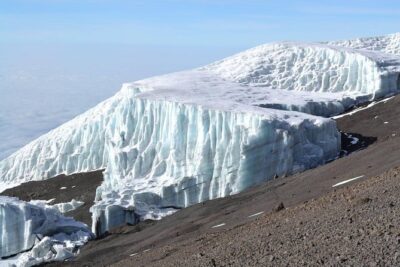
The high point near Lava Tower gives you a valuable test of altitude. You also get views toward the Western Breach and the Southern Glacier. Then the descent to Barranco provides the benefit of sleeping lower than your highest point of the day.
This is a long and demanding day, but its design is smart. You are not simply adding height for its own sake. You are giving your body time at a higher elevation before returning to a lower camp.
The scenery also becomes stark and memorable here. The rainforest is far behind you, and the mountain’s glaciers and volcanic features begin to dominate the view. This is one of the days when you feel the scale of Kilimanjaro most clearly.
Day 5: The Barranco Wall to Karanga Camp
The day begins with the famous Barranco Wall. From Barranco Camp at 12,960 feet, you climb toward Karanga Camp at 13,270 feet.
The wall sounds intimidating, but the important practical point is that it is a steep mountain section, not a technical rock-climbing pitch based on the information provided. You should expect uneven footing and a slower pace. Your guide will lead the group through the section while you focus on balance and breathing.
At the top, you get broad views from above the wall. The climb also gives the day a clear sense of achievement, even though the altitude gain to Karanga is modest.
Karanga is high, cold, and relatively close to the summit zone. You should treat this camp as a place to eat, drink, rest, and prepare for the next major climb rather than as a casual overnight stop.
Day 6: Karanga Camp to Barafu Camp
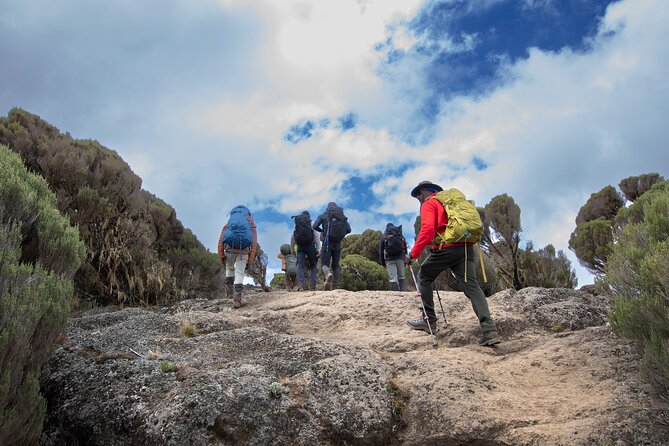
The route leaves Karanga Camp at 13,270 feet and climbs through high alpine desert to Barafu Camp at 15,190 feet.
This is the final camp before your summit attempt. The surroundings become increasingly bare, with less plant life and a stronger sense of exposure. You are now well above the forest and moorland zones.
The day is shorter than summit day, but it can still feel tiring because you are sleeping high. Barafu is your staging point for the climb to Uhuru Peak, so the evening is mainly about conserving energy and preparing your clothing, water, and equipment.
You should not expect a relaxed night. The itinerary has you begin the summit effort around sunrise on the following day, and the total summit and descent schedule is the toughest part of the trip.
Day 7: Barafu Camp to Uhuru Peak and Mweka Camp
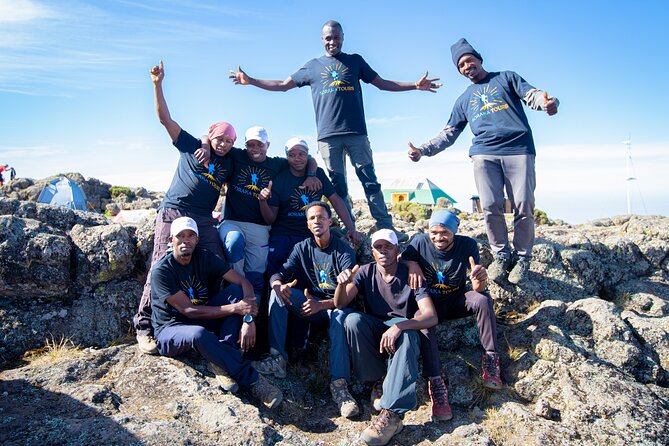
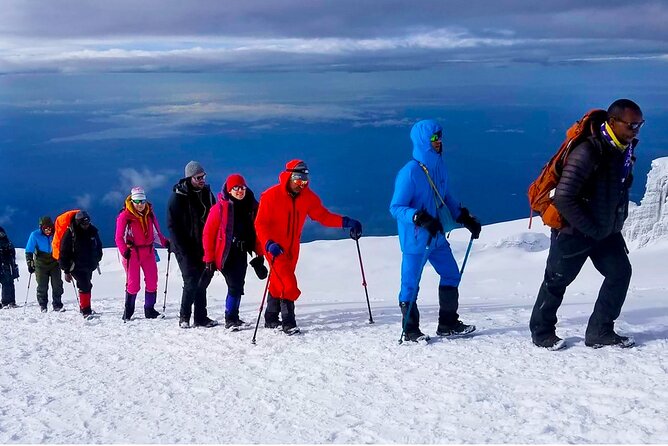
The summit day runs from Barafu Camp at 15,190 feet to Uhuru Peak at 19,341 feet, followed by a descent to Mweka Camp at 10,170 feet.
The height gain to the summit is more than 4,000 feet. After reaching the top, you descend more than 9,000 feet to camp. That makes this a very long day, and the challenge comes from both altitude and accumulated fatigue.
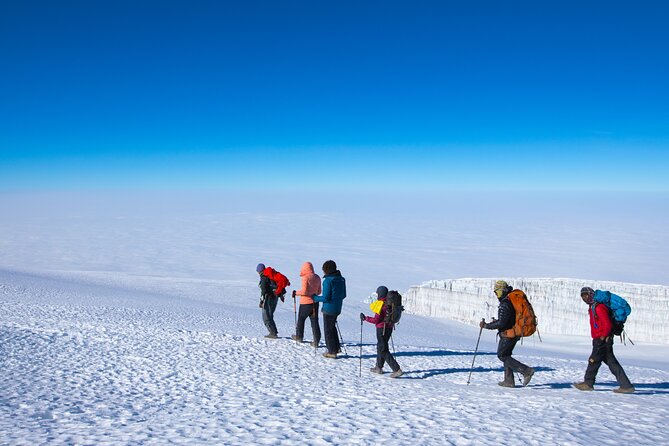
At the summit, you can expect sunrise views of the glaciers and surrounding country. The exact experience depends on weather, pace, and how your body handles the altitude. Reaching the top is not guaranteed simply because the route is well organized, so you should judge success by a safe, sensible effort as well as by the final summit sign.
The crew’s support is especially important here. One account describes guides and porters helping with luggage and providing support from the early wake-up through the return to camp. You should still expect to carry your own day essentials, but the mountain crew handles the main expedition logistics.
The descent to Mweka Camp is a welcome change in altitude, though tired knees may make it feel long. Mweka at 10,170 feet offers a far better resting height than Barafu.
Day 8: Mweka Camp to Mweka Gate
The final walking day descends from Mweka Camp at 10,170 feet to Mweka Gate at 5,380 feet. The route takes you back toward lower forest country and ends the mountain portion of the trip.
After several days above the clouds, the return to lower elevation can feel almost startling. You may be tired, dusty, and ready for a shower, but this is also the point when the full achievement begins to sink in.
Ground transportation returns you to the hotel. Since the package includes two hotel nights, the schedule provides a place to recover before departure or further plans.
Day 9: Airport transfer or more time in Tanzania
The final day includes transfer to the airport or onward travel for safari adventures. Airport drop-off is included.
The tour does not include airfare, visas, travel insurance, or hotel lunch and dinner. You should also budget for tips for the mountain staff and any alcoholic drinks. Those costs are separate from the listed price of $3,190 per person.
What the $3,190 price really covers
At first glance, $3,190 is a major trip expense. The value becomes clearer when you look at what is bundled into it.
The price includes Kilimanjaro National Park charges, rescue and camping fees, airport transfers, ground transport, two hotel nights with breakfast, three freshly prepared meals each day on the mountain, tent accommodation, dining equipment, sleeping mats, and the mountain crew.
It also includes emergency oxygen, a medical kit, and twice-daily health monitoring. Dietary support is available for vegetarian, gluten-free, halal, and kosher meal plans, which is useful because food becomes part of your daily fuel at altitude.
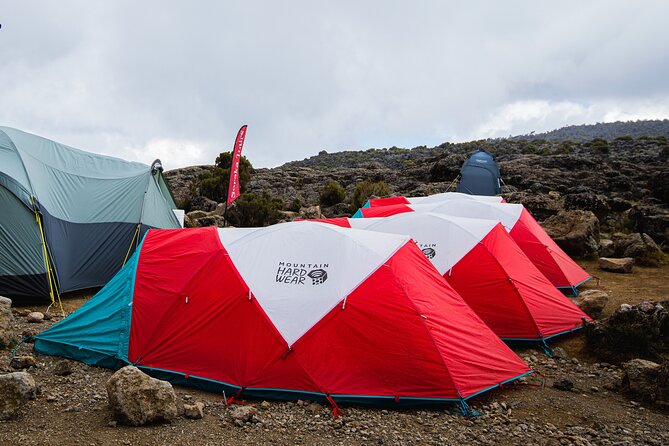
You share a four-season Mountain Hardware tent with one other person. Single accommodation is available for an additional charge. The package also says the crew is paid fair wages under KINPA standards, an important point for anyone concerned about how a porter-supported climb is run.
You still need to supply personal gear, travel insurance, airfare, visa fees, tips, and some hotel meals. Before booking, add the cost of a sleeping bag, boots, warm layers, and other mountain clothing if you do not already own them.
Meals, tents, and daily support
Three freshly prepared meals a day are included while you are on the mountain. That is more useful than it may sound. At altitude, planning and carrying enough food becomes another task, so having meals prepared lets you focus on walking and rest.
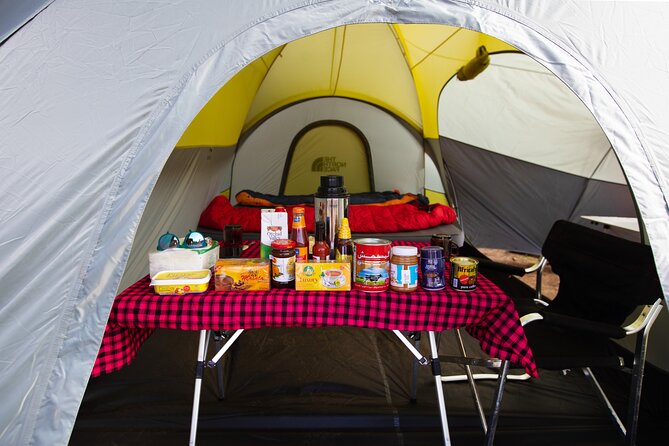
The dining tent includes tables, chairs, and cutlery. This gives the group a more organized place to eat than sitting inside a sleeping tent. Warm sleeping mats are also provided, but a sleeping bag is not listed among the included items.
The accommodation is tented rather than hut-based. You share with one other person unless you pay for a single option. This arrangement suits people who want a supported expedition but do not need hotel comforts every night.
Guide quality and group size
The maximum group size is 15 people. That is small enough to keep the expedition manageable, though your actual group may be smaller.
The guide team includes Baraka and Baltasari among the named guides associated with past trips. Baraka is also described as providing encouragement during a difficult summit attempt, including one climber who reached Stella Point. These details suggest a strong focus on personal support, but you should remember that guide assignments can vary.
The listed crew has extensive climbing experience, and the company describes its guides as certified Wilderness First Responders. Two daily oximeter checks add a practical safety routine. Still, no health check can predict every altitude problem. Travel insurance with mountain rescue and medical coverage remains essential, even though insurance itself is not included.
Who should book this Kilimanjaro trek?
This trip suits you if you want a supported climb with a clear route, prepared meals, porters, tents, and experienced guides. It is also a good fit if you value changing scenery and an itinerary that includes a proper acclimatization day.
You should have a moderate level of physical fitness. The route is not presented as a technical climbing course, but it requires repeated uphill walking, several nights at high altitude, and an unusually long summit day.
It may not suit you if you want a relaxed holiday, private hotel accommodation throughout, or a short high-altitude adventure. You also need to be comfortable with shared tents, cold conditions, and the possibility that altitude or weather may affect your summit attempt.
Free cancellation is available if you cancel at least 24 hours before the experience start time. Changes or cancellations made later are not accepted for a refund.
Should you book it?
I would consider this trek a strong choice for someone who wants a well-supported Kilimanjaro attempt at a serious but understandable price. The best features are the Machame Route’s varied scenery, the Lava Tower acclimatization climb, experienced safety-focused guides, prepared mountain meals, and airport-to-hotel logistics.
Book it if you are ready to train, buy or rent the right personal gear, and accept that the summit day will be physically and mentally demanding. Skip it if you want predictable comfort or a gentle hiking holiday. For the prepared walker, this offers a real sense of progress: rainforest on Day 2, glaciers near the summit, and a hard-earned return to Mweka Gate at the end.
FAQ
How long does the Kilimanjaro experience take?
The trip lasts approximately nine days. Seven days are spent trekking on the mountain, with arrival, hotel, airport transfer, and departure time included.
Where does the trek start?
The mountain trek begins at Machame Gate in Kilimanjaro National Park. Airport pick-up is provided from Kilimanjaro International Airport.
What is the highest point reached?
The trek reaches Uhuru Peak at 19,341 feet. The final camp before the summit, Barafu Camp, is at 15,190 feet.
Are meals included?
Three freshly prepared meals each day on the mountain are included. Hotel lunch and dinner are not included.
Is camping equipment provided?
A four-season Mountain Hardware tent, shared by two people, dining equipment, tables, chairs, and warm sleeping mats are included. Personal equipment such as sleeping bags and hiking boots is not included.
Can dietary requirements be accommodated?
The tour can accommodate vegetarian, gluten-free, halal, and kosher meal plans.
What is the maximum group size?
The maximum group size is 15 people. Single tent accommodation is available for an additional charge.
Is travel insurance included?
No. Travel insurance is not included. Visa fees, airfare, tips for mountain staff, alcoholic drinks, and some hotel meals are also separate costs.
More 7-Day Experiences in Moshi
- Kilimanjaro Trek 7 Days – Machame Route
★ 5.0 · 13 reviews - 7-Day Kilimanjaro Trekking Tour via Machame Route
★ 5.0 · 12 reviews - Machame Route 7-Day Private Kilimanjaro Trek
★ 5.0 · 9 reviews - 7 Days Kilimanjaro Trekking Machame Route
★ 5.0 · 8 reviews
Recently added around Moshi
- Mt Kilimanjaro Trek, 6 Days – Umbwe Route★ 5.0 · 4 reviews
- Mount Kilimanjaro Trek 7-Days: Lemosho Route★ 5.0 · 2 reviews
- 7-Days Tour Mount Kilimanjaro Trekking via Machame Route★ 5.0 · 2 reviews
- 8 Day Kilimanjaro Trek via Lemosho Route★ 5.0 · 17 reviews
- 6-Day Kilimanjaro Machame Route – A Stunning Trek to Uhuru Peak★ 5.0 · 7 reviews
- Trek To Mount Kilimanjaro★ 5.0 · 12 reviews
- Unforgettable 8 Days Lemosho Route Trekking on Kilimanjaro★ 5.0 · 4 reviews
- 6-Day Rongai Route Trek in Mount Kilimanjaro★ 5.0 · 8 reviews
Kilimanjaro Climbs, compared.
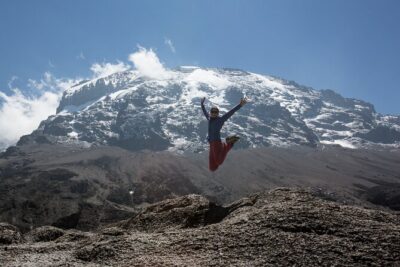
8-Day Small-group Lemosho Kilimanjaro Summit Trekking
Read our review →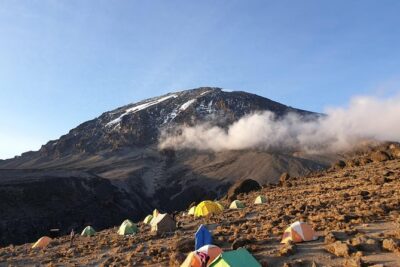
Best Kilimanjaro Adventure 7 days Machame route Trekking
Read our review →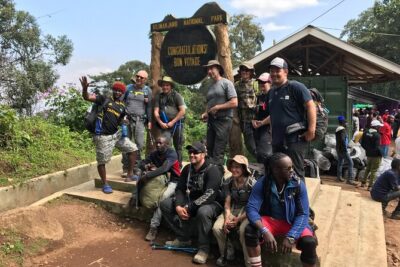
Kilimanjaro 7 Day Private Trekking Experience
Read our review →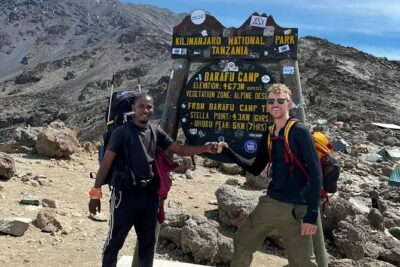
6 Days Machame Route Kilimanjaro Climbing Trekking Tour
Read our review →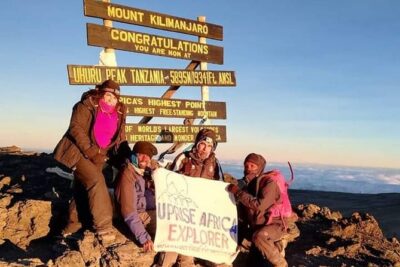
Kilimanjaro Trekking 7Days 6Night Lemosho Route
Read our review →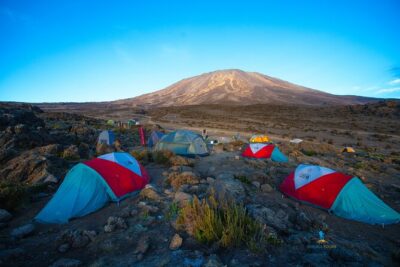
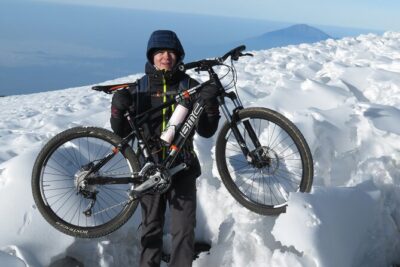
Top 6 Days Mt. Kilimanjaro Bike trek Tour by Marangu-Kilema Route
Read our review →Browse the lists this tour appears in