
REVIEW · MOSHI
6-Day Kilimanjaro Machame Route – A Stunning Trek to Uhuru Peak
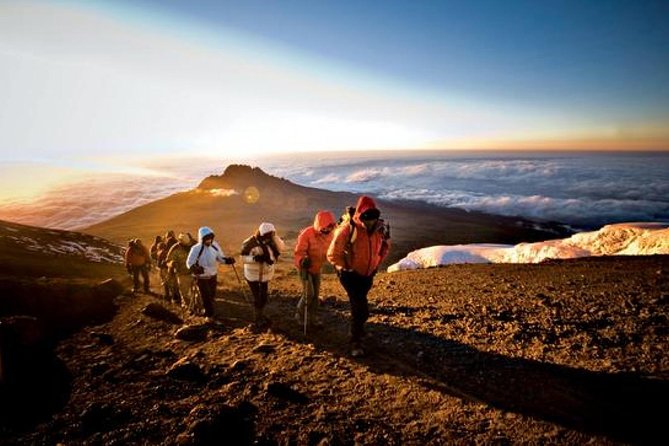
Africa’s highest summit demands respect. This six-day Machame Route trek gives you a dramatic path to Uhuru Peak, moving from tropical forest through moorland and alpine desert before the final midnight climb. I like the route for its changing scenery and the valuable acclimatization day around Lava Tower. I also like that the $2,253 price includes guides, porters, a cook, camping equipment, meals, airport transfers, and emergency oxygen.
The main drawback is the schedule. Six days is a serious test, especially because summit day combines a midnight ascent with a long descent to Mweka Camp. You need moderate fitness, proper clothing, and a willingness to walk slowly when the air gets thin.
- Rainforest start: The first day passes through lush forest between Machame Gate and Machame Camp.
- Strong acclimatization plan: Day three climbs to Lava Tower at 4,650 meters before dropping to Barranco Camp.
- Barranco Wall challenge: Day four includes a steep ridge section before the high camp at Barafu.
- Midnight summit push: You climb toward Stella Point, then continue to Uhuru Peak at 5,895 meters.
- Useful inclusions: Guides, porters, cook, tents, mattresses, meals, drinking water, hot wash water, and transfers are covered.
- Pinnacle’s human touch: Past praise highlights the mountain team, with Justin and Frazier receiving particular attention for their care and professionalism.
Why the Machame Route Appeals to Me
The Machame Route is often called the Whiskey Route, a name that hints at its demanding character. It is not a gentle walk, but it rewards you with some of Kilimanjaro’s finest scenery in a compact six-day format.
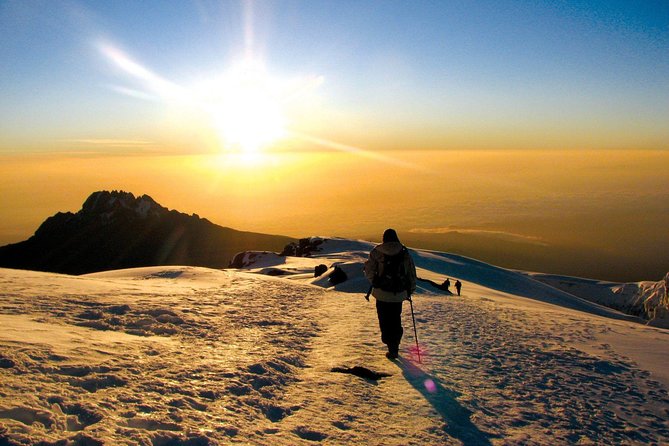
You begin in forest, move into open moorland, cross the Shira Plateau, pass beneath the volcanic formations around Lava Tower, and finish in the bare alpine desert near Barafu. The scenery changes almost every day, so the trek never feels like one long repeated view.
The route also uses a useful climb-high, sleep-lower pattern on the third day. You reach Lava Tower at about 4,650 meters, then descend to Barranco Camp at roughly 4,000 meters. That day does not take you much higher for the night, but it gives your body a chance to respond to altitude before the summit attempt.
The tradeoff is that the route is physically compressed. You have fewer days than on longer Kilimanjaro itineraries, and the summit day is extremely long. The itinerary estimates 11 to 14 hours on day five, with much of the hardest climbing taking place in darkness and cold.
What the $2,253 Price Really Covers
At $2,253 per person, this is not simply a permit and a guide. The package includes return transfers between Kilimanjaro Airport and Moshi, a qualified mountain guide, assistant guides, porters, and a cook. Their wages are included, which matters because the support team carries much of the practical burden on the mountain.
Camping equipment is also supplied. That includes tents, camp chairs, tables, and a sleeping mattress. You still need your personal clothing and hiking equipment, but you do not need to arrange the full camp setup yourself.
Food and water are part of the package too. You receive five breakfasts, five dinners, and six lunches, along with fresh drinking water and hot water for a daily wash. That hot water is a small comfort, but after a cold day at altitude, it can feel like a major luxury.
Emergency oxygen and a basic first aid kit are included. The oxygen is for emergencies only, not as a way to assist the summit climb. You must bring personal medicines and water-purifying tablets, and snacks are also your responsibility.
The price does not include flights, visas, travel insurance, health insurance, personal trekking gear, drinks outside the stated meals, or gratuities. A portable toilet is optional, but strongly recommended. Add those costs before deciding that the advertised price is your full trip budget.
More Kilimanjaro Climbs in Moshi
- Best Kilimanjaro Adventure 7 days Machame route Trekking
★ 5.0 · 42 reviews - Kilimanjaro 7 Day Private Trekking Experience
★ 5.0 · 40 reviews - 6 Days Machame Route Kilimanjaro Climbing Trekking Tour
★ 5.0 · 34 reviews
Day One: Machame Gate to Machame Camp
The first day begins with a morning briefing and gear check, followed by transport from Moshi or Arusha to Machame Gate. This is where you meet the start of the trail and settle into the rhythm of mountain walking.
The route rises from about 1,640 meters to 2,835 meters over approximately 11 kilometers. The walking time is estimated at five to seven hours. The forest is the star of this section, with thick vegetation and possible sightings of native plants and animals.
This is a demanding introduction, but it is also a sensible one. The trail gives you a gradual start before the higher, colder sections. You finish at Machame Camp, where dinner and an overnight stay await.
I would treat this day as a gear test. Notice any hot spots on your feet, adjust your pack, and make sure your rain protection is easy to reach. You do not want to discover a problem only after the trail becomes steeper.
Day Two: The Shira Plateau and Open Moorland
Day two covers only about five kilometers, but the shorter distance does not mean an easy morning. You climb from 2,835 meters to 3,850 meters, leaving the forest for steeper ground and open moorland.
The route crosses several streams and offers views toward Mount Meru and the valleys below. After the enclosed forest, this openness changes the feel of the walk. You can see more of the mountain and sense the scale of the climb ahead.
The estimated walking time is four to six hours. You camp at Shira Cave Camp beneath the night sky. The camp sits on the Shira Plateau, one of the more memorable sections of the route because the vegetation becomes lower and the views widen.
At this altitude, pace matters more than pride. Walk slowly, drink regularly, and follow the guide’s instructions. The short distance can be misleading because altitude makes every uphill section more tiring.
Day Three: Lava Tower and Barranco Camp
Day three is the route’s most important acclimatization day. From Shira, you climb east along a ridge, passing the junction toward Kibo before turning southeast toward Lava Tower, also called the Shark’s Tooth.
Lava Tower reaches about 4,650 meters. The route then passes a junction toward Arrow Glacier before descending to Barranco Camp at about 4,000 meters. The day covers roughly 10 kilometers and takes five to six hours.
The unusual part is that you finish at almost the same height where you started. That is exactly the point. You spend time at a higher elevation, then sleep lower, giving your body useful exposure without making the night as high as the Lava Tower section.
Barranco Camp is a strong scenic stop, surrounded by dramatic volcanic terrain. It also prepares you mentally for the next day, when the route tackles the Barranco Wall.
If you feel fine at this stage, do not assume the altitude has finished testing you. Symptoms can change quickly. Tell the guide about headaches, nausea, unusual tiredness, or poor coordination instead of trying to hide them.
Same trailhead, a longer or shorter day out:
- Kilimanjaro Trekking 7Days 6Night Lemosho Route
★ 5.0 · 23 reviews - 8 Day Kilimanjaro Trek via Lemosho Route
★ 5.0 · 17 reviews - Top 6 Days Mt. Kilimanjaro Bike trek Tour by Marangu-Kilema Route
★ 5.0 · 15 reviews - 6 Days Mount Kilimanjaro Trek Marangu Route
★ 5.0 · 15 reviews
Day Four: Barranco Wall to Barafu
Day four begins with a steep ridge section over the Barranco Wall before continuing toward Karanga Valley. The itinerary places the day in the alpine desert, with an ascent from roughly 13,000 feet to 15,000 feet and about nine kilometers of walking.
The Barranco Wall is one of the route’s best-known physical challenges. It is not simply a long uphill path. The ridge demands careful foot placement and steady movement. Your guide and assistant guides are especially important here, since the pace needs to remain controlled.
After Karanga, you reach the junction with the Mweka Trail and continue upward to Barafu Hut, the high camp. At this point, you have completed the South Circuit and gained views of the summit from several directions.
Mawenzi and Kibo can be seen from Barafu. The setting is stark and exposed, with little shelter from the elements. Dinner comes early, followed by an attempt to rest before the midnight start.
This is the point where the six-day schedule becomes very real. You have climbed high, and there is little time to recover before summit day. Keep your warm clothing, headlamp, water, and summit snacks ready before you lie down.
Day Five: Stella Point, Uhuru Peak, and Mweka Camp
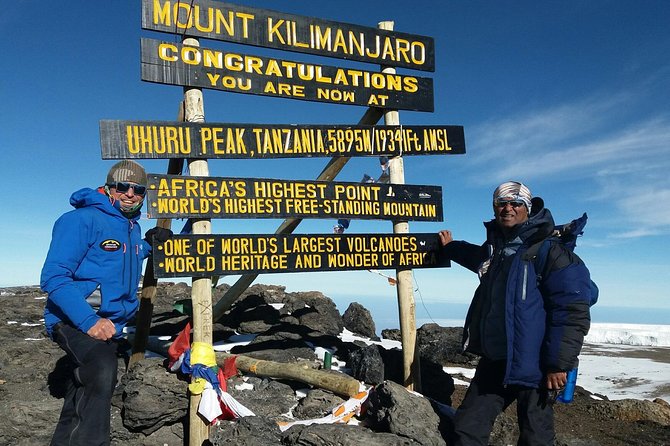
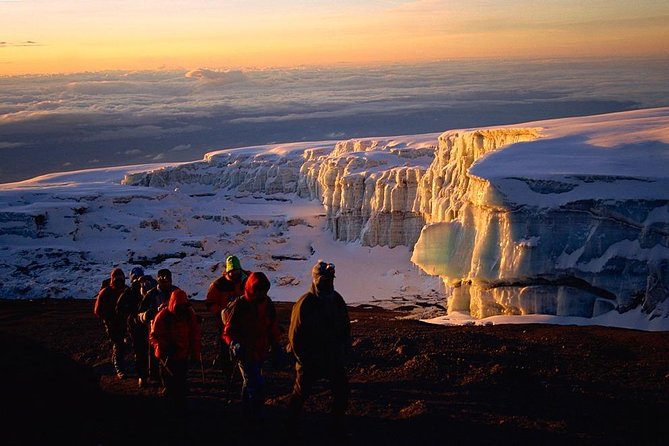
Summit day begins around midnight. You leave Barafu and climb toward Stella Point at 5,756 meters. The route then continues along the crater rim to Uhuru Peak, the summit at 5,895 meters.
The itinerary gives a total distance of about 17 kilometers, with 11 to 14 hours of walking. That total includes the descent to Mweka Camp, so the summit itself is only part of the day’s work.
The early hours are usually about patience. Darkness hides the scale of the climb, while cold air and altitude make each step feel important. The guide sets a slow pace, and you need to accept that the mountain decides how fast you go.
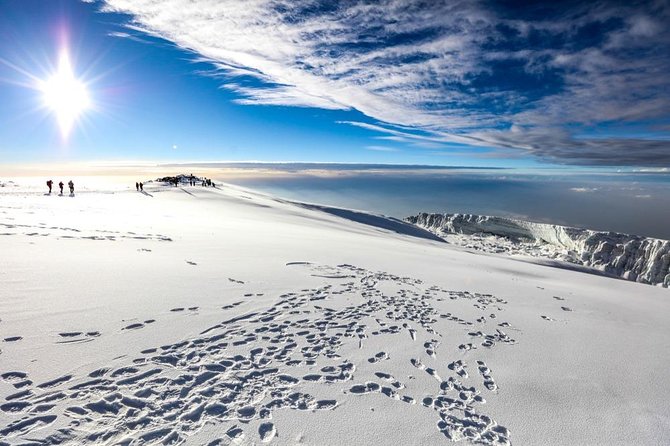
Reaching Uhuru Peak is the obvious high point. You have Africa’s highest summit, wide views, and a short moment to celebrate before the descent begins. Keep that celebration sensible. The air is thin, and you still have a long route to Mweka Camp.
The descent can be hard on knees and feet, especially after the uphill effort. Trekking poles are useful here. The night at Mweka gives you a needed final camp on the mountain before the walk out.
Day Six: Mweka Trail and the Return to Moshi
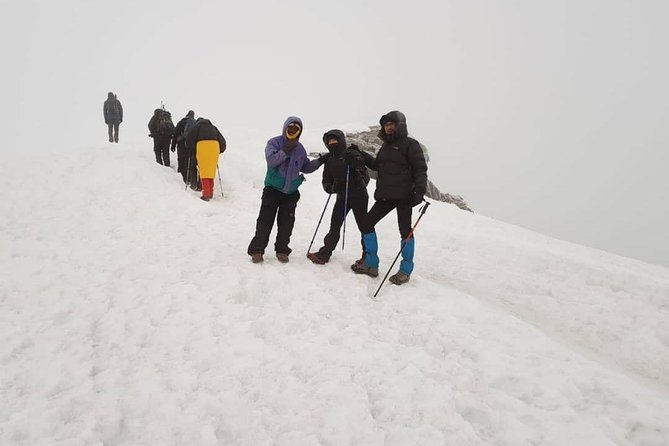
The final day descends from roughly 3,090 meters to 1,680 meters. The walk covers about 10 kilometers and takes three to four hours.
The lower trail can be wet and muddy. Gaiters and trekking poles are recommended, and rain gear should remain accessible even if the morning begins dry. At this elevation, shorts and a T-shirt may be comfortable, but keep warmer clothing close in case conditions change.
You continue to Mweka Park Gate, where you receive your summit certificates. From there, the route continues for about another hour to Mweka Village. A vehicle meets you at the village and takes you back to your Moshi hotel, a drive of about 30 minutes.
This last day is not just a formality. The descent gives you time to reflect, but tired legs can make a short route feel long. Keep your pace controlled and do not rush simply because the summit is behind you.
Guides, Porters, and the Human Side of the Trek
The support team is central to this experience. The package provides a mountain guide, assistant guides, porters, and a cook, with their wages included. That means your experience depends not only on the route but also on how this team manages meals, camp, pacing, safety, and communication.
Praise for the company repeatedly focuses on organization, kindness, and the mountain staff. Justin is singled out for helping make a successful climb possible, while Frazier is praised for professional handling of the trip. Those names give you useful points of contact when discussing your expectations before departure.
One account also describes almost 70 people climbing at the same time. Your booking is described as a private activity for your own group, but the mountain itself can still have many groups on the route. Expect your own booking arrangements to be private without assuming you will have the trail entirely to yourself.
The company also handles airport transfers and Moshi arrangements. That removes several practical tasks, though you should still confirm the pickup plan and keep your flight and insurance details organized.
Food, Water, Washing, and Camp Comfort
Five dinners, five breakfasts, and six lunches are included. A cook prepares the meals, while fresh drinking water and hot water for a daily wash are supplied.
The hot wash water is particularly welcome after dusty or cold walking days. You should still pack personal hygiene items and any snacks you prefer, since personal snacks are not included.
Tents, chairs, tables, and sleeping mattresses are supplied. The camp chairs and tables make meals more comfortable than sitting on the ground, while the mattress means you do not need to bring a full sleeping system from home.
A portable toilet is not included. It can be added as an option and is highly recommended in the trip information. If privacy and convenience matter to you, budget for it rather than treating it as an unnecessary extra.
What to Pack and What to Rent
Personal trekking gear is not included, but gear rental is available from an equipment store in Tanzania. You should arrange this before the climb rather than assuming every item will be available at the last moment.
Bring or rent suitable protection for both cold and wet conditions. Gaiters and trekking poles are specifically useful on the muddy Mweka descent. Warm clothing is essential near Barafu and during the midnight summit attempt, while rain gear remains important in the forest and on the lower trail.
Also plan for personal medicine, water-purifying tablets, and snacks. Emergency oxygen and a first aid kit are supplied, but they do not replace your own medication or travel health planning.
Who Should Choose This Six-Day Climb?
This trek suits you if you want Kilimanjaro’s most varied scenery and have a moderate level of fitness. You should be comfortable walking for several hours on consecutive days and prepared for one very long summit day.
It is a good match for someone who wants an organized climb with guides, porters, meals, camping equipment, and transfers included. It also suits an adventure seeker who values scenery as much as the summit itself.
I would be more cautious if you dislike cold nights, basic camping, steep climbs, or early starts. The midnight departure and 11 to 14-hour summit day are not minor details. Six days gives you a clear route to the top, but it leaves less recovery time than a longer schedule.
Cancellation is available for a full refund if you cancel at least three full days before the local start time. Changes or cancellations made inside that period are not accepted or refunded, so check your dates and insurance before committing.
Should You Book the Machame Route?
I would choose this trek if you want a scenic, well-supported Kilimanjaro climb and accept the demands of a six-day schedule. The value is strongest when you count the included staff wages, food, camp equipment, drinking water, hot wash water, airport transfers, and emergency supplies.
Before booking, ask yourself three questions: Can you handle a midnight start and a 17-kilometer summit day? Do you have suitable personal gear or money to rent it? Are you prepared for a cold, wet, physically demanding week?
If the answer is yes, the Machame Route offers a strong mix of scenery, challenge, and practical support. If you want more time for acclimatization, consider a longer Kilimanjaro itinerary instead. For fit hikers who want the classic route without arranging every camp detail themselves, this is a serious and worthwhile choice.
FAQ
Where does the Kilimanjaro trek begin and end?
The activity starts in Moshi Urban, Tanzania. After the descent to Mweka Village, a vehicle takes you back to your hotel in Moshi, and the tour ends at the meeting point.
How long is the Machame Route experience?
The trek lasts approximately six days. Hiking times range from three to seven hours on most days, while summit day takes about 11 to 14 hours.
Is airport transportation included?
Yes. Return transfers between Kilimanjaro Airport and Moshi are included.
Are meals included?
Yes. The package includes five dinners, five breakfasts, and six lunches. Meals and drinks not specifically listed are not included.
Is camping equipment provided?
Yes. Tents, camp chairs, tables, and sleeping mattresses are included. A portable toilet is optional and not included.
Is emergency oxygen included?
Yes. Emergency oxygen and a basic first aid kit are supplied. The oxygen is for emergencies only and is not provided as summit assistance.
What happens if I cancel?
You can receive a full refund if you cancel at least three full days before the local start time. Cancellations or changes made less than three full days before the start are not accepted, and the amount paid is not refunded.
More 6-Day Experiences in Moshi
- 6-Day Rongai Route Trek in Mount Kilimanjaro
★ 5.0 · 8 reviews - 6 Days Kilimanjaro Trekking – Machame Route
★ 5.0 · 6 reviews - 6 Days MARANGU ROUTE (Kilimanjaro Trekk)
★ 5.0 · 5 reviews - Mt Kilimanjaro Trek, 6 Days – Umbwe Route
★ 5.0 · 4 reviews
Recently added around Moshi
- Mt Kilimanjaro Trek, 6 Days – Umbwe Route★ 5.0 · 4 reviews
- 7 Day Trek To The Roof Of Africa Kilimanjaro via Machame Route★ 5.0 · 5 reviews
- Mount Kilimanjaro Trek 7-Days: Lemosho Route★ 5.0 · 2 reviews
- 8 Day Kilimanjaro Trek via Lemosho Route★ 5.0 · 17 reviews
- 7-Days Tour Mount Kilimanjaro Trekking via Machame Route★ 5.0 · 2 reviews
- Trek To Mount Kilimanjaro★ 5.0 · 12 reviews
- Unforgettable 8 Days Lemosho Route Trekking on Kilimanjaro★ 5.0 · 4 reviews
- 6-Day Rongai Route Trek in Mount Kilimanjaro★ 5.0 · 8 reviews
Kilimanjaro Climbs, compared.
8-Day Small-group Lemosho Kilimanjaro Summit Trekking
Read our review →
Best Kilimanjaro Adventure 7 days Machame route Trekking
Read our review →
Kilimanjaro 7 Day Private Trekking Experience
Read our review →
6 Days Machame Route Kilimanjaro Climbing Trekking Tour
Read our review →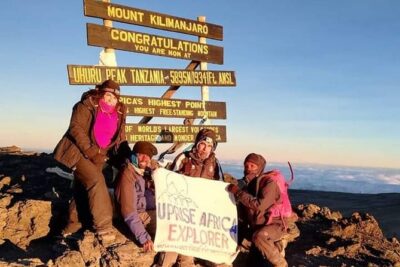
Kilimanjaro Trekking 7Days 6Night Lemosho Route
Read our review →
Top 6 Days Mt. Kilimanjaro Bike trek Tour by Marangu-Kilema Route
Read our review →Browse the lists this tour appears in